

In some circles, haggling has a bad reputation.
For every individual who perceives it as a lighthearted negotiation dance, others find it to be uncomfortable, combative, or even impolite.
The truth lies somewhere in the middle.
When done correctly, haggling is more about negotiating a price that feels reasonable to both parties than it is about getting every last penny out of a seller.
When handled with respect, it’s a skill that strikes a balance between confidence and civility, and it can actually make the entire market experience more pleasurable for all parties.
The secret is learning how to bargain without coming across as rude.
This entails reading the other person, recognizing when to push and when to back off, and treating them like a fellow human being with pride in their work and bills to pay.
Let’s explore how to do it right.
Know Where Haggling Is Welcome
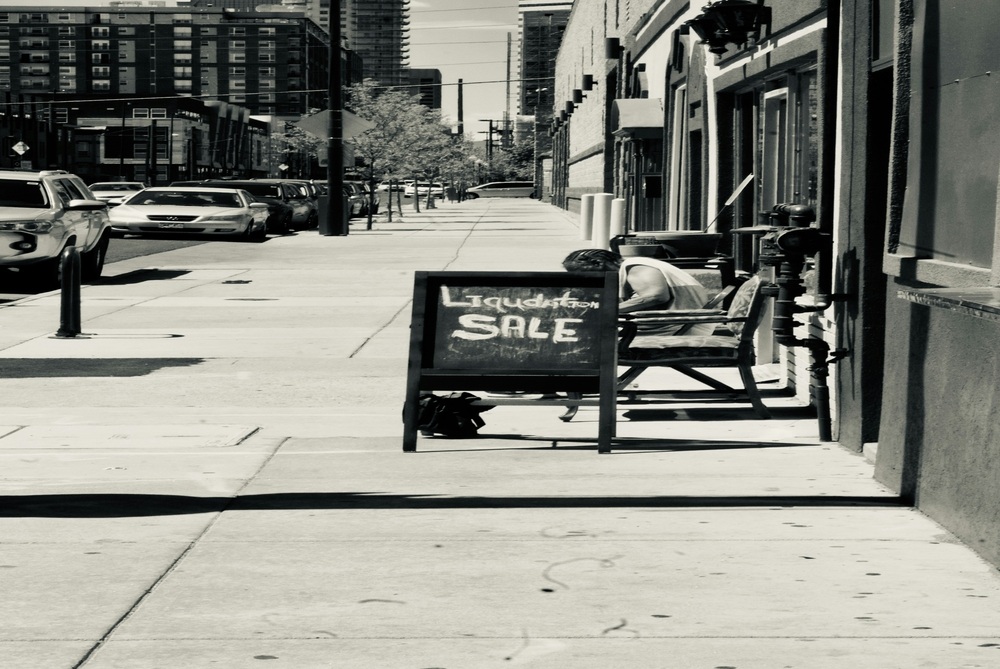
Not every market operates on negotiation.
Walk into a chain store and try to talk down the price of a toaster — you’ll get blank stares at best.
But flea markets, antique fairs, garage sales, and open-air bazaars in many countries practically expect it.
Even some farmers markets and craft fairs leave room for discussion, especially if you’re buying in bulk or near closing time.
The key is understanding the culture of the place you’re shopping.
In parts of Asia, the Middle East, and Latin America, haggling is woven into the fabric of daily commerce.
In the U.S., it’s more situational—appropriate at estate sales and swap meets, less so at curated boutiques or small craft shows where prices are carefully set.
Pay attention to how vendors interact with other customers.
If you see someone else negotiating and the seller seems engaged rather than irritated, that’s your green light.
On the other hand, if prices are clearly marked with professional signage and the vendor has a no-nonsense vibe, it’s probably not the time to test the waters.
Context matters, and part of respectful haggling is honoring the unspoken rules of each space.
Start with Genuine Interest

The worst haggling begins with indifference.
If you walk up to a booth, pick up an item, and immediately ask ‘What’s your best price?’ without any real engagement, you’re signaling that you see the seller as a transaction rather than a person.
That sets the wrong tone from the start.
Instead, take a moment to actually look at what’s being sold.
Ask questions about the item’s history, how it was made, or where it came from.
Show that you appreciate the work or the story behind it, even if you’re ultimately planning to negotiate.
This approach does two things.
First, it builds rapport, which makes the seller more inclined to work with you.
Second, it gives you information.
Maybe you’ll learn the item is handmade, which changes the value equation.
Maybe the vendor will mention they’re trying to clear out inventory, which opens the door to a deal.
Either way, starting with curiosity rather than cold calculation makes the whole interaction feel less transactional and more human.
Let the Seller Name the First Price

There’s an old negotiation principle that says whoever mentions a number first loses.
That’s a bit dramatic, but there’s truth to it in market settings.
If you blurt out an offer before hearing the asking price, you might accidentally go higher than what the seller would have asked for.
More importantly, it can come across as presumptuous, like you’re dictating terms before the conversation even begins.
Instead, ask what they’re looking for.
Let them set the baseline.
Once you have that number, you can gauge whether there’s room to move.
Sometimes the asking price is already fair, or even lower than you expected.
In those cases, haggling becomes unnecessary.
Other times, the number feels inflated, leaving space for negotiation.
Either way, knowing where the seller starts gives you a much better foundation for the conversation that follows.
Make a Reasonable Counteroffer

This is where a lot of people go wrong.
They hear a price and immediately slash it in half, thinking that’s how the game is played.
It’s not.
Offering half of the asking price can be insulting, especially if the seller is an artisan or small business owner who’s already priced things fairly.
A better approach is to come in slightly below what you’re actually willing to pay, but not so low that it feels disrespectful.
If something is marked at sixty dollars and you think forty is fair, maybe start at thirty-five or forty.
That leaves room for the seller to counter without feeling like you’re treating their work as worthless.
Your tone matters here too.
Frame your offer as a question or a possibility rather than a demand.
‘Would you consider thirty-five?’ lands better than ‘I’ll give you thirty-five.’
The first invites dialogue.
The second shuts it down.
Even if the seller says no, you’ve kept the door open for further conversation.
And if they meet you halfway, you’ve both won.
Be Willing to Walk Away, but Don’t Weaponize It

Walking away is part of haggling.
Sometimes it’s genuine—you realize the price doesn’t work for your budget, or you find a better deal elsewhere.
Other times, it’s strategic.
You step back, and the seller calls you back with a better offer.
That’s fine.
What’s not fine is using the walk-away as a manipulative tactic every single time, turning what should be a negotiation into a power play.
If you’re constantly threatening to leave just to squeeze out another dollar, you’re crossing into disrespectful territory.
The respectful version of walking away looks like this: you’ve made your offer, the seller has countered, and the gap is too wide to close.
You thank them for their time, express genuine appreciation for the item, and move on.
No dramatics, no guilt trips, no lingering at the edge of the booth to see if they’ll crack.
If they do call you back, great.
If not, you’ve left the interaction on good terms, and you can always circle back later if you change your mind.
Read the Seller’s Situation

Not every vendor is in the same position.
Someone selling vintage clothing at a weekend market might have more flexibility than a craftsperson who spent hours making each piece by hand.
A dealer with a truck full of goods is playing a different game than an artist who brought a dozen carefully curated items.
Pay attention to these dynamics.
If you’re dealing with someone whose livelihood depends on their craft, pushing too hard on price can feel like devaluing their skill.
That doesn’t mean you can’t negotiate, but it does mean you should tread lightly.
Timing plays a role too.
Early in the day, vendors are less motivated to cut prices—they still have hours of potential sales ahead.
But as closing time approaches, especially at events like flea markets or garage sales, sellers often become more willing to deal.
They’d rather make a sale than pack the item back up.
Even so, don’t exploit desperation.
There’s a difference between catching someone at a good time and cornering them when they’re clearly struggling.
Bundle for Better Deals

If you’re genuinely interested in multiple items, say so.
Vendors are often more willing to negotiate when you’re buying in bulk because it means fewer transactions and a bigger overall sale.
Instead of haggling over a single item, pick out two or three things you like and ask if there’s a better price for the set.
This approach feels less aggressive than hammering away at one piece, and it gives the seller a reason to discount without feeling like they’re caving under pressure.
Bundling works especially well at garage sales, estate sales, and flea markets where people are trying to move volume.
Even at craft fairs, if you’re buying several handmade items, it’s worth asking if the artist offers any kind of deal for multiple purchases.
The worst they can say is no, and often, they’ll appreciate that you’re supporting their work in a bigger way.
Respect the Word ‘No’
This is non-negotiable.
If a seller tells you the price is firm, believe them.
Don’t push.
Don’t try one more angle.
Don’t make a face or launch into a story about how you found it cheaper elsewhere.
Just accept it and decide whether you’re willing to pay what they’re asking.
Pressing after a clear no isn’t haggling—it’s harassment.
And it poisons the atmosphere for everyone else who shops there.
Some vendors, especially at craft shows or small-batch markets, price their work based on material costs, time invested, and the value they place on their own skill.
For them, the price isn’t arbitrary—it’s the number that makes the work sustainable.
Haggling in those spaces requires extra sensitivity.
If the seller seems open to it, proceed gently.
If they’re not, respect the boundary.
Keep It Light

Haggling doesn’t have to be tense.
Actually, it shouldn’t be.
With a little humor, a smile, and a spirit of goodwill toward one another, the best negotiations take place.
Crack a small joke.
Compliment another item in the booth.
Instead of approaching the situation as a standoff, treat it as a friendly conversation.
Finding common ground is much simpler when both parties are comfortable.
That lighthearted energy also makes it easier to walk away if things don’t work out.
There won’t be any awkwardness or strained relationships if you’ve been cordial the entire time.
Maybe you’ll see that same vendor at the next market, and you can depart amicably.
Who knows, maybe they’ll remember you and be more accommodating the next time.
A Different Kind of Exchange
Winning isn’t the goal of haggling.
Finding a price that honors the seller’s work and the buyer’s budget is the key.
When executed with tact, it turns a straightforward transaction into something a bit more human—a quick negotiation in which two parties meet in the middle, shake hands (figuratively or literally), and depart contented.
Future discounts will come from vendors who remember you well.
Because people genuinely enjoy shopping at these markets, they are the ones that prosper when haggling is done politely.
In a world where most purchases happen with a swipe and a click, there’s something oddly refreshing about negotiating face-to-face.
It requires presence, communication, and a willingness to see the person on the other side of the table as more than just an obstacle between you and a bargain.
Done right, it’s not just a way to save a few dollars—it’s a reminder that commerce, at its best, is still a deeply human exchange.
More from Travel Pug

- Underrated Italian Towns That Beat the Tourist Crowds
- Las Vegas Tourist Traps to Skip
- Prettiest Towns in Every US State
- 18 passport-free countries for Americans
- Signs Your Cruise Is Not Worth The Cost
Like Travel Pug’s content? Follow us on MSN.