

Exploration, adventure, and creating memories that last long after the bags are unpacked should be the main goals of travel.
Dealing with a finicky eater, however, can quickly escalate into a negotiation at each meal stop, a quest for the same three foods in new locations, and a silent fear that hunger could ruin the entire journey.
Food preferences aren’t the only factor.
It involves navigating strange places where comfort food may not always be available, menus may not look familiar, and the person you are traveling with may feel overwhelmed before they have even sat down at the table.
The good news is that with some thoughtful preparation and a flexible mindset, you can turn potential mealtime battles into manageable moments that don’t hijack the journey.
Let’s explore how to make travel smoother when your companion has a narrow palate.
Pack Familiar Snacks as Your Safety Net
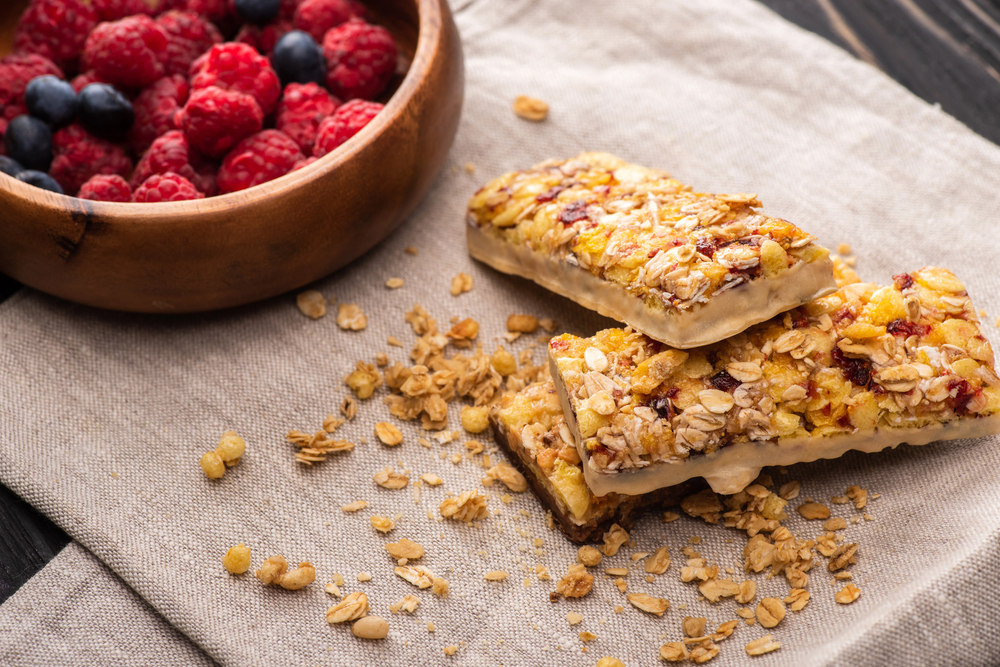
The simplest and most effective strategy is also the most obvious: bring food from home.
This isn’t about enabling pickiness or avoiding new experiences altogether.
It’s about having a reliable backup when everything else falls through.
Picky eaters often struggle with texture, unfamiliar flavors, or even the appearance of new dishes, and when they’re already dealing with the sensory overload of travel, asking them to be adventurous at every meal is a lot.
Packing their go-to snacks means you’re not scrambling to find a convenience store at 9 p.m. in a foreign city or watching them go hungry because nothing on the menu feels safe.
Granola bars, crackers, dried fruit, or even small pouches of nut butter can be lifesavers.
These items take up minimal space but provide maximum peace of mind for both of you.
Research Restaurants Before You Arrive

Winging it might work for spontaneous travelers with adventurous appetites, but when you’re dealing with someone who needs predictability, a little advance scouting goes a long way.
Most restaurants post their menus online now, which means you can preview options before you even leave your hotel room.
Look for places that offer customizable dishes or simple preparations that can be modified.
A build-your-own pasta spot or a restaurant with plain grilled chicken and rice can be a goldmine.
Even chain restaurants, which often get dismissed by foodies, can be surprisingly helpful when you’re in unfamiliar territory.
They offer consistency, recognizable menu items, and a level of predictability that can reduce anxiety for a picky eater.
The goal isn’t to avoid local cuisine entirely but to balance exploration with comfort.
Communicate Clearly with Servers
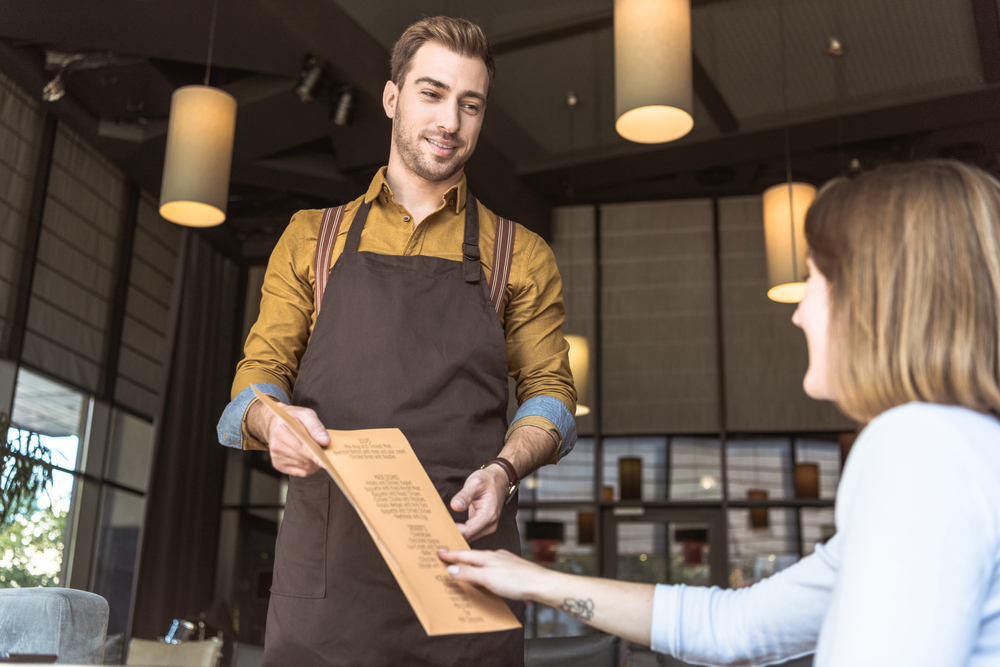
There’s nothing wrong with asking for modifications, and most restaurant staff are more accommodating than you might expect.
The trick is being polite, specific, and realistic about what you’re asking for.
Instead of saying ‘they don’t like much,’ try something like ‘could we get the chicken without the sauce on the side?’ or ‘is it possible to substitute the vegetables for plain rice?’
Clear requests are easier to fulfill than vague ones, and they signal that you’re not trying to overhaul the entire kitchen operation.
If the picky eater in your group is old enough, encourage them to speak up themselves.
It builds confidence and helps them take ownership of their needs.
That said, don’t make a scene or treat every meal like a high-stakes negotiation.
Sometimes the answer will be no, and that’s when those backup snacks come in handy.
Choose Accommodations with Kitchen Access

Hotels are convenient, but they also lock you into eating out for nearly every meal, which can get exhausting and expensive when dietary preferences are involved.
Booking a vacation rental, an Airbnb, or even a hotel suite with a kitchenette gives you the freedom to prepare simple meals on your own terms.
Even if you’re not planning to cook elaborate dinners, having access to a fridge and a microwave means you can stock up on familiar staples like yogurt, cereal, bread, and fruit.
It also means you can control portion sizes, preparation methods, and ingredients in a way that restaurants simply don’t allow.
This doesn’t mean you have to skip local dining experiences entirely.
It just means you’re not entirely dependent on them, which can ease a lot of stress for everyone involved.
Introduce New Foods Gradually and Without Pressure
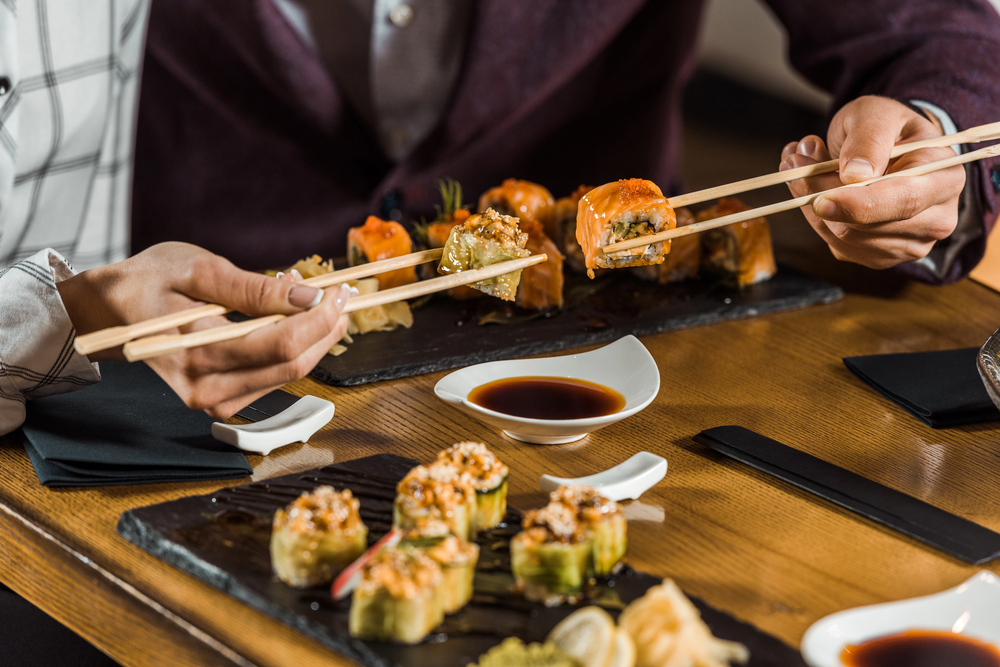
Travel naturally exposes people to unfamiliar cuisines, and that can be an opportunity for growth if it’s handled gently.
The key is to keep expectations low and avoid turning meals into a battleground.
If your picky eater is willing to try one bite of something new, that’s progress.
If they’re not, forcing the issue will only create negative associations with both the food and the trip itself.
Frame new foods as optional rather than mandatory.
You might say something like ‘this is what I’m having if you want to taste it,’ rather than ‘you need to try this.’
Small exposures over time tend to work better than grand gestures.
Even just sitting at a table where unfamiliar dishes are present can help normalize them.
The goal is to reduce fear, not to manufacture enthusiasm.
Plan for Long Travel Days

Airports, train stations, and long stretches of highway aren’t known for their diverse food options, and when you’re dealing with a picky eater, the limited choices can become a real problem.
A six-hour layover with nothing but unfamiliar fast food chains can turn into a miserable experience if there’s no backup plan.
Before you leave, pack a small cooler or insulated bag with easy-to-carry items that don’t require refrigeration if you’re flying.
Sandwiches made with ingredients they know and like, cheese sticks, or even a small container of pasta from home can make a huge difference.
If you’re driving, plan your route around rest stops or towns where you know there are restaurants with safe options.
It takes a bit more effort upfront, but it beats the alternative of a hungry, cranky travel companion who’s too uncomfortable to enjoy the journey.
Respect Their Limits While Gently Expanding Them

There’s a fine line between encouraging someone to step outside their comfort zone and making them feel judged for their preferences.
Picky eating isn’t always about stubbornness or lack of willingness.
For some people, it’s tied to sensory sensitivities, past negative experiences, or even anxiety around food.
Pushing too hard can backfire and make them retreat further into their narrow range of accepted foods.
At the same time, travel is an opportunity to try new things, and it’s worth creating a supportive environment where that feels possible.
Celebrate small wins without making a big deal out of them.
If they try a new fruit or take a bite of an unfamiliar dish, acknowledge it casually and move on.
The less pressure involved, the more likely they are to experiment again in the future.
Build in Downtime for Meal Prep and Recovery

One underrated aspect of traveling with a picky eater is recognizing that constant movement and tight schedules can amplify food-related stress.
When you’re rushing from one activity to the next, meals become transactional rather than enjoyable, and that’s when tensions tend to rise.
Building in downtime gives everyone a chance to regroup, and it also provides space to prepare a familiar meal without feeling rushed.
If you’re staying somewhere with a kitchen, dedicate an afternoon to cooking something simple and comforting.
It doesn’t have to be elaborate.
Even just making a grilled cheese or heating up soup can feel like a reset after several days of navigating unfamiliar restaurants.
Slowing down also reduces the pressure to perform at every meal, which benefits both the picky eater and whoever’s doing the planning.
What It Really Comes Down To

It takes patience to travel with a finicky eater, but it also presents an opportunity to reconsider our approach to both food and exploration.
While it sounds good in theory, not everyone finds that every meal on a trip has to be a culinary adventure.
It’s not a weakness that some people require predictability in order to feel at ease.
It’s simply a different way of getting around.
Forcing change or acting as though preferences don’t exist are not the most effective tactics.
They’re about striking a balance so that everyone’s needs are met and the trip isn’t solely focused on food anxiety.
Meals become less of a challenge and more of a manageable aspect of the experience when you prepare ahead of time, maintain flexibility, and keep your eyes on the goal.
And the difference is entirely due to that change in viewpoint.
More from Travel Pug

- Underrated Italian Towns That Beat the Tourist Crowds
- Las Vegas Tourist Traps to Skip
- Prettiest Towns in Every US State
- 18 passport-free countries for Americans
- Signs Your Cruise Is Not Worth The Cost
Like Travel Pug’s content? Follow us on MSN.