

From cursed cemetery monuments to folklore giants that shaped American culture, statues across the United States carry stories that go far beyond their bronze and stone. Some are said to weep tears of blood, others allegedly killed their creators, and a few guard treasures or predict death for those who dare approach.
These monuments have become more than just art—they’re living legends that continue to capture our imagination and occasionally send shivers down our spines. Here is a list of 15 iconic statues whose legends have become woven into the fabric of American folklore.
Black Aggie
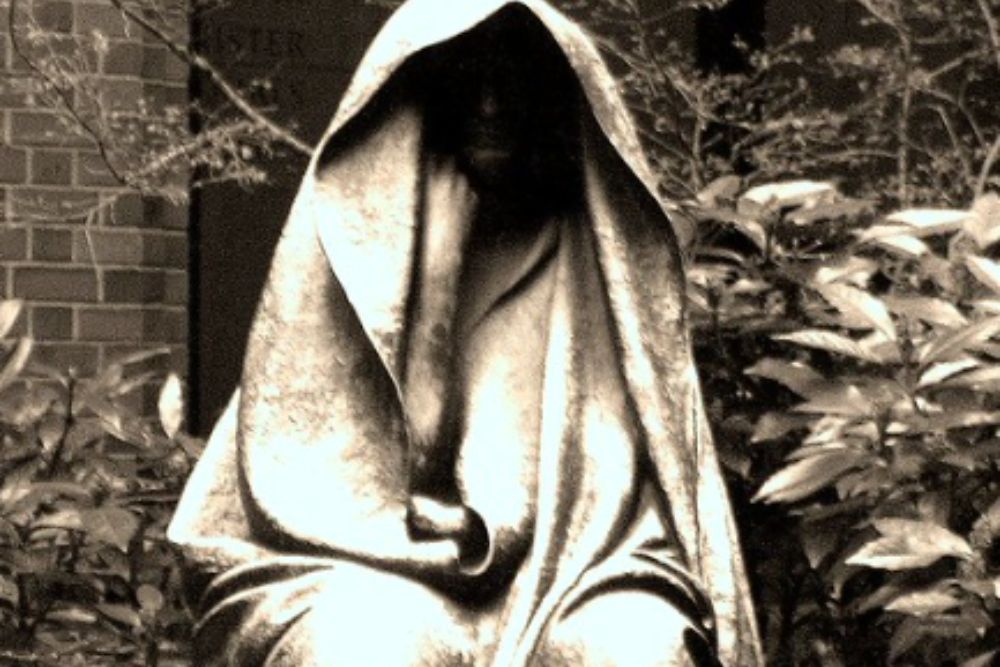
Baltimore’s most notorious statue once sat in Druid Ridge Cemetery until its dark reputation became too much to handle. This shrouded bronze figure, originally placed on General Felix Agnus’s grave in 1926, quickly accumulated a terrifying mythology.
Locals claimed the statue’s eyes glowed red at midnight and anyone who sat in her lap would die within a year. The legends grew so intense that vandalism and nighttime visitors became constant problems, forcing the Agnus family to donate the statue to the Smithsonian in 1967.
Blucifer
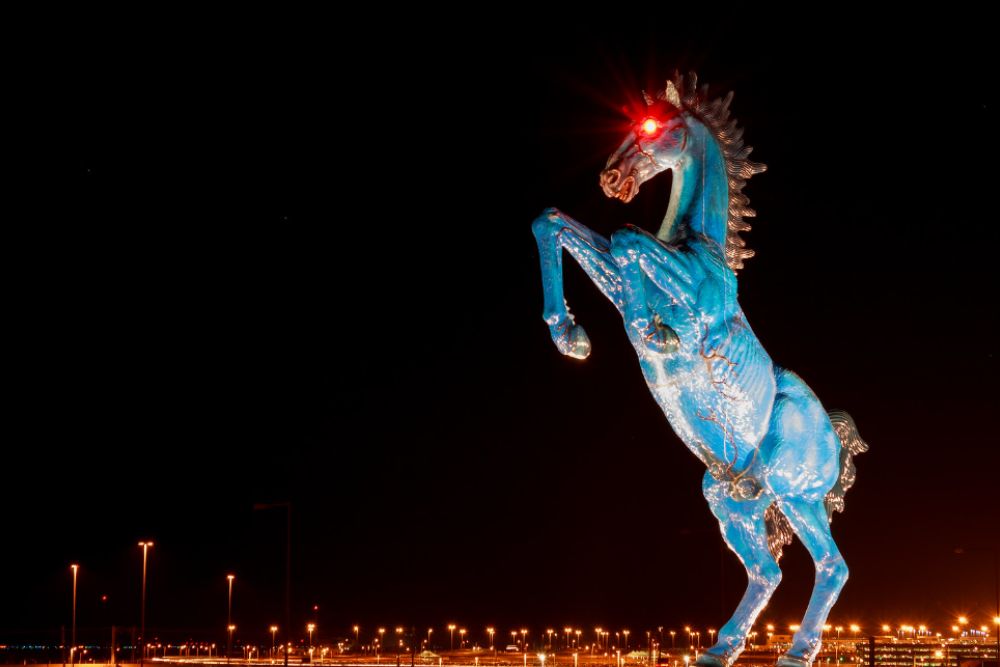
Denver International Airport greets travelers with a 32-foot blue mustang rearing on its hind legs, its eyes glowing demonic red against the Colorado sky. What makes this sculpture truly chilling isn’t just its appearance—it’s the fact that it actually killed its creator.
Artist Luis Jiménez was working on the piece in 2006 when a section of the 9,000-pound fiberglass sculpture fell on him, severing an artery in his leg and causing him to bleed to death. The statue quickly earned the nickname Blucifer from locals who found its fierce appearance unsettling.
The Haserot Angel
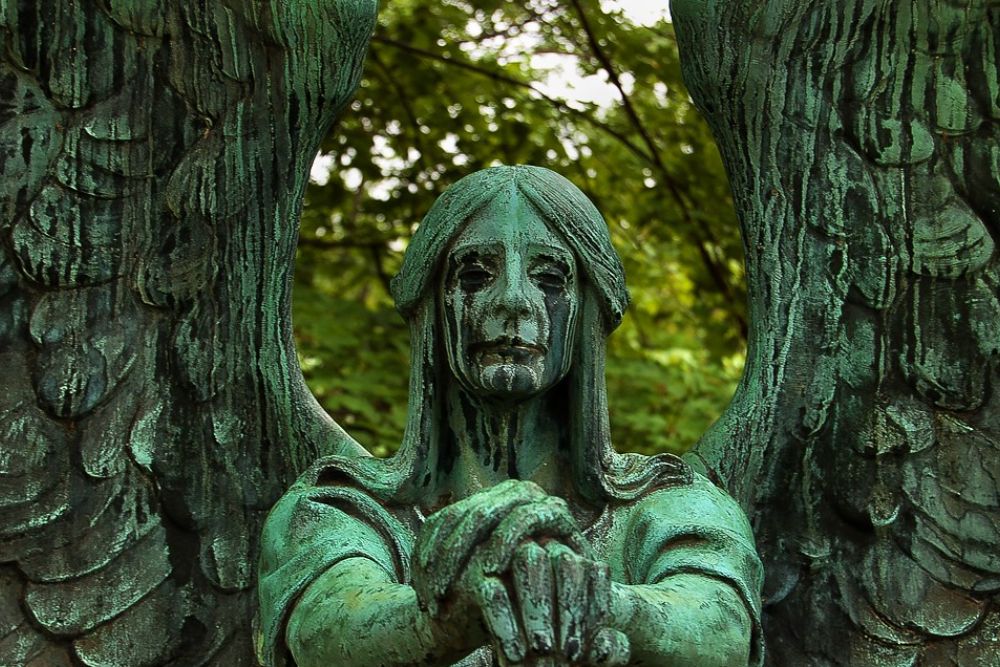
Cleveland’s Lake View Cemetery contains over 100,000 graves, but visitors seek out one monument above all others. The Angel of Death Victorious, created by sculptor Herman Matzen in 1924, sits on the Haserot family plot holding an inverted torch symbolizing life extinguished.
The statue’s most haunting feature developed over time—natural oxidation of the bronze created dark streaks beneath the angel’s eyes that look exactly like black tears streaming down its face. Visitors report an overwhelming sense of stillness when standing before it, and some claim to have witnessed paranormal activity in the area.
Paul Bunyan And Babe The Blue Ox
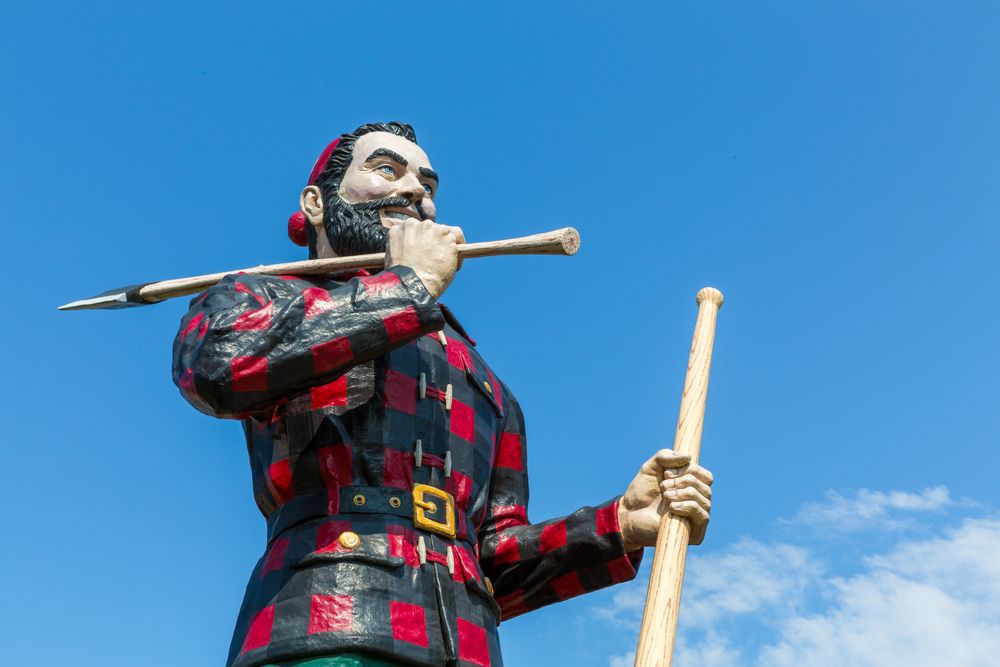
The legendary lumberjack and his massive blue ox exist as statues in towns across America, but the original pair stands in Bemidji, Minnesota. Built in 1937 for a winter carnival, these oversized figures were meant to boost tourism during the Great Depression.
According to the tall tales that inspired them, Paul’s footsteps created Minnesota’s 10,000 lakes, his dragging axe carved out the Grand Canyon, and Babe’s strength helped clear the vast forests of the American frontier. The largest stands 49 feet tall in Klamath, California, where an animatronic Paul waves and greets visitors.
Black Angel
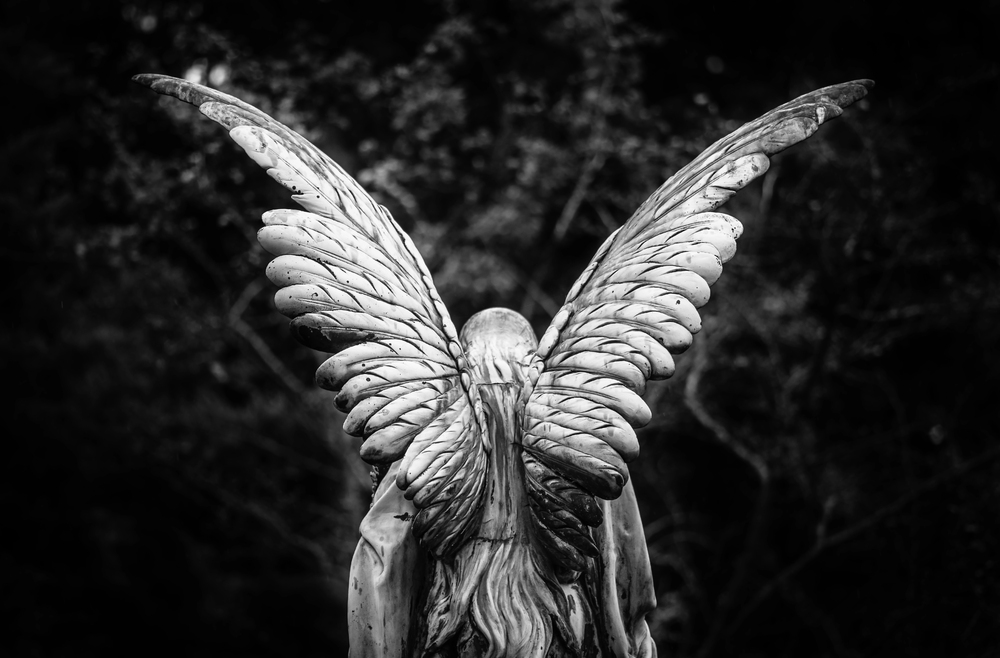
Iowa City’s Oakland Cemetery houses a nine-foot bronze angel that has terrified locals for over a century. When erected in 1912, the statue gleamed like gold, but oxidation gradually turned it green, then brown, and finally a deep, ominous black.
Local lore warns that touching the statue brings instant death, kissing it causes death within six months, and pregnant women who walk past it will lose their babies. Despite these dire warnings, the statue remains a popular destination for brave visitors and curious skeptics.
Statue Of Liberty

Long before Lady Liberty became a symbol of freedom and immigration, the island she stands on had its own dark mythology. Known as Bedloe’s Island until 1956, the spot was allegedly a favorite hiding place for the notorious pirate Captain Kidd.
According to an 1892 New York Times story, two soldiers stationed at Fort Wood decided to search for Kidd’s buried treasure one night. They claimed to have found a wooden box, but when they tried to open it, a terrifying demon appeared breathing sulfur in their faces.
John Henry
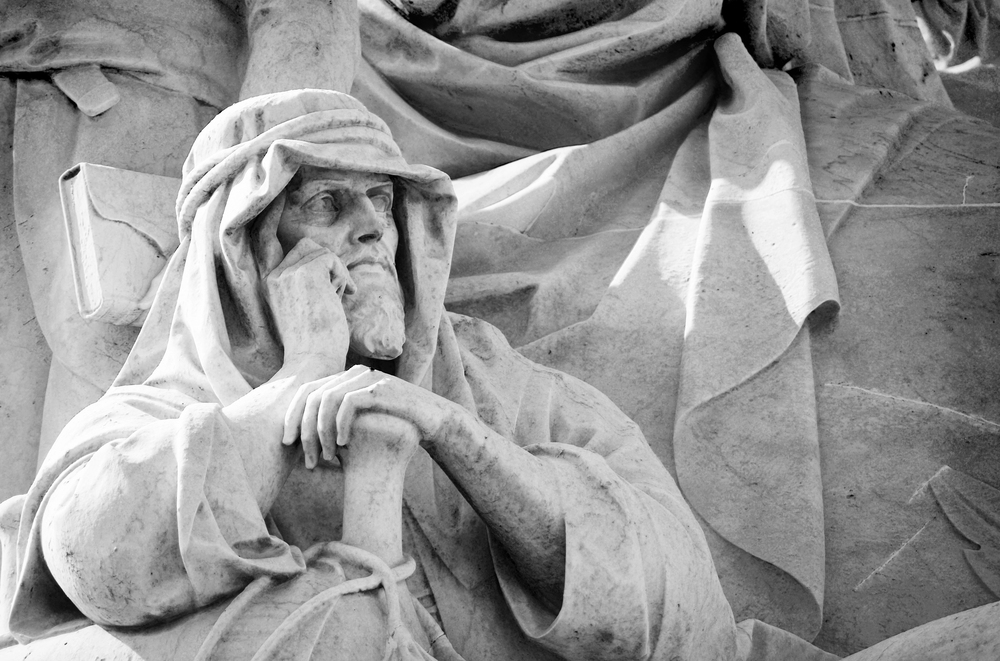
Standing near the entrance to the Big Bend Tunnel in Talcott, West Virginia, a bronze statue commemorates the steel-driving man who became an American folk hero. The legend tells of John Henry, a former slave who worked for the Chesapeake and Ohio Railroad in the early 1870s, hammering steel bits into rock for explosives.
When the company bought a steam-powered drill, Henry challenged the machine to a contest, vowing to prove that human strength and determination could beat technology. He won the race, drilling nearly twice as much rock as the steam drill, but collapsed and died from exhaustion immediately after his victory.
Gracie Watson
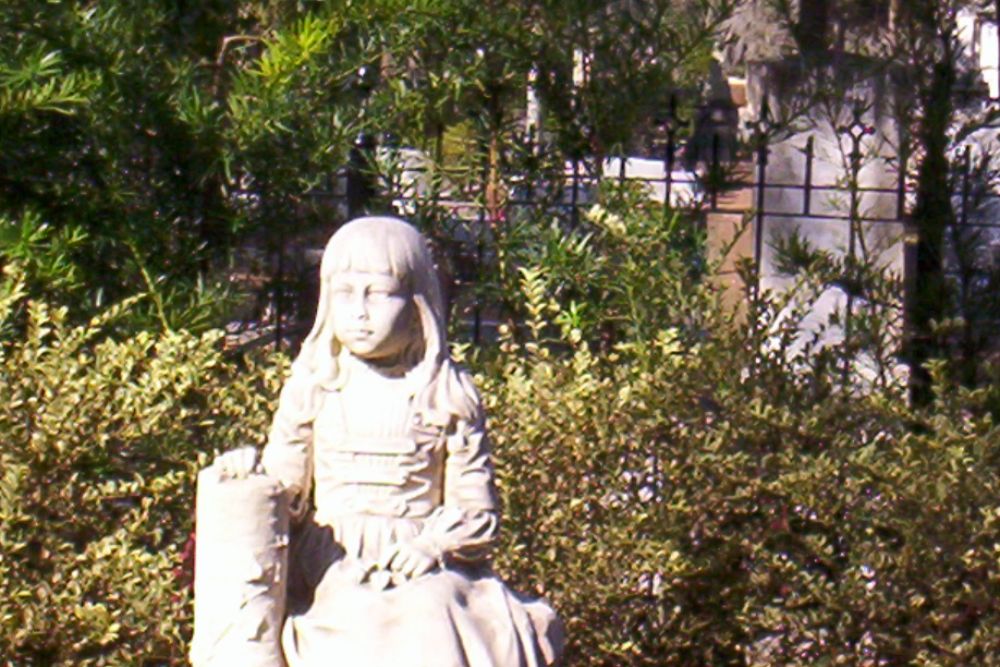
Savannah’s Bonaventure Cemetery is home to many ghosts, but none more heartbreaking than little Gracie Watson. The six-year-old daughter of a hotel manager died of pneumonia in 1889, and her grieving parents commissioned a life-sized marble statue of their daughter to mark her grave.
The sculpture captures Gracie as she was in life—a beautiful child in Victorian dress, holding flowers. Over the years, visitors began reporting sightings of Gracie’s ghost playing between the tombstones, her laughter echoing through the cemetery at dusk.
Eternal Silence
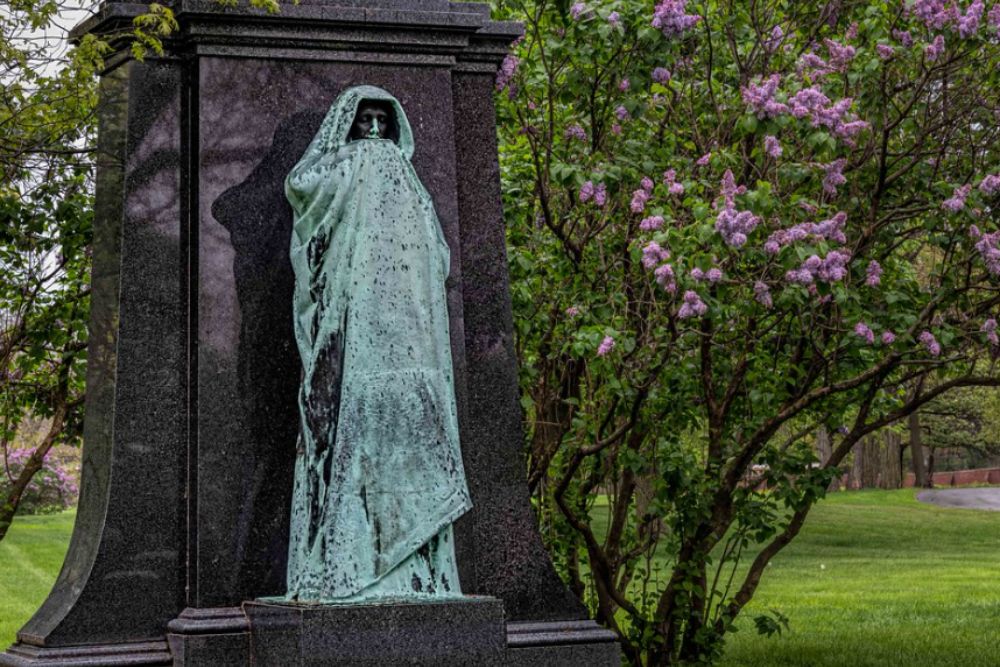
Chicago’s Graceland Cemetery contains a bronze hooded figure that has earned the nickname “Statue of Death.” Created in 1909 by sculptor Lorado Taft to mark the grave of Dexter Graves, the six-foot statue depicts a shrouded figure whose face is barely visible in the shadows of its hood.
Local legend claims that anyone who looks directly into the statue’s face will see a vision of their own death. On foggy mornings, the black patina of the bronze makes the figure appear to materialize from the mist itself.
Inez Clarke
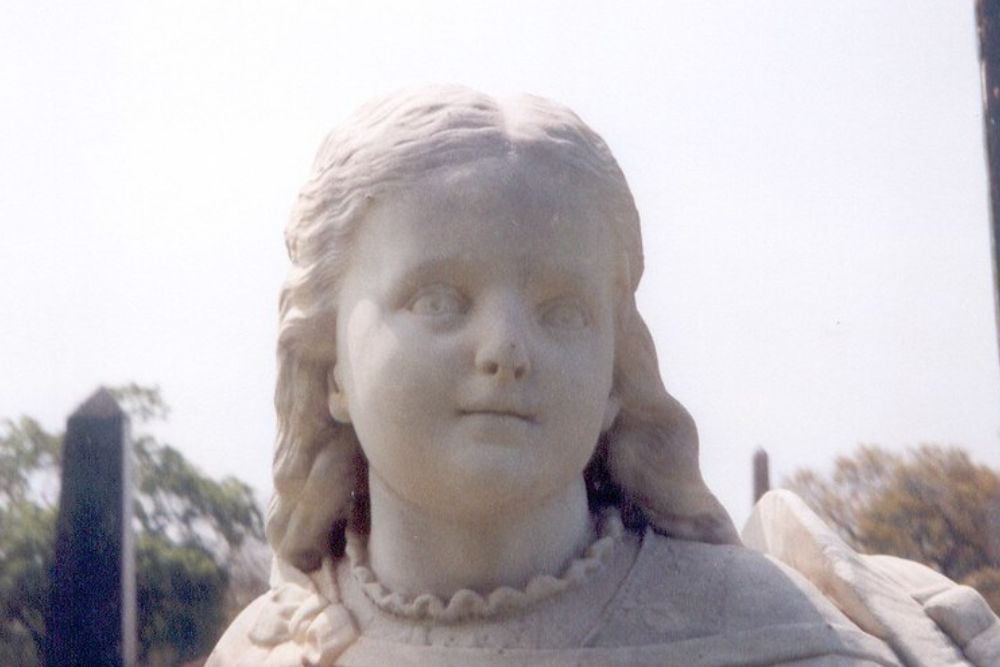
Graceland Cemetery in Chicago has another tragic child statue with an equally heartbreaking legend. Behind protective glass stands a small figure of Inez Clarke, who according to local lore was struck by lightning during a storm in the 1880s.
The legend claims that on stormy nights, the statue disappears from its glass case, leaving it completely empty—supposedly because Inez’s spirit is hiding from the thunder and lightning that killed her. Visitors have reported finding the case empty during severe weather, only to return later and find the statue back in place.
Resurrection Mary
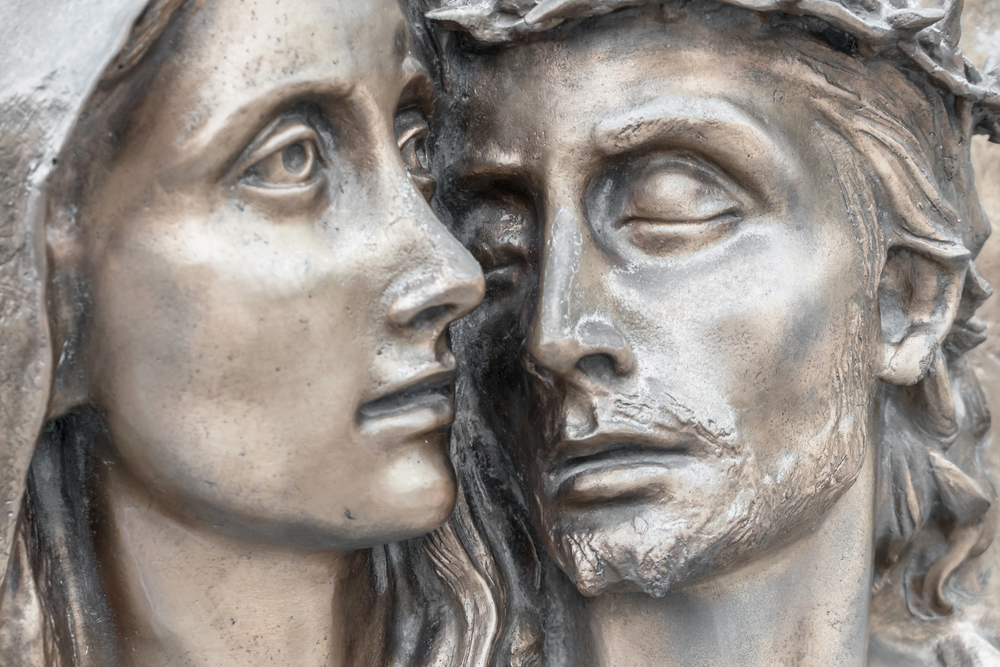
Justice, Illinois, hosts one of America’s most famous ghost stories, centered around Resurrection Cemetery. The legend tells of a young woman killed in a hit-and-run accident in the 1930s while walking home from a dance at the O’Henry Ballroom.
Her ghost, dressed in the white ball gown and dancing shoes she was buried in, now haunts Archer Avenue. Drivers report seeing her walking along the road or appearing suddenly in front of their cars, only to vanish before impact.
Blue Angel
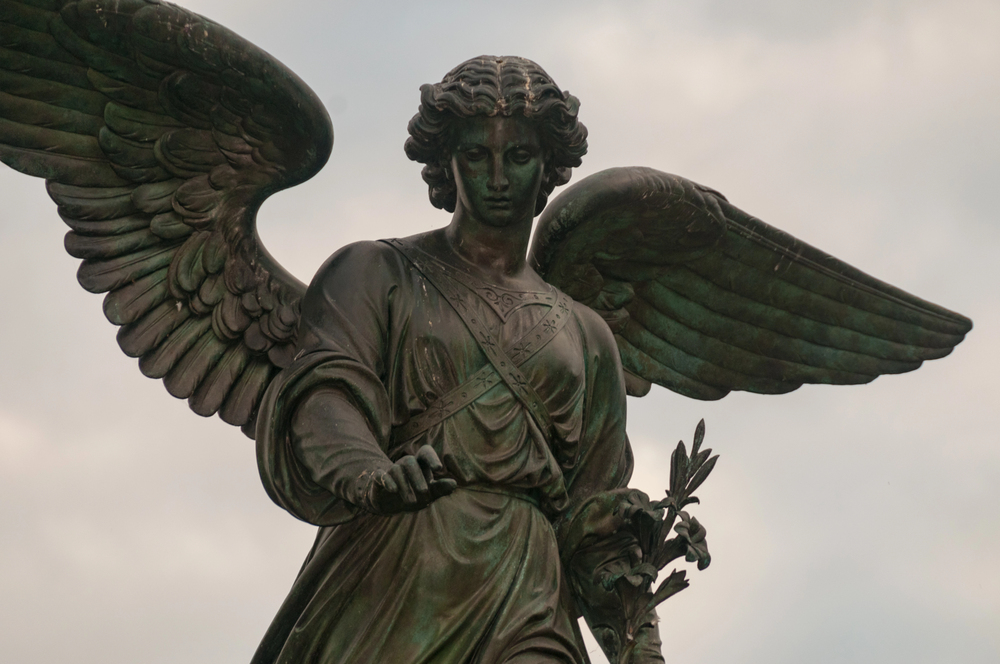
Muscatine, Iowa’s Greenwood Cemetery houses a mysterious statue known as the Blue Angel. This kneeling woman, positioned inside a mausoleum with a cobalt blue window behind her, creates an ethereal glow when sunlight streams through the colored glass.
According to local legend, seeing the blue light strike the statue brings good luck, but if she comes to life, death will follow. Some say she animates to chase away vandals who disturb the cemetery, while others claim she’s a guardian spirit protecting the dead.
The Klamath Paul Bunyan
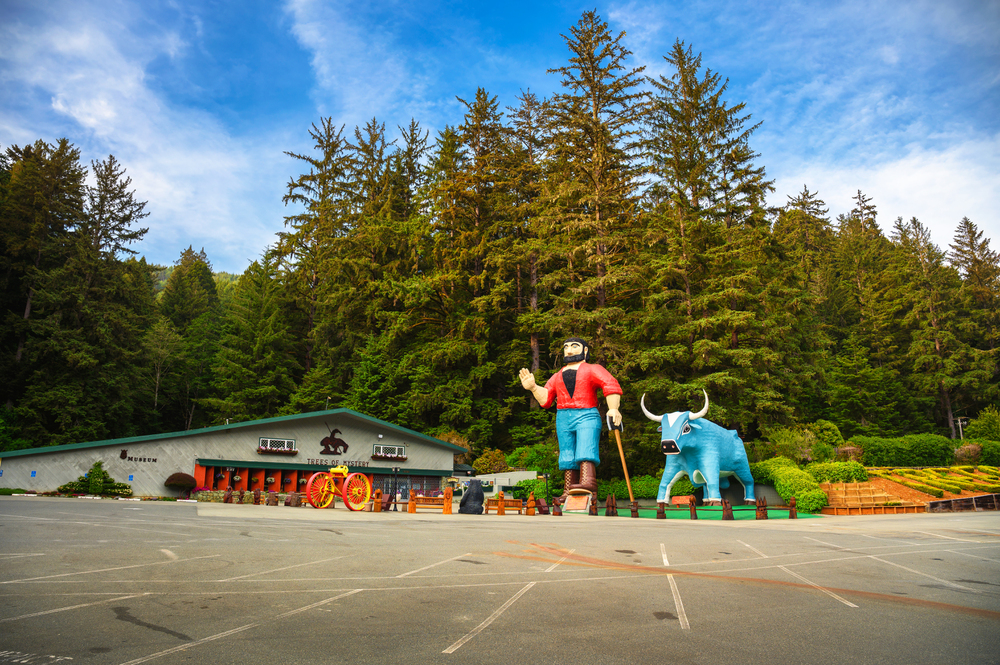
Northern California’s Trees of Mystery attraction features the world’s largest animatronic statue—a 49-foot tall Paul Bunyan accompanied by his faithful blue ox Babe. Unlike silent monuments, this Paul actually talks, waving his massive hand and booming “Hello there!” to startled visitors.
Local legend has it that Paul’s eyes follow you as you drive past, and some children swear they’ve heard him speak different greetings depending on who’s listening. The recordings are actually programmed responses, but that hasn’t stopped the tales from spreading.
Akeley’s Paul Bunyan
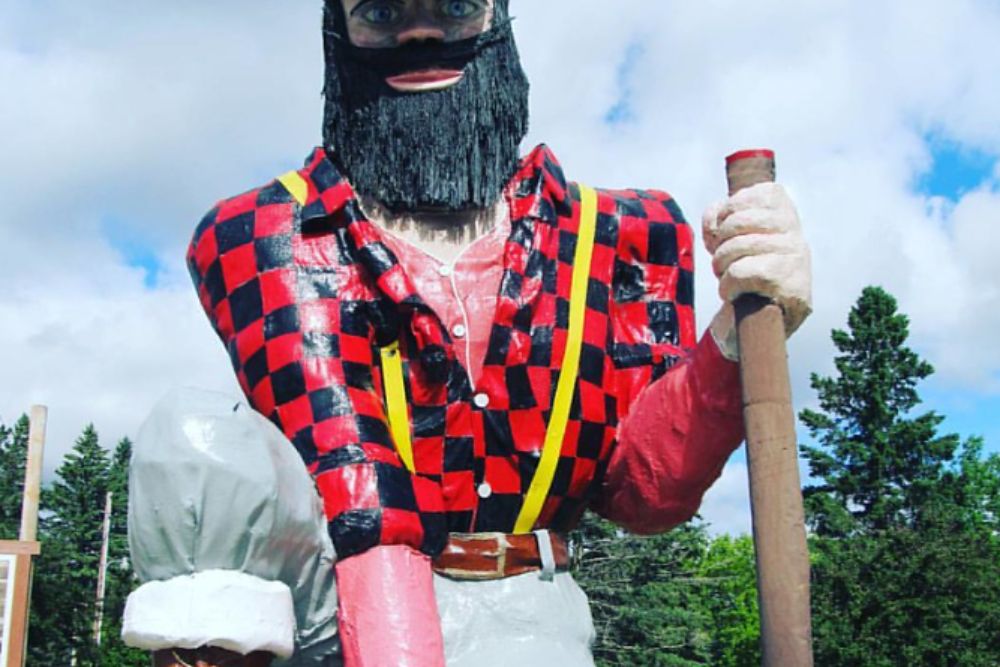
Minnesota’s Akeley claims to be Paul Bunyan’s birthplace and boasts the most interactive statue—a 25-foot seated Paul with his hand outstretched at waist level, perfectly positioned for tourists to climb into his palm. Weighing 11.5 tons and made of concrete and steel, this Paul has welcomed millions of visitors since the 1950s.
Some claim Paul’s facial expression changes depending on the weather, looking stern before storms and cheerful on sunny days. Others insist his eyes track movement in his peripheral vision, a claim that’s impossible to verify but adds to the statue’s mystique.
Portland’s Paul Bunyan
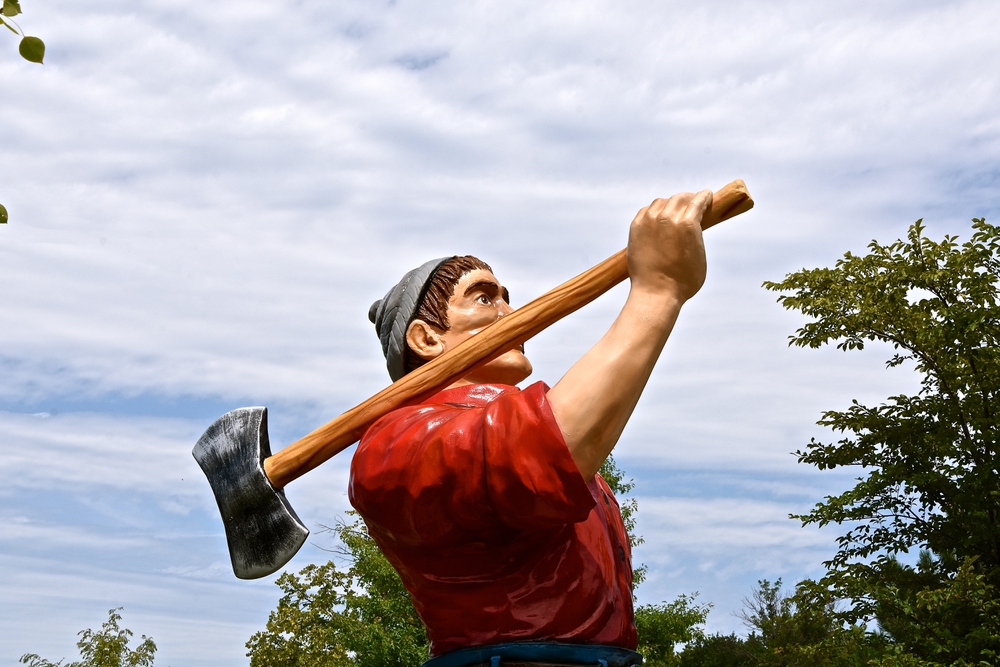
Oregon’s contribution to Paul Bunyan lore stands 31 feet tall in North Portland, recently restored to its former glory. Built in 1959 to celebrate Oregon’s centennial, this fiberglass Paul has witnessed the city’s transformation over decades.
Local loggers and lumber workers have long considered touching Paul’s boot for good luck before starting dangerous jobs, creating an informal tradition that continues today. The statue’s location near the busy Interstate 5 means thousands see him daily, making him Portland’s unofficial greeter.
Bringing Legends To Life
These statues prove that America’s folklore isn’t confined to dusty books or campfire stories. From the cursed monuments that make cemetery visitors think twice before sitting down to the folklore giants that sparked roadside tourism across the nation, each statue carries stories that have grown more elaborate with each retelling.
Whether they’re actually haunted, cursed, or simply the product of overactive imaginations, these legends serve an important purpose—they connect us to our past and remind us that sometimes the best stories are the ones we’re still telling. The next time you pass a statue, take a closer look—you might be standing in front of the next American legend.
More from Travel Pug

- Underrated Italian Towns That Beat the Tourist Crowds
- Las Vegas Tourist Traps to Skip
- Prettiest Towns in Every US State
- 18 passport-free countries for Americans
- Signs Your Cruise Is Not Worth The Cost
Like Travel Pug’s content? Follow us on MSN.