

Hotels feel the same everywhere.
Same hallways, same breakfast buffets, same antiseptic vibe.
Farm stays throw that whole script out.
Instead of room service, there are fresh eggs collected that morning.
Instead of a gym, there’s a vineyard to wander through.
Instead of concierge recommendations, there’s a farmer who actually knows the land because they work it every day.
Agritourism has blown up over the past decade as travelers figured out they’d rather wake up to roosters than traffic.
The concept’s simple — working farms, ranches, and vineyards open their doors to guests who want to reconnect with where food actually comes from.
Some places offer luxury accommodations with farm-to-table dining.
Others hand guests boots and put them to work feeding livestock.
The range is enormous, but the core idea stays the same — getting closer to the land and the people who tend it.
Here’s where farm stays really deliver.
Tuscany set the standard decades ago
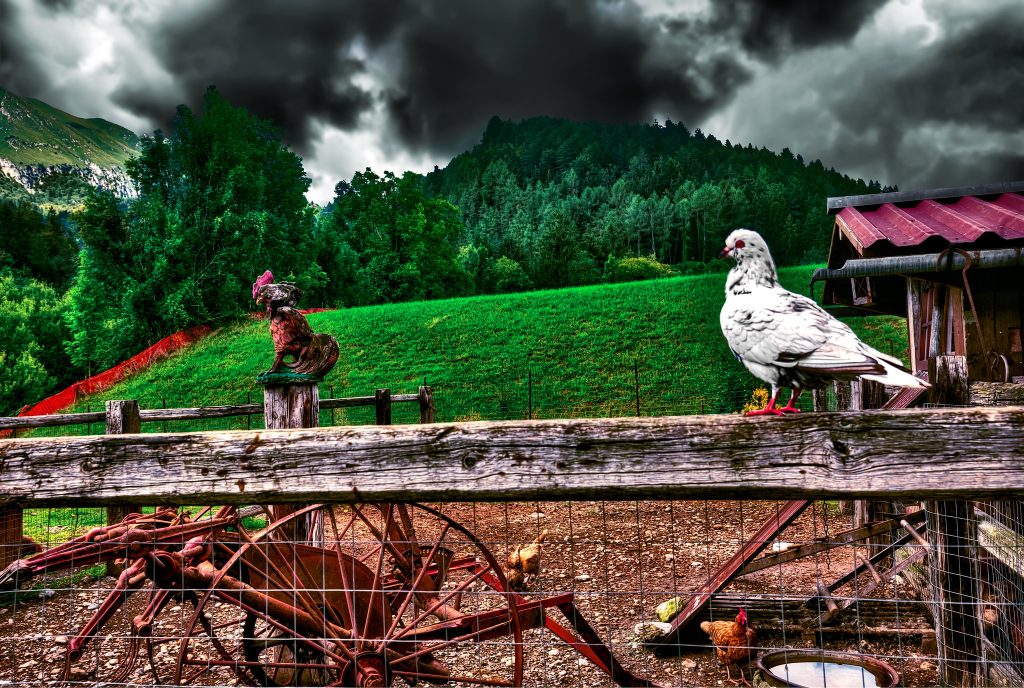
Italy’s Tuscany region basically invented the modern farm stay experience through agriturismos — working farms that converted old buildings into guest accommodations.
The concept took off so successfully that Italian agriturismos now number in the thousands, with government support in the form of tax breaks and grants helping farmers diversify income.
Agriturismo Forest sits in Tuscany’s hills near Lake Iseo, established as an agricultural estate back in 1910.
The property spreads across 10 hectares of olive groves, vineyards, and chestnut trees.
Guests stay in rooms with traditional Tuscan furnishings and modern amenities, then participate in grape harvesting, olive picking, and honey extraction depending on the season.
The location offers day trips to medieval towns like Volterra or the cities of Florence and Siena.
Tuscan farm stays deliver what people imagine when they think agritourism — rolling hills covered in grapevines, stone farmhouses with thick walls, local wine poured at dinner.
The food comes from the property or neighboring farms.
The pace slows way down. It’s the template other regions tried copying.
New Zealand perfected the sheep station experience
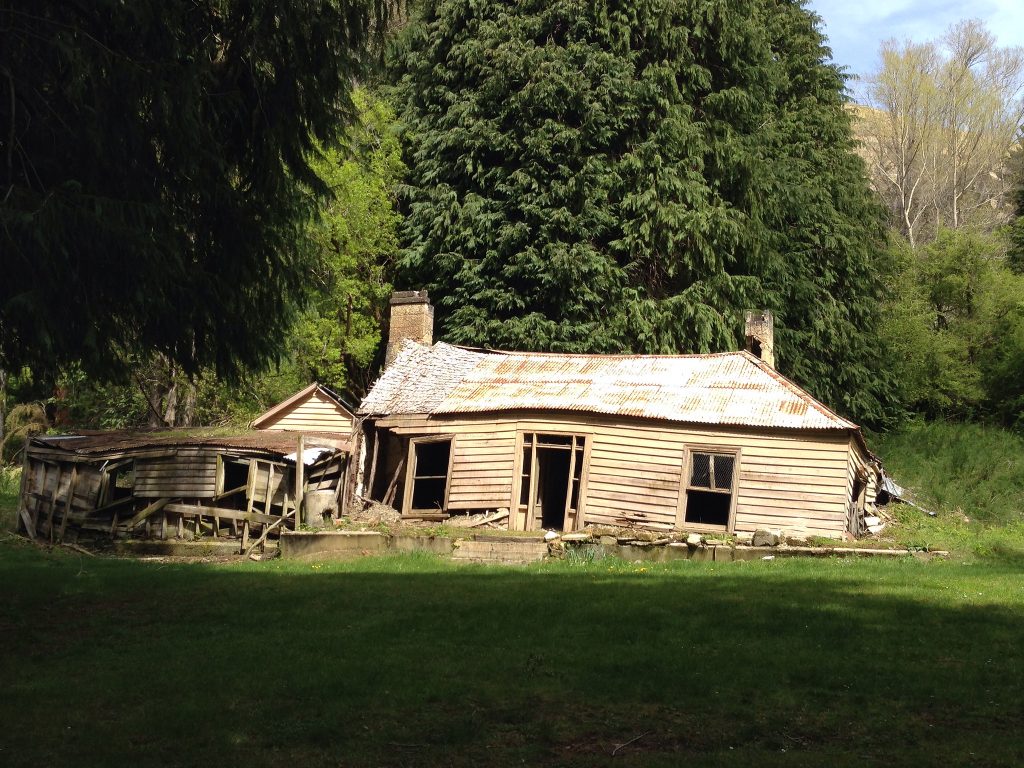
New Zealand took farm stays in a different direction with massive sheep stations that let guests experience high country ranching.
The country’s agricultural heritage runs deep — farming shaped the entire economy — and Kiwi hospitality culture naturally extended to welcoming travelers onto working properties.
Flockhill Station on the South Island offers luxury accommodations amid the Southern Alps on a genuine working sheep farm.
The signature farm tour takes guests deep into the property for two hours with experienced shepherds and their working dogs.
Visitors learn sheep herding techniques, watch demonstrations of how dogs respond to whistles and commands, and depending on timing might catch live sheep shearing.
The property provides gumboots and rain jackets because embracing the weather is part of understanding high country life.
Mt. Maude Lodge near Wanaka runs a smaller hobby-type operation with sheep, kune kune pigs, and Russell the Peacock.
The casual family atmosphere in a spectacular mountain setting makes it popular with travelers wanting farm experiences without working ranch intensity.
New Zealand farm stays range from luxury lodges to budget B&Bs, but they all share access to working farms where guests interact with livestock and landscapes.
Vermont dairy farms offer hands-on immersion
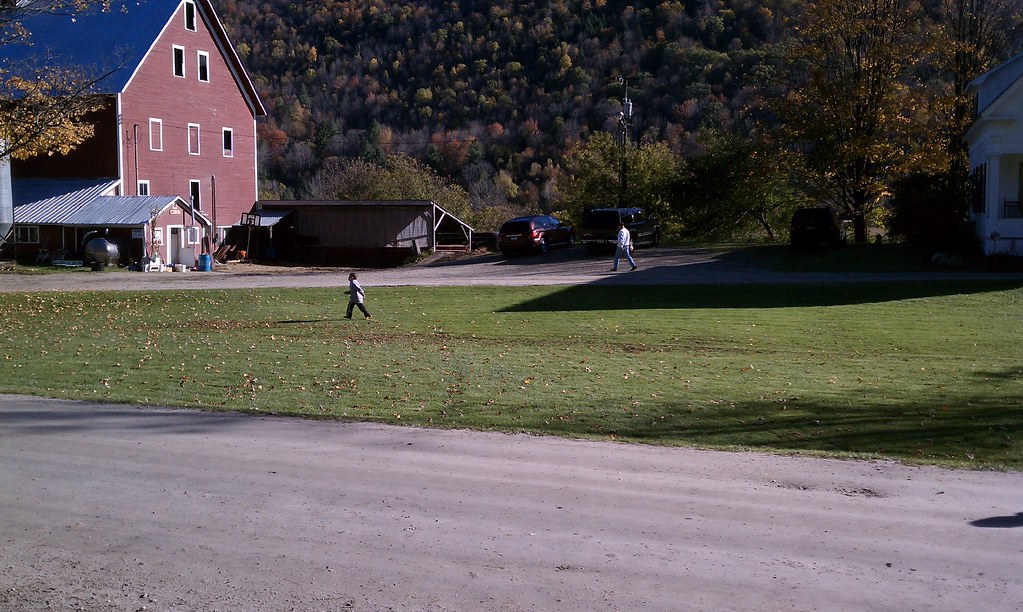
American farm stays never reached the same government-supported scale as European agriturismos, but pockets of strong agritourism developed in regions with deep farming traditions.
Vermont stands out for dairy farm experiences that put guests right in the middle of operations.
Liberty Hill Farm in Rochester has welcomed visitors since 1984 as a family-owned B&B in a Greek Revival inn dating to 1825.
The all-inclusive setup covers accommodations, dinner at 6 p.m., breakfast at 8 a.m., and farm activities like milking cows, bottle-feeding calves, and hand-feeding chickens.
Rates run $80 to $170 per person depending on age, making it accessible for families.
Summer adds swimming, fly fishing, and cherry picking to the mix.
The hands-on approach differentiates American farm stays from more passive European models.
Guests don’t just observe farming — they participate in daily chores.
That appeals to families wanting kids to understand where milk and eggs come from, plus city dwellers craving a complete break from desk jobs and screens.
Chile’s wine country delivers modernist luxury
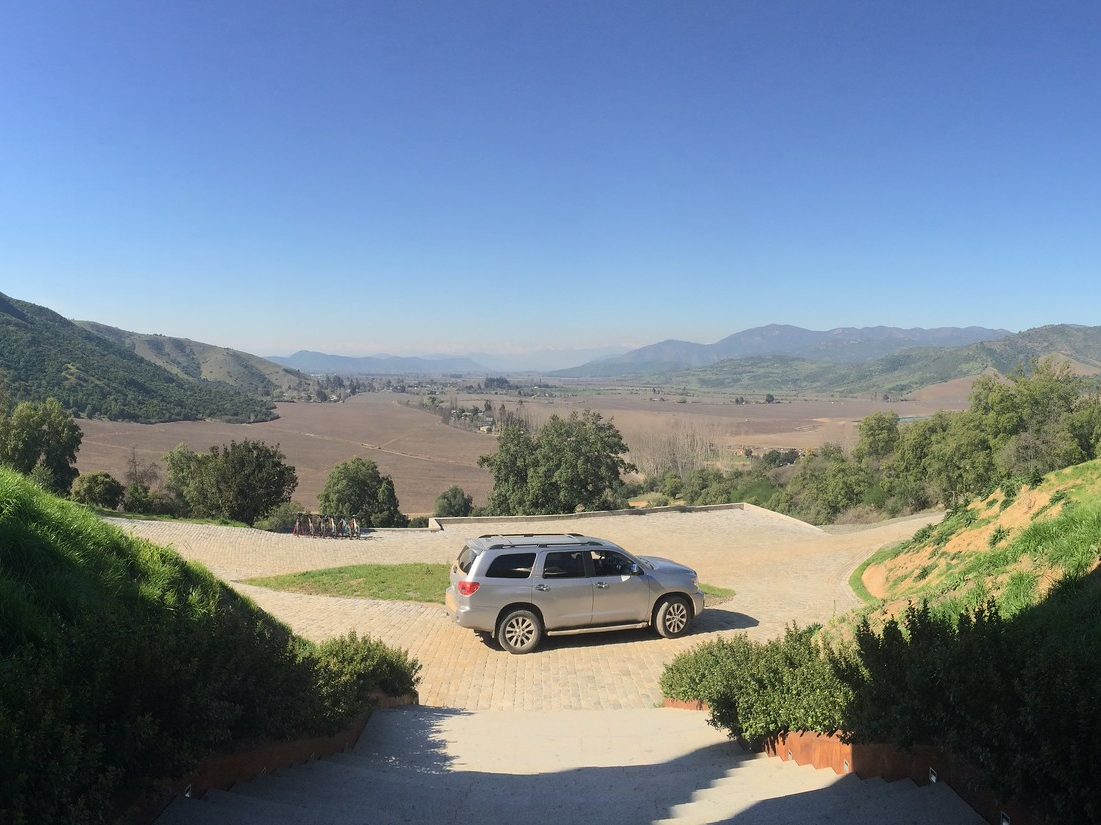
South American agritourism leans heavily into vineyard experiences, with Chile’s wine regions building sophisticated farm stay operations that blur the line between boutique hotels and working agricultural properties.
VIK Hotel & Winery sits in Chile’s Millahue Valley just two hours south of Santiago, featuring 22 uniquely-themed rooms in a modernist building designed as an aesthetic experience from barrel aging rooms to guest bathrooms.
The property functions as both luxury hotel and operating winery, with guests touring vineyards and participating in wine harvests depending on season.
The architecture stands out — bold contemporary design amid traditional wine country.
This high-end approach to farm stays appeals to travelers wanting agricultural immersion without sacrificing comfort.
The meals showcase farm-to-table philosophy using estate-grown ingredients, but the setting feels more art installation than rustic farmhouse.
It’s agritourism for people who normally stay in five-star hotels.
Nebraska ranches preserve cowboy culture
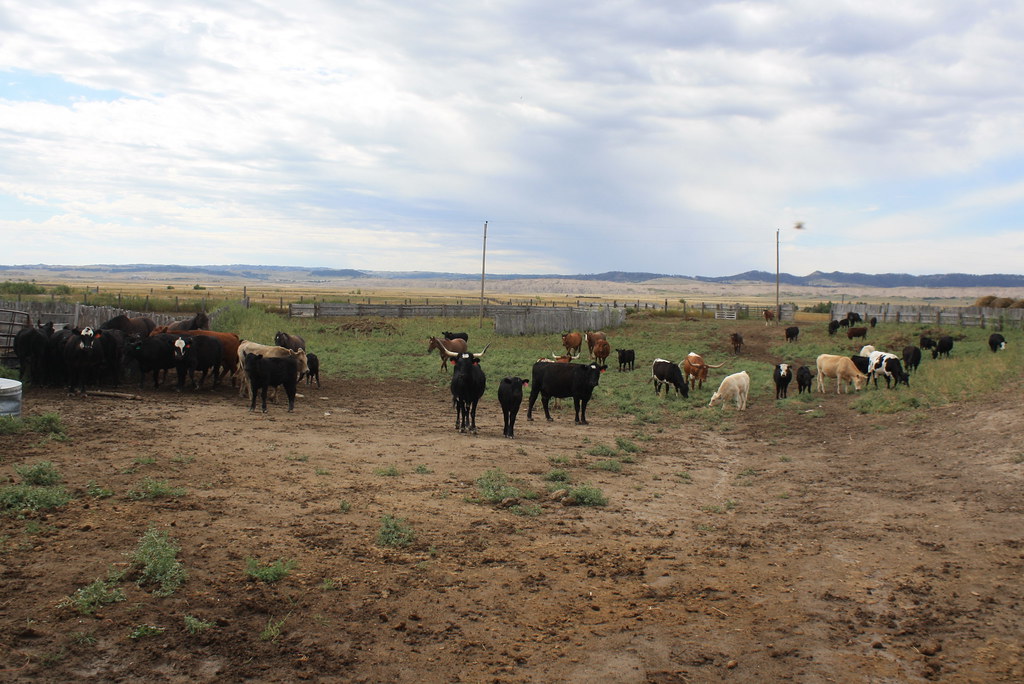
The American West maintains working ranch stays that lean into cowboy heritage and wide-open grassland landscapes.
These operations offer completely different terrain and activities compared to Vermont dairy farms or Tuscan vineyards.
Our Heritage Guest Ranch in northwest Nebraska’s pine-covered hills was first homesteaded in 1887.
The owners invite guests to participate in ranch tasks like fixing fences, feeding livestock, and moving cattle across the property.
Trail riding on horseback remains the main activity, with spectacular sunsets appearing nightly over the landscape.
The ranch sits surrounded by Oglala National Grasslands and next to Toadstool Park, providing plenty of terrain for exploration.
Ranch stays work particularly well for horseback riding enthusiasts who want extended time in the saddle working cattle or exploring backcountry trails.
The physical nature of ranch work — real labor in challenging conditions — attracts guests looking for adventure rather than relaxation.
Greece combines eco-consciousness with tradition
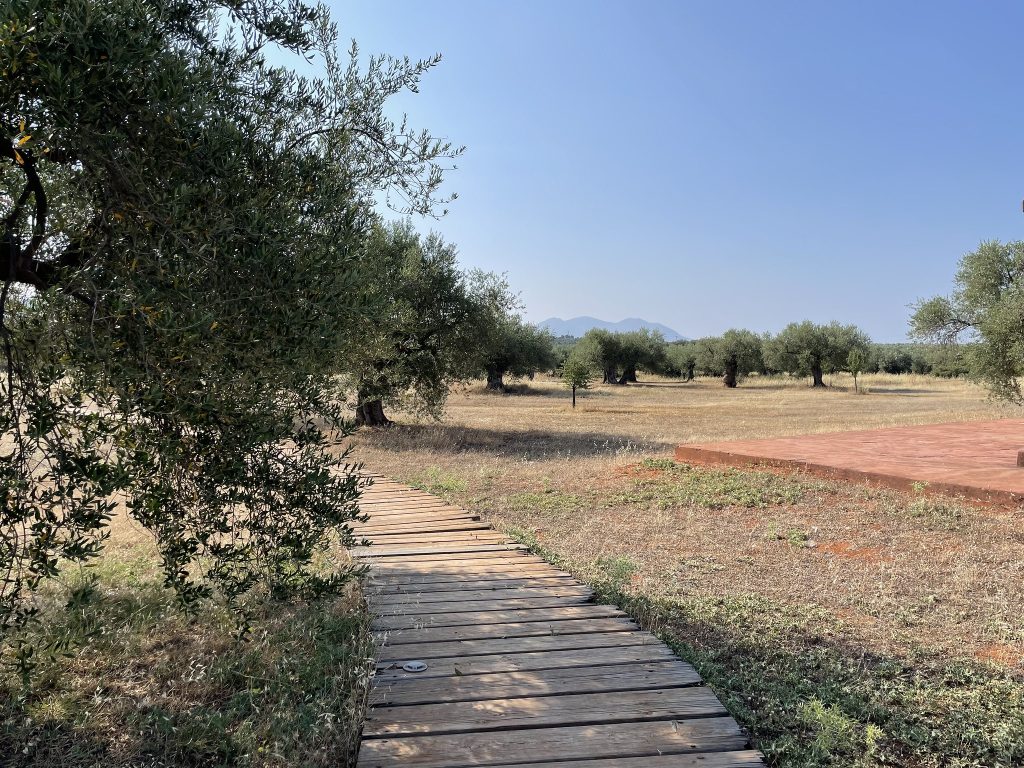
European agritourism keeps evolving, with Greek farm stays emphasizing environmental sustainability alongside traditional agricultural practices.
The combination appeals to eco-minded travelers wanting to reduce their footprint while experiencing rural culture.
Eumelia in the Peloponnese peninsula operates as a family-owned regenerative agritourism and wellness retreat, considered the greenest farm and hotel in Greece.
The property uses environmentally friendly building materials, renewable energy, composting, and water waste management systems.
Guests stay in eco-houses built among lavender fields and almond trees, participating in olive picking and tasting, cooking classes, yoga, hiking, and biking.
The restaurant serves vegetarian farm-to-table cuisine using organic ingredients grown onsite, focusing on traditional Greek flavors.
Natural wine made on the property flows freely.
The wellness angle — yoga, meditation, nature immersion — represents where modern farm stays are heading, combining agricultural tourism with health-focused retreats.
Fiji takes self-sustainability to extremes
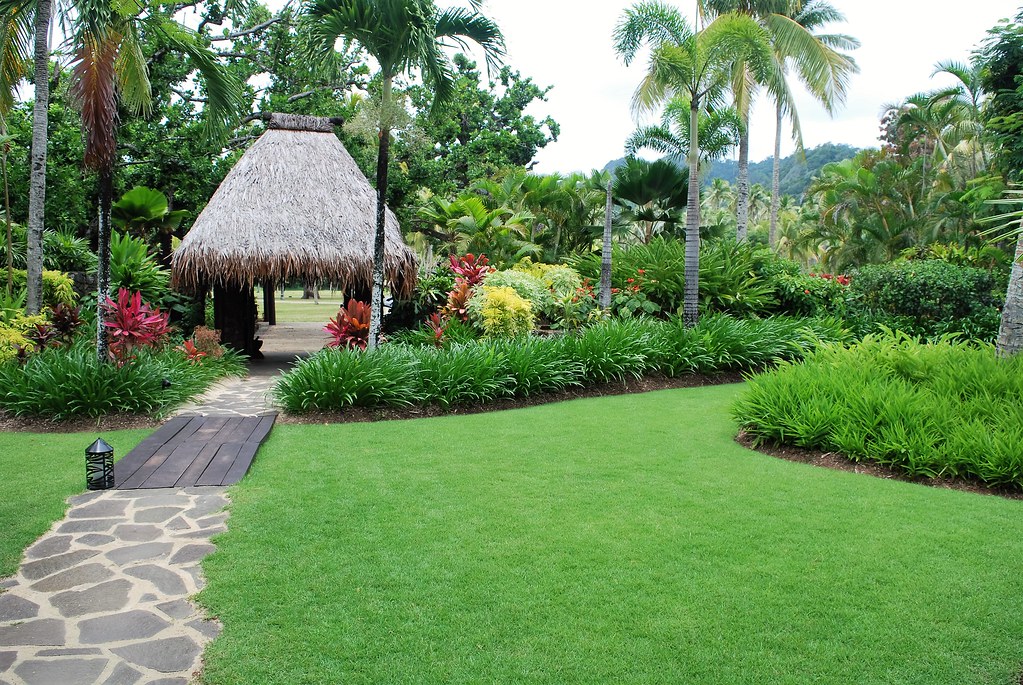
Island agritourism faces unique challenges around self-sufficiency since importing supplies proves expensive and complicated.
Laucala Island in Fiji turned those constraints into selling points by creating an almost fully self-sustainable luxury destination.
The private island spans over 3,000 acres with crystal-clear waters, rainforest, and coconut plantations.
Red Bull founder Dietrich Mateschitz owns the property, which operates 25 villas showcasing farm-to-fork philosophy.
The on-site farm provides organic fruits and vegetables plus free-range poultry and Wagyu cattle.
Everything guests eat comes from the island or surrounding waters.
This represents agritourism’s luxury extreme — private island exclusivity combined with working farm infrastructure.
The price point sits well beyond most travelers’ budgets, but it proves the farm stay concept scales from budget B&Bs to ultra-luxury resorts when done right.
Hawaii offers tropical agriculture education
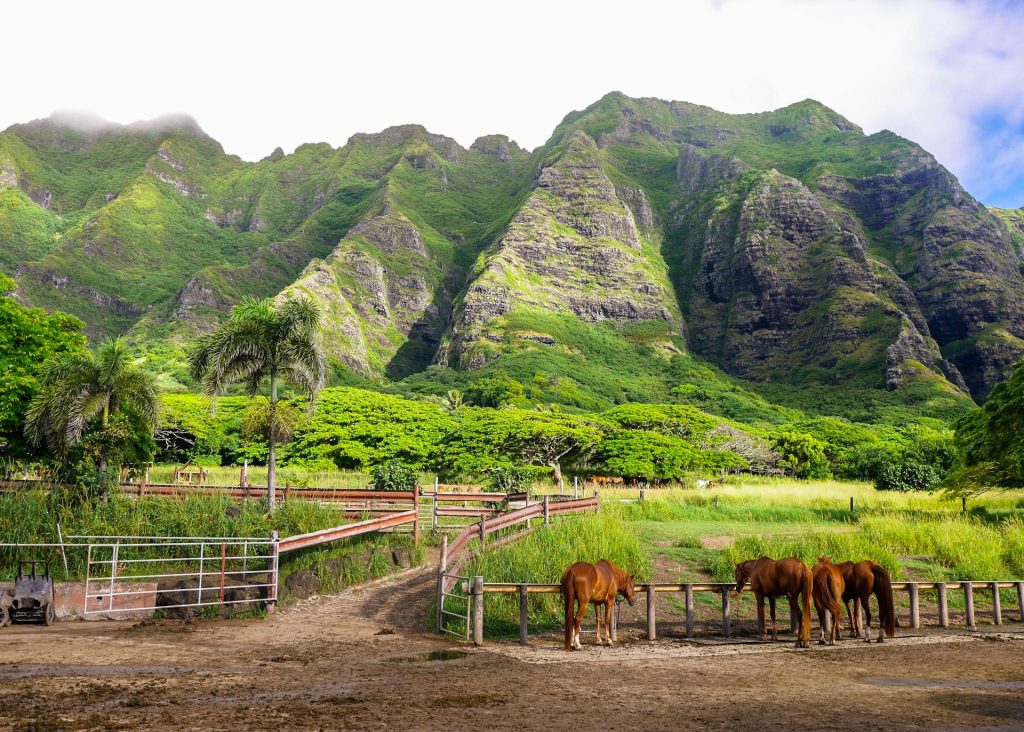
Hawaiian farm stays introduce guests to crops that don’t grow in most other places — macadamia nuts, taro, guavas, papayas.
The tropical climate and volcanic soil create unique growing conditions that agricultural tourists find fascinating.
Islands across Hawaii welcome agritourists to working plantations and small farms.
The educational component emphasizes island-specific agriculture and how Hawaiian farming traditions evolved.
Guests learn about taro cultivation for poi, coffee growing on volcanic slopes, and tropical fruit production.
The combination of agricultural education plus Hawaii’s natural beauty makes these stays popular with families.
Where it’s all heading
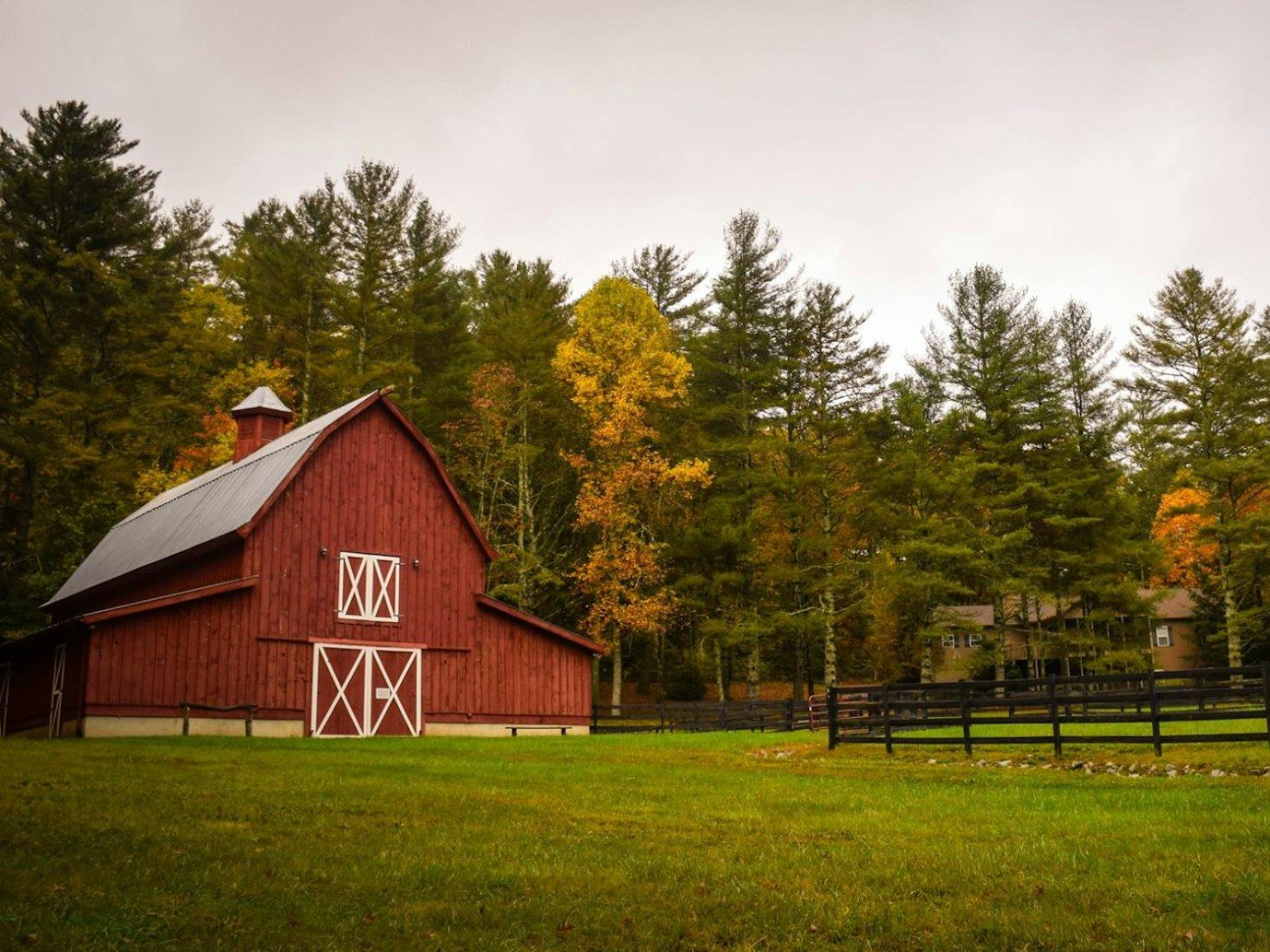
Farm stays succeeded because they offer what standard tourism can’t — authentic connection to land and food production.
In 1900, around 40% of America’s workforce farmed.
By 2000 that dropped under 2%.
Most families now sit multiple generations removed from agricultural life, yet the heritage and interest remain.
The agritourism industry keeps expanding globally, with Austria and Italy leading Europe’s established networks while New Zealand, Australia, and parts of Asia grow their offerings.
Quality varies wildly from budget farmhouse rooms to luxury villas, but the core appeal stays consistent.
Travelers want to know where food comes from, touch the soil that grows it, and spend time with people who understand land stewardship.
Farm stays deliver that experience whether guests milk cows in Vermont, press olives in Greece, or herd sheep in New Zealand.
The specific activities and settings change, but waking to roosters instead of traffic alarms creates memories that generic hotels never could.
More from Travel Pug

- Underrated Italian Towns That Beat the Tourist Crowds
- Las Vegas Tourist Traps to Skip
- Prettiest Towns in Every US State
- 18 passport-free countries for Americans
- Signs Your Cruise Is Not Worth The Cost
Like Travel Pug’s content? Follow us on MSN.