

Most people assume catching the northern lights means dropping thousands on tours and luxury lodges.
Alaska’s aurora season runs from late August through early April, and chasing those dancing green curtains across the sky doesn’t require a trust fund.
The trick is knowing where to look, when to go, and which expenses actually matter versus which ones just drain the wallet.
Fairbanks sits directly beneath the auroral band — that ring of geomagnetic activity around the Arctic Circle where the lights show up most reliably.
The city’s location, 33 degrees north of the Arctic Circle puts it in the sweet spot.
Throw in dark winter skies, minimal light pollution once outside downtown, and decent infrastructure, and it becomes clear why budget travelers keep showing up here instead of flying to Norway or Iceland.
Here’s how to see the aurora without going broke.
Fairbanks beats Anchorage for viewing
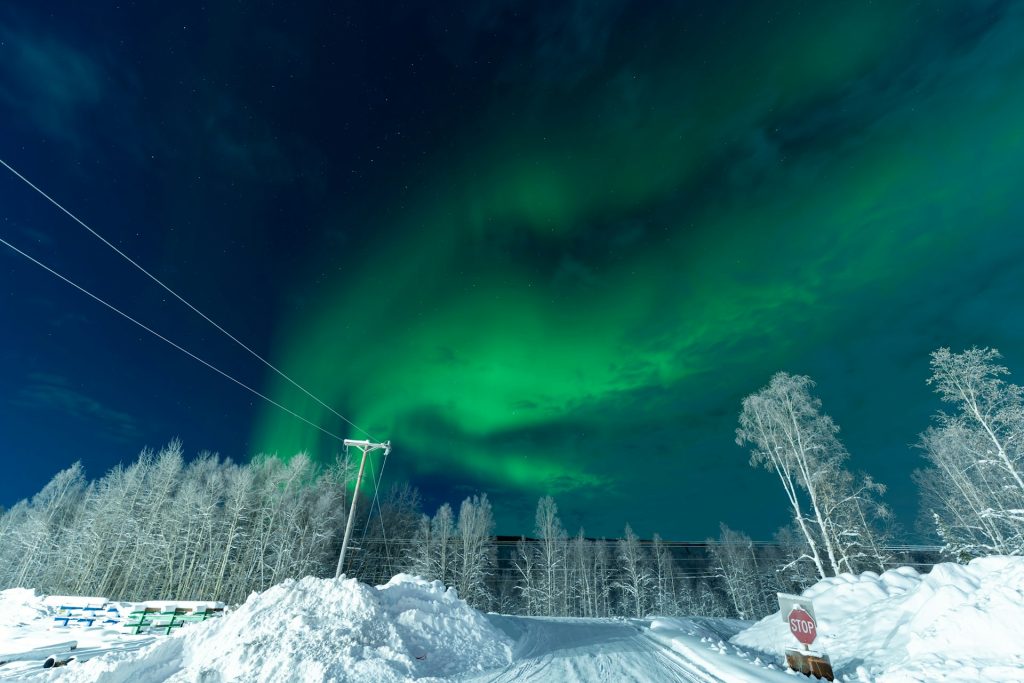
Anchorage gets more tourists because it’s bigger and has more flight connections.
Fairbanks works better for aurora hunting.
When auroral activity drops, the lights retreat north — which means Fairbanks stays in the viewing zone while Anchorage misses out.
The city sits far enough from major light pollution that driving 20 minutes in any direction delivers dark skies.
The main auroral band crosses Alaska in an arc above the Alaska Range.
Fairbanks sits just below this band with clear views north. Anchorage sits farther south and deals with more clouds from coastal weather patterns.
Simple geography favors Fairbanks.
Direct flights into Fairbanks International Airport land travelers within an hour of world-class viewing spots.
No need for expensive connecting flights or long drives.
The airport sits close to town, and budget rental cars or public transit can handle the rest.
Hostels and budget lodging actually exist
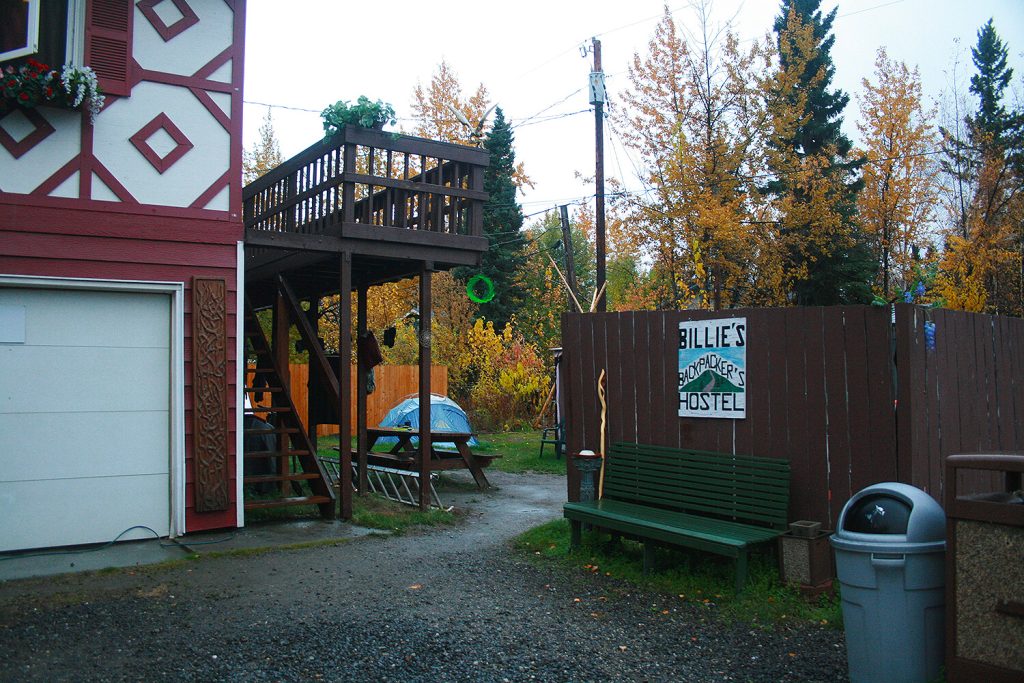
Billie’s Backpackers Hostel in downtown Fairbanks offers dormitory-style beds starting around $20 per night.
The place has a communal kitchen, free Wi-Fi, limited bike rentals, and a shared lounge with cable TV.
It’s basic but functional, and it’s become popular with aurora seekers who’d rather spend money on activities than fancy rooms.
Budget cabins scattered around Fairbanks rent for $50–$100 per night depending on season and amenities.
Sites like Airbnb and VRBO list private rooms and entire cabins in remote areas with prime aurora viewing right outside the door.
Some hosts even provide wake-up calls when the lights appear — no tours required.
Camping works for fall and spring shoulder seasons if the cold doesn’t bother you.
State parks and recreation areas near Fairbanks offer affordable spots with proper gear for freezing temperatures.
September and early October can still be manageable before winter really sets in.
Aurora Borealis Lodge sits 20 miles north of Fairbanks with cozy cabin-like rooms featuring large north-facing windows.
It’s more expensive than hostels but cheaper than luxury domes, and guests rave about the hospitality and incredible light shows.
Pike’s Waterfront Lodge closer to downtown provides aurora wake-up calls and outdoor viewing spaces while keeping access to city amenities.
Free apps replace expensive tours

Tours averaging $465 per day for budget options and $600 per day for luxury packages add up fast over a week-long trip.
Self-guided aurora hunting using free smartphone apps costs nothing beyond transportation.
My Aurora Forecast and Aurora Now provide real-time predictions based on the KP index — a scale from 0 to 9 measuring geomagnetic activity.
Higher numbers mean stronger aurora displays.
The apps send notifications when conditions look promising, letting travelers time their viewing without paying guides.
The University of Alaska Fairbanks Geophysical Institute posts nightly forecasts and 27-day predictions online for free.
Their accuracy isn’t perfect since atmospheric conditions change, but it beats guessing.
Checking forecasts before the trip helps with timing and managing expectations.
Creating a self-guided tour means researching viewing spots, renting a car or using public transit, and heading out when forecasts look good.
It requires more effort than joining a tour, but saves hundreds of dollars.
The northern lights don’t care whether a guide’s standing next to you.
Public transit and rental cars keep costs down
The MACS Transit System in Fairbanks runs affordable routes to key locations near prime viewing spots for a few dollars per ride.
Public buses won’t drop riders directly at remote viewing areas, but they’ll get close enough that a short walk finishes the job.
Renting a car opens up more options.
Budget rental companies at Fairbanks airport offer vehicles for $40–$80 per day depending on season and availability.
Splitting costs among traveling companions drops the per-person rate significantly.
Having a car means freedom to chase clear skies and escape light pollution without schedule constraints.
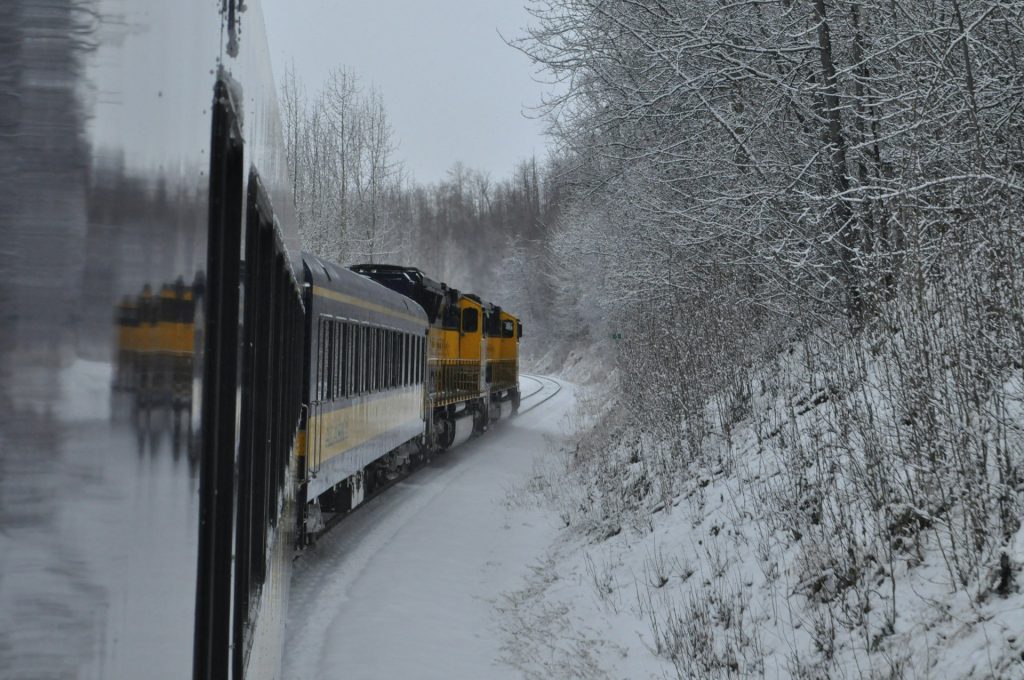
The Alaska Railroad runs trains from Anchorage to Fairbanks with stops in Talkeetna and Denali National Park.
It’s scenic but slower and more expensive than flying.
Works better for travelers combining aurora viewing with other Alaska destinations who value the journey itself.
Best free viewing spots surround Fairbanks
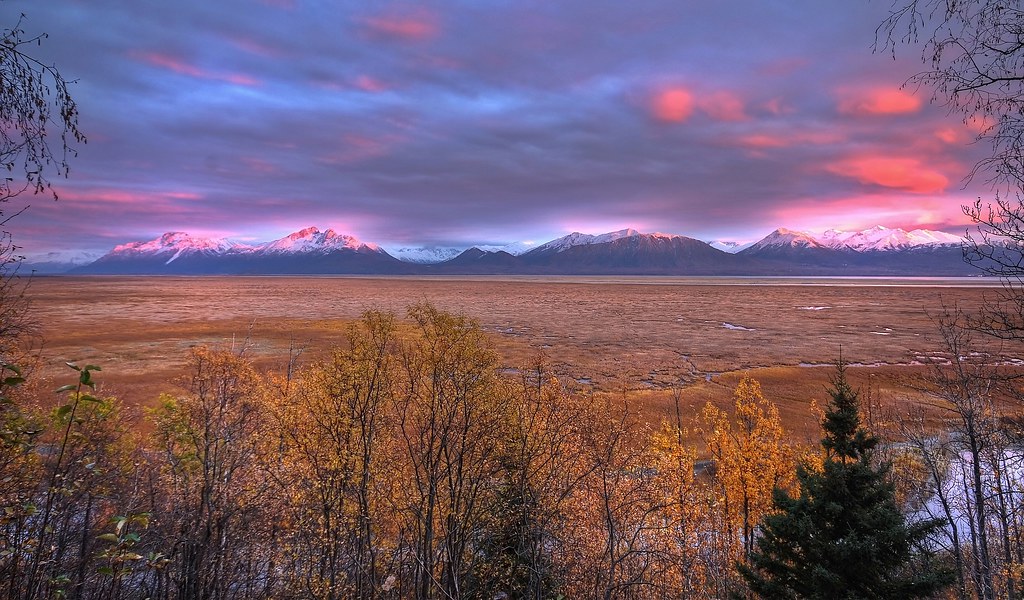
Cleary Summit sits about 20 miles north of Fairbanks along the Steese Highway.
The elevated location provides horizon-to-horizon views with minimal light pollution.
It’s a popular spot, so expect company on clear nights with strong aurora forecasts.
Palmer Hay Flats near Anchorage offers a viewing tower at Reflection Lake.
The location requires walking about halfway around the lake in the dark, so bringing a flashlight matters.
The spot works for travelers based in Anchorage who don’t want to drive to Fairbanks.
Arctic Valley area outside Anchorage provides high-altitude viewing when accessible.
The area sits on military property and access rules change, so checking current regulations before heading up matters.
Hatcher Pass offers another option with spectacular viewing when roads stay open.
Chena Hot Springs Resort sits 60 miles from Fairbanks with thermal pools and a northern lights viewing room.
Day passes to the hot springs cost about $20, making it an affordable way to combine soaking in warm water with aurora watching.
The remote location away from city lights increases viewing chances.
Many budget travelers drive out for an evening soak and aurora session rather than paying for overnight accommodations.
Timing the trip saves serious money

Visiting between September and April during aurora season means catching off-peak travel rates.
Hotels, rental cars, and tour packages often discount 10%–25% outside summer tourist season.
Fewer crowds also mean more availability and better viewing spots without fighting for space.
February through April offers the best combination of clear weather and proximity to the spring equinox when aurora activity increases.
September sees more clouds, but it works for travelers avoiding the coldest temperatures.
Winter months from December through February deliver the darkest skies but also the harshest conditions — temperatures regularly drop below zero.
Flexibility with travel dates helps grab last-minute flight deals.
Midweek flights typically cost less than weekend departures. Watching airfare over a few weeks often reveals price drops worth waiting for.
Food costs stay manageable with planning

Eating out in Alaska gets expensive fast.
Restaurant meals average $15–$30 per person for basic fare, and that adds up over a week.
Grocery stores like Fred Meyer and Safeway offer more affordable options for travelers willing to cook.
Hostels and budget cabins with kitchen access let visitors prepare their own meals.
Stocking up on food at grocery stores and cooking at accommodations cuts food costs by half or more.
Breakfast at the hostel, packed lunch for the day, simple dinner at the cabin — it works.
Food trucks in Fairbanks serve decent meals for $10–$20, splitting the difference between restaurants and cooking.
Camping trips obviously mean cooking everything, keeping costs minimal for travelers with proper gear.
What actually matters for success

Three factors determine aurora viewing success: clear skies, dark skies, and auroral activity.
Travelers control one of those. Getting away from city lights into darker areas costs nothing beyond transportation.
Clear skies require luck and flexibility.
Auroral activity depends on solar conditions nobody controls.
Proper clothing matters more than accommodation quality.
Waiting outside for hours in subzero temperatures requires serious layering — thermal underwear, insulated pants and jacket, winter boots with good traction, warm gloves, hats.
Hand and foot warmers help extend comfortable viewing time.
The aurora won’t appear on schedule, and patience in freezing conditions requires preparation.
Camera gear helps capture the experience but isn’t required.
Basic DSLR or mirrorless cameras with tripods and remote shutter release can photograph the aurora.
Smartphones struggle with low light and long exposures.
Watching with eyes works just fine though — no equipment necessary.
Why budget trips still deliver
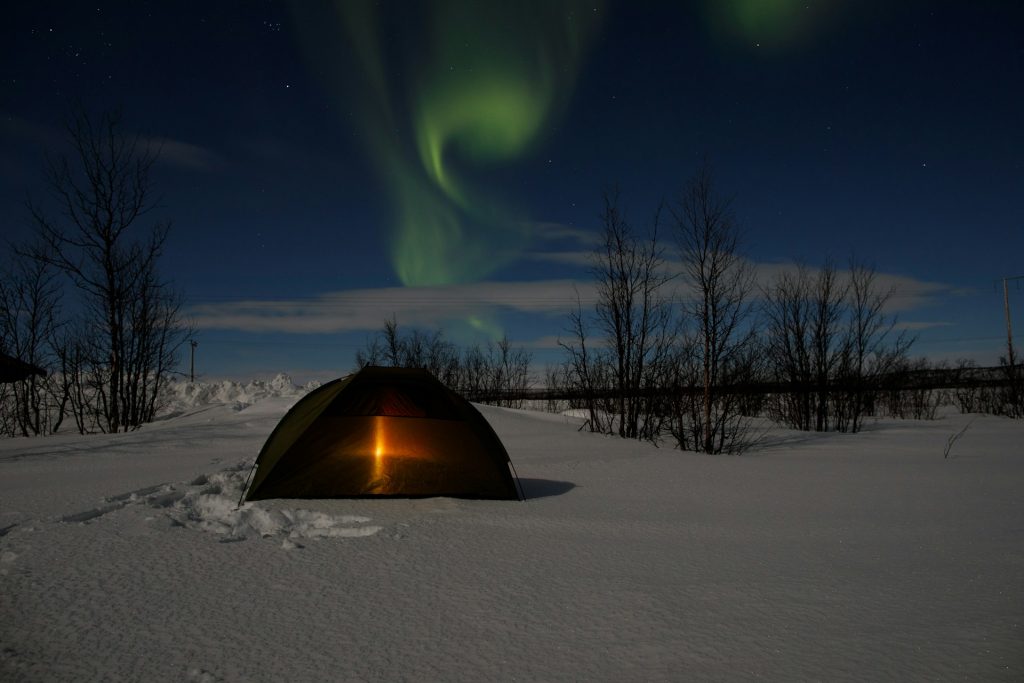
The northern lights don’t care about accommodation costs or tour guides.
They appear when solar conditions and weather align, visible to anyone looking north from a dark location.
Luxury lodges with glass ceilings and heated viewing rooms provide comfort, but the aurora display outside looks identical to what budget travelers see from a frozen parking lot at Cleary Summit.
Spending less on lodging and tours means longer trips or more money for other Alaska experiences.
Fairbanks offers museums, dog sledding, ice fishing, snowshoeing — activities that complement aurora viewing and fill days when clouds block the sky.
The University of Alaska Museum of the North, Pioneer Park, and Chena River paddlewheel boat tours all cost under $50.
Budget aurora chasing in Alaska averages $100 to $150 per day including accommodations, food, and transportation for travelers willing to stay in hostels, cook meals, and drive themselves to viewing spots.
That’s less than a third of luxury tour packages while delivering the same aurora displays.
The lights don’t charge admission, and that’s the whole point.
Getting to Alaska and staying warm matters. Everything else is just marketing.
More from Travel Pug

- Underrated Italian Towns That Beat the Tourist Crowds
- Las Vegas Tourist Traps to Skip
- Prettiest Towns in Every US State
- 18 passport-free countries for Americans
- Signs Your Cruise Is Not Worth The Cost
Like Travel Pug’s content? Follow us on MSN.