

Miami sits where American culture meets Latin America, creating a unique blend of tropical beaches, vibrant neighborhoods, and cultural diversity unlike anywhere else in the United States. Miami Beach is a slender, nine-mile-long barrier island along the Atlantic Ocean, divided into three distinct neighborhoods, with South Beach from South Pointe Park north to 23rd Street being the most famous.
The Art Deco Historic District contains the largest concentration of Art Deco architecture in the USA. Three to four days is ideal for first-time visitors to enjoy Miami’s main attractions, beaches, and neighborhoods, though a weekend in Miami is also doable.
This sun-soaked city rewards visitors who venture beyond the beaches to discover its rich cultural tapestry. First-time visitors often make the mistake of treating Miami as just another beach destination, missing the neighborhoods, cuisine, and cultural experiences that make the city special.
Here is a list of 15 key tips every first-time Miami visitor should know.
Stay in South Beach for your first visit

For first-time visitors, staying in South Beach is highly recommended—it’s great for a weekend or even a 1-week stay. South Beach is fairly small and very walkable, and you don’t even need to rent a car depending on your plans.
South Beach comes alive with neon lights, rooftop bars, and world-renowned clubs at night. The concentration of hotels, restaurants, beaches, and nightlife makes South Beach the obvious home base while you figure out the rest of Miami.
Skip the car if staying on Miami Beach

Parking in Miami can be expensive and limited in popular areas like South Beach, so consider using rideshare apps or public transportation instead. The trolley is free, air-conditioned, and even connects to Mid-Beach if you want to explore beyond SoBe.
Renting a car is recommended only if you want to explore beyond the beach, and parking in Miami Beach City parking garages offers very affordable rates through the ParkMobile App. Cars become useful for visiting neighborhoods beyond the beach, though Uber and Lyft work fine too.
Explore beyond Ocean Drive
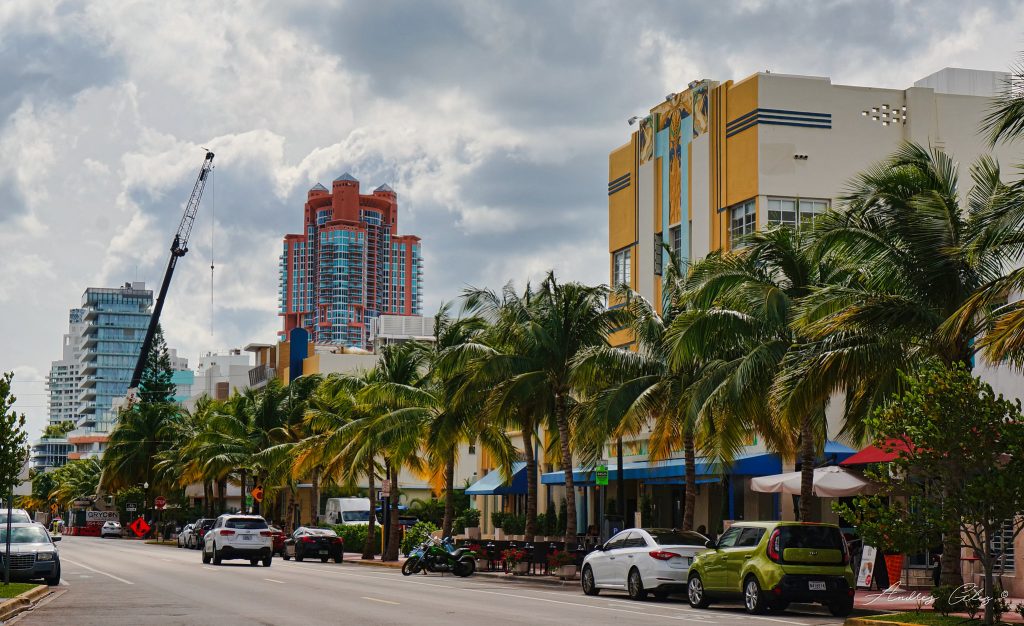
The only way to get to South Beach is by bridge or boat, yet the best way to see a place is by foot or, in the case of Miami Beach, by inline skate or bike. Lincoln Road, the mile-long pedestrian thoroughfare, boasts brand-name stores and independent boutiques, an array of restaurants, street entertainment and superb people-watching.
Espanola Way’s twinkling lights, pink stucco buildings, and colorful awnings make this pedestrian-only street a photographer’s dream. Ocean Drive gets most of the attention, but the surrounding streets hold just as much charm with fewer tourists.
Take an Art Deco walking tour
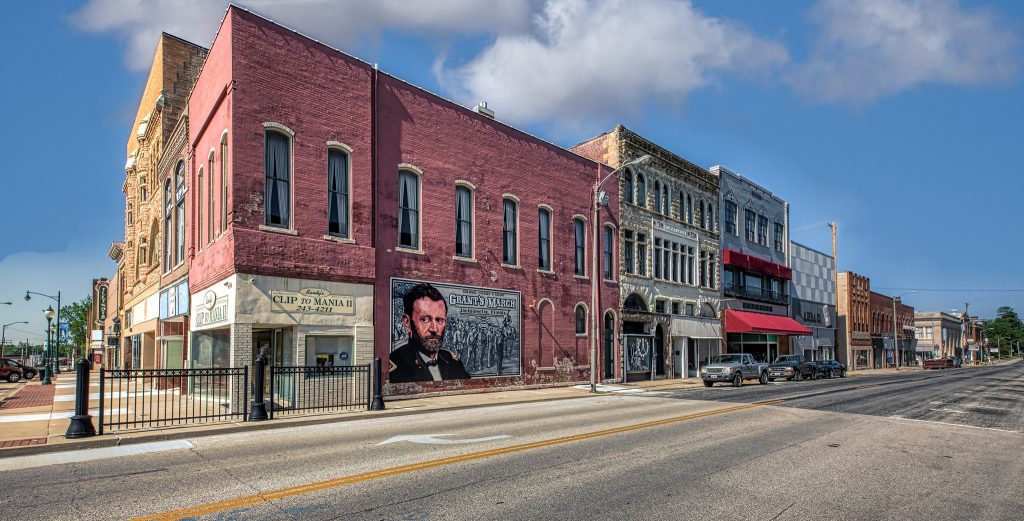
The Art Deco Historic District is filled with geometric shapes and bold colors, with buildings featuring symmetrical facades, bold colors, and intricate decorative elements. Joining a guided Miami South Beach Art Deco Walking Tour lets you discover stunning buildings like the Colony Hotel, the Cardozo Hotel, and the Carlyle Hotel.
You’ll learn about the history of South Beach as you walk through the ocean-side neighborhood, with fascinating stories about mob life, Hollywood glamour, and modern design. The architecture defines South Beach’s visual identity—understanding its history deepens your appreciation.
Experience Little Havana properly
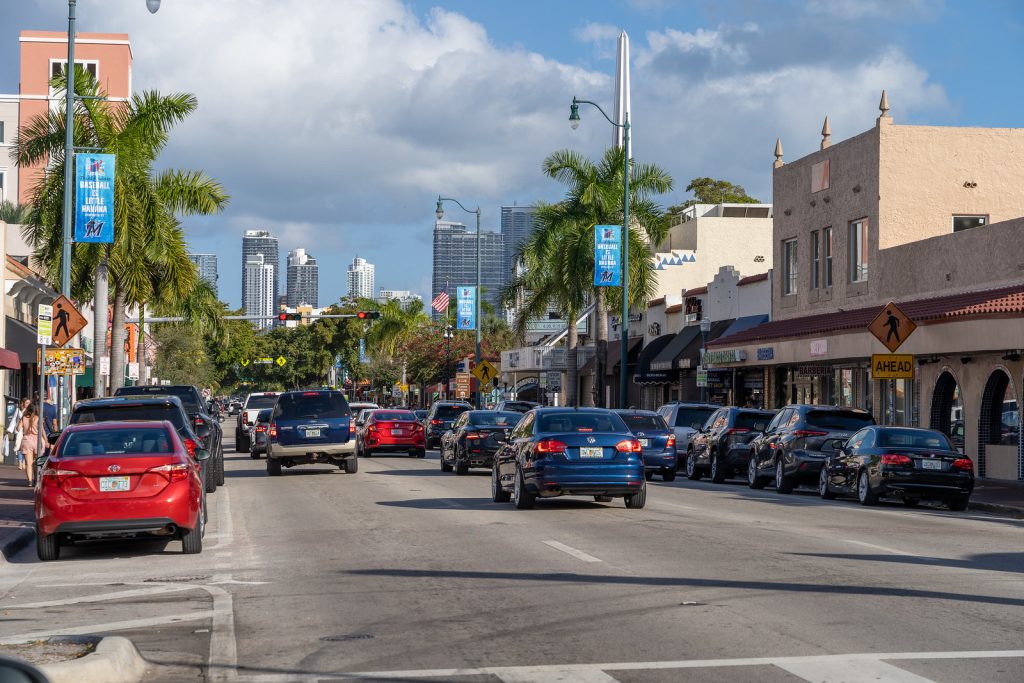
Long recognized as Miami’s welcome mat for immigrants starting with Cuban exiles in the 1960s and ’70s, Little Havana is a storied working-class neighborhood just west of downtown Miami. Calle Ocho (Southwest Eighth Street) is a vibrant thoroughfare lined with Latin-inspired restaurants, bakeries, fruit stands, rum bars, art galleries, and music venues.
Watch older locals gather at tables to slap down dominoes all day at Máximo Gómez Park, better known as Domino Park. Go hungry, walk slowly, and listen to live music rather than just snapping photos.
Order Cuban coffee the right way
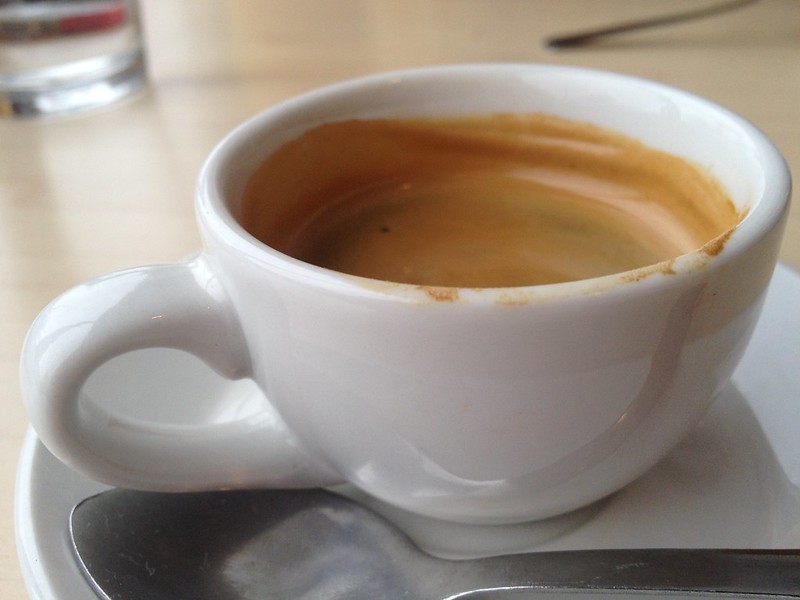
These restaurants sport ventanitas (little windows) where you can order delectable treats on the go—try an empanada or a guava and cheese pastelito. Cuban coffee comes strong and sweet, served in tiny cups that pack a serious caffeine punch.
A cafecito is straight espresso with sugar, while a cortadito adds a splash of steamed milk. If you don’t have a guava pastelito, and a mojito in Little Havana, then you haven’t visited Miami according to local bartenders.
Visit Wynwood Walls for street art
Wynwood Walls features curated work by over 100 international artists, serving as the neighborhood’s centerpiece. Wynwood Walls is open daily from 10:30 AM to 6:30 PM, with tickets starting around $12+.
The street art murals include works by renowned and local artists including Shepard Fairey, Retna, and Aiko. The energy spikes during the Second Saturday Wynwood Art Walk every month from 5-10 PM when food trucks, DJs, and pop-up markets turn the streets into a festival.
Use the Beachwalk for ocean views
Take a stroll on the 14-kilometer Beachwalk for unending ocean views and occasional waterfront green spaces. Stop at North Beach Oceanside Park, Lummus Park and South Pointe Park for playgrounds, picnic tables, and people-watching.
The paved path connects different beach sections while keeping you away from car traffic. Early morning or sunset walks provide the best light and cooler temperatures for comfortable exploration.
Check out the colorful lifeguard towers
Miami Beach’s lifeguard towers are a nod to the city’s Caribbean culture and art deco architecture, dotted with these colorful structures primarily between South Point Beach and 86th Street. Don’t miss the rainbow-striped lifeguard tower at 11th/12th Street Beach, the city’s semi-official gay beach.
These aren’t just functional structures—they’re Instagram-famous landmarks designed by different artists. Each tower has its own style and color scheme, making them worth seeking out for photos.
Time your visit to avoid crowds and heat

Late November to April provides warm weather without excessive humidity, making it perfect for beach days, outdoor dining, and walking tours. Viernes Culturales happens every third Friday when Calle Ocho transforms with art vendors, live music, and dancing.
The Calle Ocho Festival is held annually in March as one of the largest street festivals in Miami drawing thousands with music, food, and parades. Winter months see the most tourists and the highest prices, while summer brings humidity and afternoon thunderstorms but better hotel deals.
Try authentic Cuban food beyond tourist spots
Whether you make a pilgrimage to the classic, family-owned Versailles or pay a visit to one of Little Havana’s other top Cuban restaurants, you’ll want to sample everything from strong sweet Cuban coffee to the savory Cuban sandwich. Skip overpriced dining options targeted at tourists in popular areas like South Beach—instead, check restaurant reviews beforehand and hunt for hidden spots in places like Little Havana.
The Cuban sandwich requires roast pork, ham, Swiss cheese, pickles and yellow mustard pressed into crusty bread—anything else isn’t authentic.
Understand Miami’s neighborhood layout
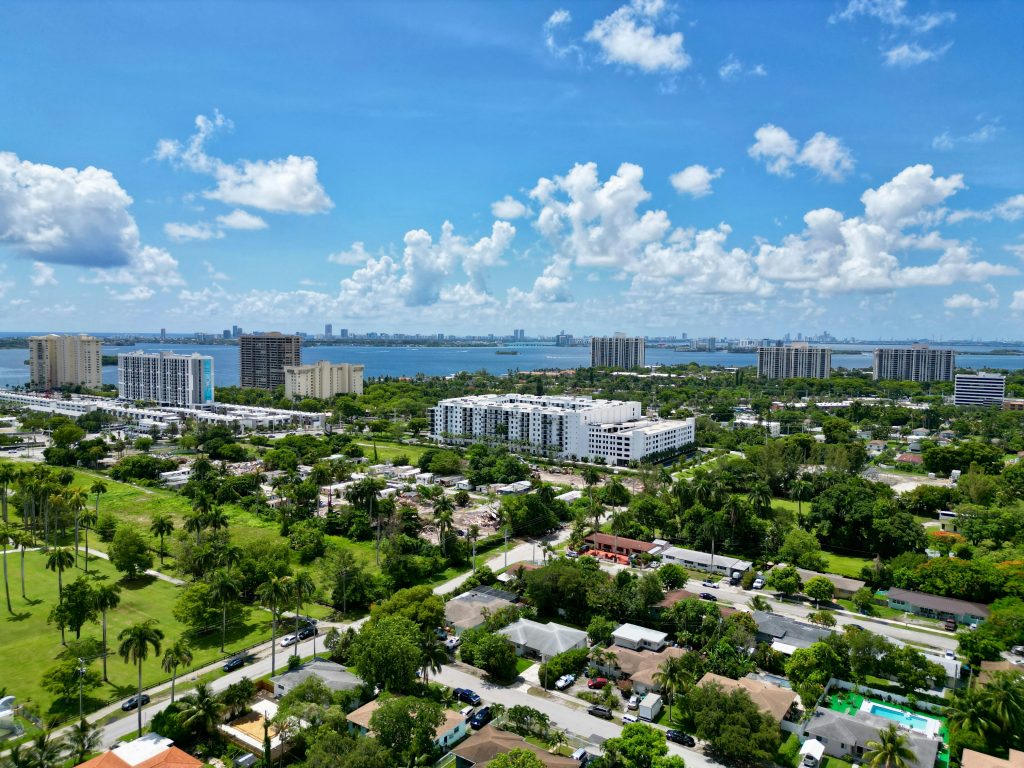
South Beach boasts beautiful Art Deco architecture, white sandy beaches, and active nightlife, staying in South Beach puts one in the middle of everything. Coconut Grove offers lush tropical foliage, bohemian flair, and beautiful waterfront parks as the oldest neighborhood with character.
Downtown Miami contains skyscrapers with cultural attractions like the Pérez Art Museum and Adrienne Arsht Center for Performing Arts. Each neighborhood has distinct vibes—South Beach for partying, Coconut Grove for relaxation, Wynwood for art, Little Havana for culture, and Downtown for business.
Dress appropriately for clubs

If you plan to go clubbing, remember many have a dress code prohibiting casual clothing like flip-flops and shorts—if you don’t dress accordingly, you may be denied entry. South Beach clubs enforce strict policies, sometimes arbitrarily.
Men typically need closed-toe shoes and collared shirts, while women have more flexibility. Research specific venues beforehand since each club sets its own standards.
The fancier the venue, the stricter the enforcement.
Visit the free Miami Beach Botanical Garden
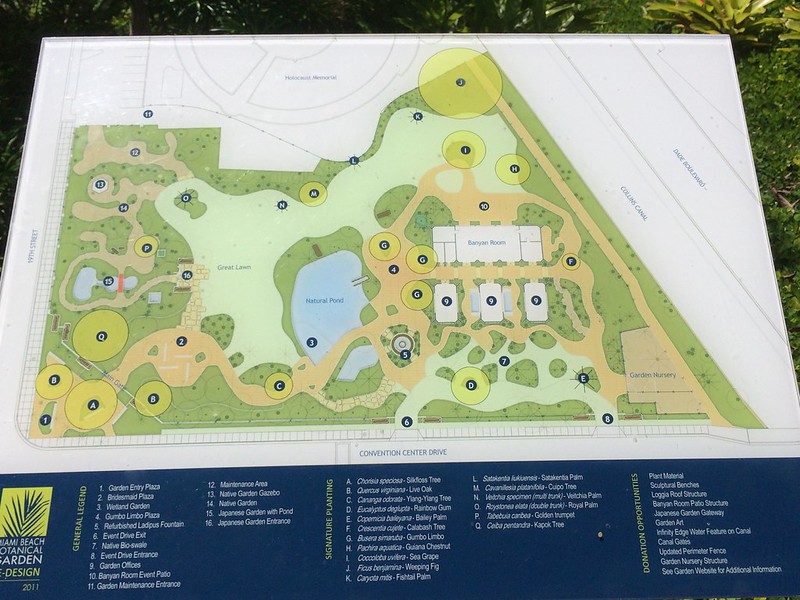
The Miami Beach Botanical Garden is a peaceful oasis in the heart of the city where you can explore native plants, orchids, palm trees, koi ponds, and a Japanese Garden with a bright red bridge. Located in the Miami Beach City Center Campus near Pride Park, this lush retreat is filled with native plants, blooming orchids and over 100 species of palms.
Consider participating in one of the on-site programs like a yoga class or a nature-focused workshop. This sanctuary offers quiet relief from South Beach’s constant energy.
Carry a reusable water bottle

Carry a reusable water bottle since tap water is completely safe to drink in Miami. The combination of heat, humidity, and walking between neighborhoods means you’ll drink way more water than expected.
Staying hydrated prevents the headaches and exhaustion that ruin afternoons. Refill at restaurants, hotels, or public fountains rather than constantly buying bottled water.
Miami’s sun is intense year-round, making hydration essential rather than optional.
Where cultures converge

Miami’s magic comes from its position as neither quite American nor Latin American but something unique. From South Beach to Coconut Grove, there are things to do in Miami for every type of traveler, whether your vacation group chat is finally ready to become reality or you’re taking a solo trip.
The city’s immigrant communities haven’t just added flavor—they’ve fundamentally shaped Miami’s identity. Cuban coffee culture, Haitian art, Colombian restaurants, and Venezuelan bakeries exist alongside American chains and beach clubs.
This isn’t fusion or appropriation; it’s genuine cultural coexistence where people maintain their heritage while building something new together. First-time visitors arrive expecting beaches and nightclubs, then leave understanding Miami represents America’s increasingly multicultural future—a place where speaking Spanish doesn’t mark you as foreign and where cultural boundaries blur into something more interesting than any single tradition alone.
More from Travel Pug

- Underrated Italian Towns That Beat the Tourist Crowds
- Las Vegas Tourist Traps to Skip
- Prettiest Towns in Every US State
- 18 passport-free countries for Americans
- Signs Your Cruise Is Not Worth The Cost
Like Travel Pug’s content? Follow us on MSN.