

China’s hiking trails span from the ancient Great Wall winding through northern mountains to the dramatic gorges and mystical peaks scattered across the country’s vast interior. Tiger Leaping Gorge is renowned as one of the deepest and most awe-inspiring gorges worldwide, spanning approximately 10 miles in length.
Zhangjiajie’s dramatic karst landscapes inspired the floating mountains in the movie Avatar. Central China offers mystical mountains like Huangshan, known for striking granite peaks and seas of clouds.
These trails challenge hikers with altitude, steep terrain, and rapidly changing weather while rewarding them with landscapes that seem almost otherworldly. Hiking in China requires more preparation than many Western trails—from navigation challenges to understanding guesthouse systems and dealing with infrastructure that ranges from excellent to barely existent.
Here is a list of 15 essential tips for exploring China’s most dramatic hiking trails.
Start with Tiger Leaping Gorge for manageable adventure
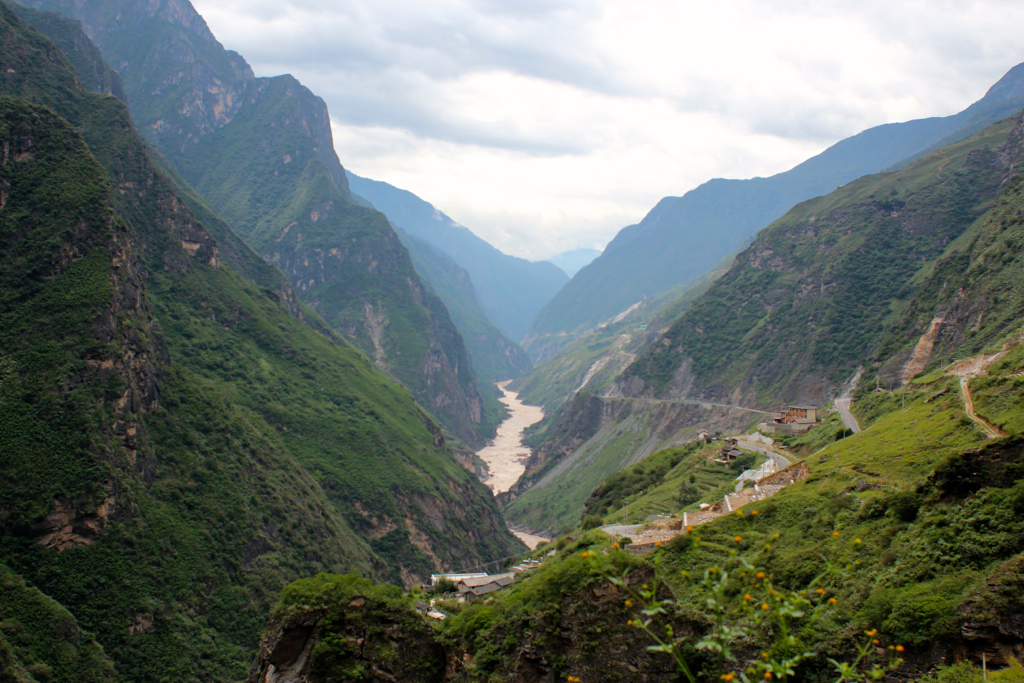
Around 11 miles in length, Tiger Leaping Gorge is divided into three parts with travelers choosing to hike from Upper Gorge to Lower Gorge or vice versa. The typical two-day trek covers approximately 27 miles round trip with a 2,700-meter elevation gain and loss.
The high trail hike winds around 14 miles halfway up Haba Snow Mountain, usually taking 1.5 days. Though it’s one of China’s popular trails, it isn’t crowded—few Chinese tourists hike it so it isn’t a crowded tourist pathway.
Conquer the notorious 28 Bends
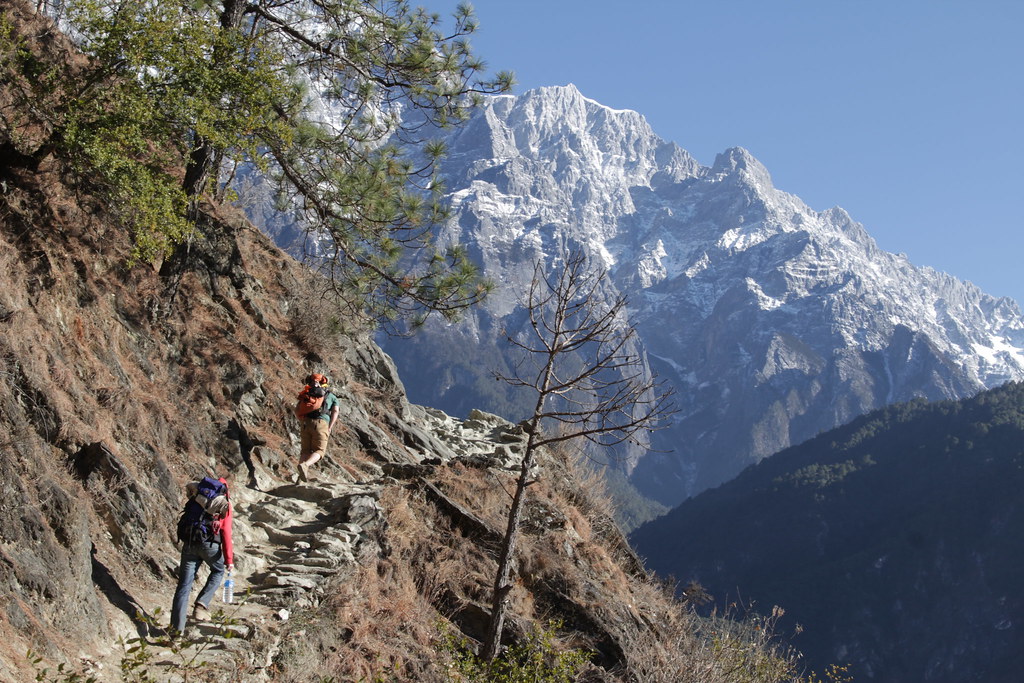
The 28 Bends trail is a mix of 30 percent stone steps and 70 percent dirt paths with a narrow width allowing only one person to pass at a time. The main challenge lies in the elevation gain, ascending from 2,200 to 2,670 meters.
From Naxi Family Guesthouse, hike 3 hours up the steep switchback called 28-bends before lunch, enjoying the triumph of conquering them and enchanting views over rugged Tiger Leaping Gorge. Take it slow on this section—fast hikers burn out quickly.
Book guesthouse accommodation strategically
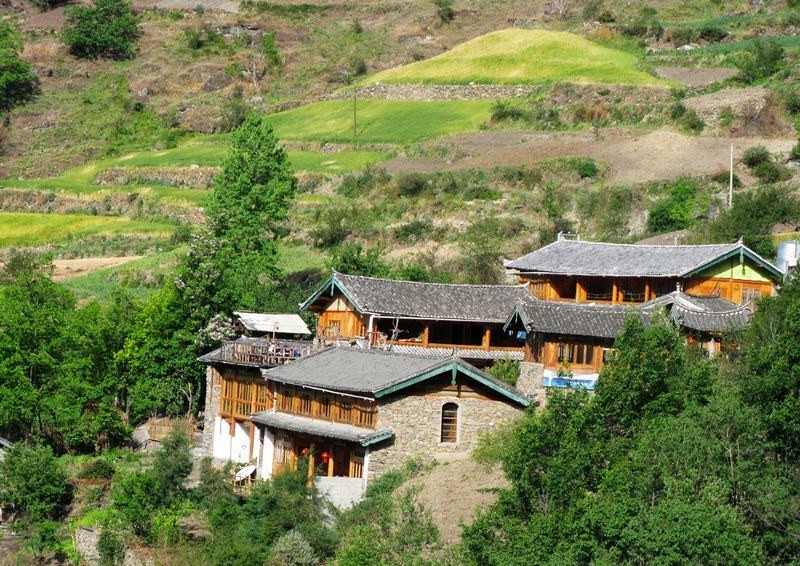
Halfway Guesthouse has great views of Yulong Snow Mountain and overlooks the Jinsha River Valley, where you can sit on a deck facing the mountain with hot showers and clean beds. The bus from Lijiang can arrange to forward your luggage to your ending point, though pickup locations have changed.
Tina’s Hostel is recommended by Lonely Planet Guide and can help book you a seat on a bus back to Qiaotou or Lijiang. Book ahead during peak season.
Navigate transportation changes carefully

The special shuttle for trekkers mentioned in older guides no longer exists, and the 17th edition of Lonely Planet China (2025) still contains multiple errors including the non-existent shuttle. Walk to Lijiang Bus Station and ask for a ticket to Tiger Leaping Gorge trailhead for the actual bus service.
The bus now skips Qiaotou and drops hikers at a new starting point further into the gorge. Information changes frequently in China—verify current details locally.
Avoid the rainy season completely

September and October are the second-best time to hike, while June to August is the rainy season and the road gets sloppy. Tiger Leaping Gorge hiking is suitable for most of the year except the rainy season from June to September, when landslides may occur.
After October, the weather turns cold, so bring warm clothes if hiking then. Spring and early fall provide the goldilocks conditions for China’s mountain trails.
Understand the Middle Gorge closure
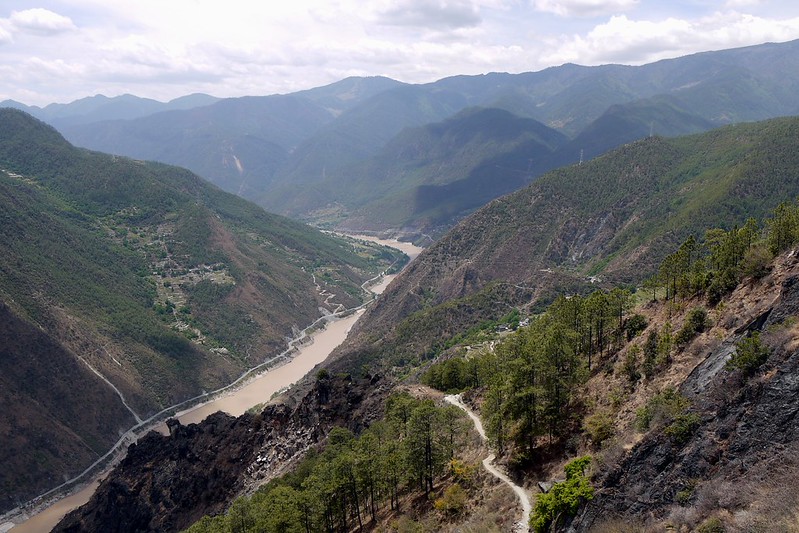
As of summer 2025, the Middle Tiger Leaping Gorge hike from Teacher Zhang’s Guesthouse is closed, likely due to safety concerns and improvements. You can still hike from Naxi Family Guesthouse to Teacher Zhang’s, which covers the vast majority of the trail.
The Sky Ladder with 168 steps scares those afraid of heights due to its steepness and height. Check current status when you arrive since closures change.
Pack proper gear for mountain conditions
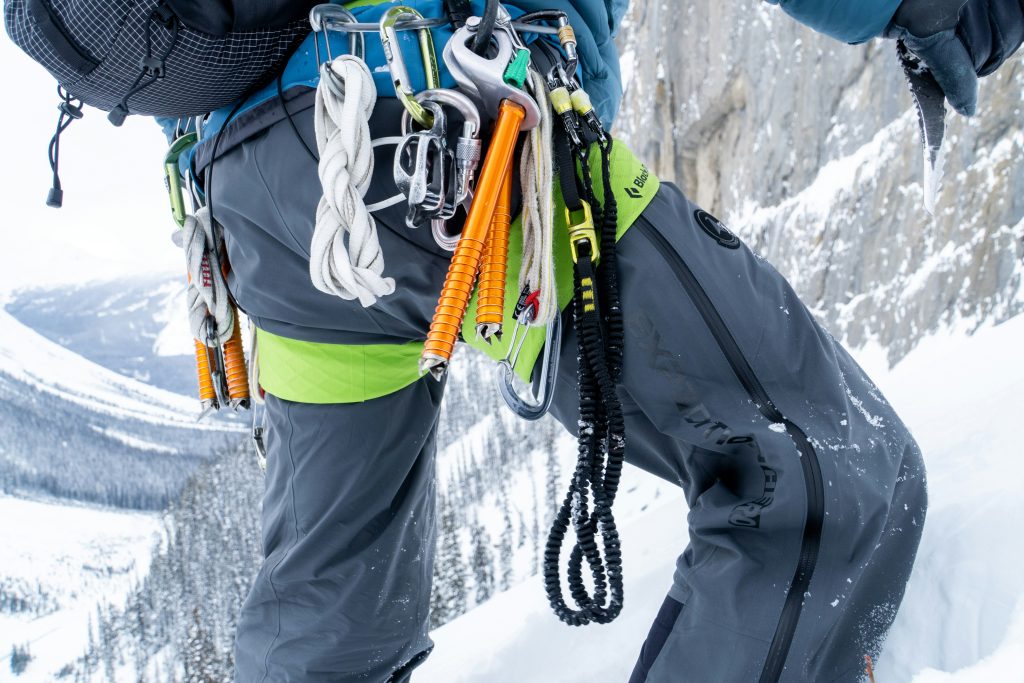
A pair of comfortable, strong walking shoes is essential, along with light shirts and a warm jacket, since it’s sunny and gets hot easily during hiking, while nights are usually cold and windy. An alpenstock is necessary, and take a flashlight for possible outage of electricity.
Bring gloves for passing steep roads and sunscreen to prevent strong sunlight. Carry a raincoat during the rainy season.
Experience Huangshan’s mystical peaks
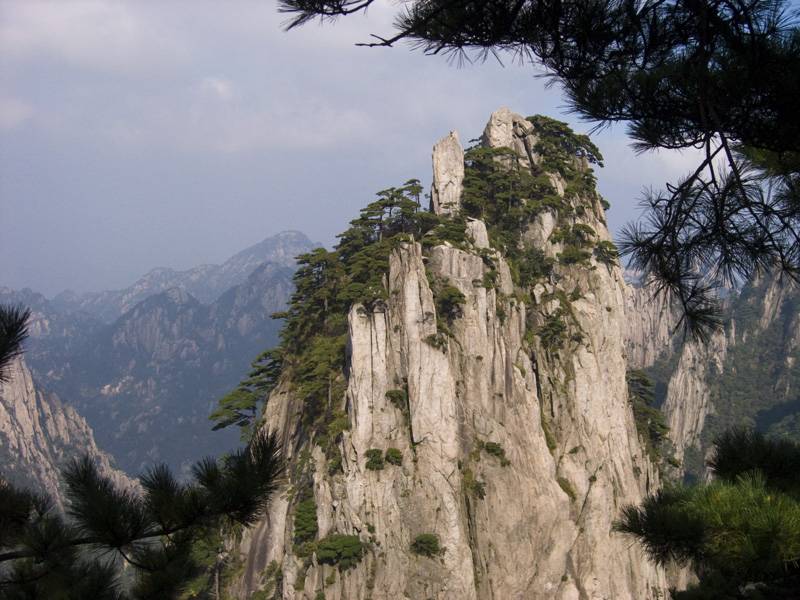
Yellow Mountain (Mount Huangshan) is a UNESCO Cultural and Natural Heritage, a world geology park, and paradise for hiking in China, where you can admire peculiar pine trees, fantastic rock peaks, seas of clouds and hot springs. Most mountain trails are paved and built with stone stairs, though some trails, especially the West Sea Canyon are very precipitous.
Huangshan is famous for its mystical sea of clouds, ancient pine trees, and unique granite peaks.
Explore Zhangjiajie’s Avatar landscapes
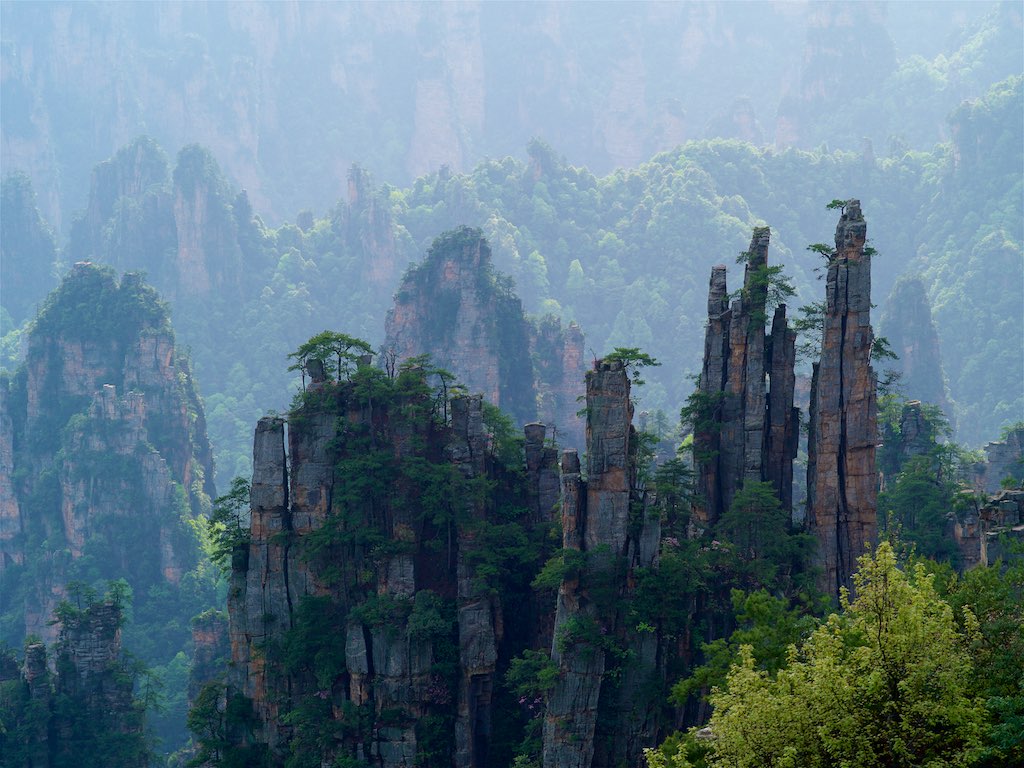
Due to its otherworldly concentration of quartz sandstone peaks, Zhangjiajie National Forest Park became China’s first national forest park and another geology park and UNESCO heritage site. The floating Avatar Mountain made it world-famous, and nature lovers find it one of the best places to hike in China.
Zhangjiajie trails combine unpaved mountain trails, stone stairs and flat roads, with shuttle buses sometimes recommended saving time.
Use eSIM for connectivity

A Holafly eSIM worked throughout the hike in Tiger Leaping Gorge for staying connected. China’s internet restrictions mean regular international SIM cards often don’t work properly.
Download offline maps before starting any hike since signal drops frequently in mountain areas. VPN access helps but doesn’t always function reliably on trails.
Respect altitude and pace yourself
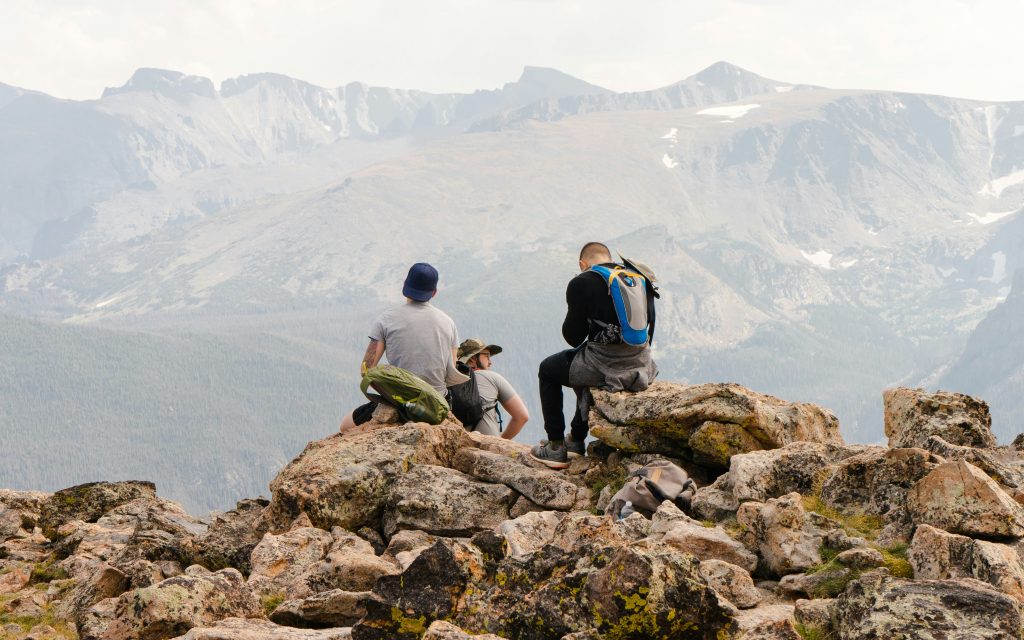
Tiger Leaping Gorge’s trails sit between roughly 2,000 and 2,700 meters, with surrounding peaks rising far higher. While not Himalayan heights, the elevation still affects many hikers.
Drink plenty of water and take breaks frequently.
Sample guesthouse food culture
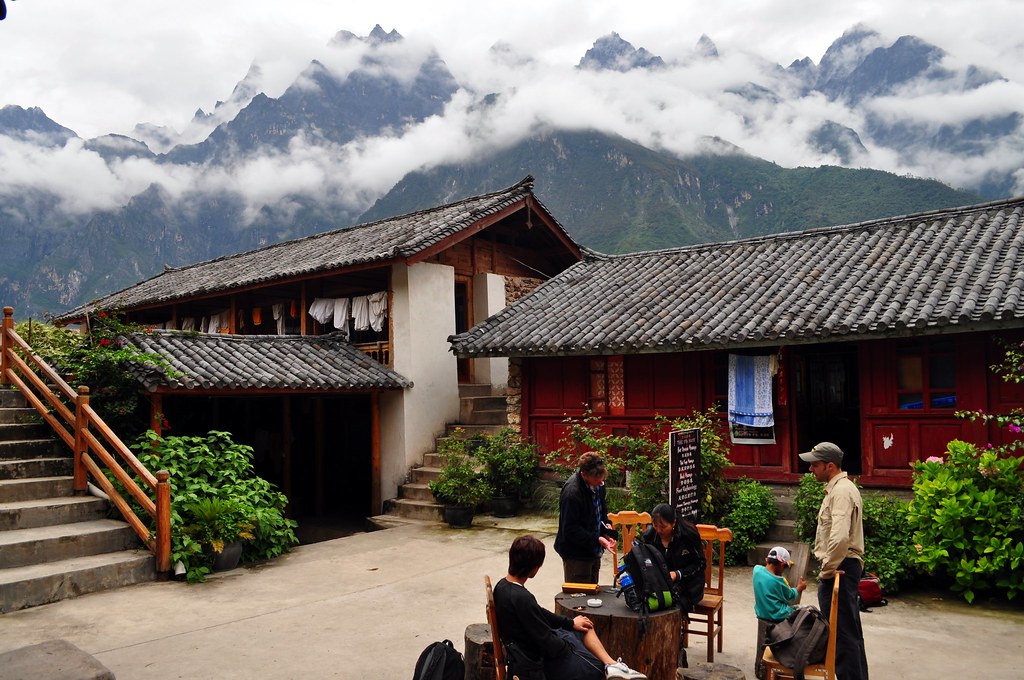
The owners of recommended guesthouses can speak basic English and offer good service, with meals prepared at camps. Chinese hiking guesthouses operate differently from Western hostels—they’re often family-run with communal dining.
Food tends toward simple but hearty fare. After a long hike, many hikers end the day sitting on the balcony with a cold beer and immersing themselves in the glorious sunset view.
Consider guided tours for complex logistics
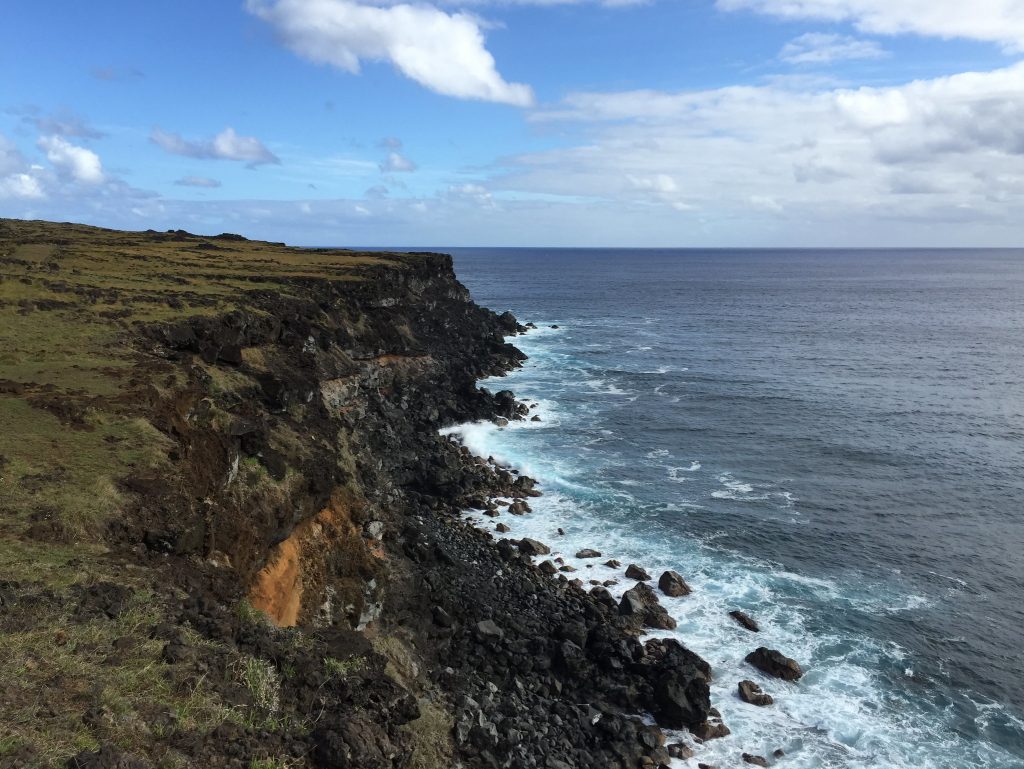
For Tiger Leaping Gorge hiking as part of a Yunnan tour tailored to requirements, check out options like the 3-Day Tiger Leaping Gorge and Stone Village Hiking Tour. Guided tours handle transportation, luggage forwarding, and accommodation booking.
Independent hiking offers more freedom but requires navigating language barriers and changing infrastructure. For first-timers in China, guides eliminate significant stress.
Tackle the Great Wall’s wild sections

China’s most iconic hike involves sections of the Great Wall that haven’t been restored. Wild Wall sections near Jinshanling and Jiankou provide authentic experiences without tourist crowds.
Crumbling watchtowers and overgrown paths create adventure but require caution—these sections lack safety rails. Spring and fall offer the best conditions for wall hiking.
Prepare for basic facilities

Guest houses along hiking trails have basic facilities since this region is rural and far from cities. Don’t expect Western-style bathrooms or consistent hot water.
Bring your own toilet paper and hand sanitizer. Power outlets may be limited and electricity occasionally cuts out.
Accepting rustic conditions as part of the adventure improves your experience dramatically.
Where mountains touch heaven
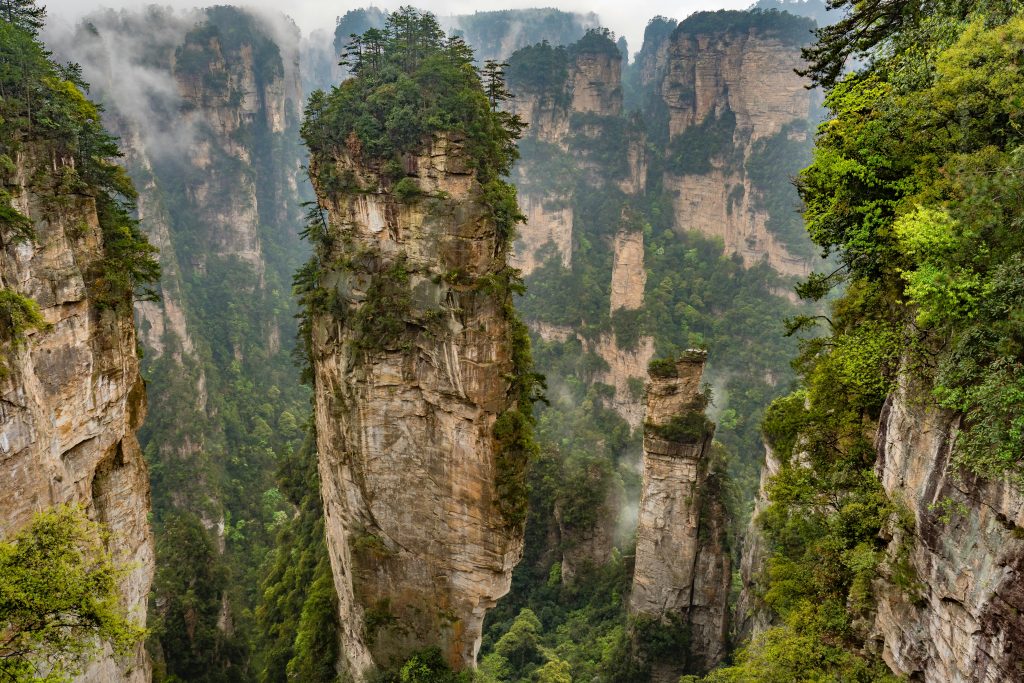
Tiger Leaping Gorge is part of the Three Parallel Rivers of Yunnan Protected Areas UNESCO World Heritage Site inscribed in 2003. The gorge carves out a 9-mile canyon with notable mountains including Jade Dragon Snow Mountain at 5,596 meters to the east and Haba Snow Mountain at 5,396 meters to the west.
Chinese mountains carry spiritual significance beyond their physical presence—they’ve inspired poets and painters for millennia. Each region tells its own story and provides distinct hiking experiences, from sacred mountains like Emei and Tai to lesser-known gems like Mount Siguniang and Rainbow Mountains.
Walking these trails means following paths used by pilgrims, traders, and hermits across centuries, connecting you to China’s deep relationship between humanity and landscape.
More from Travel Pug

- Underrated Italian Towns That Beat the Tourist Crowds
- Las Vegas Tourist Traps to Skip
- Prettiest Towns in Every US State
- 18 passport-free countries for Americans
- Signs Your Cruise Is Not Worth The Cost
Like Travel Pug’s content? Follow us on MSN.