

Chicago is magnificent, and nobody is pretending otherwise—but its neighbor 90 miles north has been quietly building a case for itself that deserves a proper hearing. Milwaukee sits on a gorgeous stretch of Lake Michigan, has a brewing history that helped define American beer culture, and offers a walkable, affordable, genuinely warm-spirited city experience that Chicago’s scale can’t always match.
The two cities are different in feel, and that difference is exactly the point. Here is a list of 15 reasons to make Milwaukee the destination instead of always passing through it on the way somewhere else.
Lakefront Brewery
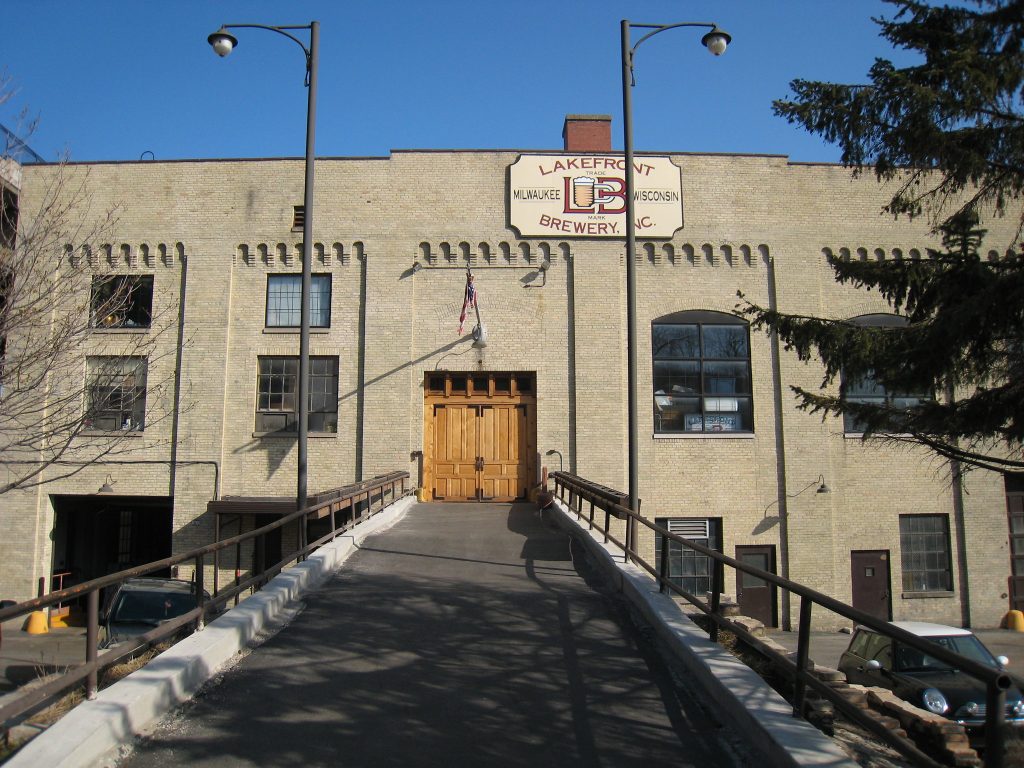
Lakefront Brewery on the Milwaukee River has been crafting creative, quality beers since 1987, and its facility tour is one of the most entertaining brewery experiences in the Midwest. The Friday night fish fry at the brewery is a Wisconsin institution—beer and fried fish in a century-old building on the river is a better Friday than most people manage.
Chicago has great bars, but this kind of tradition is harder to manufacture.
Miller Brewing Company
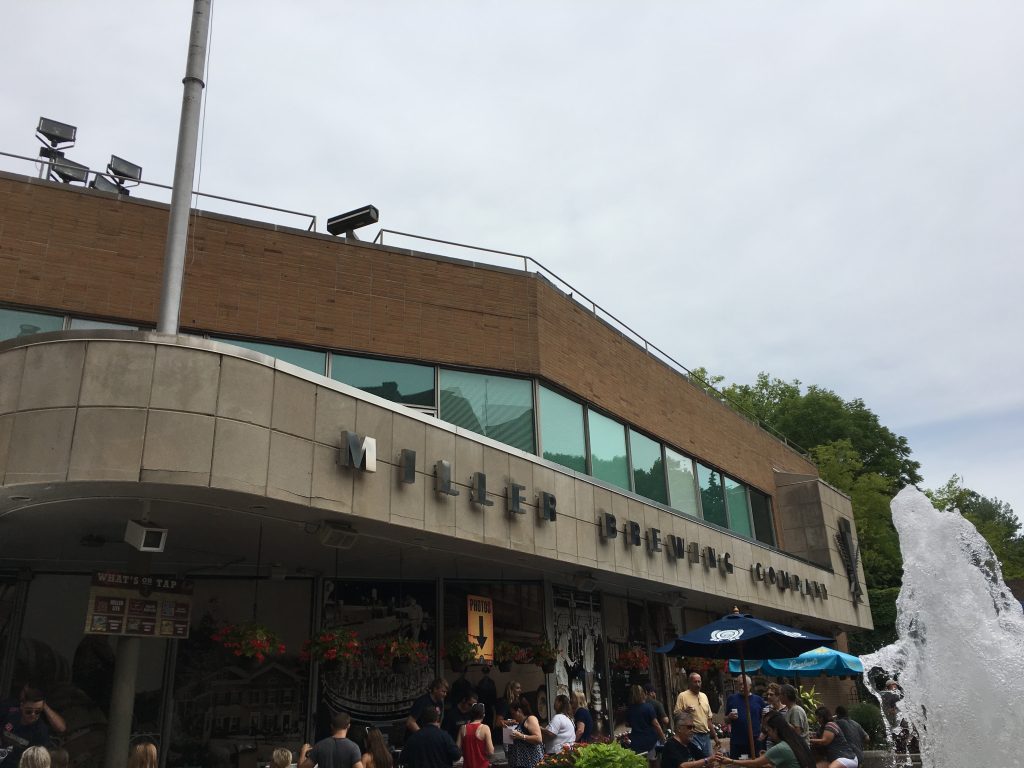
Miller Brewing Company, one of the largest breweries in the world, calls Milwaukee home and offers expansive behind-the-scenes tours of its massive operation. Watching beer get made at industrial scale—including the packaging line where cans move at extraordinary speed—is legitimately fascinating even if craft beer is more your thing.
The free beer samples at the end don’t hurt either.
The Milwaukee Art Museum
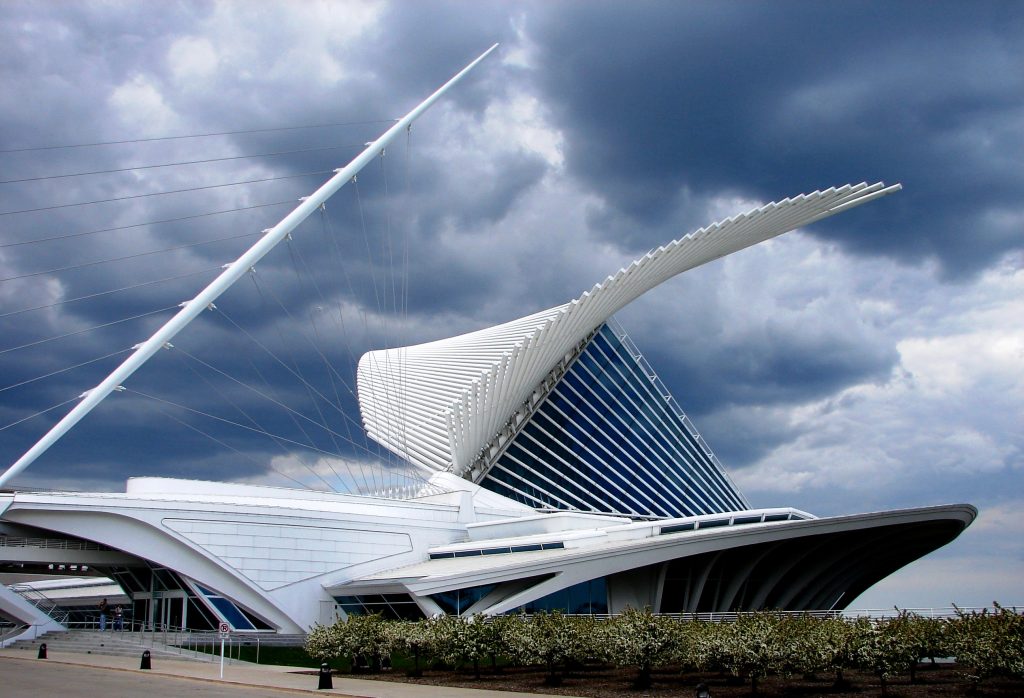
The Milwaukee Art Museum’s Santiago Calatrava-designed Quadracci Pavilion is one of the most visually striking buildings in the Midwest, with moveable white fins that open and close like wings twice a day. The collection inside is genuinely excellent—strong on German Expressionism and 19th-century American work—and the building itself changes the way you think about architecture in unexpected cities.
Chicago has world-class museums; this one has a better view of the lake.
Bradford Beach

Bradford Beach sits right in the city, just minutes from downtown, and offers a sandy urban lakefront experience that feels genuinely beach-town despite being in a major metropolitan area. In summer, volleyball nets go up, the beach bars open, and the whole thing operates with an ease that Chicago’s lakefront, despite being beautiful, can’t quite match due to sheer crowd density.
Milwaukee’s scale works in its favor here.
Brady Street dining
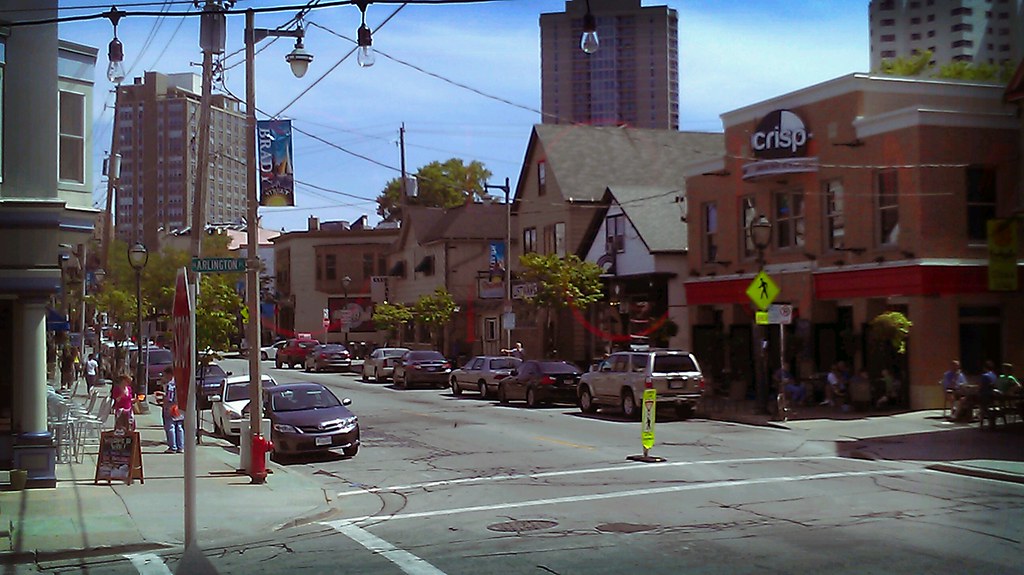
Brady Street runs through one of Milwaukee’s most vibrant neighborhoods, lined with independent restaurants, cafés, and bars that span Italian, Middle Eastern, Thai, and more—all at prices that feel reasonable compared to comparable Chicago dining. It’s the kind of street that takes a full afternoon to properly explore, and where stumbling into a great meal feels like the norm rather than the exception.
The vibe is neighborhood-first in the best possible way.
Germanfest and ethnic festivals
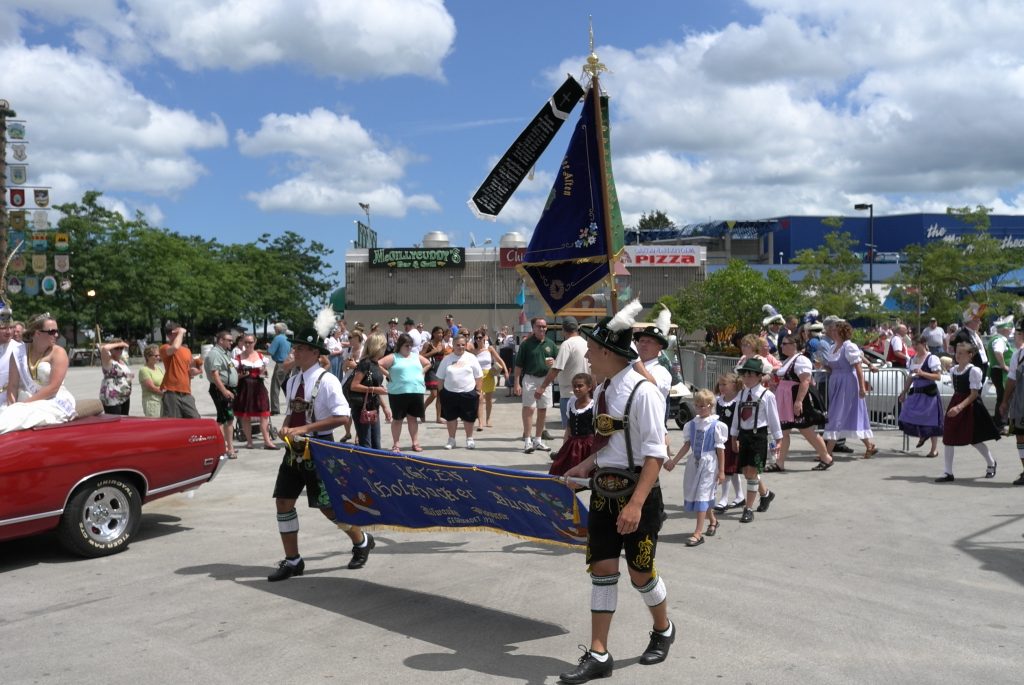
Milwaukee’s summer festival calendar is exceptional, anchored by Summerfest—billed as the world’s largest music festival—but also including Germanfest, Irish Fest, Polish Fest, and dozens of other cultural celebrations on the lakefront. The ethnic festival tradition is deeply tied to Milwaukee’s immigrant history, and attending even one of them is an unexpectedly immersive cultural experience.
This is the kind of programming that defines what a city’s identity actually is.
Walker’s Point neighborhood
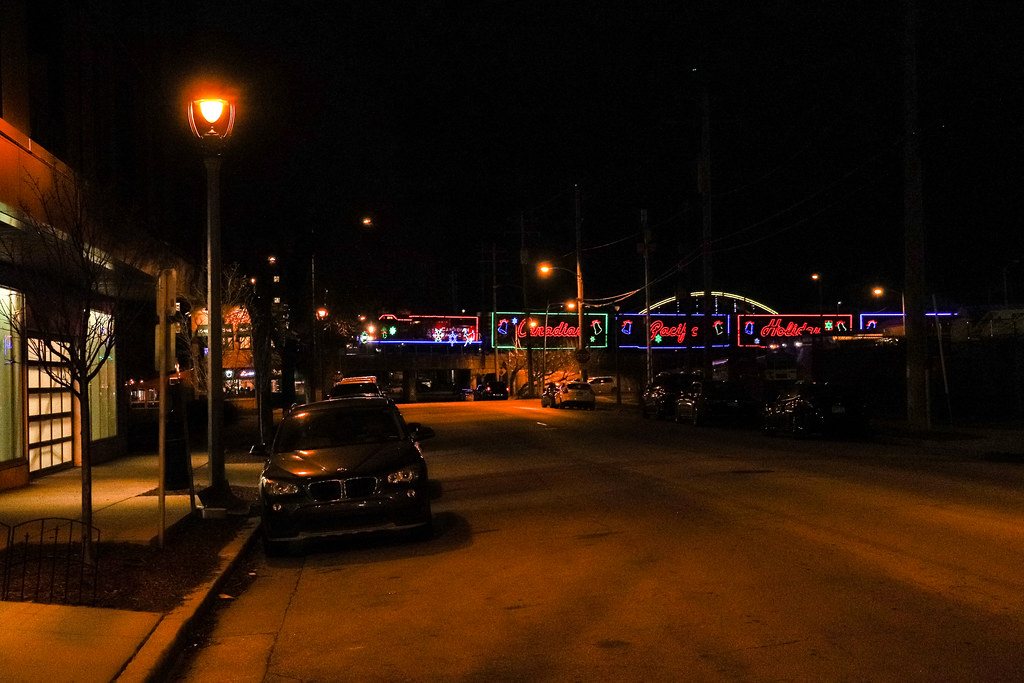
Walker’s Point is Milwaukee’s most eclectic and energized neighborhood, mixing longtime Latino community establishments with newer restaurants, bars, and creative businesses in a way that feels genuinely organic. It’s got the energy of an up-and-coming neighborhood without the self-consciousness that often comes with that label.
A few hours wandering Walker’s Point on a weekend evening gives you a very good sense of where Milwaukee is heading.
The Third Ward
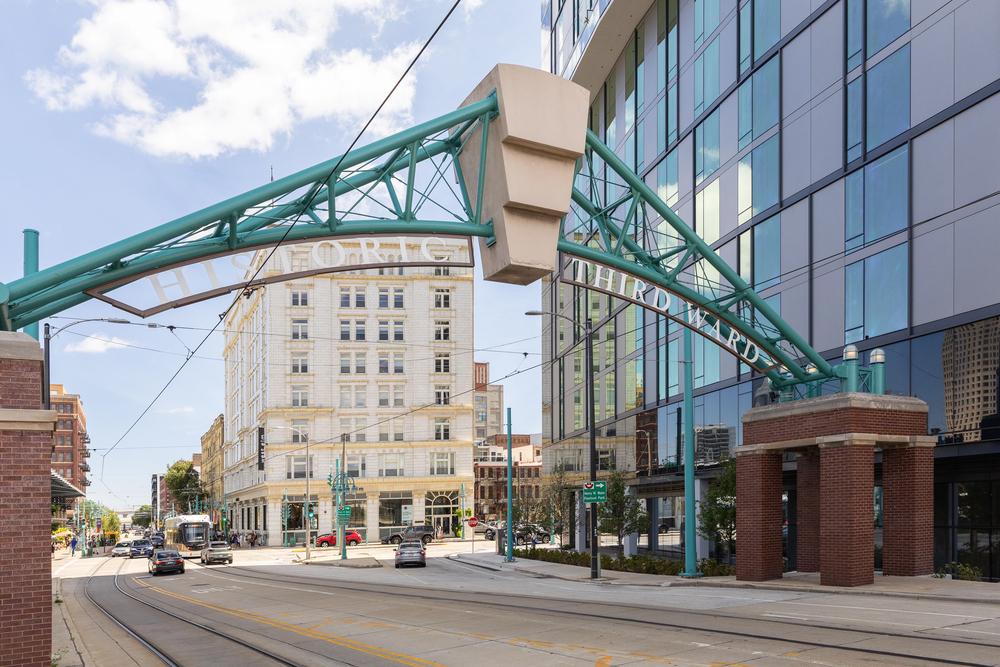
The Historic Third Ward is Milwaukee’s arts and design district, full of galleries, boutiques, restaurants, and converted warehouse spaces that make for an excellent morning of wandering. The Milwaukee Public Market sits at its heart, offering local cheeses, charcuterie, coffee, and baked goods in a bustling indoor setting.
It’s a great baseline for understanding the city before exploring further.
Affordability

A weekend in Milwaukee costs dramatically less than Chicago in almost every category—hotels, restaurants, bars, and entertainment are all priced for a city that wants visitors to stick around and spend comfortably. A boutique hotel room that might run $300 in Chicago’s River North can often be found for $120 to $150 in Milwaukee.
Lower cost of entry means more room in the budget for experiences.
Harley-Davidson Museum
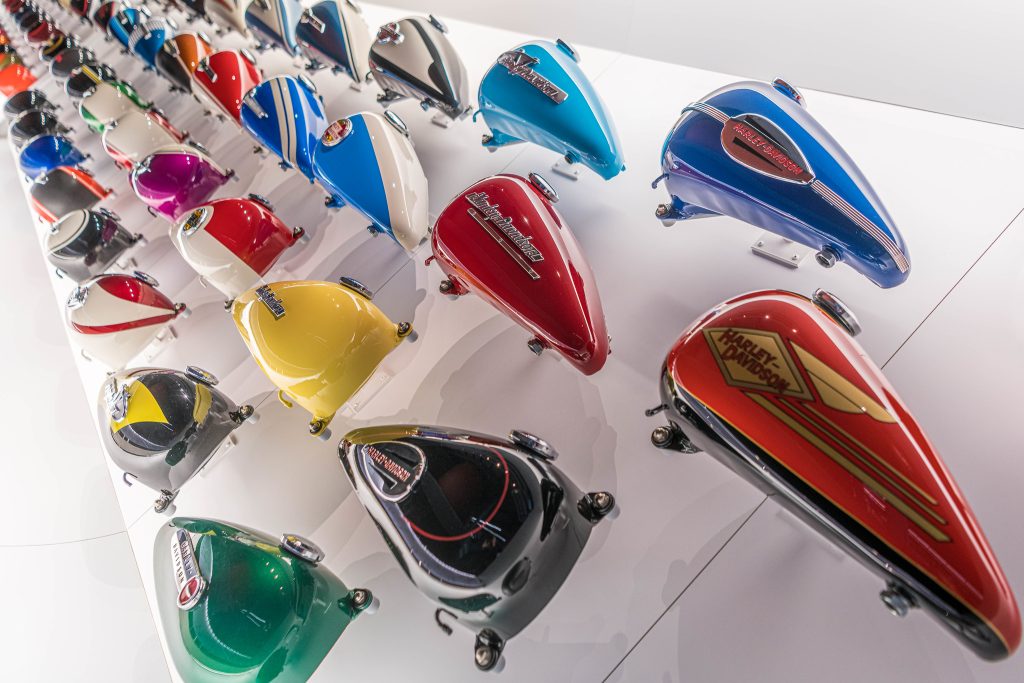
The Harley-Davidson Museum in Milwaukee is an unexpectedly compelling experience even for people who don’t ride motorcycles, tracing the company’s history from its 1903 founding through nearly every era of American culture. The machines themselves are gorgeous objects, and the museum handles the brand’s place in American mythology with genuine thoughtfulness.
It’s the kind of place you leave knowing something you didn’t before.
The lakefront path
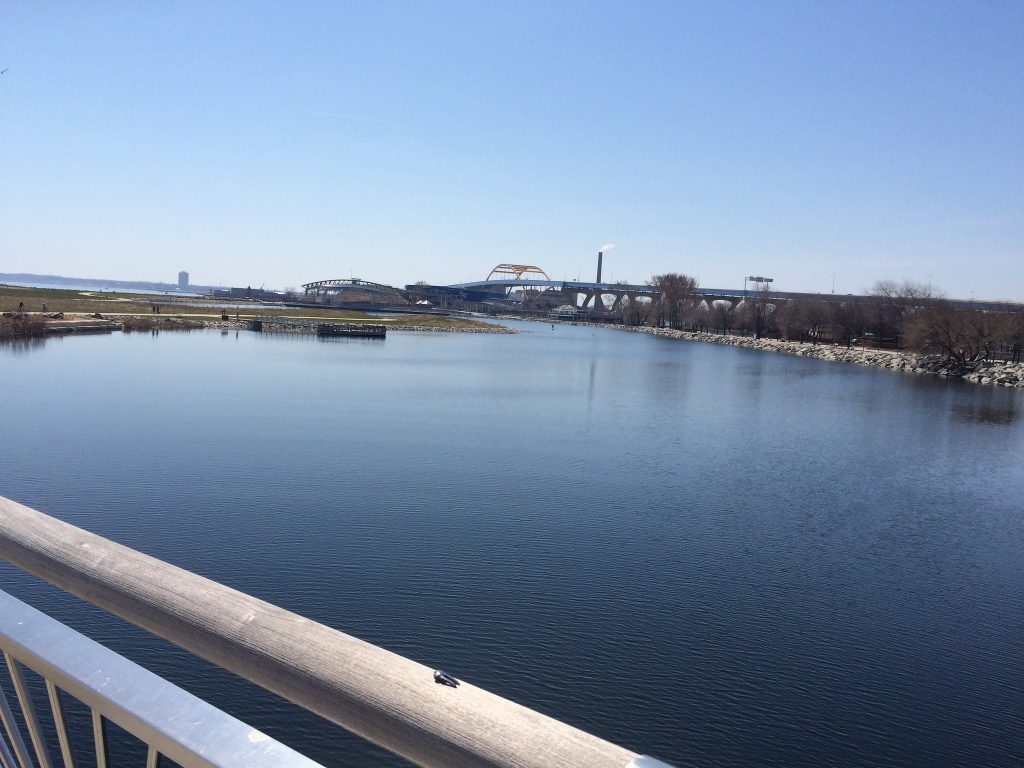
Milwaukee’s lakefront path runs for miles along Lake Michigan, passing beaches, parks, and the gorgeous McKinley Marina in a route that’s ideal for cycling, running, or just walking with nowhere particular to be. The lake views from this path are spectacular—Milwaukee sits at one of the widest parts of Lake Michigan, and on a clear day the water stretches to the horizon like an ocean.
Chicago has its lakefront trail too, but Milwaukee’s is quieter and more meditative.
Sprecher Brewing
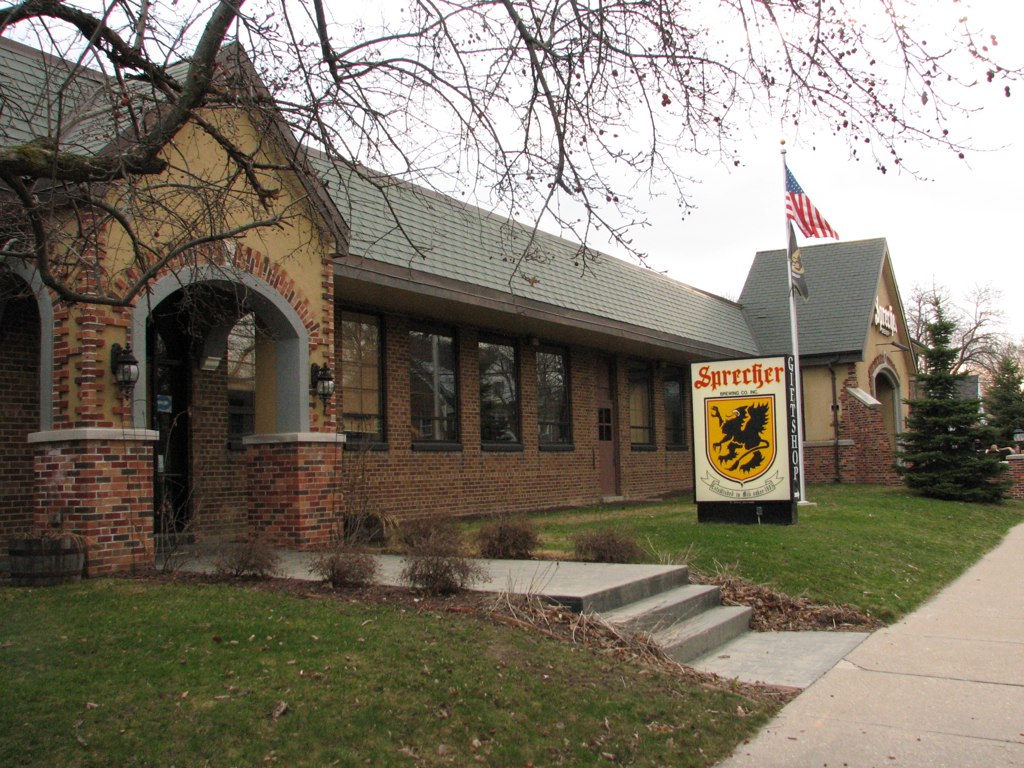
Sprecher Brewing is beloved in Milwaukee not just for its craft beers but for its root beer and cream soda, which are made in small batches with fire-brewed methods that give them a depth and complexity mass-market sodas can’t touch. The tour includes tastings of both, making it genuinely family-friendly while still interesting for the beer people in the group.
Few breweries manage that balance as naturally.
Discovery World
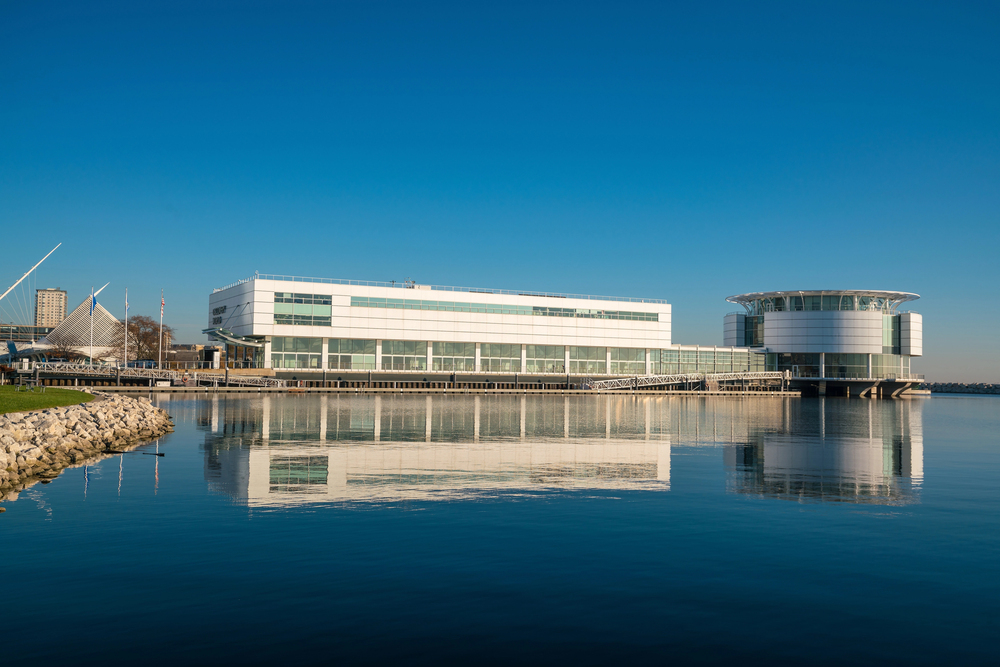
Discovery World on Milwaukee’s lakefront is a science and technology museum with a strong focus on freshwater ecology, sailing history, and interactive engineering exhibits that are well-designed for curious adults as well as kids. The attached sailing vessel, the S/V Denis Sullivan, takes passengers out on Lake Michigan for actual sailing experiences from May through October.
There’s no equivalent of that in Chicago.
Riverside Theater
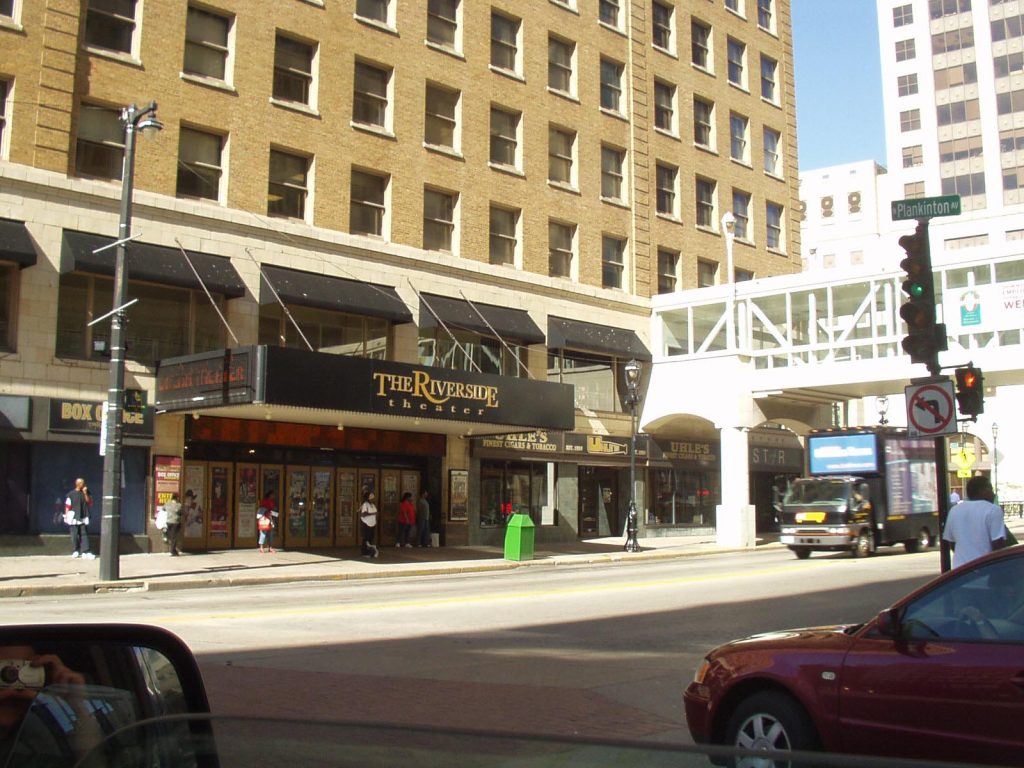
Milwaukee’s Riverside Theater is a beautifully restored 1928 movie palace that now hosts major touring music acts in an intimate 2,500-seat setting—close enough to see expressions on musicians’ faces. Seeing a show here feels like attending a real event rather than a concert in a sports arena.
Chicago has great venues too, but Milwaukee’s scale means better sightlines and a warmer room feel.
Day-trip distance from Chicago
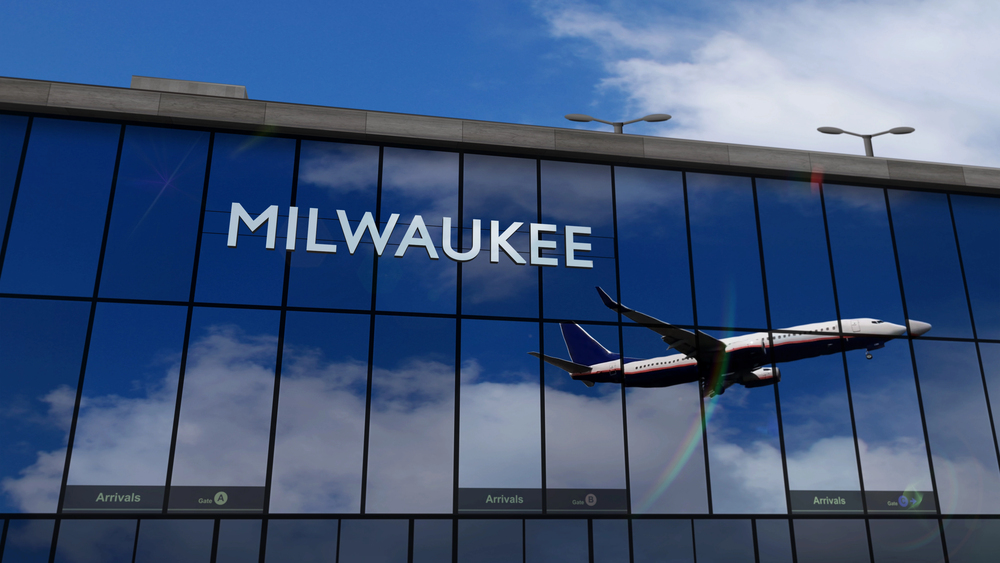
Milwaukee is just 90 miles from Chicago, making it an effortless Amtrak ride of just 90 minutes on the Hiawatha Service, which is one of the most traveled rail corridors in the Midwest. This makes it an excellent long day trip or a short overnight trip, which greatly reduces the overall commitment factor.
Sometimes, it is the places closest to us that we discover to be the most interesting.
A city worth the detour
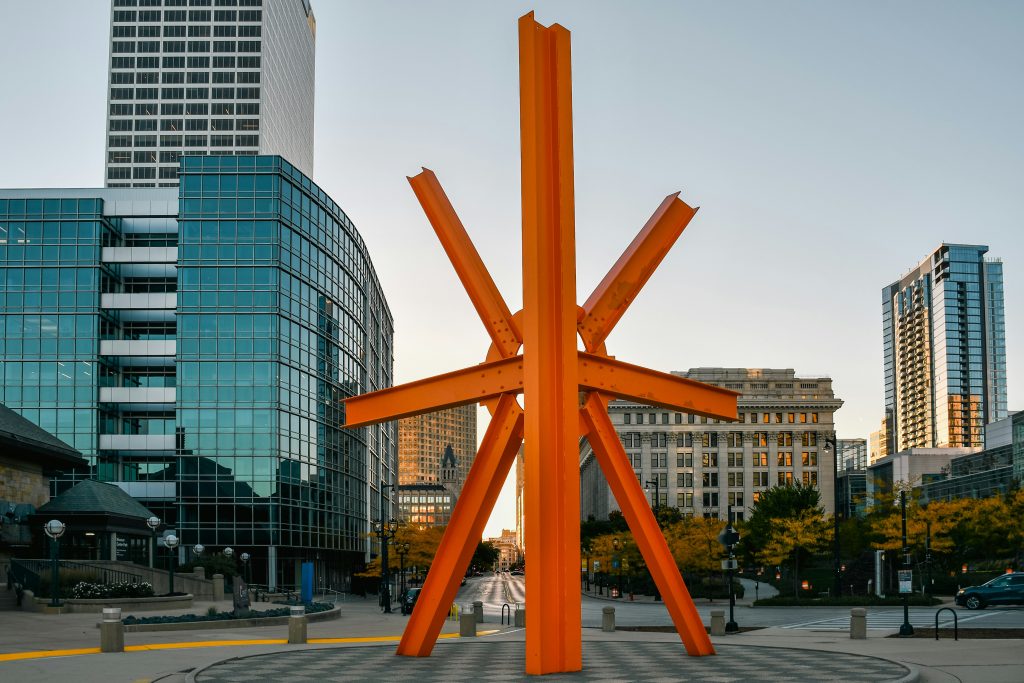
Milwaukee has spent decades in Chicago’s considerable shadow, which has given it time to develop a real identity without the pressure of performing to the world’s expectations. It has a real brewing heritage, a beautiful lakefront, and a cultural scene that is worth exploring if given a genuine look.
It’s just not trying to be Chicago—and that, in a way, is exactly why it’s worth making the trip to see.
More from Travel Pug

- Underrated Italian Towns That Beat the Tourist Crowds
- Las Vegas Tourist Traps to Skip
- Prettiest Towns in Every US State
- 18 passport-free countries for Americans
- Signs Your Cruise Is Not Worth The Cost
Like Travel Pug’s content? Follow us on MSN.