

There’s a certain irony in scheduling time to do nothing scheduled, but it turns out that’s exactly what makes it so effective. Whether you’re a color-coded calendar type or someone who plans their plans, leaving one day completely open can do more for your mental and physical state than any itinerary ever could.
Here are 15 reasons why planning one unplanned day works — and why it might be the smartest thing you add to your routine.
Decision fatigue is real

Every decision you make chips away at your mental energy, and by the time you’ve planned every hour of a trip or a week, your brain is already running low. An unplanned day removes that constant pressure to choose.
No next stop, no timed reservation, no ‘where do you want to eat’ debate — just your brain finally getting a chance to coast.
Spontaneous memories stick

Unexpected experiences are more memorable than routine ones — that’s not a motivational poster, it’s cognitive psychology. Your brain flags novelty as worth keeping, which is why that random afternoon you stumbled into a street market will outlast a dozen perfectly planned museum visits in your memory.
It forces you to actually look around

When there’s no next stop on the list, you start noticing things. A side street you’d have walked past.
A smell drifting out of a bakery. A weird little shop with no clear purpose.
Planned days create tunnel vision toward the next checkpoint — unplanned ones put you back in the moment, which is where most of the good stuff actually lives.
Rest doesn’t need a reason

There’s a cultural obsession with productivity that makes doing nothing feel vaguely shameful. An unplanned day quietly sidesteps that.
You’re not being lazy — you just don’t have anywhere to be, and that psychological release alone has measurable benefits for stress levels and mood.
It builds real confidence
Navigating a free afternoon or an open weekend without a safety net of plans is genuinely good practice. People who regularly allow themselves unstructured time tend to be more adaptable and less rattled when things go sideways elsewhere.
It’s low-stakes problem-solving, and it adds up.
It resets your sense of time

Packed schedules create the sensation that time is slipping — researchers actually call it ‘time pressure,’ and it’s as unpleasant as it sounds. An unplanned day stretches your perception of time because you’re experiencing more variety and more presence.
A single open day can feel longer and more satisfying than an entire week of back-to-back obligations.
You discover places you’d never book

No algorithm recommends the tiny taco stand down the alley, or the park bench with the genuinely best view in town. Those places don’t have enough reviews.
Unplanned days are how travelers — and locals — find the spots that never make it onto any list but always make it into the stories told afterward.
It lowers cortisol levels
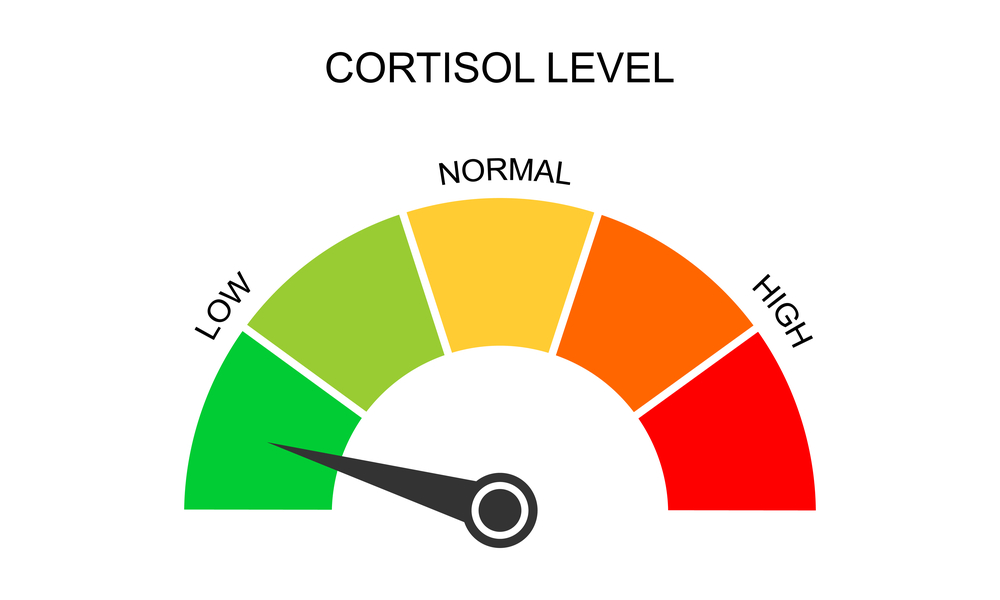
Chronic scheduling keeps your nervous system in a low-grade state of anticipation, and over time that elevates cortisol, the body’s main stress hormone. Studies on leisure and recovery consistently show that unstructured, self-directed time reduces cortisol more effectively than structured relaxation — more than a planned spa day, more than an organized group activity.
The key word is ‘unstructured.’
It improves relationships

When you’re on a schedule, other people become variables that slow you down. That’s not a great headspace for connection.
Strip the agenda away and you’re suddenly more present, more patient, and honestly a lot more fun to be around — whether that’s a travel companion, a partner, or a friend you ran into completely by accident.
Boredom is actually productive

Boredom has a reputation it doesn’t entirely deserve. Research from the University of Central Lancashire found that people who experienced boredom before a creative task consistently outperformed those who didn’t — because the brain actively hunts for stimulation when it’s under-occupied.
An unplanned day almost guarantees a stretch of boredom somewhere in the middle. That’s not a problem.
That’s the whole mechanism working.
It teaches you what you actually want

When nothing is telling you where to go, you have to figure out what you actually feel like doing. That’s a more useful exercise than it sounds.
Most people’s genuine preferences — the things they’d choose if obligation weren’t driving — get buried pretty quickly under the weight of a full schedule.
Your body responds differently

Without a schedule setting the pace, most people naturally slow their physical rhythm. They walk slower.
They eat when they’re hungry rather than when it’s scheduled. They sleep better that night.
That physical decompression has a cumulative effect on digestion, immune function, and recovery — all things that chronic stress quietly undermines, according to research on the body’s stress cycles.
It makes the planned days better

One open day makes everything around it more enjoyable. Coming back to a structured week feels refreshing rather than suffocating when you’ve had a real break from it.
It’s the same reason food tastes better when you’re actually hungry — contrast matters, and you can’t manufacture it by pushing through.
The best travel stories are unplanned

Most people recall trips by moments nobody planned. Not the flight reserved early.
Instead, it’s the unplanned stop. A mistaken route turning into something better.
Curiosity pulling them off the map – then becoming the tale told again and again. Leaving one day free?
That space often fills with exactly those kinds of things.
The case for leaving it blank

Something unfolds when you stop scheduling every minute. Wandering thoughts need space – science shows this clearly.
Happiness, memory, even fresh ideas grow better that way. Stress slips away if there is no timetable to follow.
A blank day here and there fits perfectly inside any routine. Perhaps it becomes the most meaningful part by just being empty.
More from Travel Pug

- Underrated Italian Towns That Beat the Tourist Crowds
- Las Vegas Tourist Traps to Skip
- Prettiest Towns in Every US State
- 18 passport-free countries for Americans
- Signs Your Cruise Is Not Worth The Cost
Like Travel Pug’s content? Follow us on MSN.