

Chichen Itza and Teotihuacan are extraordinary, and they’re crowded for the same reason they’re extraordinary—generations of people recognized that something remarkable happened there. But Mexico has an enormous number of significant pre-Columbian sites that receive a fraction of the visitors, have comparable or occasionally superior archaeology, and allow you to actually walk around without navigating a tour group every five steps.
Here is a breakdown of lesser-known ruin sites in Mexico that are worth building a day trip around.
Yagul, Oaxaca
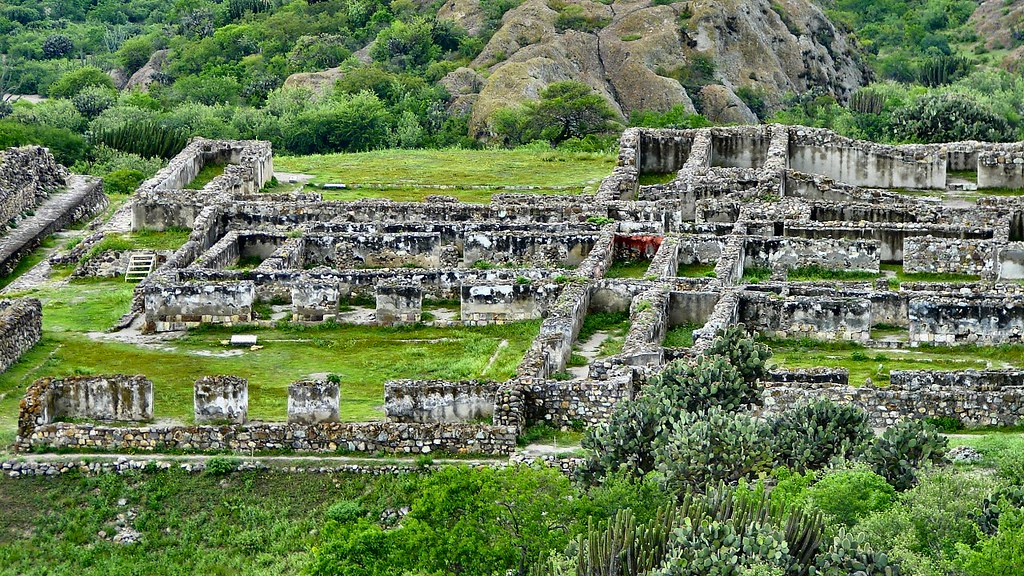
Yagul sits on a defensible hilltop in the Tlacolula Valley south of Oaxaca City, overlooking a landscape of agave fields and dry mountains that hasn’t changed dramatically in a thousand years. The site contains a large ball court, a labyrinthine palace complex, and a tomb sector, all in a remarkably good state of preservation.
Visitor numbers are low enough that you can spend time at individual structures with real quiet, and the drive through the valley is worthwhile in its own right.
Bonampak, Chiapas
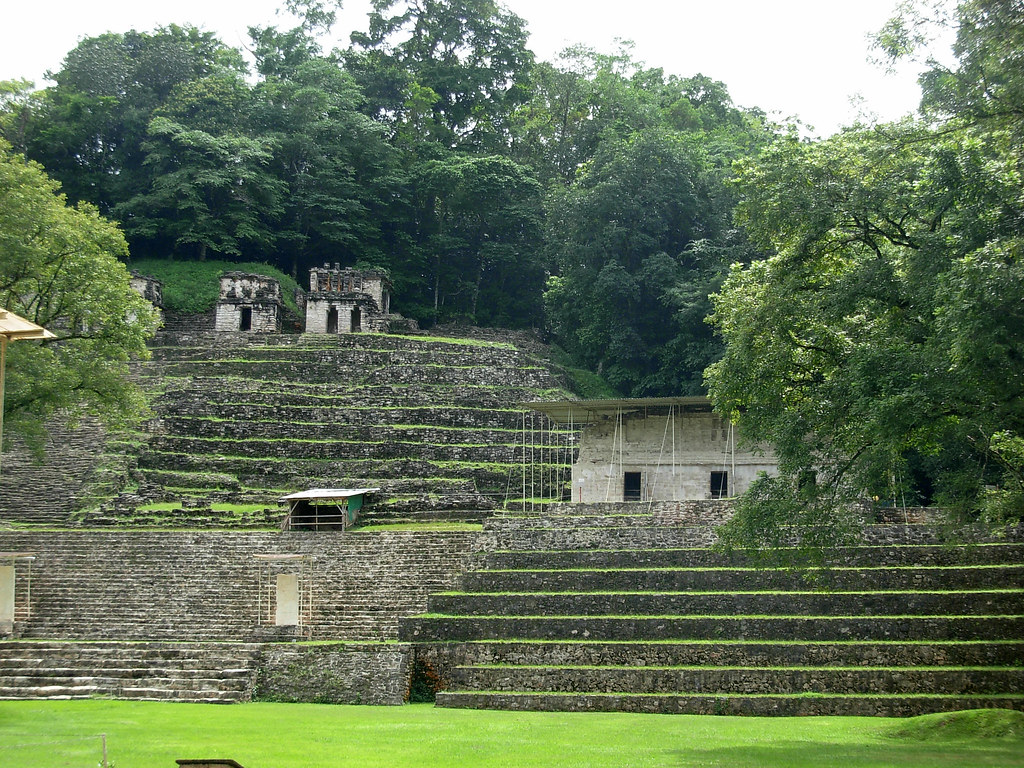
Bonampak is known for one specific thing: the best-preserved Maya murals in existence, covering the interior walls of a three-room temple with vivid scenes of court life, battle, and ritual from the 8th century. The site requires some logistics—access via the Lacandón community involves permits and local guides—but the murals are genuinely unlike anything else in the Maya world.
Most visitors to Chiapas go to Palenque; Bonampak is an hour and a half away and a completely different experience.
Edzná, Campeche
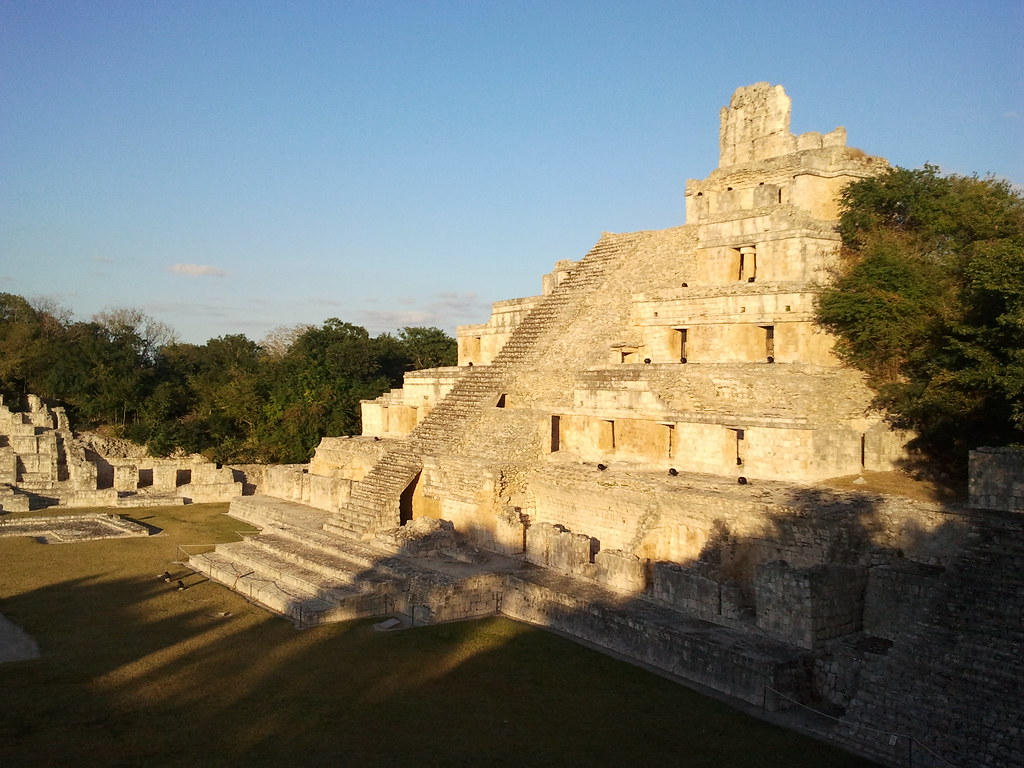
Edzná is a large Maya site outside Campeche City that receives only a small fraction of the visitors that nearby Uxmal sees. The centerpiece is the Building of Five Stories—a five-tiered pyramid with a temple on top, representing an unusual architectural form that combines pyramid and palace functions.
The site also contains an extensive hydraulic system of canals and reservoirs that manage water across the surrounding lowlands, which alone makes it architecturally remarkable.
Teotenango, Estado de México
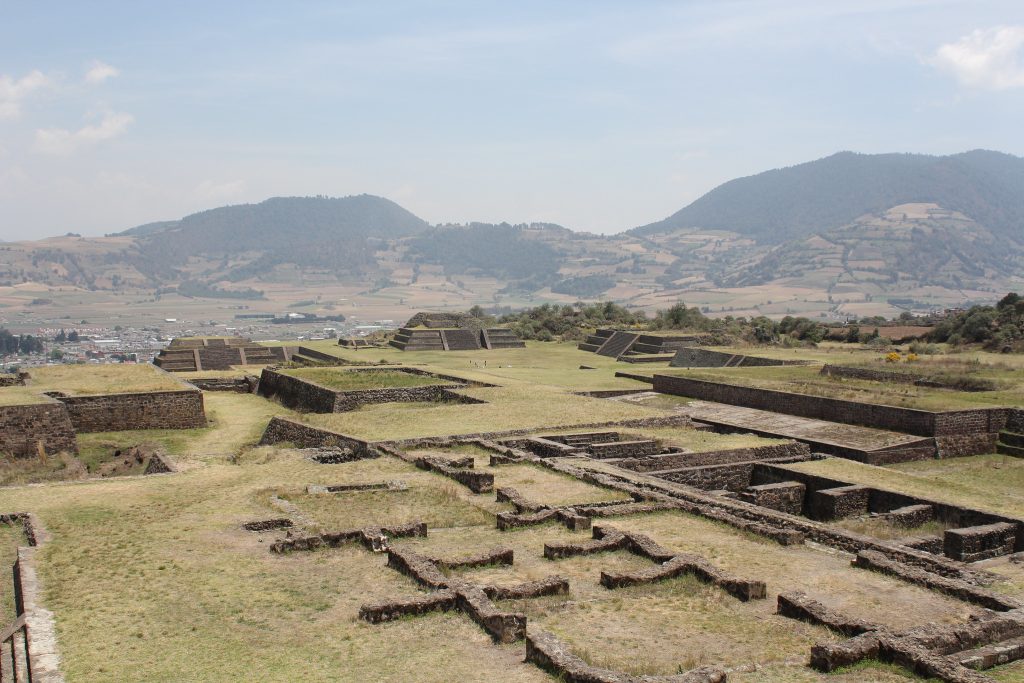
Teotenango is a Matlatzinca and later Aztec fortified hilltop site about 60 miles southwest of Mexico City, overlooking the Toluca Valley. It covers a significant area and includes multiple plazas, temples, ball courts, and a carved stone that marks the original boundary of the site.
The site museum is well-organized and provides the kind of context that makes the ruins more readable. It draws almost no international visitors despite being an easy half-day trip from the capital.
Cantona, Puebla
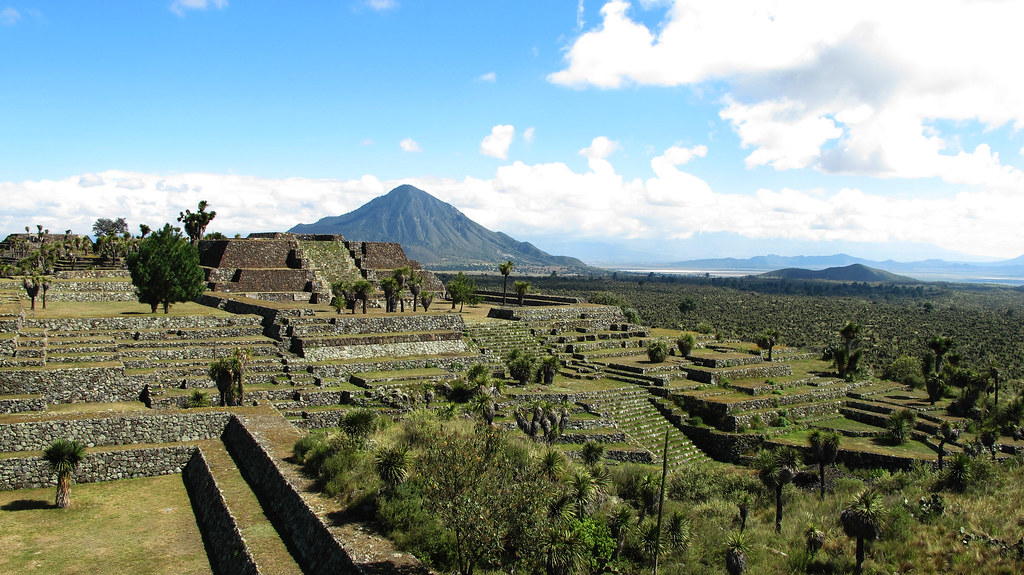
Cantona is one of the largest pre-Columbian cities ever excavated in Mesoamerica—possibly the largest by area—covering nearly 5 square miles of the high semi-arid plateau in Puebla state. The site has an extraordinary network of raised stone causeways, more than 24 ball courts, and a fortress sector that indicates it was a significant military power.
Despite its scale, it sees minimal tourism because it isn’t widely known and lacks the visual centerpiece of a single dominant pyramid.
Comalcalco, Tabasco
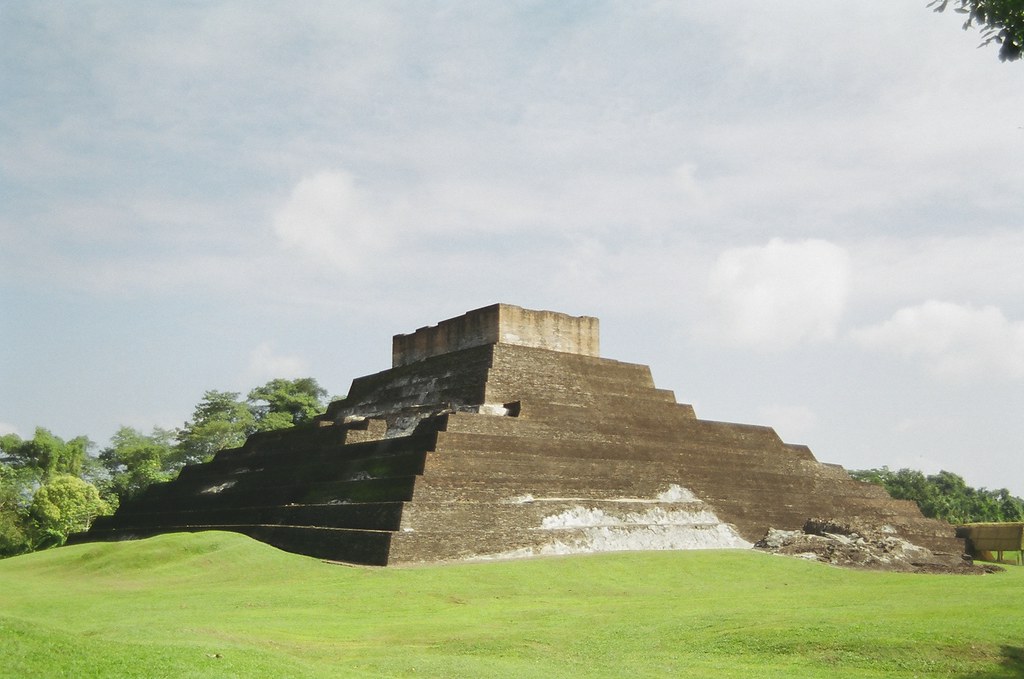
Comalcalco is the westernmost Maya site of significance and the only one built primarily from fired brick rather than cut stone—a distinction driven by the region’s lack of suitable limestone. The bricks, many of which bear pre-firing inscriptions, reliefs, and drawings believed to have been made by the workers themselves, make it an unusual site to examine at close range.
The surrounding cacao plantations give the approach a particular tropical density that reinforces how different this corner of the Maya world is.
Xochicalco, Morelos
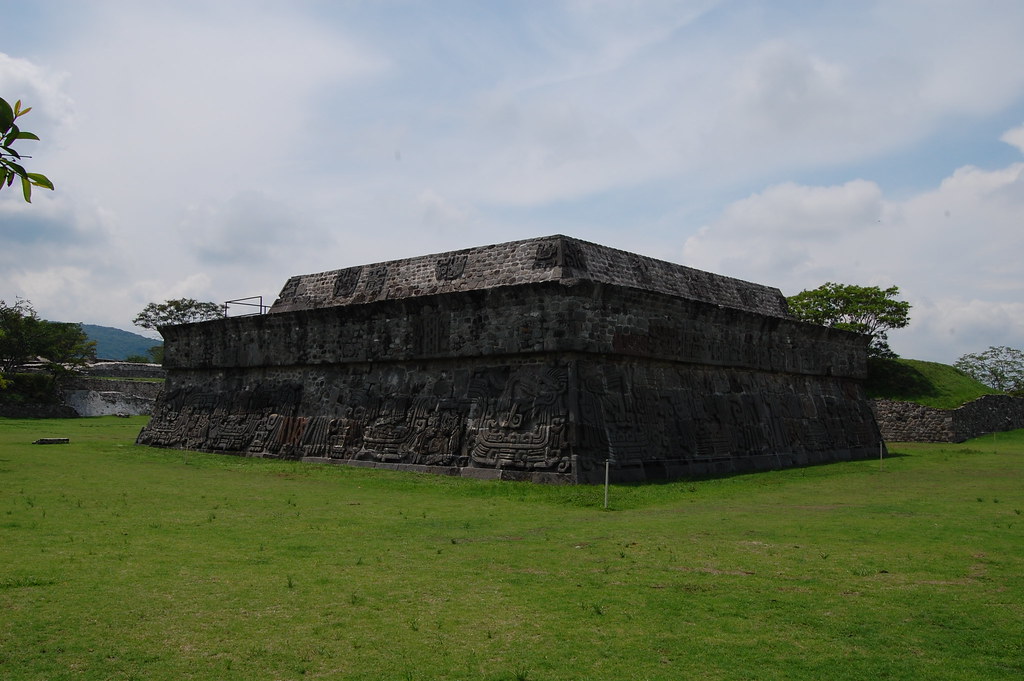
Xochicalco is a fortified hilltop site in Morelos that was a major political and cultural center between the decline of Teotihuacan and the rise of Tula, functioning as something like a crossroads of Mesoamerican cultures. The Temple of the Feathered Serpent displays carvings that synthesize artistic traditions from multiple regions—a visual record of the site’s cosmopolitan character.
There’s also an underground astronomical observatory where, on certain days of the year, a beam of sunlight reaches the floor of the cave in a choreographed way the Maya and their predecessors engineered deliberately.
El Tajín, Veracruz
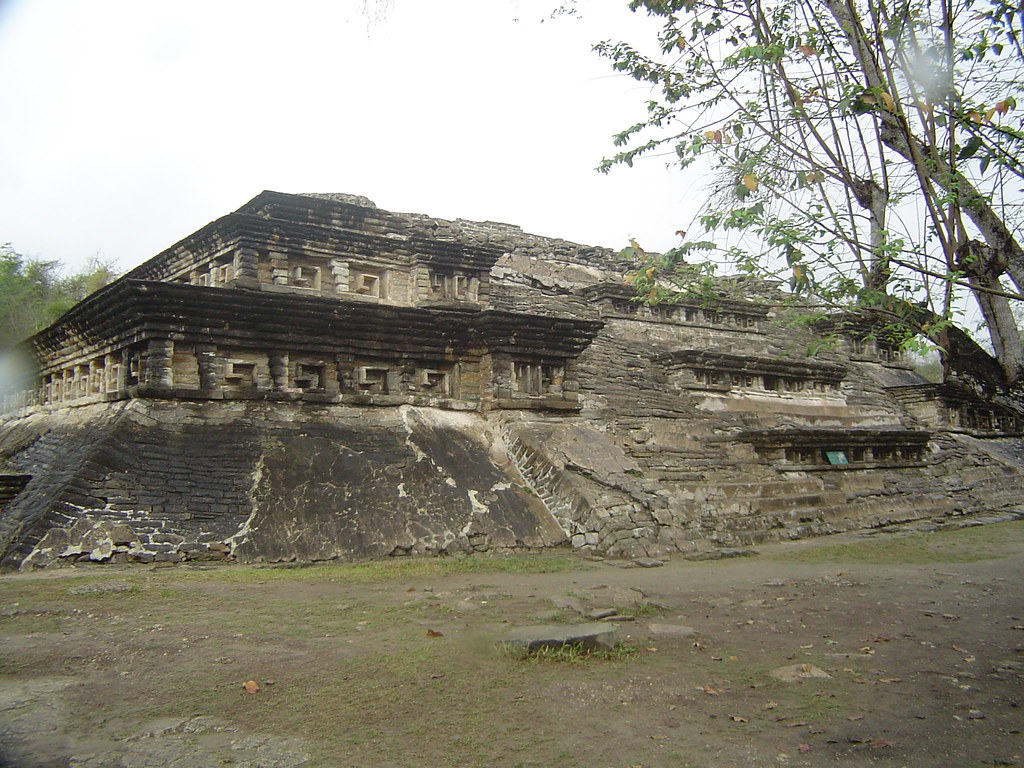
El Tajín, in the north of Veracruz, is famous for the Pyramid of the Niches, which has 365 niches in its facades that may have been used for calendrical purposes, and for the ritual Totonac flying ritual (Voladores de Papantla), which is still practiced there today. It’s a UNESCO World Heritage Site but doesn’t receive the same level of tourist traffic as more famous sites, and the rest of the site has a lot of unrestored architecture that gives it a partially overgrown, explorer feel.
The nearby town of Papantla is worth an hour of your time for context.
Getting more from Mexico’s archaeological record
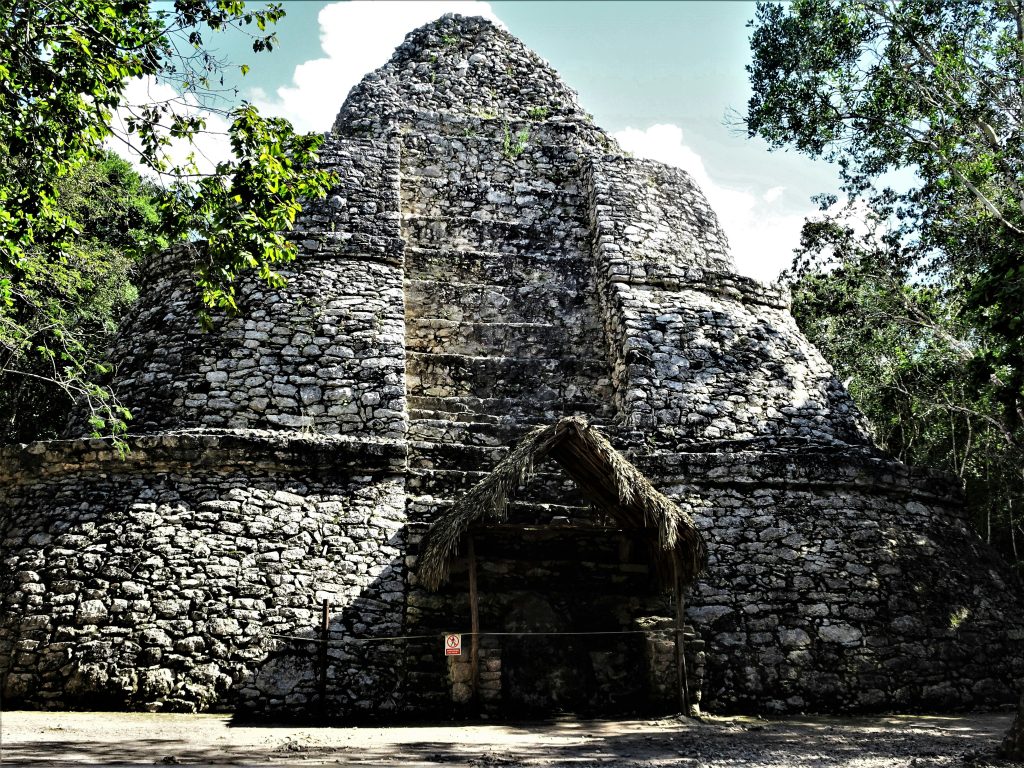
The pre-Columbian archaeological sites of Mexico are so numerous that the famous ones are only a small fraction of what’s actually out there—and many of the less-visited sites are amazing in ways that don’t necessarily make for great photos but are worth spending time in. The surrounding infrastructure for these sites is varied, but most can be reached by bus or car from major cities without needing a guide or going on a guided tour.
Arriving with some knowledge of the culture that produced the site will turn a day trip into something much more than just a sightseeing stop.
More from Travel Pug

- Underrated Italian Towns That Beat the Tourist Crowds
- Las Vegas Tourist Traps to Skip
- Prettiest Towns in Every US State
- 18 passport-free countries for Americans
- Signs Your Cruise Is Not Worth The Cost
Like Travel Pug’s content? Follow us on MSN.