

When it comes to food, Buenos Aires doesn’t do subtle. It’s a city that goes all in—grills overflowing with every cut of meat imaginable, pizzas smothered in molten cheese, and desserts dripping with dulce de leche. The Argentine capital overwhelms the senses with its chaotic energy and unfiltered passion for food that blends European immigrant traditions with distinctly South American flair.
Here’s a list of essential local dishes that capture the heart and soul of porteño cuisine, from sizzling parrillas to neighborhood bakeries where locals queue at dawn.
Asado
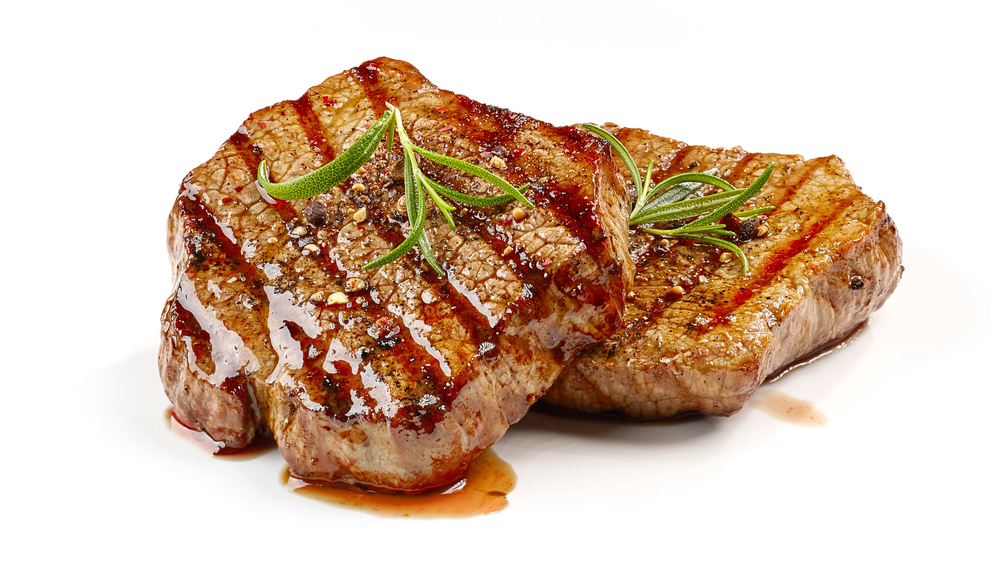
Asado is Argentina’s take on the classic barbecue. More ritual than meal. Families get together every week for Sunday asados. Friends grill kilos of meat for birthdays, celebrations, and on your average Tuesday.
The asador sets the fire early, timing everything just right. Steaks are seasoned only with salt to not cover the flavor of the meat and placed on the grill over a low fire to cook evenly and slowly. First come the achuras—offal cuts like sweetbreads, intestines, and blood sausages. Then the main event: massive hunks of beef, cooked whole and carved at the table.
Empanadas
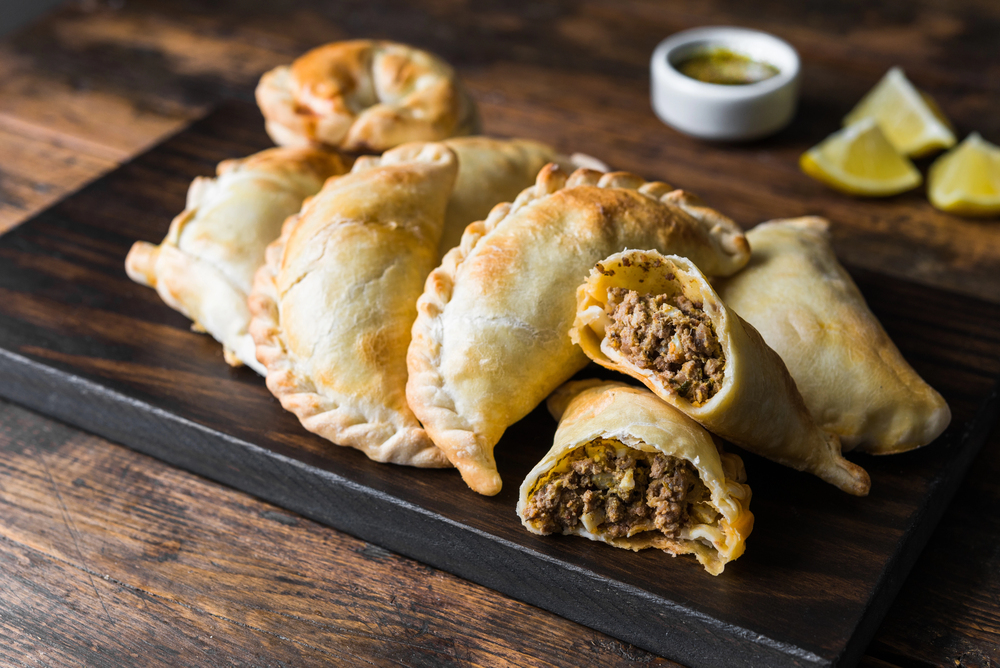
Empanadas are savoury pastries filled with meat, cheese, or vegetables, and are a must-eat Buenos Aires dish — enjoyed as a snack any time of day. These half-moon pockets of joy come stuffed with everything from spiced ground beef to ham and cheese.
And locals have strong opinions about fillings. The most traditional options of Argentine empanadas are: carne (beef with onions and hard-boiled egg), jamón y queso (ham and cheese), and humita (sweet corn). You’ll find empanaderías on nearly every corner, though quality varies wildly.
Milanesas
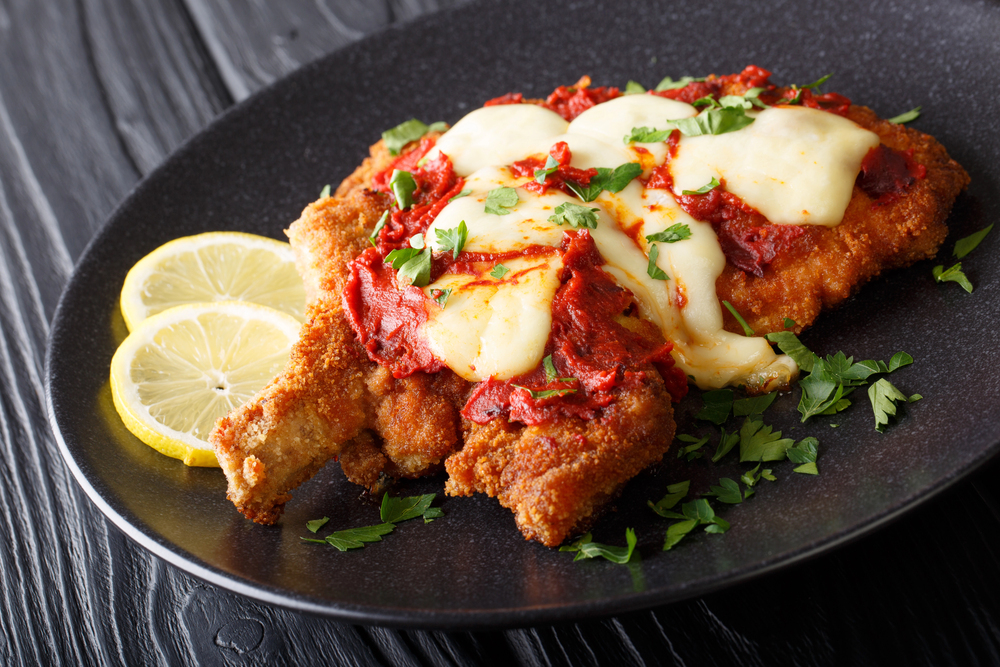
Think schnitzel, but bigger. Much bigger. Milanesas are the local version of the schnitzel, down to the lemon wedges they’re served with. Thin slices of beef or chicken get pounded flat, dunked in egg, coated in breadcrumbs, then fried until golden.
Argentines go all out with the milanesa, treating it basically as a pizza crust. The milanesa napolitana comes topped with tomato sauce, ham, and melted cheese. Some places serve them so large they hang off the plate like edible tablecloths.
Choripán
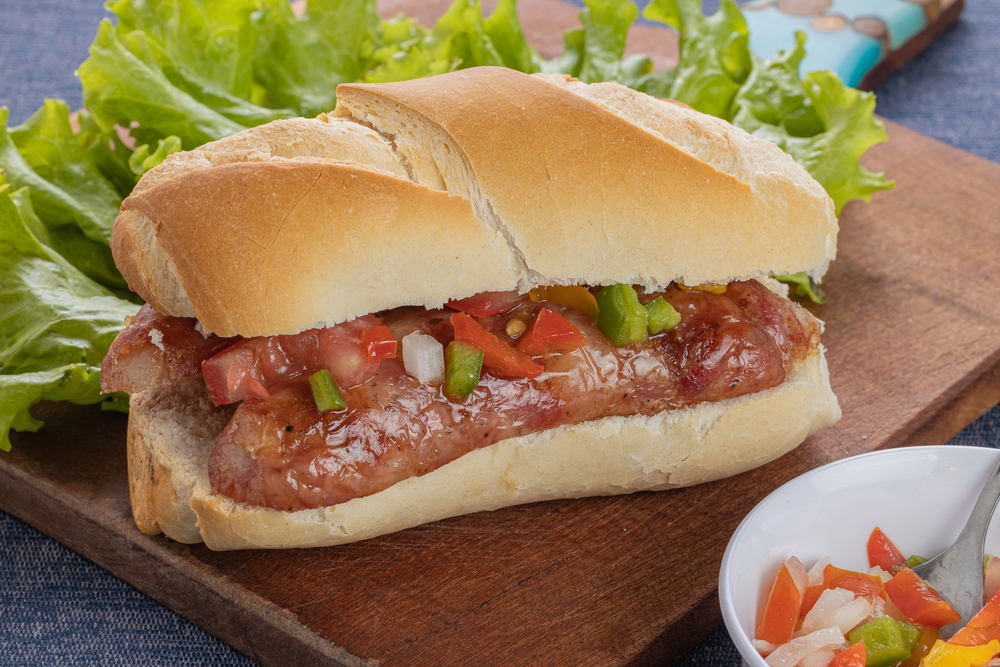
Choripán is short for “chorizo” (pork sausage) and “pan” (bread). Street food royalty. This grilled chorizo sausage gets stuffed into crusty bread with chimichurri sauce, creating something that’s simultaneously simple and perfect.
Also, popular is eating a Choripan on the Costanera side. The Costanera is the river banks of the Rio de La Plata. Weekend vendors set up along the waterfront, the smell of sizzling sausages mixing with river breeze. Pure porteño poetry.
Pizza porteña
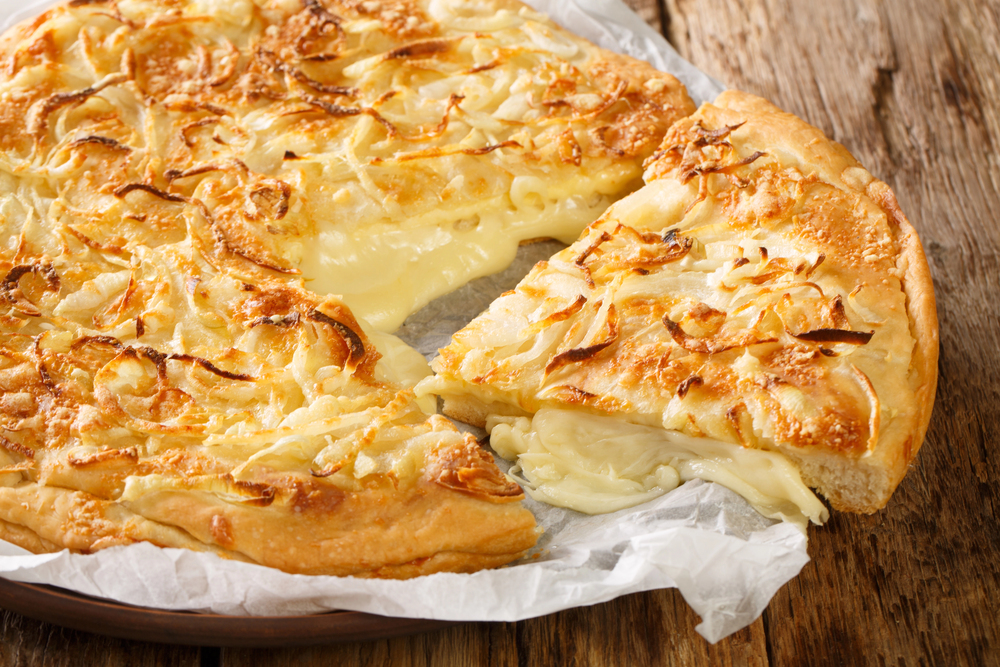
Buenos Aires pizza defies logic and gravity. Buenos Aires-style pizza stands out for its thick, doughy crust and exuberant amounts of cheese. We’re talking about pizza that could double as structural support beams.
The fugazzeta reigns supreme—a cheese-laden monster topped with caramelized onions that locals somehow manage to eat standing up at neighborhood pizzerías. You might notice locals balancing fainá atop their pizza slices—a chickpea cake that may seem unusual to newcomers but offers a ritualistic blend of flavors cherished by Porteños.
Locro
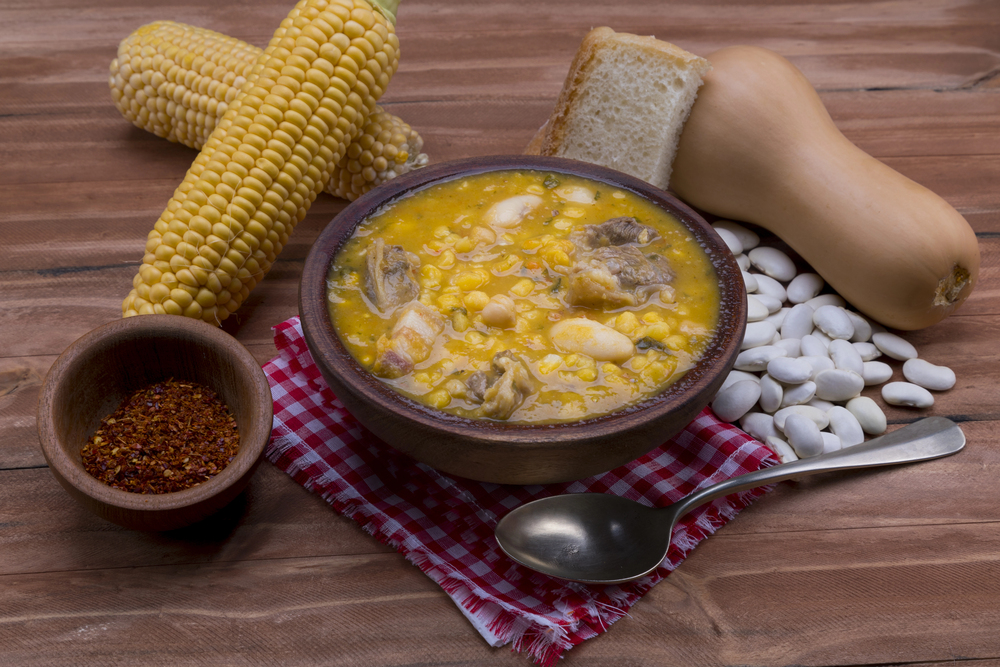
Locro is a traditional thick and hearty stew that is popular in the Andean regions of South America, particularly in Argentina. This belly-warming beast comes loaded with corn, beans, potatoes, and various meats.
But here’s the thing: Arising from humble origins, locro is now commonly prepared and eaten on national holidays such as 25 de Mayo and 9 de Julio. It’s like Argentina’s edible flag—thick, yellow-red from spices, and deeply patriotic. The kind of dish that sticks to your ribs and your national identity.
Provoleta
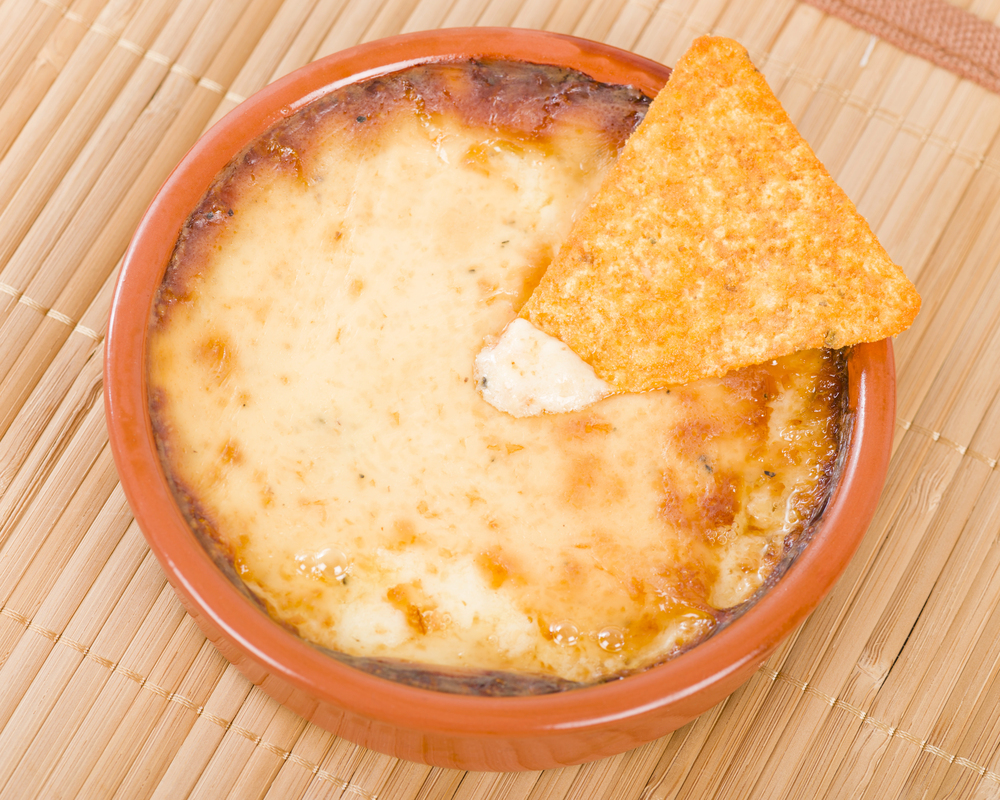
Grilled cheese, but make it dramatic. Provoleta takes a thick slab of provolone cheese, seasons it with oregano and chili flakes, then grills it until bubbly and slightly charred.
Served as an appetizer at parrillas, it arrives at your table still sizzling. The outside gets crispy while the center stays molten. You spread it on bread like the world’s most indulgent cheese dip.
Medialunas
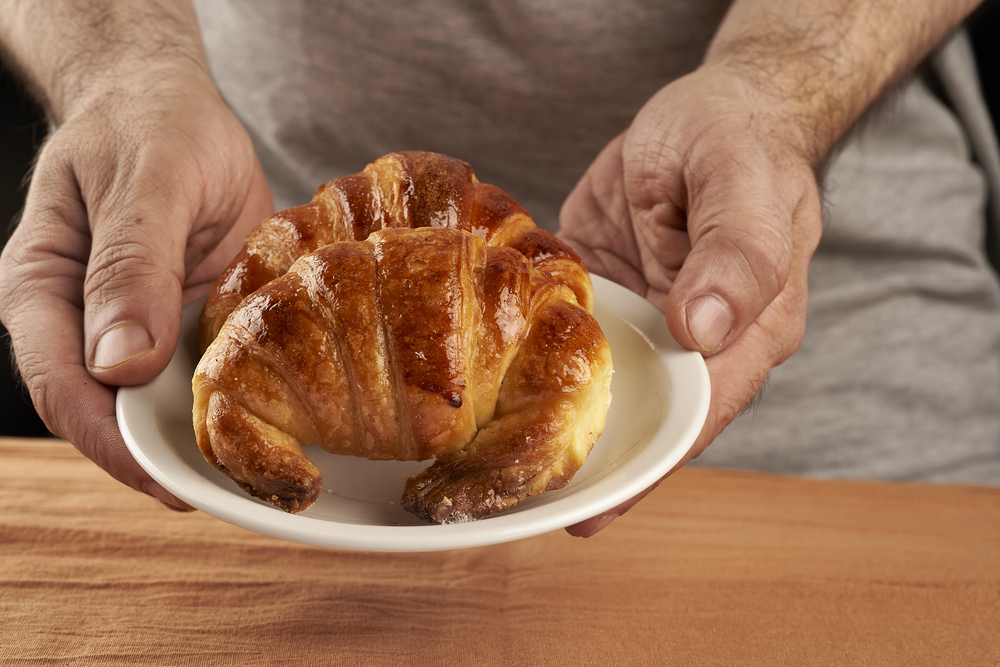
The iconic ‘medialuna’ for example, takes its name from the shape of the crescent moon. Argentina’s answer to croissants, but sweeter and somehow more comforting. Unlike a regular croissant, Medialunas are smaller and sweeter.
They come in two varieties:
- Medialunas de manteca (butter) – sweet, glazed, fluffy
- Medialunas de grasa (lard) – less sweet, more traditional
It is a staple pastry dish and a very popular breakfast in Argentina, so much so that it is challenging to find a panadería (bakery) in Buenos Aires that is not selling it. Morning fuel for the porteño soul.
Alfajores

The alfajor is more than dessert—it’s a national treasure. This sandwich cookie filled with dulce de leche is traditionally made from a cornstarch dough and rolled in coconut, though you’ll also find it coated in milk or white chocolate.
Every Argentine has a favorite brand, leading to heated debates that rival football discussions. Havanna dominates the tourist market, but locals know which corner kiosks hide the real gems.
Dulce de leche
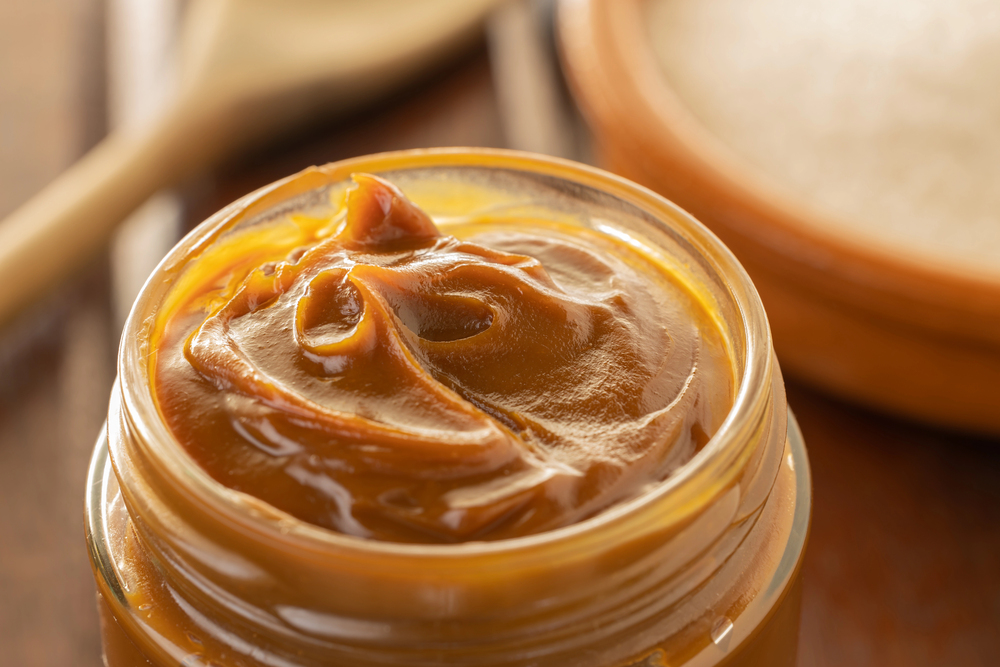
Similar in color and taste to caramel, the main ingredient of this dessert is milk, slowly cooked with sugar until it reaches a thick, dark-brown consistency. Not just a dessert—it’s a way of life. Argentina’s liquid gold appears in everything from cookies to ice cream to morning toast.
This thick, caramel spread is a frequent contributor to Argentine desserts. You’ll find it in cakes, cookies, and pastries of all types. Some locals eat it straight from the jar. No judgment here.
Fainá
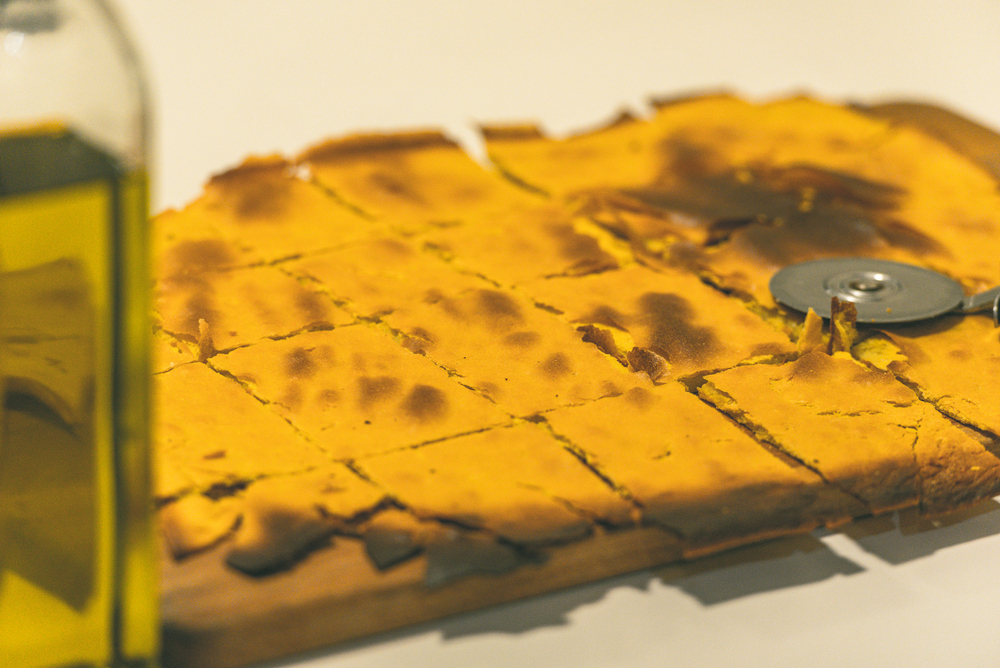
Fainá is a flat bread made of chickpea flour and herbs and is a unique item to add to your Argentinian food list. This chickpea flatbread came with Italian immigrants and became Buenos Aires’ quirkiest food tradition.
It’s baked in the shape of a pizza pie and sliced similarly so you can stack one on top of the other. Locals place fainá slices on top of pizza slices, creating a carb-on-carb masterpiece that somehow works perfectly.
Matambre a la pizza
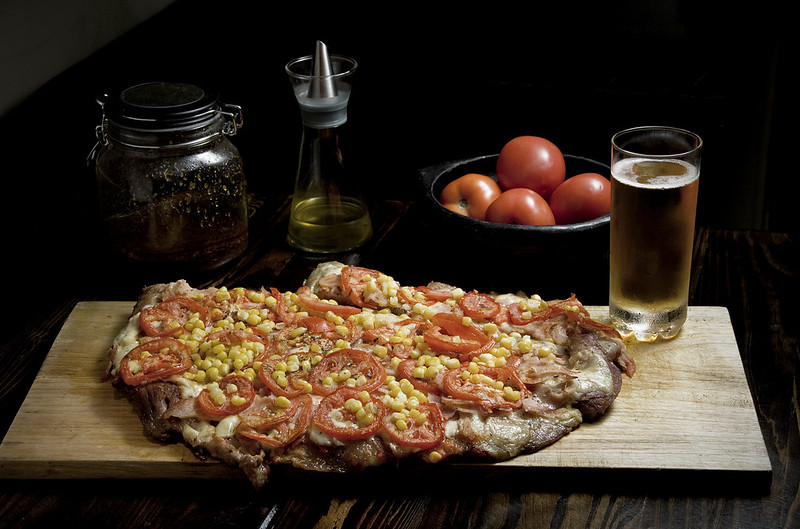
Matambre a la pizza combines two Argentine favorites: pizza and steak. A unique fusion dish, matambre a la pizza takes a thin cut of beef (matambre) and tops it with tomato sauce and melted cheese. Because why choose between pizza and steak when you can have both?
This creative mashup perfectly captures Buenos Aires’ ability to take two good things and make them extraordinary together. The meat serves as an incredibly indulgent pizza crust.
Facturas

Argentine facturas are one of the most delicious eats you can get in the country. The typical fried pastries, Philo dough croissants, and delicious fillings stand out. These sweet pastries fill bakery windows like edible jewelry.
On nearly every block in Buenos Aires, you’ll find a panaderia, or bakery. The most popular pastries at the panaderia are facturas. From vigilantes (custard-filled tubes) to bolas de fraile (dulce de leche donuts), each factura tells a story of European immigration and Argentine adaptation.
Tarta pascualina
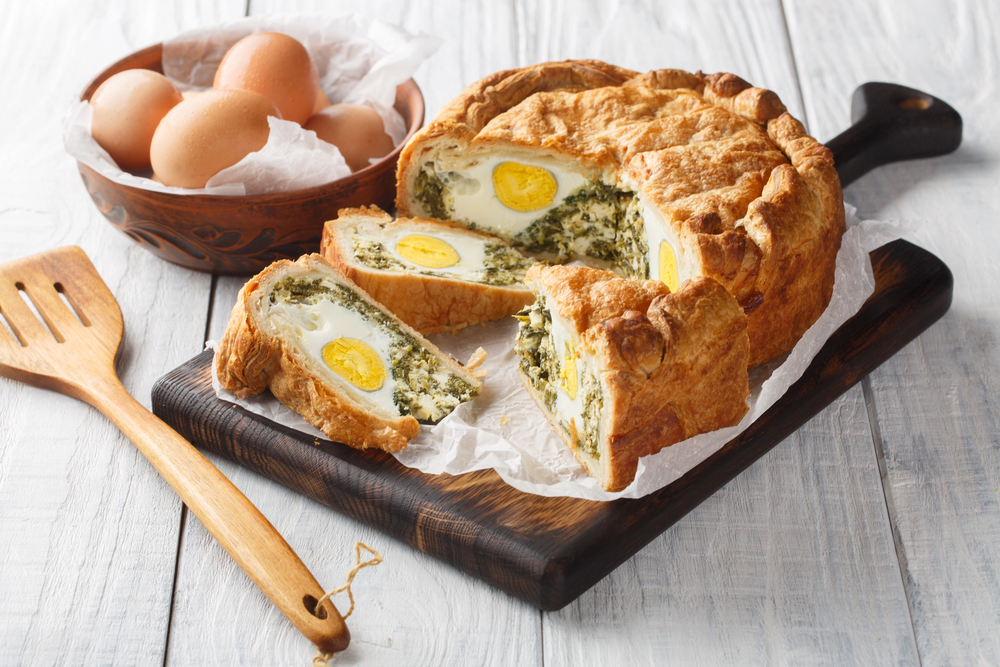
Tarta Pascualina is one of the most unexpected popular foods in Argentina. Tartas are very common foods in Argentina for an easy lunch on the fly. This savory pie stuffed with spinach, ricotta, and hard-boiled eggs represents Argentina’s Italian heart.
The Argentine tarta is basically a quiche or savory, vegetable-heavy pie. You can find them in any bakery and some restaurants offer them as lunch specials. Perfect for those moments when you need something green on your plate.
Parrillada completa
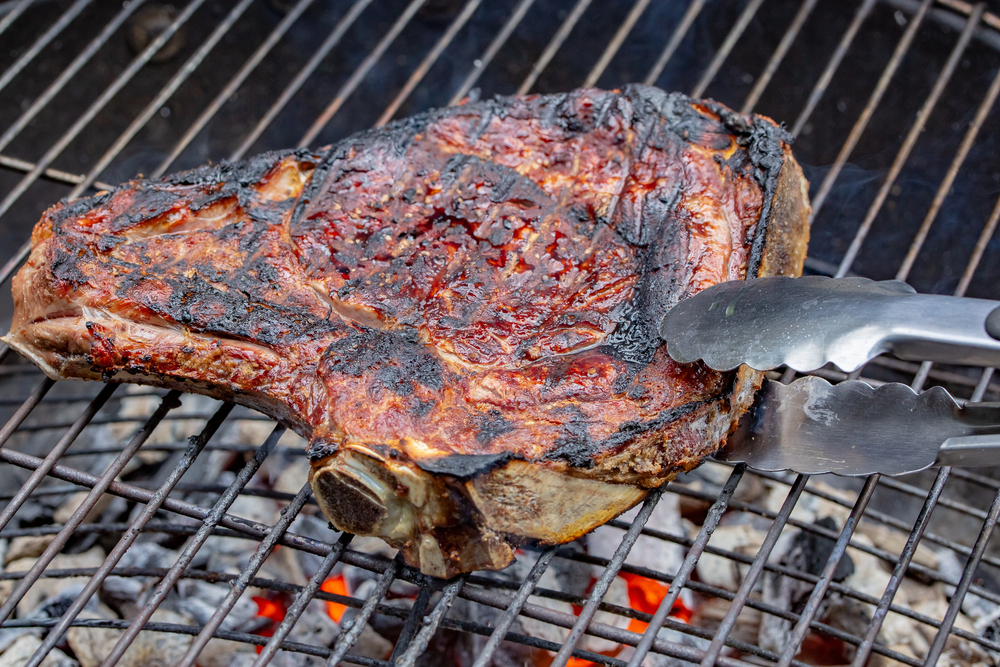
A true Argentine parrillada, or mixed grill, is an overflowing platter of charred steak cuts, sausages, and achuras (organ meats). The ultimate carnivore’s dream—an entire barnyard’s worth of perfectly grilled meat arrives on a massive wooden plank.
The exact lineup varies with each parrilla (steakhouse) and parrillero (grillmaster), and at El Ferroviario—a sprawling, beloved local spot in an old railway station near the José Amalfitani Stadium—the parrillada is served on a massive wooden plank featuring an expertly grilled selection of the day’s best cuts.
A city that feeds the soul

Buenos Aires doesn’t just feed you—it embraces you with flavors that span continents and generations. Each bite connects you to the Italian grandmother who brought her pasta recipes, the Spanish immigrant who introduced chorizo, and the gaucho who perfected the art of grilling meat over open flames. This is food with stories, served by people who understand that eating is never just about sustenance.
More from Travel Pug

- 20 Best Beach Towns in the Carolinas
- 13 Destinations Where Tourists Regularly Regret Their Trip
- 20 Things You Actually Get in First Class
- 20 Small Airports With Aviation Museums
- 20 Places in the U.S. That Are Perfect for a Reset Trip
Like Travel Pug’s content? Follow us on MSN.