

Japan’s famous destinations draw massive crowds, but some of the country’s most memorable neighborhoods exist in the spaces between major tourist sites. These areas move at their own pace, revealing aspects of Japanese life that flashier locations never show.
Here is a list of 15 low-key Japan neighborhoods worth walking.
Naramachi in Nara
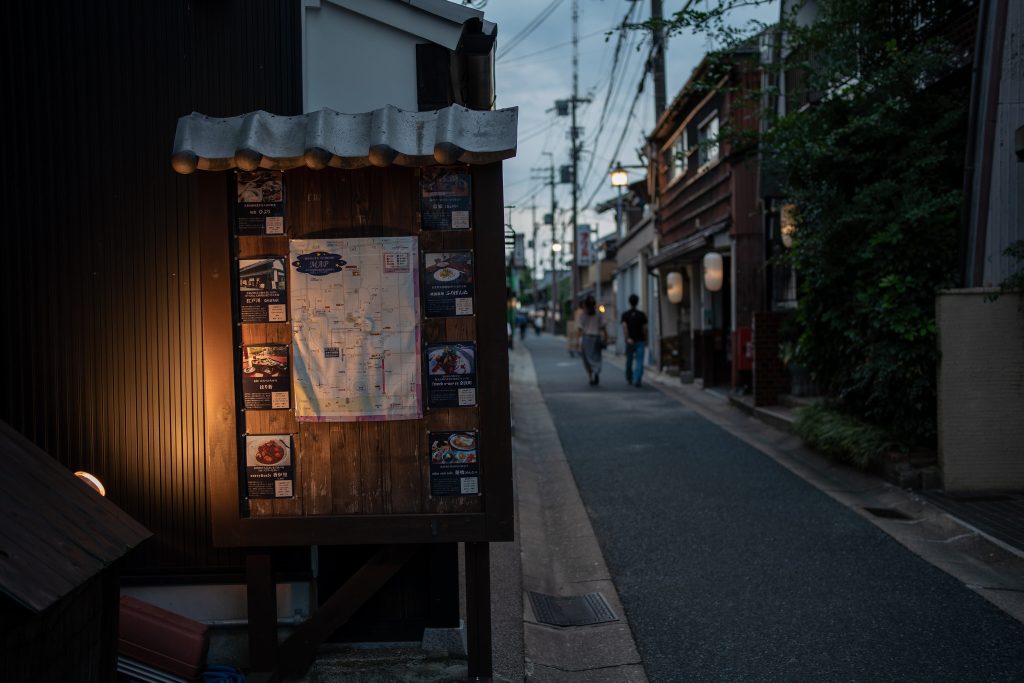
While tourists swarm Nara Park to feed the deer, this historic merchant district a short walk away stays relatively empty. Traditional wooden machiya houses line narrow streets, many converted into cafés, galleries, and small museums.
The lack of crowds lets you actually hear your footsteps on the old streets and notice architectural details that would get lost in chaos.
Kurashiki Bikan Historical Quarter
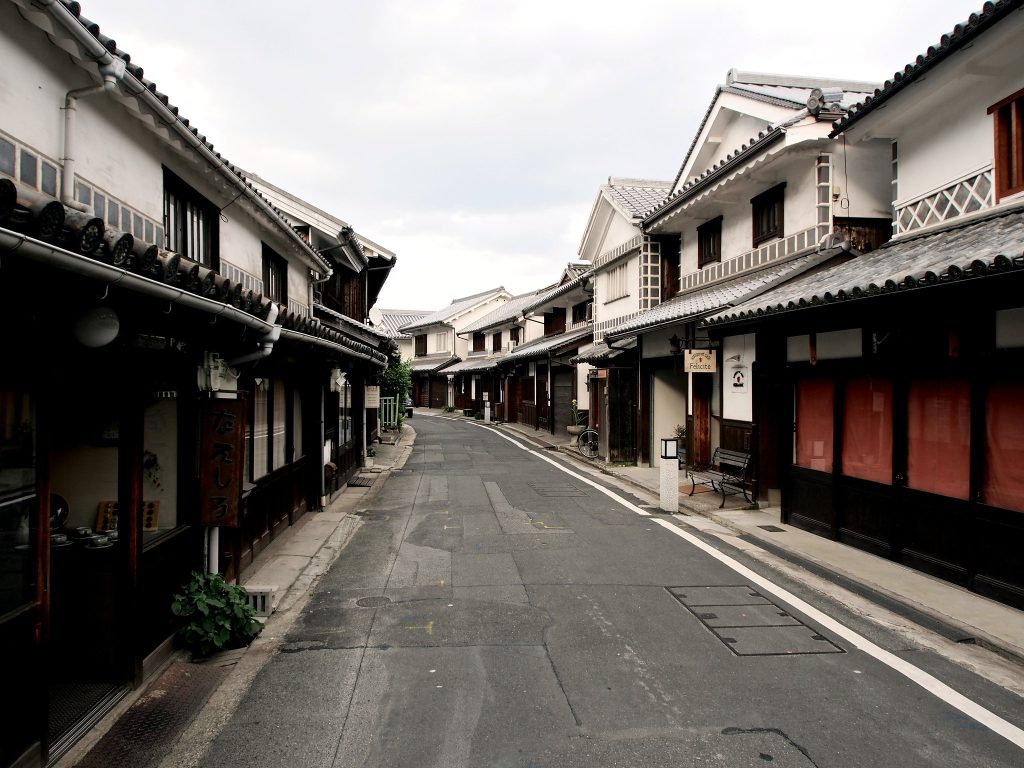
This canal district in Okayama Prefecture preserves Edo-period merchant warehouses now housing museums, shops, and cafés. Willow trees hang over the water, and the white-walled storehouses create a cohesive aesthetic that somehow avoids feeling like a theme park.
Evening walks here are particularly atmospheric when day-trippers leave and lamplight reflects on the canal.
Teramachi in Kanazawa
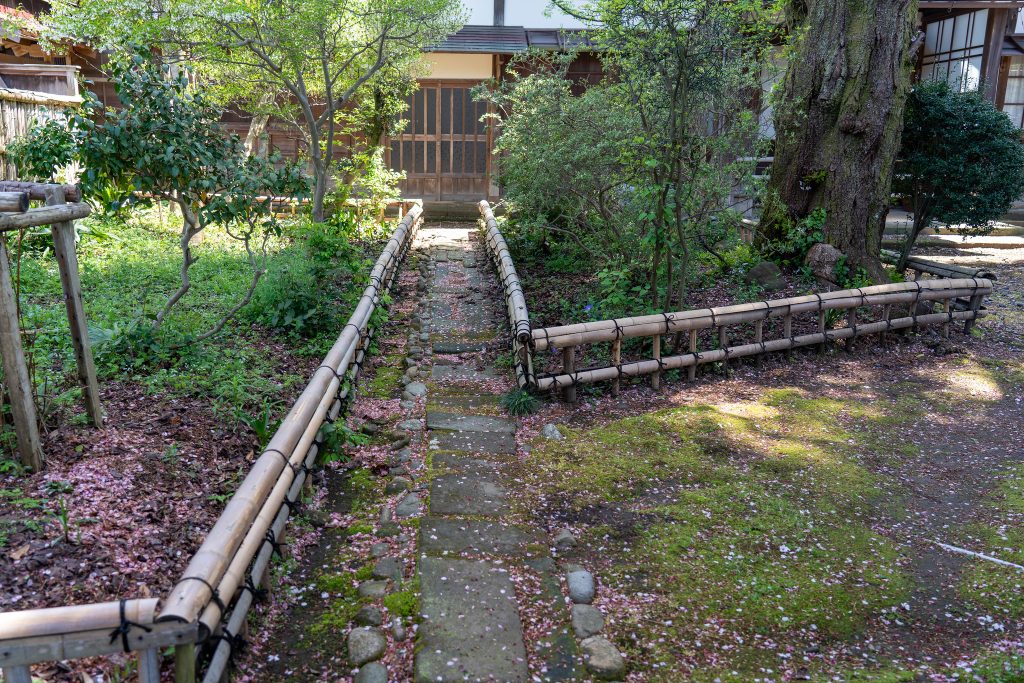
This temple district packs dozens of Buddhist temples into a compact hillside neighborhood. Unlike Kyoto’s famous temple areas, you can wander here without navigating crowds or waiting for photo opportunities.
The atmosphere stays meditative and genuine, especially early morning when monks chant and incense drifts through the streets.
Takayama’s Sanmachi Suji
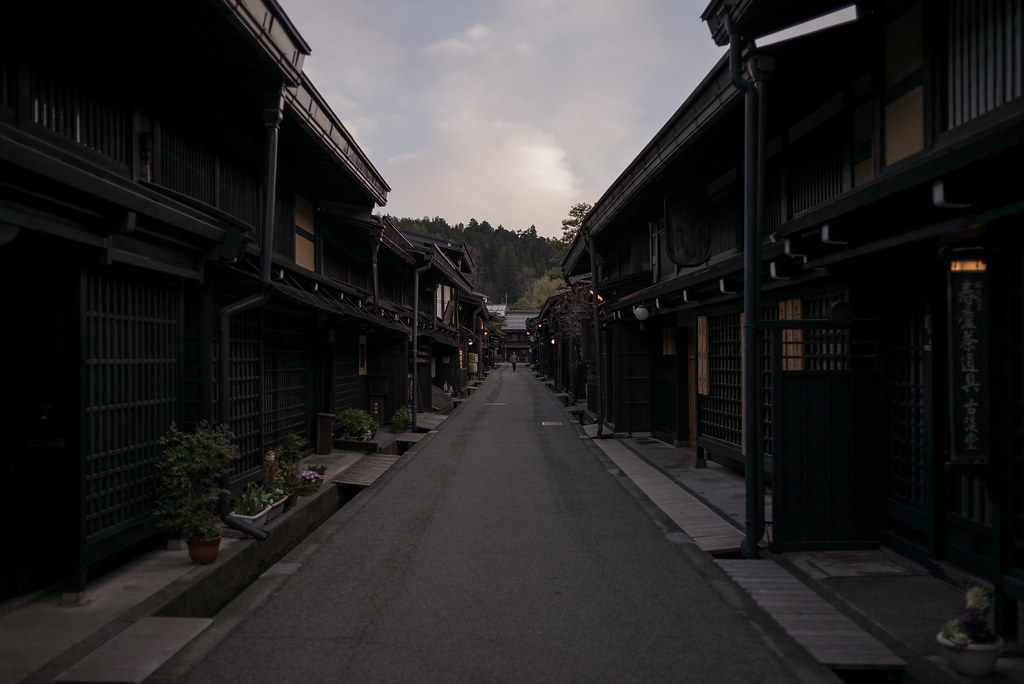
The old town district of this mountain city maintains traditional architecture without feeling overly touristy. Sake breweries open their doors for tastings, and the shops sell local crafts rather than generic souvenirs.
The surrounding mountains visible from most streets remind you this isn’t another big city trying to preserve its past—it’s a living community that never fully modernized.
Yanesen in Tokyo
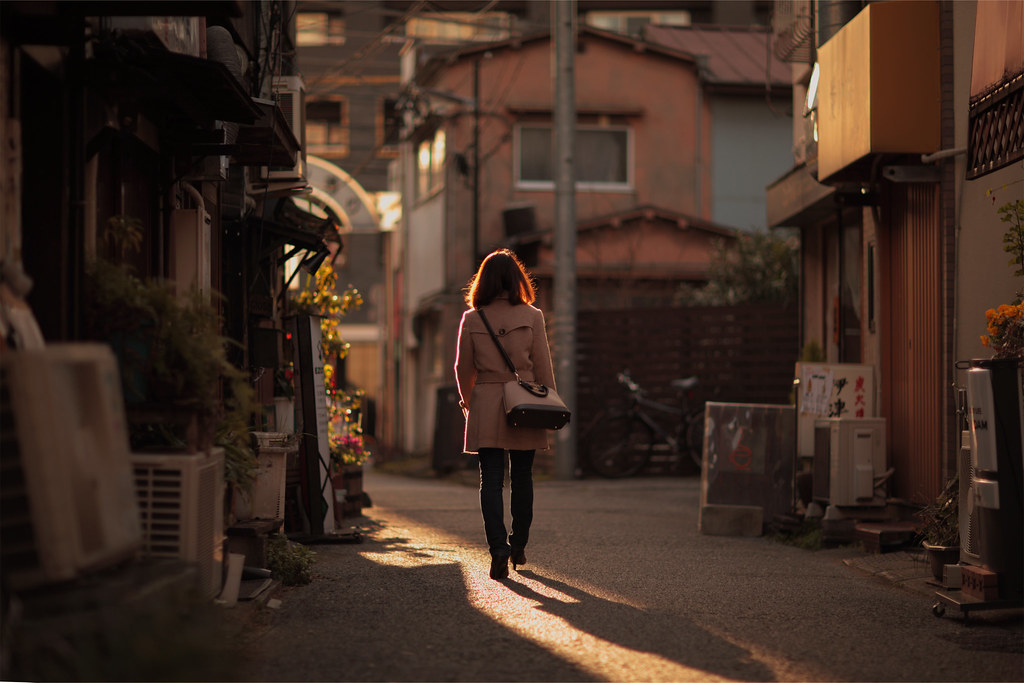
This portmanteau combines three neighborhoods—Yanaka, Nezu, and Sendagi—into a single cohesive walking area. The streets here survived World War II bombing, preserving wooden buildings and a slower pace that contrasts sharply with nearby Ueno.
Small temples appear around corners, and elderly shopkeepers still run traditional businesses their families have operated for generations.
Gion Shirakawa in Kyoto
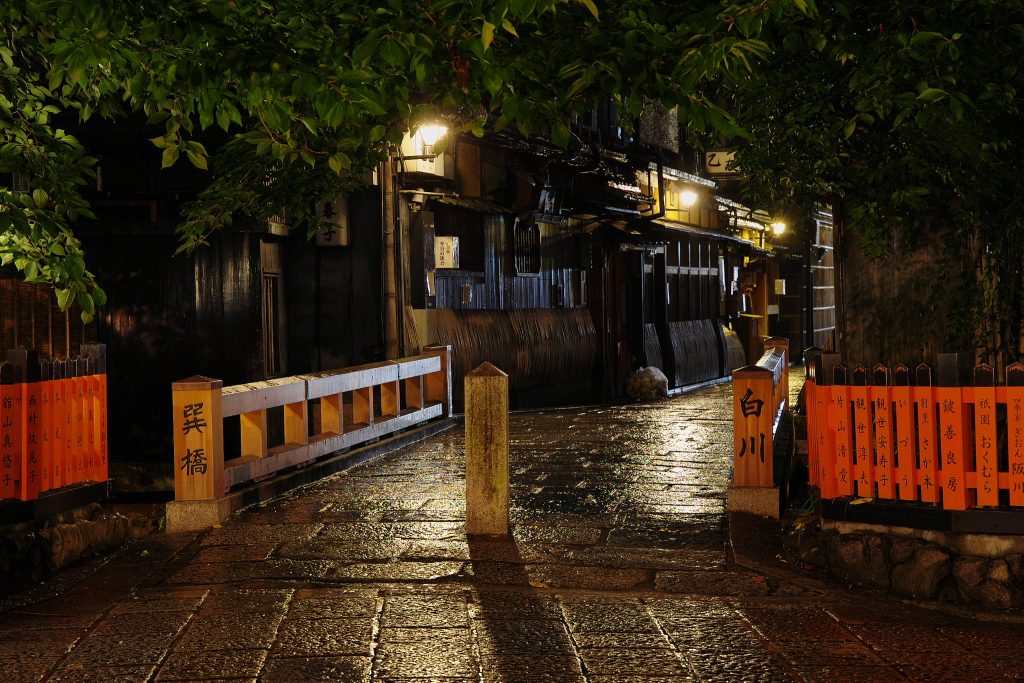
While regular Gion gets mobbed with tourists hunting geisha, this section along Shirakawa Canal maintains a quieter elegance. The narrow stone paths and traditional teahouses look almost too perfect, yet locals actually use this area rather than it being pure preservation.
Evening walks reveal glimpses of geiko and maiko heading to appointments, though approaching them for photos would be incredibly rude.
Motomachi in Kobe
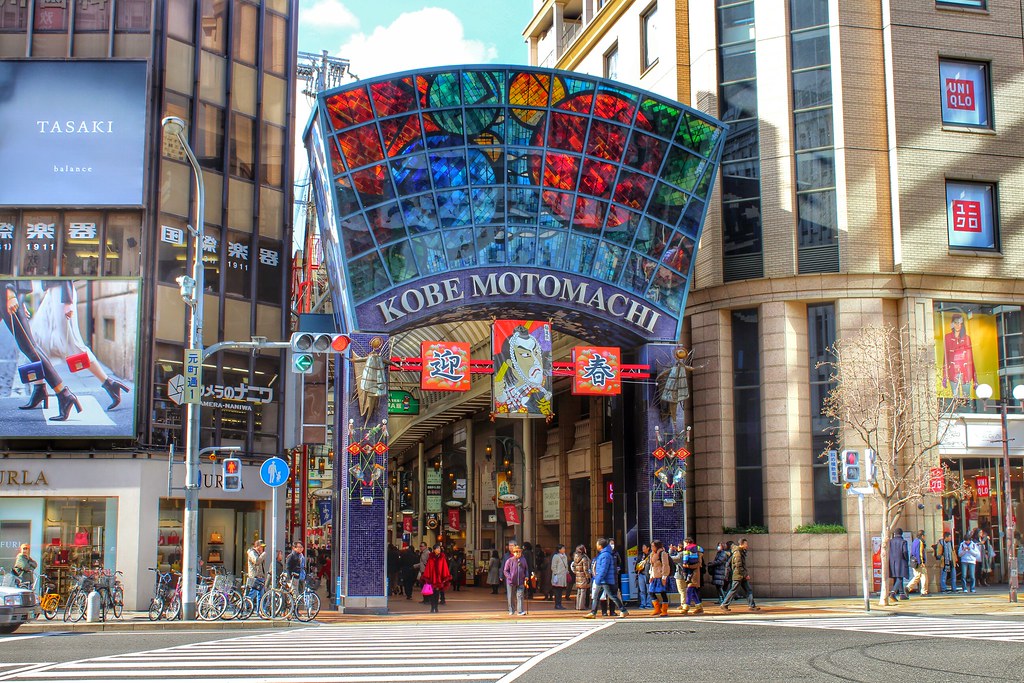
This shopping district developed after Kobe’s port opened to foreign trade, creating a hybrid atmosphere mixing Japanese and Western influences. The covered shopping streets have ornate iron gates and architectural details you won’t find elsewhere in Japan.
The area feels lived-in rather than historic, with locals shopping alongside the few tourists who make it here.
Onomichi Temple Walk
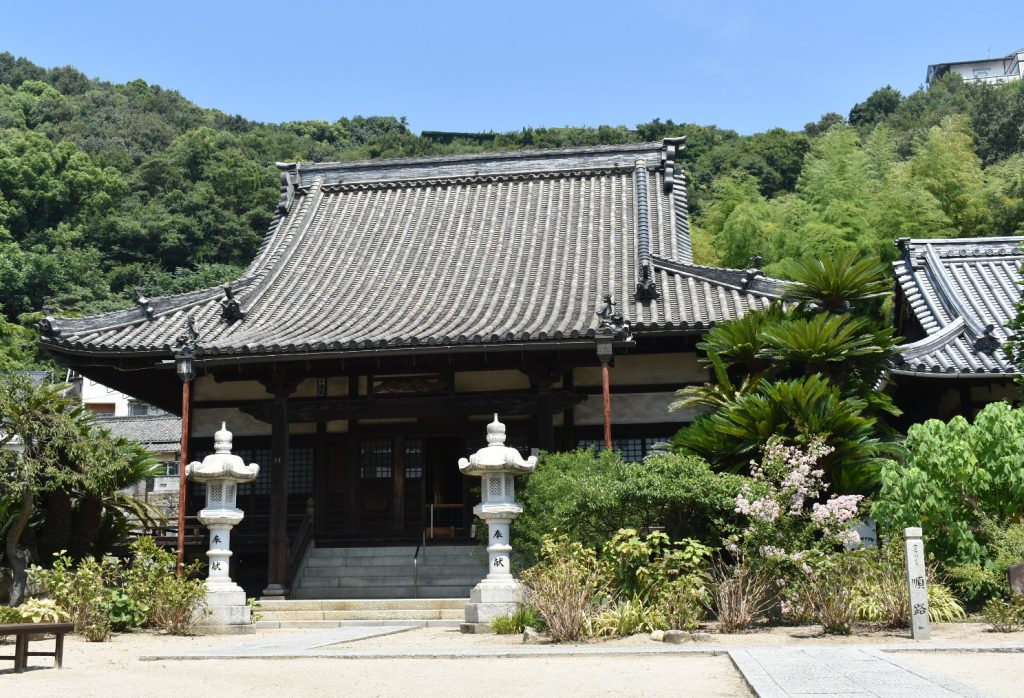
This hillside town on the Inland Sea has a temple path winding through residential areas up the mountainside. Twenty-five temples dot the route, but the real appeal comes from the views over the water and the quiet neighborhoods between religious sites.
Cats sun themselves on stone walls, and the lack of tourists means you set your own pace without feeling rushed.
Kawagoe’s Little Edo
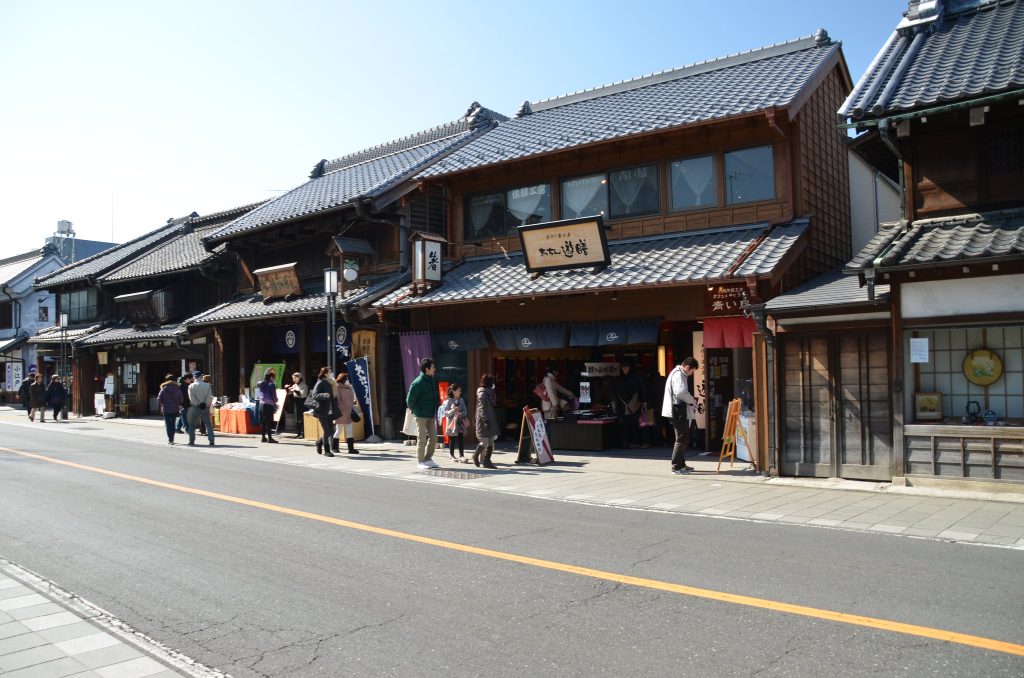
This town near Tokyo preserves kurazukuri clay warehouse buildings from the Edo period along its main street. The nickname ‘Little Edo’ is a bit much, but the architecture genuinely transports you backward in time.
Sweet potato treats are a local specialty, sold from shops that have perfected their recipes over generations.
Hida-Furukawa
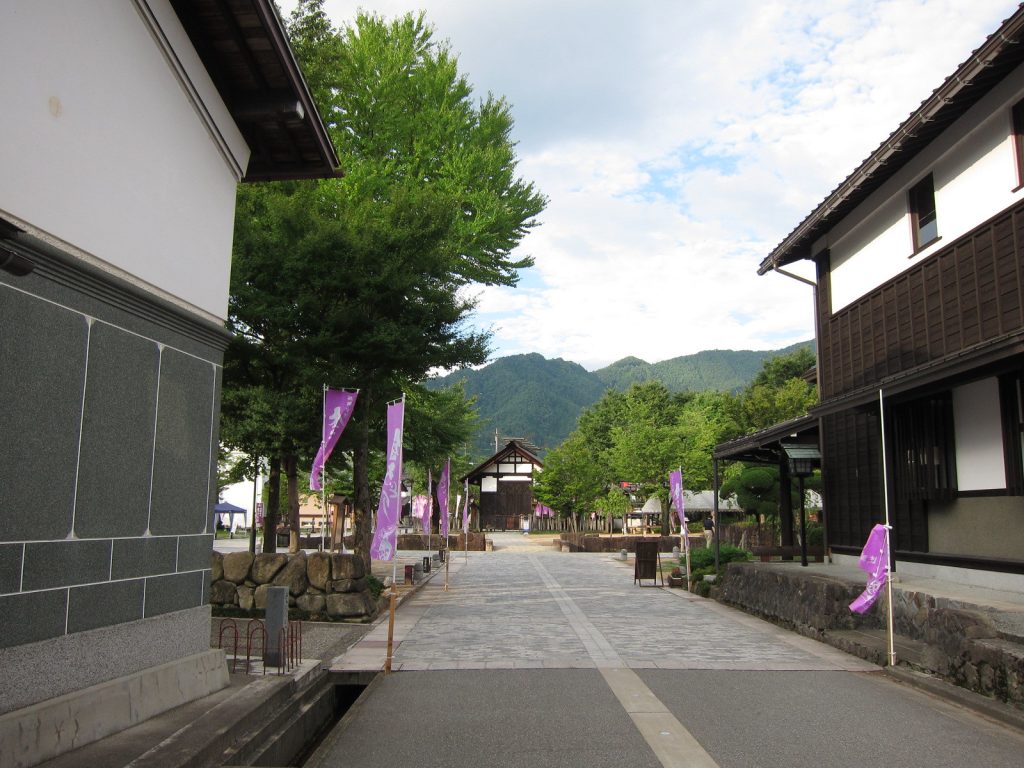
Takayama’s neighbor gets a fraction of the visitors despite having similar traditional streetscapes. The canal running through town has enormous carp swimming in crystal-clear water, and the carpenter district showcases the woodworking skills this region is famous for.
Winter visits are particularly magical when snow covers the traditional roofs.
Tomonoura in Hiroshima Prefecture
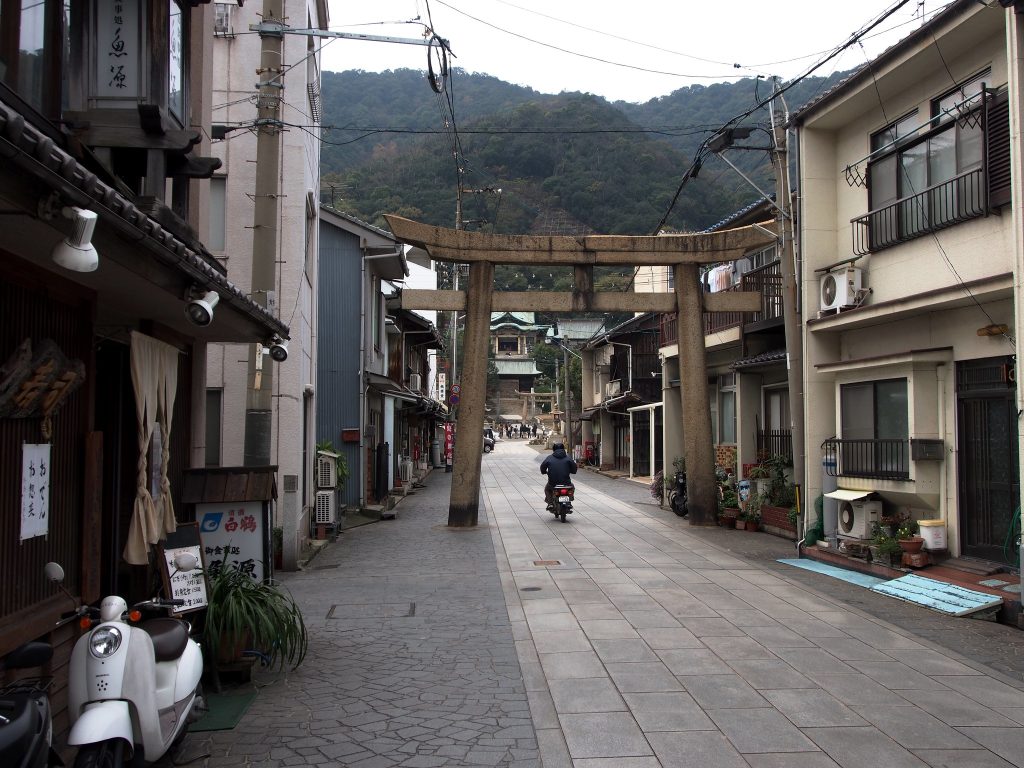
This tiny port town juts into the Inland Sea, preserving an atmosphere from when it served as a waiting point for favorable tides. Stone walls line the waterfront, and traditional buildings cluster around the tiny harbor.
Hayao Miyazaki drew inspiration here for Ponyo, and walking these streets makes it easy to see why.
Bikan Chiku in Kurume
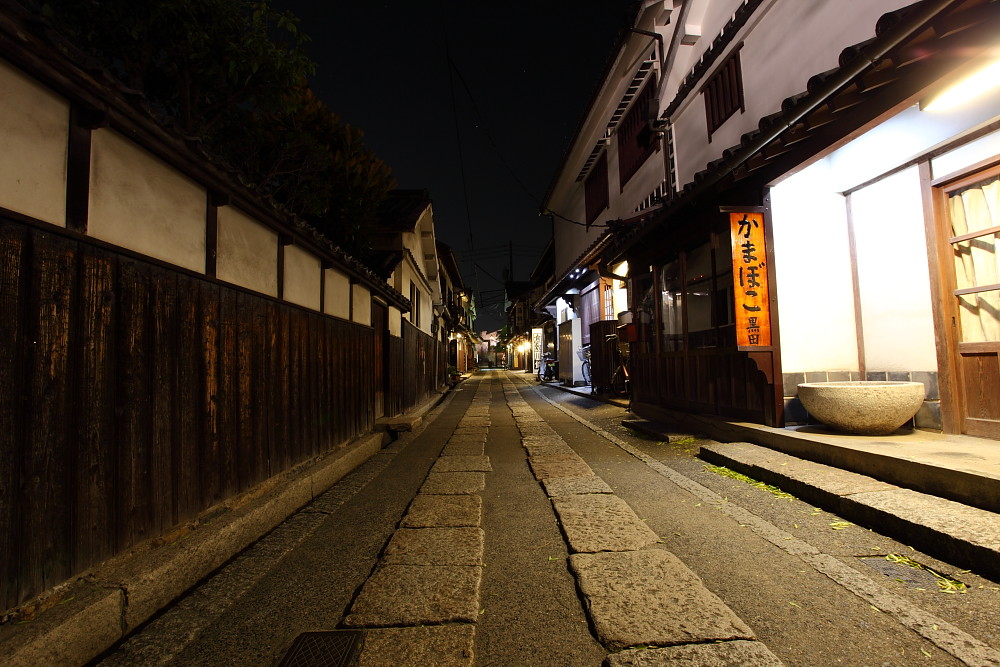
Not to be confused with Kurashiki, this fukuoka Prefecture neighborhood preserves merchant houses and warehouses along a canal system. The area stays quiet because most tourists stick to Fukuoka City proper.
Local craftspeople still work in some buildings, continuing traditions that would be purely historical elsewhere.
Hagi’s Samurai District
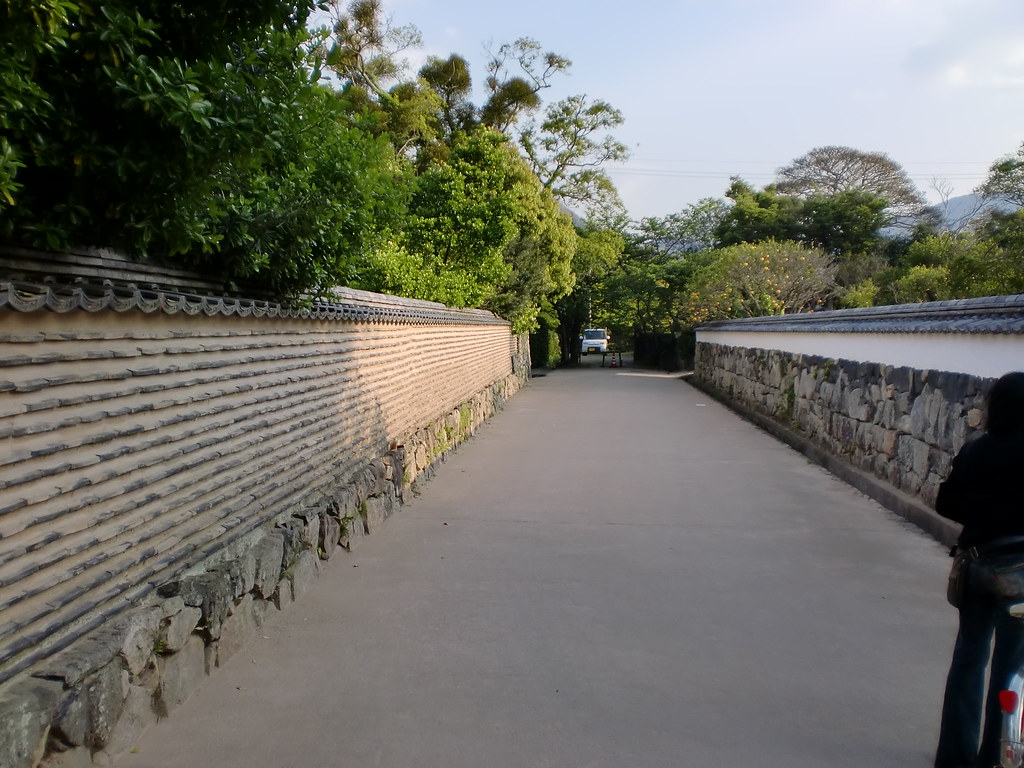
This former castle town on the Sea of Japan coast preserves streets where samurai families once lived. Earthen walls line the lanes, and some residences remain inhabited by descendants of the original families.
The town’s role in the Meiji Restoration gives it historical weight, yet the lack of crowds keeps the atmosphere contemplative.
Magome on the Nakasendo Trail
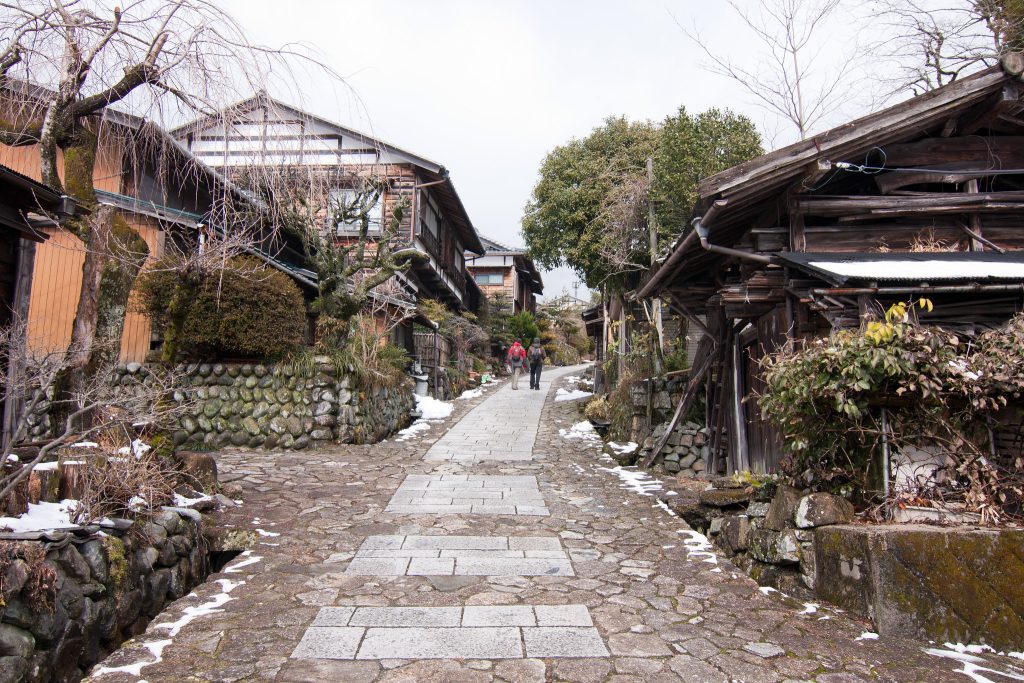
This former post-town on the old Nakasendo highway between Tokyo and Kyoto clings to a mountainside with stone-paved streets. The touristy elements are obvious—many buildings now house souvenir shops—but walking here at dawn or dusk reveals the preserved atmosphere before or after day-trippers arrive.
The nearby Kiso Valley walk to Tsumago makes an excellent half-day hike.
Tsuwano in Shimane
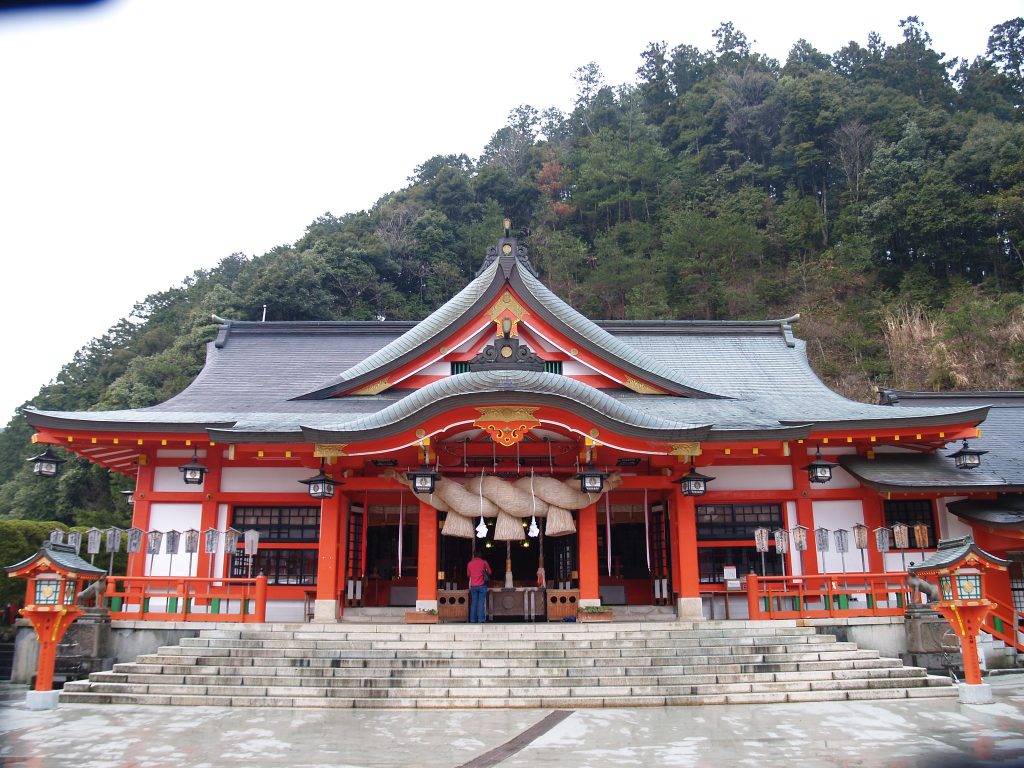
This small castle town in rural western Honshu gets called ‘Little Kyoto’ though it has its own distinct character. Carp-filled canals run alongside the main street, and the surrounding mountains create an isolated atmosphere.
The Christian history here adds layers most Japanese towns lack, with a memorial dedicated to martyrs and a Catholic church alongside Shinto shrines.
Slowing down
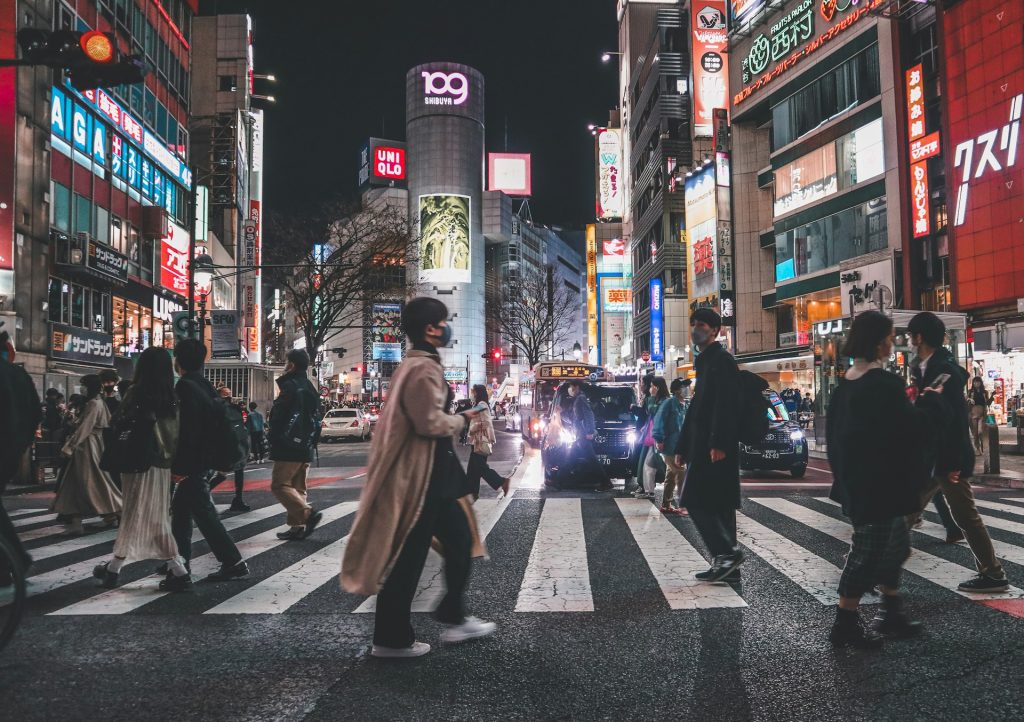
These neighborhoods reward a different approach than typical sightseeing—wandering without particular goals, noticing details, and accepting that some shops or temples might be closed. Japan’s famous efficiency and polish exist here too, but softened by slower rhythms and fewer expectations.
That combination creates spaces where you can actually absorb the atmosphere rather than just photographing it.
More from Travel Pug

- Underrated Italian Towns That Beat the Tourist Crowds
- Las Vegas Tourist Traps to Skip
- Prettiest Towns in Every US State
- 18 passport-free countries for Americans
- Signs Your Cruise Is Not Worth The Cost
Like Travel Pug’s content? Follow us on MSN.