

Argentina and Chile appear on every itinerary when organizing a trip to South America. They are located directly next to each other on the map, have beautiful Patagonia, and share the Andes.
The problem is that most tourists believe Argentina to be a better option. While Chile is undoubtedly worth a visit, Argentina provides better value, simpler logistics, and experiences that are difficult to find elsewhere on the continent.
Argentina offers a wide range of experiences without breaking the bank, from the tango-filled streets of Buenos Aires to glaciers you can actually walk on. There are wildlife encounters that are on par with anything in Africa, the cuisine is legendary, and the country feels more approachable.
Let’s examine why Argentina is a better choice for your trip to South America.Here is a list of 16 reasons why Argentina is a smarter trip than Chile.
Your Money Stretches Further

Argentina consistently comes in cheaper than Chile across most travel categories. Recent data shows the average daily cost for a mid-range traveler runs around $50–$70 in Argentina compared to $70–$100 in Chile.
That difference adds up fast over a week or two. Accommodation prices are generally lower, with hostels and mid-range hotels offering better value across the board.
Even restaurant meals cost less in Argentina, though the quality certainly doesn’t suffer. While both countries are pricier than their neighbors like Bolivia or Peru, Argentina gives you more breathing room in your budget.
Buenos Aires Outshines Santiago For Culture

Buenos Aires is one of those cities that grabs you by the collar and doesn’t let go. The neighborhoods alone could keep you busy for days—from the cobblestone streets of San Telmo to the colorful houses of La Boca to the leafy sophistication of Palermo.
Tango isn’t just a tourist attraction here; it’s woven into the city’s DNA, with milongas happening nightly where locals actually dance. The architecture rivals any European capital, with Parisian-style boulevards and ornate buildings that date back to Argentina’s golden age.
Santiago is a perfectly fine city with its own charm, but it doesn’t quite match the energy and cultural depth you find in BA.
The Steak Game Is Unmatched

Argentina takes its beef seriously, and you’ll taste the difference immediately. With more cows than people, the country has perfected the art of grilling meat over centuries.
An asado (traditional Argentine barbecue) is practically a religious experience, with cuts like bife de chorizo and entraña cooked to perfection over wood fires.The Italian influence shows up everywhere too—empanadas, milanesas, and pasta dishes are all done exceptionally well.
While Chile has good food and fresh seafood, Argentina’s steak houses and parillas are in a league of their own.
Patagonia Is Bigger And More Accessible On The Argentine Side

Argentine Patagonia spans a much larger area than its Chilean counterpart, giving you more ground to cover and more variety to experience. The region includes everything from the windswept steppes near Peninsula Valdes to the dramatic peaks around El Chalten.
Getting around is generally easier too, with better infrastructure connecting the main towns. Los Glaciares National Park on the Argentine side offers incredible hiking around Mount Fitz Roy without the crowds you’ll find at Torres del Paine.
You’ve got options here—whether you want remote wilderness or comfortable base towns with good hotels and restaurants.
Perito Moreno Glacier Is Accessible And Active

The Perito Moreno Glacier is one of the most spectacular natural wonders you can visit, period. Unlike most glaciers worldwide that are retreating, this one is still advancing, which means you get to witness massive chunks of ice calving into the turquoise waters below with thunderous crashes.
The glacier stretches about 19 miles long and towers 240 feet above Lake Argentino. What really sets it apart is the accessibility—well-maintained walkways bring you remarkably close to the action, close enough to feel the cold air radiating off the ice.
You can even strap on crampons and hike directly on the glacier itself. Chile’s glaciers are beautiful, but none offer quite this combination of drama and easy access.
Wildlife Watching Rivals East Africa

Argentina delivers some of the most incredible wildlife encounters in South America, and you don’t need to venture into deep jungle to find them. Peninsula Valdes on the Atlantic coast is a UNESCO World Heritage site where southern right whales come to breed from June to December—you can watch them from the shore or take a boat out for closer views.
The same region hosts massive colonies of Magellanic penguins, elephant seals, and sea lions. Head north to Iguazu Falls and you’ll spot coatis, toucans, and howler monkeys without even trying.
The diversity here is remarkable, from the wetlands of Ibera to the high-altitude llamas and condors in the northwest.
Iguazu Falls Is Better From The Argentine Side

Yes, Iguazu Falls straddles the border between Argentina and Brazil, and technically you can see it from both sides. But the Argentine side gives you the better experience by far.
You get up close and personal with the falls through a network of walkways that put you right in the mist and spray.The Devil’s Throat—the most dramatic section—is accessed from Argentina, where you can stand on platforms directly above the roaring water.
The Argentine side also has more trails, more viewpoints, and takes a full day to explore properly. Chile doesn’t have Iguazu at all, which is already a point in Argentina’s favor.
Mendoza Wine Country Is World-Class

Mendoza has become synonymous with Malbec, and for good reason. The region produces about 75% of Argentina’s wine, with vineyards stretching out toward the Andes at high elevations that give the grapes incredible concentration.
The wine tourism infrastructure is excellent, with hundreds of bodegas offering tastings, tours, and meals. Many wineries have stunning mountain views and modern architecture that rivals Napa.
The sub-regions of Lujan de Cuyo and Uco Valley consistently produce top-rated wines that compete on the global stage. While Chile also makes excellent wine, Mendoza has emerged as the more famous destination for wine lovers specifically seeking that bold Argentine Malbec experience.
The Transportation Network Centers Around Buenos Aires

Argentina’s transportation system, for better or worse, is built like a hub-and-spoke with Buenos Aires at the center. This actually works in your favor as a traveler because you can easily fly from BA to pretty much anywhere in the country—Iguazu, Salta, Bariloche, El Calafate, Mendoza.
Direct flights connect all the major tourist destinations to the capital. The long-distance bus system is also excellent, with comfortable coaches that have reclining seats and onboard meals for overnight journeys.
Buenos Aires has South America’s oldest subway system, making it easy to navigate the city itself. Chile’s geography—long and skinny—makes connections trickier, often requiring backtracking or very long bus rides.
You Get Genuine Cultural Immersion

There’s something about Argentina that feels less filtered for tourists. Maybe it’s the passion people have for football and asado, or the way they’ll sit in cafés for hours discussing politics and philosophy. Argentines are known for being warm and talkative, and you’ll find yourself in conversations with locals more easily than in some other South American countries.
The gaucho culture in the countryside offers a window into a way of life that’s been preserved for generations. Even in Buenos Aires, neighborhoods like Almagro and Boedo maintain their authentic character despite the city’s growth.
You’re not just observing culture here—you’re participating in it.
More Variety In Landscapes

Argentina is massive—about 11 times the size of the UK—and that scale brings incredible geographic diversity. You can explore the driest deserts in the northwest near Salta, then head south to the glacial lakes and snow-capped peaks of Patagonia.
The Pampas grasslands stretch endlessly across the central region, while the subtropical rainforests of Misiones offer a completely different ecosystem. The Atlantic coast provides beach towns and marine wildlife, and the Andean highlands deliver moon-like landscapes and salt flats.
Chile is famously diverse too, but Argentina’s sheer size gives you more room to roam and more ecosystems to experience.
Less Crowded Outside Peak Season

While places like Torres del Paine in Chile have become incredibly popular and crowded (requiring campsite reservations months in advance), many of Argentina’s highlights remain more manageable. Argentine Patagonia outside of January and February offers space to breathe.
Even at major sites like Perito Moreno, the viewing platforms are extensive enough that you rarely feel cramped.Peninsula Valdes gives you wildlife encounters without the safari-style crowds.
This isn’t to say Argentina lacks tourists—it definitely draws plenty—but the tourism feels more spread out across the larger country.
Better Backpacker Infrastructure

Argentina has been on the backpacker trail for decades, and it shows in the quality of hostels and budget accommodations. Cities like Buenos Aires, Mendoza, Bariloche, and El Calafate all have excellent hostel scenes with social atmospheres and organized activities.
The bus system caters well to budget travelers, and hitchhiking is common and relatively safe in Patagonia. Street food like choripan and empanadas offers cheap, delicious meals.
There’s a whole network of travelers moving through Argentina, which makes it easier to meet people and get current tips on where to go next.
Argentine Warmth And Personality

Argentines have a reputation for being confident, opinionated, and incredibly welcoming—all at the same time. There’s an expressiveness here that you don’t find everywhere, whether it’s the animated hand gestures during conversations or the way people greet each other with kisses on the cheek even in casual settings.
The café culture encourages lingering over coffee and conversation. People are generally happy to help travelers with directions or recommendations, and you’ll often find yourself invited to join in on whatever’s happening.
This warmth extends from the bustling streets of Buenos Aires to small towns in the provinces.
Easier Visa And Entry Requirements
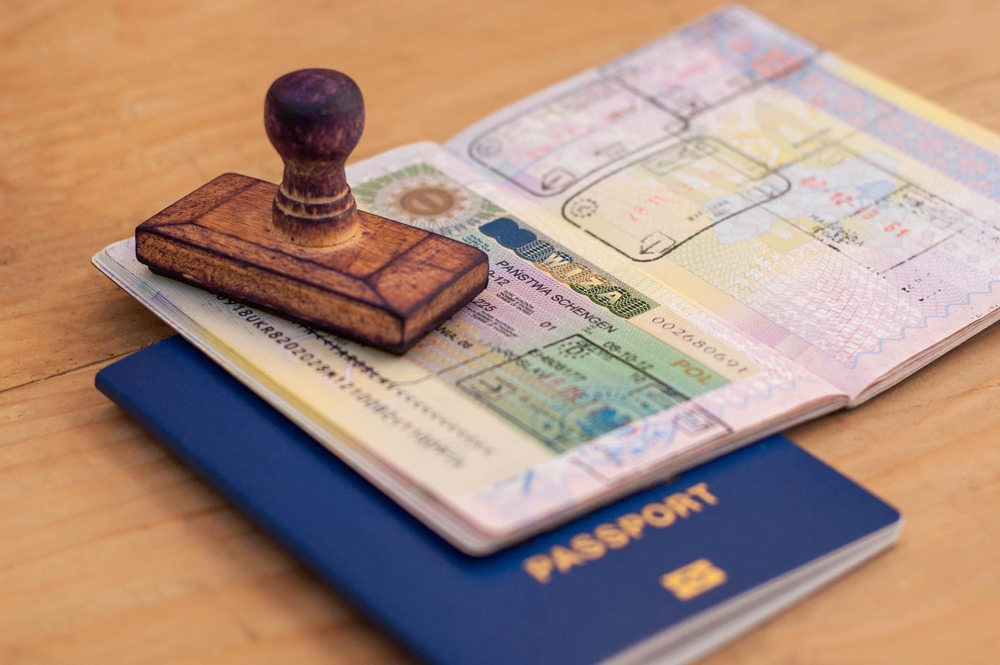
For most Western travelers, entry into Argentina is straightforward with no visa required for stays up to 90 days. The country has dropped reciprocity fees that used to apply to US, Canadian, and Australian visitors.
Immigration at Buenos Aires airports is generally smooth and efficient.While Chile also offers easy entry for most tourists, Argentina’s central hub system makes it simpler to fly in, explore, and fly out without complicated border crossings.
The bureaucracy is minimal for short-term visitors, leaving you more time to actually enjoy your trip.
More UNESCO World Heritage Sites To Explore

Argentina claims nine UNESCO World Heritage sites compared to Chile’s seven, and several of them are major tourist draws. Los Glaciares National Park in Patagonia showcases ongoing glaciation processes.
Peninsula Valdes is internationally recognized for its marine mammal populations. Iguazu National Park (shared with Brazil) protects one of the world’s most spectacular waterfalls.
The Quebrada de Humahuaca in the northwest offers stunning multicolored mountains and pre-Columbian history. These aren’t just boxes to check—they’re genuinely remarkable places that justify the UNESCO designation.
The concentration and accessibility of these sites give Argentina an edge for travelers who want to hit major landmarks.
The Trip That Keeps On Giving

Argentina is more than simply crossing things off a list and going on. It’s the sort of place that gradually comes to light; the more time you spend there, the more layers you uncover. Your morning routine becomes going to that local café.
You want to return the following harvest season because of the wine region you visited. The glacier that left you speechless keeps calling you back.
Perhaps it’s the way dynamic cities coexist with breathtaking landscapes, or the fusion of Latin American passion and European sophistication. Argentina has a way of getting under your skin, and before you’ve even left, you’re already making plans to go back.
More from Travel Pug

- Underrated Italian Towns That Beat the Tourist Crowds
- Las Vegas Tourist Traps to Skip
- Prettiest Towns in Every US State
- 18 passport-free countries for Americans
- Signs Your Cruise Is Not Worth The Cost
Like Travel Pug’s content? Follow us on MSN.