

Jerusalem is a city where ancient stones meet sizzling street food, and where the aroma of freshly ground spices mingles with the scent of just-baked bread. The markets here are not just places to shop but living, breathing experiences where centuries of culinary traditions collide in the most delicious ways.
From bustling souks tucked inside the Old City walls to modern food halls in renovated historic buildings, each market tells its own story through flavor. Here is a list of 15 markets in Jerusalem that every food lover should have on their radar.
Mahane Yehuda Market
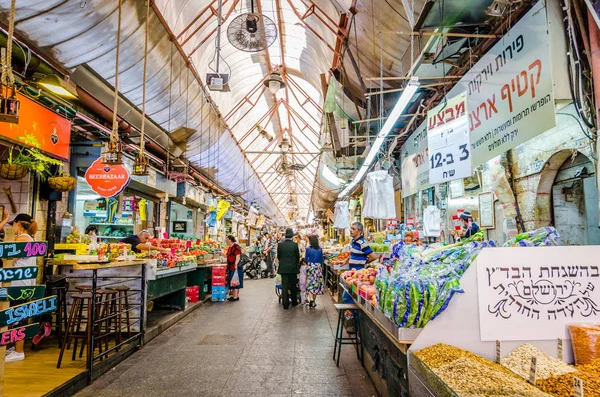
Often called ‘the Shuk,’ Mahane Yehuda is the undisputed heavyweight champion of Jerusalem’s food scene. This sprawling marketplace between Jaffa Road and Agrippas Street hosts more than 250 vendors selling everything from mountains of fresh produce to creamy tahini and just-baked rugelach.
The market has deep roots going back over a century, and while trendy restaurants and bars have moved in alongside traditional stalls, the place still feels wonderfully authentic with vendors shouting out their daily deals.
The Night Shuk
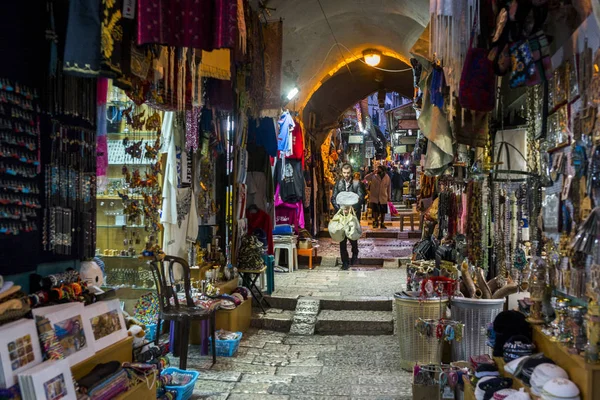
When the sun goes down, Mahane Yehuda transforms into something entirely different. The produce vendors roll down their metal shutters, revealing vibrant street art painted on the doors, and suddenly the alleyways fill with people heading to wine bars, craft cocktail spots, and chef-driven restaurants.
Thursday nights get particularly lively, with live music spilling out onto the cobblestones. It is essentially two markets in one, and skipping the evening version means missing half the experience.
The Old City Arab Souk
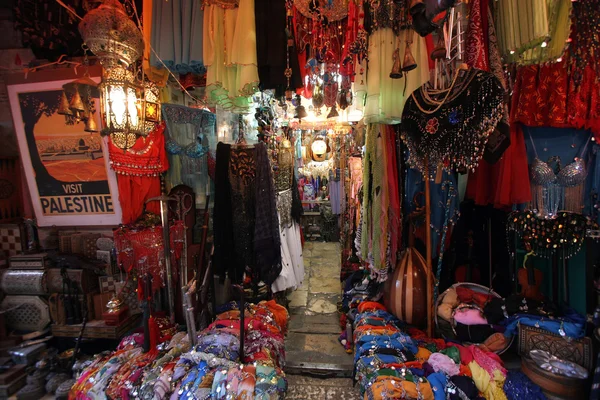
Step through Damascus Gate and you enter a maze of narrow stone alleyways that have been home to merchants for centuries. The Arab souk winds through the Muslim and Christian Quarters, offering everything from fragrant spice pyramids to sizzling falafel stands and carts selling freshly squeezed pomegranate juice.
The atmosphere here feels timeless, with vendors calling out to passersby beneath ancient vaulted ceilings. Bargaining is expected and part of the fun.
Khan al-Zeit Street
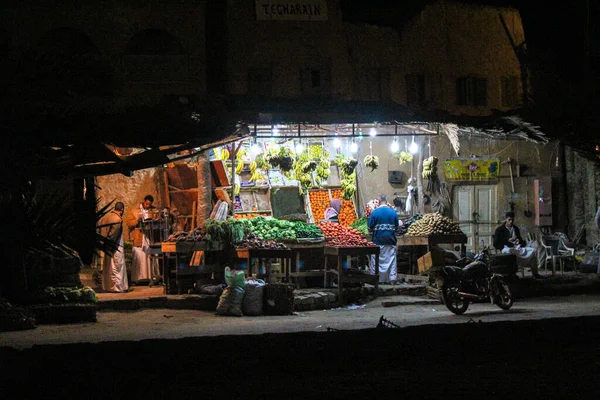
This main artery running from Damascus Gate gets its name from the Arabic word for oil, a nod to the olive oil merchants who once dominated the area. Today, it is a sensory overload in the best possible way, with stalls hawking aromatic spices, sticky-sweet pastries, and some of the best falafel sandwiches in the city.
Local families do their daily shopping here, which means the produce is always fresh and the prices stay reasonable. The freshly squeezed fruit juices alone are worth the visit.
The Three Markets
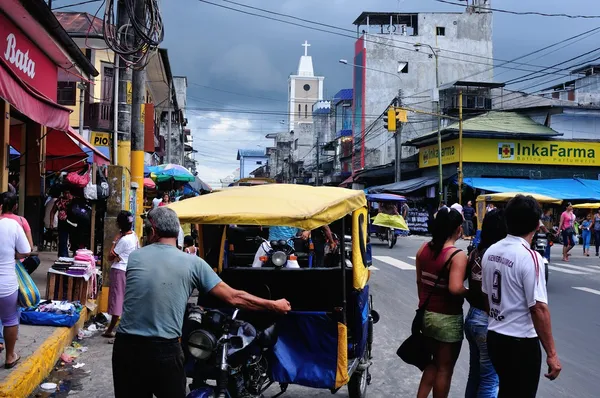
Tucked inside the Muslim Quarter, three parallel covered streets run above the ancient Roman Cardo and each has its own specialty. The Butchers’ Market does exactly what its name suggests, while the Spice Market fills the air with fragrant aromas of cumin, za’atar, and sumac.
The third street, traditionally the Goldsmiths’ Market, has diversified over the years. Narrow alleyways connect all three, making it easy to wander between them and discover hidden food stalls serving everything from fresh-baked flatbreads to homemade hummus.
Cotton Merchants’ Market
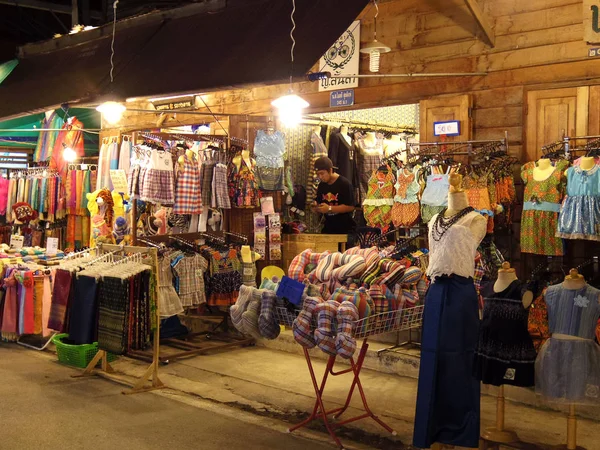
Known locally as Suq al-Qattanin, this 14th-century Mamluk-era market is considered one of the most beautiful covered bazaars in the entire Levant. The atmospheric corridor stretches about 300 feet and houses around 50 shops beneath magnificent stone arches.
While cotton merchants are long gone, vendors now sell dried fruits, nuts, sweets, and other snacks. The dim lighting and ancient architecture create an almost mystical vibe, and grabbing a handful of dates or dried apricots here feels like stepping back in time.
Muristan and Aftimos Market
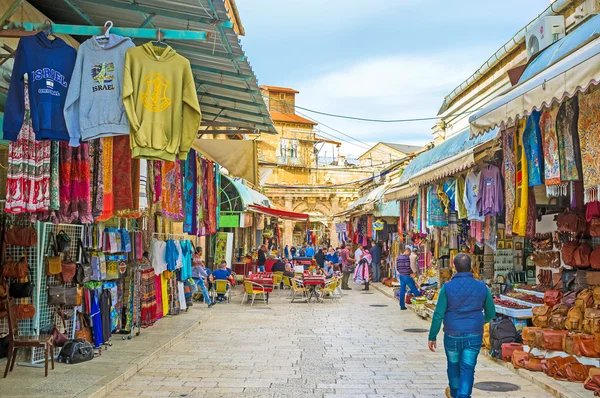
In the Christian Quarter near the Church of the Holy Sepulchre sits this charming market complex built around a restored Ottoman fountain. The Aftimos Market was constructed in 1903 by the Greek Orthodox Patriarchate and today features outdoor cafes where you can sip strong Arabic coffee or fresh fruit juice while people-watching.
The surrounding shops sell everything from local sweets to savory snacks, and the relaxed pace makes it a nice break from the more frenetic energy of other Old City markets.
The First Station
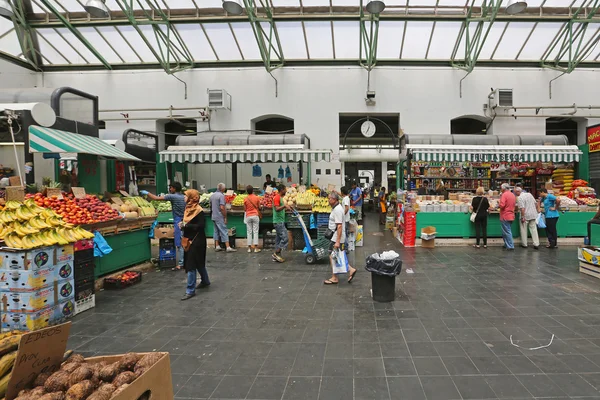
Jerusalem’s historic first railway station, which welcomed passengers from Jaffa starting in 1892, sat abandoned for years before reopening in 2013 as a cultural and culinary hub. The beautifully restored complex now houses restaurants ranging from Italian trattorias to modern Israeli eateries, plus food stalls, ice cream parlors, and juice bars.
Regular farmers markets pop up throughout the week, and the open-air setting surrounded by historic architecture makes it one of the more pleasant places to eat in the city.
Emek Refaim Farmers Market
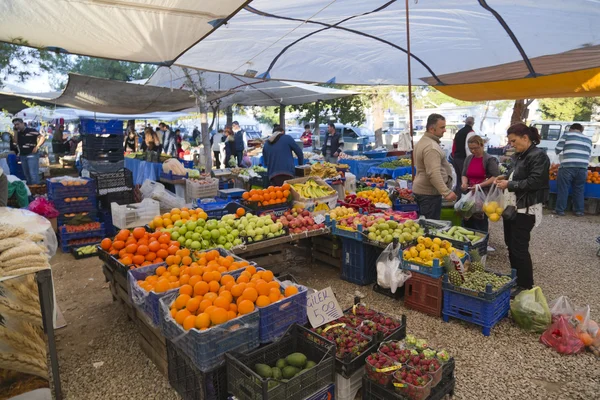
Every Friday morning, the tree-lined streets of the German Colony neighborhood come alive with this popular farmers market. Local producers set up stalls selling artisanal goat cheeses, cured olives, homemade preserves, organic produce, and freshly baked bread.
The vibe is more relaxed and curated than the big traditional markets, making it ideal for picking up specialty items or simply enjoying a leisurely morning nibbling on samples. The surrounding cafes on Emek Refaim Street offer excellent people-watching spots.
Baka Farmers Market
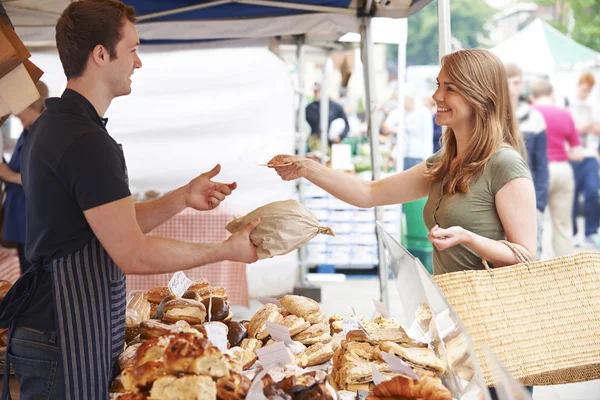
This charming neighborhood market draws a loyal crowd of locals and expats looking for organic produce, specialty foods, and handmade goods. The atmosphere feels welcoming and community-oriented, with vendors happy to chat about their homemade pickles or traditional preserves.
It operates on Fridays and provides a more intimate alternative to the larger markets, perfect for those who prefer a quieter shopping experience without sacrificing quality or variety.
Hadar Mall Farmers Market
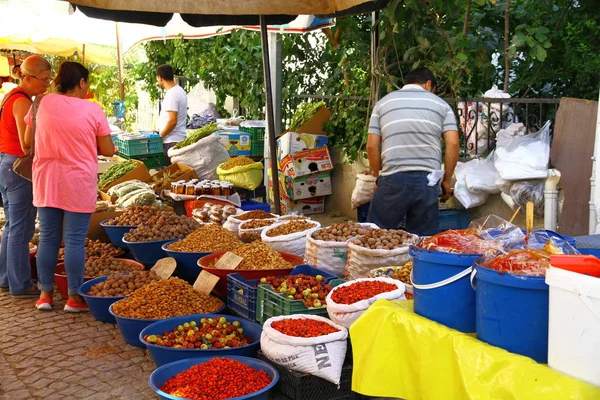
Located in the Talpiot neighborhood of southern Jerusalem, this weekly Friday market has become a favorite among locals seeking fresh, locally sourced ingredients. Stalls overflow with seasonal fruits and vegetables, artisanal cheeses, fresh dairy products, and warm baked goods straight from the oven.
The sellers here tend to be friendly and knowledgeable about their products, and the less touristy atmosphere means you are shopping alongside Jerusalemites doing their regular grocery runs.
Nachlaot Market
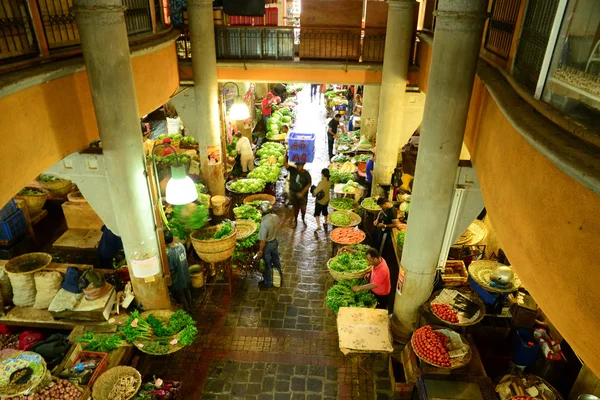
The bohemian Nachlaot neighborhood, with its winding alleyways and eclectic architecture, hosts a small market known for specialty foods and handmade goods. This is not a place for one-stop grocery shopping but rather for discovering unique items you would not find elsewhere, from small-batch preserves to artisanal baked treats.
The quieter pace and off-the-beaten-path location make it appealing for visitors wanting to explore a less touristy side of the city while still finding excellent food.
David Street Market
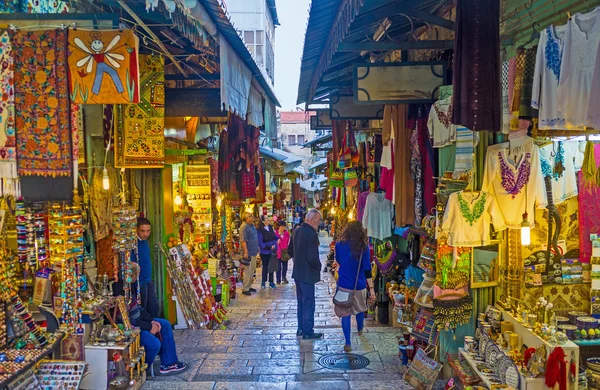
Running from Jaffa Gate into the heart of the Old City, David Street serves as the main commercial artery connecting various quarters. Food vendors line portions of this ancient thoroughfare, selling everything from fresh-baked Jerusalem bagels coated in sesame seeds to cups of thick Arabic coffee.
The street gets crowded, especially on weekends, but pushing through the masses rewards you with glimpses of everyday life and easy access to some of the best quick bites in the Old City.
Bezalel Art Fair
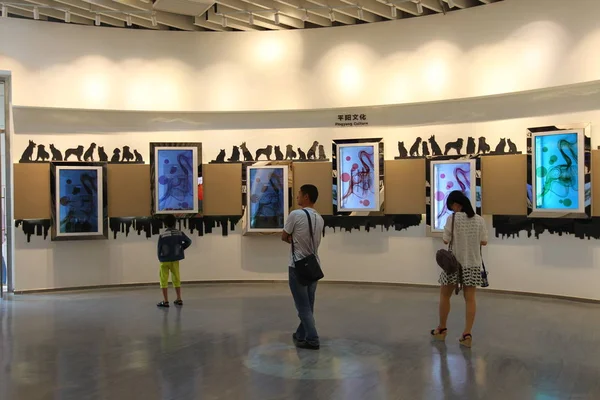
While primarily known as an arts and crafts market, the Friday Bezalel Fair near Ben Yehuda Street always features food vendors worth seeking out. Alongside handmade jewelry and pottery, you will find stalls selling fresh pastries, local honey, specialty chocolates, and other artisanal treats.
The market runs Friday mornings during cooler months and slightly later during summer, drawing a creative crowd and offering a different energy than the traditional food markets.
Armenian Quarter Shops
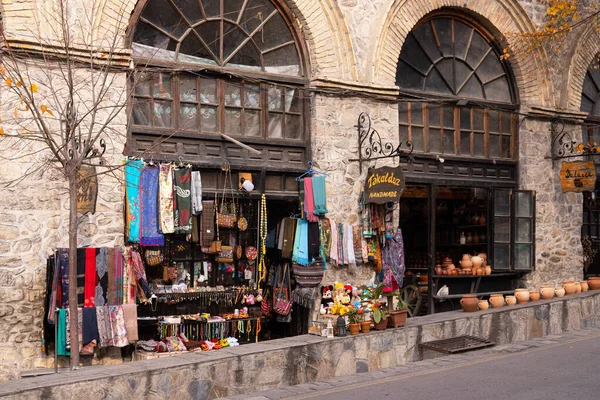
Though tiny on the map, the Armenian Quarter pours big flavor into Jerusalem’s food scene. Down narrow stone lanes, tucked-away cafés serve bold coffee alongside age-old desserts. Ceramic studios, known far and wide, also act as cozy hubs where talk flows with each sip of rich brew.
Time moves gently here, voices stay low, connections feel real — built by a people who’ve lived in this city since long before most records began.
Where Food and History Intersect
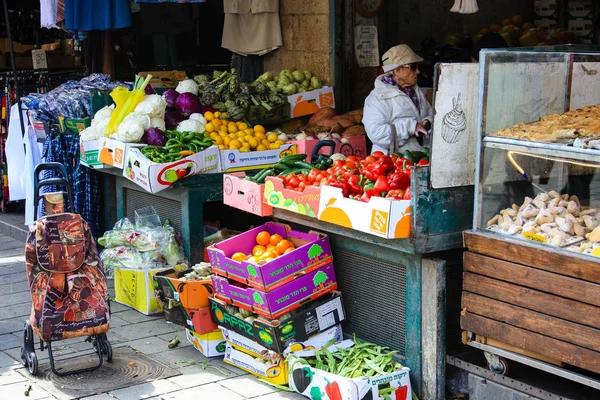
Walking through Jerusalem’s markets feels like flipping pages of a living storybook. Not just places to buy things, they breathe with the rhythms of daily life shaped by Jewish, Muslim, Christian, and Armenian hands across time.
A single bite of food might carry whispers of ancient streets, yet fit perfectly on a modern plate. Stalls hum with colors and scents passed down, twisted slightly now for new palates. Haggling over cumin in an old stone alley sits beside sipping drinks in a revamped train hall.
What stays true throughout? Every meal pulls back a curtain on history deeper than any book explains.
More From Travel Pug

- Underrated Italian Towns That Beat the Tourist Crowds
- Las Vegas Tourist Traps to Skip
- Prettiest Towns in Every US State
- 18 passport-free countries for Americans
- Signs Your Cruise Is Not Worth The Cost
Like Travel Pug’s content? Follow us on MSN.