

Vietnam’s coastline stretches over 2,000 miles along the South China Sea, carving out some of the most dramatic bay scenery in Southeast Asia. While Halong Bay gets most of the attention (and the crowds), the country is dotted with equally stunning waters that remain refreshingly off the radar.
Here is a list of 15 scenic bays in Vietnam that deserve a spot on your travel itinerary.
Bai Tu Long Bay
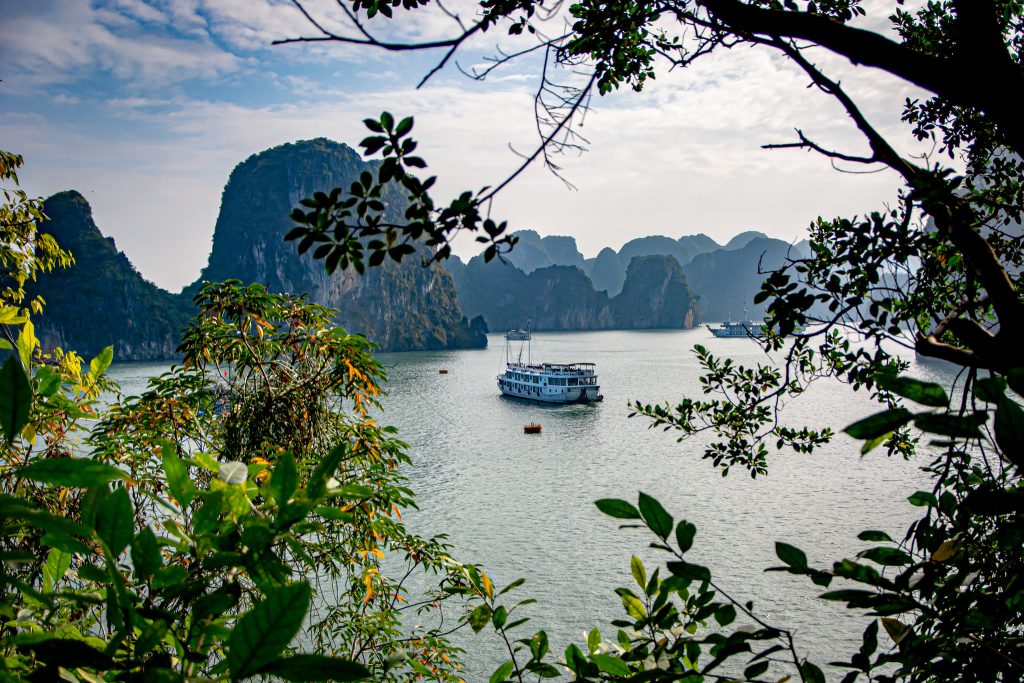
Sharing the same limestone karst landscape as its famous neighbor, Bai Tu Long Bay sits northeast of Halong and covers roughly three-quarters of the UNESCO World Heritage site. The waters here run clearer, the boats are fewer, and the atmosphere feels more like what Halong probably did decades ago.
Kayaking through the peaceful Vung Vieng fishing village or swimming at secluded Ban Chan beach makes for a genuinely tranquil experience, especially on a three-day cruise that ventures deeper into the bay’s quieter corners.
Lan Ha Bay
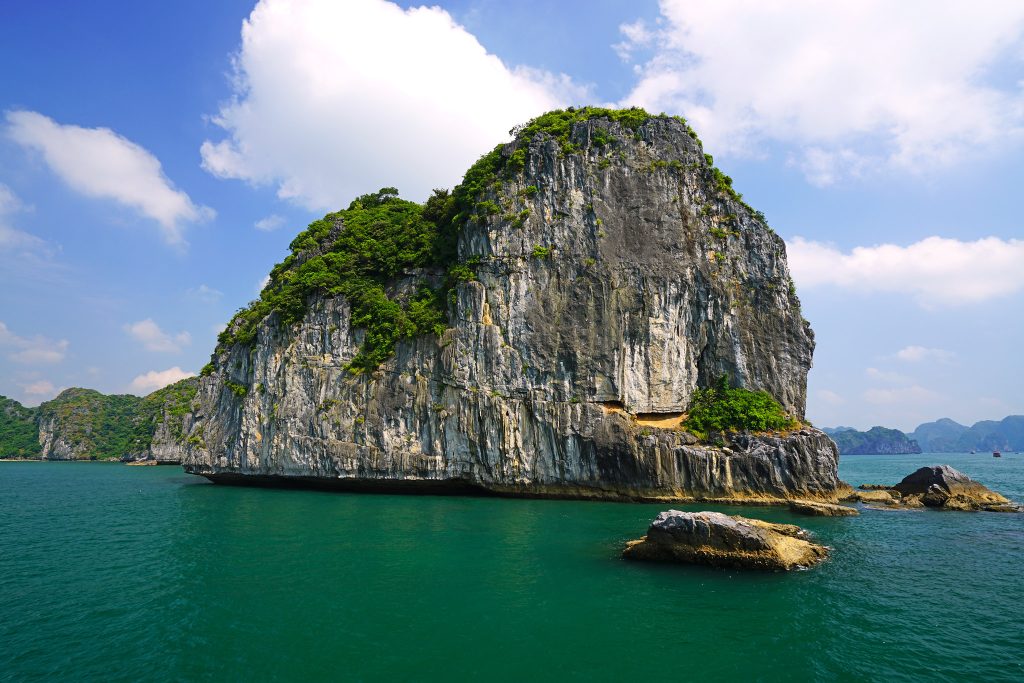
Tucked south of Cat Ba Island, Lan Ha Bay boasts over 300 karst islands and something Halong can’t match: 139 sandy beaches hidden between limestone cliffs. The bay forms part of a UNESCO World Biosphere Reserve, which means the marine ecosystems here get serious protection.
Snorkeling around Turtle Island or Monkey Island reveals waters far more pristine than what you’d find in the tourist-heavy zones up north, and the rock climbing scene on Cat Ba has become a magnet for adventure seekers.
Lang Co Bay
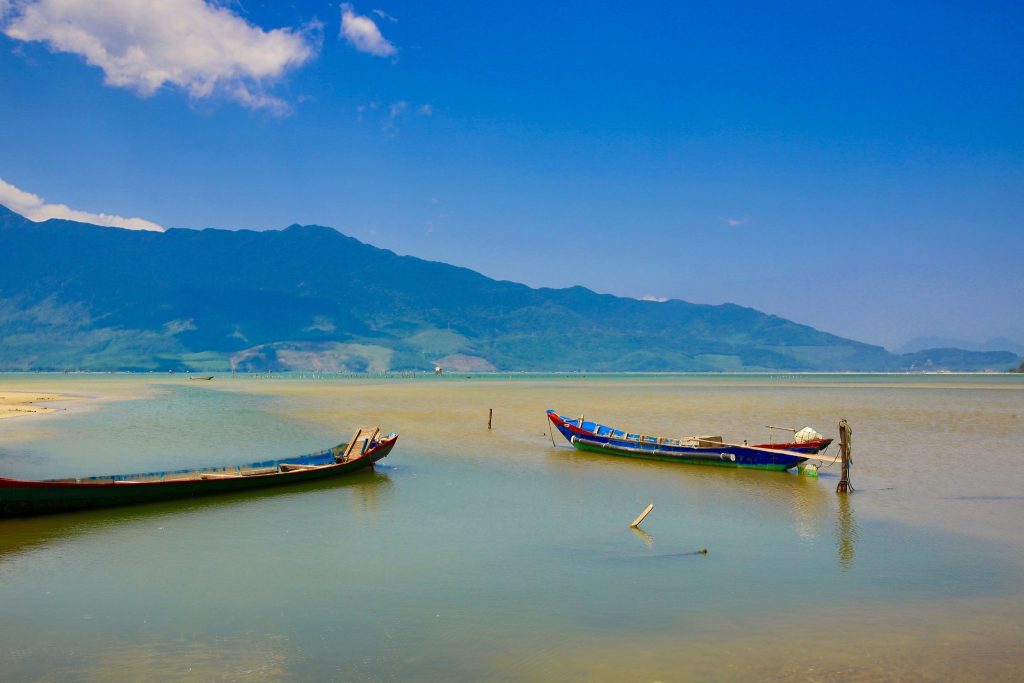
Sitting pretty between Da Nang and Hue, Lang Co earned its spot among the world’s 30 most beautiful bays back in 2009, and the recognition was well deserved. The crescent-shaped coastline stretches about 6.2 miles, backed by the misty peaks of Bach Ma National Park and fronted by waters that shift between jade green and sapphire blue depending on the light.
Driving over Hai Van Pass and catching that first glimpse of the bay below is one of those travel moments that sticks with you.
Nha Trang Bay
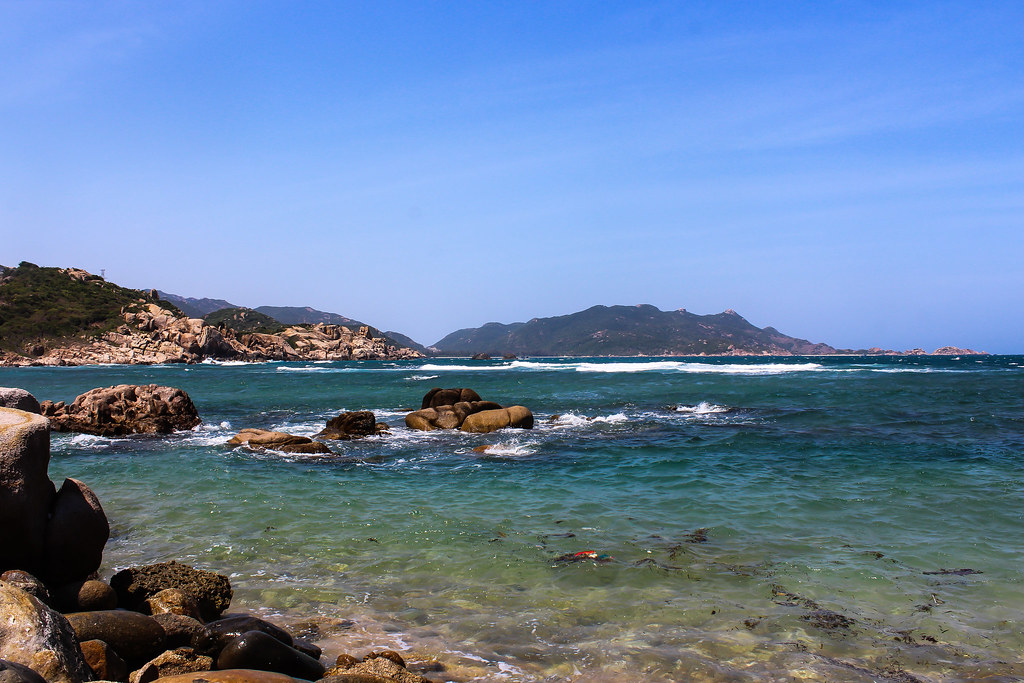
This bay has been drawing visitors since the French colonial era, and in 2003 it officially joined the club of the world’s most beautiful bays. Shielded by 19 islands of various sizes, the waters stay remarkably calm and warm year-round, making it one of Vietnam’s best spots for scuba diving and snorkeling.
Hon Mun Island alone is home to hundreds of coral species, while Hon Tre houses VinWonders, one of the country’s largest amusement parks, for those who want their beach time with a side of roller coasters.
Cam Ranh Bay
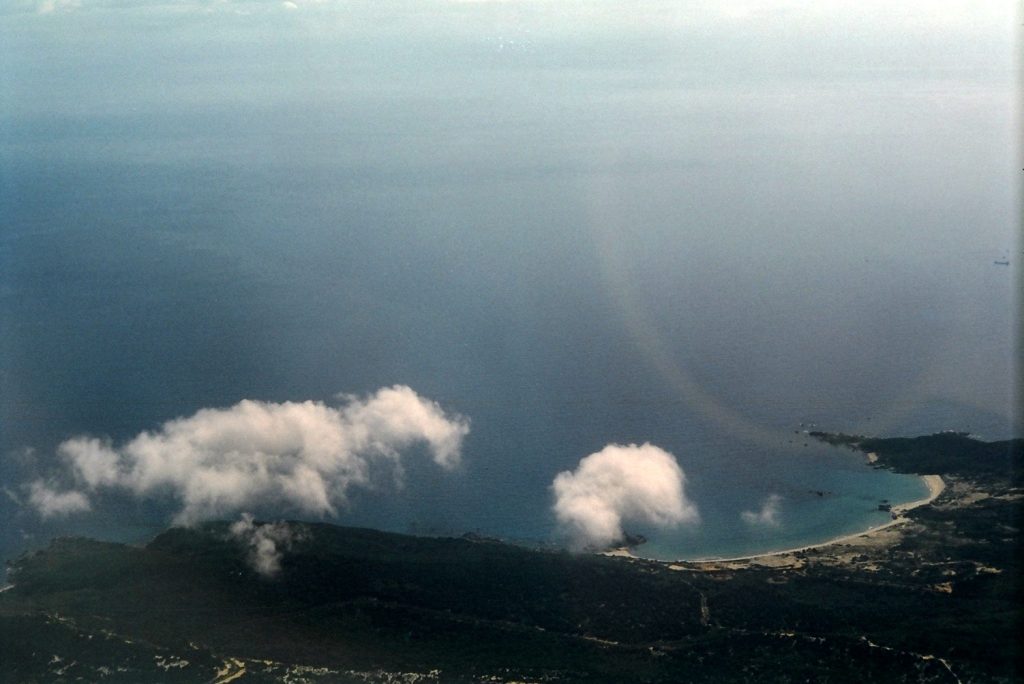
About 28 miles south of Nha Trang, Cam Ranh Bay is considered one of the finest natural deep-water harbors in the world, spanning nearly 23 square miles with depths averaging 60 feet. The bay’s strategic importance meant it stayed off-limits to tourists for decades, which inadvertently kept its beaches pristine.
Today, spots like Bai Dai beach offer powdery white sand and turquoise waters without the crowds that pack Nha Trang’s main strip.
Van Phong Bay
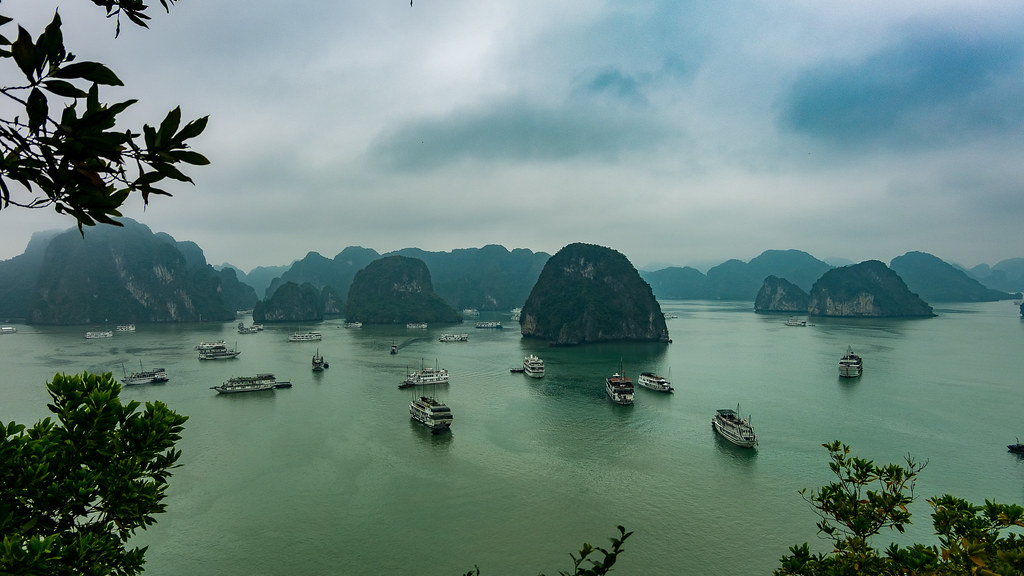
About 50 miles north of Nha Trang, Van Phong remains one of Vietnam’s best-kept coastal secrets. The bay encompasses 28 islands and dozens of smaller inlets, with the added bonus of Mui Doi, the easternmost point of mainland Vietnam where you can catch some of the country’s earliest sunrises.
The coral reefs here teem with marine life, and the lack of major development means the fishing villages dotting the shoreline still operate much as they have for generations.
Vinh Hy Bay
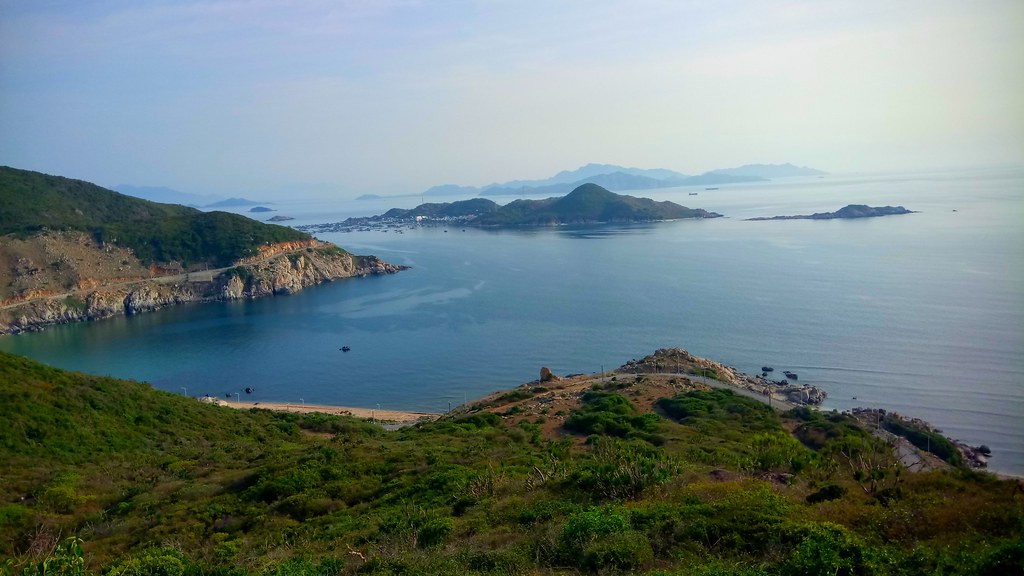
Framed by the dramatic cliffs of Chua Mountain and recognized as one of Vietnam’s four most beautiful bays, Vinh Hy sits about 26 miles northeast of Phan Rang in Ninh Thuan Province. The seawater here is so clear you can spot fish and coral from the surface, which explains why glass-bottom boat tours have become popular.
The winding coastal road leading to the bay is an attraction in itself, offering sweeping views that rival anything you’d find in the Greek islands.
Ninh Van Bay
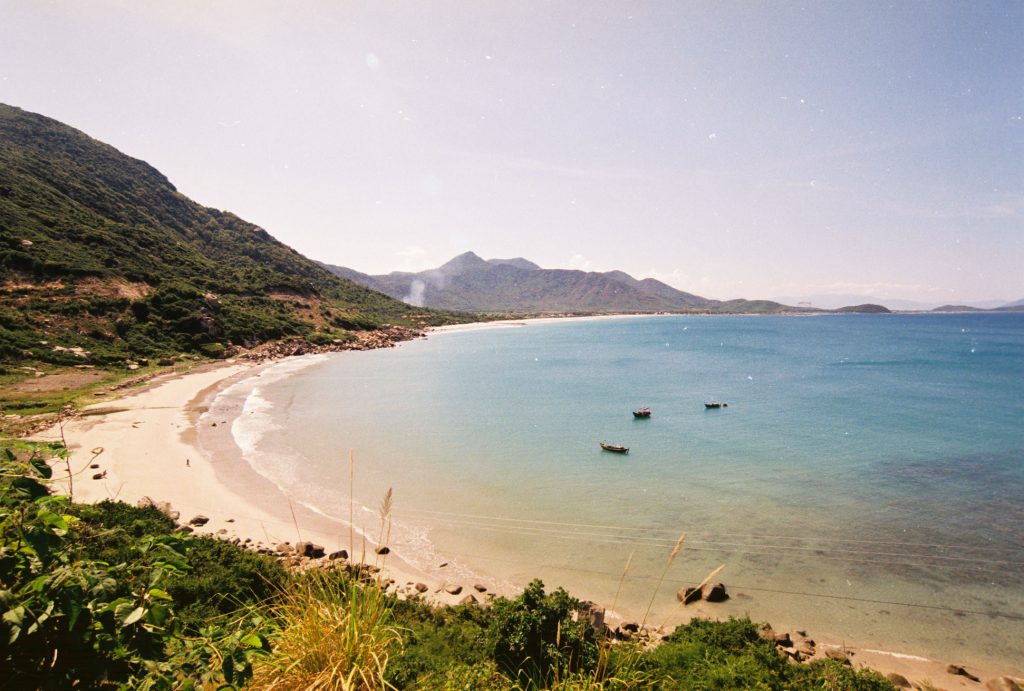
Accessible only by boat from Nha Trang, Ninh Van Bay occupies a secluded stretch of the Hon Meo Peninsula where luxury resorts have set up shop without spoiling the wilderness. The landscape here feels almost prehistoric, with giant boulders scattered along the shoreline and dense jungle climbing the hillsides.
Swimming, snorkeling among colorful coral, and simply doing nothing at all are the main activities, and honestly, that’s the whole point.
Vung Ro Bay
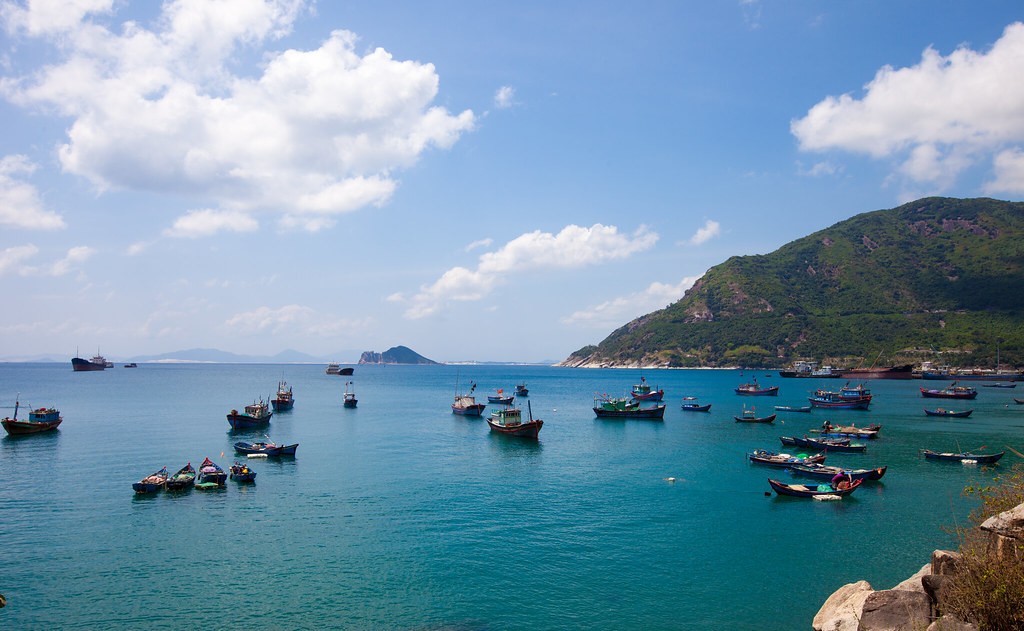
Surrounded on three sides by mountains at the foot of Ca Pass, Vung Ro Bay covers about 6 square miles in Phu Yen Province and carries significant historical weight. During the Vietnam War, this sheltered bay served as a secret drop point along the Ho Chi Minh Trail at sea, and today a monument honors those clandestine supply runs.
Beyond the history, Bai Mon beach draws visitors with its clear waters and the Mui Dien lighthouse, one of the oldest in Vietnam, offering panoramic views from its perch on the cape.
Xuan Dai Bay
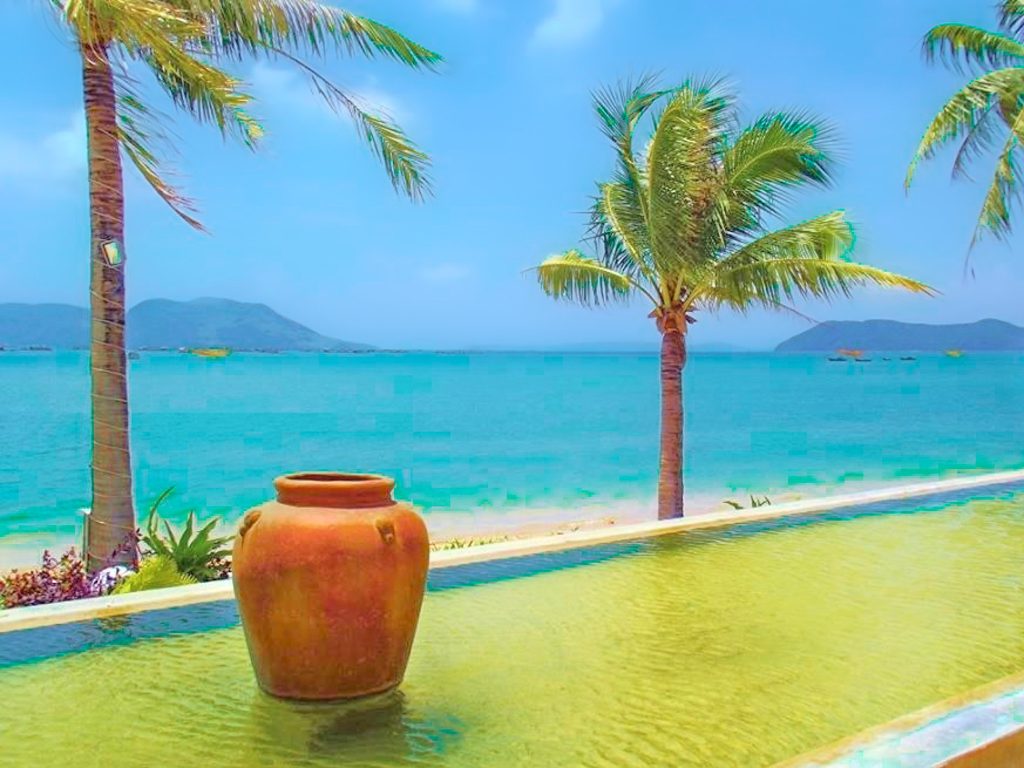
Spanning roughly 13,000 hectares in Phu Yen Province, Xuan Dai Bay was named one of Vietnam’s top 10 most beautiful bays in 2014 and designated a National Scenic Site. The bay’s entrance stretches about 2.7 miles wide, leading into a 30-mile coastline dotted with fishing villages, coconut groves, and landmarks like Ganh Den lighthouse with its distinctive pink cliffs.
Standing at the top of Gang slope on Highway 1A, you can take in the entire sweeping panorama, and it looks like something out of a painting.
Da Nang Bay
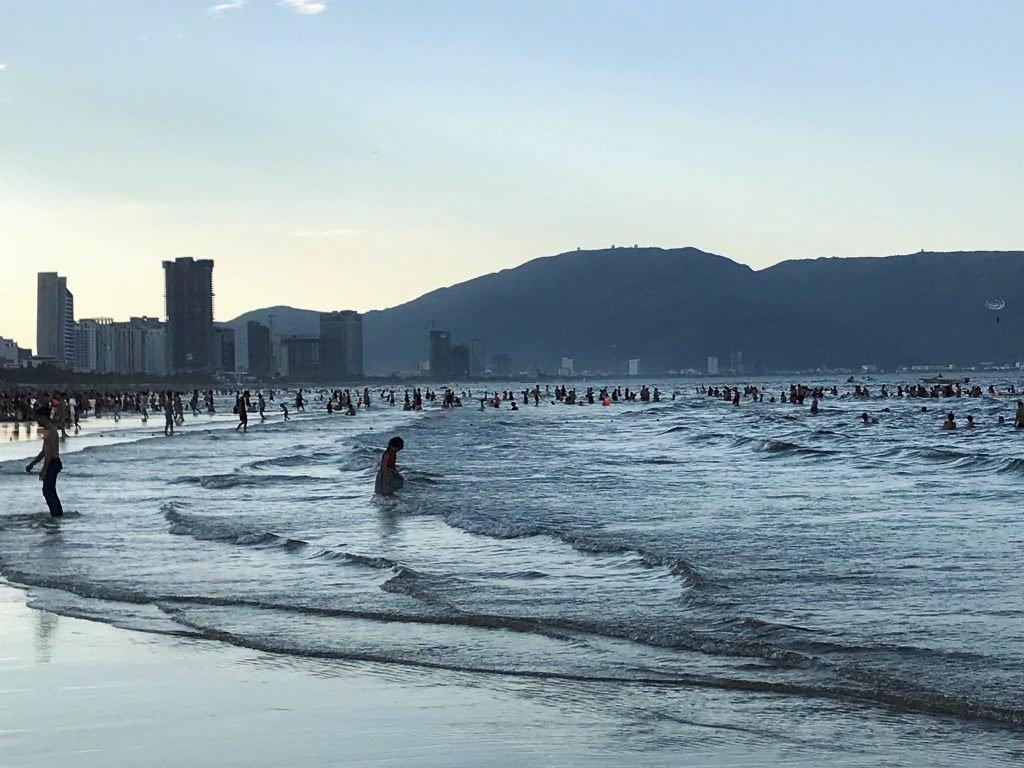
Framed by the Son Tra Peninsula to the east and the Hai Van mountains to the northwest, Da Nang Bay covers about 45 square miles with a 29-mile coastline that includes some of Vietnam’s most celebrated beaches. My Khe Beach, which stretches along the bay’s southern shore, was once an R&R spot for American soldiers who called it China Beach and later rated it among the world’s most beautiful.
The bay offers calm waters year-round, making it equally suitable for swimming, surfing, and simply watching the sunrise paint the Son Tra Peninsula in shades of gold.
Ha Tien Bay
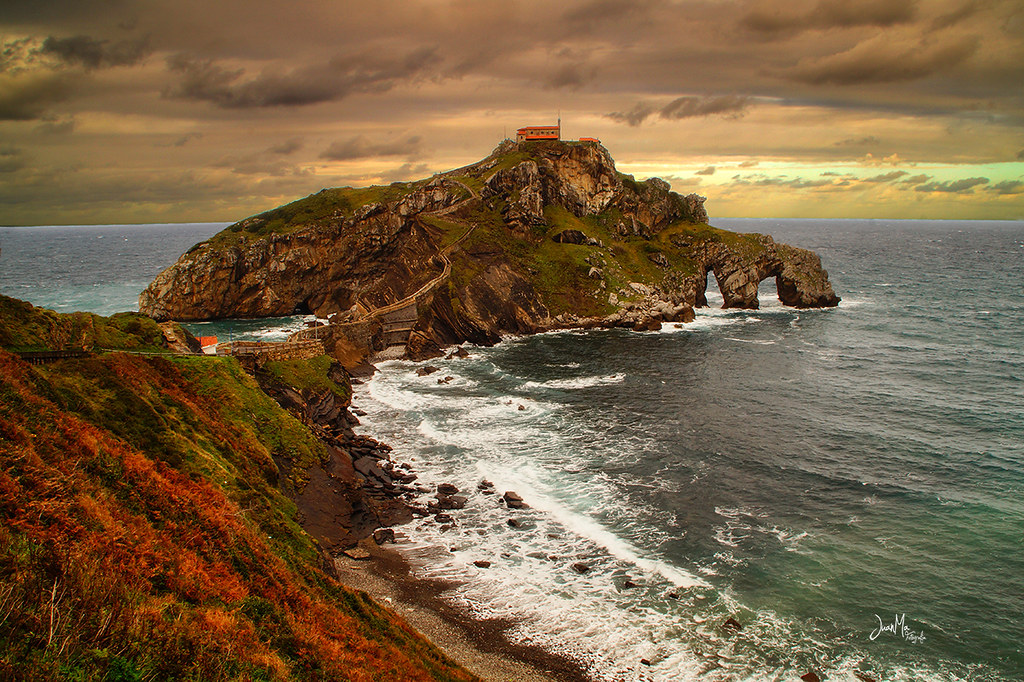
Down in the Mekong Delta near the Cambodian border, Ha Tien Bay breaks from the typical Vietnamese bay mold with its 105 islands scattered across waters that feel distinctly different from the central coast. Hon Nghe island has developed into a fish-farming hub while also welcoming curious travelers, and the surrounding landscape mixes mountains, sea, islands, and fertile delta in a way unique to this corner of the country.
The local seafood here reflects that diversity, drawing visitors from across the region.
Marina Bay (Song Dinh Bay)
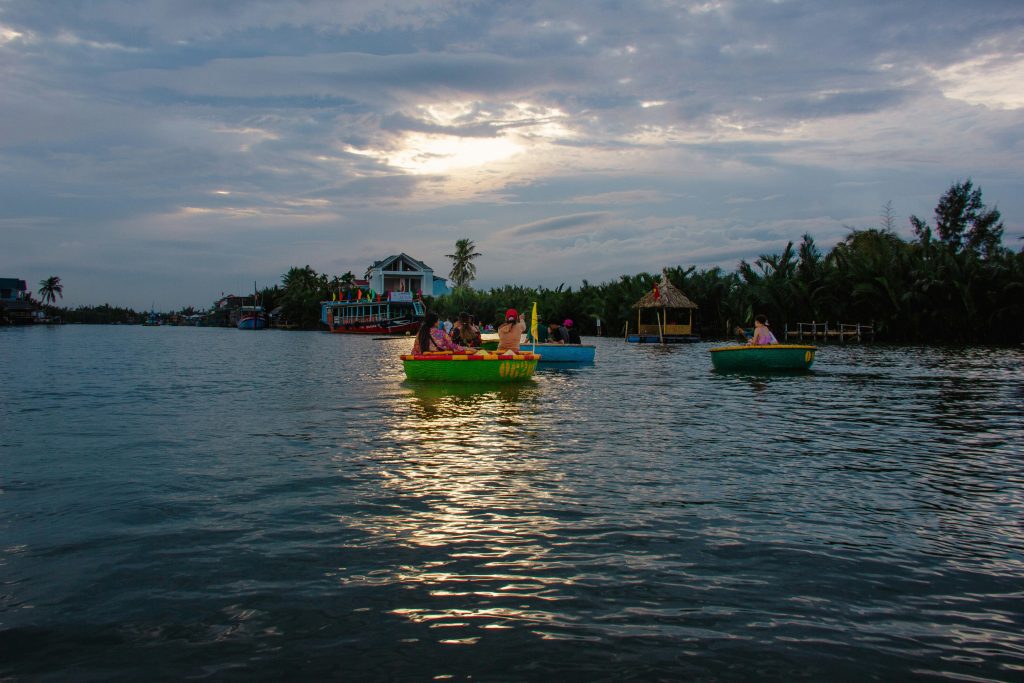
On the Vung Tau peninsula, roughly 75 miles from Ho Chi Minh City, Marina Bay offers city dwellers a quick coastal escape with views of offshore drilling rigs, shipyards, and islands that tell the story of Vietnam’s maritime economy. Long Son and Go Gang islands sit within easy reach by speedboat, offering sandy beaches, simple seafood shacks, and a glimpse into fishing village life.
The contrast between industrial port activity and quiet island retreats gives this bay a character all its own.
Dung Quat Bay
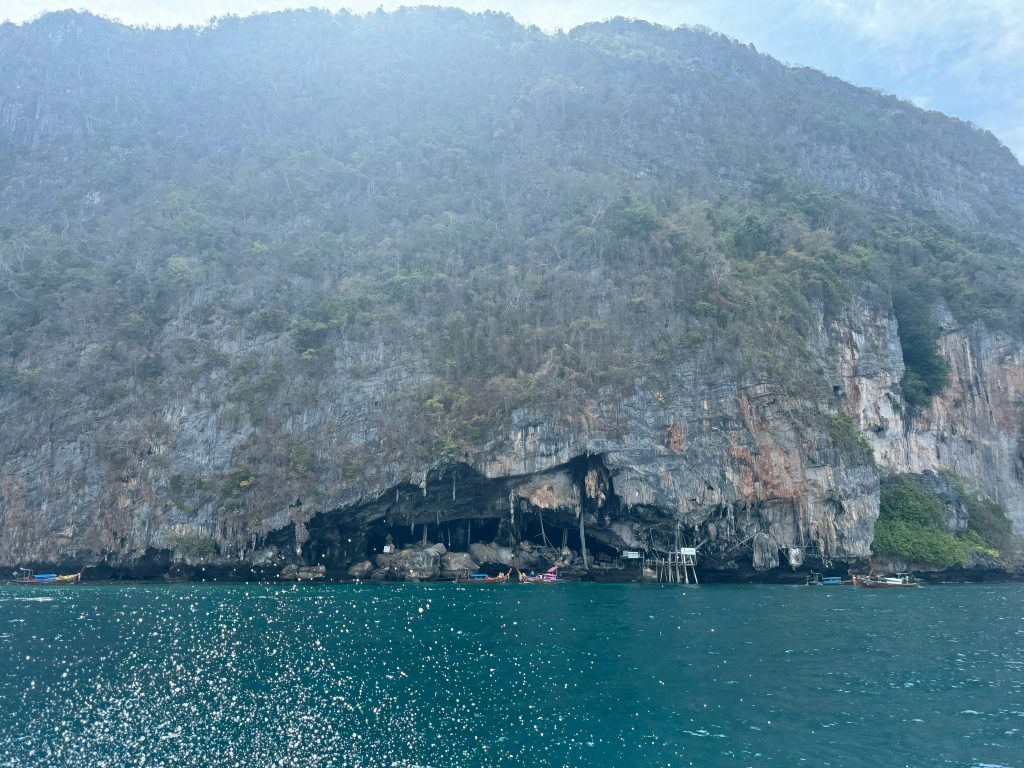
Located in Quang Ngai Province’s Binh Son District, Dung Quat Bay combines industrial significance with surprising natural appeal. The bay hosts Vietnam’s first oil refinery, but venture beyond the port infrastructure and you’ll find stretches of untouched shoreline where locals swim, collect shellfish, and launch decorated boats during the annual racing festival held on January 4th.
Hon Ba and Hon Ong islands nearby offer quieter exploration for those willing to arrange a boat.
Cu Mong Lagoon
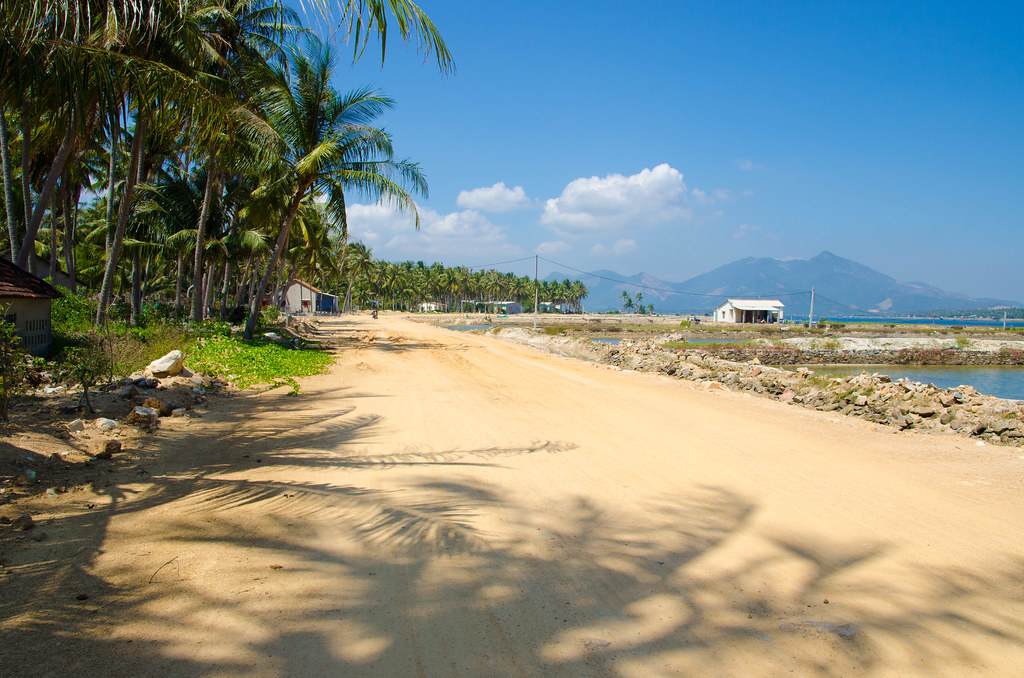
Technically a lagoon rather than an open bay, Cu Mong sits adjacent to Xuan Dai Bay in Phu Yen Province, separated from the sea by the Xuan Thinh Peninsula. The calm, shallow waters have supported generations of fishing families and aquaculture operations, giving the area an authentically working-class coastal character.
Watching the fishing coracles head out at dawn or sampling fresh oysters pulled straight from the water connects you to a Vietnam that feels miles away from the resort beaches further south.
Where the tides meet tomorrow
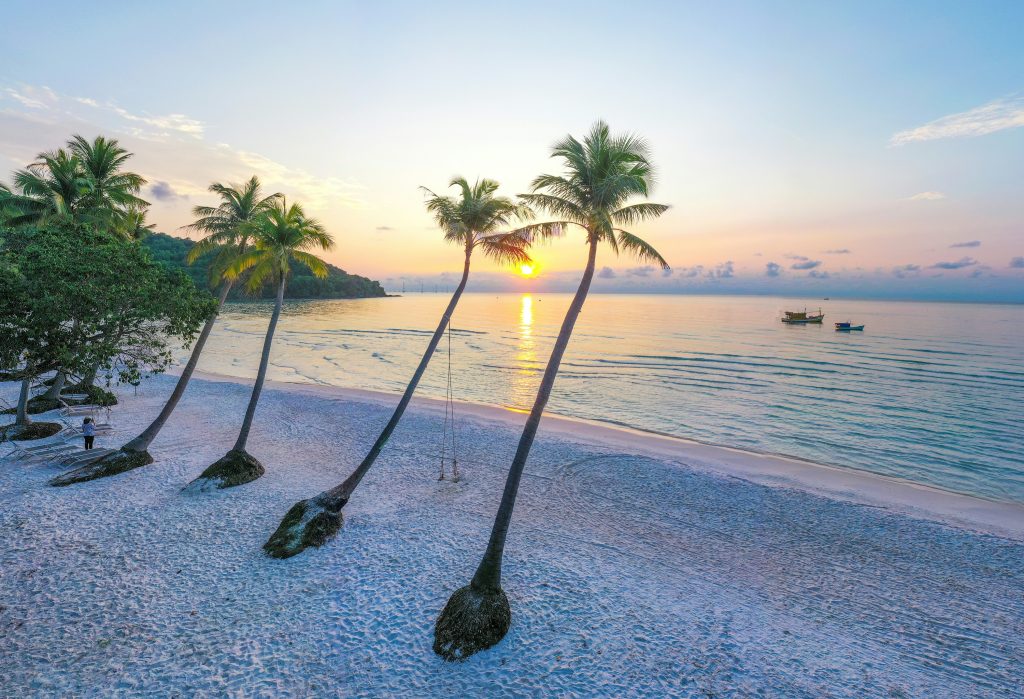
Vietnam’s coastal identity runs far deeper than any single famous bay, and these waters prove it. From the karst-studded reaches of the northeast to the lagoon-laced shores of the central coast and the island-scattered southwest, each bay carries its own rhythm, its own story, its own particular shade of blue.
The best part is that most international visitors haven’t discovered them yet, which means the fishing villages still fish, the sunrises still feel like secrets, and the beaches still remember what quiet sounds like.
More from Travel Pug

- Underrated Italian Towns That Beat the Tourist Crowds
- Las Vegas Tourist Traps to Skip
- Prettiest Towns in Every US State
- 18 passport-free countries for Americans
- Signs Your Cruise Is Not Worth The Cost
Like Travel Pug’s content? Follow us on MSN.