

Most visitors to Marrakesh see only what glitters in the guidebooks — the bustling souks, the famous squares, the well-trodden palace tours. But step beyond the postcard scenes, and you’ll discover that locals guard their own treasures with quiet pride. Here are 15 hidden gems that reveal the real heartbeat of the Red City, places where authentic Marrakesh still thrives away from the tourist trails.
Dar Bellarj
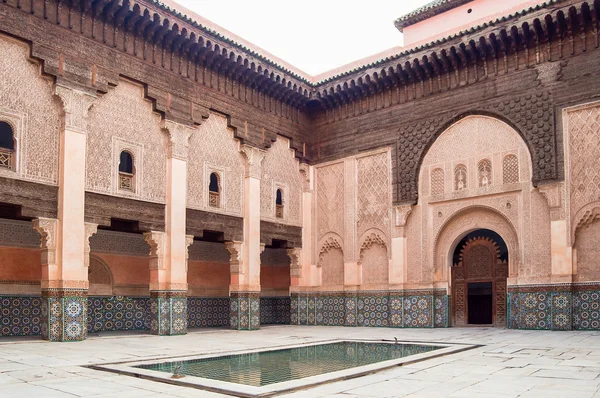
Tucked beside Ali Ben Youssef Medersa, this former sanctuary for injured storks now serves as an arts foundation preserving Moroccan heritage. Walk through the doorway and you’re instantly transported into a gracious courtyard surrounded by white-washed colonnades.
Entry is free, and rotating exhibitions showcase everything from Berber tattoos to traditional calligraphy. The peaceful atmosphere makes it perfect for escaping the medina’s frenetic energy with a cup of mint tea.
Palais Sebban
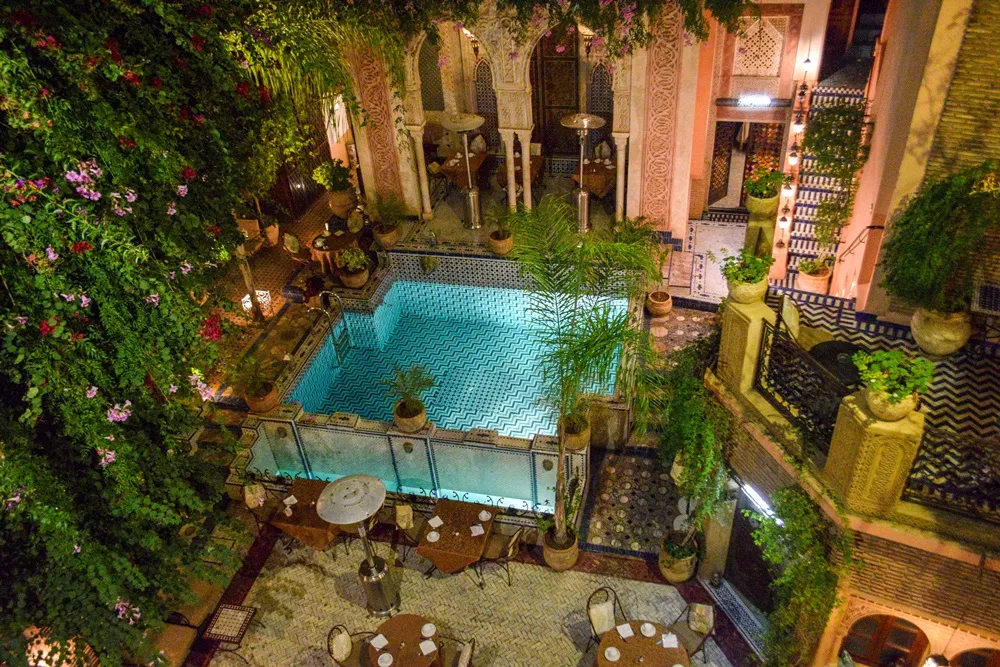
Located in the western medina on a very quiet street where tourists rarely wander unless they know about this location. This palace offers an incredibly beautiful setting for lunch or dinner, complete with a rooftop terrace overlooking Marrakesh.
No reservations needed — just tell the guard at the entrance that you came to dine. The views alone make the visit worthwhile.
Like Travel Pug’s content? Follow us on MSN.
Mellah spice market

Away from the chaos of the main souks, the Mellah district holds a spice market that feels frozen in time. This is where locals actually buy their cooking spices, not the tourist-focused stalls near Jemaa el-Fna.
Vendors here offer genuine tastes of ras el hanout and wild herbs without the hard sell. There’s no hard sell, just friendly chatter and deep knowledge passed down through generations. The aromas alone transport you to another world.
Mechoui alley

Not for the squeamish. Located behind the olive market, this is where those in the know head to dine on fragrant slow-roasted lamb. Each hole-in-the-wall shop has a pit where lamb slow-roasts on wood fires until it falls off the bone.
The hole-in-the-wall food stands are staffed by white-robed men and run by generations of the same families. Order the cumin-scented meat and watch daily life unfold around you.
Riad Yima boutique and art gallery

Hidden down a quiet alley, this space is curated by local artist Hassan Hajjaj and showcases everything from photography to funky decor. Part boutique, part exhibition space, it’s completely free to enter and explore.
The colorful shady tea terrace offers beautiful spots for mint tea. And if you’re lucky, you might meet Hajjaj himself and hear about his internationally exhibited work.
Like Travel Pug’s content? Follow us on MSN.
Souk el Khemis flea market

Set in two old hangars on the road to Palmeraie, this daily outdoor market is where locals hunt for house treasures. One section exclusively sells ancient cedar doors and wrought-iron windows, while smaller shops offer everything imaginable.
Legend has it that furniture from luxury hotel La Mamounia ends up here after renovations. Browse at your leisure — no tourist pressure here.
Traditional bread ovens

Every neighborhood in Marrakech has one bread oven that supplies bread to both businesses and homes in the area. The ovens are room-sized, and watching the baking process feels like stepping back in time.
Next to bread ovens, you’ll usually find a hammam (they keep each other warm, as they both operate by fire). You’ll need a local guide to visit, but the experience is unforgettable.
Koutoubia gardens

While the Koutoubia Mosque is far from hidden, many visitors overlook the beautiful gardens behind it. These palm-lined paths offer a lovely spot for picnicking or quiet evening strolls.
It’s especially magical in the early evening when the call to prayer echoes across the gardens. Free entry makes this an accessible escape from medina chaos.
Like Travel Pug’s content? Follow us on MSN.
Hammam Mouassine

Rather than fancy spa-like experiences, this historic hammam offers authentic traditional treatments. The atmosphere is purely local — expect basic surroundings but genuine traditional techniques.
But communication can be challenging. While the payment handler speaks English and French, the actual therapists often don’t. The language barrier actually adds to the authentic experience.
Riad Elisa spa
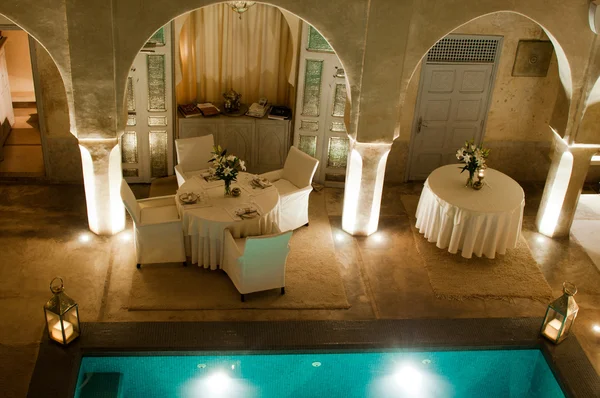
Not a famous riad, but it has a fantastic spa and traditional hammam that stays empty when touristy hammams are booked weeks in advance. The real bonus is the beautiful pool area with loungers and tranquil music.
After any treatment, visitors can spend as long as desired in this relaxing zone. Prices match everywhere else, but you get the peaceful atmosphere for free.
Le Trou Au Mur restaurant

Hidden in Riad Farnatchi, this restaurant steps outside regular tajine and couscous offerings. The name means “hole in the wall” in French, which perfectly describes its tucked-away location.
The space is lined with stucco and portraits from the nearby Photography Museum. You’ll need to navigate the medina’s labyrinth to find it, but that’s half the adventure.
Like Travel Pug’s content? Follow us on MSN.
Local smoothie stall

Discovered by noticing a massive crowd of locals queuing for smoothies, this unnamed stall serves the cheapest and best smoothies for just 5 dirhams. The location isn’t on Google Maps, making it a true local secret.
These drinks become addictive. The quality and price combination means you’ll likely return daily. Finding it requires some detective work, but locals will point the way.
Sidi Ghanem design district

This area houses places like Jajjah by Hassan Hajjaj — a cross between tea salon, concept store, and art gallery. Music constantly plays while local artists’ pieces cover walls mixing Pop Art with traditional Moroccan design.
It’s tempting to stick to the medina streets, but that means missing out on the city’s design district. The contrast from old to contemporary Marrakesh is striking.
Bacha Coffee at Dar el Bacha Palace

This palatial coffee café showcases about 40 shiny tins of coffee from practically any region in the world. The brand was originally founded in Marrakech in 1910, bringing the story full circle.
Fair warning though — it’s filter coffee only here, so don’t expect flat whites. The setting inside the historic palace makes up for any beverage limitations.
Like Travel Pug’s content? Follow us on MSN.
Photography Museum rooftop

This museum houses thousands of photographs from Morocco’s past when the country was closed to tourism. But the real treasure is upstairs — a spacious rooftop terrace with panoramic views where you can order juices and Moroccan tea with desserts.
The museum itself provides fascinating glimpses into old Morocco. The collection showcases Morocco from the 1870s to the 1950s. Perfect for photography enthusiasts and history lovers alike.
The quiet magic continues

These hidden corners of Marrakesh prove that the city’s greatest treasures often lie behind unmarked doors and down forgotten alleys. While tour groups cluster around famous attractions, locals move through their own networks of secret spots, traditional gathering places, and authentic experiences that have remained largely unchanged for generations. The real Marrakesh reveals itself not in the guidebooks, but in the quiet moments when you stumble upon these local sanctuaries.
More from Travel Pug

- 20 Best Beach Towns in the Carolinas
- 13 Destinations Where Tourists Regularly Regret Their Trip
- 20 Things You Actually Get in First Class
- 20 Small Airports With Aviation Museums
- 20 Places in the U.S. That Are Perfect for a Reset Trip
Like Travel Pug’s content? Follow us on MSN.