

The Stelvio Pass climbs to 2,757 meters through 48 numbered hairpin bends, earning its reputation as one of the world’s most challenging drives. But this Italian giant is just one of dozens of spectacular Alpine passes that snake through Europe’s most dramatic mountain range. From Switzerland’s glacier-carved routes to Austria’s engineering marvels, these mountain crossings offer driving experiences that range from heart-stopping to soul-stirring.
Here’s a list of the most rewarding Alpine passes that deserve a place on any serious driver’s bucket list.
Stelvio Pass
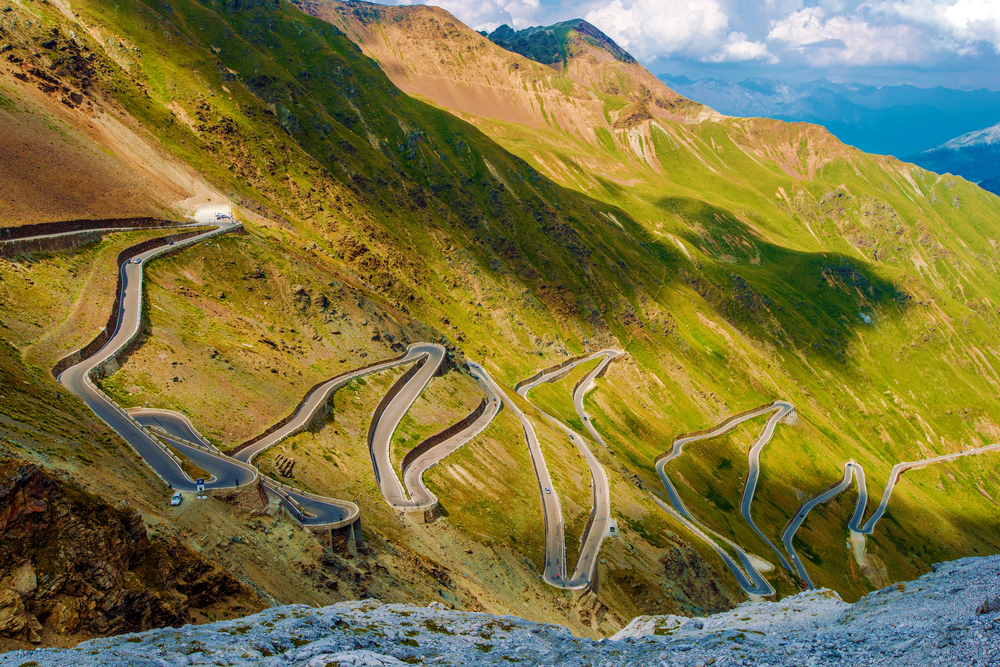
The Stelvio earned global fame after Top Gear called it “the greatest driving road in the world” back in 2008. This 29-mile route between Prato allo Stelvio and Bormio features 60 hairpin turns in total, with the northern face delivering the most dramatic ascent.
Getting up early is key to avoiding the crowds that have flocked here since its television debut. And yes, those switchbacks really are numbered. Each one.
Furka Pass
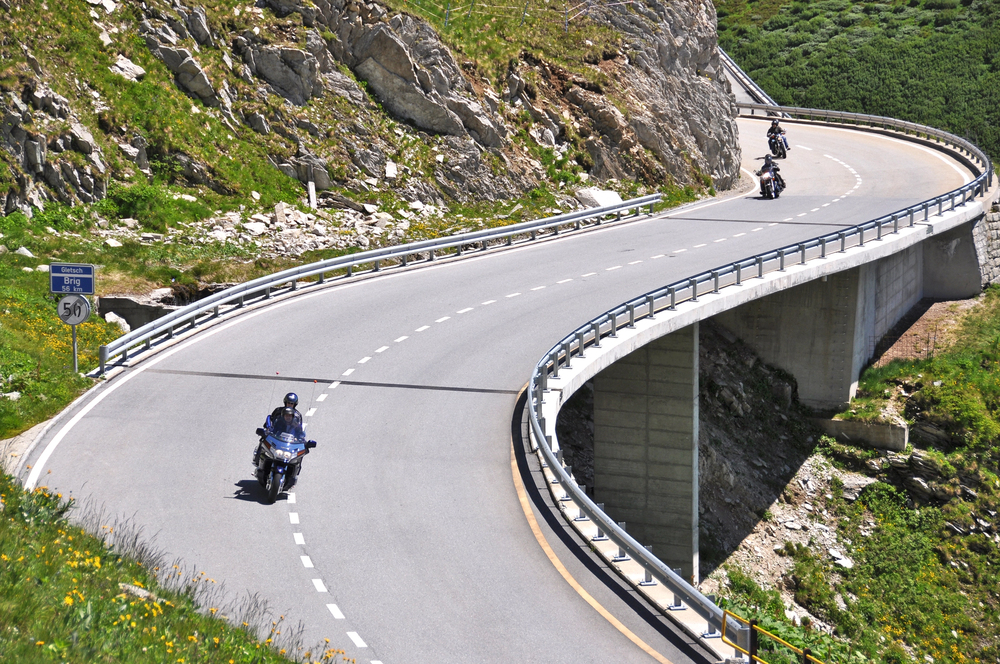
The Furka reached cinematic immortality in 1964 when Sean Connery chased through its curves in an Aston Martin DB5. At 2,430 meters elevation, this Swiss route connects the cantons of Uri and Valais through some of the most pristine Alpine terrain you’ll find.
Near the summit sits the famous Hotel Belvédère, sadly closed since 2015, but the James Bond Straße section still bears his name. The ice grotto carved into the Rhône Glacier has been rebuilt every spring since 1870.
Grossglockner High Alpine Road
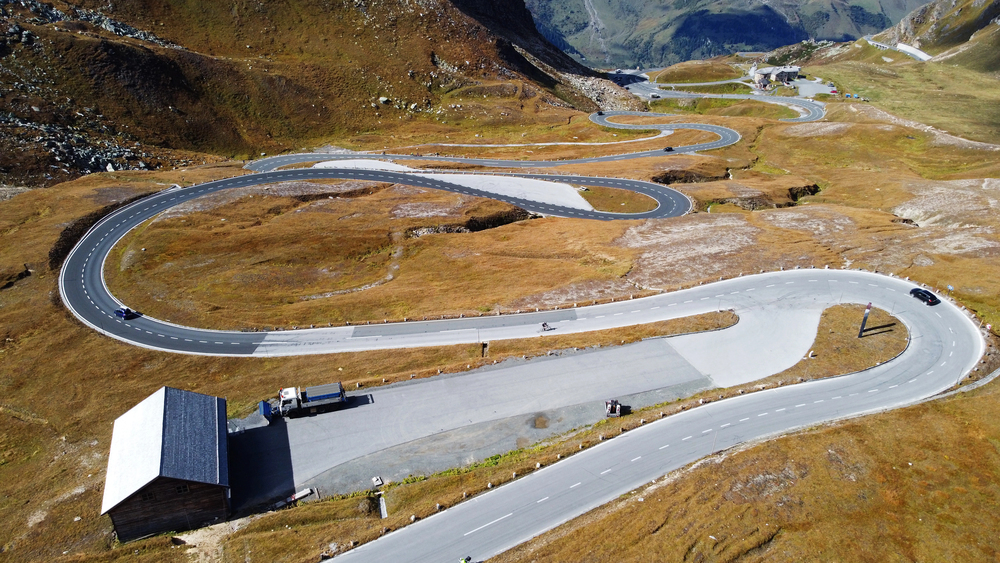
With Austria’s highest mountain towering at 3,798 meters, this route from Bruck am Grossglockner to Heiligenblut presents Alpine grandeur on an almost ridiculous scale. The road itself climbs through landscapes that shift from green valleys to stark, glacier-carved peaks.
Wildlife spotting opportunities abound. Marmots frequently pose for photos at the summit restaurants.
Great St. Bernard Pass
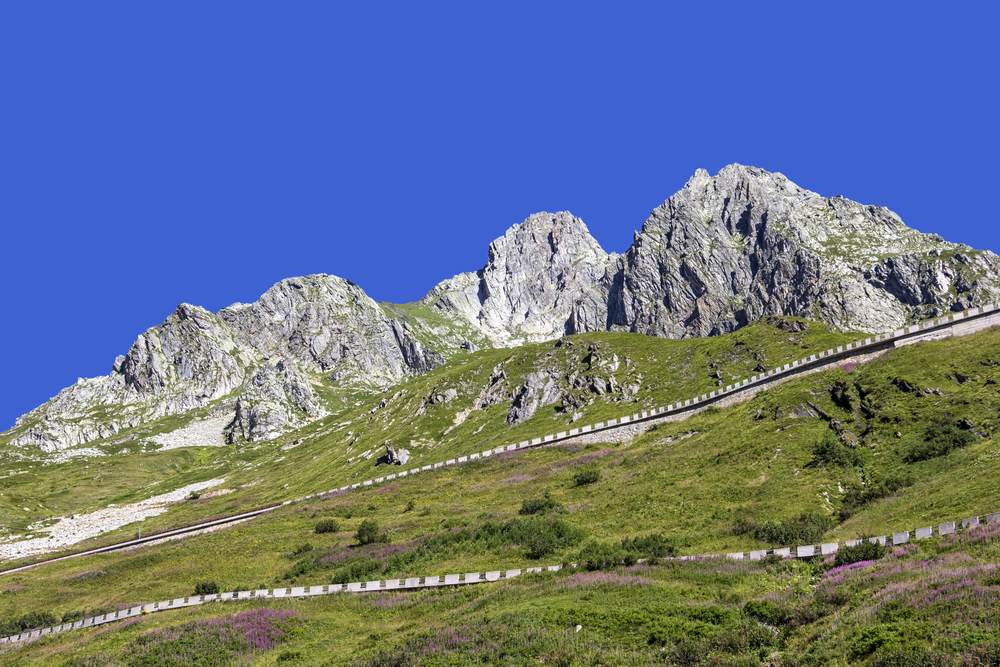
Perhaps the most famous Alpine crossing, the Great St. Bernard reaches 2,469 meters and connects Italy’s Valle d’Aosta with Switzerland’s Valais canton. The pass takes its name from the St. Bernard dogs that once helped stranded travelers alongside the monks.
Romans used this route during the Empire’s peak. Today it’s closed in winter, but summer crossings offer views that have inspired travelers for over two millennia.
Grimsel Pass
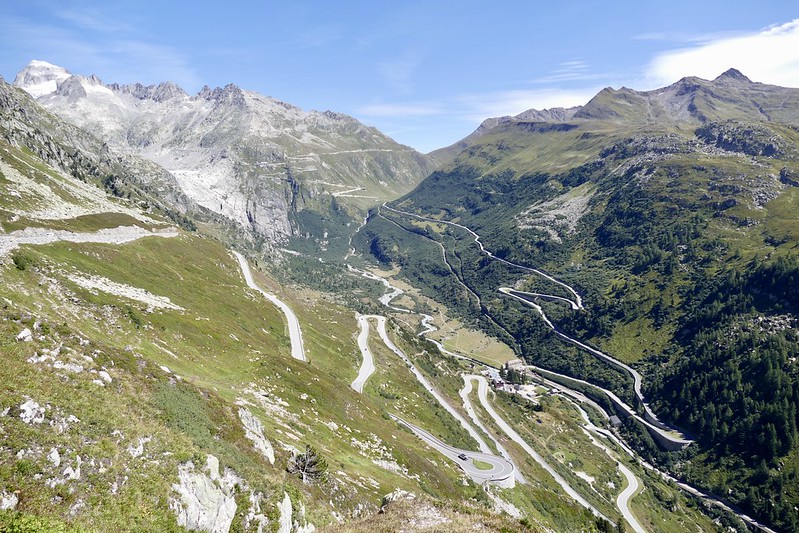
This 24-mile Swiss route usually sees little traffic despite being one of Switzerland’s higher paved mountain roads at 2,164 meters. The drive threads through pristine landscapes with deep valleys that make other Alpine passes seem almost tame by comparison.
The breathtakingly beautiful mountain road makes it an absolute driver’s paradise. Plus, you can actually maintain a decent pace without getting stuck behind tour buses.
Col du Galibier
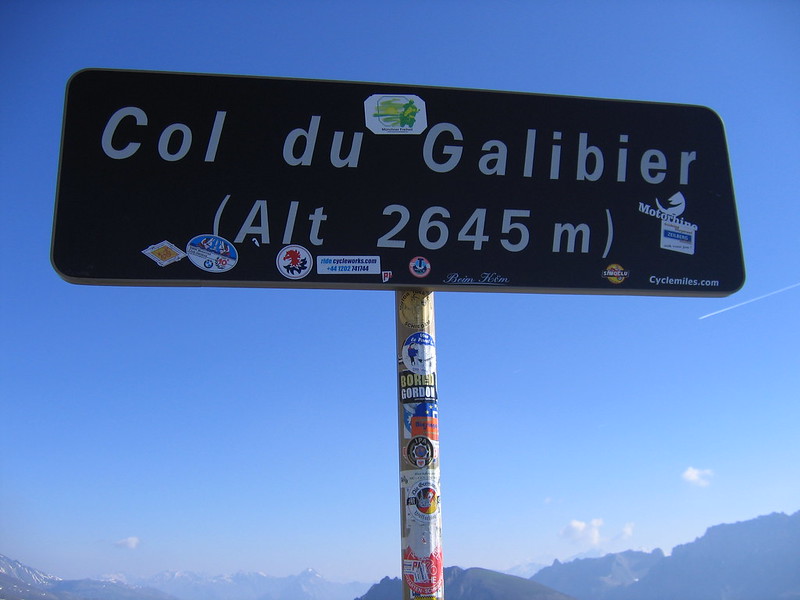
This French mountain pass connects Saint-Michel-de-Maurienne and Briançon, reaching a maximum height of 2,646 meters. Tour de France cyclists know it well because it can only be reached via two other mountain passes — the Col du Lautaret and Col du Télégraphe.
From the viewpoint at 2,704 meters, you can see Mont Blanc, La Meije, and the peaks of the Grand Galibier. The road surface occasionally feels more like a cycling track than a driving route, which makes sense given its pedigree.
Gotthard Pass
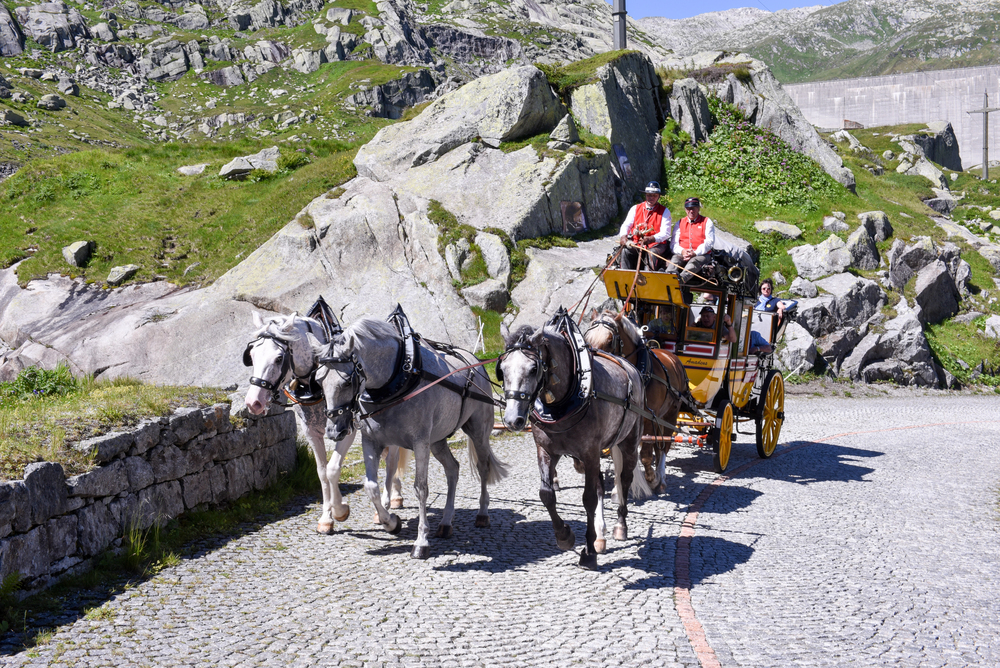
— Photo by Fotoember
Called the “King of the Mountain Passes” for its importance, the Gotthard connects Airolo and Andermatt across 16 miles. When there’s heavy traffic between northern and southern Switzerland, it becomes the faster alternative to the 11-mile Gotthard Tunnel.
Most holidaymakers heading to Italy opt for the tunnel. Their loss.
Bernina Pass
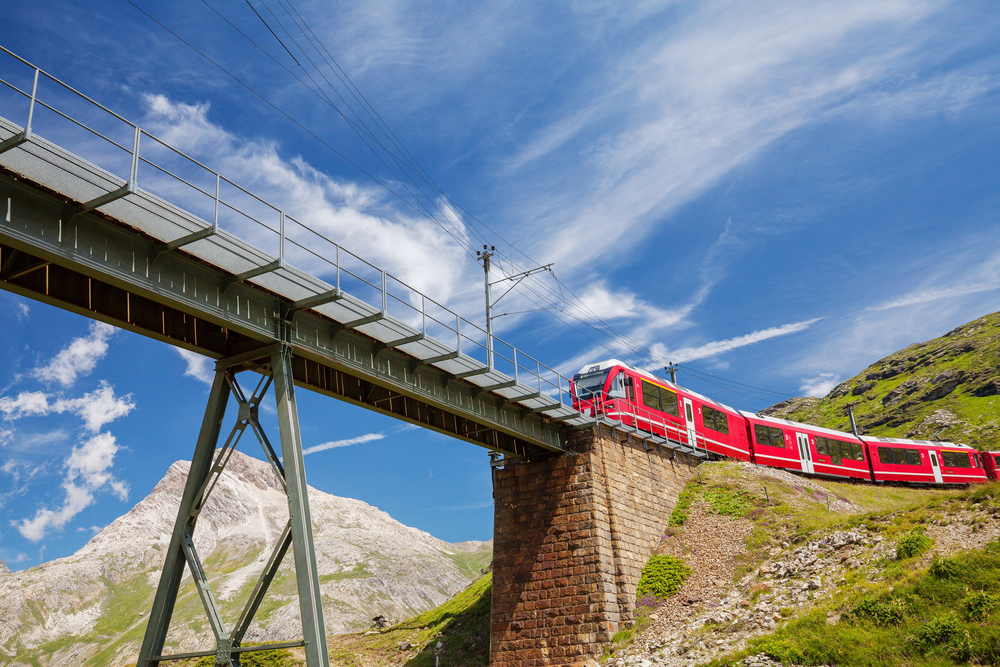
This 34-mile route connects St. Moritz in the Engadine Valley with Val Poschiavo, reaching 2,328 meters and running parallel to the UNESCO World Heritage railway. The drive takes approximately two hours and passes the Lago Bianco — “White Lake” — for most of its length.
Along the way you can enjoy views of the Morteratsch Glacier. St. Moritz boasts 300-plus days of sunshine annually, so timing usually works in your favor.
Susten Pass
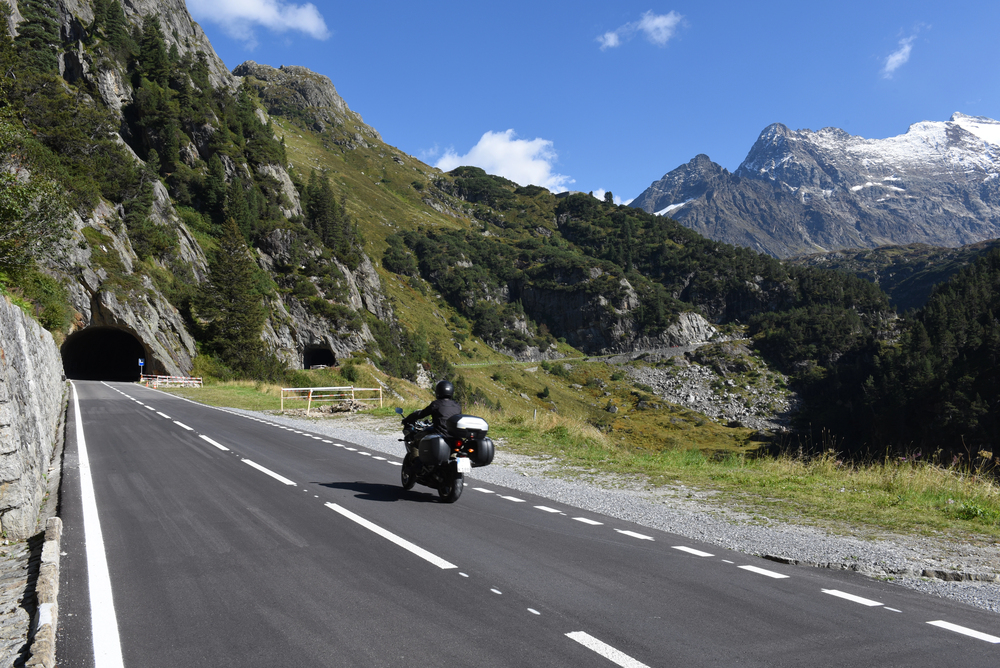
— Photo by Fotoember
Constructed between 1938 and 1946, this pass reaches 2,260 meters and spans 19 miles. It’s generally regarded as Europe’s most scenic mountain pass to drive, with multiple stopping places to take in breathtaking views.
One driving publication from 1948 called it “a valuable redesign of the centuries-old cross-country link between the important Alpine passes of Grimsel and St. Gotthard”. That undersells it considerably.
Sella Pass
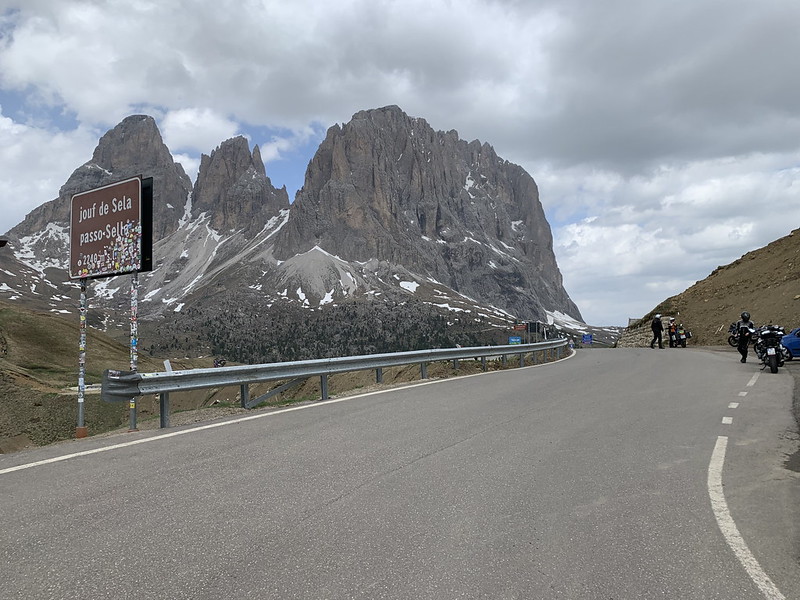
The Sella Pass takes you over the Sella massif in the Dolomites, connecting Valle di Fassa with Val Gardena at 2,236 meters. Four roads surround this plateau-shaped rock formation: the SS48/SS242 (Sella Pass), SS243 (Gardena Pass), SS244 (Campolongo Pass), and SS48 (Pordoi Pass).
You can admire the three peaks of the Sasso Lungo massif, the Sella massif, and the peaks of the Marmolada. Starting at Canazei and working clockwise, the roads are fantastic, the bends amazing, and the scenery magnificent.
Simplon Pass
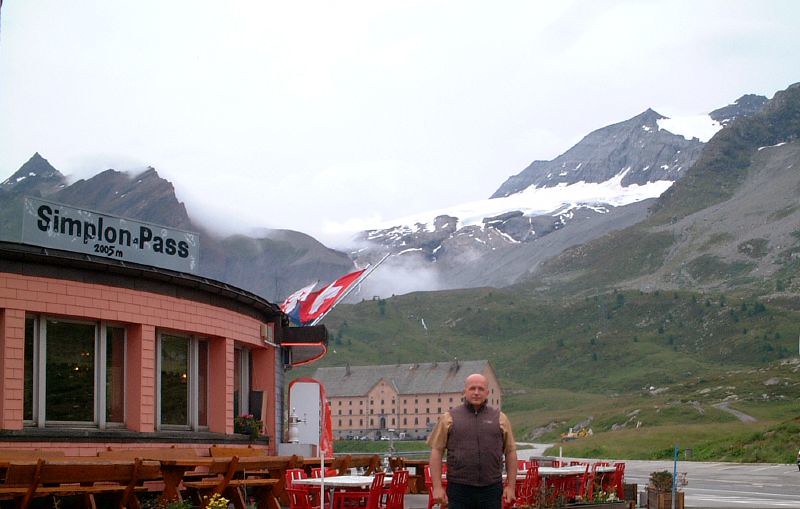
Stretching from Brig to the Italian town of Domodossola, this pass provides access to Switzerland’s southern neighbor. It offers a less perilous drive than other Alpine passes, built on the mountain’s contour rather than engineered for expediency.
Sometimes the gentler approach proves more rewarding than the adrenaline-pumping alternatives.
Gavia Pass
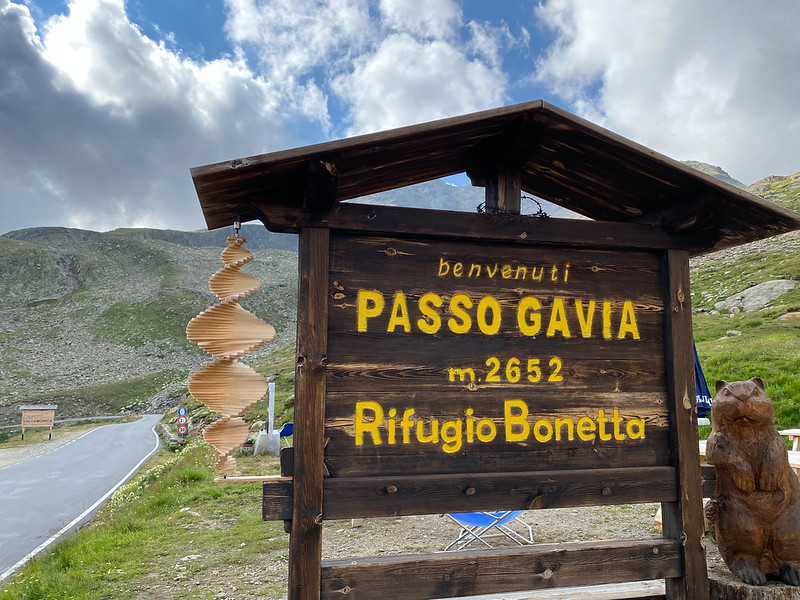
Almost everyone has heard of nearby Stelvio Pass, but very few know about Gavia Pass. The SS300 runs south from Bormio to Ponte di Legno for about 26 miles at 8,701 feet, with fast sweeping bends, tight hairpins, a glacier, and magnificent views.
The best reason it ranks highly is that it has very little traffic, as most drivers are drawn toward nearby Stelvio Pass, leaving Gavia relatively quiet. Hidden gems sometimes hide in plain sight.
Splügen Pass
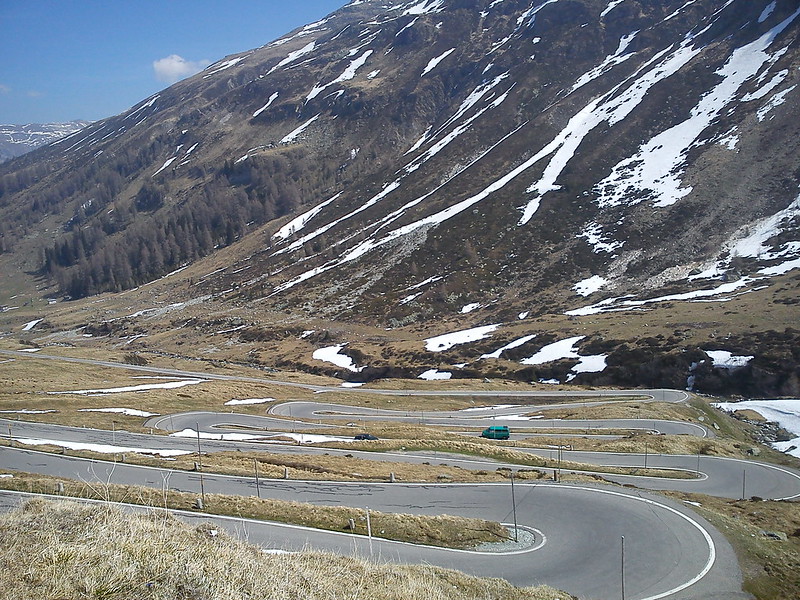
On the northern side, the road climbs through a series of hairpin bends in quick succession while remaining in Switzerland. The southern side crosses into Italy and becomes the SS36, passing Lake Montespluga before reaching a section as dramatic as it is twisty.
Romans certainly knew this pass, making it one of the few Central Alpine routes with ancient pedigree. Road engineering has improved considerably since then.
Timmelsjoch High Alpine Road
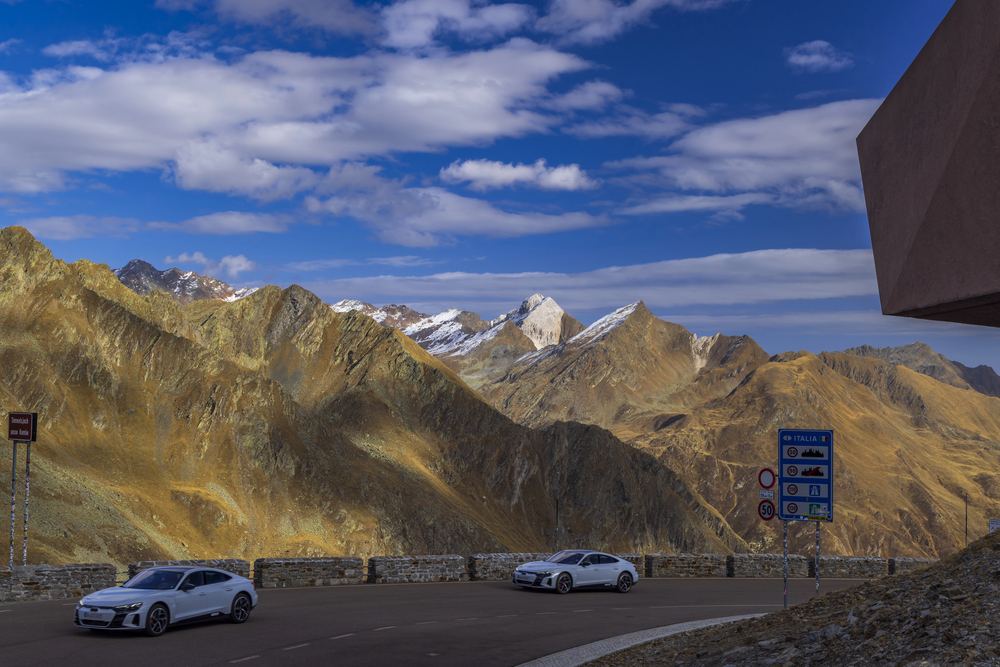
This route connects Sölden in the Ötztal with Meran in South Tyrol, requiring tolls on the Hochgurgl-Moos section. A mountain road with about 60 hairpin bends takes you through beautiful mountain terrain.
The toll booth operators have probably seen every reaction to the bill. Budget accordingly.
Col de la Bonette
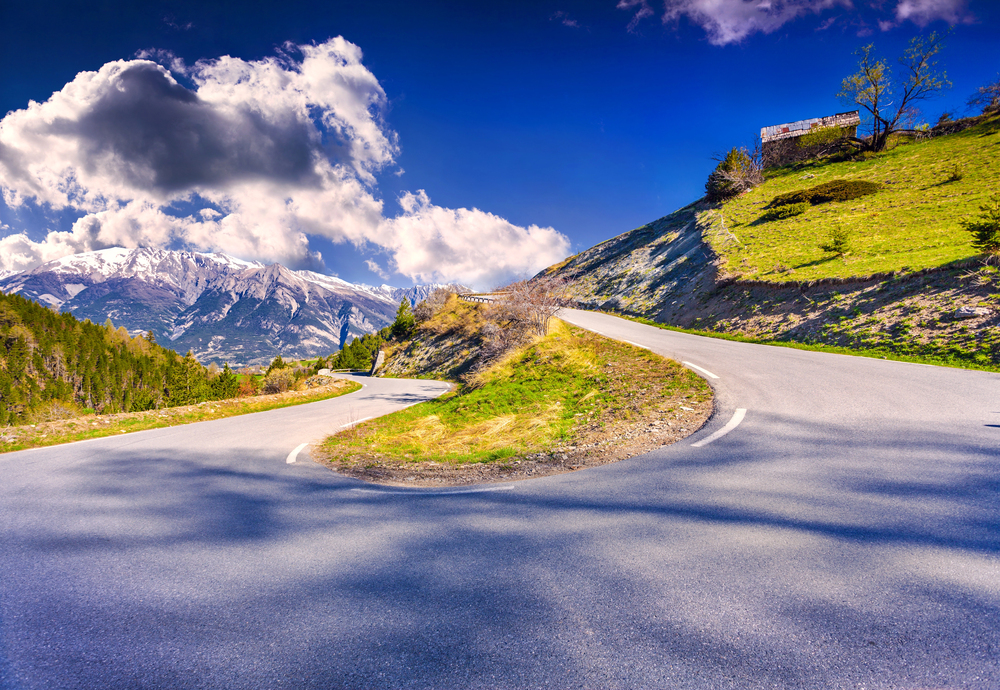
Located in France’s Maritime Alps and Mercantour National Park, this pass claims to be the highest paved road in Europe. The claim isn’t actually true — Spain’s Pico de Veleta tops out considerably higher at 3,369 meters. But it’s still one hell of a road.
Drivers climbing high into this Alpine pass are treated to panoramic views of surrounding mountains and valleys. Sometimes second place delivers first-class experiences.
Conquering the peaks
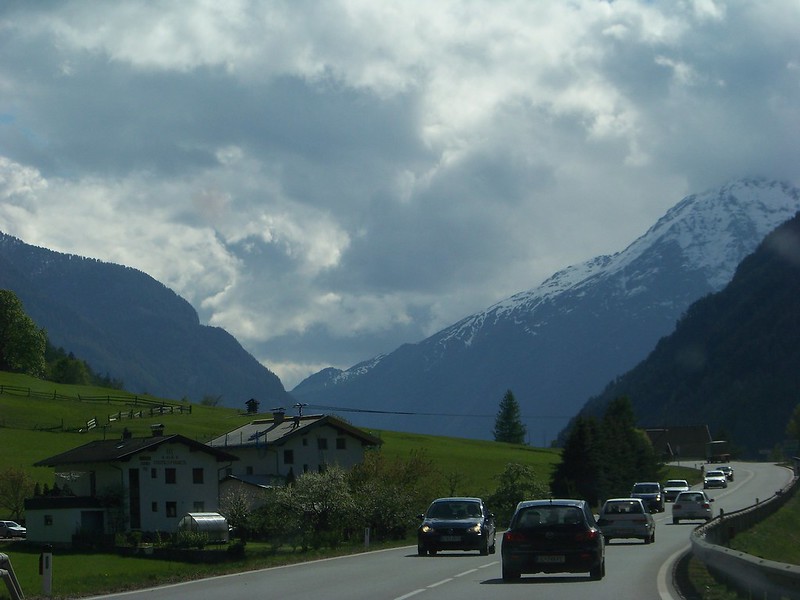
These incredible high passes provide driving enthusiasts with miles of snaking tarmac across challenging terrain and enough adrenaline for even the most daredevil of Alps drivers. Whether you’re chasing the perfect sunrise photo from Stelvio’s summit or discovering the quiet magnificence of Gavia Pass, these routes transform ordinary road trips into extraordinary Alpine adventures.
More from Travel Pug

- Underrated Italian Towns That Beat the Tourist Crowds
- Las Vegas Tourist Traps to Skip
- Prettiest Towns in Every US State
- 18 passport-free countries for Americans
- Signs Your Cruise Is Not Worth The Cost
Like Travel Pug’s content? Follow us on MSN.