

Everyone dreams of Paris, Rome, and Barcelona.
These cities have earned their fame with iconic landmarks and centuries of history.
But Europe’s real magic often hides in places most travelers overlook, where you can wander cobblestone streets without fighting crowds, discover architectural gems without waiting in lines, and experience authentic local culture instead of tourist traps.
These lesser-known cities pack just as much punch as their famous neighbors, offering stunning architecture, rich history, incredible food scenes, and unique experiences that will make your travel stories stand out.
Here is a list of 20 European cities that deserve way more attention than they get.
Ljubljana
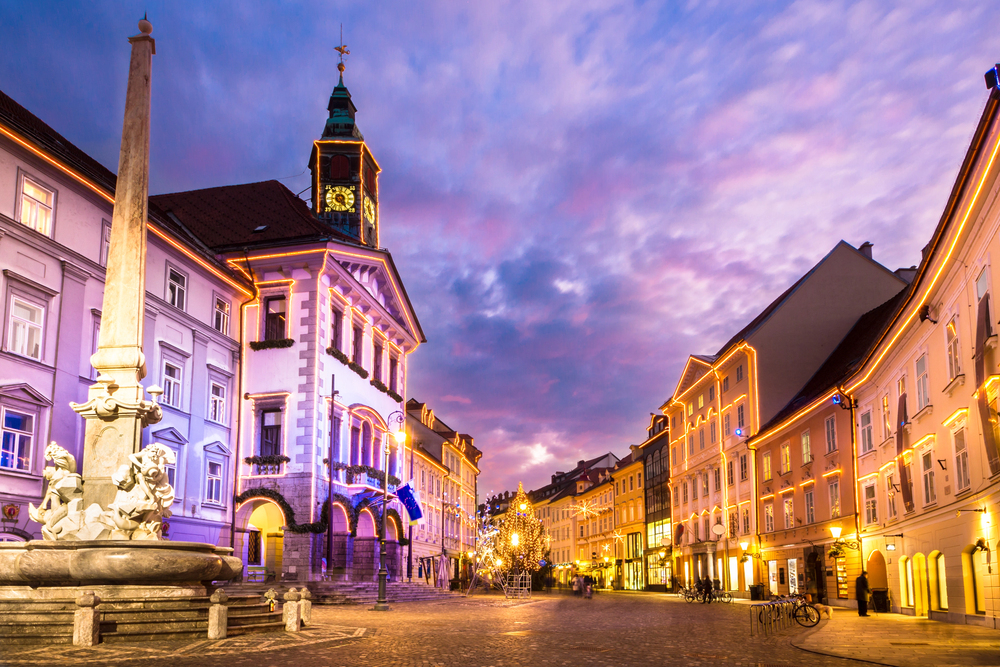
Slovenia’s capital feels like a fairy tale that somehow stayed off everyone’s radar.
The Ljubljanica River winds through the heart of the city, crossed by the Dragon Bridge with its iconic winged guardians that have become the city’s symbol.
Ljubljana Castle sits on a hill overlooking a car-free old town where you can actually hear yourself think, unlike the packed streets of Prague or Vienna.
The city earned the title of European Green Capital in 2016, and you’ll notice it immediately with parks everywhere and a relaxed vibe that makes you want to linger at riverside cafés.
Lake Bled is less than an hour away, offering a dose of nature between urban explorations.
Porto
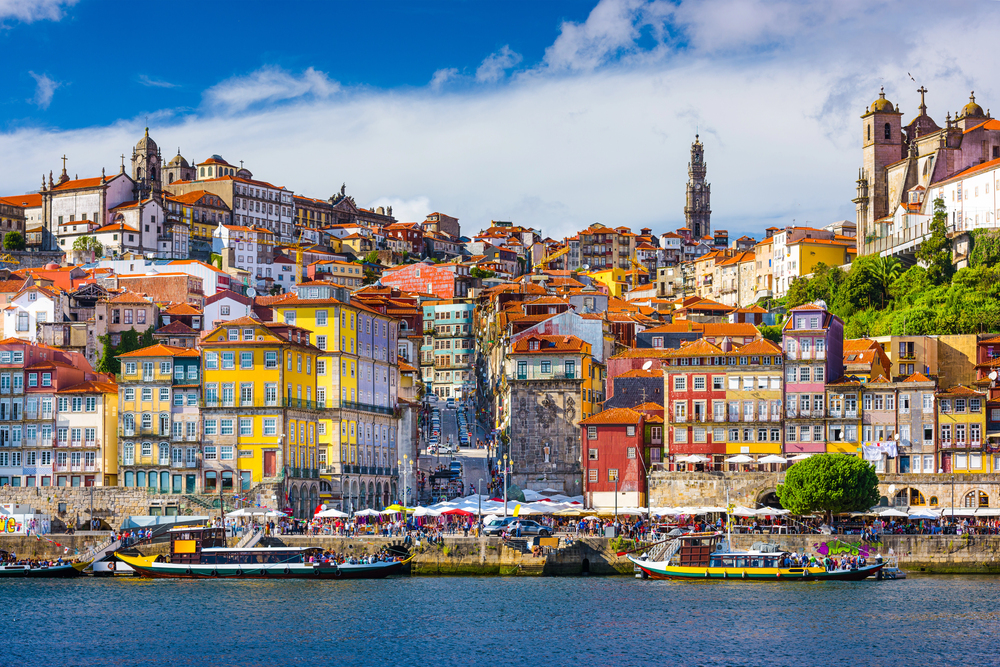
Portugal’s second-largest city delivers everything Lisbon offers but with half the tourists and more character.
The Ribeira district shows off colorful buildings stacked along the Douro River, connected to Vila Nova de Gaia by the impressive Dom Luís I Bridge.
Port wine cellars line the waterfront, offering tastings that won’t empty your wallet like similar experiences in more famous wine regions.
Livraria Lello ranks among the world’s most beautiful bookstores, though you might actually get inside without a two-hour wait.
The food scene centers around fresh seafood and traditional dishes served in family-run restaurants that have been around for generations.
Budapest
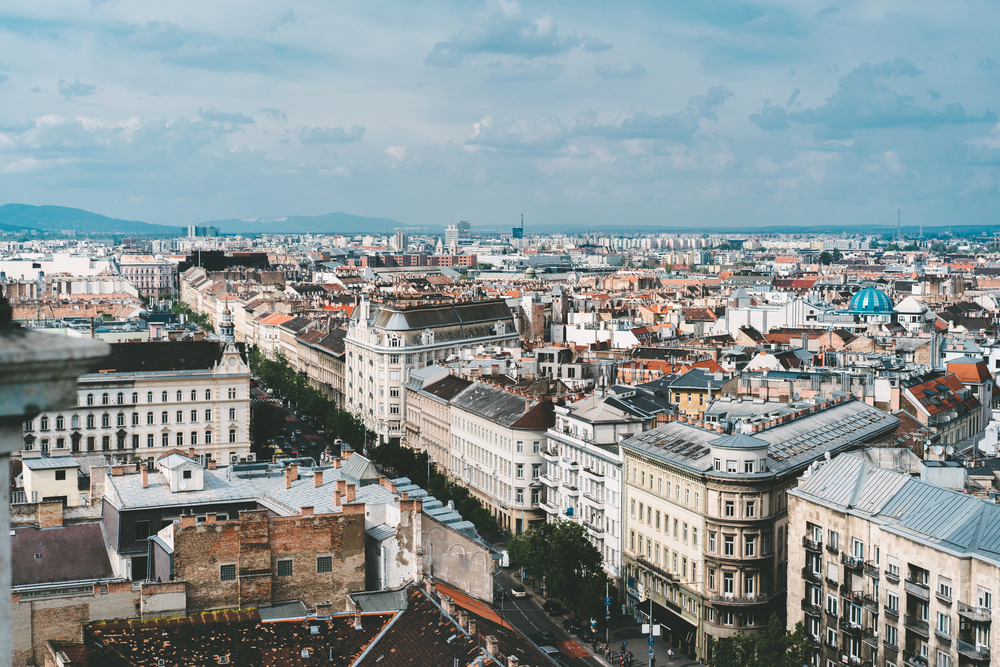
This city deserves way more love than it gets.
The Hungarian Parliament building looks like it belongs in a fantasy novel, especially when lit up at night along the Danube.
Thermal baths dot the city, offering a uniquely Budapest experience where you can soak in naturally heated pools that have been popular since Roman times.
The ruin bars in the Jewish Quarter turn abandoned buildings into eclectic nightlife spots you won’t find anywhere else in Europe.
Castle Hill provides stunning views and houses centuries of history, while the Great Market Hall serves up authentic Hungarian flavors without the tourist markup you’d pay in Western European capitals.
Ghent
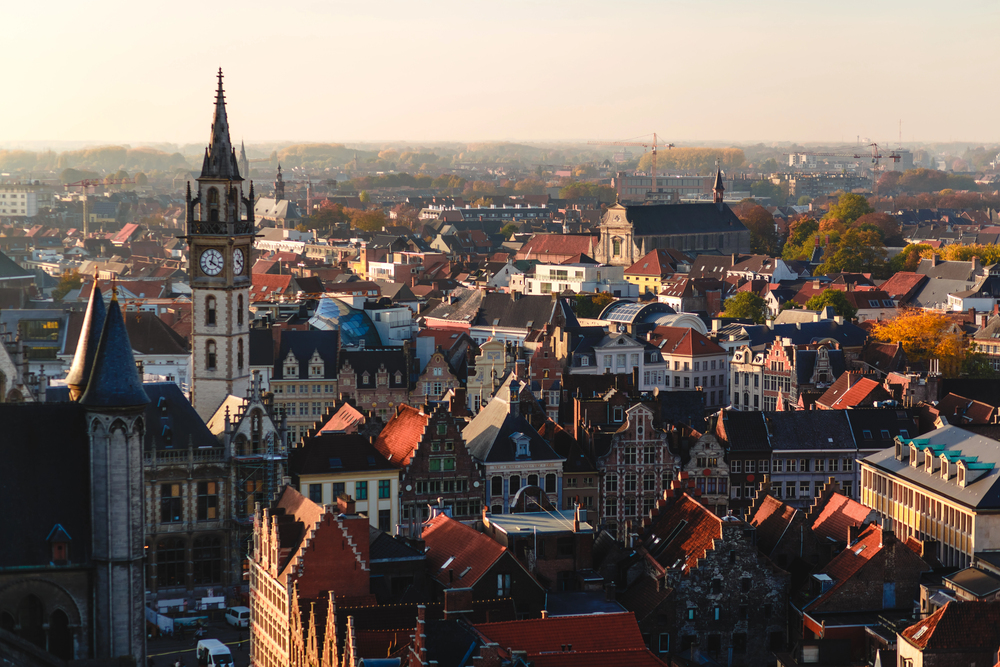
Belgium’s secret weapon sits between Brussels and Bruges, combining the best of both without the overwhelming crowds.
Gravensteen Castle dates back to the 12th century and sits right in the city center like a medieval time capsule.
Saint Bavo’s Cathedral houses ‘The Adoration of the Mystic Lamb,’ a masterpiece that draws art historians from around the world.
The canal-side streets feel straight out of a storybook, but unlike Bruges, you’ll share them with local students from the university rather than tour groups.
The food scene caters to locals, which means better quality and lower prices than you’d find in more touristy Belgian cities.
Riga
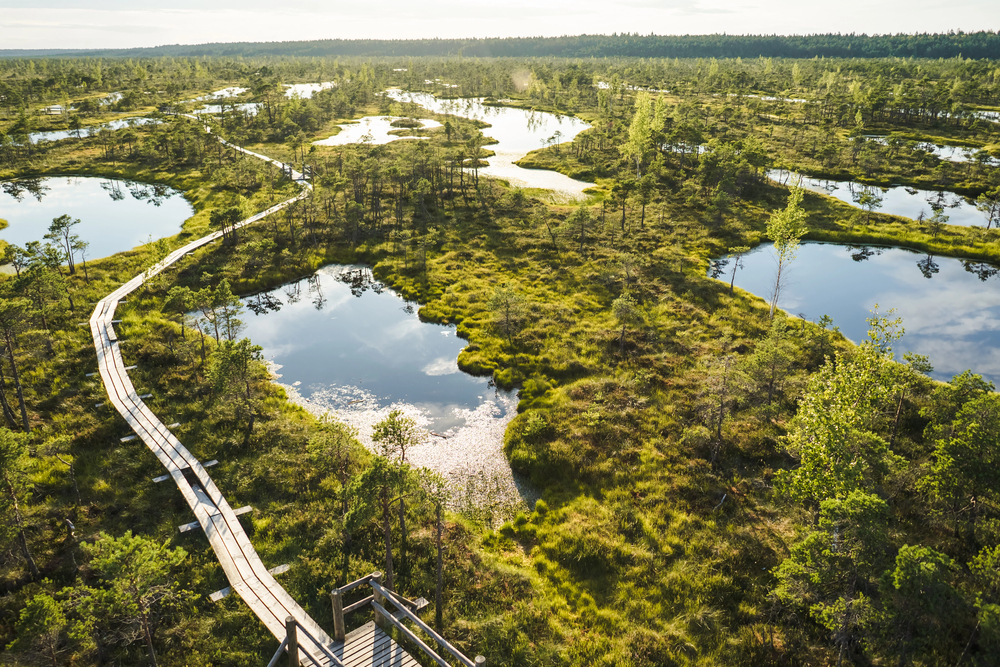
Latvia’s capital shows off some of Europe’s finest Art Nouveau architecture, particularly along Alberta Street where entire blocks look like architectural museums.
The Old Town mixes cobblestone streets with colorful buildings that photograph beautifully at any time of day.
The Central Market operates out of old Zeppelin hangars, creating one of Europe’s most unique shopping experiences where you can sample local foods and pick up ingredients for next to nothing.
Riga offers incredible value compared to Western European cities, with quality restaurants and comfortable accommodations at prices that seem almost too good to be true.
Gdansk
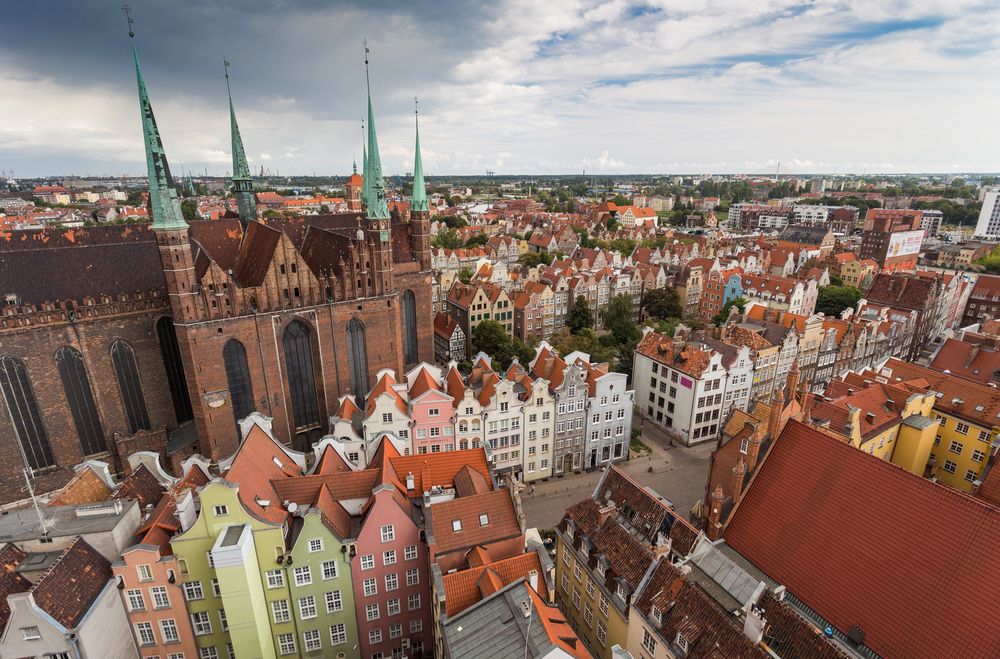
Poland’s Baltic coast city played a crucial role in European history but somehow stays off most travel itineraries.
The historic center stretches for blocks, making it one of Europe’s largest old towns despite being extensively rebuilt after World War II.
Neptune’s Fountain anchors the Long Market, surrounded by colorful merchant houses that showcase the city’s wealthy trading past.
The European Solidarity Centre tells the story of the movement that helped end communism in Eastern Europe, offering historical context you won’t find in textbook-perfect Western cities.
Sopot beach sits just a short train ride away, perfect for combining urban exploration with seaside relaxation.
Dresden
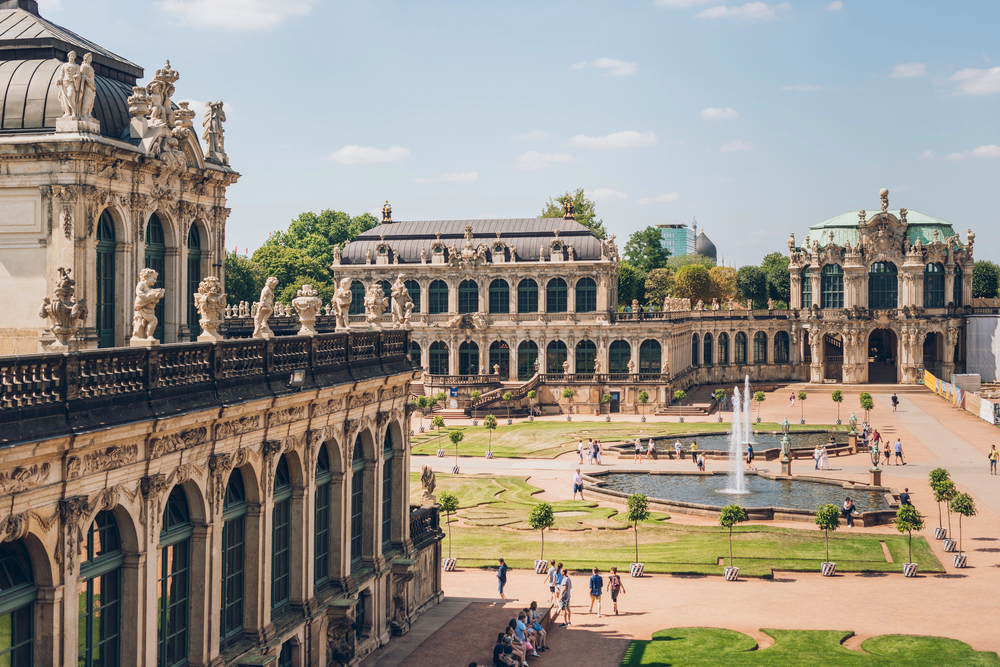
Germany’s Saxon capital got rebuilt after wartime destruction, and the restoration work created something remarkable.
The Frauenkirche’s dome dominates the skyline, while the Zwinger palace complex shows off Baroque architecture that rivals anything in Vienna or Munich.
The city earned the nickname ‘Florence on the Elbe’ for good reason, packing museums, galleries, and cultural events into a walkable historic core.
Saxon Switzerland National Park lies just outside the city, where the Bastei rock formations create landscapes that look more like fantasy illustrations than actual geography.
Dresden costs a fraction of what you’d spend in Berlin while offering just as much culture and beauty.
Wroclaw
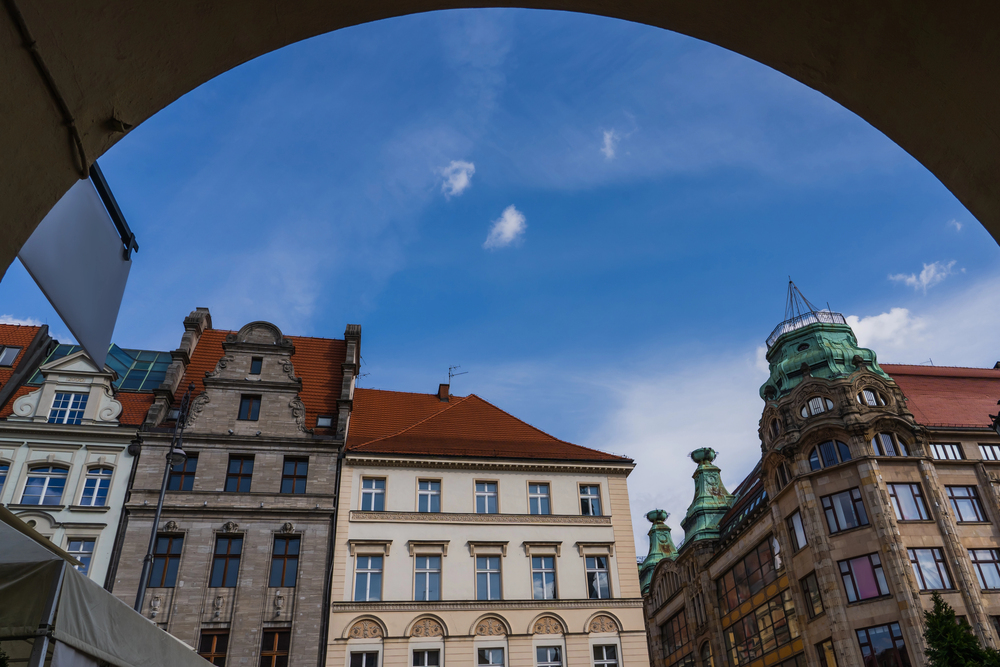
This Polish city casts a spell with its colorful Old Town and quirky personality.
Over 300 bronze gnome statues hide throughout the city, turning sightseeing into a treasure hunt that appeals to everyone from kids to adults.
The Market Square buzzes with energy day and night, surrounded by restaurants serving pierogi that’ll ruin you for any other dumplings.
Wroclaw sits on twelve islands connected by over 100 bridges, creating a riverside atmosphere that feels romantic without being overly touristy.
The city’s university brings young energy and keeps prices reasonable for visitors.
Tarragona
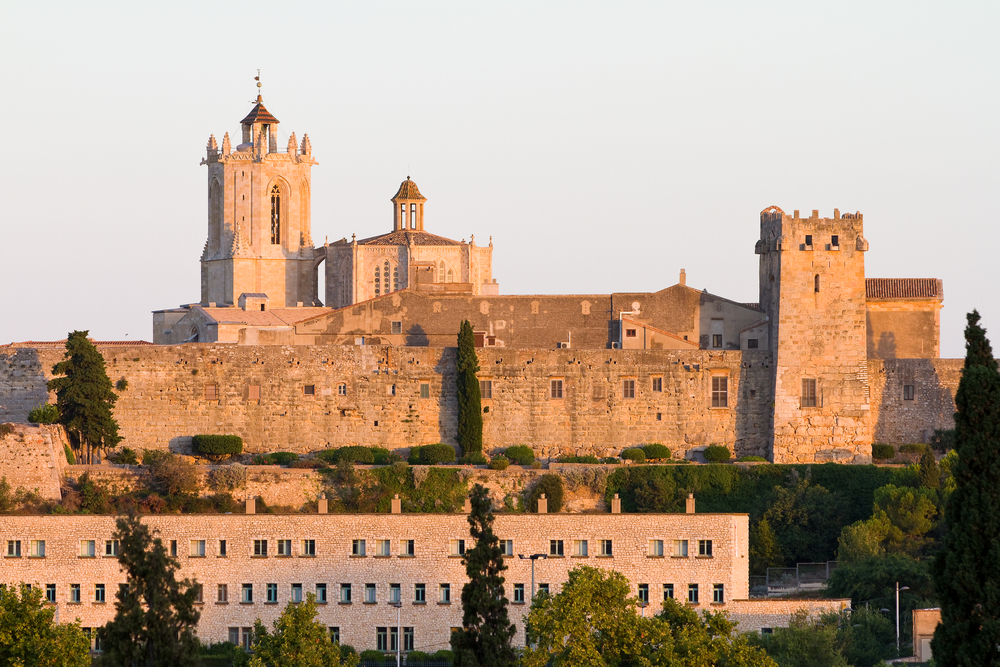
Spain’s Roman heritage shines brightest in this coastal city, an hour south of Barcelona.
The old town qualifies as a UNESCO World Heritage Site thanks to incredibly well-preserved Roman ruins scattered throughout the streets.
You can walk to beautiful Mediterranean beaches from the historic center, combining cultural exploration with beach time in a way Barcelona’s crowded shores just can’t match.
PortAventura theme park sits nearby for anyone traveling with kids or seeking thrills.
The mild winters make Tarragona a year-round destination, and the proximity to Barcelona means you get all the Catalan culture without the overwhelming tourist scene.
Thessaloniki
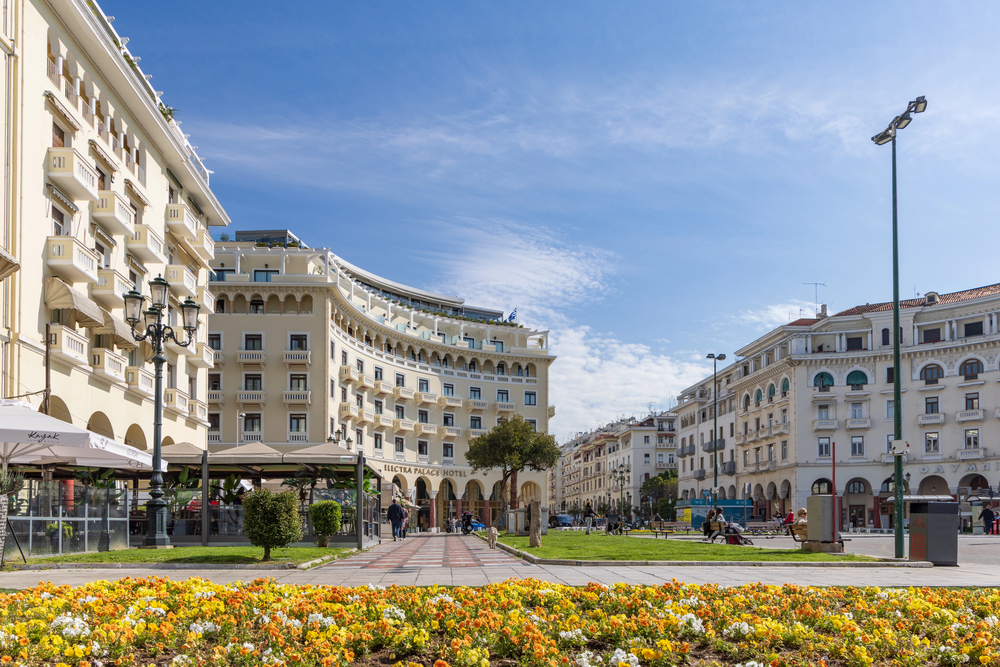
Greece’s second-largest city gets overshadowed by Athens and the islands, which works out great for visitors who show up.
Ancient ruins mix with Byzantine churches and Ottoman architecture, creating layers of history you can explore in a single afternoon walk.
The waterfront promenade stretches for miles, lined with cafes where locals gather rather than tourist traps designed to separate you from your euros.
Ladadika neighborhood comes alive at night with bars and clubs that showcase Greek hospitality at its finest.
The food scene focuses on meze and fresh seafood, served at prices that make Athens look expensive.
Tirana
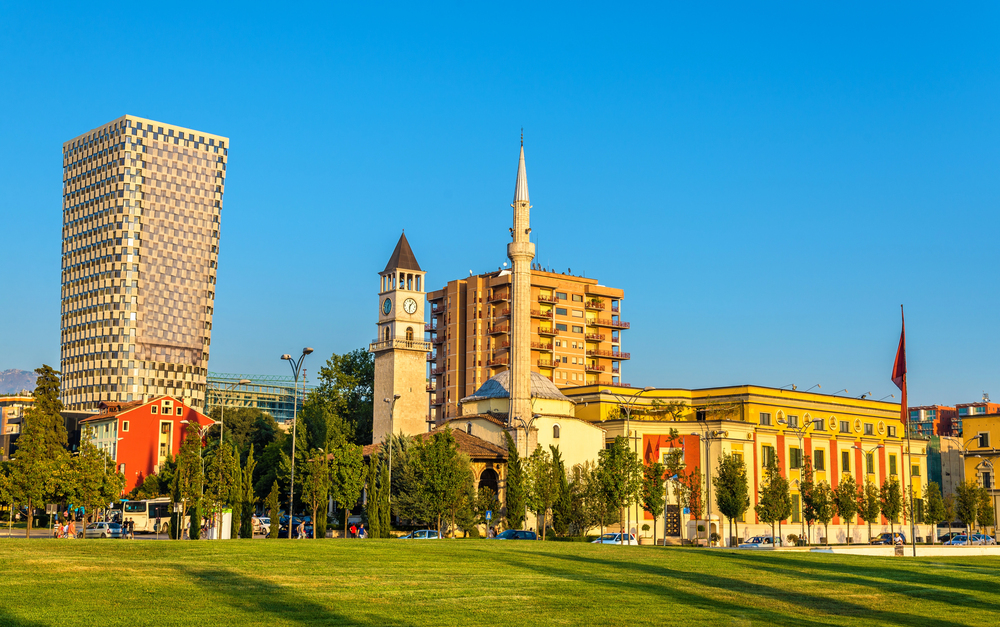
Albania’s capital surprises everyone who visits with its energy and creativity.
Soviet-era buildings get painted in bright colors, creating an unexpected artistic vibe in a city most people can’t even locate on a map.
Trendy cafes and bars fill every street, offering surprisingly sophisticated food and drink scenes that rival anywhere in Southern Europe.
Bunk’Art 2 museum uses an old bunker to tell Albania’s communist history in a way that’s both educational and deeply moving.
Mount Dajti rises just outside the city, accessible by cable car for views across the entire region.
Bruges
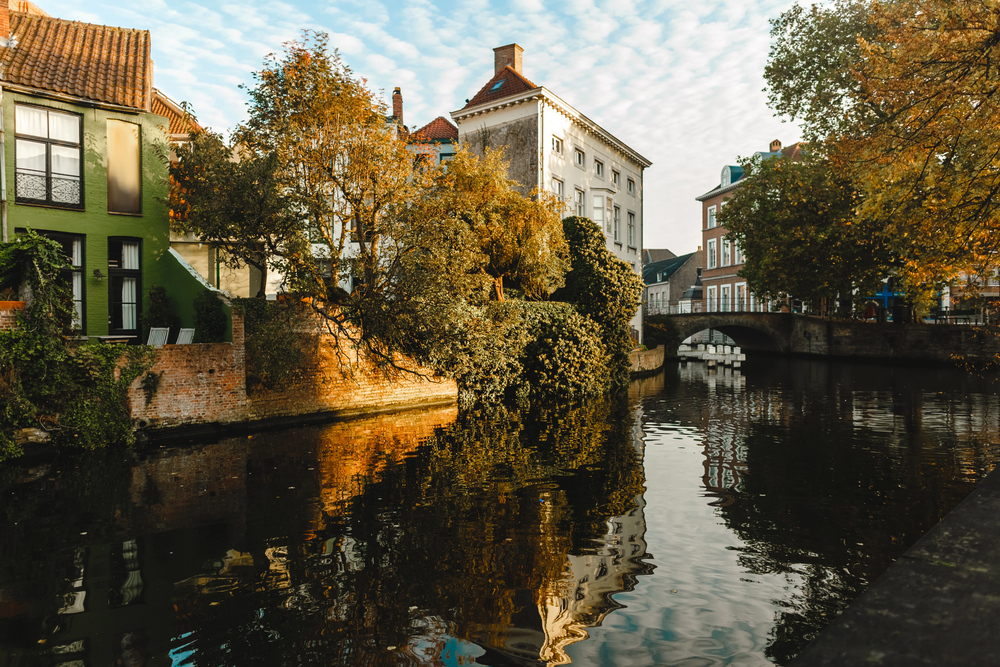
Belgium’s ‘Venice of the North’ deserves its medieval fairytale reputation.
Cobblestone streets wind alongside canals where boat tours let you see the city from water level.
The Belfry tower, built in 1486 still chimes with carillon concerts several times each week.
Church of Our Lady houses a Michelangelo sculpture that most visitors don’t even know exists.
Minnewater Lake sits in a public park right in the city center, offering peaceful moments between chocolate shops and beer tastings.
The entire historic center earned UNESCO World Heritage status, and unlike many protected sites, Bruges actually lives up to the hype.
Bergen
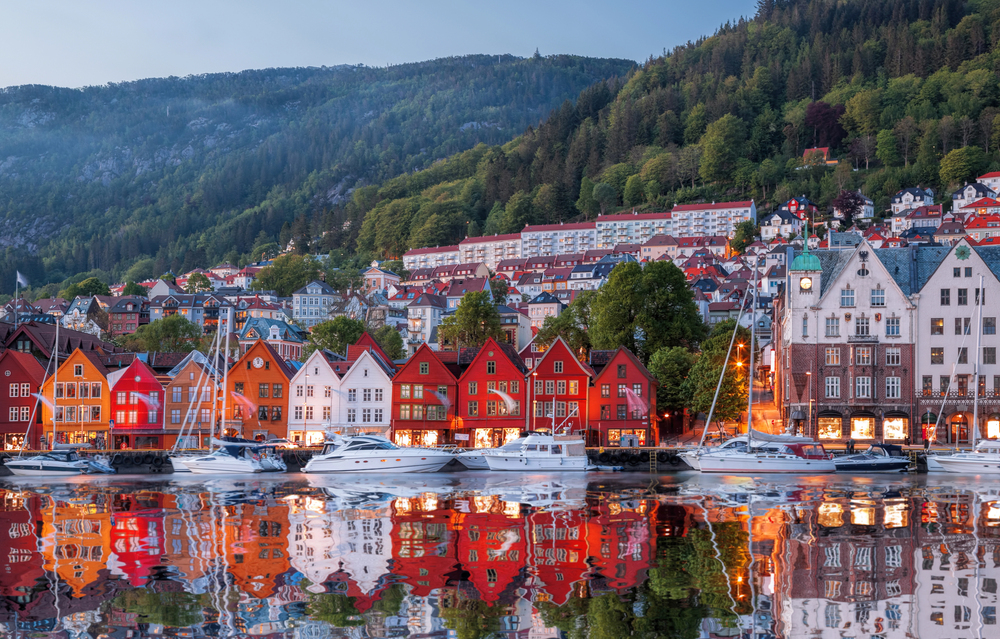
Norway’s ‘capital of the fjords’ sits between seven mountains and faces the Norwegian Sea, creating drama you won’t find in Oslo.
Bryggen wharf features colorful wooden buildings that date back to the Hanseatic trading days, now housing shops and restaurants instead of warehouses.
The fish market operates daily, selling the freshest seafood you’ll find anywhere in Europe along with traditional Norwegian dishes.
Bergen serves as the jumping-off point for exploring Norway’s famous fjords, including the UNESCO-listed Nærøyfjord.
Rain falls frequently, but that just means you’ll appreciate the cozy cafés and the way mist makes the mountains look even more dramatic.
Bratislava
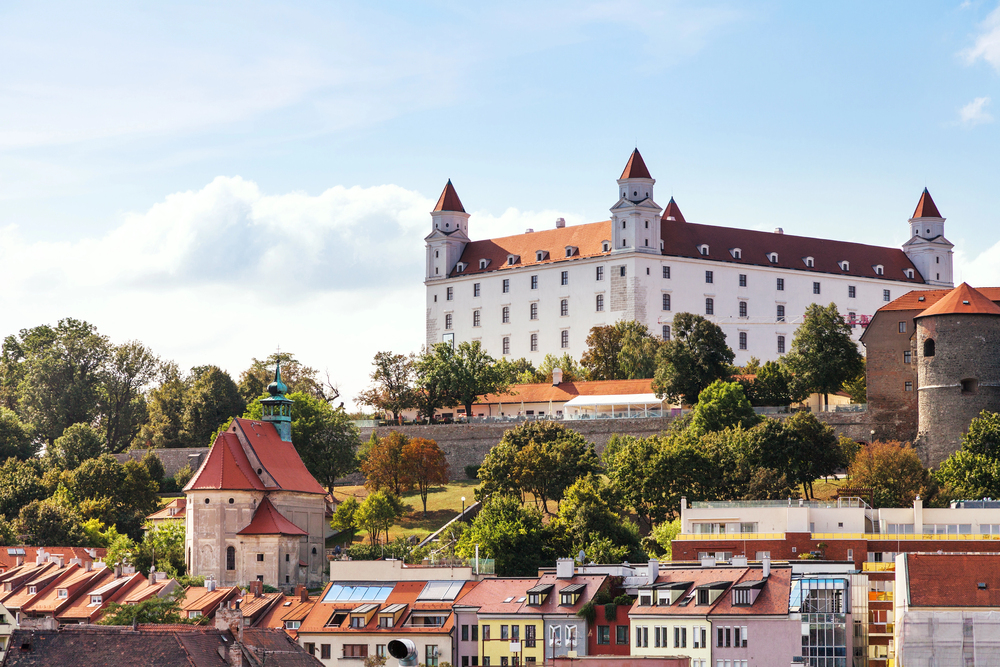
Slovakia’s compact capital sits so close to Vienna that you can visit both in one day, yet it receives a fraction of the attention.
Bratislava Castle provides panoramic views over the Danube and the old town below.
The UFO Tower offers equally impressive views from its observation deck perched above the Most SNP bridge.
The old town hides secret bars that locals protect jealously, creating a nightlife scene that rewards exploration over guidebook recommendations.
Michael’s Gate stands as the only preserved medieval gate in the city, anchoring streets where you can wander for hours without seeing another tourist.
Innsbruck
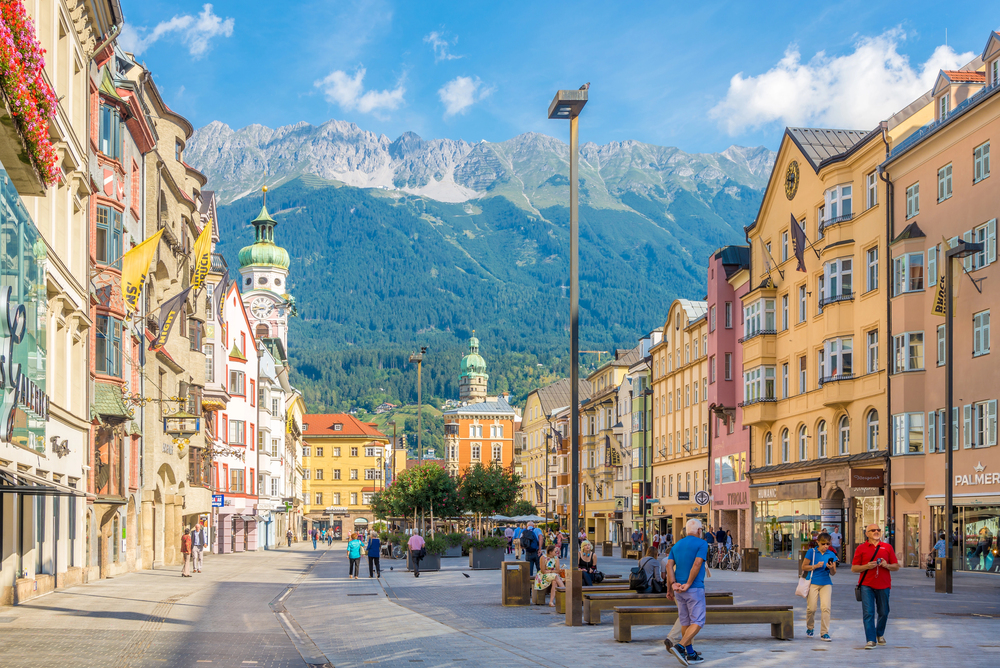
Austria’s Alpine gem works year-round, transforming between a ski haven in winter and a hiking paradise in summer.
The old town features pastel-colored buildings framed by snow-capped mountains that create postcard views from basically every angle.
The Golden Roof serves as the city’s most famous landmark, a balcony covered in gilded copper tiles that catches the sun beautifully.
Cable cars run directly from the city center up into the mountains, making it ridiculously easy to go from urban exploration to Alpine adventure.
Innsbruck hosted the Winter Olympics twice, leaving behind world-class sports facilities that visitors can still use today.
Heidelberg
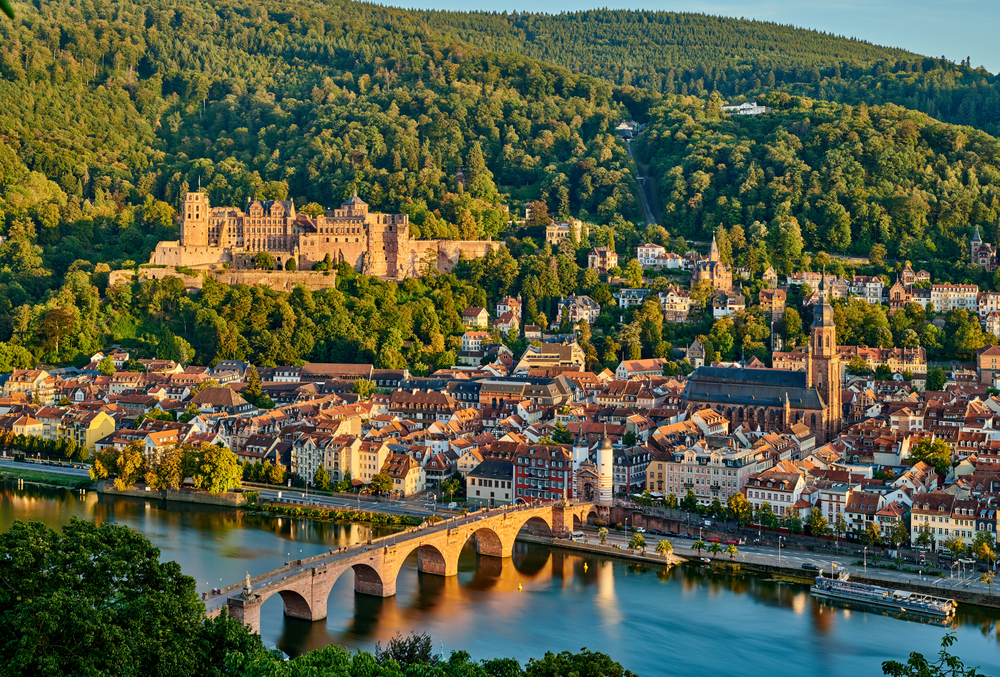
Germany’s oldest university town captures romance in a way few European cities manage.
The Necktag River reflects Heidelberg Castle on the hillside above, creating views that inspired countless poets and philosophers over the centuries.
Hauptstraße runs through the old town as one of Europe’s longest pedestrian streets, lined with shops and cafés that cater to students and visitors alike.
The Philosopher’s Walk climbs the opposite hillside, offering perspective on the city below and quiet spots to sit and think.
Heidelberg delivers beauty without checking off major tourist attractions, which somehow makes it even more special.
Valencia
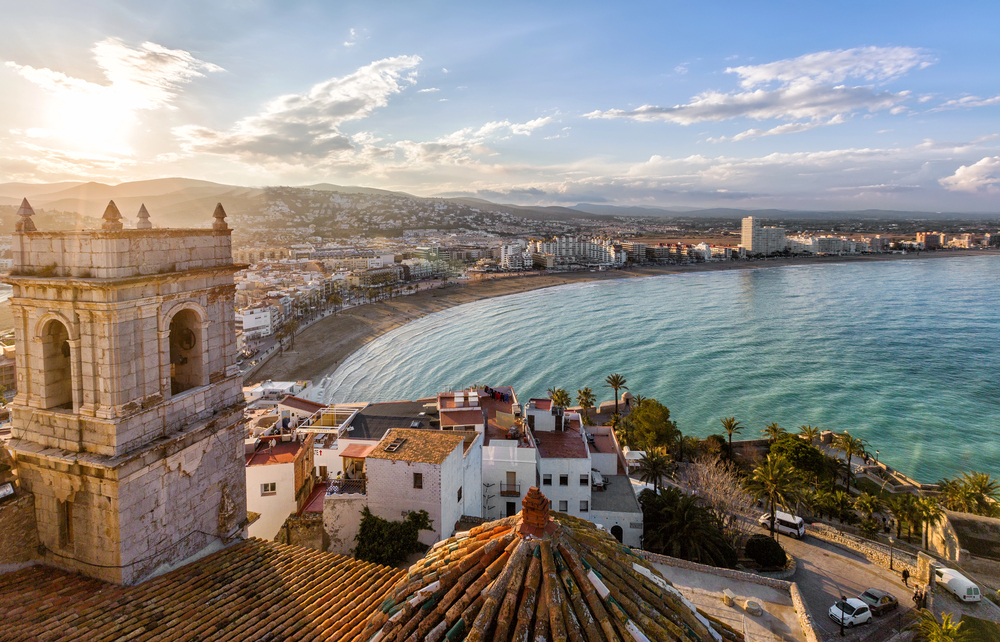
Spain’s third-largest city gets ignored by travelers rushing between Madrid and Barcelona, their loss.
The City of Arts and Sciences looks like it landed from the future, showcasing modern architecture that rivals anything Bilbao’s Guggenheim offers.
The old town centers around the cathedral and the gorgeous silk exchange, preserving medieval and Renaissance architecture.
Beaches stretch along the Mediterranean just minutes from the historic center, and unlike Barcelona, you’ll actually find space to put down your towel.
Paella originated here, and the local restaurants serve it the way it’s meant to be eaten, not the tourist versions you’ll find elsewhere in Spain.
Graz
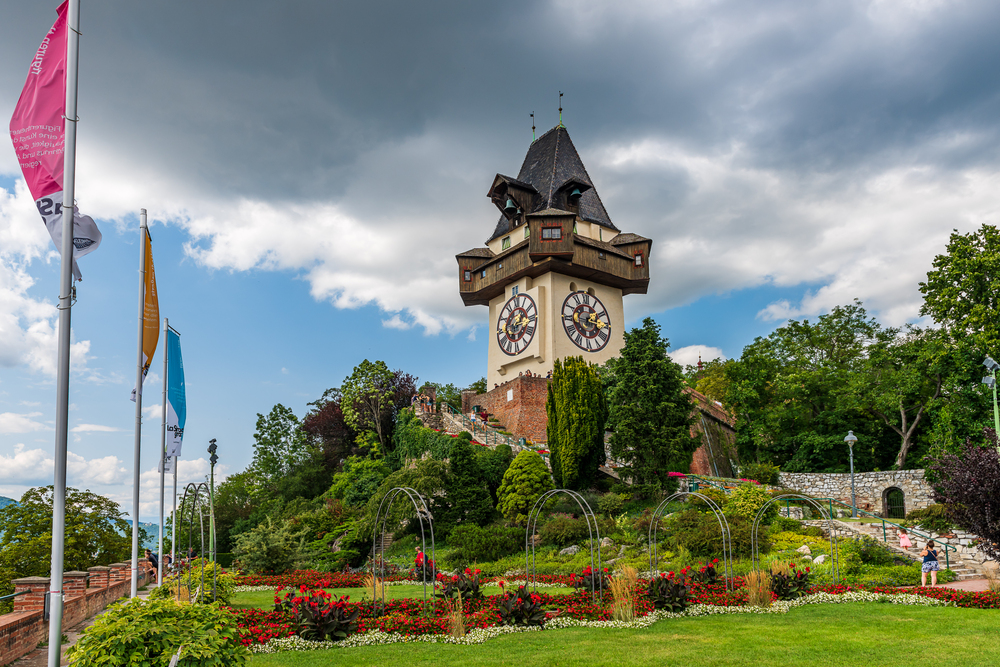
Austria’s second city stays remarkably under the radar despite offering world-class museums, cutting-edge architecture, and a food scene built on fresh Styrian produce.
The Schlossberg hill rises in the city center, topped by the clock tower that’s become Graz’s symbol.
Murinsel floats in the Mur River as an artificial island designed by an artist, creating a public space that doubles as modern art.
The UNESCO-protected old town mixes Gothic, Renaissance, and Baroque buildings, while the Kunsthaus modern art museum looks like a blue alien bubble landed among the historic architecture.
Direct flights remain limited, which keeps Graz authentic and affordable compared to Vienna or Salzburg.
Bari
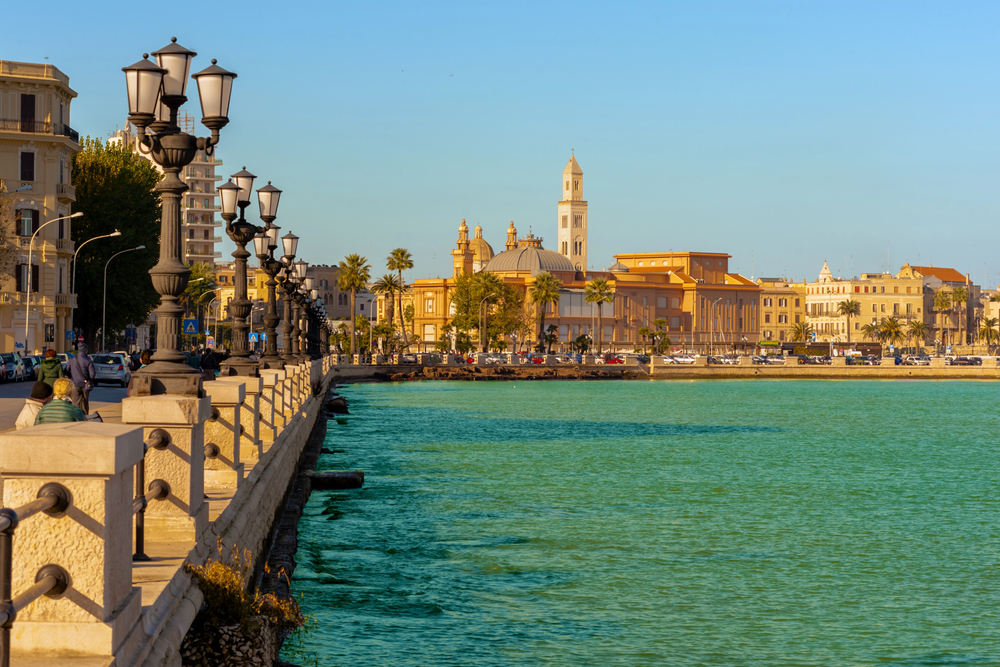
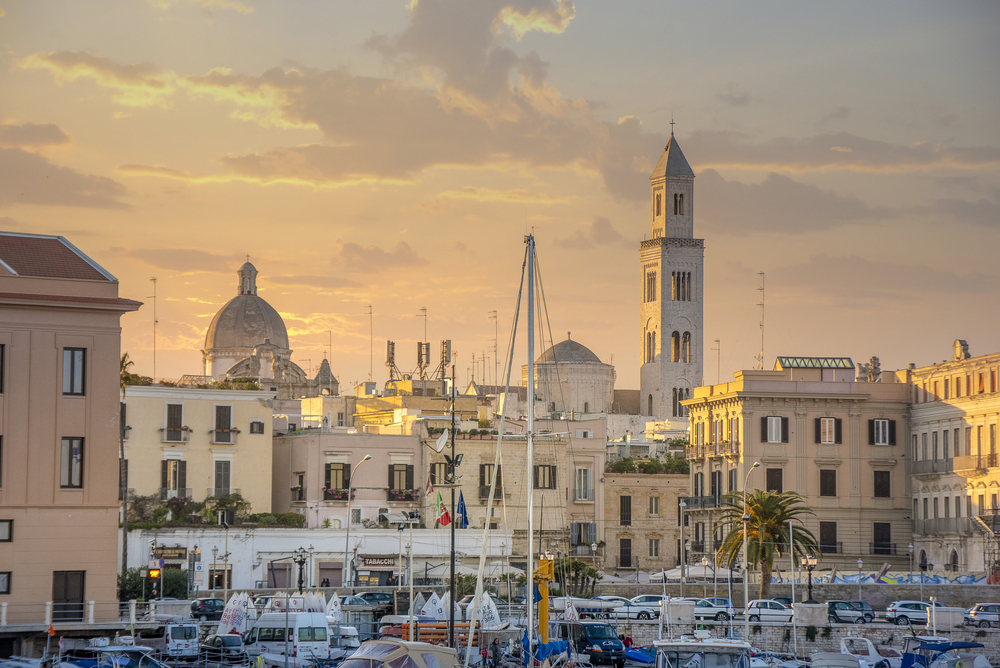
Southern Italy’s largest city on the Adriatic coast combines history, beach access, and a vibrant university scene that most tourists never discover.
The old town features narrow streets where residents still hang laundry between buildings and grandmothers make pasta by hand in doorways.
Saint Nicholas Basilica houses the relics of Santa Claus himself, making this a surprisingly important pilgrimage site.
The waterfront promenade stretches for miles, perfect for evening walks when the whole city comes out to socialize.
Bari makes an excellent base for exploring nearby gems like Matera’s cave dwellings and Alberobello’s trulli houses.
Sion
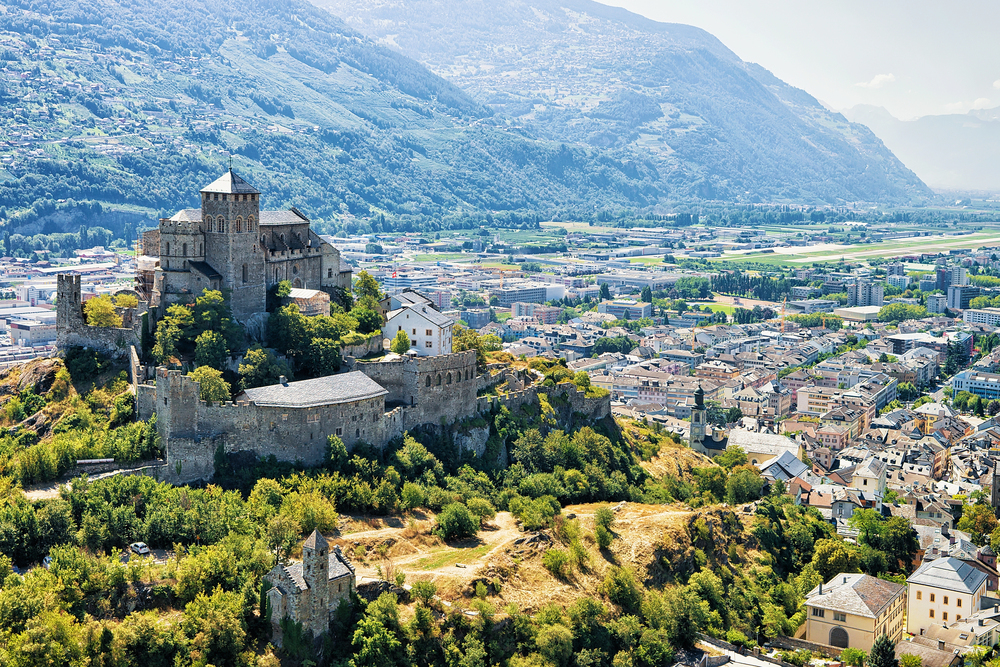
Switzerland’s sunny secret sits in the Valais region, surrounded by mountains and vineyards that produce exceptional wines.
Château de Tourbillon and Basilique de Valère crown two hills overlooking the old town, providing not just views but centuries of history.
World-famous ski resorts like Verbier and Zermatt lie within easy reach, making Sion perfect for basing yourself without paying resort prices.
Summer transforms those ski slopes into hiking trails and via ferratas that challenge adventurous visitors.
The region celebrates its wine heritage with tastings and vineyard tours that showcase varieties you won’t find outside this valley.
Zagreb
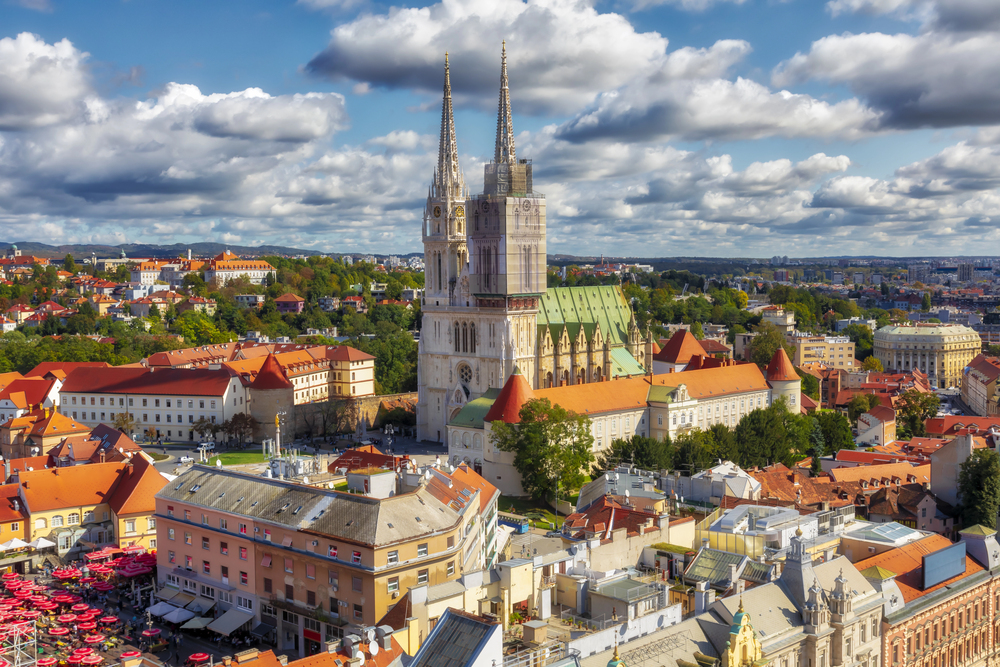
Croatia’s capital loses out to the coastal cities in most travel plans, but that’s exactly why it deserves your attention.
The Upper Town and Lower Town create distinct neighborhoods connected by one of the world’s shortest funiculars.
Saint Mark’s Church shows off a tiled roof so colorful and intricate that you’ll stand there staring longer than you planned.
The Museum of Broken Relationships presents an unexpectedly moving collection of objects from failed relationships, creating emotional connections you don’t get from typical museum visits.
Zagreb’s cafe culture thrives year-round, and prices remain refreshingly reasonable compared to Split or Dubrovnik.
Finding your own path
These cities prove that Europe’s most memorable experiences don’t always happen at the most famous landmarks.
The classics earned their reputations for good reason, but something special happens when you explore places still discovering their tourist identity.
You’ll eat better, spend less, and come home with stories your friends haven’t already heard a dozen times.
The cities that rival the classics today might become tomorrow’s overcrowded hotspots, so the time to visit is now, while they still feel like genuine discoveries rather than travel checklist items.
More from Travel Pug

- Underrated Italian Towns That Beat the Tourist Crowds
- Las Vegas Tourist Traps to Skip
- Prettiest Towns in Every US State
- 18 passport-free countries for Americans
- Signs Your Cruise Is Not Worth The Cost
Like Travel Pug’s content? Follow us on MSN.