

Wolfgang Amadeus Mozart left an indelible mark on two of Europe’s most beautiful cities. Born in Salzburg in 1756, he spent his formative years there before moving to Vienna, where he composed some of his greatest masterpieces and eventually died in 1791.
Both cities have preserved his legacy through museums, concert halls, monuments, and historic buildings that offer a glimpse into the composer’s extraordinary life. Walking through these cities today feels like stepping back into the 18th century.
Here is a list of 20 Mozart-inspired sites across Salzburg and Vienna that bring the composer’s world to life.
Mozart’s Birthplace
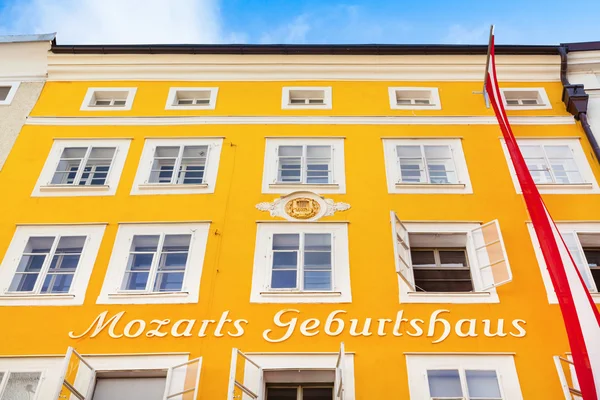
The yellow townhouse at Getreidegasse 9 in Salzburg’s old town is where Mozart was born on January 27, 1756. His family lived on the third floor, and today the apartment has been transformed into a museum showcasing original instruments, including his childhood violin, and family portraits.
The building itself is hard to miss with its distinctive wrought-iron sign hanging outside, and walking through the rooms gives you a real sense of how cramped life was for the Mozart family during those early years.
Mozart Residence
After outgrowing their apartment on Getreidegasse, the Mozart family moved to this much larger home on Makartplatz in 1773. The residence, also called the ‘Dance Master’s House’, is where Mozart composed many of his early symphonies and concertos during his teenage years.
The museum here focuses more on his musical development and family life, with less tourist traffic than the birthplace, making it easier to absorb the atmosphere.
Mozarteum
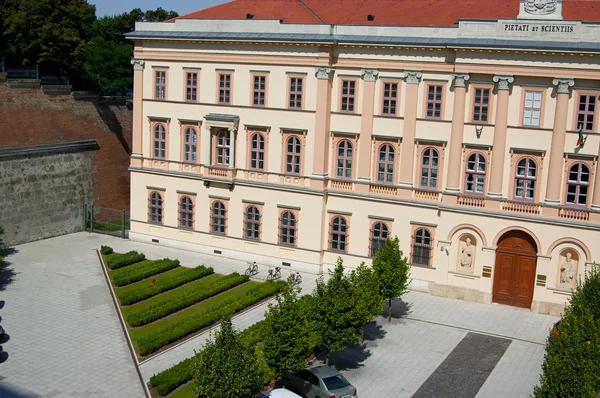
This concert hall and music university on the banks of the Salzach River is the heart of Mozart studies today. Founded in 1880, the Mozarteum hosts performances in two concert halls, including the smaller hall that once incorporated the nearby ‘Magic Flute House’ on its grounds.
Students from around the world come here to study, and catching a concert in the Grand Hall is like experiencing music as Mozart might have intended.
Salzburg Cathedral
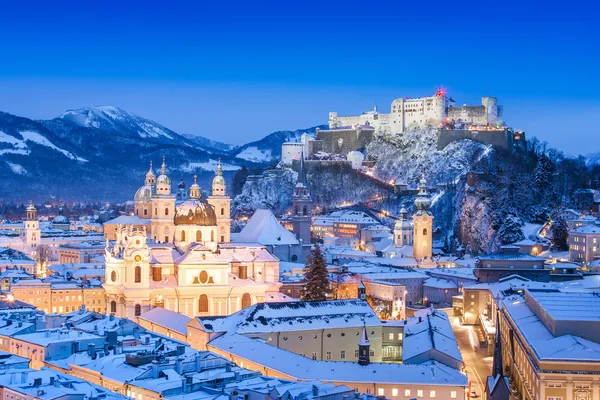
Mozart was baptized in this baroque cathedral just two days after his birth, and he later served as the court organist here from 1779 to 1781. The ornate interior, with its massive dome, creates incredible acoustics that you can still experience during regular organ concerts.
The baptismal font where Mozart was christened is marked with a plaque, though it’s been moved from its original location near the entrance.
Mirabell Palace And Gardens
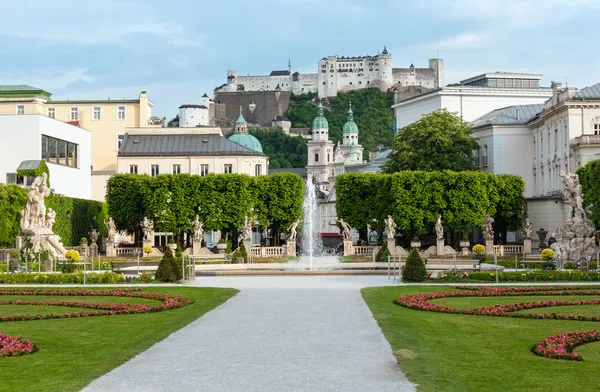
Prince-Archbishop Wolf Dietrich built this palace in 1606, but it became closely associated with Mozart when he performed in the Marble Hall as a child prodigy. The gardens outside are equally impressive, with their geometric flower beds and the Pegasus Fountain that appears in ‘The Sound of Music’.
Today, the Marble Hall hosts regular chamber music concerts, and the acoustics in this room are so perfect that no amplification is needed.
St. Peter’s Cemetery
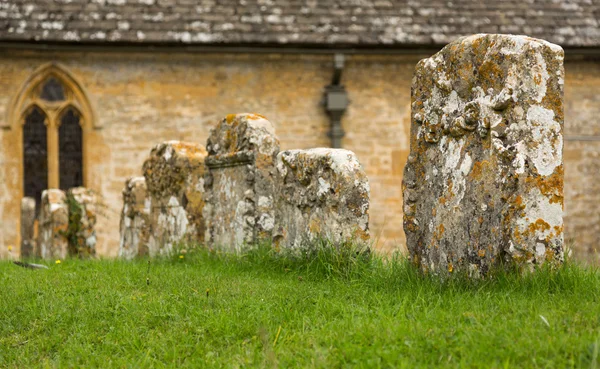
This peaceful cemetery next to St. Peter’s Abbey is one of the oldest in Salzburg, dating back to the late 700s. Mozart’s sister Nannerl is buried here, and the composer himself attended many funerals and church services in the adjacent abbey.
The wrought-iron gates and ivy-covered walls create an atmospheric setting that hasn’t changed much since Mozart’s time, making it easy to imagine him walking these same paths.
Hohensalzburg Fortress
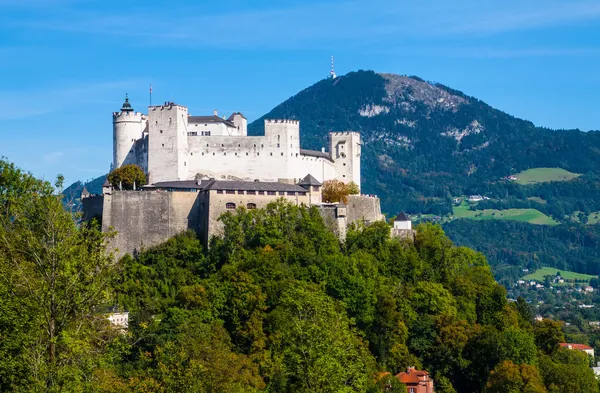
Perched high above Salzburg, this massive medieval fortress offers stunning views of the city where Mozart grew up. While Mozart himself didn’t have a direct connection to the fortress, it hosts regular evening concerts featuring his music in the Golden Hall and the Fortress Concert Hall.
The fortress also houses the Salzburg Bull, a historic organ that dates back to 1502 and was playing long before Mozart’s time.
Salzburg Marionette Theater
Since 1913, this unique theater has been staging elaborate puppet productions of Mozart’s operas, including ‘The Magic Flute’ and ‘Don Giovanni’. The marionettes are incredibly detailed, standing up to three feet tall, and the performances use full orchestral recordings.
Mozart would find it amusing that his grand operas are now performed by wooden puppets, but the artistry and musicianship are taken seriously here.
Magic Flute House
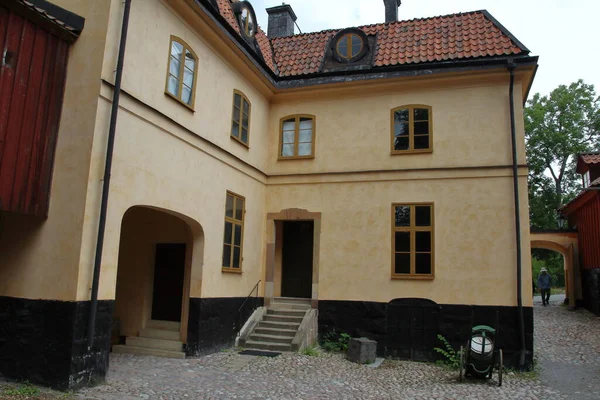
This small garden house, now located on the grounds of the Mozarteum, is where Mozart allegedly composed parts of ‘The Magic Flute’ in 1791. Originally situated in the garden of a Viennese theater impresario, it was later moved to Salzburg and now sits as a musical relic.
The tiny wooden structure barely has room for a desk and chair, making you wonder how Mozart created such an elaborate opera in such confined quarters.
Cafe Tomaselli
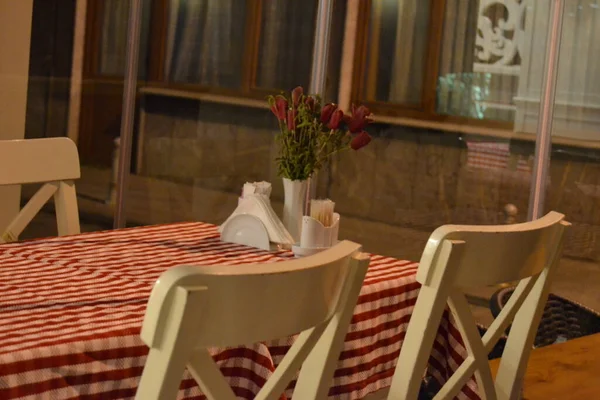
Established in 1705, this is one of the oldest coffee houses in Austria and a favorite gathering spot during Mozart’s era. While there’s no record of Mozart himself visiting, his father Leopold certainly did, as it was a popular meeting place for Salzburg’s musical and intellectual circles.
The marble tabletops and chandeliers preserve that 18th-century atmosphere, and you can still order the same pastries and coffee that would have been served in Mozart’s time.
Mozarthaus Vienna
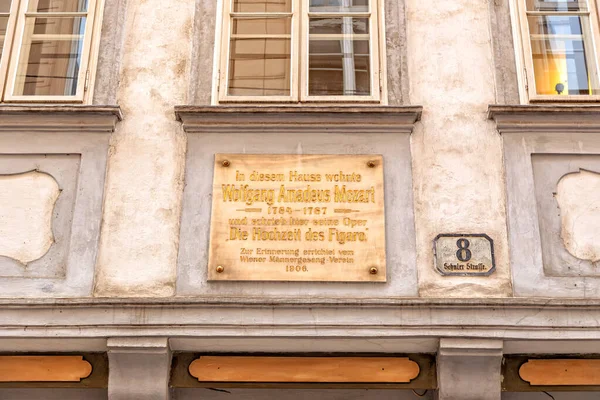
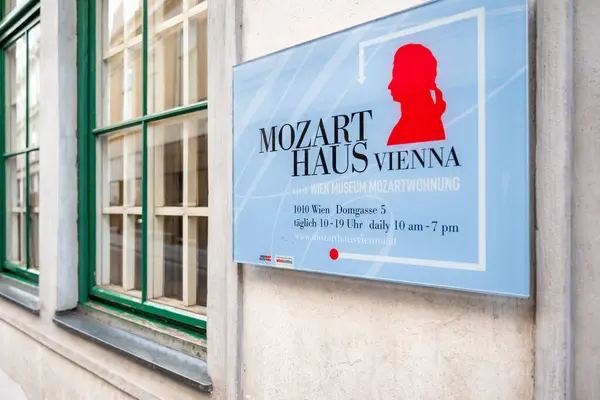
Located at Domgasse 5 in Vienna’s historic center, this is the only one of Mozart’s Viennese residences that still exists today. He lived here from 1784 to 1787, during what many consider his most productive period, composing ‘The Marriage of Figaro’ in this very apartment.
The museum spans three floors and showcases his daily life, his relationship with fellow Freemasons, and the various rooms where he worked, entertained guests, and gave music lessons.
St. Stephen’s Cathedral
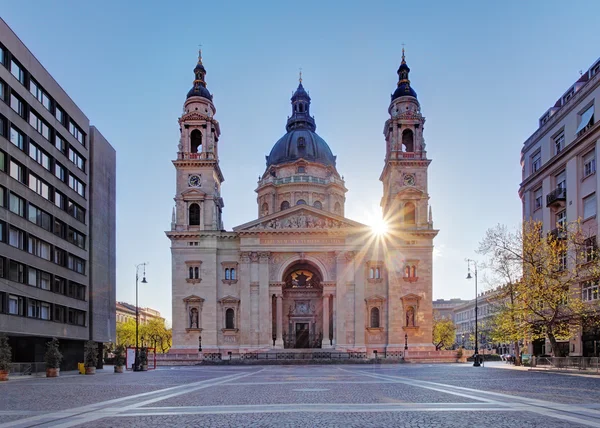
This Gothic cathedral in the heart of Vienna witnessed several important moments in Mozart’s life. He married Constanze Weber here in 1782, and his funeral service was held in the cathedral nine years later.
The cathedral’s north tower houses the famous Pummerin bell, and Mozart’s connection to the building is commemorated with plaques and regular concerts featuring his sacred music.
St. Marx Cemetery
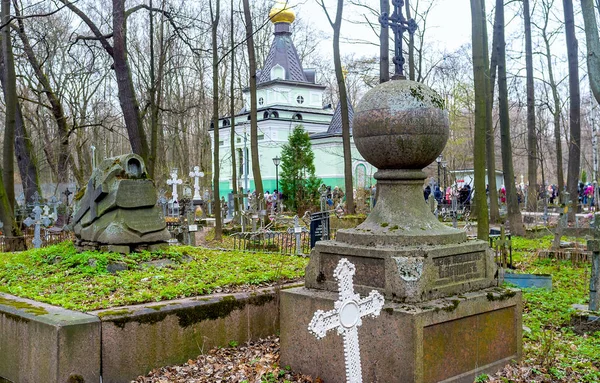
Mozart was buried in this cemetery in December 1791 in an unmarked communal grave, which was standard practice for middle-class Viennese at the time. The exact location of his remains was lost, but a memorial was erected in 1859 featuring a weeping angel and broken column.
Today, the old cemetery section has been converted into a park, and Mozart’s monument stands as one of its most visited spots. However, it marks an approximate rather than an exact burial site.
Mozart Monument In Burggarten
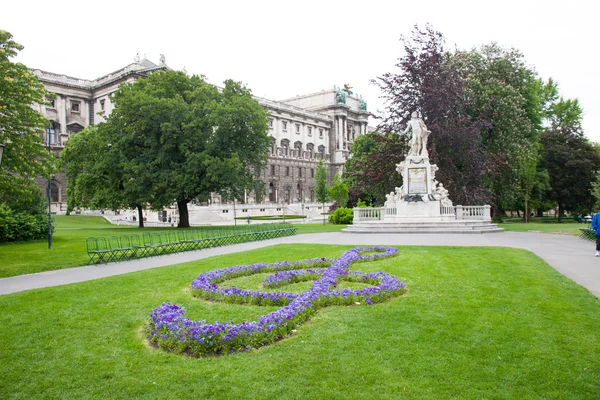
This elaborate marble statue, unveiled in 1896, shows Mozart in a thoughtful pose with a music sheet in hand. Located in the Burggarten near the Hofburg Palace, the monument is surrounded by landscaped gardens arranged in the shape of a treble clef when viewed from above.
It’s become one of Vienna’s most photographed landmarks and a popular meeting point for locals and tourists alike.
Haus Der Musik
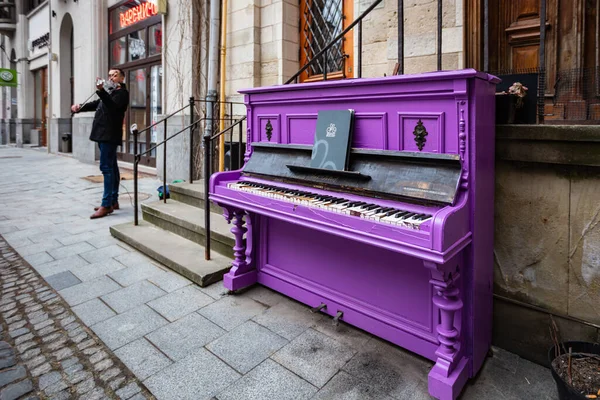
This interactive sound museum dedicates an entire floor to Mozart and other great Viennese composers. Unlike traditional museums with ropes and ‘don’t touch’ signs, this place encourages hands-on exploration with exhibits where you can conduct a virtual orchestra or experiment with sound waves.
The Mozart section includes original manuscripts and a fascinating exhibit on the science behind his musical genius.
Schonbrunn Palace
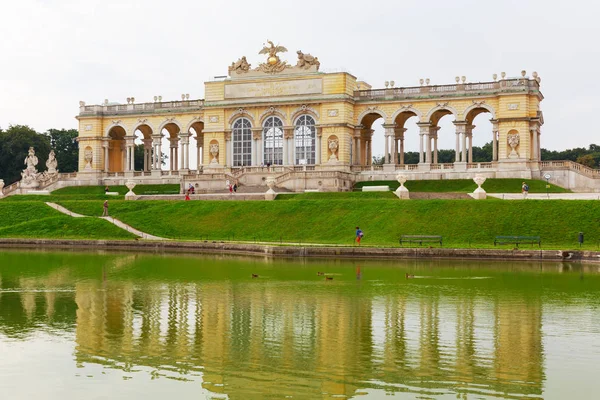
Mozart performed here as a six-year-old prodigy in 1762, playing for Empress Maria Theresa and her court. Legend has it that after his performance, young Mozart jumped into the empress’s lap, kissed her, then asked if he could marry her daughter, Marie Antoinette.
The palace’s Mirror Room, where this performance took place, can still be visited today, and the opulent baroque setting gives you a sense of just how impressive Mozart’s childhood performances must have been.
Theater An Der Wien
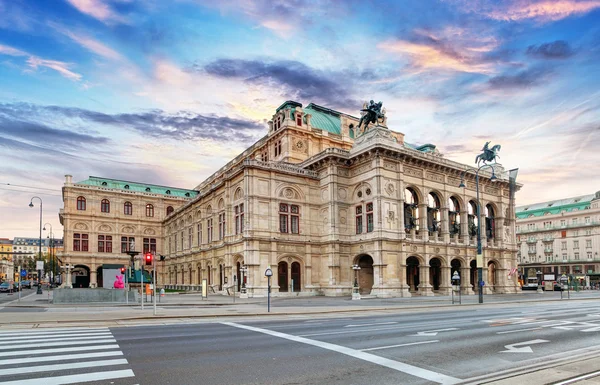
Mozart’s operas have been performed in this historic theater since it opened in 1801, just a decade after his death. While Mozart never performed here himself, the theater was designed with him in mind, and Emanuel Schikaneder, who wrote the libretto for ‘The Magic Flute’, was one of its founders.
The Papageno entrance is named after the character from Mozart’s opera and features a relief of Schikaneder in his famous Papageno costume.
Central Cemetery
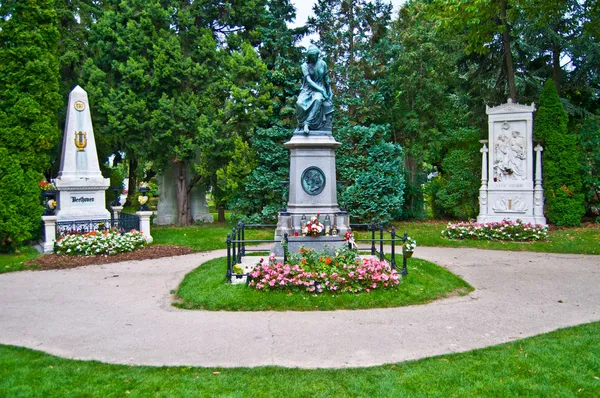
While Mozart’s actual remains are in St. Marx Cemetery, the Central Cemetery created an honorary monument to him in its musicians’ section. This elaborate memorial was unveiled in 1891 on the centennial of his death and stands near the graves of Beethoven, Brahms, Schubert, and Strauss.
The cemetery itself is like a who’s who of classical music, and Mozart’s honorary grave fits right in among the other musical giants.
House Of The Teutonic Order
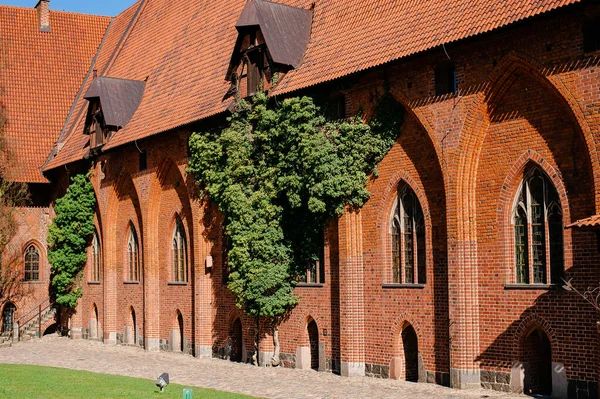
Mozart lived in an apartment in this historic building at Singerstrasse 7 during the winter of 1781-1782. The Teutonic Order still occupies parts of the complex, but the building’s connection to Mozart is marked with a commemorative plaque.
This was where he lived after breaking free from his employer, the Archbishop of Salzburg, and establishing himself as a freelance composer in Vienna.
Augarten Porcelain Factory
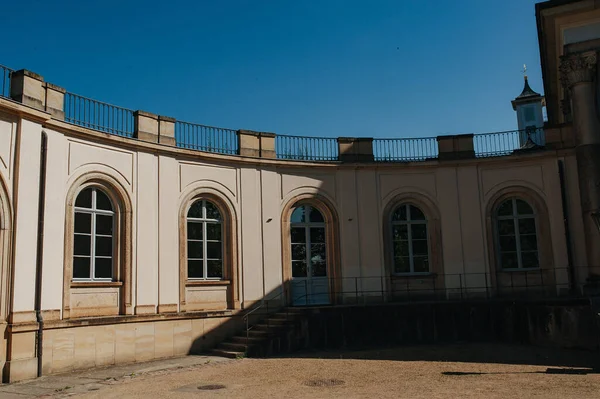
The Augarten district has deep connections to Mozart, as he gave concerts in the palace gardens here, and the area became a fashionable spot for Viennese society. The famous Augarten porcelain factory, still operating today, has created numerous Mozart-themed pieces over the years.
While not a museum in the traditional sense, the factory’s showroom displays these collectibles and offers a glimpse into how Mozart’s image has been commercialized over the centuries.
Where The Past Meets The Present
Vienna and Salzburg haven’t just preserved Mozart’s memory in museums and monuments. These cities continue to celebrate his music through daily concerts, annual festivals, and even chocolate treats wrapped in his image.
Walking the same cobblestone streets he knew, hearing his symphonies in the halls where they premiered, and standing in the rooms where he composed creates a connection that transcends the centuries and reminds us why his music still matters today.
More From Travel Pug

- Underrated Italian Towns That Beat the Tourist Crowds
- Las Vegas Tourist Traps to Skip
- Prettiest Towns in Every US State
- 18 passport-free countries for Americans
- Signs Your Cruise Is Not Worth The Cost
Like Travel Pug’s content? Follow us on MSN.