

Over 2,000 years ago, Petra was carved out of rose-red sandstone cliffs, and it contains secrets that the light of day can only partially uncover. The ancient Nabataean capital is transformed into a glowing testament to human ambition against the endless desert sky by thousands of candles when darkness descends on Jordan’s most well-known archaeological site.
These historic marvels and enchanted nighttime experiences make Petra one of the most alluring travel destinations in the world, where history is brought to life by the stars.
The Treasury
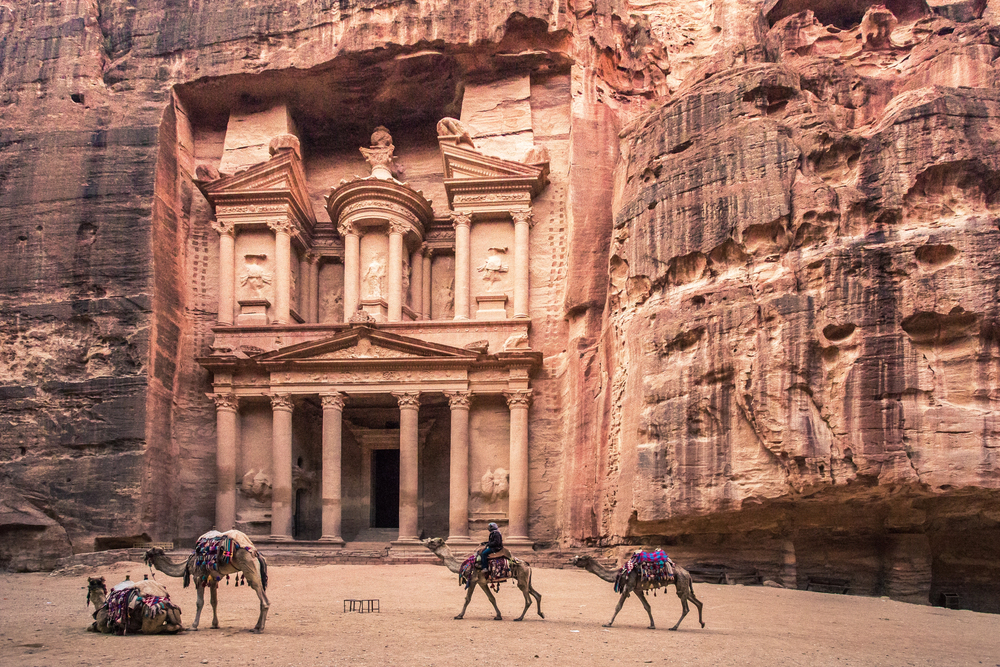
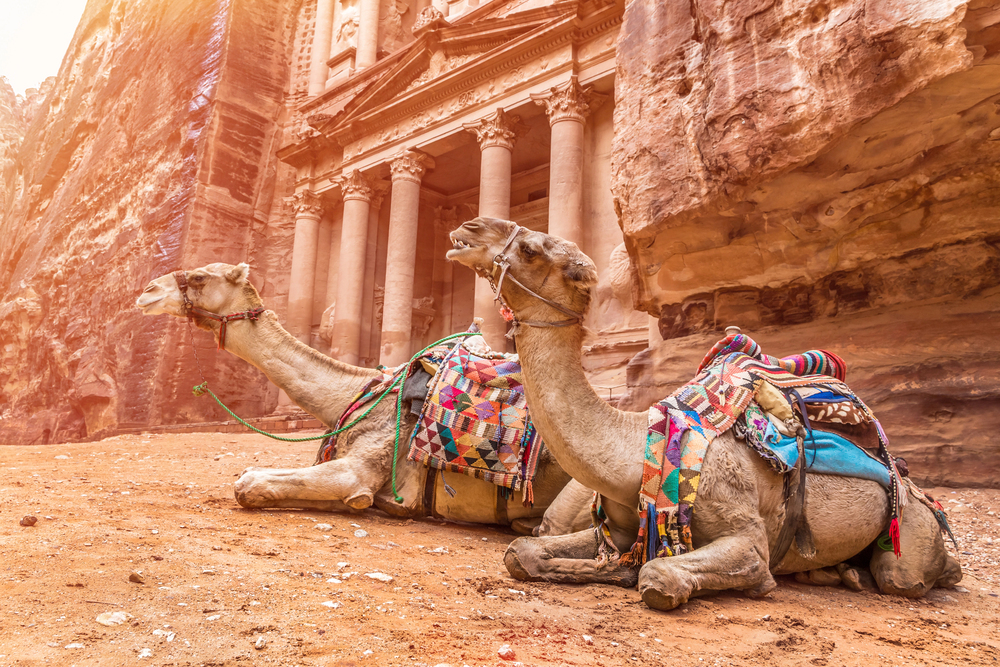
This iconic 40-meter-tall facade welcomes every visitor as they emerge from the slender Siq canyon. Although there are still rumors of secret treasure chambers within, the Nabataeans carved it straight into the cliff face as a royal tomb.
The Treasury’s ornate columns and sculptures are illuminated by more than 2,000 candles on candlelit nights. Details that are invisible during the day are revealed by the warm glow, such as delicate color changes in the sandstone and elaborate carvings that appear to dance in the flickering light.
The Siq
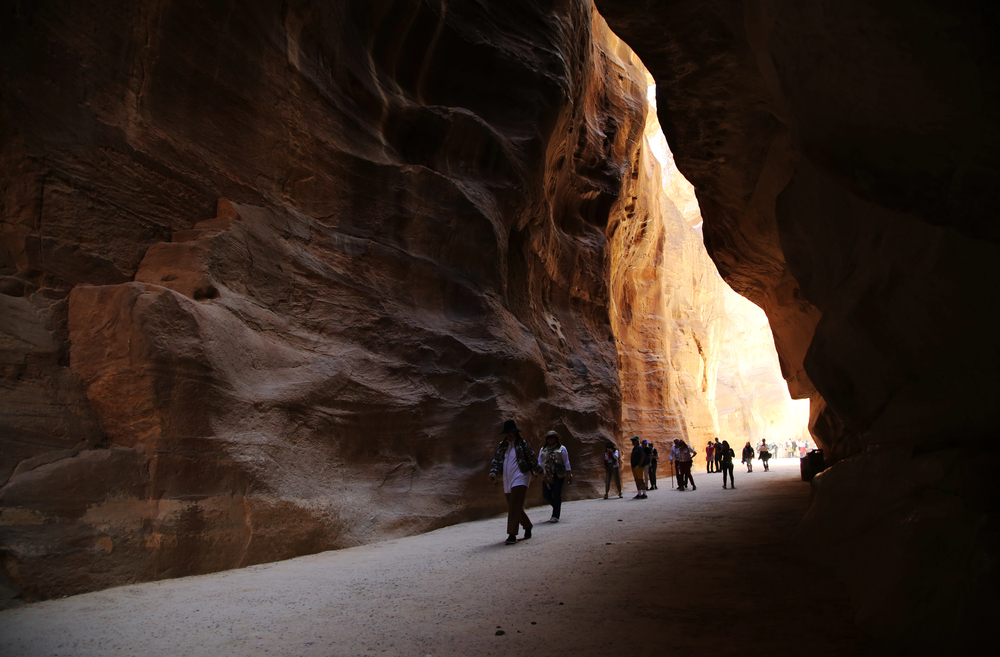
This winding gorge stretches 1.2 kilometers and serves as Petra’s dramatic entrance. Ancient water channels run along both walls, testament to Nabataean engineering genius. The canyon walls tower 200 meters high in places, creating a natural cathedral of stone.
Walking the candlelit Siq transforms the daytime tourist highway into something mystical. Each candle placement along the path creates pockets of golden light against towering shadows. The silence is profound—no tour groups, no horse carriages, just footsteps echoing off ancient walls.
The Monastery
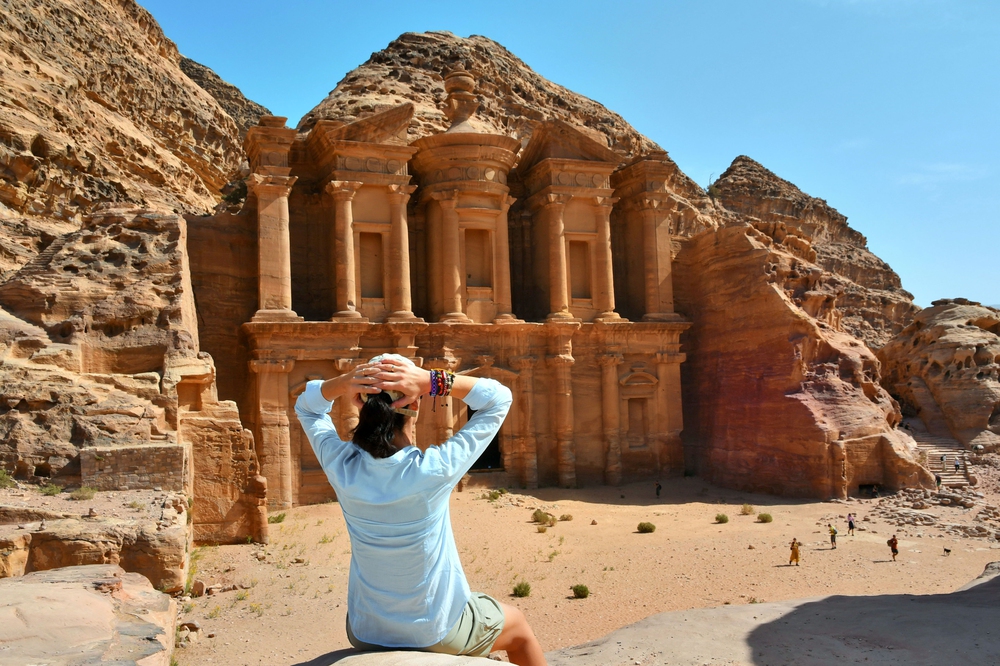
Petra’s largest carved monument sits high above the main archaeological site. Reaching it requires climbing 800 rock-cut steps, but the reward justifies every labored breath. The facade measures 50 meters wide and incorporates both Nabataean and Greek architectural elements.
Most visitors never see the Monastery by night. The trek up is challenging enough in daylight, and evening tours stick to the main circuit below.
Royal Tombs
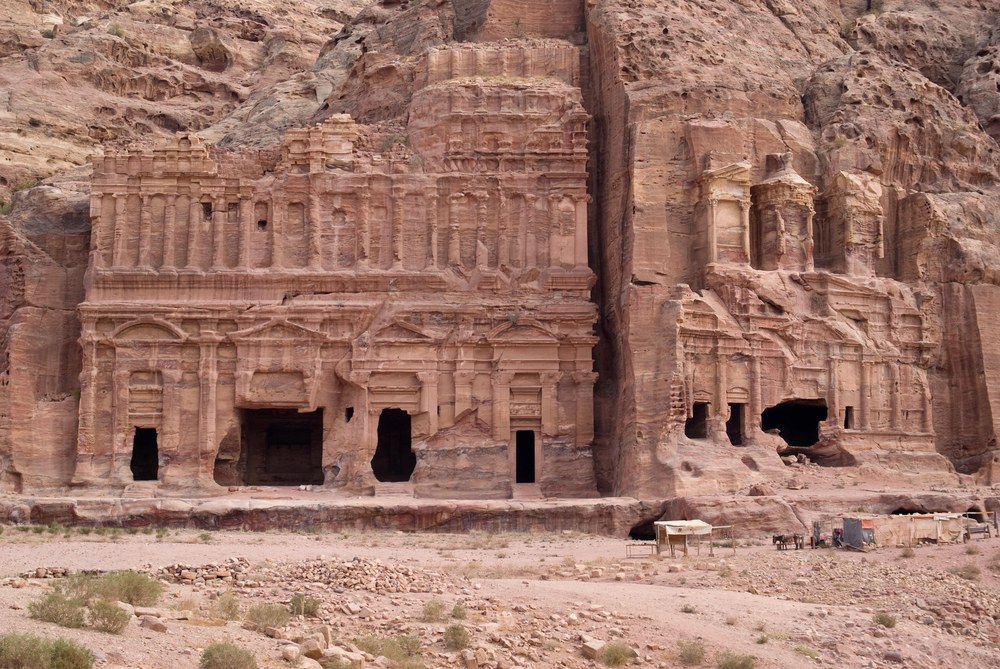
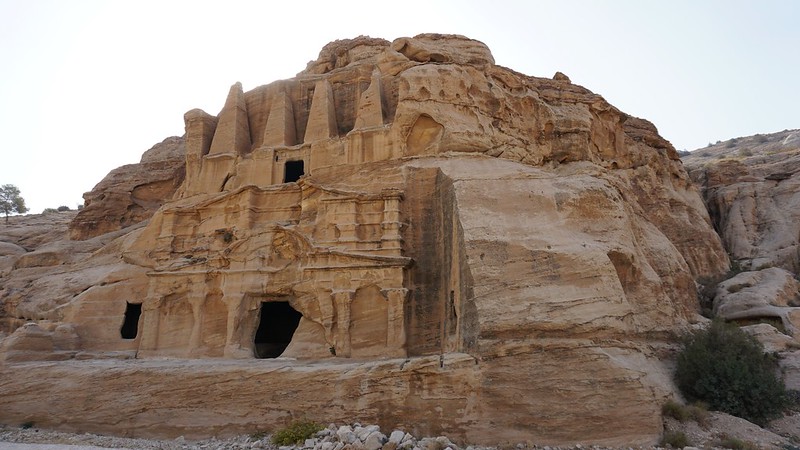
Four elaborate burial facades dominate Petra’s eastern cliff face. The Urn Tomb, Palace Tomb, Corinthian Tomb, and Silk Tomb showcase the artistic pinnacle of Nabataean stone carving. Each tells a different story about wealth, power, and beliefs about the afterlife.
And these tombs reveal their most dramatic colors during the golden hour before sunset. But that’s daylight talk—at night, they become mysterious silhouettes against star-filled skies.
Great Temple
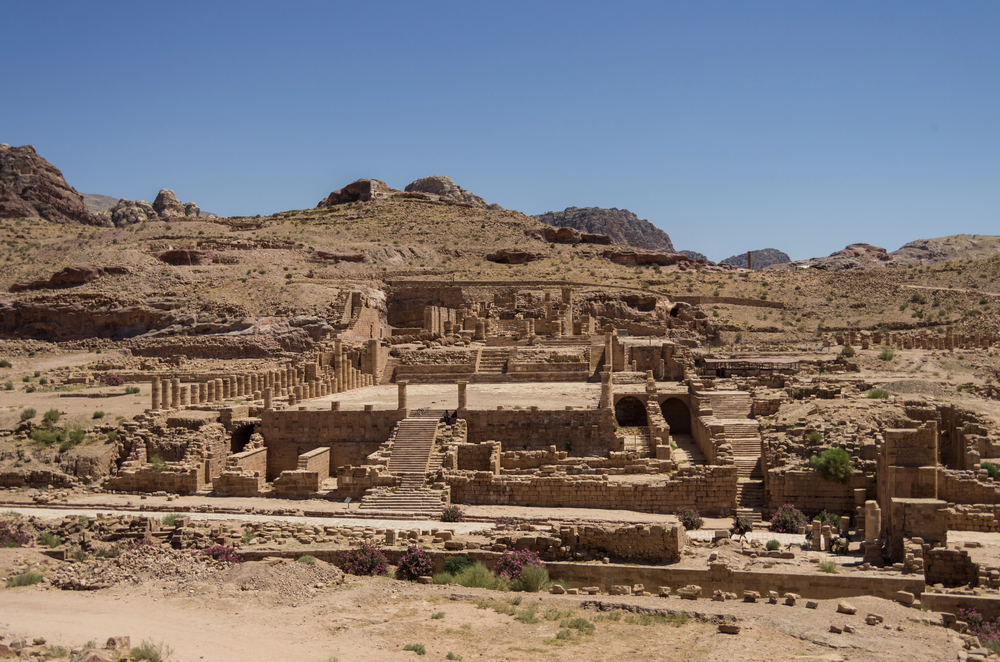
This massive complex once stood 18 meters tall before earthquakes reduced it to atmospheric ruins. Archaeologists debate whether it served religious or administrative purposes. The surviving columns, courtyards, and elephant-headed capitals hint at former grandeur.
Walking through the Great Temple at night feels like exploring a ghost city. Moonlight filters through broken stone, casting shadows that change with every step. The small theater within the complex creates an intimate space where ancient voices seem to whisper.
Qasr al-Bint
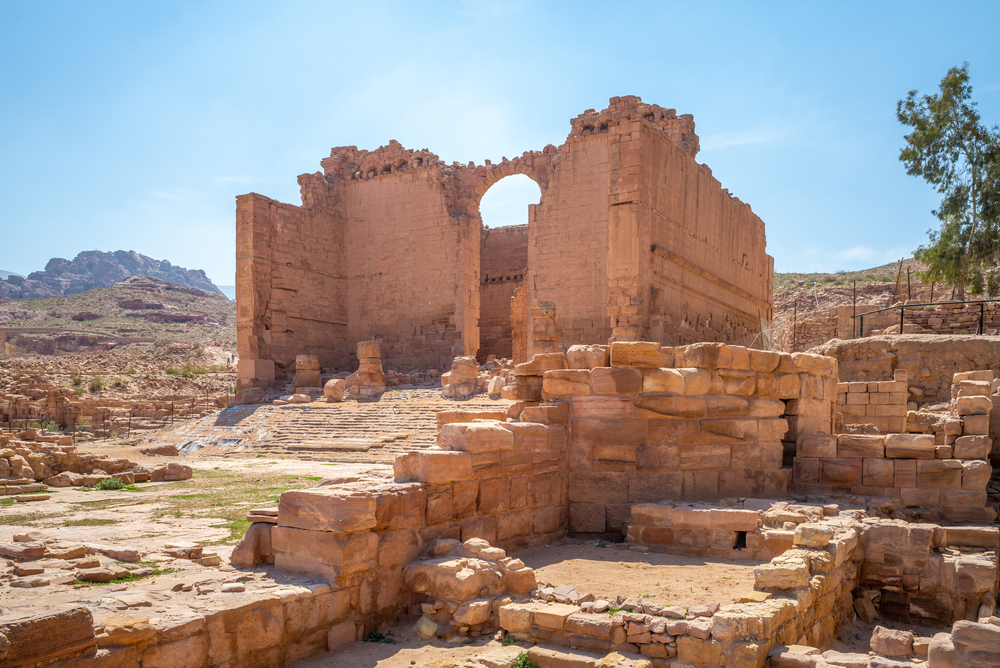
The best-preserved freestanding structure in Petra, this temple honors the Nabataean god Dushara. Its thick walls and massive stones have withstood 2,000 years of earthquakes, flash floods, and human occupation.
Water management system
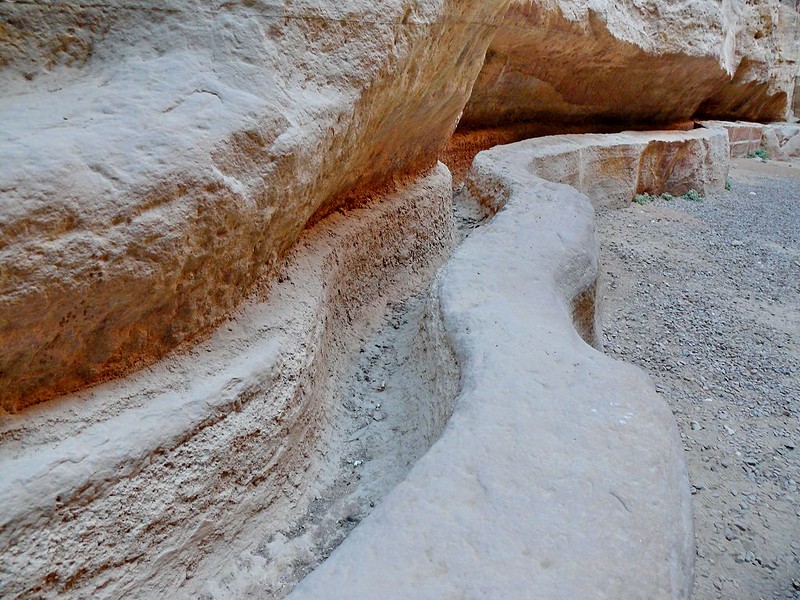
Hidden throughout Petra lies an extensive network of channels, cisterns, and ceramic pipes that collected every precious drop of desert rainfall. This engineering marvel supported a population of 30,000 in one of the world’s most arid environments.
• Dam systems diverted seasonal floods • Rock-carved channels directed water flow
• Underground cisterns stored water year-round • Clay pipes distributed water throughout the city
The Nabataeans understood that in the desert, water equals survival—and prosperity.
High Place of Sacrifice
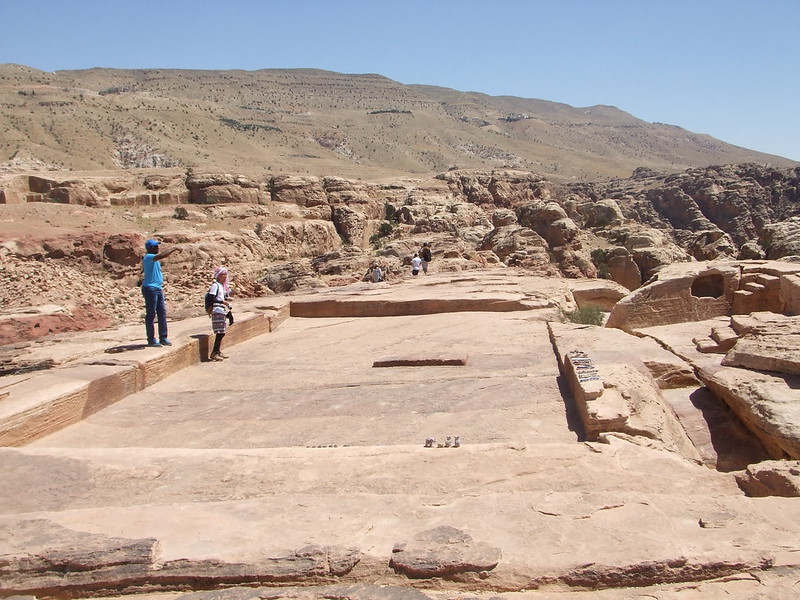
Perched on Jebel Madbah, this elevated altar offers panoramic views across Petra’s archaeological park. Stone steps lead to ceremonial platforms where ancient priests performed rituals to ensure divine favor for trade caravans.
The climb takes 45 minutes. Most tourists skip it. Their loss.
Colonnaded Street
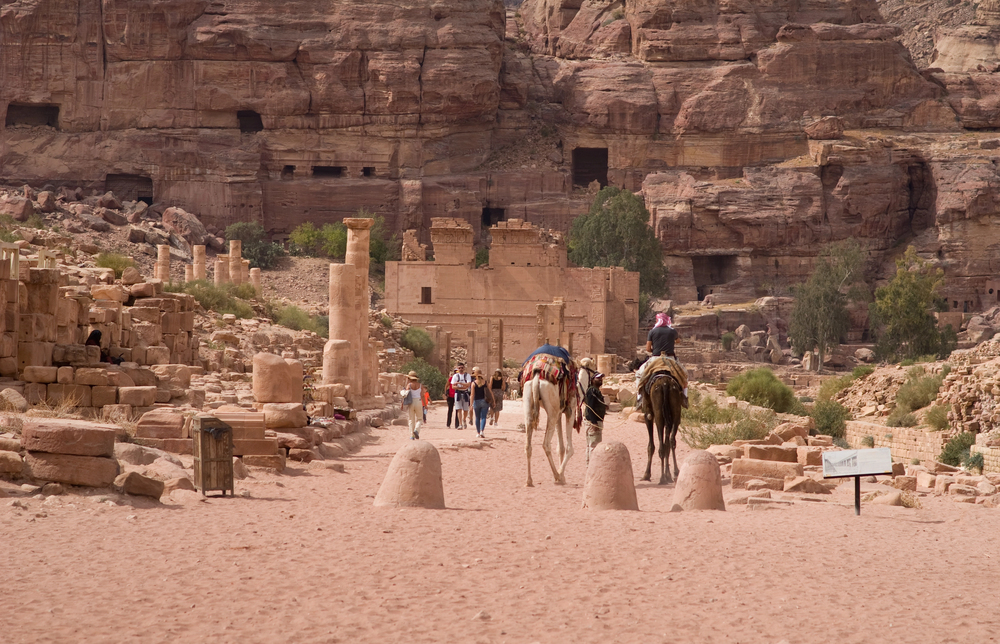
— Photo by surkovdimitri
This Roman-era thoroughfare once bustled with merchants hawking spices, silks, and precious stones from India and Arabia. Massive columns line both sides of the paved street, creating a grand processional way through Petra’s commercial heart.
At night, the Colonnaded Street becomes a moonlit highway through history. Footsteps echo differently here—sharper, more defined—as if the ancient stones remember the weight of countless travelers.
Petra by Night experience
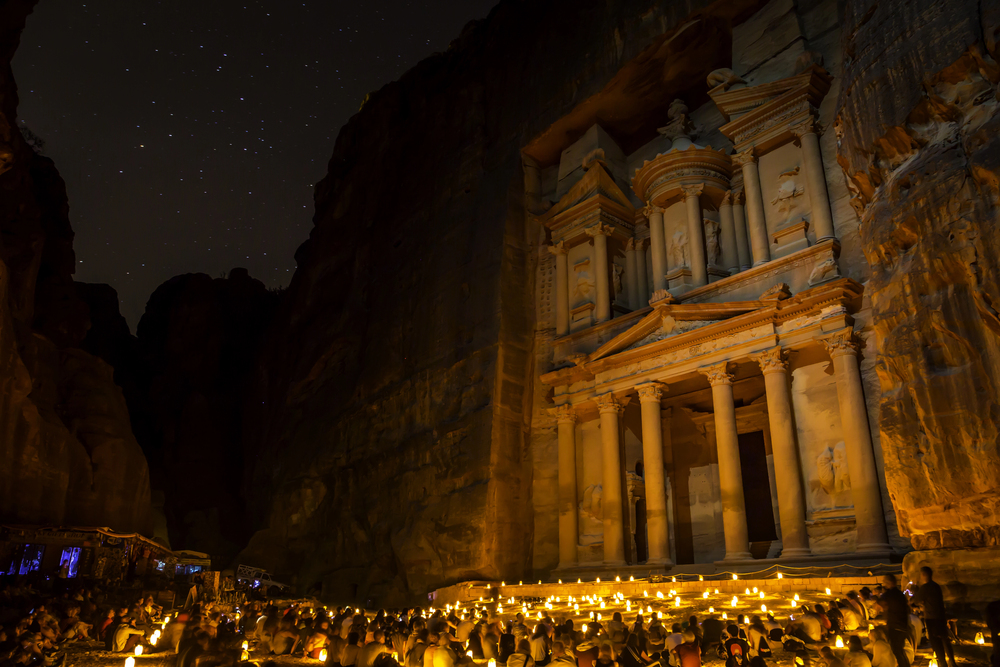
— Photo by olivertlchan
Every Sunday through Thursday, the modern magic begins at 8:30 PM. Visitors purchase separate tickets for this privately operated evening show that illuminates the Siq with candles and culminates at the Treasury with projection mapping and traditional Bedouin music.
The experience includes sage tea and storytelling. But the real magic happens during the silent walk through the candlelit canyon, when Petra sheds its daytime identity as tourist destination and becomes what it always was—a place where human ambition carved beauty from stone.
Theatre
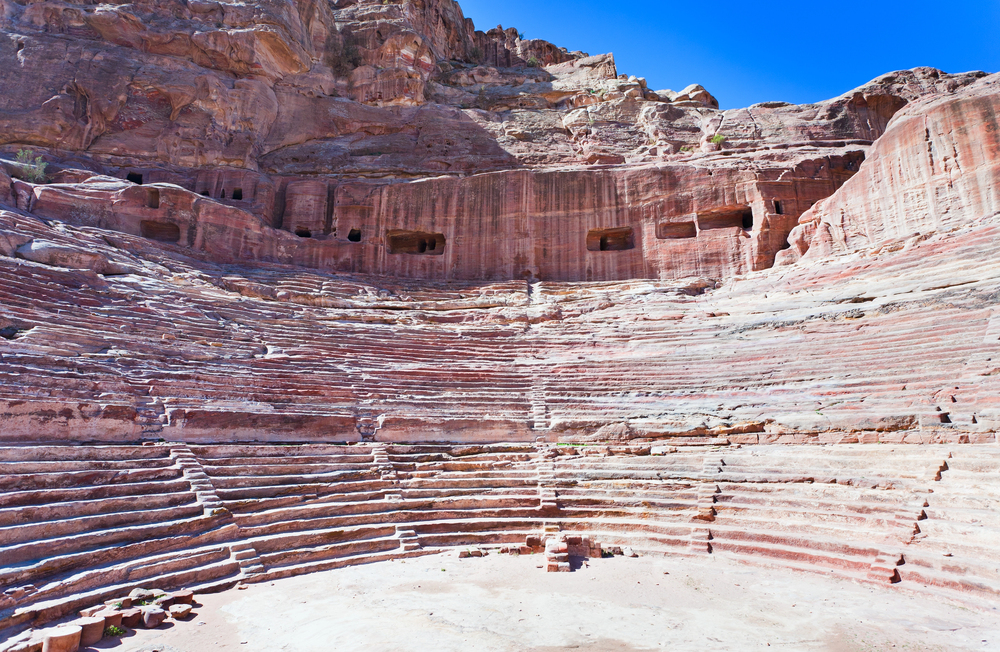
This Roman-period amphitheater seats 3,000 spectators and demonstrates how successive civilizations adapted Petra to their needs. The Nabataeans began it, the Romans completed it, later inhabitants used it for different purposes entirely.
Tomb of Obelisks
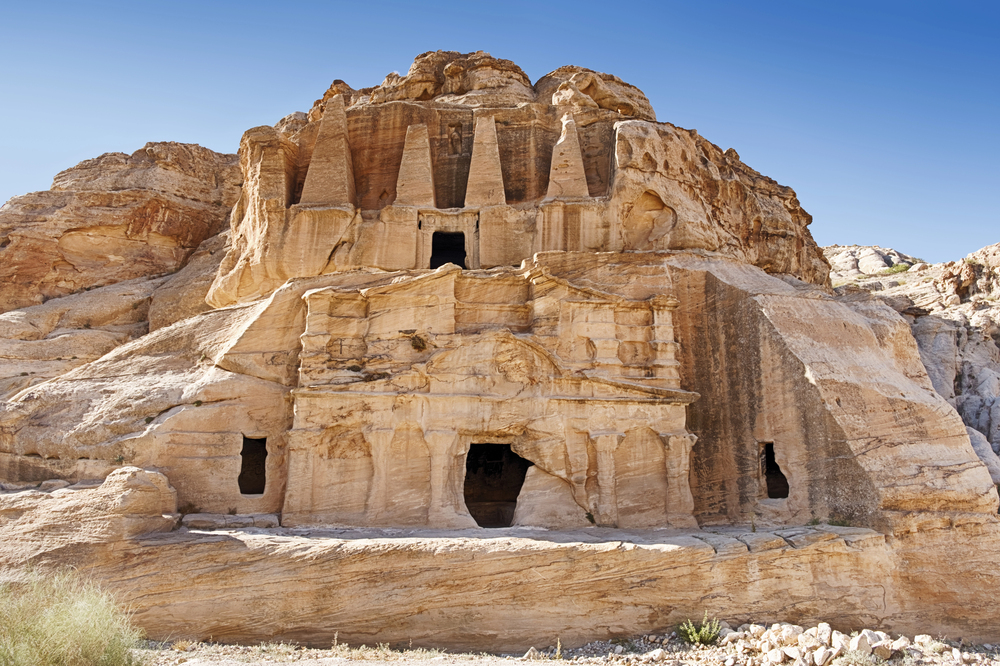
Four towering stone obelisks crown this unique burial monument, each reaching 7 meters skyward. Below lies a funeral hall where ancient mourners gathered to honor the dead. The combination of Egyptian-influenced obelisks with Nabataean funeral architecture creates something found nowhere else on Earth.
Little Petra
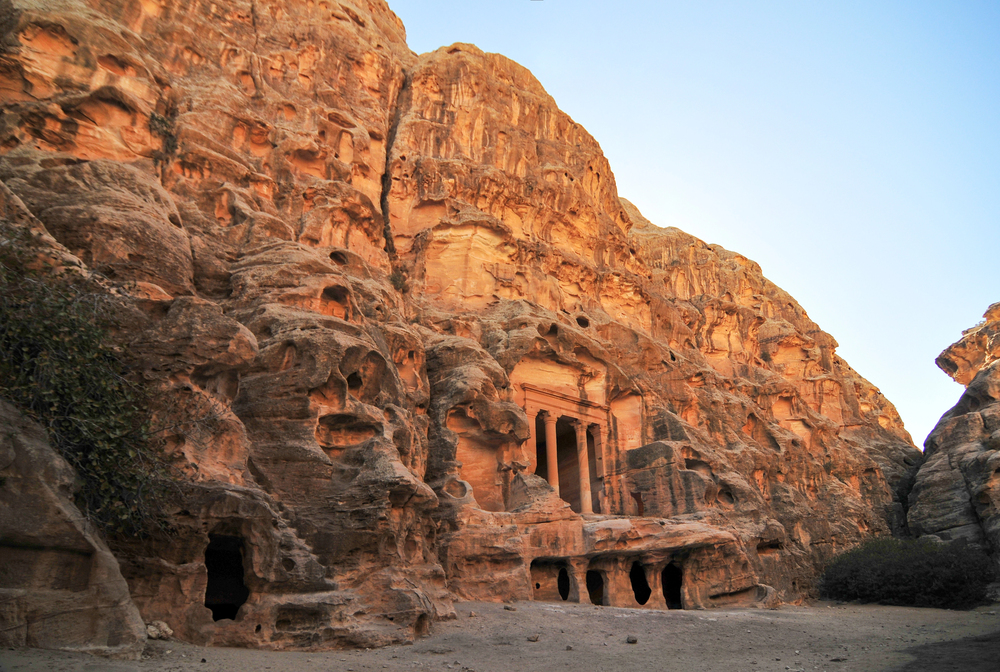
Located 10 kilometers north of the main site, this smaller complex served as a suburb and caravanserai for Nabataean merchants. The carved facades and chambers mirror their famous cousins, but on a more intimate scale.
Few people visit Little Petra at night. Those who do discover a profound silence broken only by desert wind through ancient doorways.
Temenos Gateway
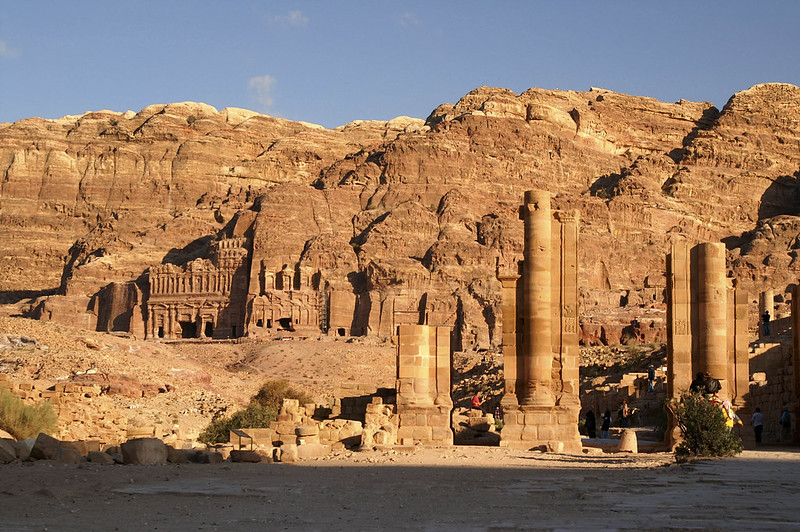
This ceremonial entrance once marked the boundary between Petra’s commercial and sacred districts. Today, only foundations and scattered columns remain, but they hint at the imposing structures that once stood here.
Byzantine Church
— Photo by vvoennyy
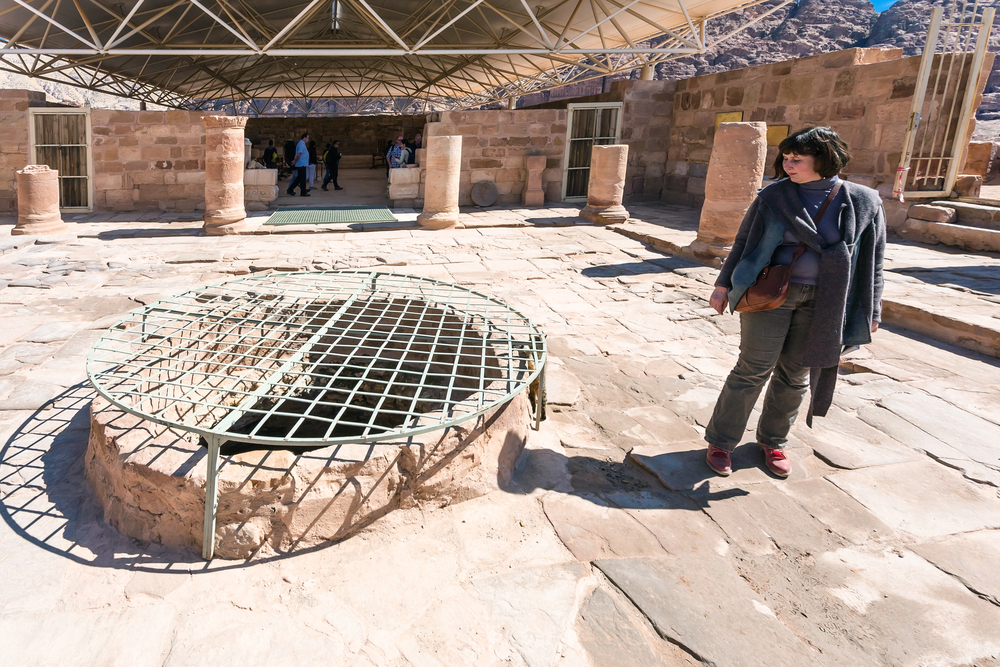
The remains of this 6th-century church include stunning floor mosaics depicting exotic animals and mythological creatures. When Christianity reached Petra, it transformed pagan temples into Christian worship spaces, layering new faith onto ancient stones.
Wadi Farasa
— Photo by Kisa_Markiza
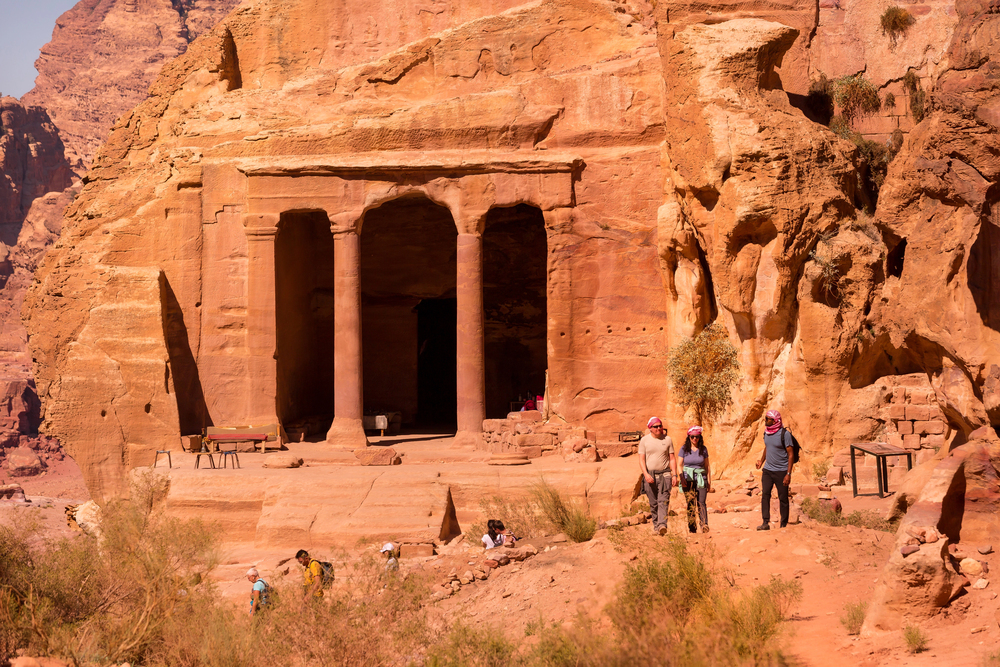
This hidden valley contains some of Petra’s most remarkable carved facades, including the Garden Temple and Lion Monument. A natural spring creates a year-round water source that supports both ancient inhabitants and modern Bedouin families.
The walk to Wadi Farasa requires local guidance and takes several hours. But discovering carved lions and temple facades untouched by mass tourism rewards the effort—especially under desert stars.
Snake Monument
Carved into a detached boulder, this serpent relief guards the entrance to a sacred area. The snake’s symbolism in Nabataean religion remains mysterious, but its presence suggests this site held special significance for ancient worshippers.
When stone speaks louder than words
Petra keeps revealing secrets etched into its rose-red cliffs, whether it is illuminated by candles or the harsh desert sun. By building a city with stone facades that catch light differently at every hour, in every season, and under every sky, the ancient Nabataeans created something that endures beyond time.
More from Travel Pug

- 20 Best Beach Towns in the Carolinas
- 13 Destinations Where Tourists Regularly Regret Their Trip
- 20 Things You Actually Get in First Class
- 20 Small Airports With Aviation Museums
- 20 Places in the U.S. That Are Perfect for a Reset Trip
Like Travel Pug’s content? Follow us on MSN.