

Tokyo hosts over 200 Michelin-starred restaurants, but the city’s real culinary magic happens beyond the awards. From underground izakaya networks beneath railway tracks to specialized food districts that have perfected single dishes for centuries, Tokyo’s food landscape tells the story of a metropolis obsessed with flavor. Below are fifteen culinary trails that will lead you through the most delicious corners of this sprawling city.
Tsukiji outer market
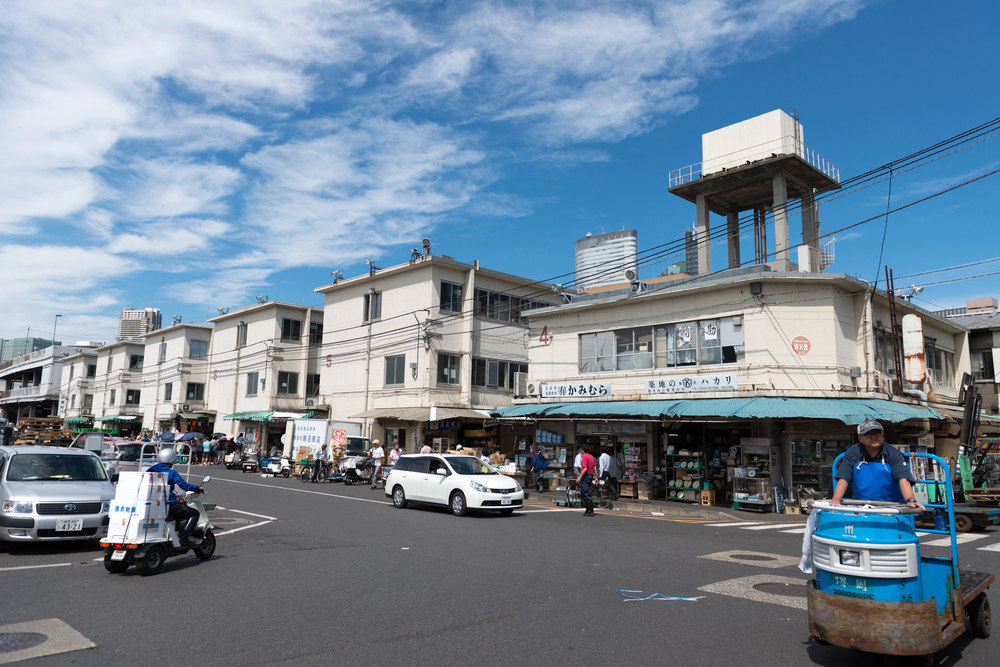
— Photo by shirotie
The famous tuna auctions may have moved to Toyosu, but Tsukiji’s outer market remains packed with restaurants and stalls serving impossibly fresh seafood. Start your morning at 5 AM when vendors begin prepping for the day. The air smells of ocean brine and charcoal.
Walk the narrow alleys between wooden stalls selling everything from sea urchin to wagyu beef. Many spots don’t have English menus, but pointing works fine. The bustling and energetic market allows you to chat with local vendors while sampling some of Japan’s freshest ingredients.
Ginza corridor street
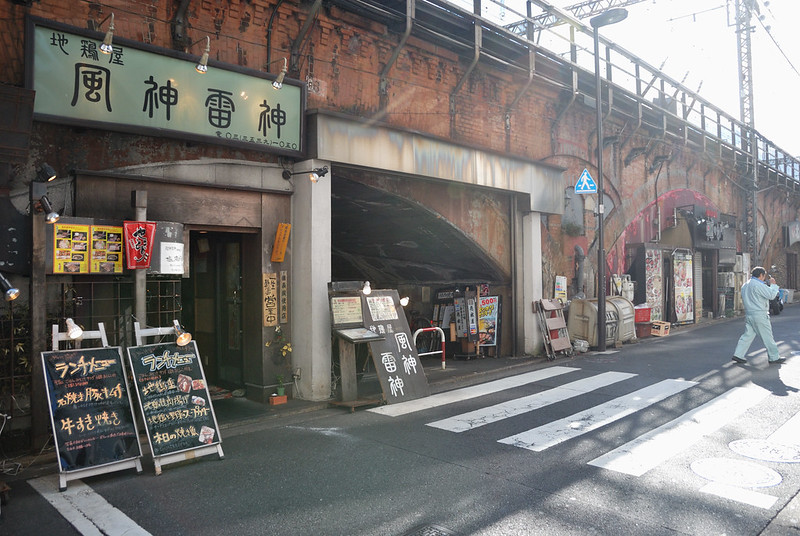
This 400-meter stretch runs beneath elevated train tracks between Shimbashi and Yurakucho stations. Dozens of tiny restaurants squeeze into spaces that would barely qualify as closets elsewhere. Perfect for bar hopping.
The curved ceiling follows the train line overhead. You’ll hear the rumble of carriages while sipping sake at an oyster bar or trying Brazilian barbecue. The international crowd reflects Tokyo’s cosmopolitan appetite.
Shibuya nombei yokocho
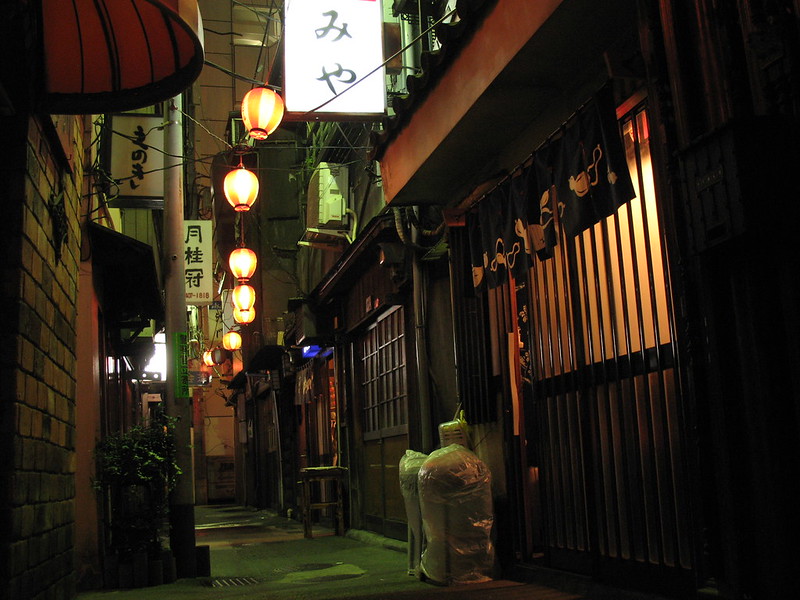
Hidden behind Shibuya’s neon chaos lies this maze of drinking alleys. Shibuya is among the top areas for exploring yokocho, and this particular network delivers an authentic late-night Tokyo atmosphere without the tourist markup.
Follow the red lanterns down narrow passages barely wide enough for two people. Most bars seat fewer than ten customers. The mama-san will remember your drink order after one visit.
Harajuku Takeshita Street
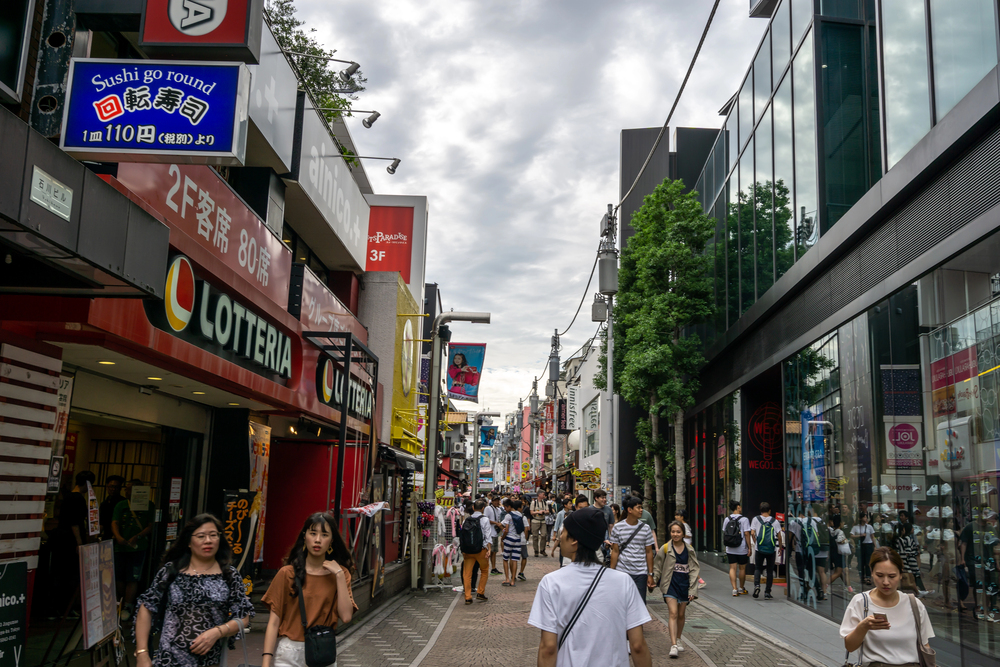
— Photo by aaron90311
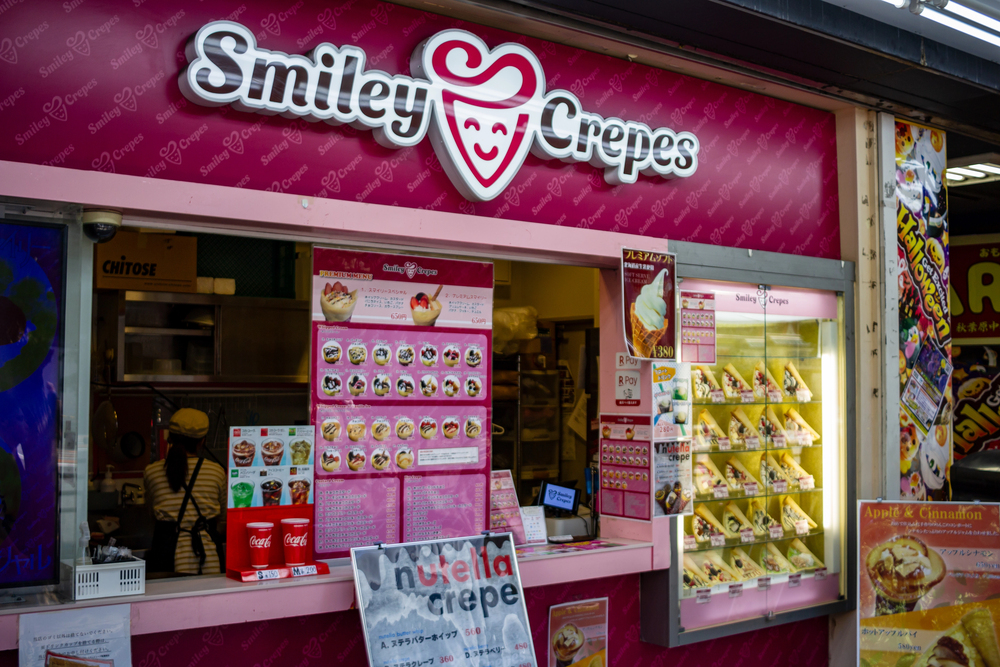
Takeshita Street is lined with quirky shops and colorful street art, but the real attraction is the parade of sweet treats. Crêpes stuffed with ice cream and fruit, rainbow cotton candy, and character-themed desserts create a sugar rush that matches the district’s hyperkinetic energy.
And yes, the Instagram potential is unlimited. Gindaco serves up some of the best takoyaki (octopus balls) for when you need something savory between the sugar bombs.
Asakusa traditional sweets trail
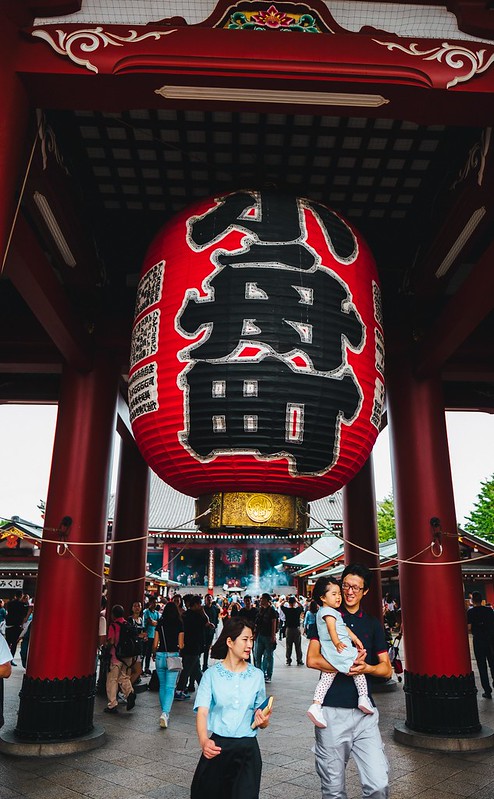
Kagurazaka Street slopes up northwest from near Iidabashi Station, with stores founded in the Edo, Meiji, and Taisho periods that still serve traditional confections using centuries-old recipes. But Asakusa delivers the complete historical package.
Traditional ningyo-yaki (doll-shaped cakes) await visitors to Asakusa, along with freshly made taiyaki filled with sweet red bean paste. The wooden storefronts haven’t changed much since the Edo period. Neither have the recipes.
Kagurazaka Franco-Japanese fusion
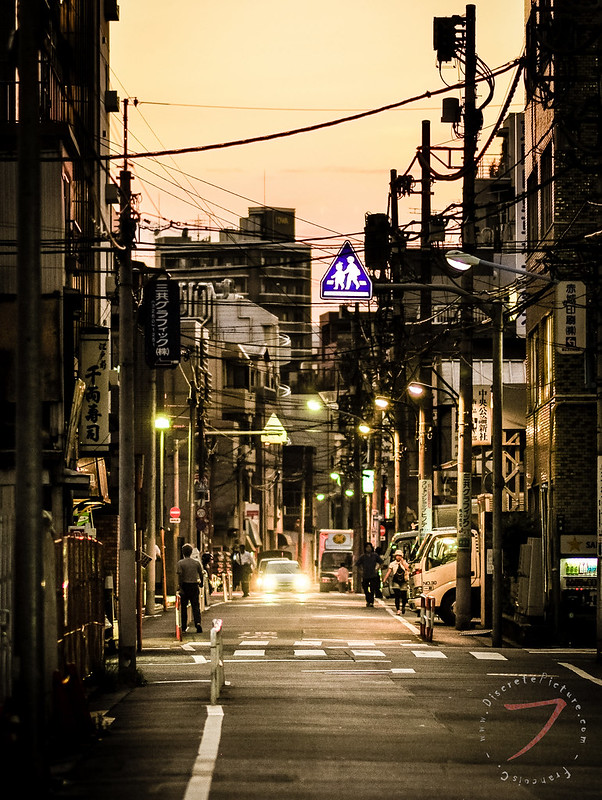
This hillside neighborhood maintains its geisha district charm while embracing French culinary influence. Kagurazaka has a significant French presence due to a French school and a French-Japanese culture center nearby. The result is bistros serving duck confit alongside traditional kaiseki restaurants.
The cobblestone streets create perfect acoustics for the evening rush. You’ll hear the click of heels and murmur of conversation in three languages. Many restaurants require reservations, but the casual bistros welcome walk-ins.
Akihabara maid café circuit
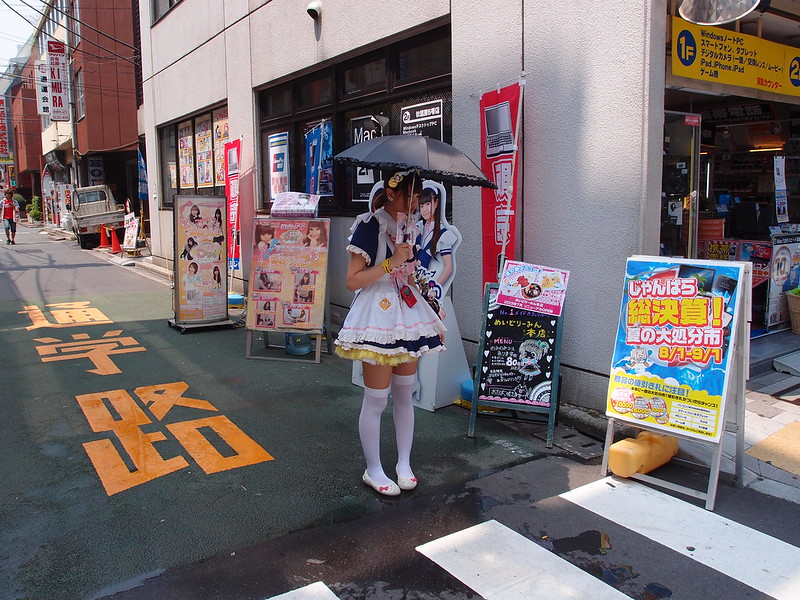
Maid cafés can easily be found in Akihabara where manga-style waitresses in frilly uniforms serve themed dishes and call customers “master.” The food is secondary to the performance, but some places genuinely excel at both.
Start with the classics before exploring niche variations. There are maid cafés specializing in different anime themes, some with male waiters, and others focusing on specific character types. Best for open-minded visitors.
Roppongi international embassy row
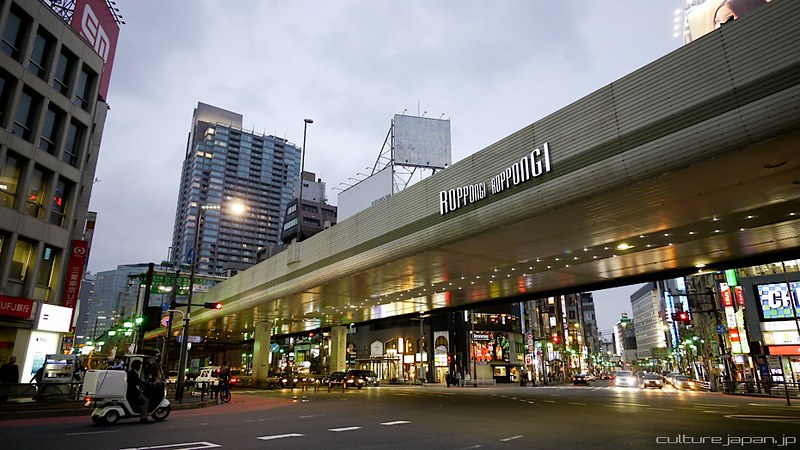
The Azabu area between Roppongi and Hiroo is home to many embassies and consulates, offering international restaurants including several Michelin-starred establishments. This creates an unusual concentration of authentic national cuisines rarely found elsewhere in Japan.
Ethiopian injera, Lebanese mezze, and Peruvian ceviche all exist within walking distance. Many restaurants cater to homesick diplomats, so authenticity runs high. Prices reflect the upscale neighborhood.
Shinjuku omoide yokocho
— Photo by njarvis
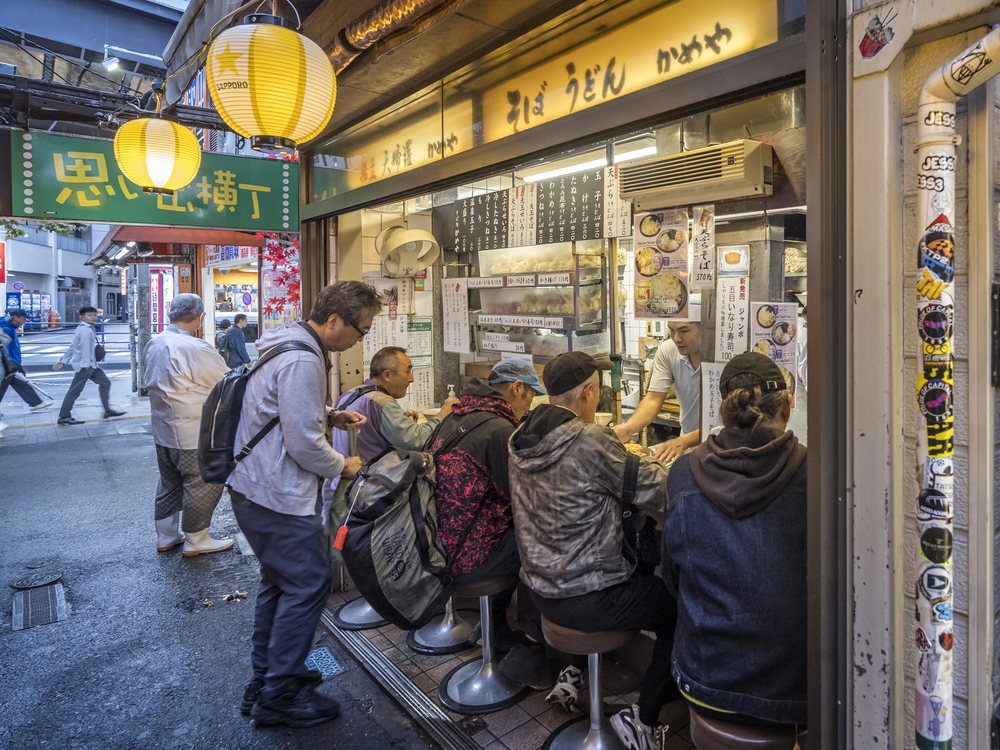
On the northwest side of Shinjuku Station is Omoide Yokocho, colloquially known as Piss Alley. Don’t let the nickname deter you – this collection of tiny yakitori stalls represents Tokyo’s post-war dining culture at its most concentrated.
Many restaurants consist of just a small counter and can seat less than a dozen diners. The smoke from dozens of grills creates a hazy atmosphere that feels timeless. Order beer and point at whatever looks good on neighboring plates.
Nakameguro artisanal everything
— Photo by warasit
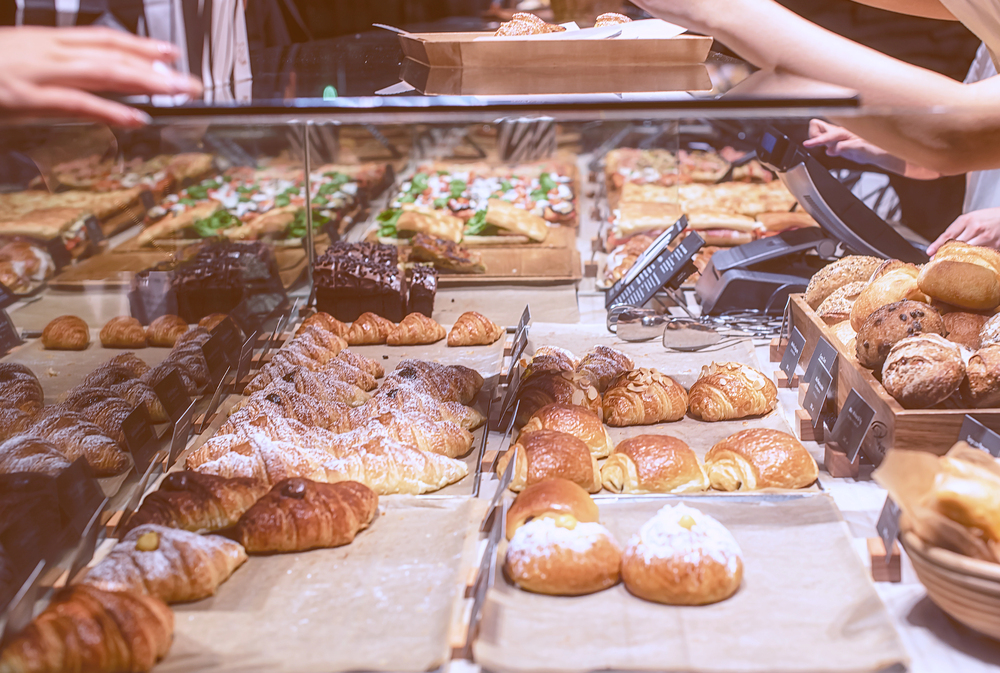
Nakameguro is similar to parts of Brooklyn in that once-affordable real estate attracted artists, designers, and chefs and artists, designers, chefs, and entrepreneurs have flocked there. The result is a concentration of craft-focused restaurants and specialty food shops.
Third-wave coffee roasters, artisanal bread bakeries, and farm-to-table restaurants line the streets near the Meguro River. The spring cherry blossoms create tunnel effects over the water. Many chef-owners worked at high-end restaurants before opening their own casual spots here.
Azabu-juban sophisticated snacking
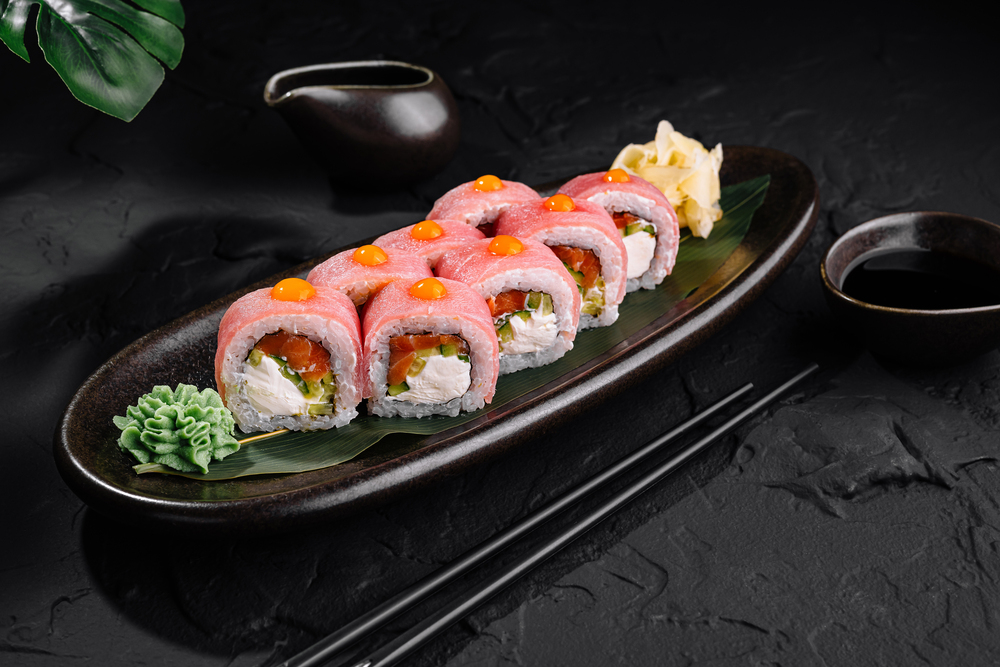
Azabu Juban is known as a fashionable neighborhood for grown-ups in Tokyo where elegant presentation meets serious cooking skills. The international expat community ensures diverse options beyond Japanese cuisine.
Quality Italian, French, and fusion restaurants cluster around the main shopping street. Lunch sets offer Michelin-level cooking at reasonable prices. The neighborhood maintains a relaxed pace despite its proximity to Roppongi’s intensity.
Tsukishima Monja street
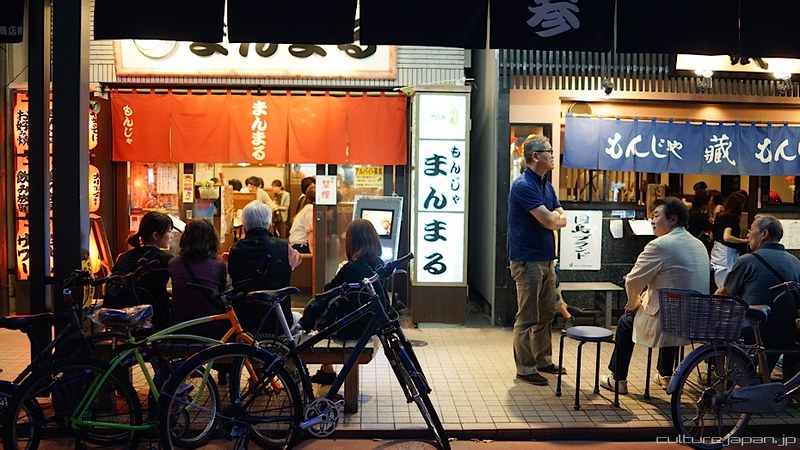
Tsukishima Monja Street is located just outside Exit 7 of Tsukishima Station and is lined with restaurants serving monjayaki. This Tokyo-specific dish resembles a deconstructed pancake cooked on a tabletop griddle.
Each restaurant offers different variations:
- Classic cabbage and seafood
- Mochi and mentaiko (spiced cod roe)
- Sweet versions with red bean paste for dessert
The cooking process becomes a social activity as diners collaborate over the hot plate. Textures range from crispy edges to gooey centers.
Ameyoko Ueno Market chaos
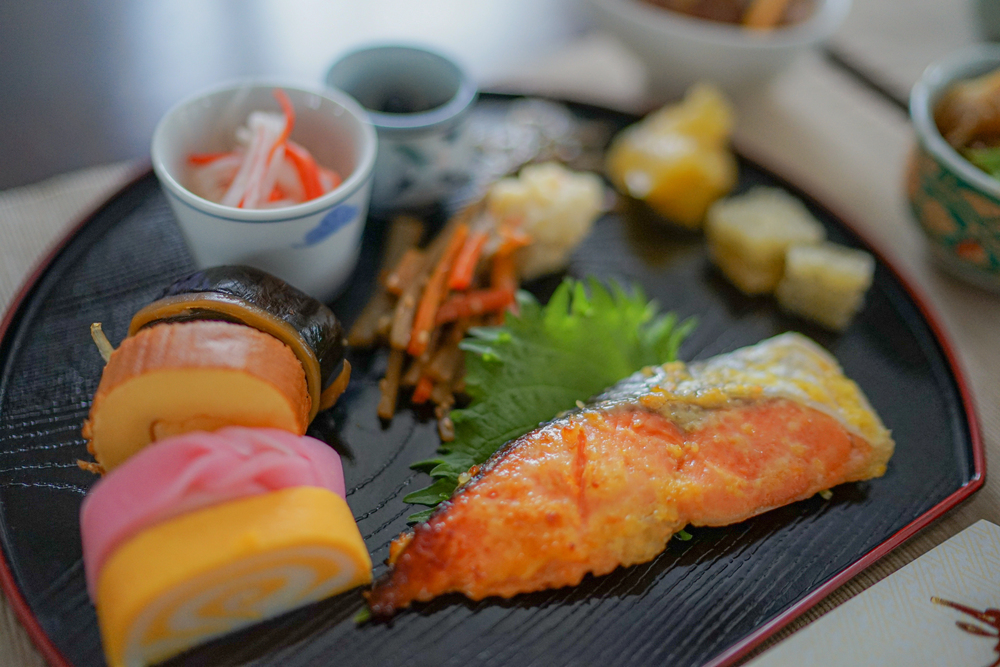
The busy market of Ameyoko in Ueno sells traditional Japanese New Year foods but operates year-round as Tokyo’s most democratic food destination. Vendors shout prices, samples fly freely, and quality ranges from exceptional to questionable.
Fresh tuna sashimi competes with Korean kimchi, Chinese dumplings, and Turkish kebabs. The narrow passages force close contact with other shoppers. Cash only, and bargaining is expected for larger purchases.
Ebisu sophisticated small plates
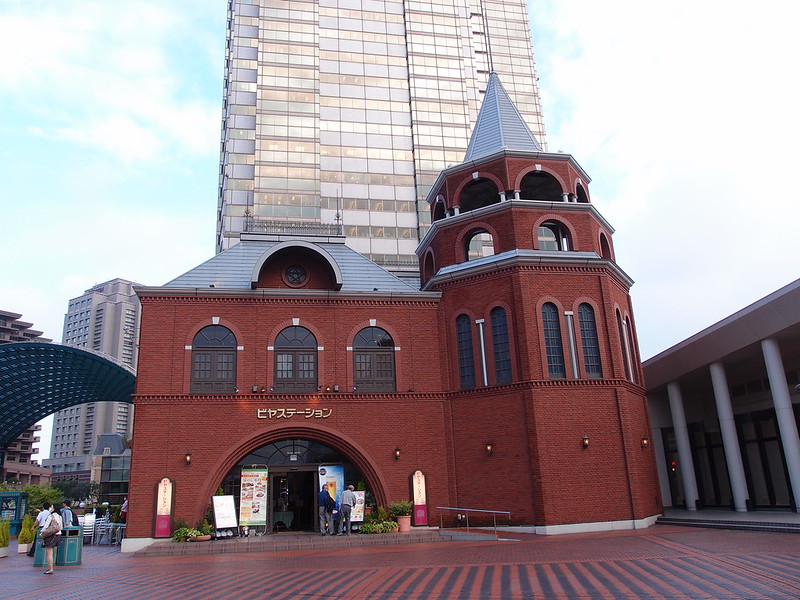
One of the most desirable residential neighborhoods in Tokyo, Ebisu is a haven of green spaces and outdoor cafés. The dining scene reflects this relaxed sophistication with restaurants focusing on seasonal ingredients and natural wines.
From traditional Japanese eateries to cutting-edge foodie hot spots, Ebisu offers quality without pretension. Many restaurants feature counter seating where you can watch chefs work. The beer garden on the Yebisu building’s rooftop provides panoramic city views.
Golden gai micro-bar marathon
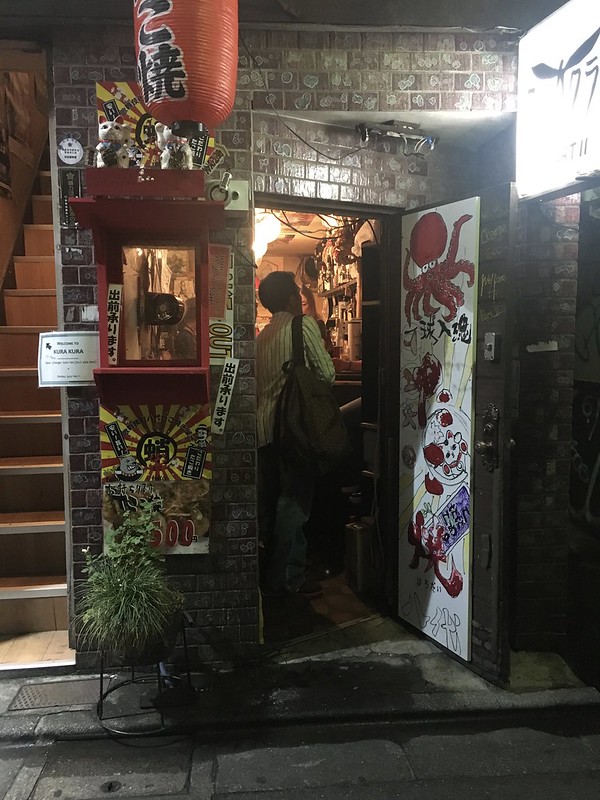
Almost 200 bars in total are tucked away within a 6-alley radius, some so small they only fit 5 or 6 people. Each bar has distinct personality, often built around the owner’s particular obsessions – jazz records, baseball memorabilia, or regional sake.
The challenge isn’t finding a good bar, but choosing which rabbit hole to fall into. Cover charges apply, but they include snacks. Conversations with strangers are inevitable given the intimate spaces. Some bars welcome foreigners more than others.
The endless feast awaits
— Photo by HenryStJohn
Tokyo’s culinary landscape rewards curiosity over caution. The city’s 23 special wards each harbor food cultures distinct enough to warrant weeks of exploration, while individual neighborhoods often specialize in dishes found nowhere else on earth. These 15 trails barely scratch the surface, but they’ll provide enough flavor memories to last a lifetime.
More from Travel Pug

- 20 Best Beach Towns in the Carolinas
- 13 Destinations Where Tourists Regularly Regret Their Trip
- 20 Things You Actually Get in First Class
- 20 Small Airports With Aviation Museums
- 20 Places in the U.S. That Are Perfect for a Reset Trip
Like Travel Pug’s content? Follow us on MSN.