

Digital connectivity has become so pervasive that completely disconnecting requires either enormous self-discipline or physical locations where connectivity simply doesn’t exist. Most of us lack the willpower to ignore our devices when they’re functioning, making the case for choosing destinations where technology becomes difficult or impossible rather than merely optional.
True digital detox means eliminating the constant notifications, the reflexive checking, and the subtle anxiety that comes from being always reachable. The locations that best facilitate this are either geographically remote enough that cell service fails or intentionally designed to keep technology at bay.
Finding places without connectivity grows harder each year as infrastructure expands, making genuinely off-grid destinations increasingly precious. Here is a list of 15 places to go for a digital detox in 2026.
Supai Village requires an eight-mile hike
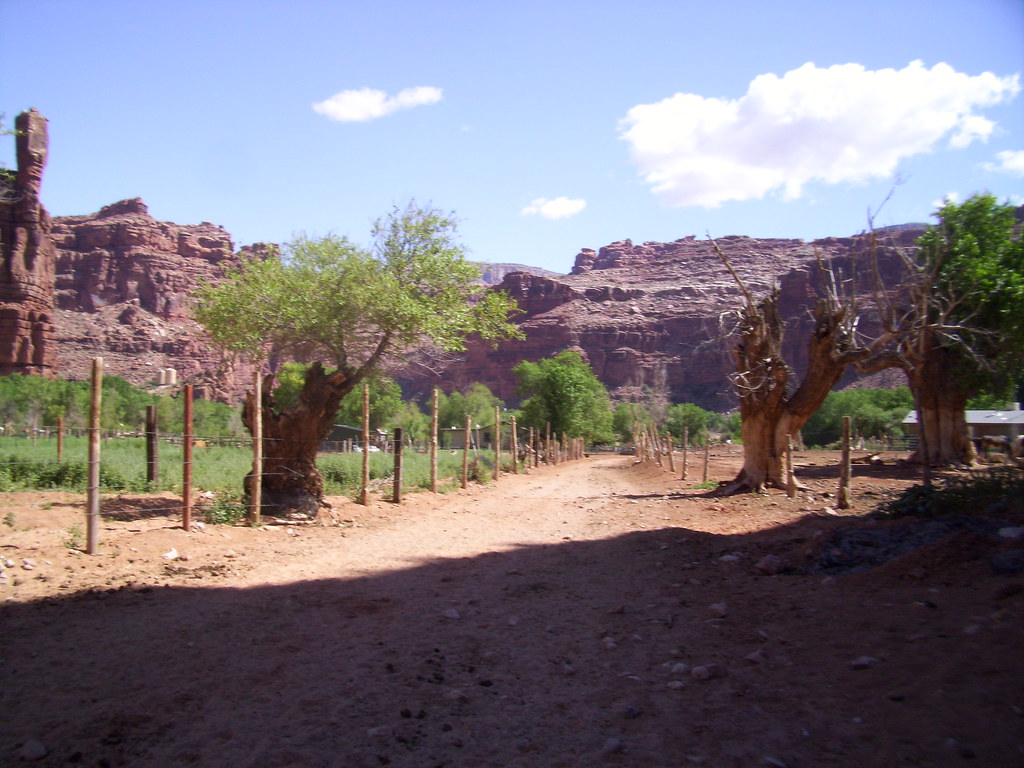
This village at the bottom of the Grand Canyon—home to the Havasupai Tribe—is accessible only by foot, horseback, or helicopter, with no cell service or internet once you arrive. The isolation is absolute and intentional, with the nearest road ending at Hualapai Hilltop eight miles away.
Permits book months ahead, requiring planning, but the turquoise waterfalls and complete disconnection create an environment where digital detox happens automatically. Mail still arrives by mule train, reinforcing how thoroughly removed you are from the digital world.
Patagonia’s Torres del Paine has spotty coverage at best
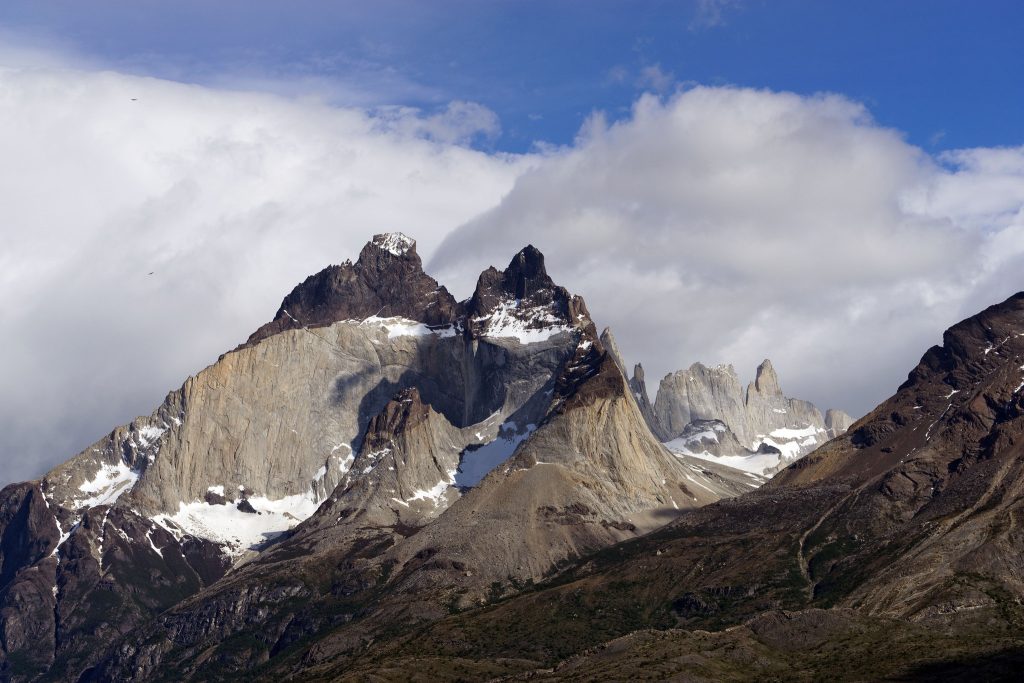
Chile’s iconic national park offers multi-day treks through mountains, glaciers, and lakes where cell service exists only occasionally near park entrances. Most refugios and campsites operate beyond connectivity range, making multi-day circuits true tech-free experiences.
The landscape is dramatic enough to occupy attention completely, leaving little desire to check devices even when brief service appears. The W Trek or Circuit routes take 4–8 days, providing extended periods where checking email literally isn’t possible.
Montana’s Bob Marshall Wilderness protects 1.5 million acres
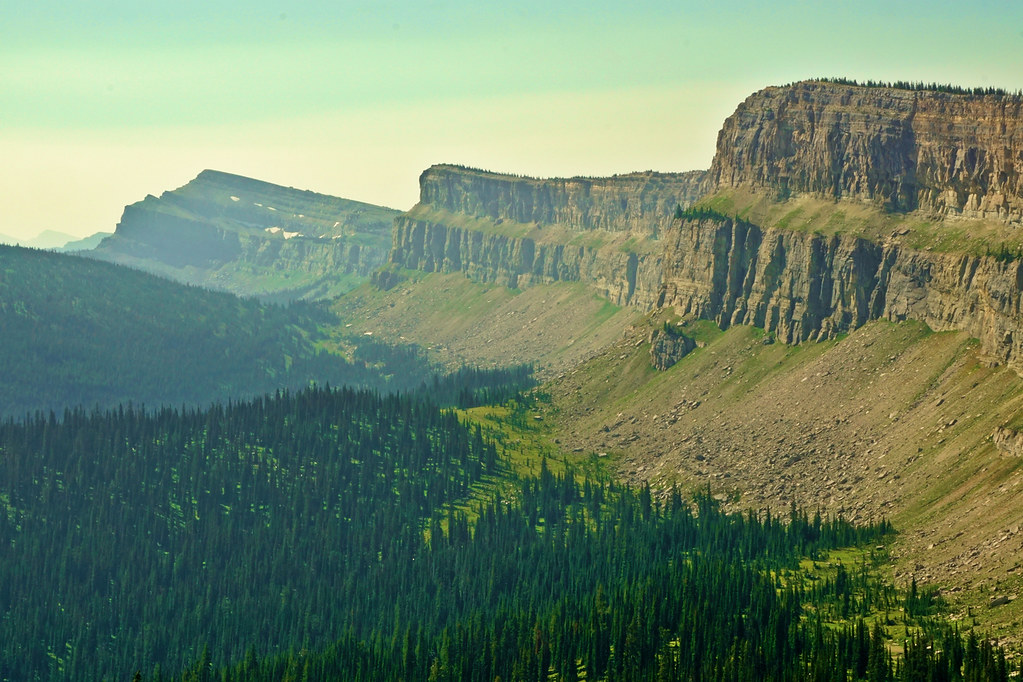
This roadless wilderness complex lacks cell service throughout its vast expanse, requiring multi-day horseback or backpacking trips to access. The wilderness designation prohibits permanent structures and motorized vehicles, preserving wild character that includes zero connectivity.
Outfitters lead pack trips lasting a week or more, creating total immersion in wilderness without any digital tether. The combination of size, remoteness, and protection ensures it’ll remain disconnected.
Bhutan limits tourism and connectivity simultaneously
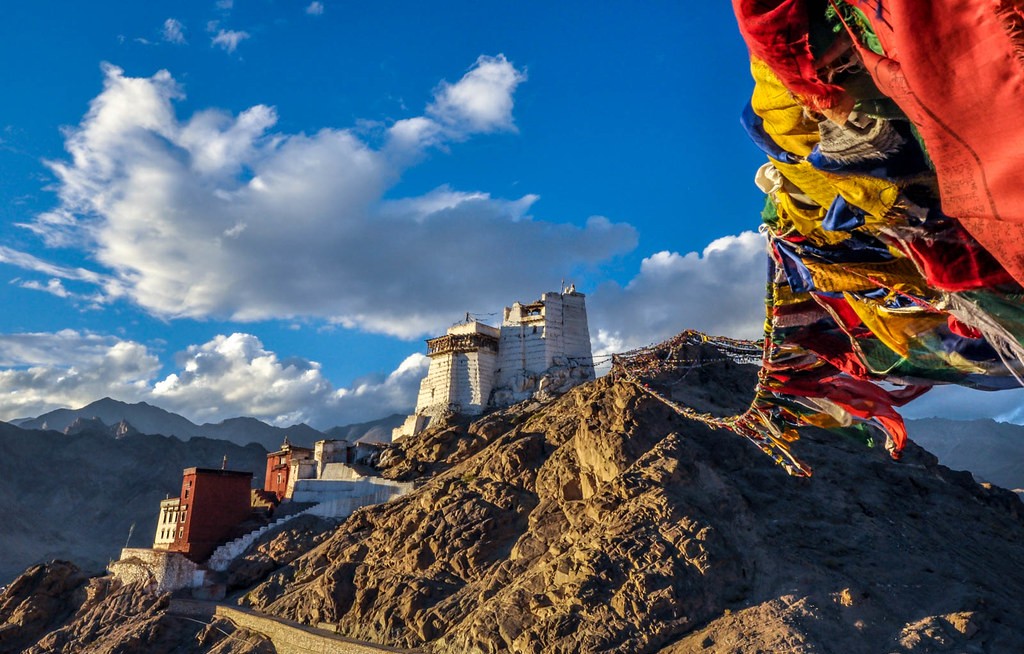
This Himalayan kingdom requires tourists to book through operators and pay daily fees, limiting crowds while many areas lack reliable internet. Monastery stays and treks into remote valleys put you beyond connectivity while cultural focus—Buddhism, traditional arts, archery—provides non-digital engagement.
The government prioritizes Gross National Happiness over development, meaning some regions remain intentionally low-tech. The cultural emphasis on mindfulness aligns perfectly with digital detox goals.
Alaska’s Lake Clark National Park sees few visitors
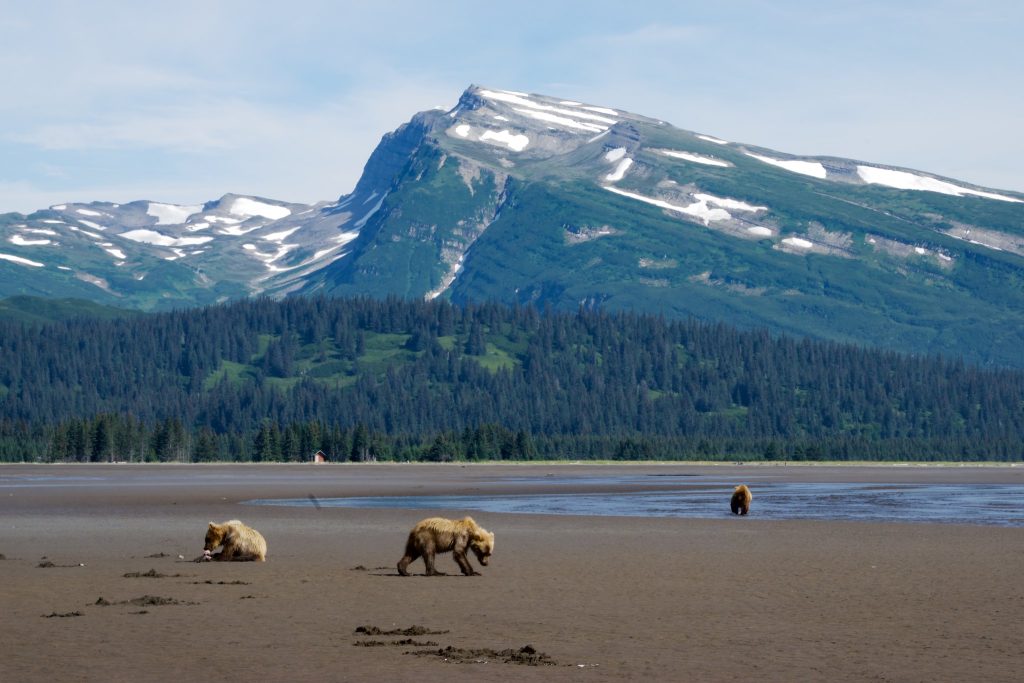
This national park just 60 miles from Anchorage receives under 20,000 visitors annually—compared to Denali’s 600,000—partly because it’s accessible only by boat or plane. Most of the park operates without cell service, and accommodations are basic wilderness lodges or camping.
Bear viewing, fishing, and hiking consume attention while total absence of connectivity prevents digital distractions. The park’s protection and remoteness guarantee continued isolation from technology.
Retreat centers in Bali ban devices intentionally
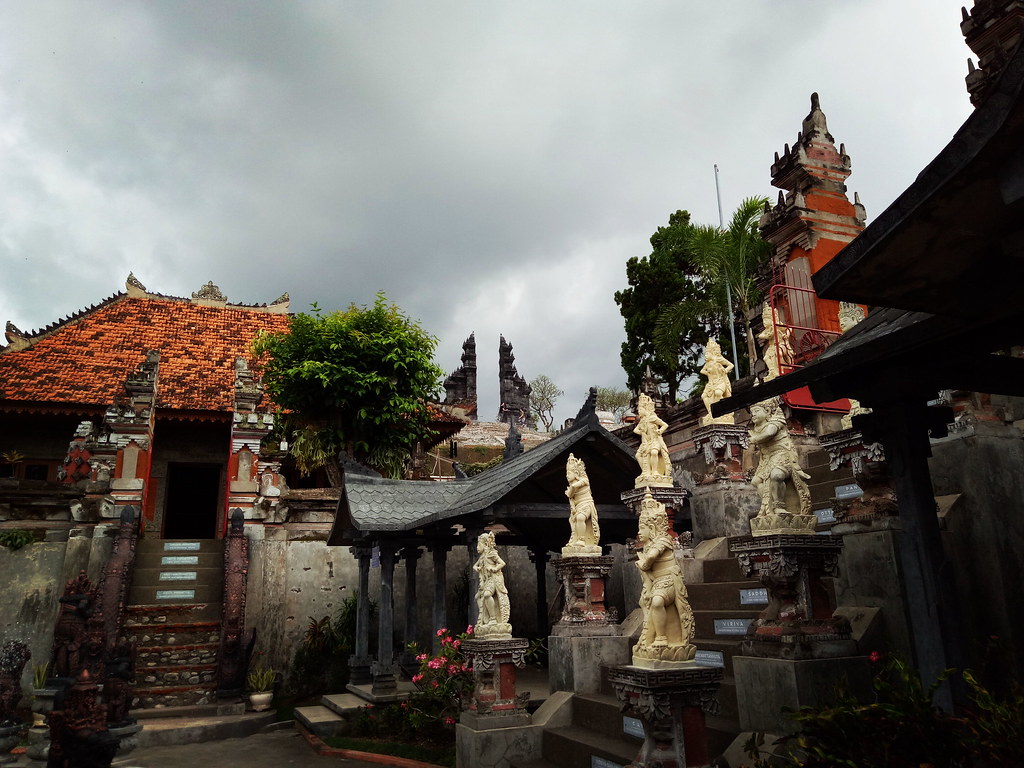
Various yoga and meditation retreats in Ubud and surrounding areas require guests to surrender phones and laptops upon arrival, creating enforced disconnection. The combination of rules and cultural focus on spirituality makes digital detox a feature rather than a challenge.
Multi-day silent retreats eliminate both digital and verbal communication, pushing participants into genuine presence. The tropical setting and Balinese Hinduism provide alternative focus points beyond technology.
Scotland’s Isle of Skye has connection gaps
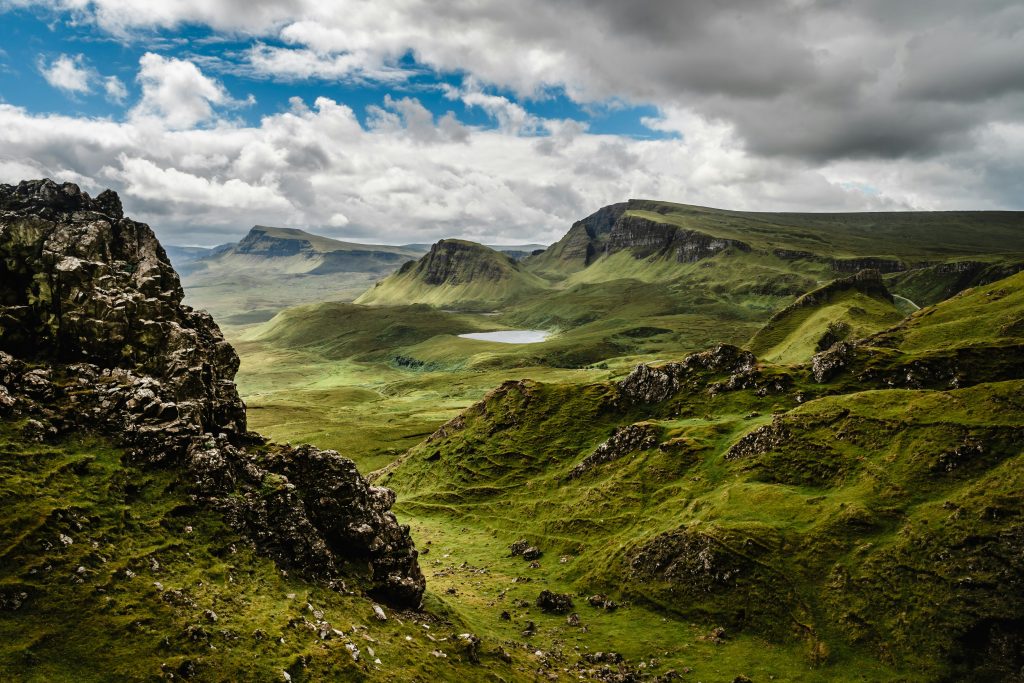
While parts of Skye have improved connectivity, much of the island—particularly remote hiking areas like the Cuillin Ridge or the Quiraing—operates beyond reliable cell service. Staying in remote cottages or bothies means hours or days without connectivity.
The dramatic landscapes demand attention while weather often prevents device use even when service theoretically exists. Scottish hostility to reliable weather and infrastructure creates natural disconnection.
Namibia’s desert lodges embrace isolation
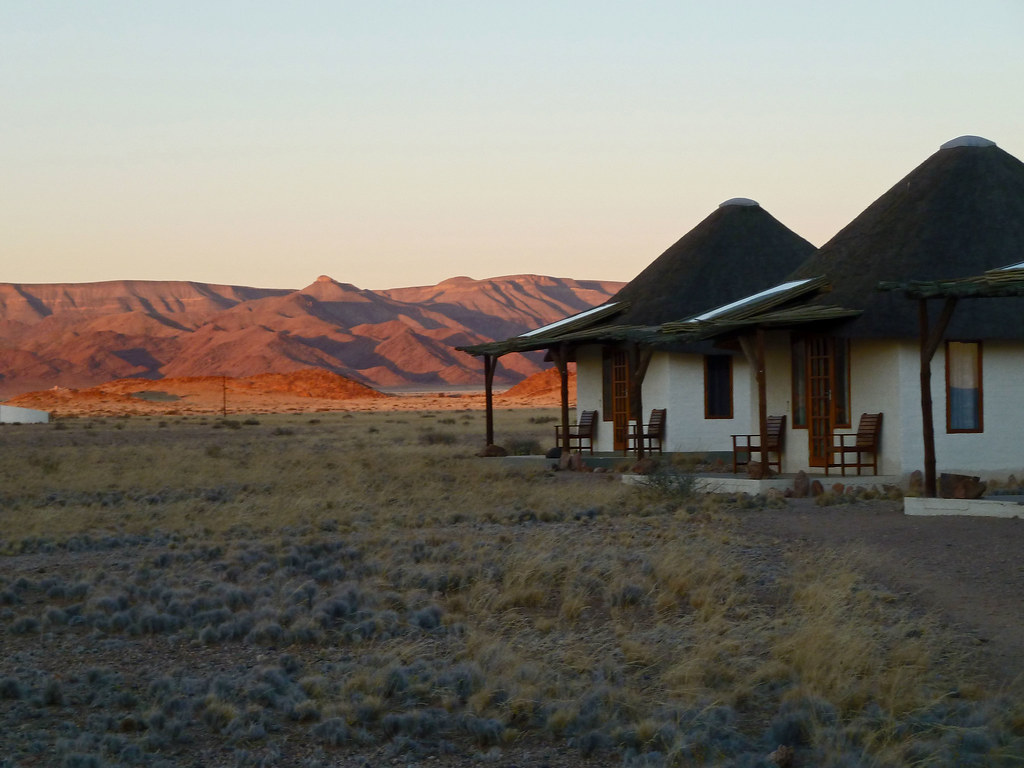
Remote properties in the Namib Desert or near Etosha National Park often lack Wi-Fi and have minimal cell coverage due to extreme remoteness. Some lodges intentionally avoid adding connectivity to preserve the desert silence and star-filled nights.
Game drives and desert explorations consume days while evenings involve conversation rather than scrolling. The emptiness of Namibia’s landscapes—some of the least densely populated areas on Earth—extends to digital space.
Norway’s Svalbard sits at 78° North
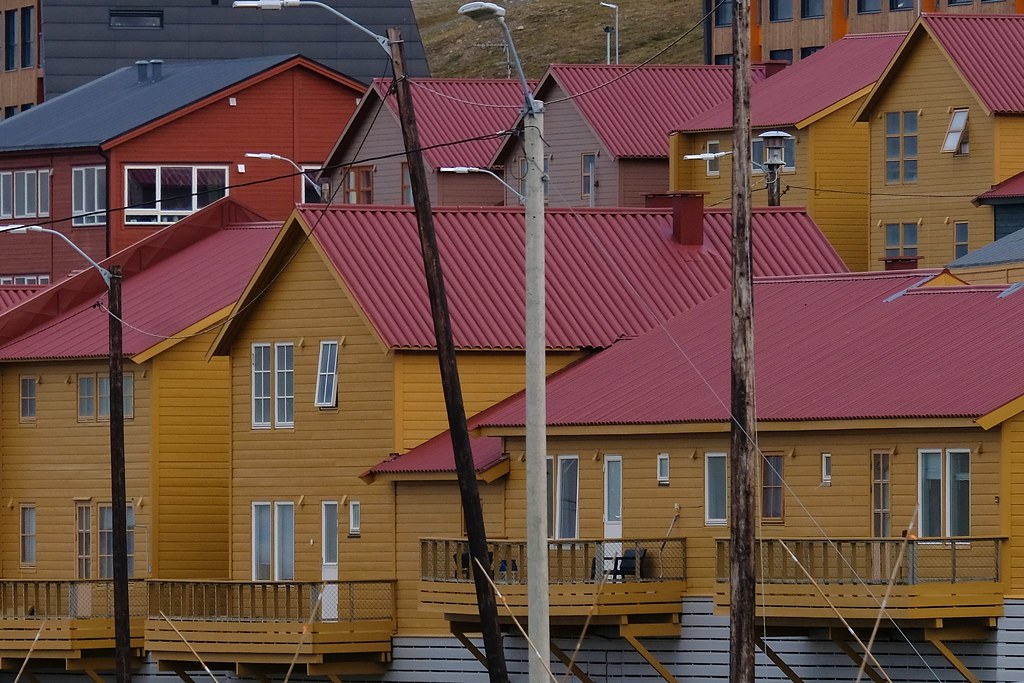
This Arctic archipelago’s extreme latitude means limited satellite coverage and spotty connectivity outside Longyearbyen. Venturing into wilderness areas for glacier hiking, polar bear viewing, or Northern Lights watching means operating beyond any service.
The combination of remoteness, harsh conditions, and focus on nature creates environments where technology recedes. The midnight sun and polar night’s extreme light conditions also discourage device use.
New Zealand’s Great Walks cross remote terrain
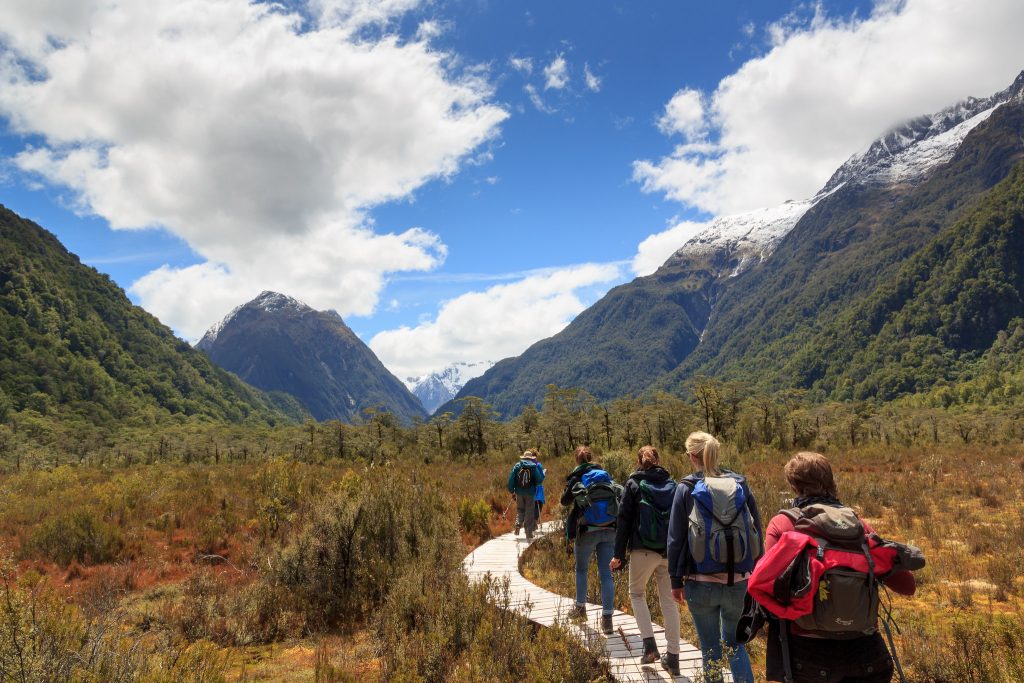
Multi-day hikes like the Milford Track, Routeburn Track, or Abel Tasman Coast Track pass through areas with no cell service for days at a time. Huts provide bunks but rarely Wi-Fi, and the focus on wilderness preservation means infrastructure stays minimal.
The physical demands of tramping and stunning landscapes provide enough stimulation that digital absence feels liberating rather than limiting. The Department of Conservation’s management prioritizes wilderness character over convenience.
Ladakh’s high-altitude passes lack infrastructure
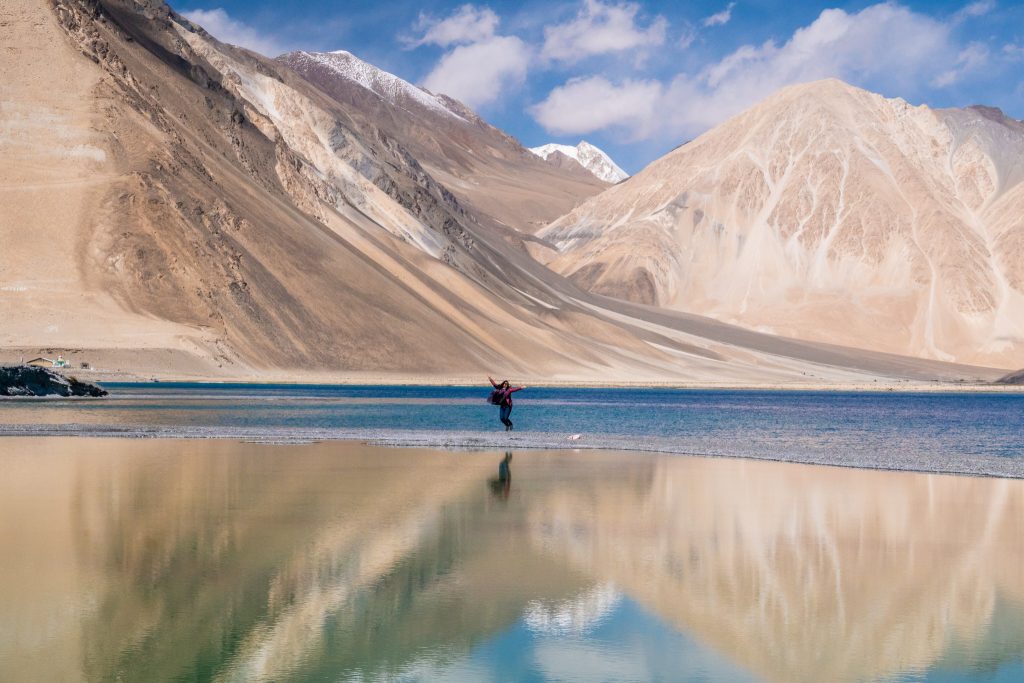
This Indian Himalayan region’s elevation and remoteness mean many areas operate without reliable connectivity, particularly during treks or visits to remote monasteries. The Buddhist culture emphasizes meditation and presence while extreme landscapes demand full attention for safety.
Power outages are common even in towns, making device charging unreliable. The combination of technical limitations and cultural context supports disconnection naturally.
Utah’s Canyonlands Needles District stays wild

This section of Canyonlands National Park requires 4WD access and offers backcountry camping with zero cell service throughout. Multi-day canyoneering or backpacking trips put you deep in slickrock country beyond any connectivity.
The technical terrain requires focus for navigation and safety, leaving little attention for devices even if they worked. National Park Service management keeps the area undeveloped, ensuring continued isolation.
Indonesia’s Mentawai Islands prioritize surf
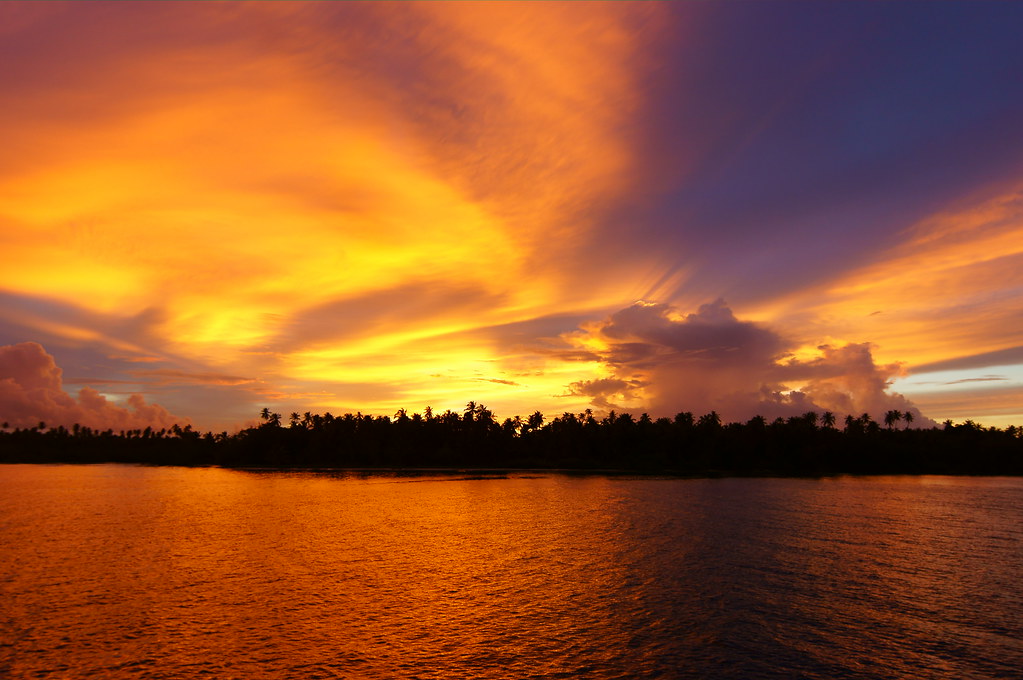
These islands off Sumatra attract surfers to remote camps and boat charters where connectivity is absent by geography and design. The focus on catching waves and the infrastructure limitations mean most visitors spend 7–10 days completely offline.
When the main activity requires paddling out before dawn and surfing until dark, phones become irrelevant. The island culture and surf community provide real-world interaction that replaces digital connection.
Iceland’s Highlands close most of the year
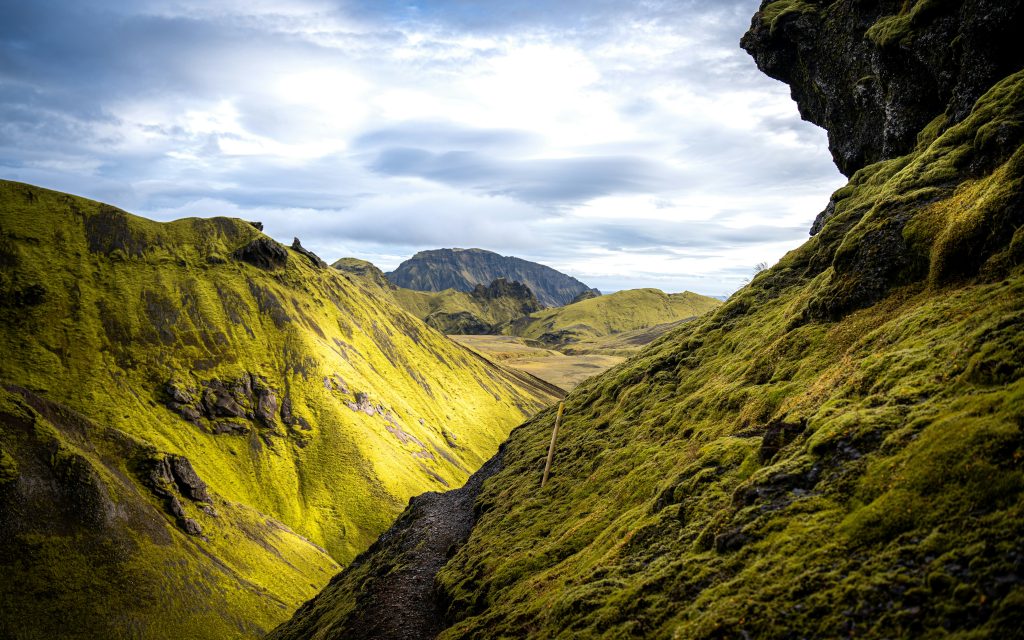
The interior highlands accessible only via F-roads during summer lack cell towers and habitation, creating vast areas of disconnection. Mountain huts along trails like Laugavegur or Fimmvörðuháls provide shelter but not Wi-Fi.
The otherworldly volcanic landscapes demand attention while changeable weather makes device protection a concern. Short summer season and extreme conditions keep infrastructure minimal.
Mongolia’s Gobi Desert stretches forever
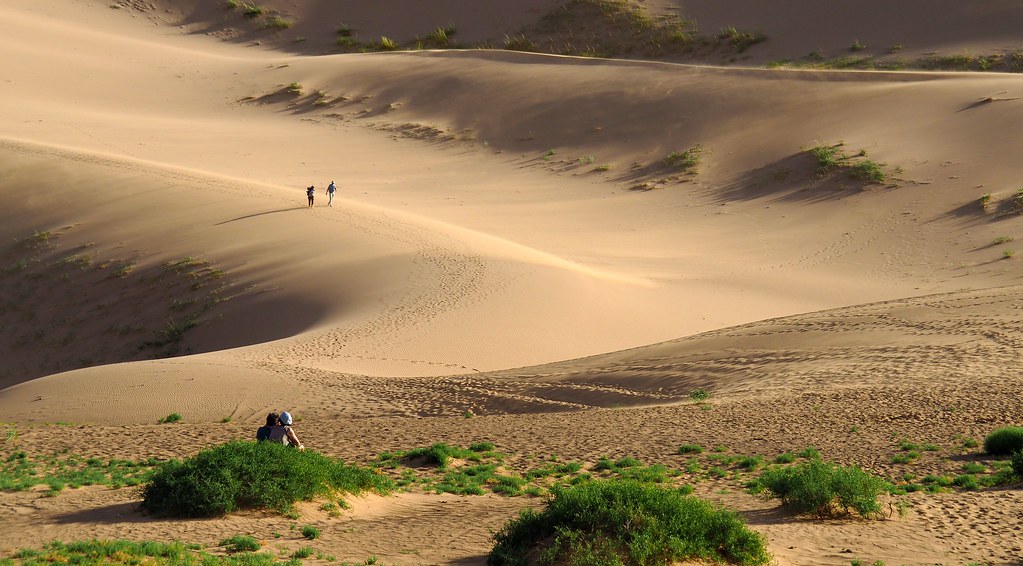
Traveling through the Gobi with nomadic guides means days between settlements and zero connectivity across vast distances. Traditional ger camps lack electricity and staying with herder families means living as they do—without technology.
The emptiness and silence of the desert provides an analog experience increasingly rare anywhere. Government limited infrastructure development in rural areas ensures most of Mongolia remains off-grid.
Rediscovering the analog

“Digital detox” destinations are effective because they impose disconnection as a necessity rather than a choice—a function of self-control shifted to geography or regulation. The linking thread is that these locations have something of value that is sufficiently interesting to serve as a viable alternative to digital engagement—it might be scenic beauty, physical activity opportunities, cultural engagement, or practices of reflection.
Typically, re-engagement in a world of physical disconnection can help to distinguish what is habitual versus necessary digital engagement. These locations on the list below can be opportunities to realize this by immersion in a setting that can effect that experience naturally.
Sometimes the best technology choices include visiting a geographic location that technology can’t access.
More from Travel Pug

- Underrated Italian Towns That Beat the Tourist Crowds
- Las Vegas Tourist Traps to Skip
- Prettiest Towns in Every US State
- 18 passport-free countries for Americans
- Signs Your Cruise Is Not Worth The Cost
Like Travel Pug’s content? Follow us on MSN.