

Mongolia occupies a space in global geography and consciousness that’s both prominent and obscure—most people can locate it roughly between Russia and China, but few know anything specific about what exists within those borders. This vast country, over twice the size of Texas, contains only three million people, creating population densities that make Alaska look crowded.
The Mongolian landscape remains among Earth’s least altered by human development, with endless grasslands, deserts, mountains, and forests occupied by nomadic herders still living much as their ancestors did. This combination of space, traditional culture, and geographical extremes creates travel experiences fundamentally different from anywhere else.
Mongolia challenges typical travel instincts—there are few famous sites, limited infrastructure, and conditions that test comfort zones repeatedly. Here is a list of 15 reasons to visit Mongolia for your next trip.
Nomadic culture survives in functional form
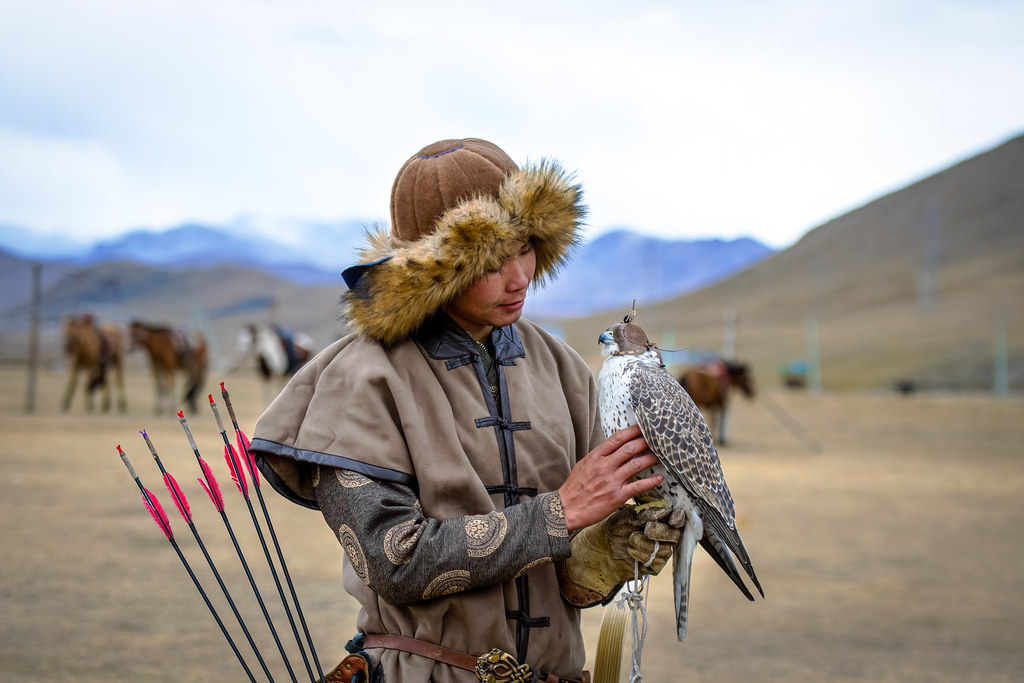
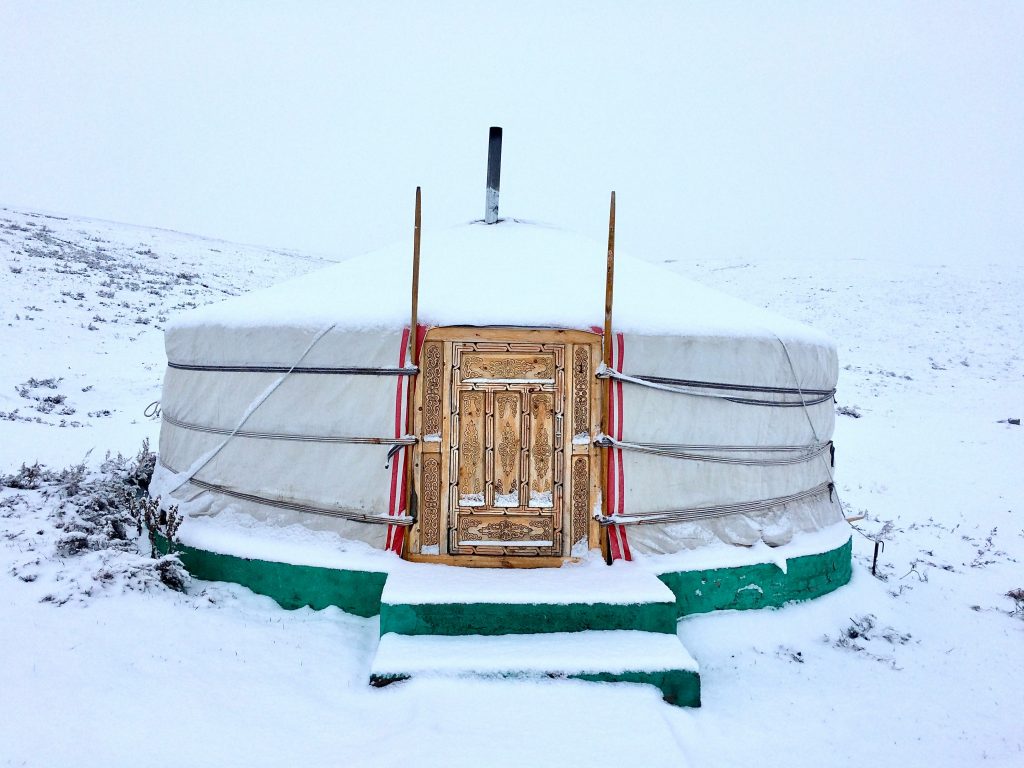
Mongolian herders still practice seasonal migration with their livestock, living in portable gers (yurts) and following ancestral patterns across grasslands. This isn’t a tourist recreation—it’s an actual working lifestyle that’s sustained for millennia.
Staying with herder families provides authentic cultural immersion where you participate in daily activities like milking animals, collecting dung for fuel, and moving camps. The hospitality extended to strangers remains genuine because isolation makes neighbors—even temporary ones—valuable.
The Gobi Desert delivers otherworldly landscapes
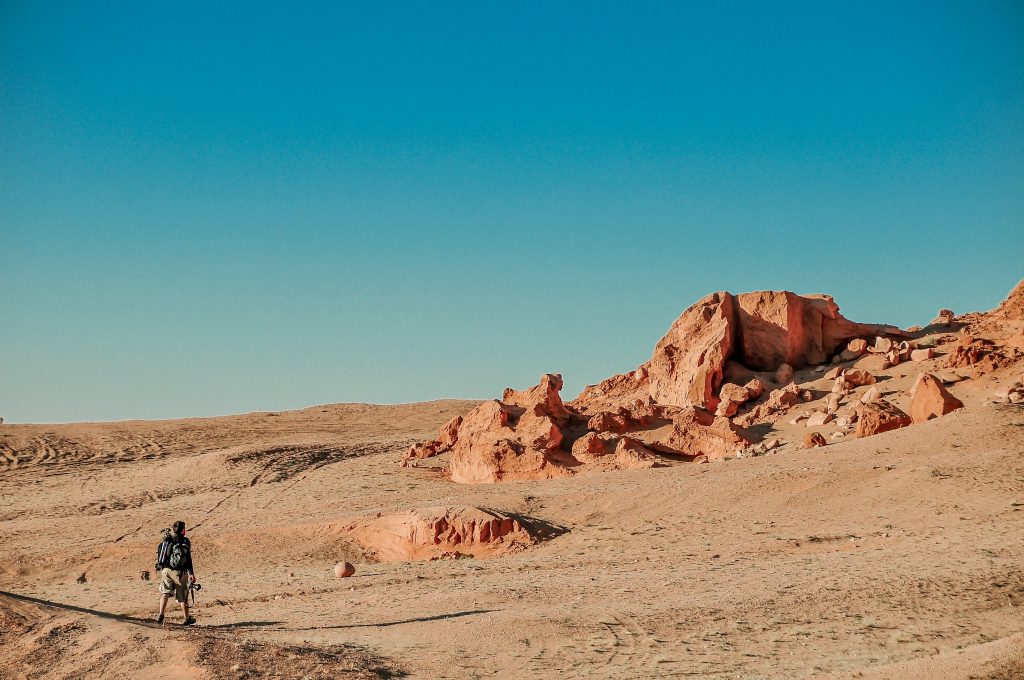
Mongolia’s southern third consists of the Gobi, a cold desert of rock formations, sand dunes, and rare oases that feels more like Mars than Earth. The Flaming Cliffs (Bayanzag) provided some of the world’s most important dinosaur fossil discoveries while Khongoryn Els sand dunes sing when wind moves across them.
Bactrian camels—the two-humped variety—still roam semi-wild while temperatures swing from below freezing to over 100°F in a single day. The emptiness creates a scale of space hard to comprehend until experienced.
Genghis Khan’s legacy permeates everything
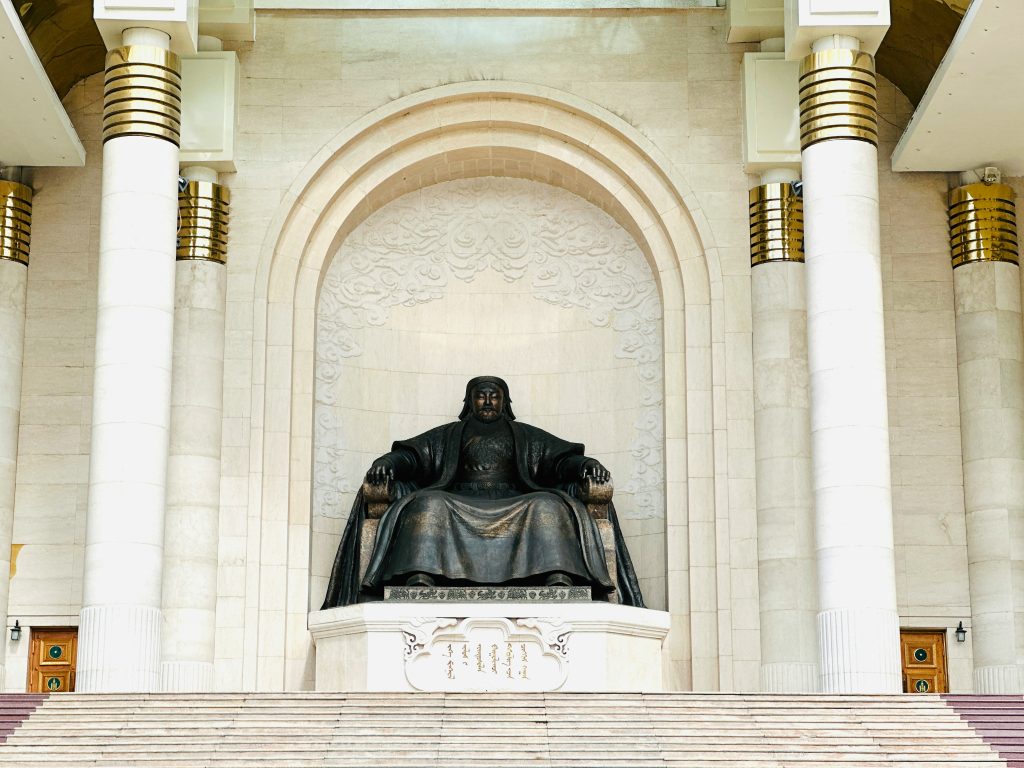
The founder of the Mongol Empire remains Mongolia’s most important historical figure, with his image appearing on currency, vodka bottles, and a massive equestrian statue visible from miles away. Understanding Mongolia requires understanding how this nation once controlled the largest contiguous land empire in history.
Sites associated with the empire—including Karakorum, the ancient capital—provide historical context while modern nationalism draws heavily on this legacy. The connection between past power and present reality creates fascinating cultural dynamics.
Horse culture runs deeper than elsewhere
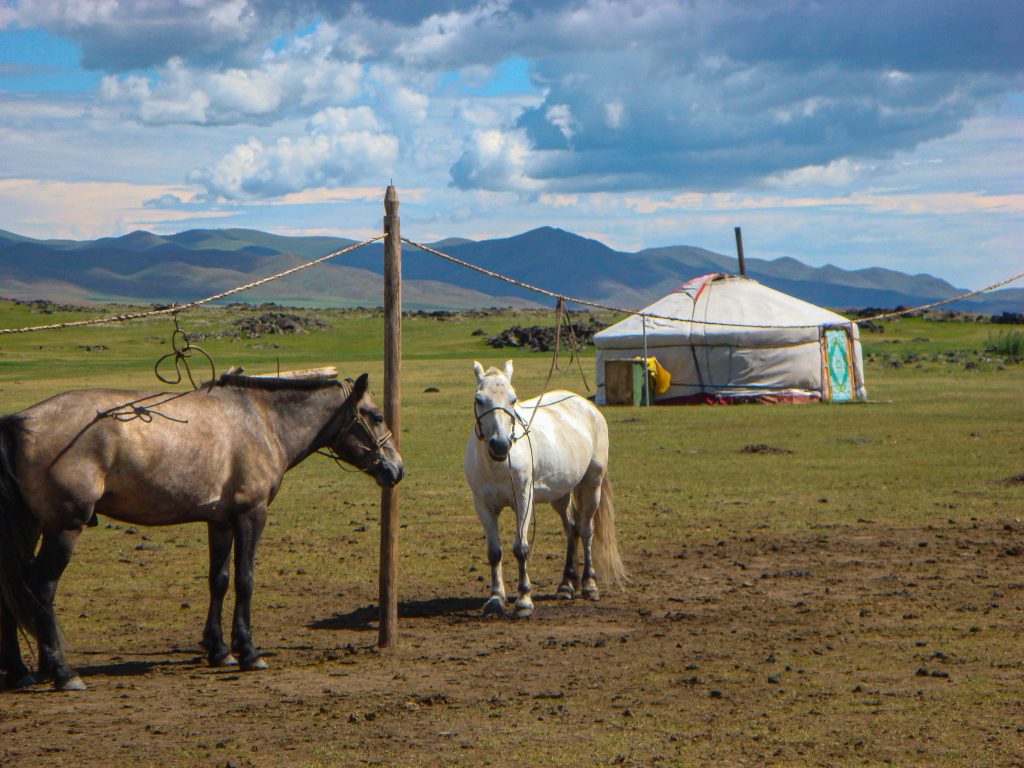
Mongolians maintain relationships with horses that go beyond sport or recreation into identity and survival. Children learn to ride before they can walk well, and the Naadam Festival’s horse races feature jockeys as young as five riding 19 miles across open steppe.
Spending days horseback trekking through mountains or grasslands with Mongolian guides provides glimpses into this bond. The local horses—short, stocky, and tough—bear little resemblance to Western breeds but perfectly suit the harsh environment.
Buddhist monasteries survived Soviet oppression
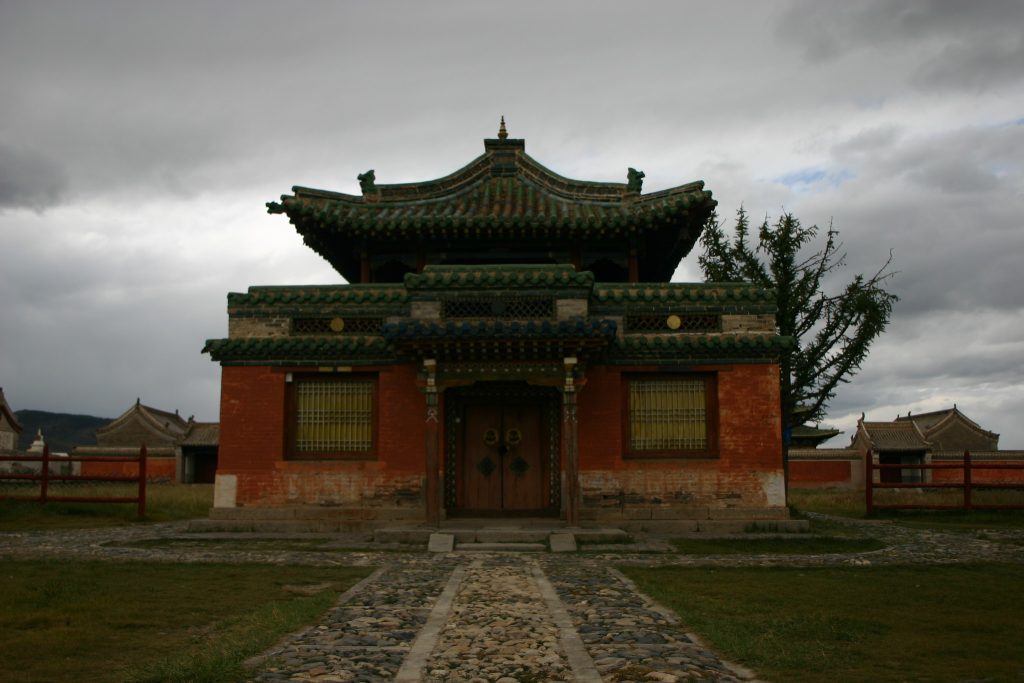
Despite Soviet attempts to destroy Mongolian Buddhism, monasteries like Erdene Zuu and Gandan have been restored and resumed religious functions. Monks practice Tibetan Buddhism in isolated temples where ceremonies continue largely unchanged.
The combination of spiritual practice and stunning architecture against stark landscapes creates powerful settings. Some monasteries welcome visitors to ceremonies, providing rare access to working religious sites rather than museums.
Empty space offers true solitude
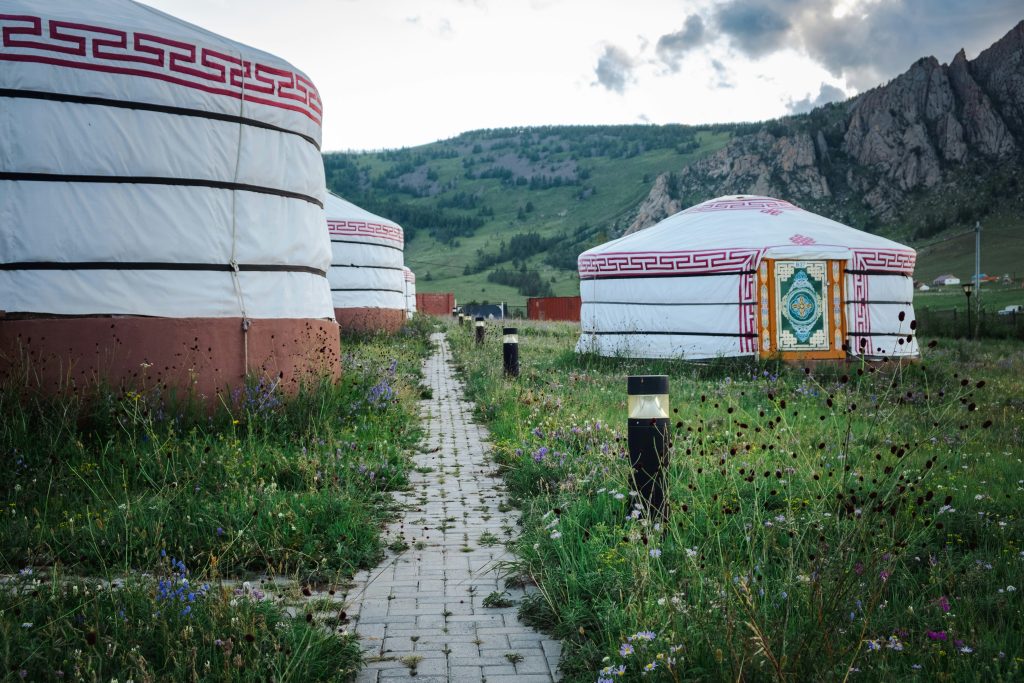
Mongolia’s population density averages under five people per square mile—compared to 94 in the United States. Traveling between destinations means hours without seeing settlements, structures, or sometimes even roads.
This emptiness provides a solitude increasingly rare on Earth, where you can walk in any direction for miles without encountering humans. The psychological impact of genuine wilderness and space affects people differently, but few leave unchanged by the scale.
Wildlife includes species found nowhere else
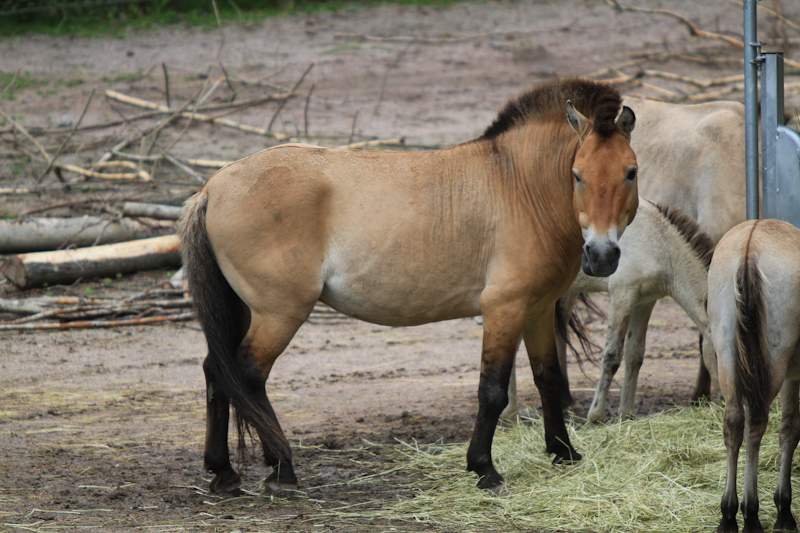
Przewalski’s horses—the only truly wild horse species—survive in Mongolia after being reintroduced following extinction in the wild. Snow leopards inhabit the Altai Mountains while Gobi bears (one of the rarest bear subspecies) cling to existence in the desert.
Migrating herds of gazelles number in the hundreds of thousands during seasonal movements. The country’s low development and large protected areas provide habitat for species struggling elsewhere.
Traditional festivals showcase real culture
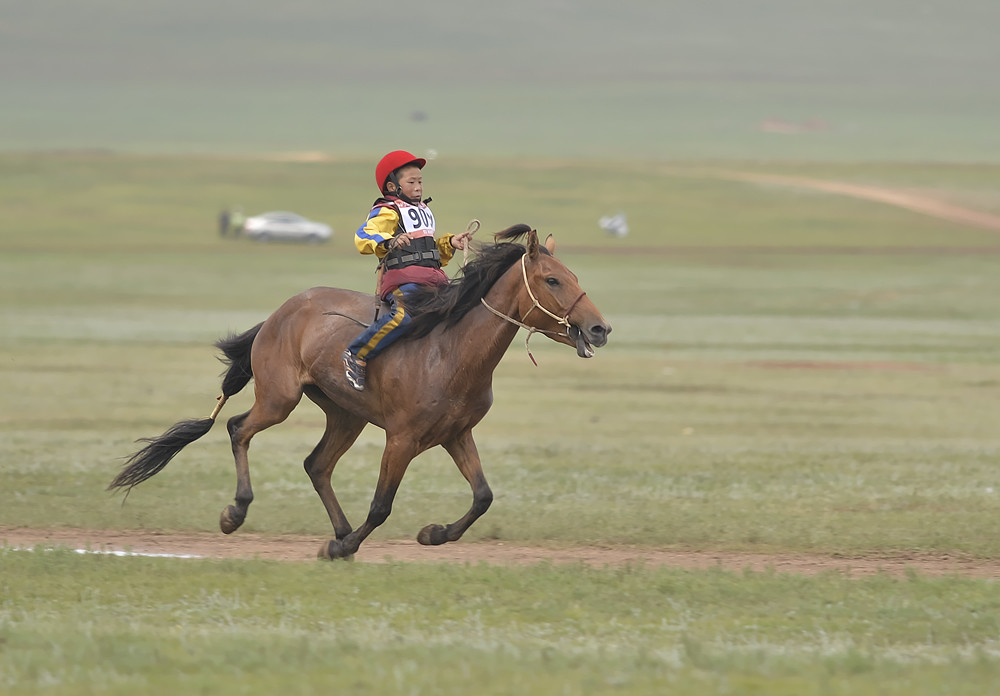
Naadam Festival in July features wrestling, archery, and horse racing—the ‘three manly games’—in celebrations that blend sport, tradition, and nationalism. Unlike many folk festivals maintained purely for tourists, Naadam represents genuine cultural expression that Mongolians attend in huge numbers.
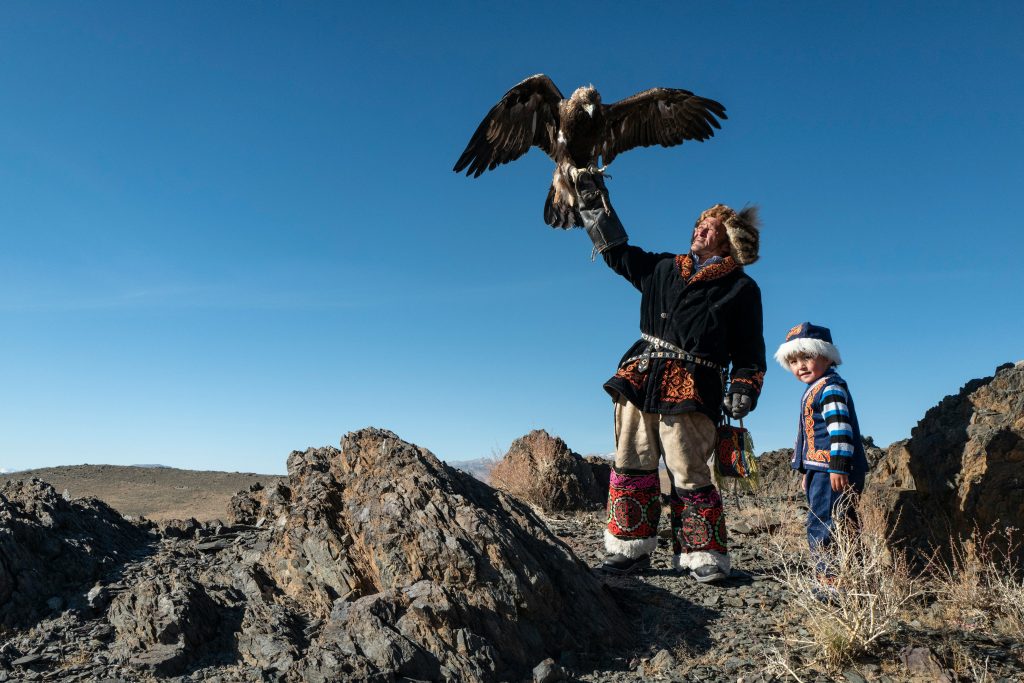
Regional Naadams throughout the countryside offer more authentic experiences than the main Ulaanbaatar event. Eagle hunting festivals in western Mongolia demonstrate the continued practice of hunting with golden eagles.
The Trans-Mongolian Railway crosses the country
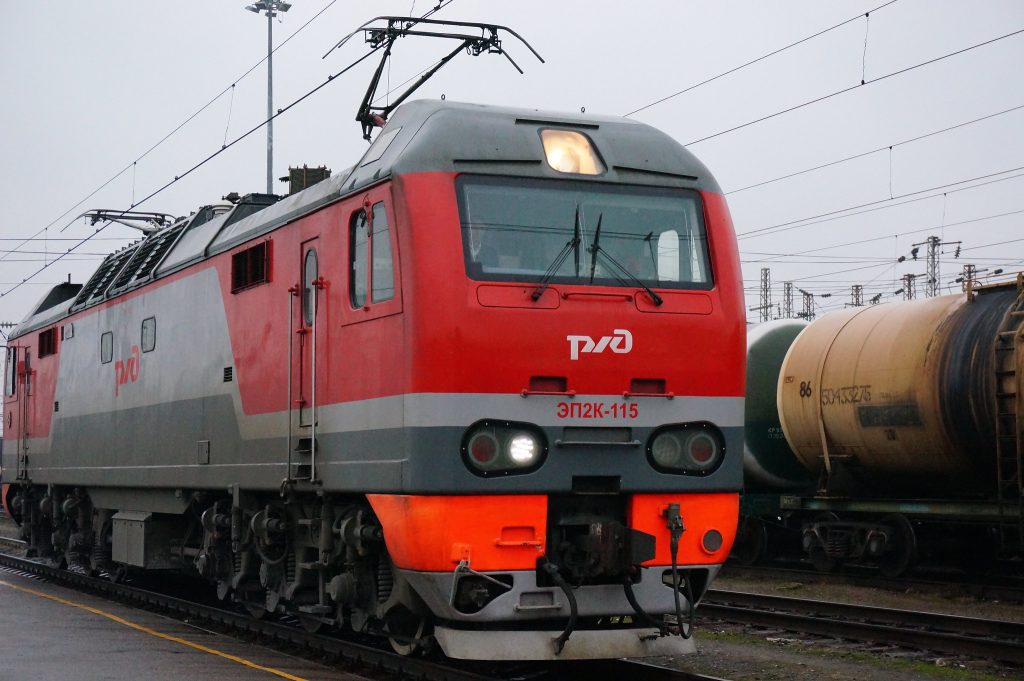
Riding the train from Ulaanbaatar to the Russian or Chinese borders provides cinematic views of endless steppe, occasional herds, and settlements appearing from nowhere. The journey’s pace allows observation impossible when flying while the experience itself—sharing compartments with Mongolian families and traders—creates interactions airplanes prevent.
The railway represents one of history’s great engineering achievements still functioning much as intended.
Weather reaches temperature extremes
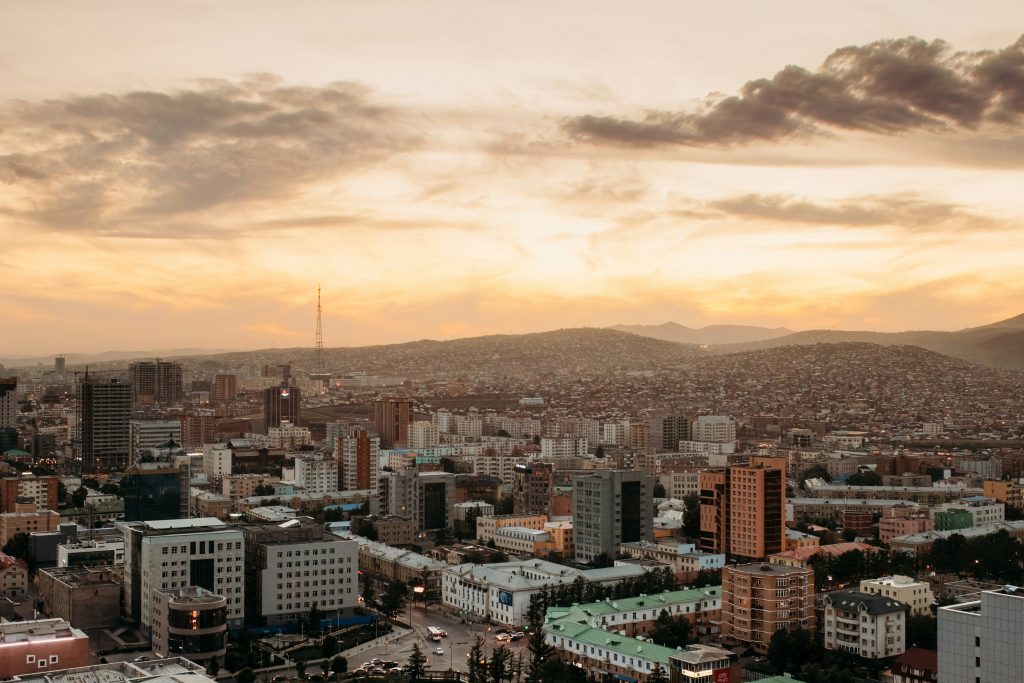
Mongolia experiences some of Earth’s most extreme temperature swings, with summer highs above 100°F and winter lows below -40°F in the same locations. The capital Ulaanbaatar holds the distinction of being the world’s coldest capital city.
Experiencing these conditions—particularly the harsh winter or the blazing summer—provides perspective on what ‘extreme weather’ actually means. The climate shapes everything from architecture to culture to daily life patterns.
Lake Khövsgöl rivals Siberia’s Baikal
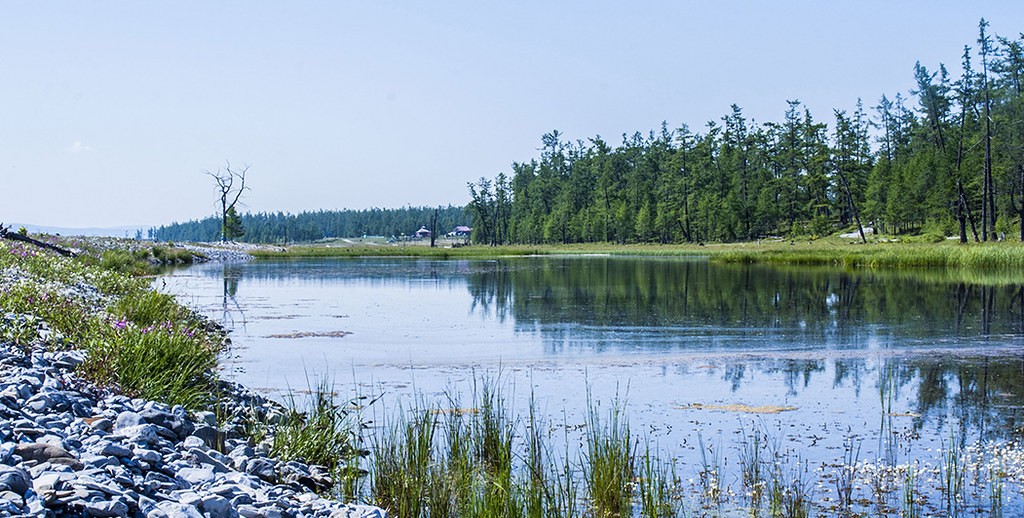
This massive freshwater lake in northern Mongolia—sometimes called Mongolia’s ‘Blue Pearl’—contains 2% of Earth’s fresh water and rivals its neighbor Lake Baikal in clarity and beauty. Tsaatan reindeer herders live in the surrounding taiga, maintaining Central Asia’s last reindeer-based nomadic culture.
The lake area offers hiking, horseback riding, and witnessing a way of life that exists almost nowhere else. Winter transforms the lake into a road, with vehicles driving across the ice.
Food reflects nomadic necessities
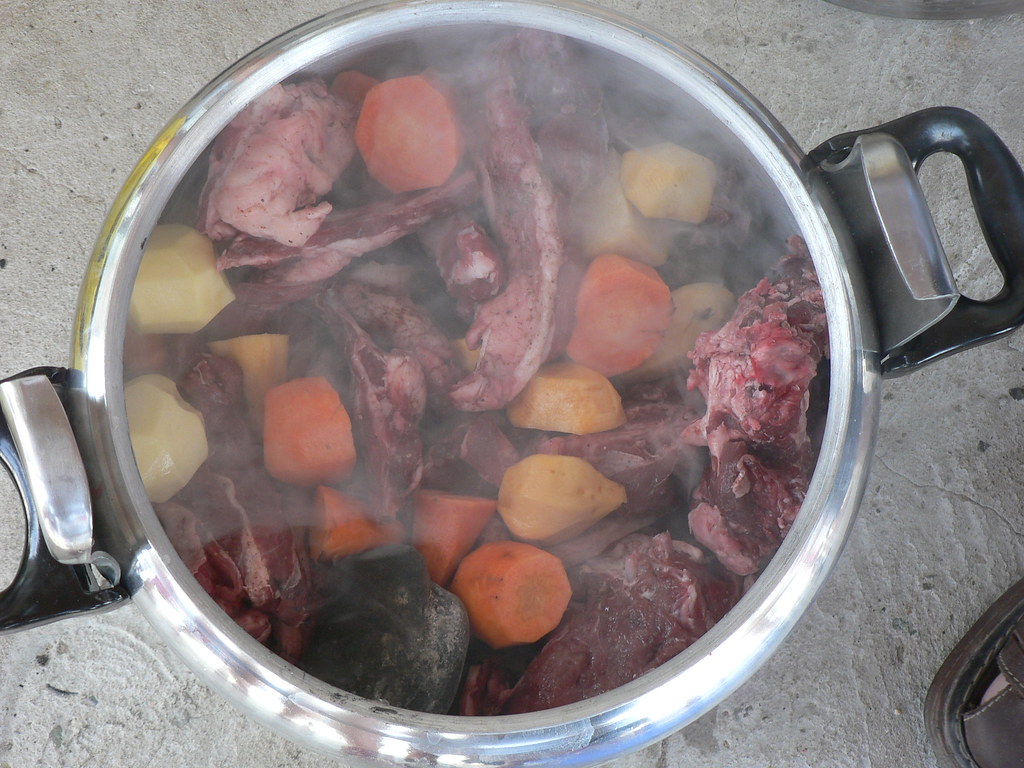
Mongolian cuisine focuses on meat and dairy because little else survives in harsh climates with short growing seasons. Mutton dominates, prepared in traditional methods like khorkhog (cooked with hot stones in a sealed pot).
Airag—fermented mare’s milk—tastes sour and slightly alcoholic, challenging foreign palates while demonstrating how nomads utilize available resources. The food won’t win international cuisine awards but represents authentic adaptation to environment.
Infrastructure challenges become adventures
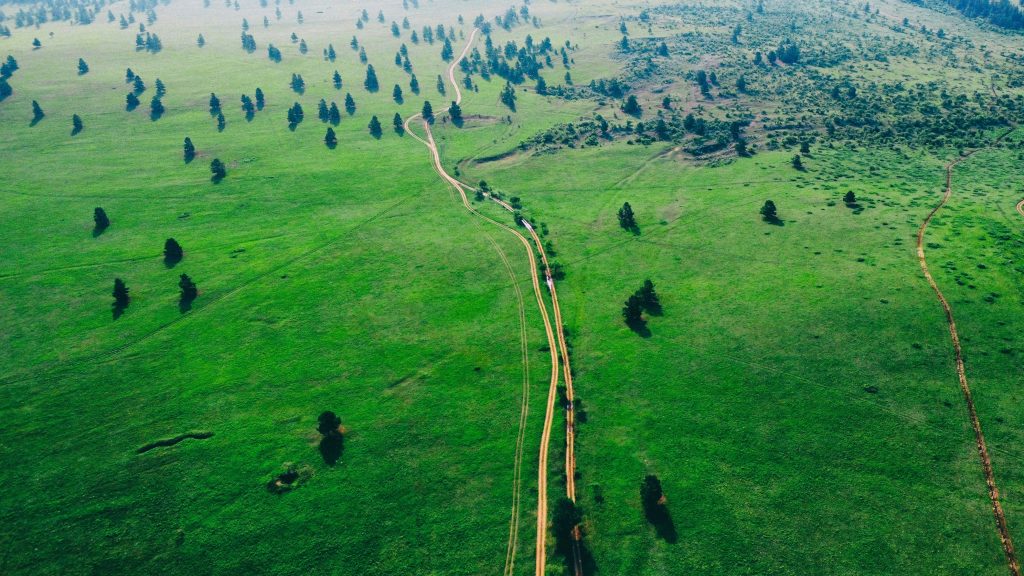
Roads between destinations often consist of multiple vehicle tracks across grasslands rather than paved routes. Finding destinations requires GPS and local knowledge since addresses barely exist outside cities.
These challenges transform travel into adventure, where getting there becomes as significant as arriving. The infrastructure limitations also mean fewer tourists venture far from Ulaanbaatar, keeping rural areas genuinely untouched.
Throat singing demonstrates unique musical traditions
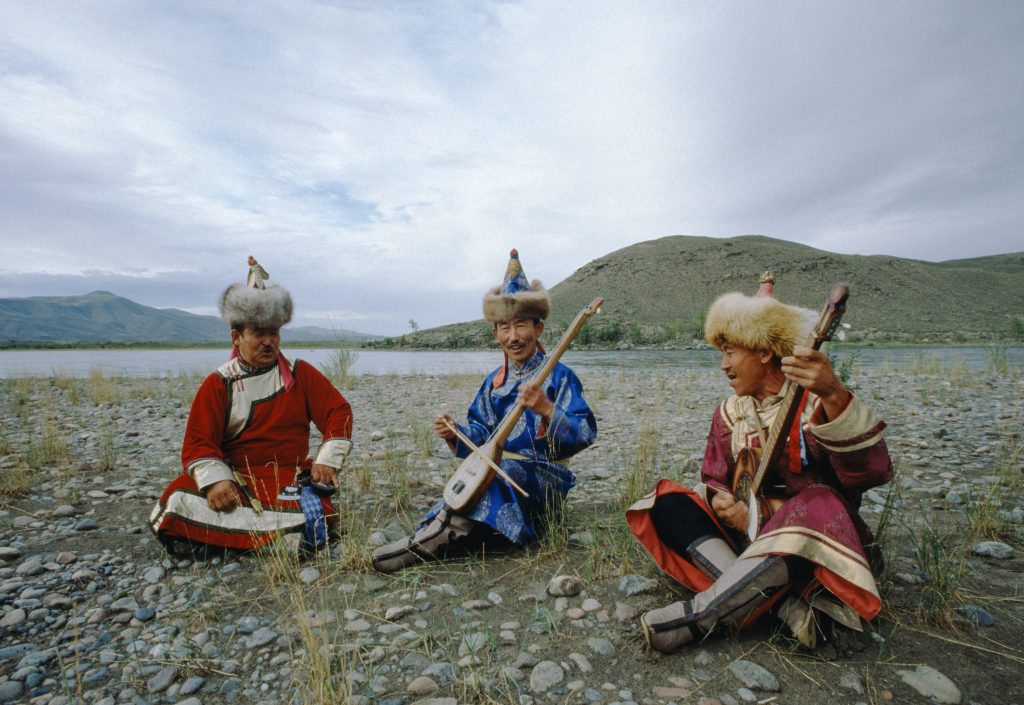
Khoomei—Mongolian throat singing—produces multiple pitches simultaneously through vocal techniques developed over centuries. Performances often occur in traditional settings where music accompanies storytelling and ceremonies. The eerie, harmonic sounds reflect landscapes—wind across steppes, animal calls, nature’s rhythms.
Learning the cultural context makes the music more meaningful than just hearing strange sounds.
Costs remain reasonable despite remoteness
Mongolia hasn’t reached the premium pricing of many destinations, with accommodation, food, and tours costing significantly less than similar experiences elsewhere. The value proposition—accessing vast wilderness, authentic culture, and unique experiences at moderate cost—makes it accessible to travelers without luxury budgets.
As tourism develops, prices will inevitably rise, meaning current costs represent temporary advantages.
Beyond the comfort zone
The allure of Mongolia is particularly attractive to those travelers who feel that most other places they consider traveling to are too easy, too developed, or just too similar. What Mongolia offers is discomfort, challenge, and adventure that cannot be created through resource or design.
It requires adaptability, understanding, and an openness to unpredictability—that kind of traveler one must be to really explore. Of course, for some travelers, Mongolia symbolizes exactly what travel should be.
For others, it means a list of reasons to visit somewhere else. Perhaps knowing which side of this fence you’re on will be Mongolia’s greatest gift.
More from Travel Pug

- Underrated Italian Towns That Beat the Tourist Crowds
- Las Vegas Tourist Traps to Skip
- Prettiest Towns in Every US State
- 18 passport-free countries for Americans
- Signs Your Cruise Is Not Worth The Cost
Like Travel Pug’s content? Follow us on MSN.