

Japan is undoubtedly one of the most beautiful places in the world. It offers its visitors an innovative mix of ancient customs and modernity, which never ceases to impress.
As a mountain-ringed country, Japan is the ultimate destination for cruising, as the various ports are situated along the coasts from Hokkaido in the North to Okinawa in the South. The cruise allows one to immerse oneself in the intricate cultural landscape, as it is a hassle-free way to travel without the usual problems of operating the train system or carrying bags between hotels.
Below are a few convincing reasons that will make you consider a cruise to be your best option for visiting Japan.
No Language Barrier Stress
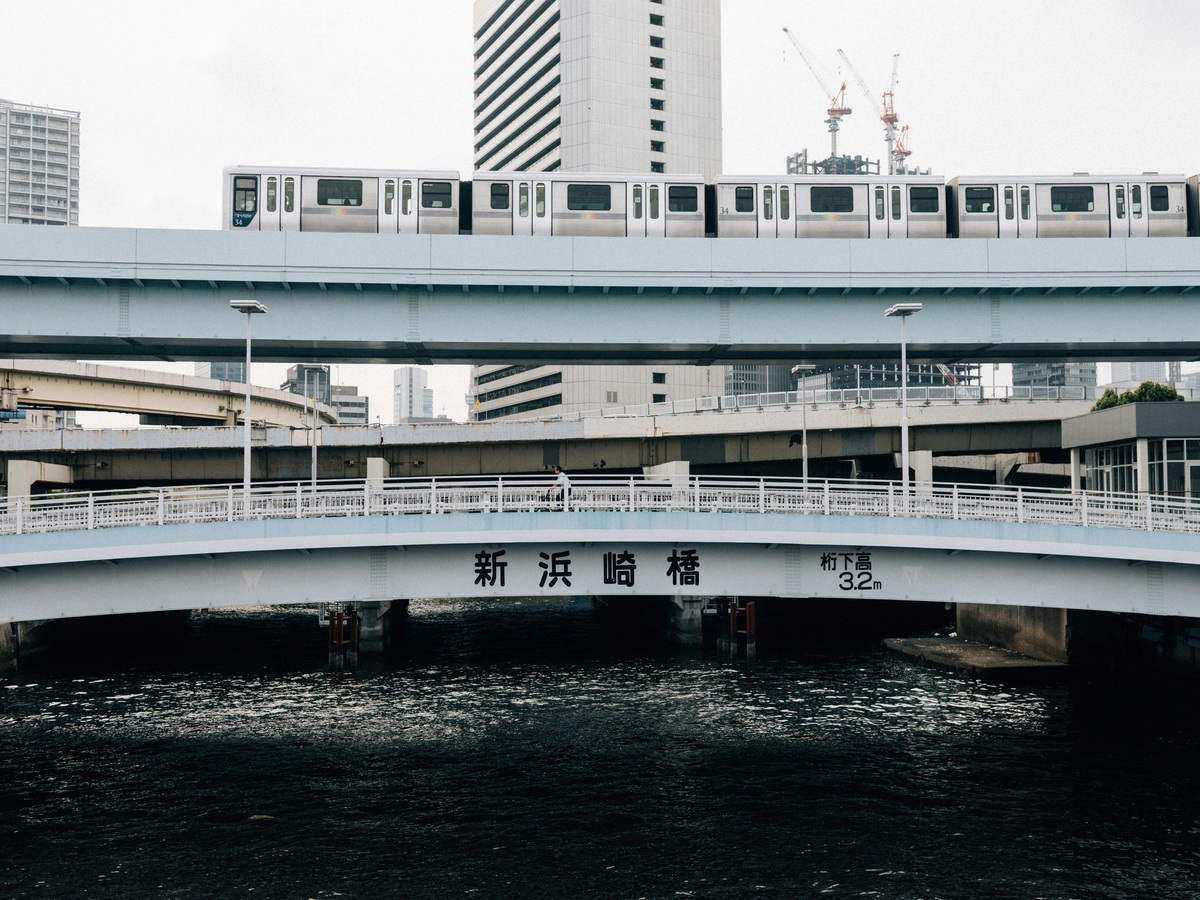
Normally, English-speaking tour guides and shore excursion coordinators aboard cruise ships bound for Japan handle all communication logistics. You can avoid the hassle of trying to decipher kanji menus or asking for directions in a non-English speaking area, except in major tourist places, where English is used.
The ship becomes your floating comfort zone, which you can always retreat to if the unfamiliarity becomes too much.
Multiple Cities Without Repacking
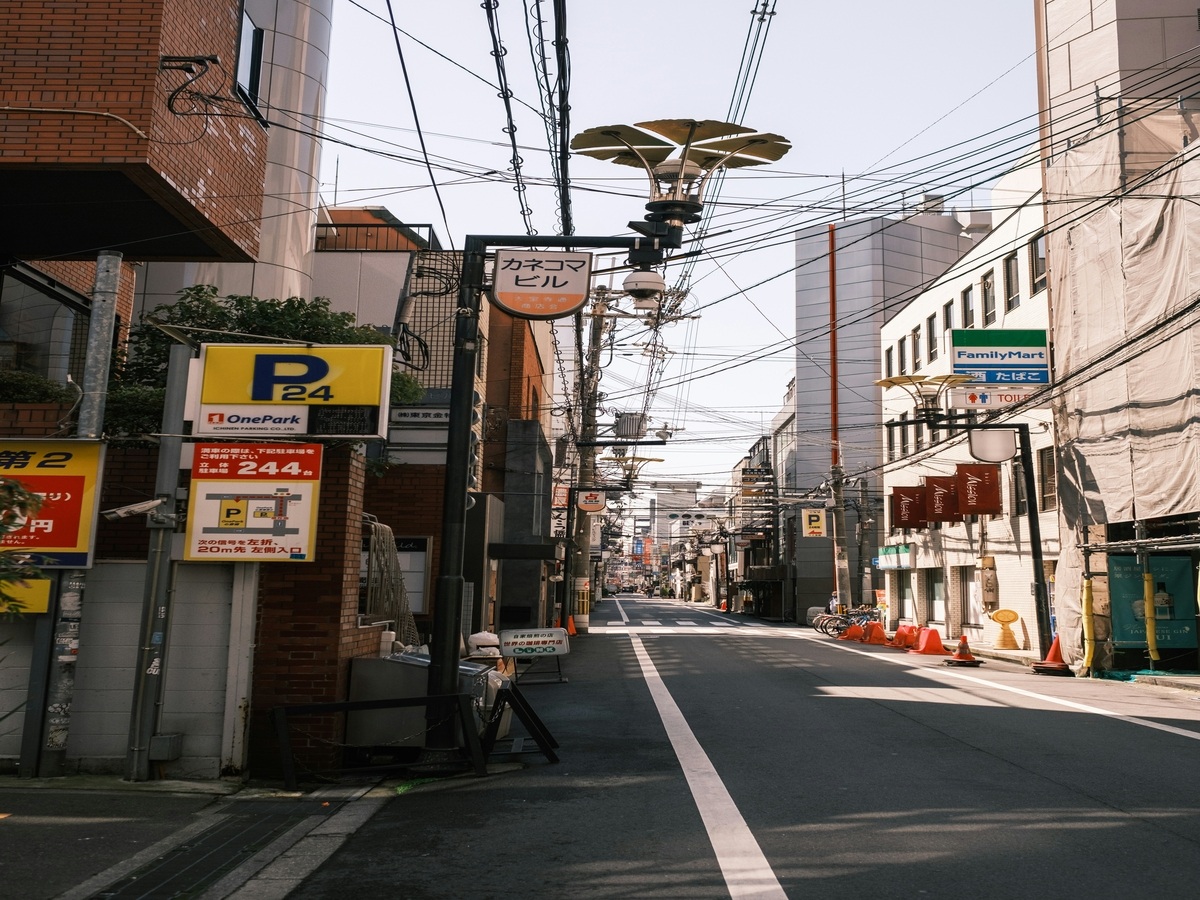
Traditional land-based trips through Japan mean constantly packing and unpacking as you hop between Tokyo, Kyoto, Osaka, and beyond. A cruise eliminates this exhausting routine, letting you unpack once and wake up in a different port every day or two.
Your floating hotel follows you along the coast while you sleep, maximizing your time for actual exploration rather than transit.
Mount Fuji From The Sea
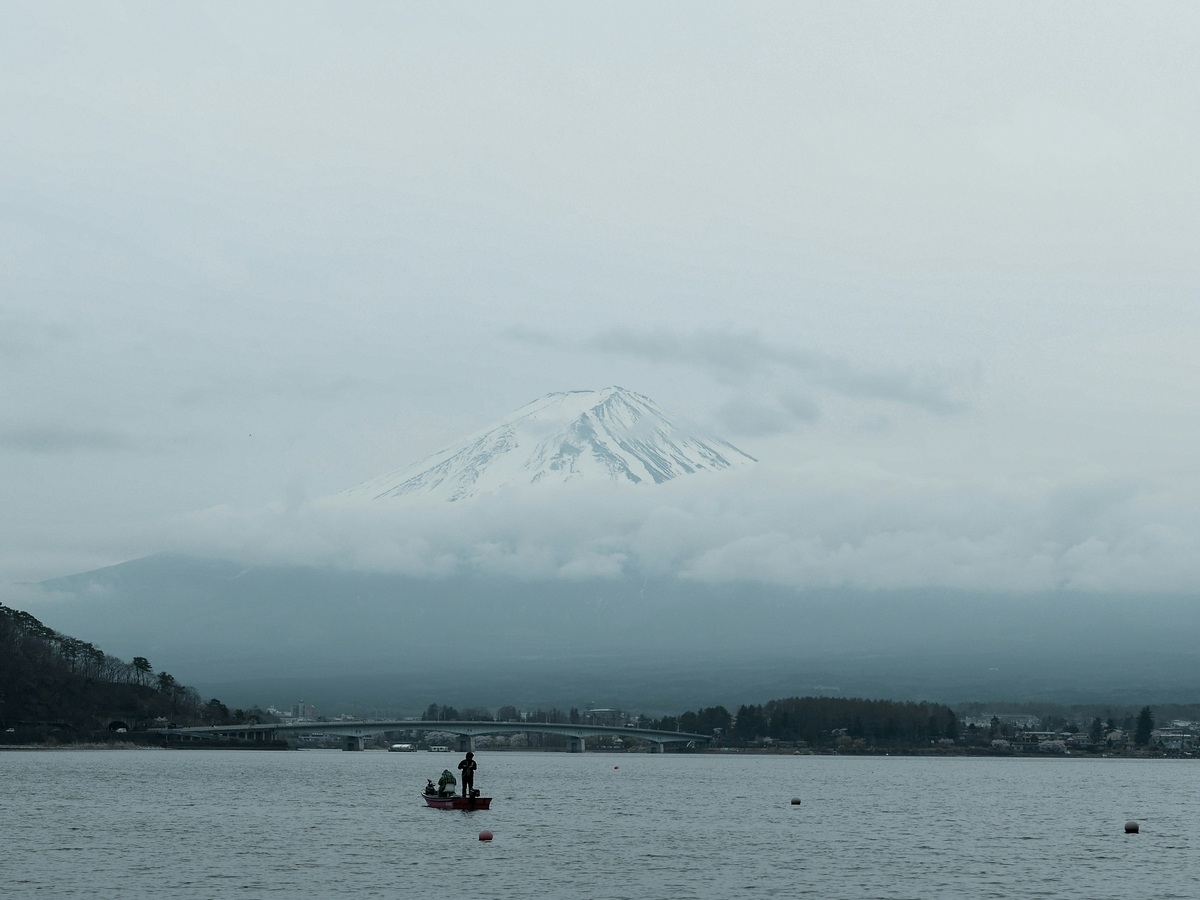
Several cruise routes pass close enough to Japan’s iconic volcano that you’ll spot its symmetrical snow-capped peak rising above the horizon. The view from Shimizu port offers particularly stunning vistas on clear days, and many ships time their arrivals for optimal photography opportunities.
Seeing Fuji from the water provides a perspective that land-based tourists rarely experience, especially during sunrise when the mountain glows pink and orange.
Hassle-Free Shore Excursions

Cruise lines organize guided tours that whisk you directly from the ship to temples, gardens, and cultural sites without requiring any planning on your part. These excursions factor in ship departure times, so you’ll never risk missing the boat while you’re admiring a zen garden.
The convenience factor alone—transportation, timing, and ticket purchases all handled—makes cruising appealing for first-time Japan visitors.
Cherry Blossom Season Access
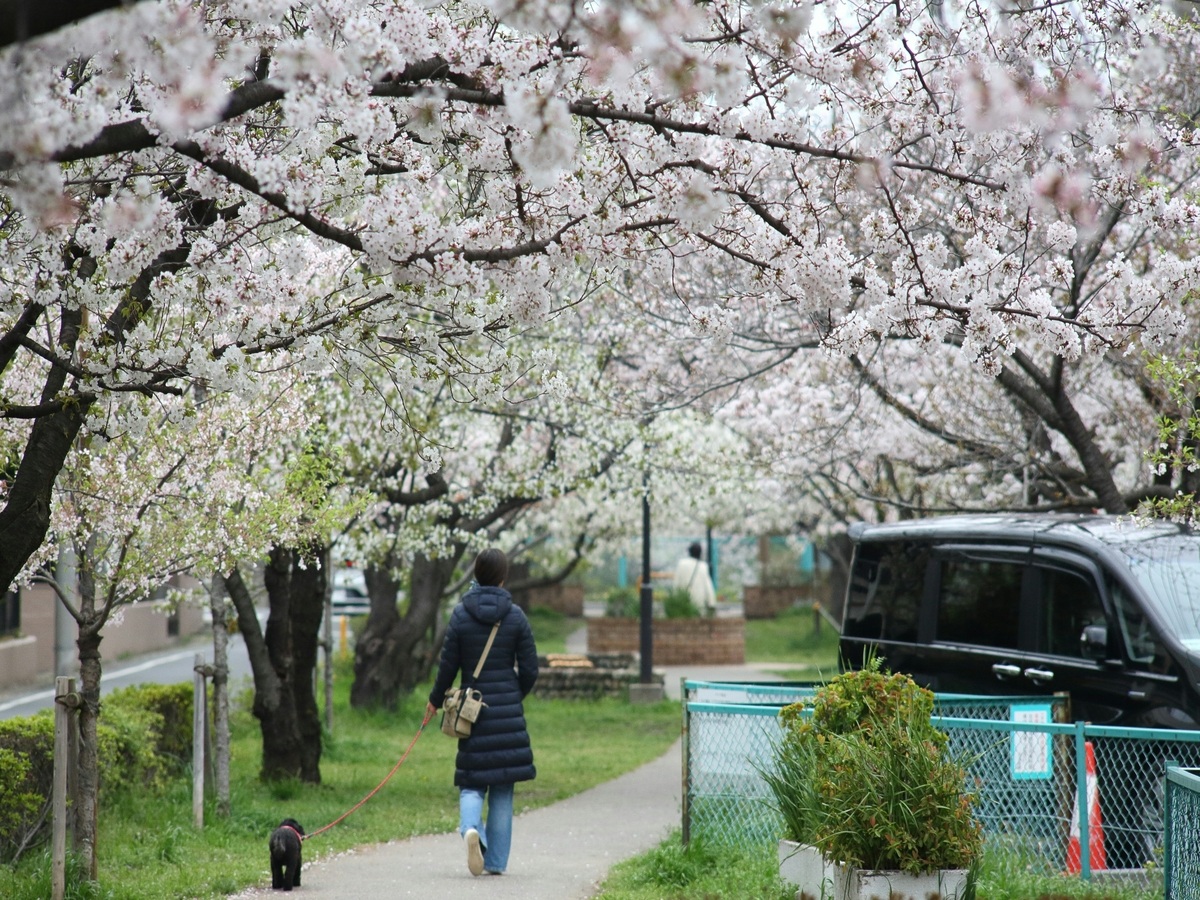
Spring cruises through Japan coincide with sakura season, when cherry trees explode into clouds of pale pink blossoms across parks and temple grounds. Ships visiting ports like Hiroshima, Kobe, and Tokyo during late March through early April position you perfectly for hanami (flower viewing) without the massive crowds that overwhelm Tokyo’s most famous spots.
You’ll experience this quintessentially Japanese tradition while maintaining the flexibility to escape back to your ship when the crowds become too dense.
Authentic Port Town Cuisine
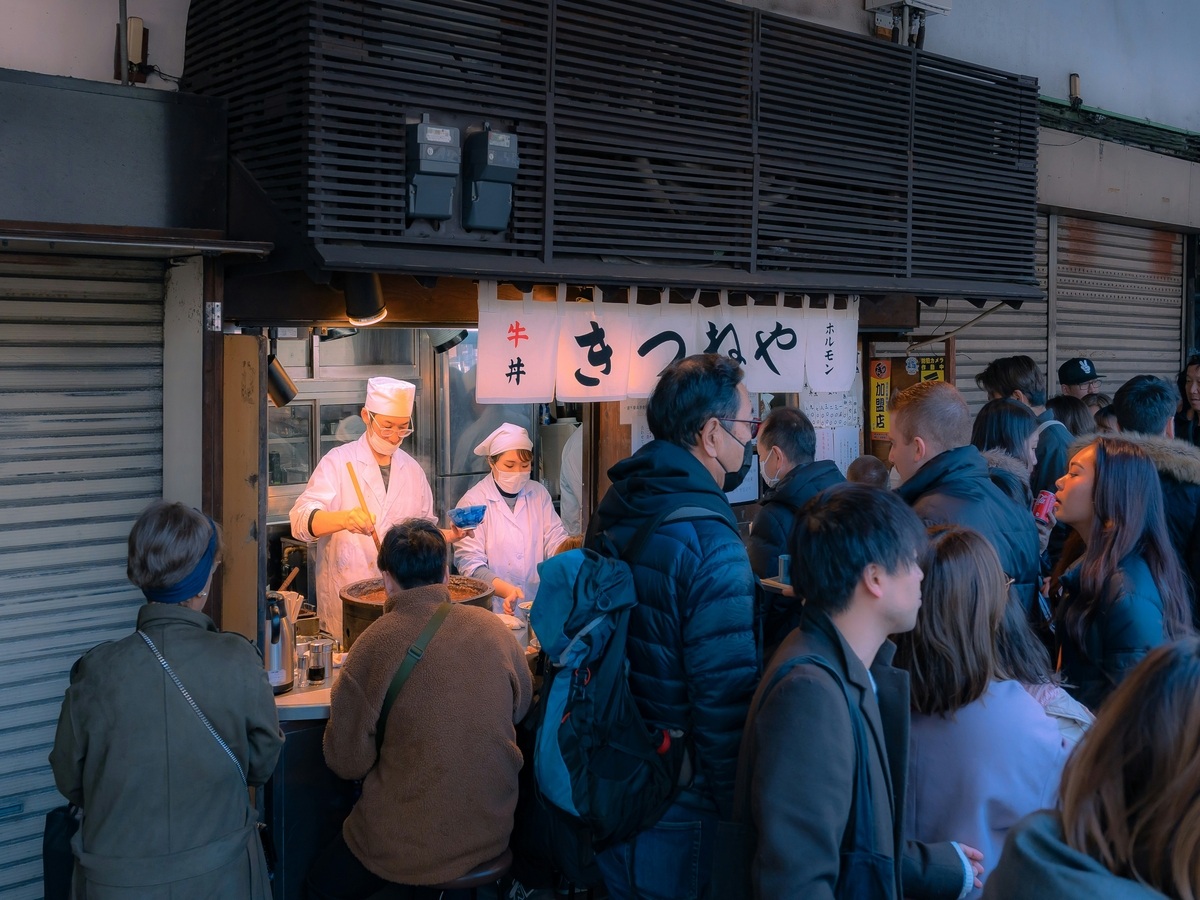
Urban areas such as Tokyo present astonishing food; nevertheless, the smaller harbor towns are not less in the culinary department and are able to provide the same unforgettable experiences along with regional delicacies that are exclusive to that area only. Nagasaki’s champon noodles, Hakodate’s unbelievably fresh seafood markets, and Okinawa’s Ryukyuan cuisine are the representatives of their regions’ diversities.
They are the main alternates in their storytelling of history and influences. Ports where little is done to develop tourist infrastructure are often visited by cruise ships.
Those that have local restaurants serving residents first and visitors second, thereby offering authenticity.
Cultural Immersion With A Safety Net
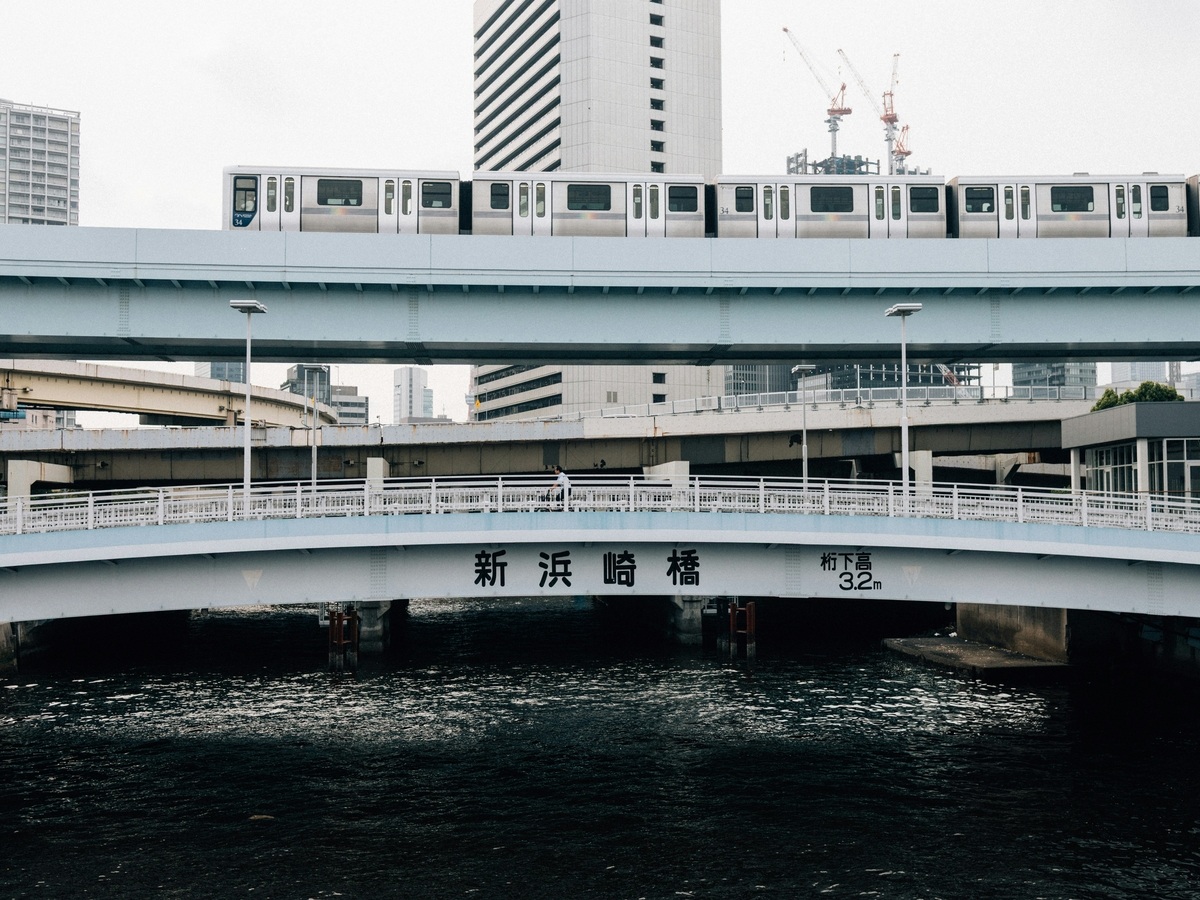
Japan’s unfamiliar customs and social rules can feel intimidating for newcomers worried about committing embarrassing mistakes. The cruise ship provides a psychological safety net where you can gradually build confidence with each port visit, knowing you’ve got a familiar English-speaking environment to return to.
This setup proves ideal for travelers who want genuine cultural experiences but appreciate having a comfortable retreat available.
Historic Samurai Castles
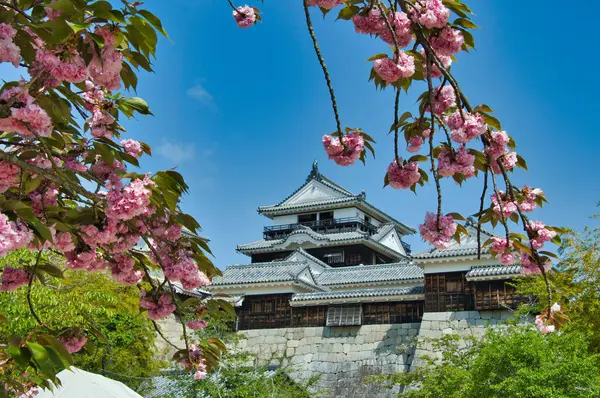
Many cruise ports sit within easy reach of Japan’s magnificent feudal-era castles, from Osaka’s imposing fortress to Kumamoto’s dramatically reconstructed stronghold. These structures tell vivid stories about the samurai class and Japan’s turbulent pre-modern history through their defensive architecture and museum exhibits.
Shore excursions typically provide historical context, transforming castle visits from simple photo opportunities into genuine learning experiences.
Natural Hot Spring Experiences
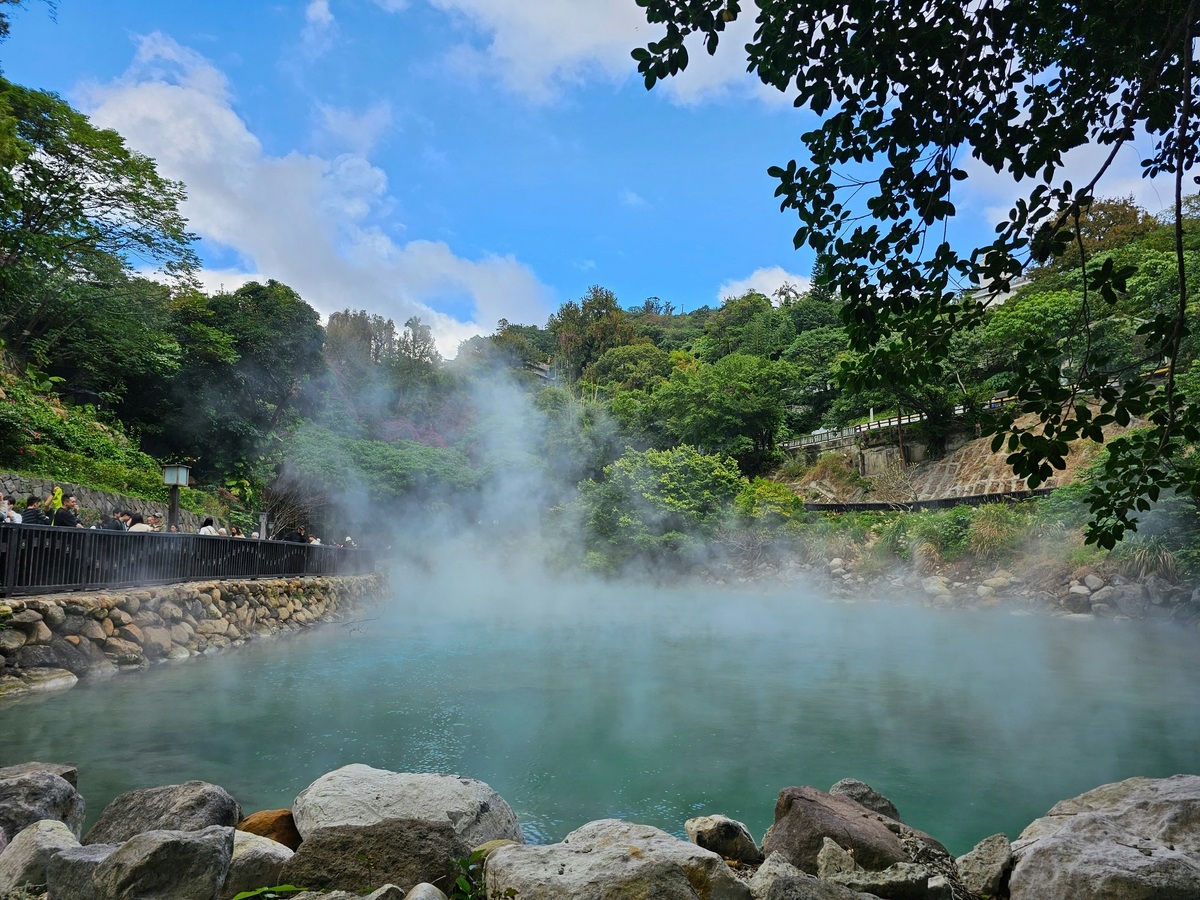
Certain cruise itineraries include stops near onsen (hot spring) towns where volcanic activity heats mineral-rich waters that Japanese culture has treasured for centuries. Beppu on Kyushu Island boasts more hot spring water output than nearly anywhere else globally, while smaller ports offer intimate bathing experiences overlooking the ocean.
Even travelers initially hesitant about communal bathing often find the ritual deeply relaxing once they try it.
No Jet Lag Recovery Needed

Cruises departing from Asian ports mean you’re already in Japan’s time zone, eliminating the brutal jet lag that plagues travelers flying from North America or Europe. You’ll hit the ground running in your first port instead of spending valuable vacation days battling exhaustion and disorientation.
This advantage becomes especially significant on shorter cruises where every alert, energetic day counts.
Traditional Festivals And Ceremonies
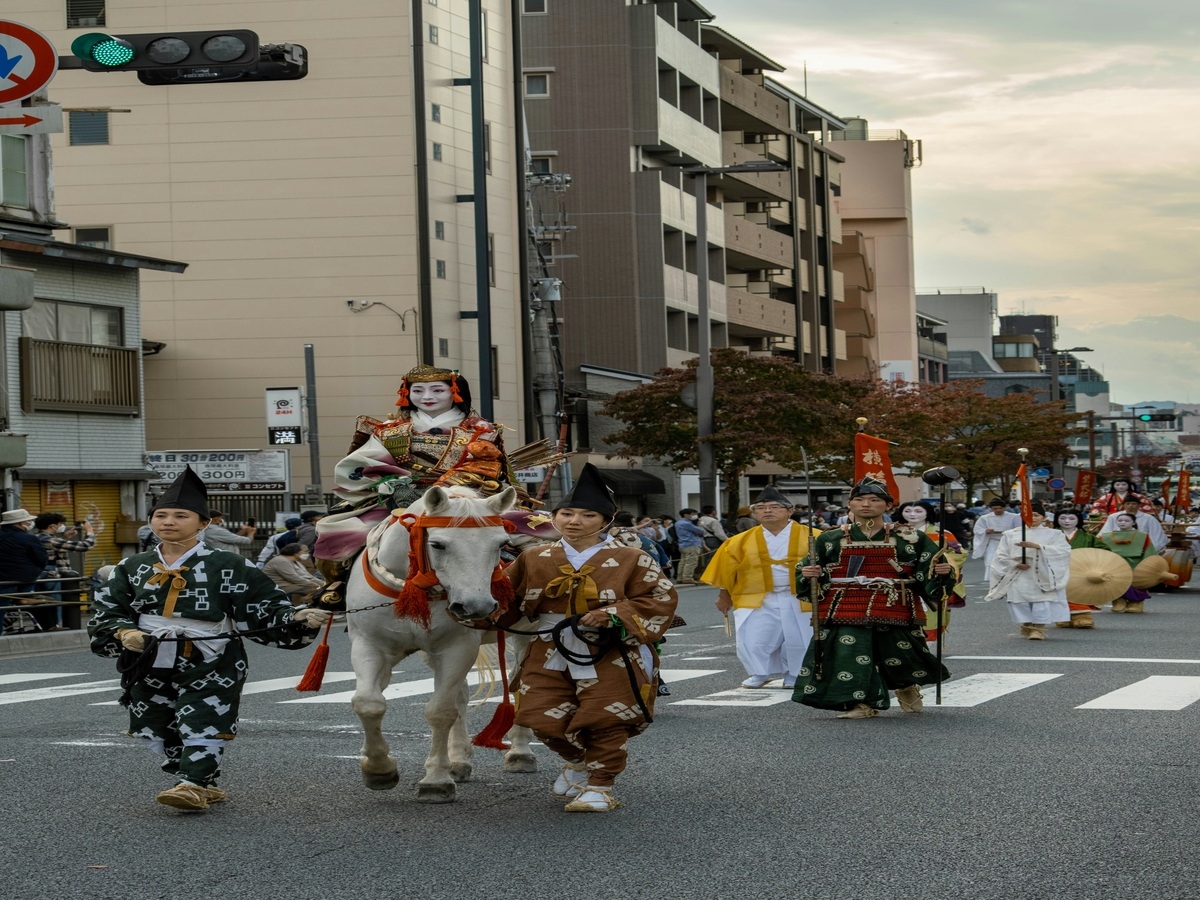
Japan’s calendar overflows with matsuri (festivals) that celebrate everything from harvests to historical events with elaborate parades, traditional music, and spectacular fireworks. Cruise schedules sometimes align with these celebrations, giving passengers unexpected glimpses into community traditions that haven’t changed much in generations.
Even witnessing everyday Shinto rituals at neighborhood shrines provides cultural insights that polished tourist attractions can’t match.
Island-Hopping Through Okinawa
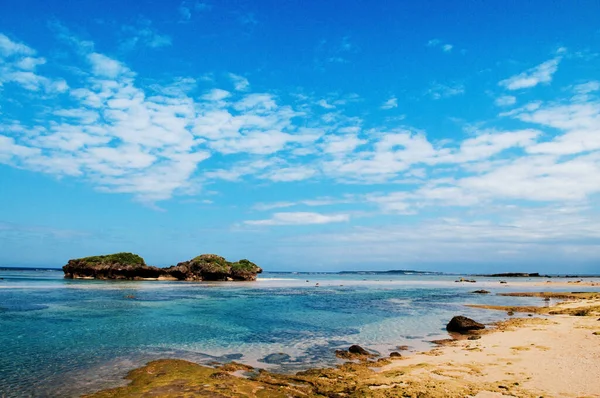
Southern cruise routes explore the Ryukyu Islands, where turquoise waters and coral reefs create a tropical atmosphere that feels worlds apart from mainland Japan. Okinawa’s distinct culture, influenced by centuries as an independent kingdom, shows up in everything from its architecture to its cuisine, which relies heavily on sweet potatoes and pork.
The relaxed island pace contrasts beautifully with Tokyo’s intensity, offering variety within a single cruise.
Hiroshima’s Peace Memorial
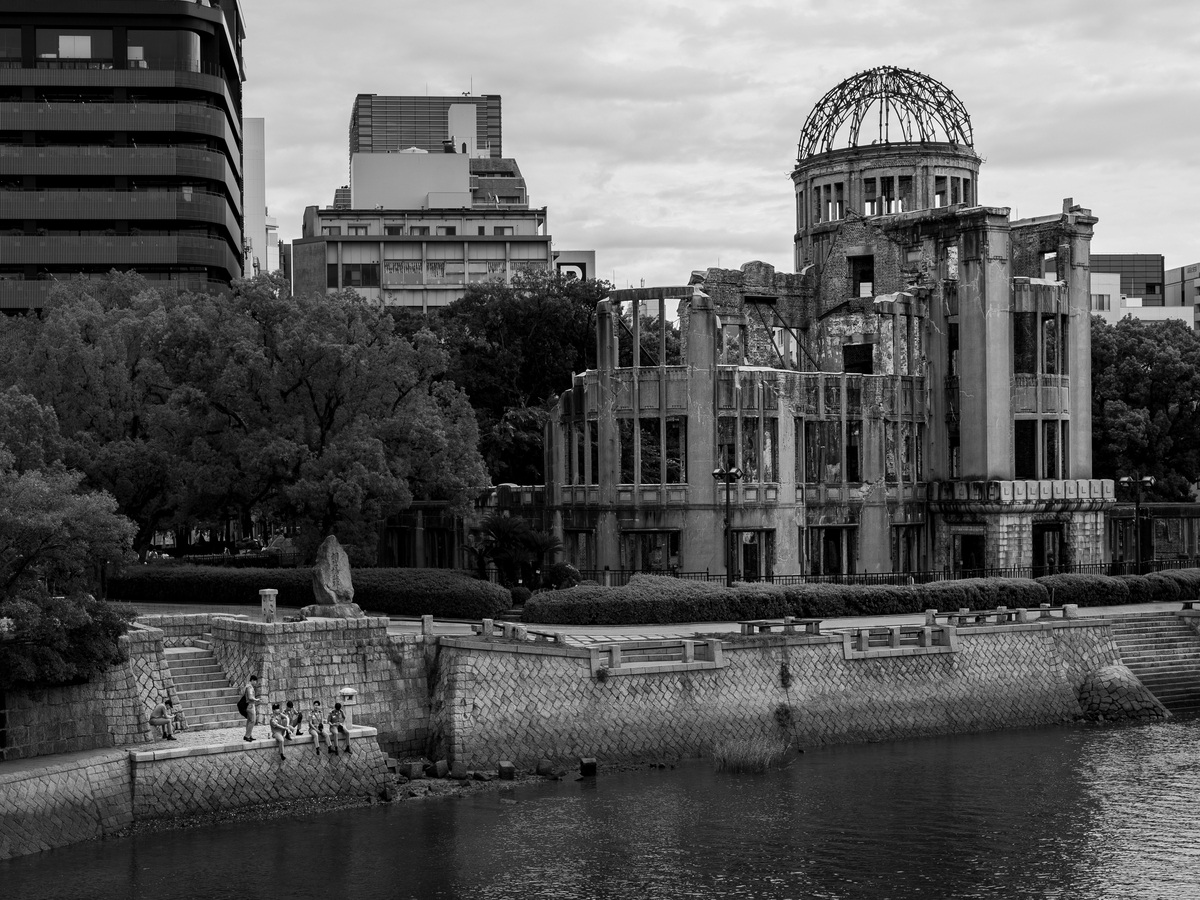
Cruise ships frequently stop at Hiroshima, where the Peace Memorial Park and Museum provide sobering education about the atomic bombing’s human cost. The preserved Genbaku Dome, a building that partially survived the blast, stands as a UNESCO World Heritage Site and a powerful reminder of nuclear weapons’ devastating impact.
This visit typically becomes the emotional centerpiece of many cruises, prompting reflection that extends far beyond typical vacation experiences.
Seamless Multi-Generational Travel
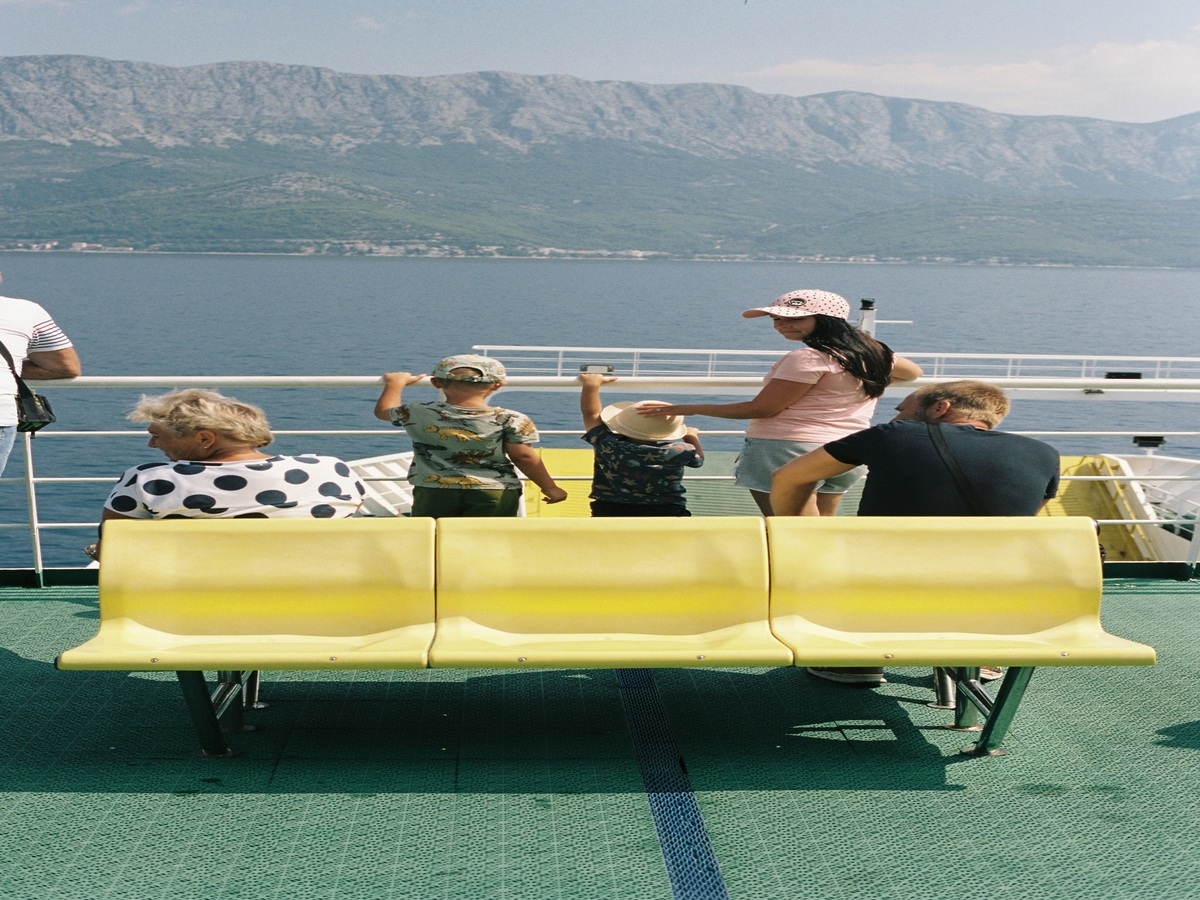
Cruising suits families traveling with elderly relatives or young children because ships offer activities for all ages, while shore excursions can be customized to different mobility levels. Grandparents might choose a gentle tea ceremony experience while teenagers opt for hiking near active volcanoes—everyone reunites for dinner.
The ship’s medical facilities and accessibility features provide peace of mind for those traveling with health considerations.
Traditional Crafts And Shopping
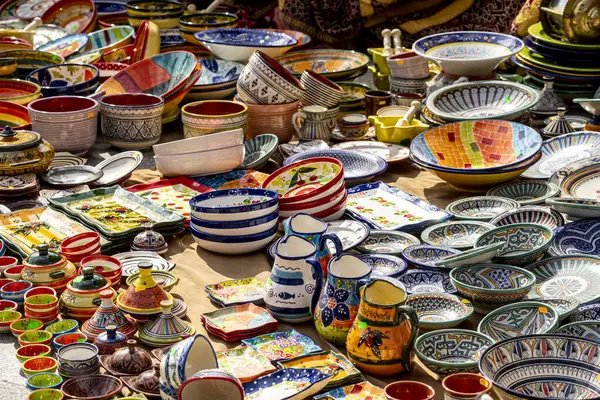
Port cities maintain craft traditions passed down through generations, from Kyoto’s silk kimono dying to Arita’s delicate porcelain. Shore excursions often include workshops where artisans demonstrate techniques while explaining their craft’s history and cultural significance.
Purchasing directly from these craftspeople ensures authenticity while supporting traditional industries that struggle against mass production.
Dramatic Coastal Scenery
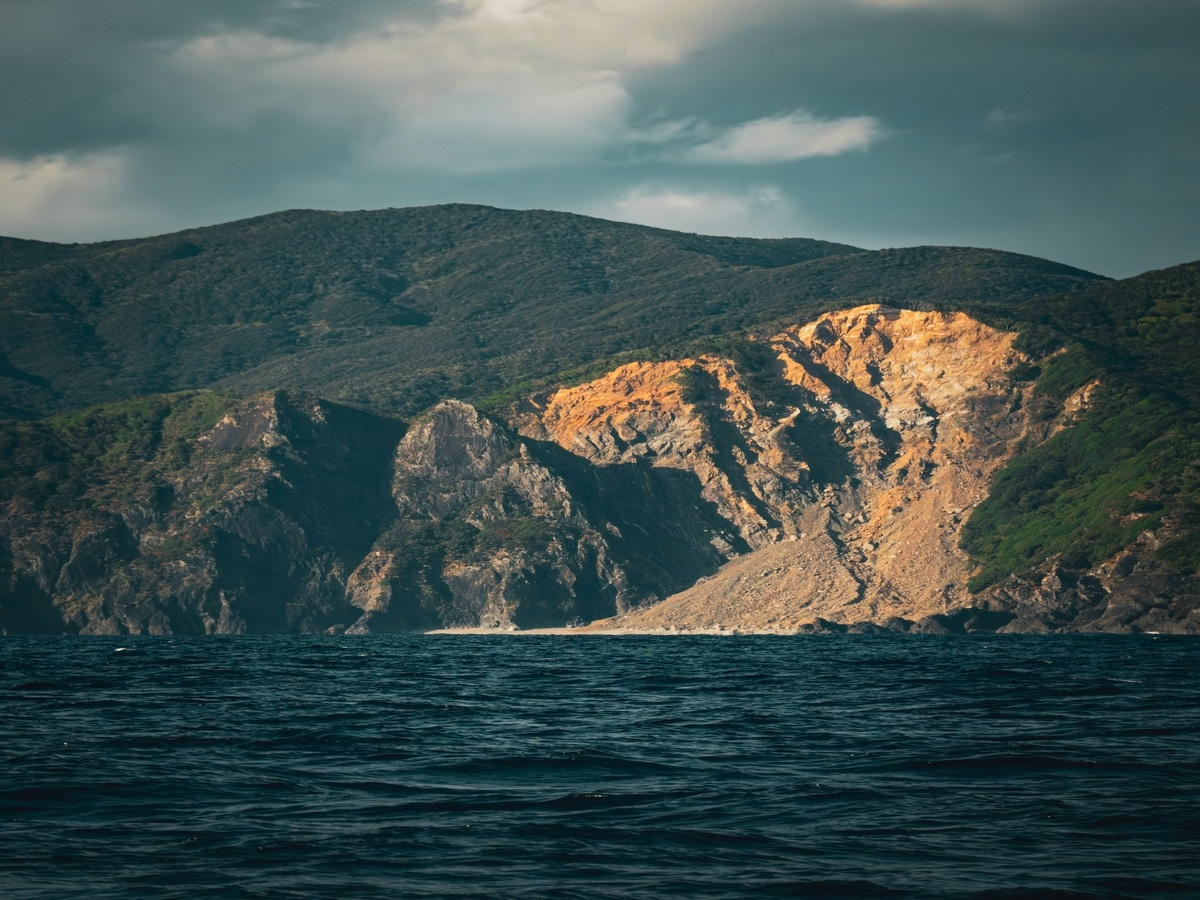
Japan’s volcanic geology creates coastlines of stunning beauty, with rocky cliffs, pine-covered islands, and secluded beaches appearing as your ship sails between ports. The Seto Inland Sea’s calm waters wind between hundreds of small islands, creating views that inspired classical Japanese landscape paintings.
Watching these vistas unfold from your balcony, preferably with morning coffee, ranks among cruising’s simple yet profound pleasures.
Buddhist Temples And Shinto Shrines
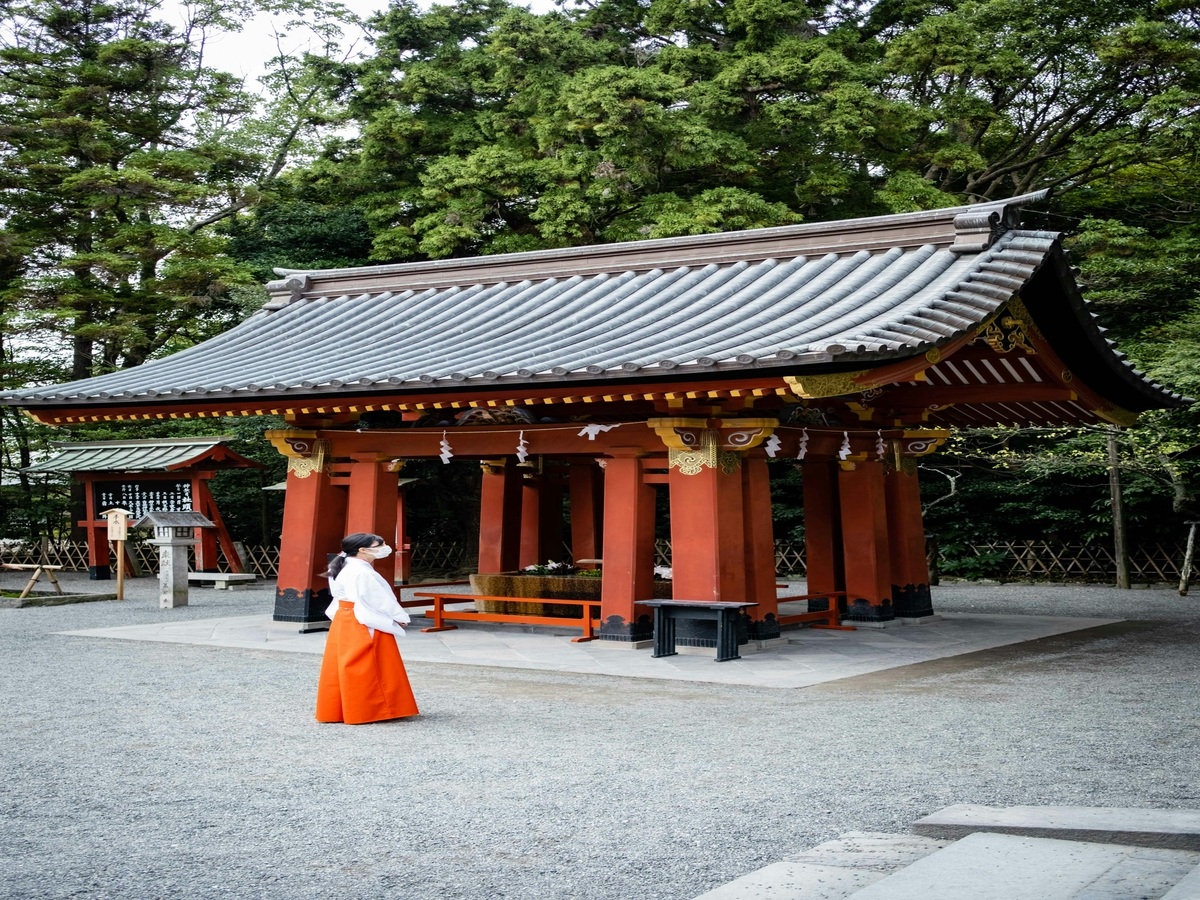
Nearly every port provides access to religious sites where architecture, gardens, and rituals offer windows into Japan’s spiritual traditions. Kyoto alone contains thousands of temples and shrines, while smaller cities often maintain a single spectacular site, such as Miyajima’s famous floating torii gate.
These visits work best with guides who can explain the symbolic elements you’re seeing rather than just snapping photos of pretty buildings.
Efficient Use Of Vacation Time
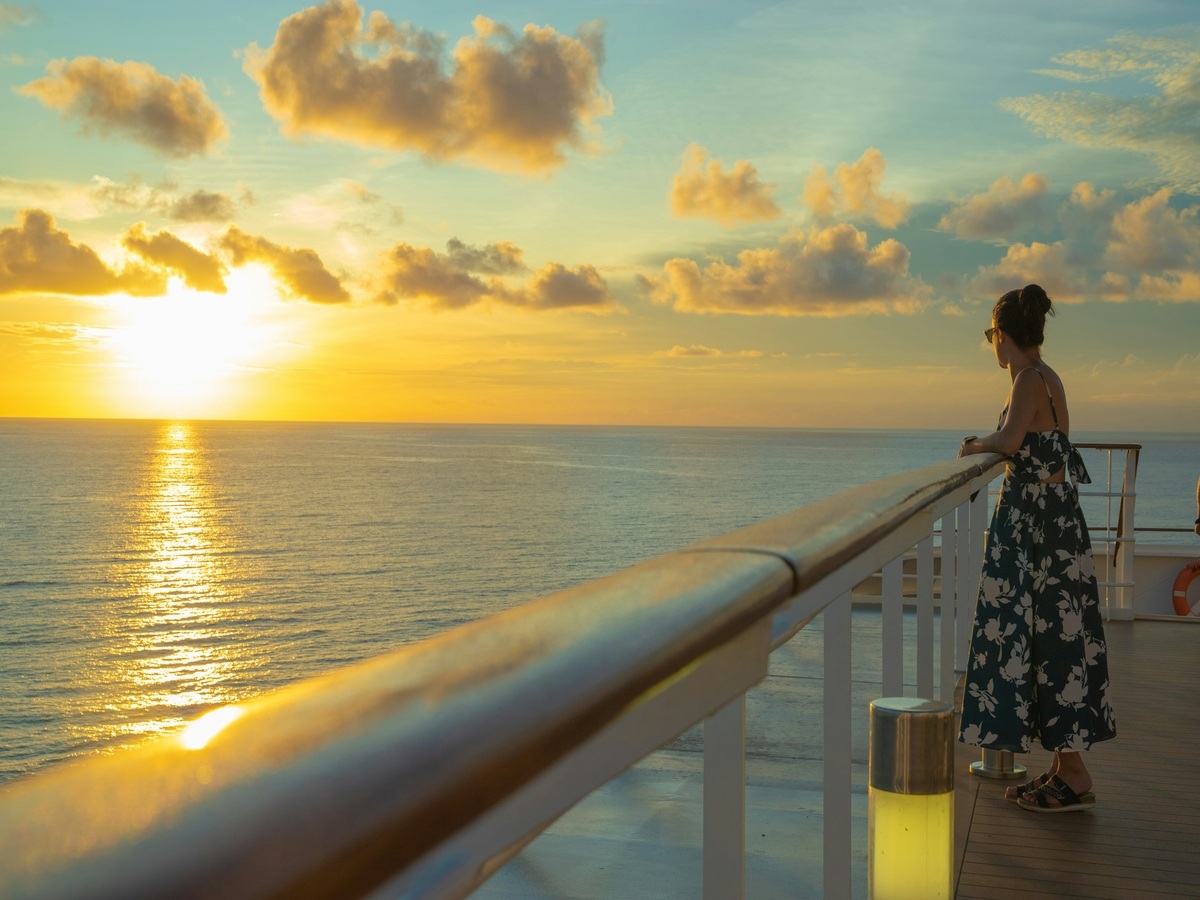
Cruises pack maximum experiences into minimum days by sailing overnight between destinations while you sleep. A week-long cruise might touch six different ports across hundreds of miles, a distance that would consume days of travel time on land.
This efficiency appeals especially to travelers with limited vacation days who want comprehensive Japan experiences without spending half their trip on trains.
All-Inclusive Dining Variety
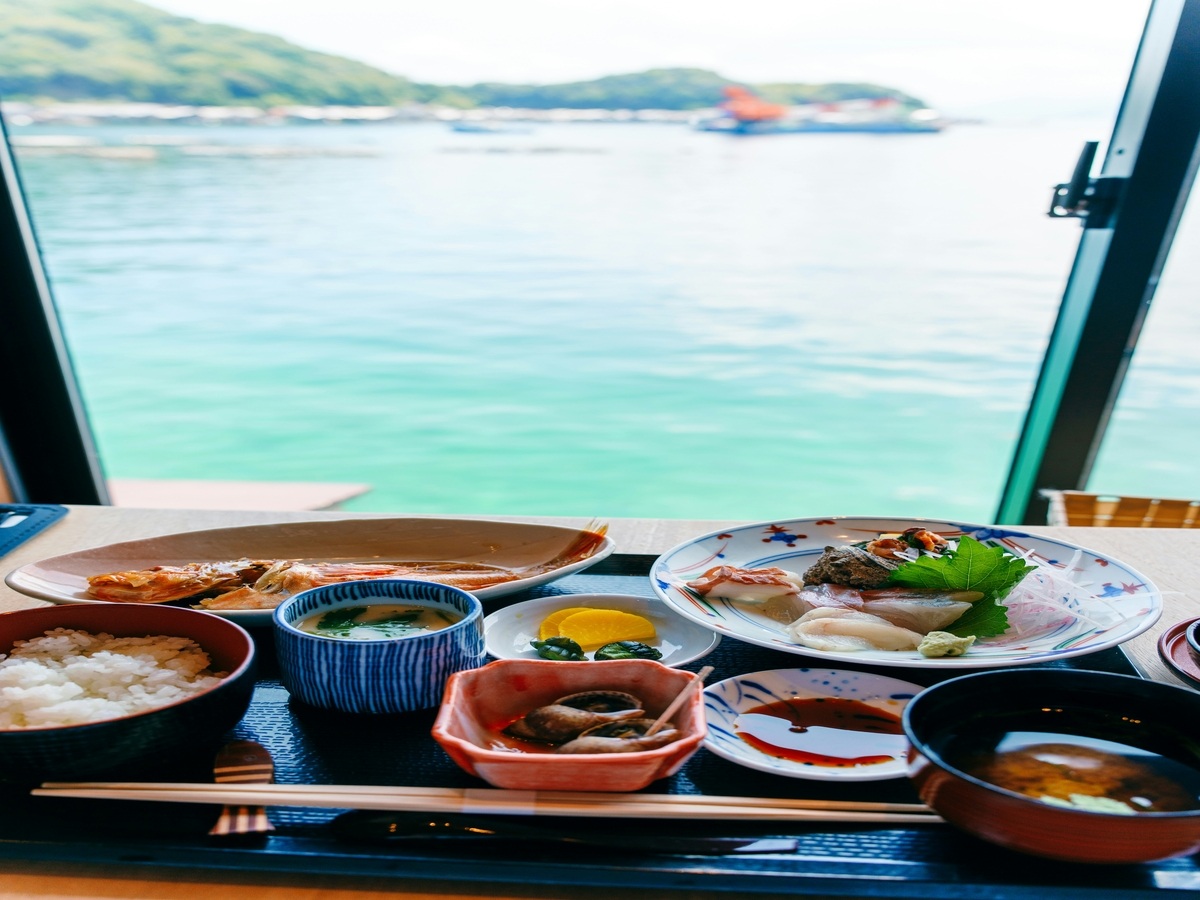
Modern cruise ships offer multiple restaurants serving everything from sushi prepared by Japanese chefs to Western comfort food when you need a break from adventurous eating. This variety proves valuable in a country where dietary restrictions can be challenging to communicate and where unfamiliar ingredients might overwhelm cautious eaters.
Yet you’re still free to explore authentic Japanese cuisine during shore excursions, making the ship a useful backup option rather than a limitation.
Weather Flexibility Built In
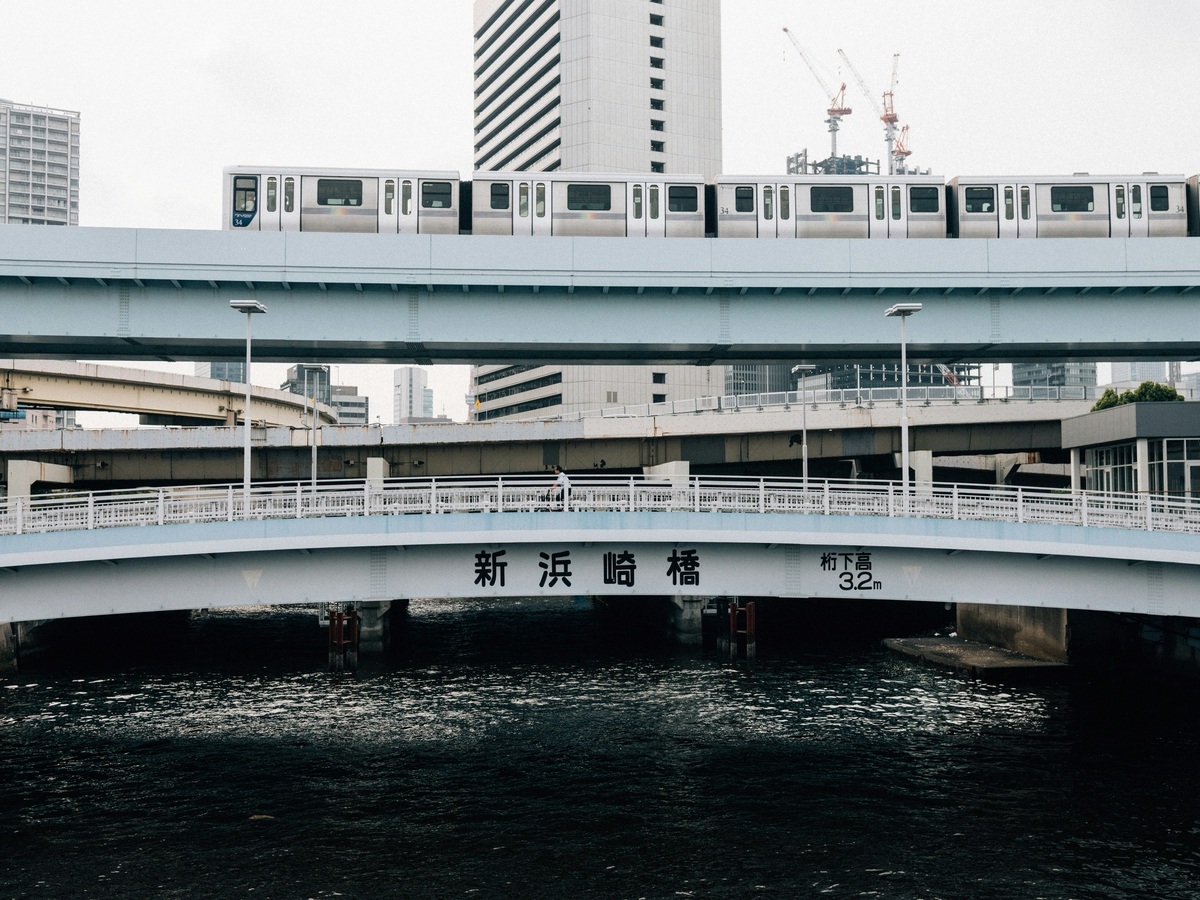
Japan’s typhoon season and rainy periods can disrupt carefully planned land itineraries, but cruise ships simply adjust routes or timing to avoid the worst weather. If a port becomes inaccessible due to storms, ships reroute to alternatives without forcing you to rebook hotels or lose prepaid reservations.
This flexibility removes weather anxiety from your planning while maximizing your chances of actually seeing what you came for.
Where Tradition Meets Tomorrow
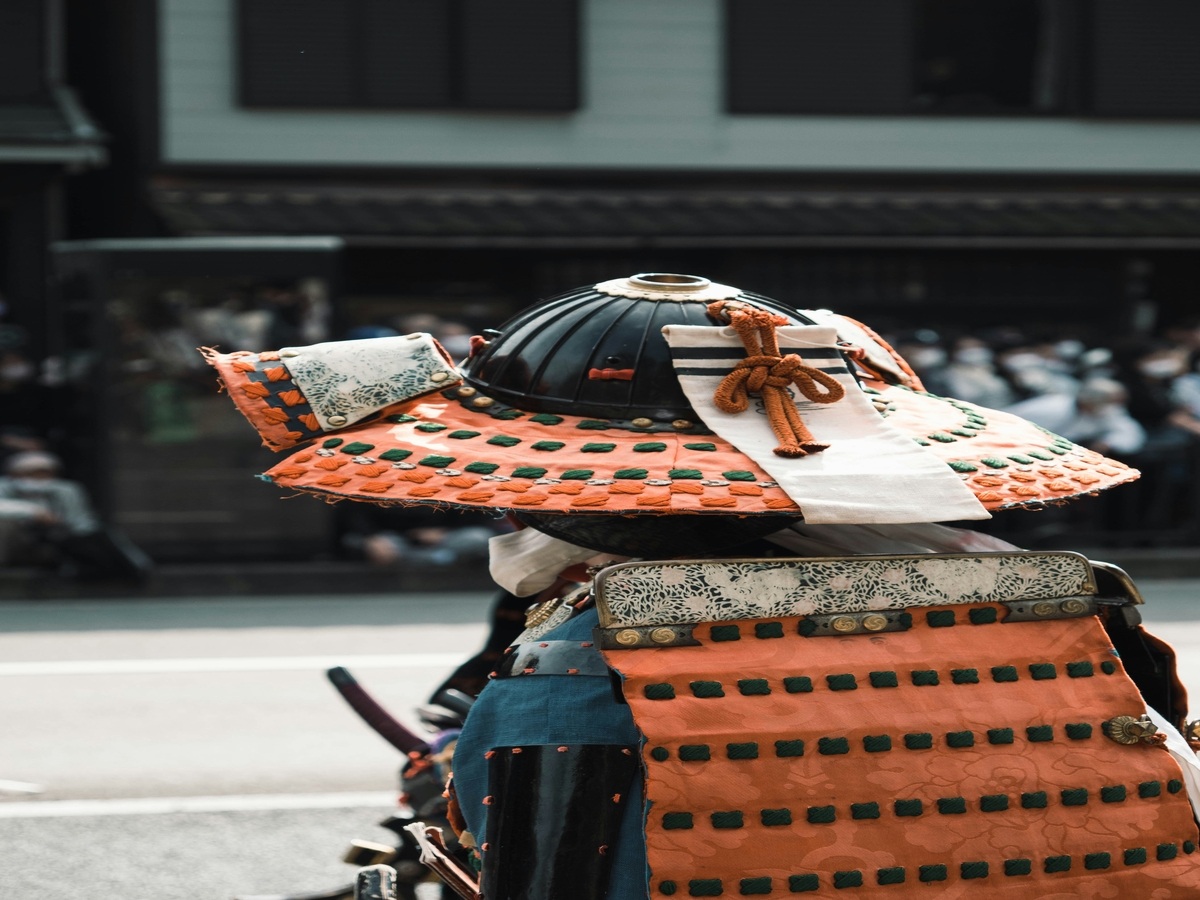
Cruising Japan reveals a nation perpetually balancing reverence for ancient customs with enthusiasm for innovation and change. You’ll visit medieval temples in the morning and explore cutting-edge technology museums by afternoon, experiencing contrasts that define modern Japan yet rarely coexist elsewhere.
The country’s ability to honor its past while embracing its future creates endless fascination—and a cruise ship provides the perfect mobile base for witnessing this dynamic tension play out across multiple cities and islands, each interpreting the balance slightly differently based on their unique histories and populations.
More from Travel Pug

- Underrated Italian Towns That Beat the Tourist Crowds
- Las Vegas Tourist Traps to Skip
- Prettiest Towns in Every US State
- 18 passport-free countries for Americans
- Signs Your Cruise Is Not Worth The Cost
Like Travel Pug’s content? Follow us on MSN.