

Science fiction movies transport us to distant galaxies and alien worlds, but the stunning landscapes behind those otherworldly scenes exist right here on Earth. Filmmakers have discovered that our planet offers terrain strange enough to double for fictional planets, from barren deserts to glacial wastelands.
These locations now draw fans eager to walk where their favorite characters once stood. Here is a list of 20 sci-fi filming locations worth visiting around the world.
Hotel Sidi Idriss, Tunisia
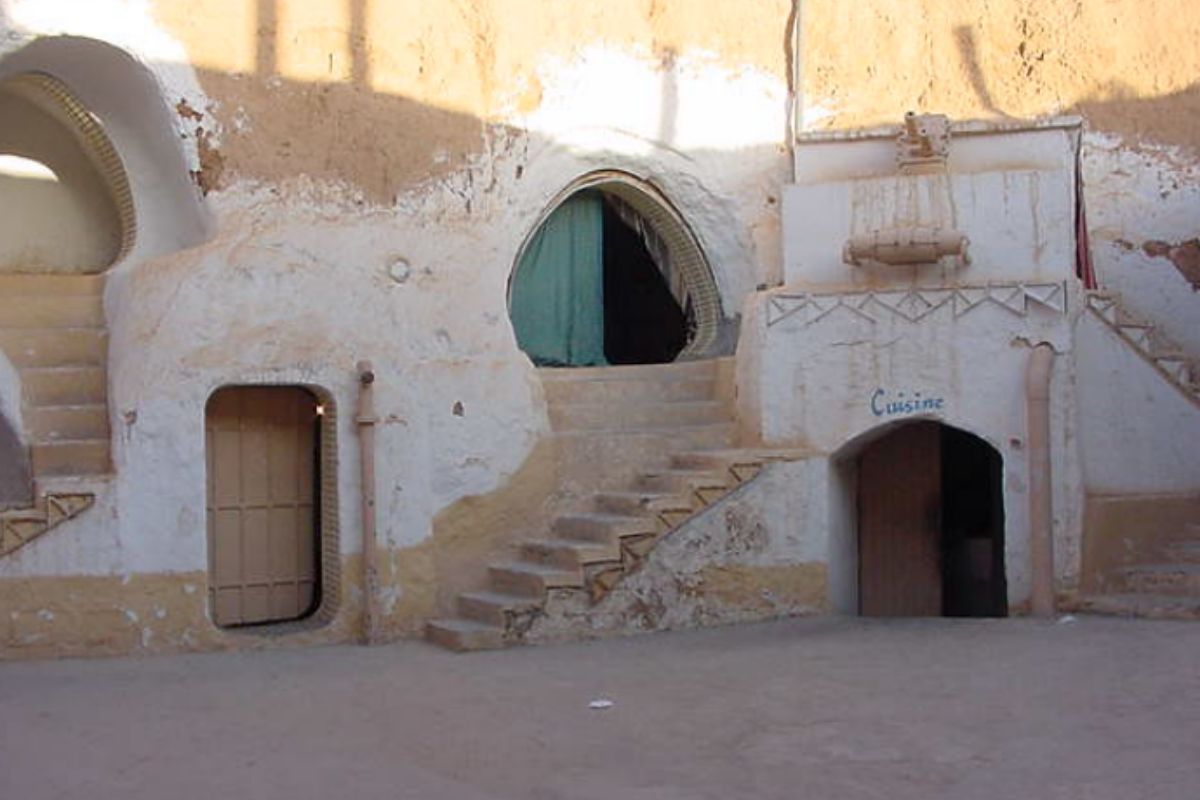
This underground hotel in Matmata doubled as Luke Skywalker’s childhood home on Tatooine in the original Star Wars film. The traditional Berber troglodyte dwelling was transformed into a hotel in 1969, seven years before George Lucas and his crew rolled into town.
The complex spreads across several pit courtyards connected by underground tunnels, and visitors today can stay overnight in the same rooms where iconic scenes were filmed. The hotel has embraced its Star Wars heritage, decorating its walls with memorabilia and photos from the filming.
Zhangjiajie National Forest Park, China
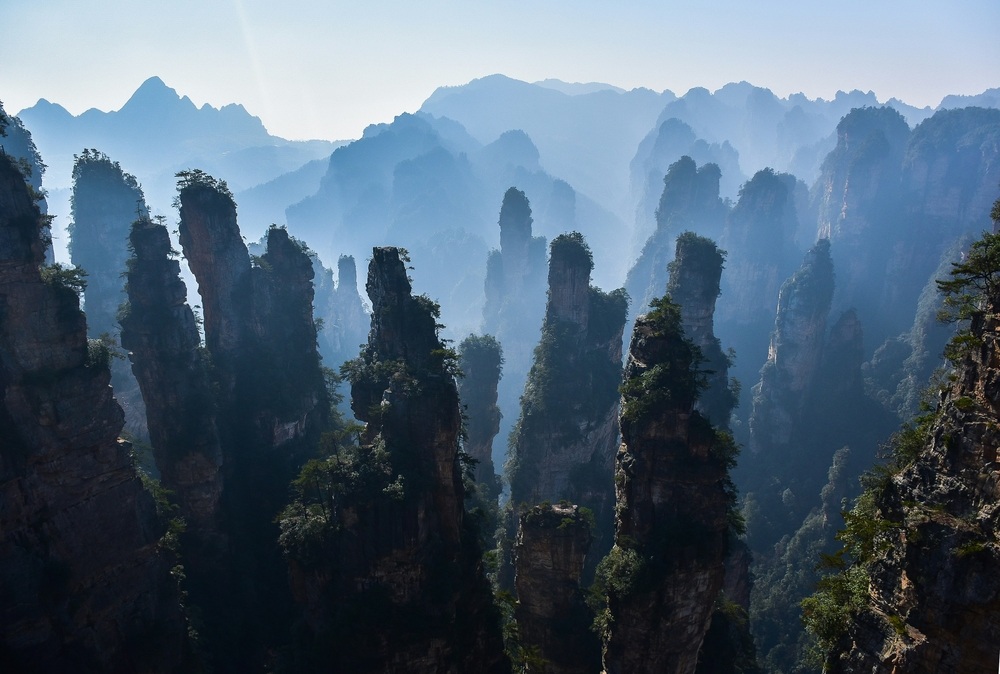
The towering sandstone pillars of this Chinese park inspired the floating Hallelujah Mountains in Avatar. The pillars, formed over millions of years through erosion and weathering, have long been a source of local legend and inspiration.
One of these pillars was named the ‘Southern Sky Column,’ and it stretches 3,544 feet into the air. In 2010, officials renamed the most famous pillar, Avatar Hallelujah Mountain, to capitalize on the film’s success, and the park now attracts upwards of 30 million tourists annually.
Skellig Michael, Ireland
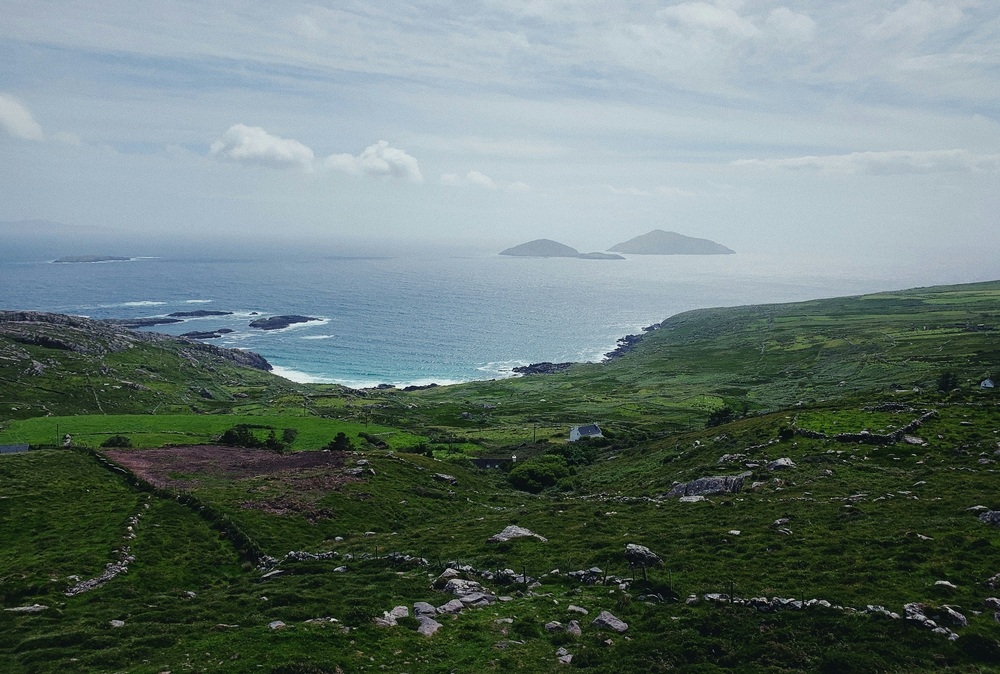
This jagged island off Ireland’s coast became Luke Skywalker’s hideaway in The Force Awakens and The Last Jedi. The 6th-century monastic ruins perched atop the island provided an authentic historical backdrop for the fictional Jedi sanctuary.
The island’s remoteness, unpredictable weather, and limited access presented significant challenges for the cast and crew. Only a limited number of visitors can land on the island each day to protect its ancient structures and ecosystem.
Svínafellsjökull Glacier, Iceland
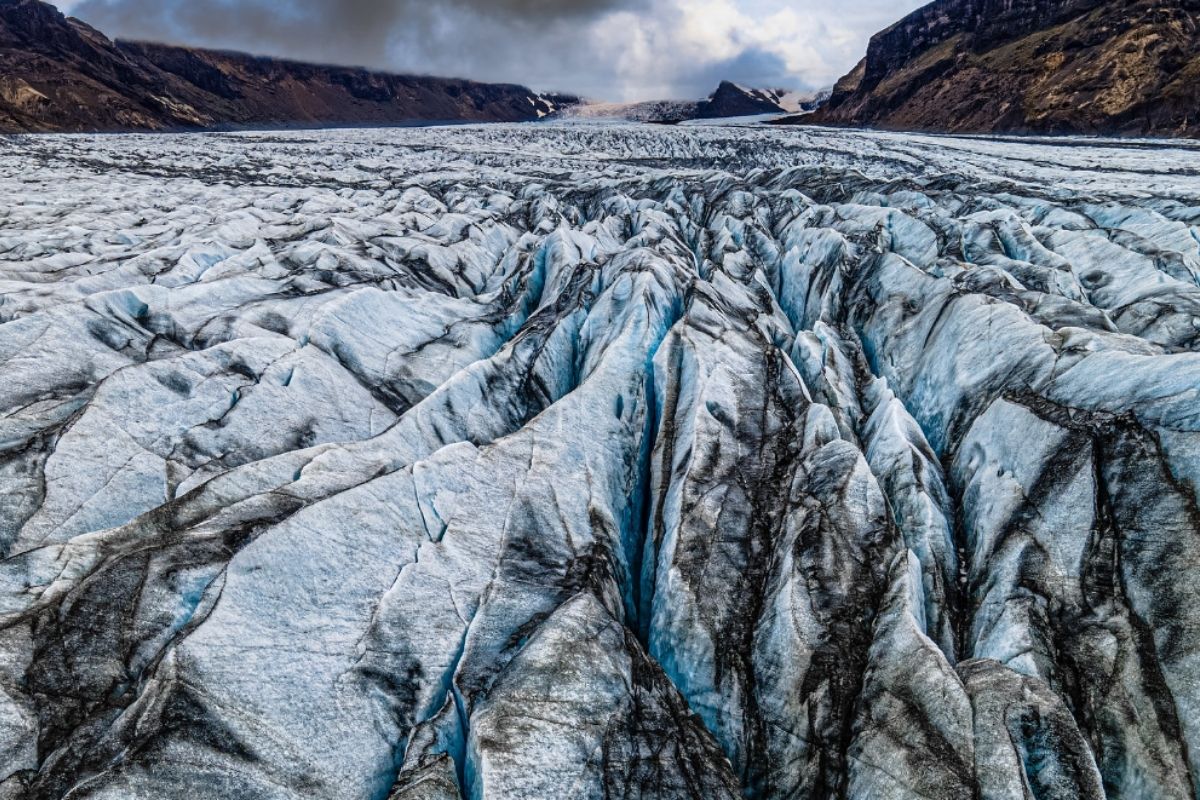
Christopher Nolan filmed the ice planet scenes from Interstellar on this massive glacier in southern Iceland. Ice at the foot of the glacier can be up to 200 years old, creating a truly ancient and surreal landscape.
Guided glacier hiking tours now take visitors across the same icy terrain where astronauts searched for humanity’s new home.
Wadi Rum, Jordan
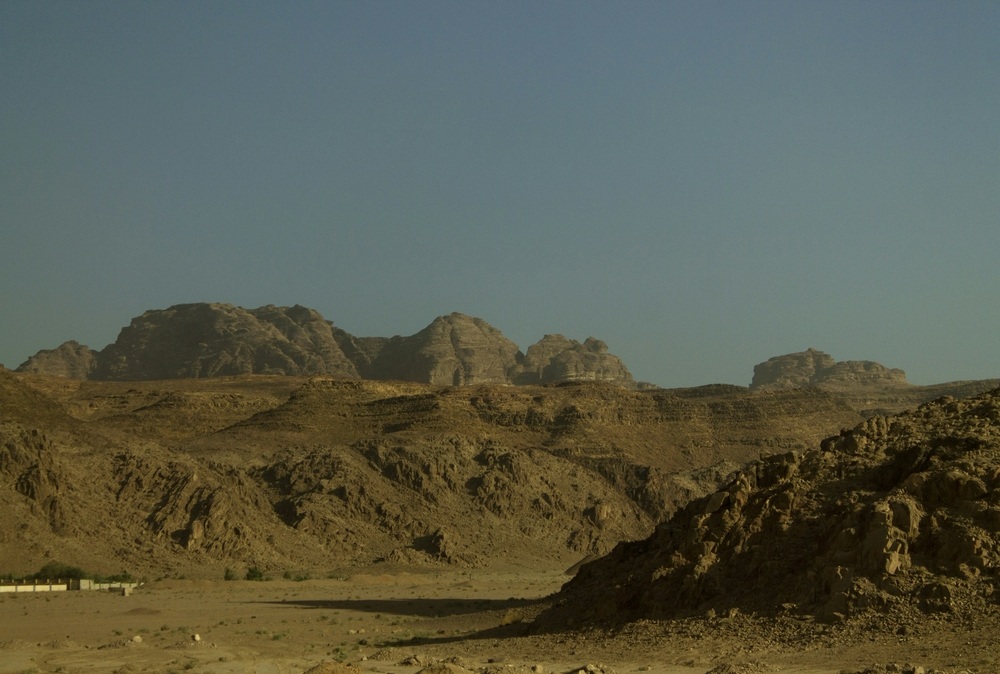
This vast desert wilderness served as the planet Arrakis in both Dune films. The towering sandstone mountains and dramatic canyons create landscapes that feel genuinely alien.
Wadi Rum has appeared in numerous blockbusters over the decades, including Lawrence of Arabia, The Martian, and Rogue One. Bedouin-run tour companies now offer specialized trips to specific filming locations within the protected area.
Mos Espa Set, Tunisia
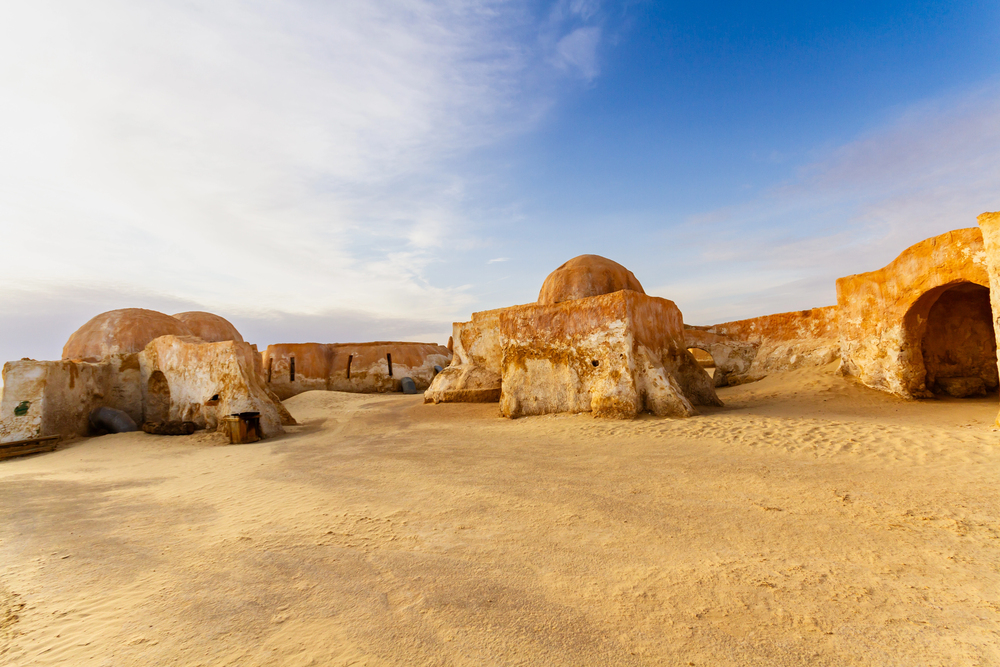
Unlike other locations that merely stood in for fictional places, this entire spaceport was built specifically for Star Wars. Located near Tozeur, the settlement comprises around 20 domed buildings that portray the Tatooine spaceport where Anakin Skywalker once lived.
The structures have weathered the harsh desert conditions but remain a pilgrimage site for devoted fans.
Budapest Stock Exchange, Hungary
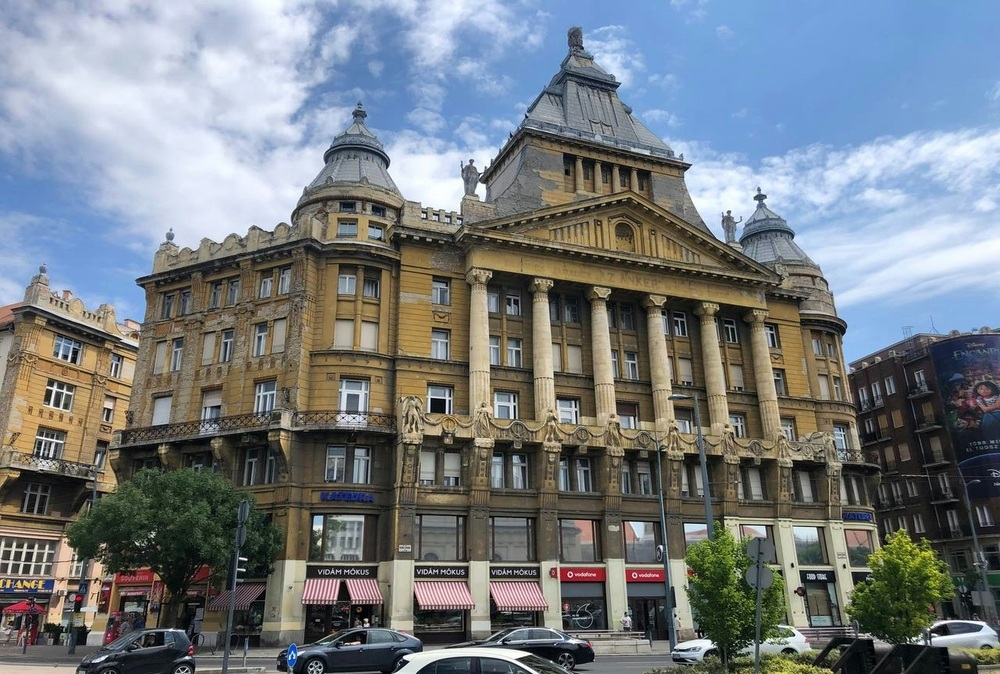
This grand Beaux-Arts building became the luxurious casino interior in Blade Runner 2049. Located in Szabadság Square, the former Budapest Stock Exchange headquarters provided the ornate architecture needed for the dystopian future setting.
Most of Blade Runner 2049 was filmed across various Hungarian locations, with Budapest’s brutalist Soviet-era architecture providing the perfect backdrop for a bleak tomorrow.
Eldhraun Lava Field, Iceland
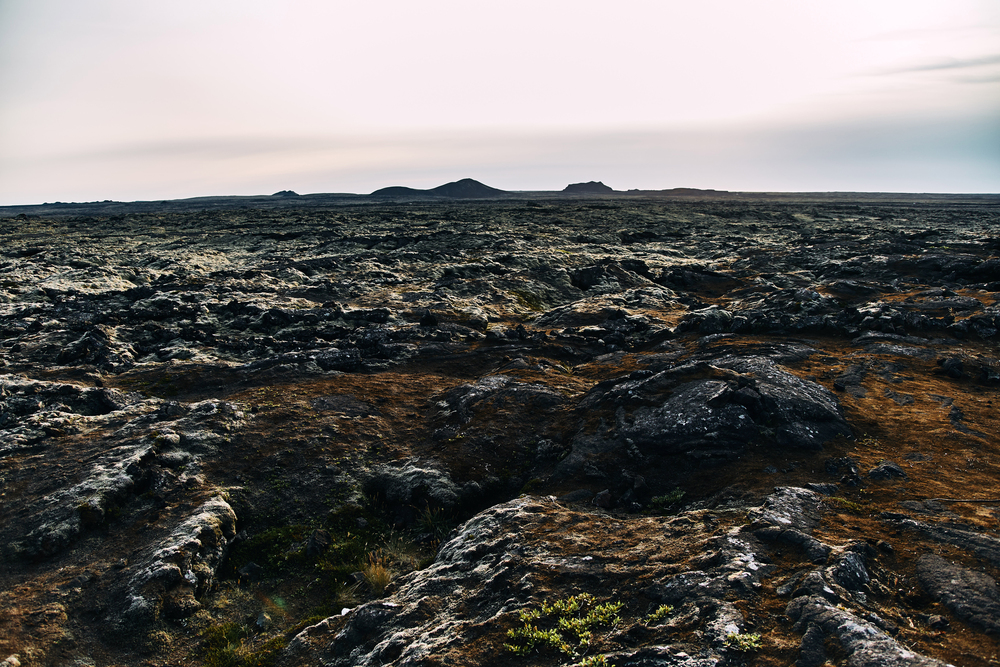
The moss-covered lava field near Kirkjubæjarklaustur represented an alien planet’s surface in Interstellar. The vast expanse of black sand and volcanic rock, broken by patches of green vegetation, creates an environment that looks lifted from another world.
The area remains easily accessible from the Ring Road, though visitors must tread carefully to avoid damaging the fragile moss that covers the ancient lava.
Ksar Ouled Soltane, Tunisia
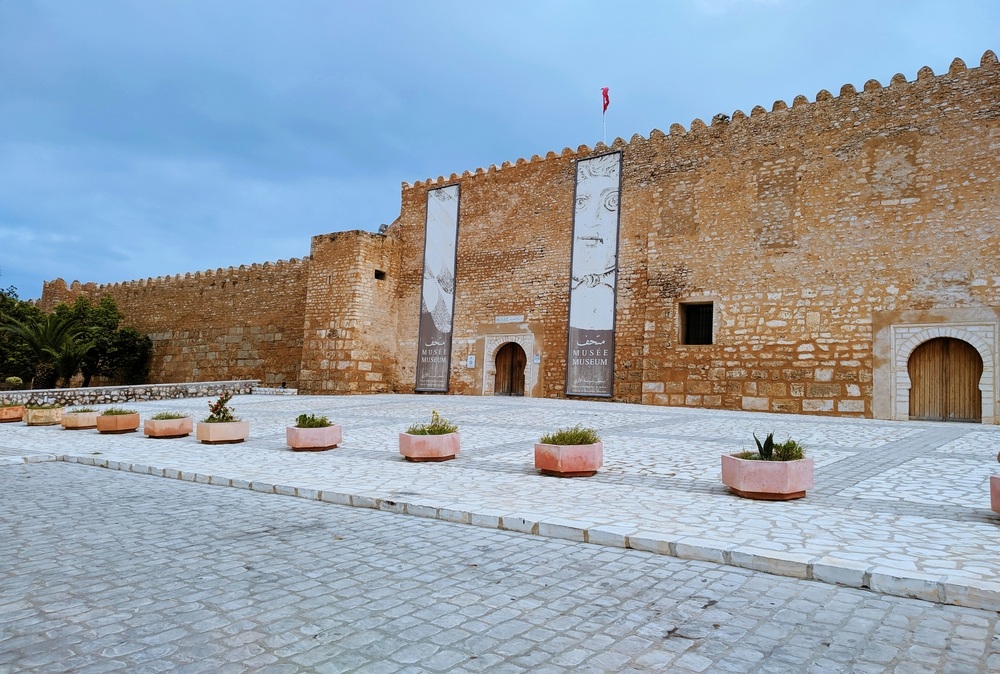
This 15th-century fortified granary appeared as the slave quarters in The Phantom Menace. The distinctive ghorfas, traditional storage rooms stacked in rows, created the perfect setting for the desert planet scenes.
Unlike some other Star Wars locations in Tunisia, Ksar Ouled Soltane remains remarkably well-preserved and continues to impress visitors with its unique Berber architecture.
Iceland’s Black Sand Beaches
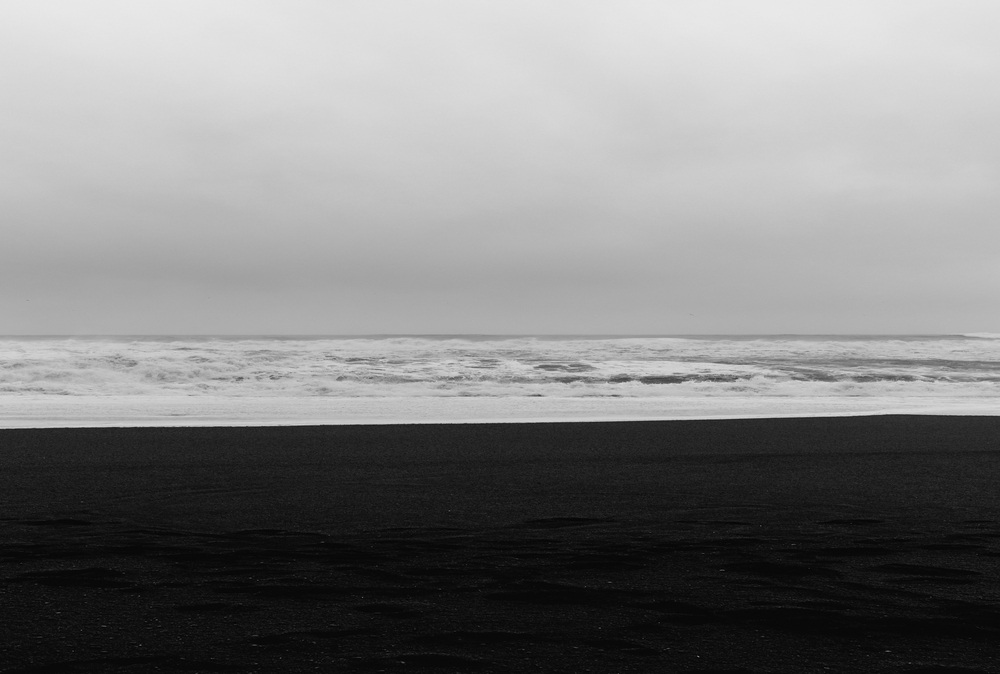
The volcanic black sand beaches along Iceland’s south coast provided the opening shots for Blade Runner 2049. These beaches, formed by ancient lava flows meeting the Atlantic Ocean, offer a stark and desolate landscape perfect for representing dystopian futures.
The contrast between black volcanic sand and white foam creates a visual drama that filmmakers find irresistible for establishing otherworldly atmospheres.
Ong Jemel, Tunisia
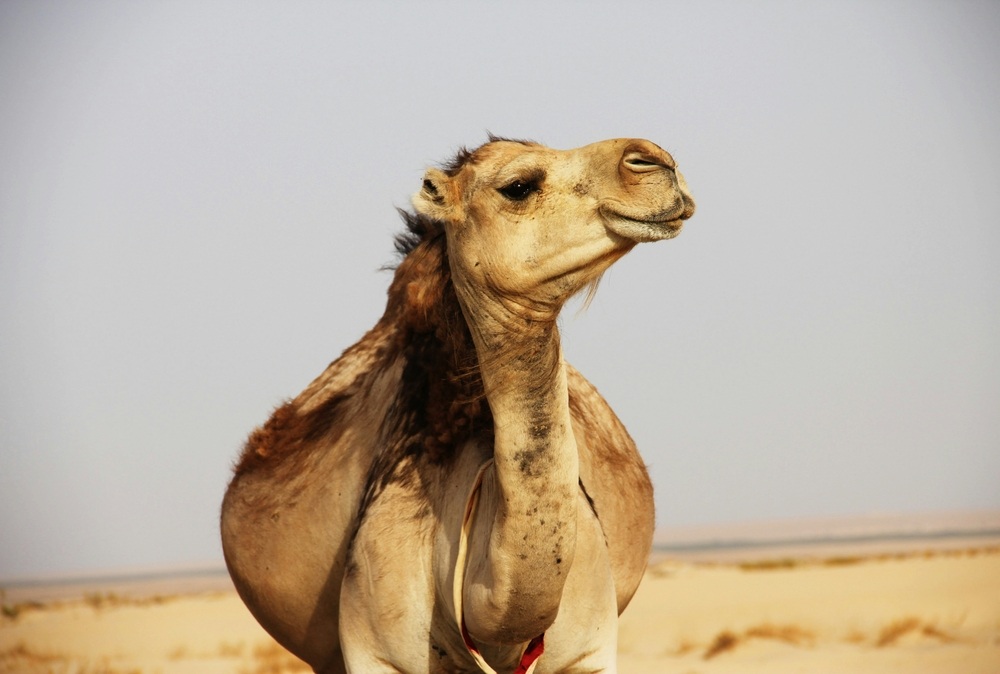
This camel-neck-shaped rock formation near Tozeur appeared in multiple Star Wars prequel films. The site served as Darth Maul’s lookout point and appeared in several pod-racing scenes.
Climbing to the top of Ong Jemel offers breathtaking views and a moment of solitude, where one can imagine the roar of Podracers echoing through the canyons below.
Sidi Bouhlel Canyon, Tunisia
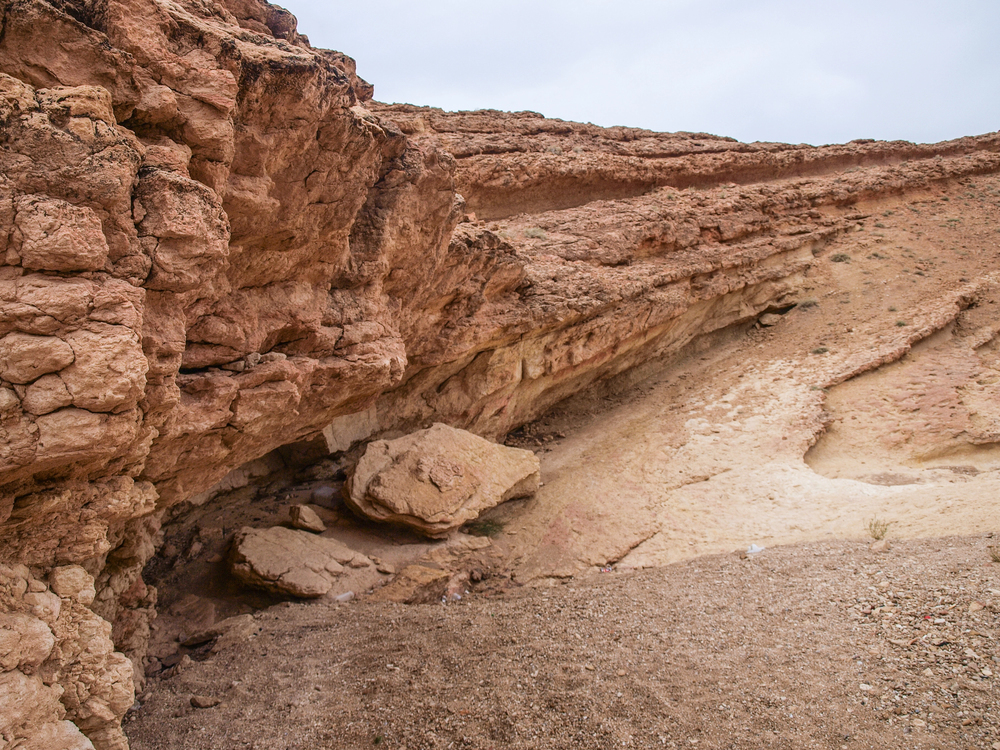
Known locally as Star Wars Canyon, this rugged terrain featured in both the original film and The Phantom Menace. This site, just a stone’s throw from Nefta, is where R2-D2 trundles through the desert before being captured by Jawas.
The rose-red canyon walls and distinctive rock formations have also appeared in Raiders of the Lost Ark and The English Patient, making it a must-stop on any Tatooine tour.
Stadlandet Peninsula, Norway
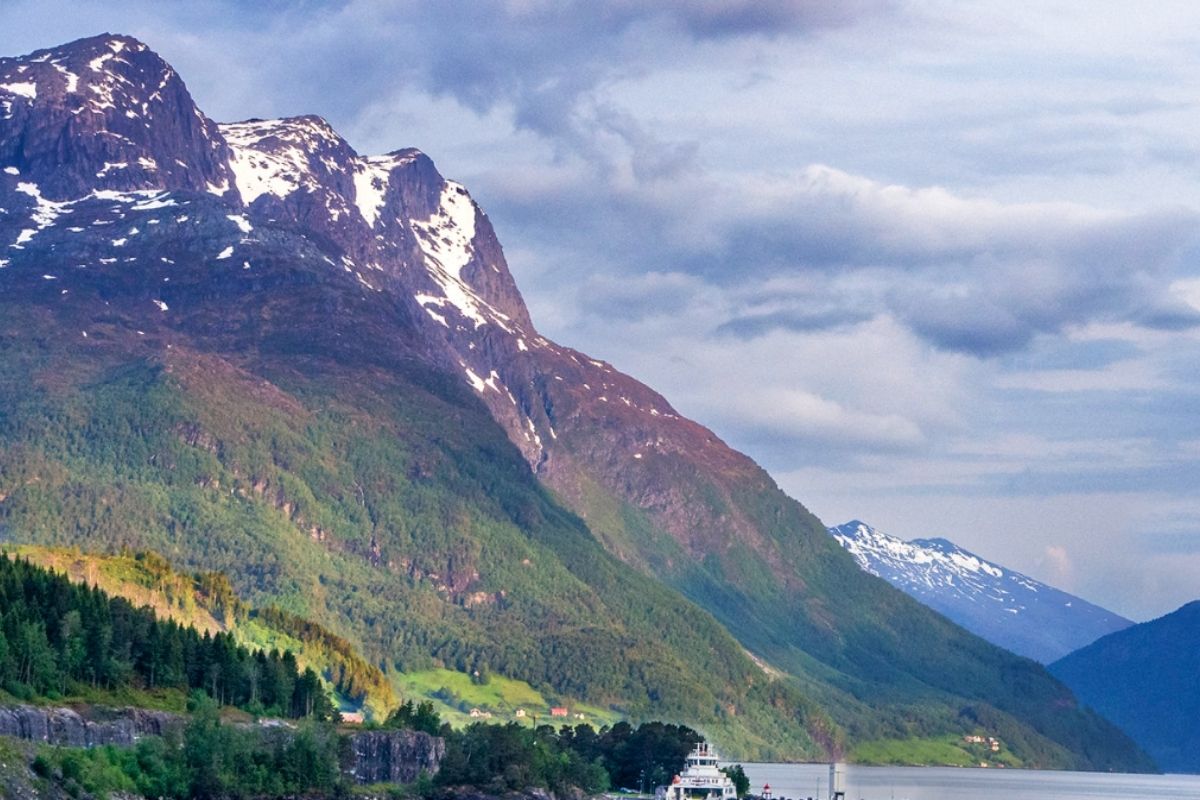
The dramatic cliffs and coastline of this remote Norwegian peninsula represented Caladan in Dune. Myresanden Beach, south of the village of Drage, was where Paul Atreides watched ships rise from the water.
The coastal scenes shot here provide a stark contrast to the arid desert of Arrakis, showcasing the diversity of environments within the Dune universe.
Longview, Alberta
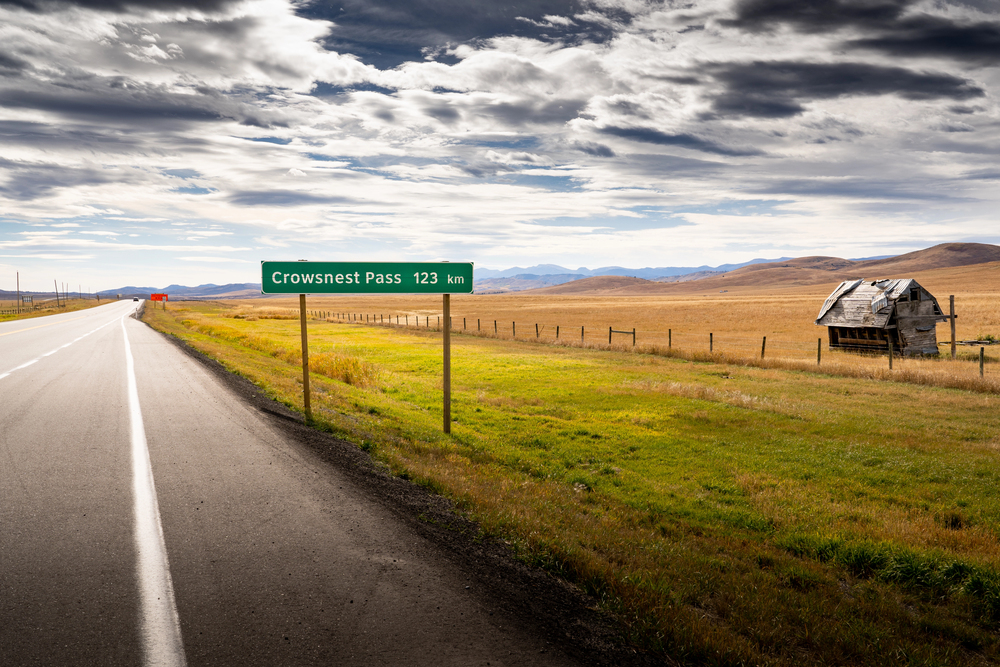
This small town south of Calgary became the Cooper family farm in Interstellar. Director Christopher Nolan famously grew 500 acres of real corn for the film and later sold it at a profit.
The practical approach to filming creates a tangible connection between the fictional future and this real Canadian landscape.
Chott el Djerid, Tunisia
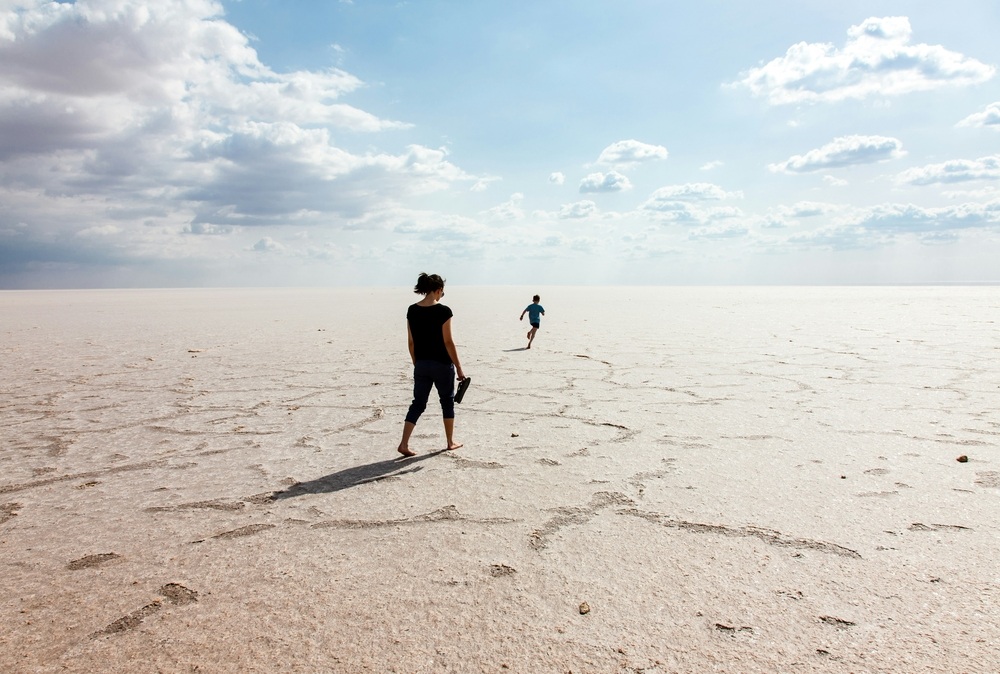
This massive salt lake served as the location for the Lars Homestead igloo structure in multiple Star Wars films. The small igloo-style structure, set alone in the middle of the salt flat, appeared in Episodes II, III, and IV as the exterior of Luke’s childhood home.
The salt lake also provided the backdrop for one of cinema’s most iconic images: the binary sunset of Tatooine.
Liwa Desert, United Arab Emirates
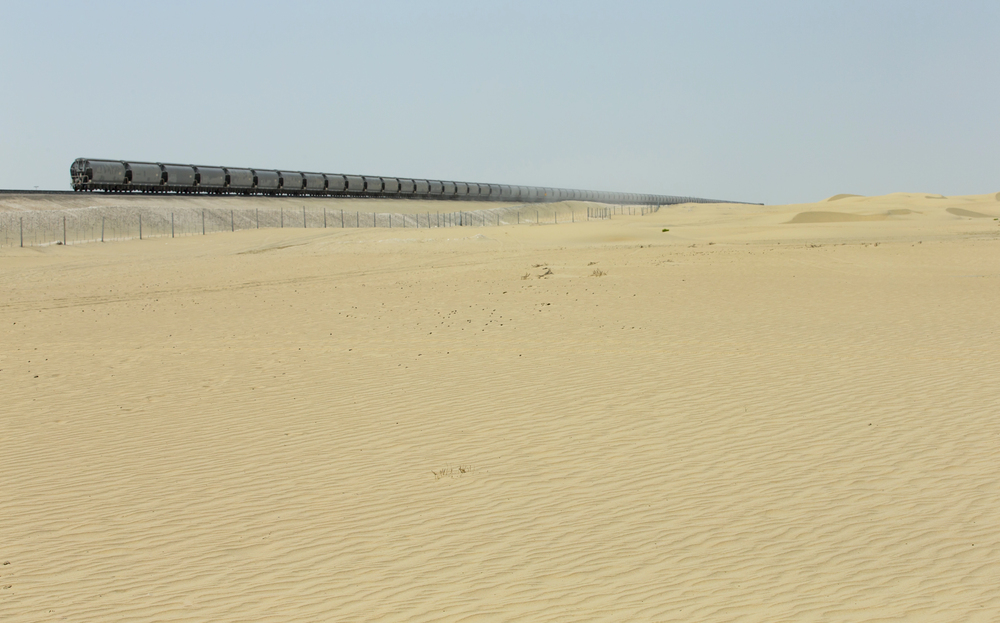
The towering dunes of this desert in the southern Arabian Peninsula represented the vast open deserts of Arrakis in Dune. The massive Moreeb Dune, standing nearly 1,000 feet tall, provided dramatic aerial shots of endless sand stretching to the horizon.
The pristine dunes closely matched Frank Herbert’s novel description of the spice planet, adding authenticity to the harsh environment depicted on screen.
Malin Head, Ireland
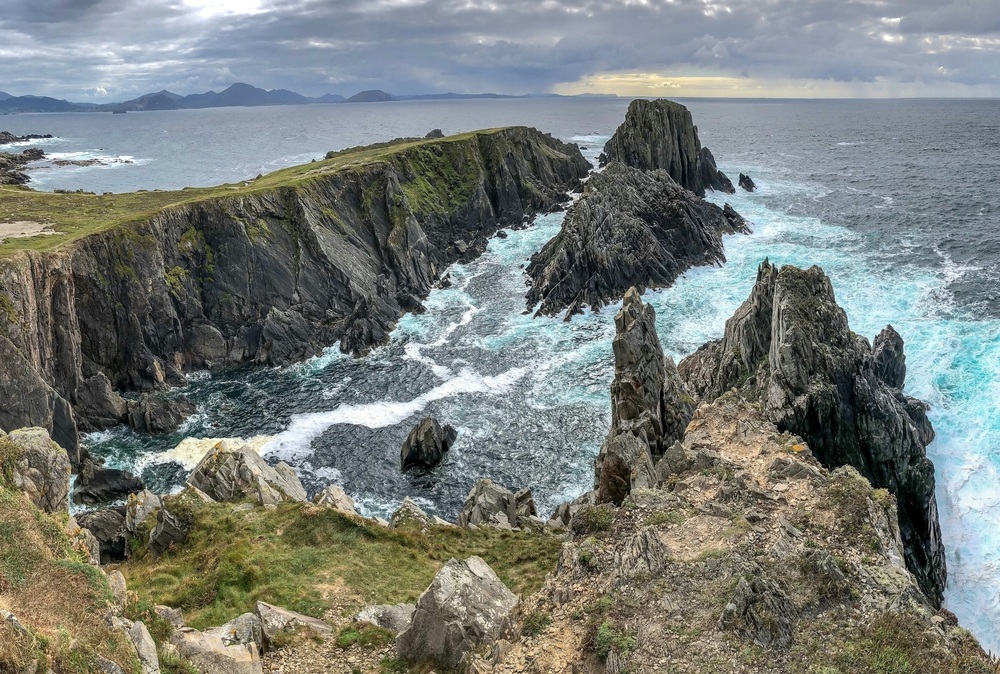
This exposed, rocky outcrop at Ireland’s extreme northern point filled in for Skellig Michael in The Last Jedi. The production used this location for close-up scenes with Rey and Luke because filming extensively on the actual island would have been too risky.
The windswept headland at the edge of the world provides the perfect setting for a Jedi master’s lonely exile.
Origo Studios Backlot, Budapest

This Hungarian studio complex hosted much of Blade Runner 2049’s elaborate sets and cityscapes. The white tree farm where Officer K discovers a hidden box was built entirely on the studio backlot.
Hungary’s combination of world-class studios and brutalist architecture made it the primary filming location for Denis Villeneuve’s futuristic vision.
Jökulsárlón Glacier Lagoon, Iceland
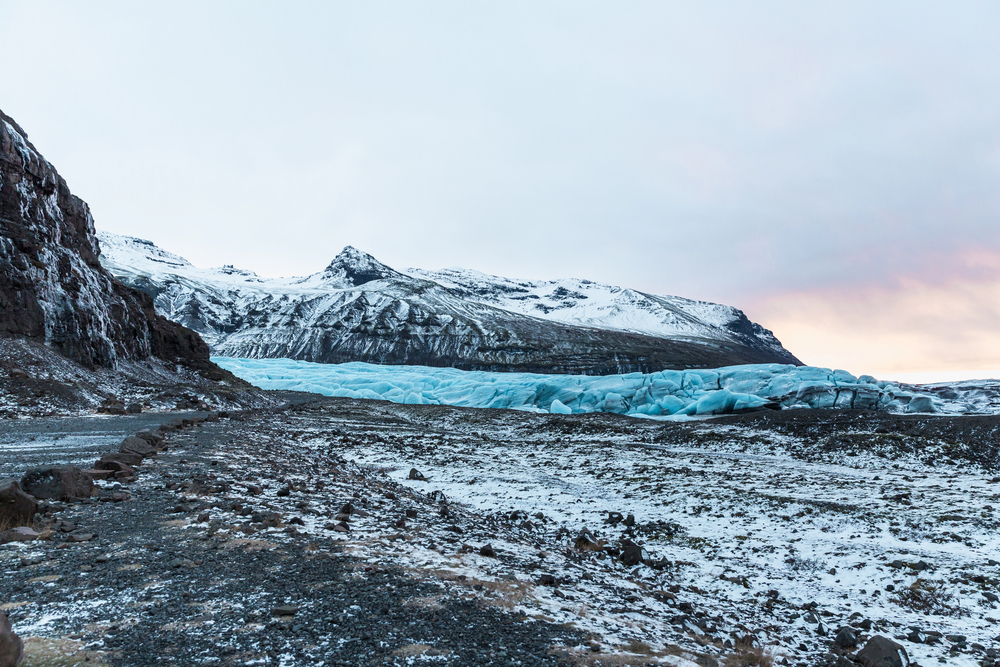
This glacial lagoon between the North Atlantic and Vatnajökull Glacier stood in for the water planet in Interstellar. Dotted with icebergs from glacier outflow, the lagoon created the perfect setting for the massive tidal wave scenes.
At 932 feet deep, it’s also Iceland’s deepest lake and one of cinema’s most versatile natural backdrops.
Ajim, Djerba, Tunisia
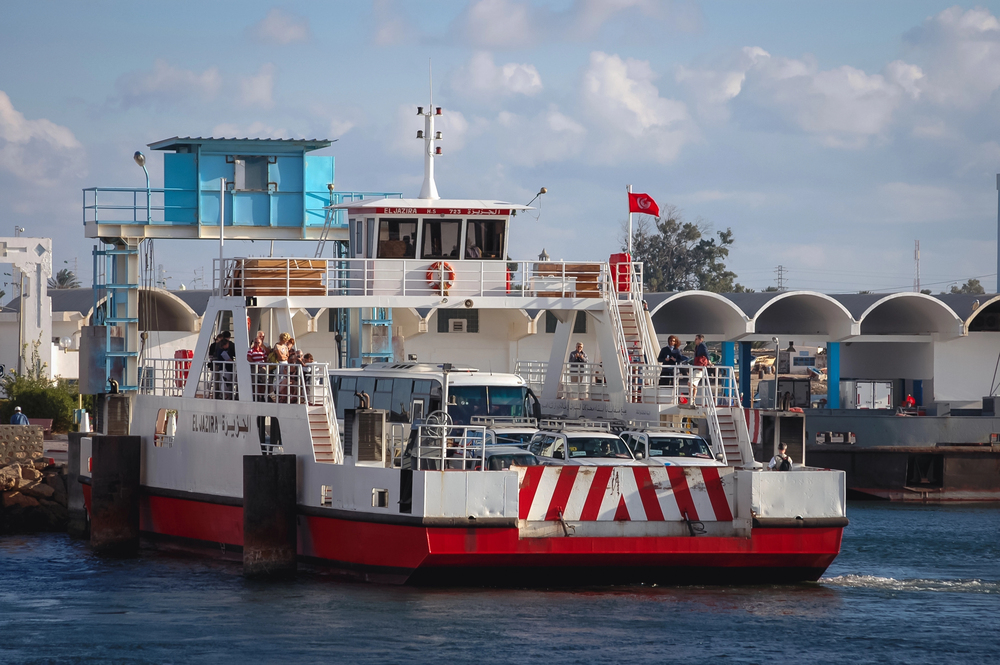
This small fishing village on Djerba Island hosted the exterior of the famous Mos Eisley Cantina. Though the structure now sits in ruins, fans still seek out the location where Han Solo, Chewbacca, Luke, and Obi-Wan first met.
The island also features the exterior of Ben Kenobi’s house, adding even more Star Wars history to the region.
Bridging Worlds
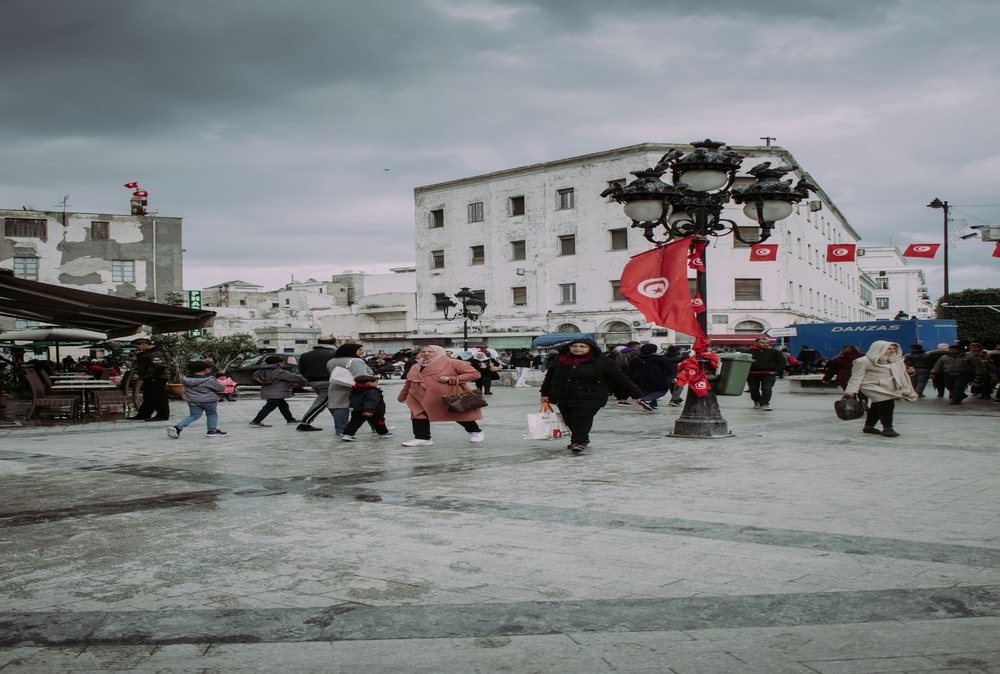
What started as practical filmmaking decisions has become cultural landmarks that blur the line between fiction and reality. Tunisia has a governorate called Tataouine, which directly inspired George Lucas and remains a highlight for fans.
These places prove that Earth’s natural wonders need no enhancement to appear extraordinary, offering fans a tangible connection to the films that sparked their imaginations.
More from Travel Pug

- Underrated Italian Towns That Beat the Tourist Crowds
- Las Vegas Tourist Traps to Skip
- Prettiest Towns in Every US State
- 18 passport-free countries for Americans
- Signs Your Cruise Is Not Worth The Cost
Like Travel Pug’s content? Follow us on MSN.