

J.R.R. Tolkien didn’t simply invent Middle-earth out of nothing. The places, buildings, and natural wonders he visited during his lifetime were the source of his writing and thus the rich world millions of fans have loved.
The English countryside, with its hills, where he grew up, and the Swiss Alps’ dramatic peaks, which he hiked in his youth, were real places that influenced his imagination and the readers’ perception of it through time. J.R.R. Tolkien’s books and films led to the discovery of his locations as they inspired parts of his stories and made others famous.
Here is a list of 20 Tolkien-inspired places fans can visit and explore.
Sarehole Mill
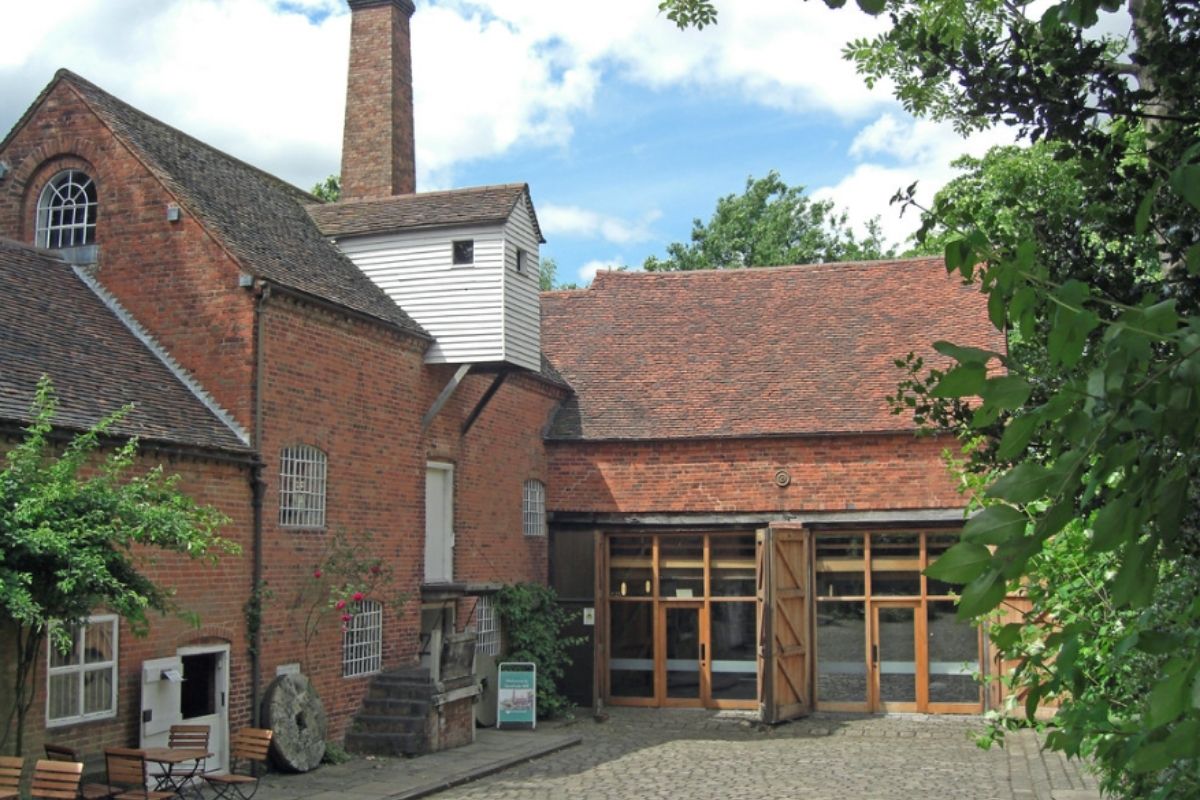
This working watermill in Birmingham sits in the heart of what Tolkien called his ‘homeland of childhood.’ He lived nearby from ages four to eight, and the mill’s rural setting left such a strong impression that it influenced his vision of Hobbiton and the Shire.
The old miller who worked there even became the partial inspiration for the character of Ted Sandyman. Today, visitors can tour the restored mill and walk the same paths young Tolkien explored, getting a genuine sense of where his love for pastoral England began.
Moseley Bog
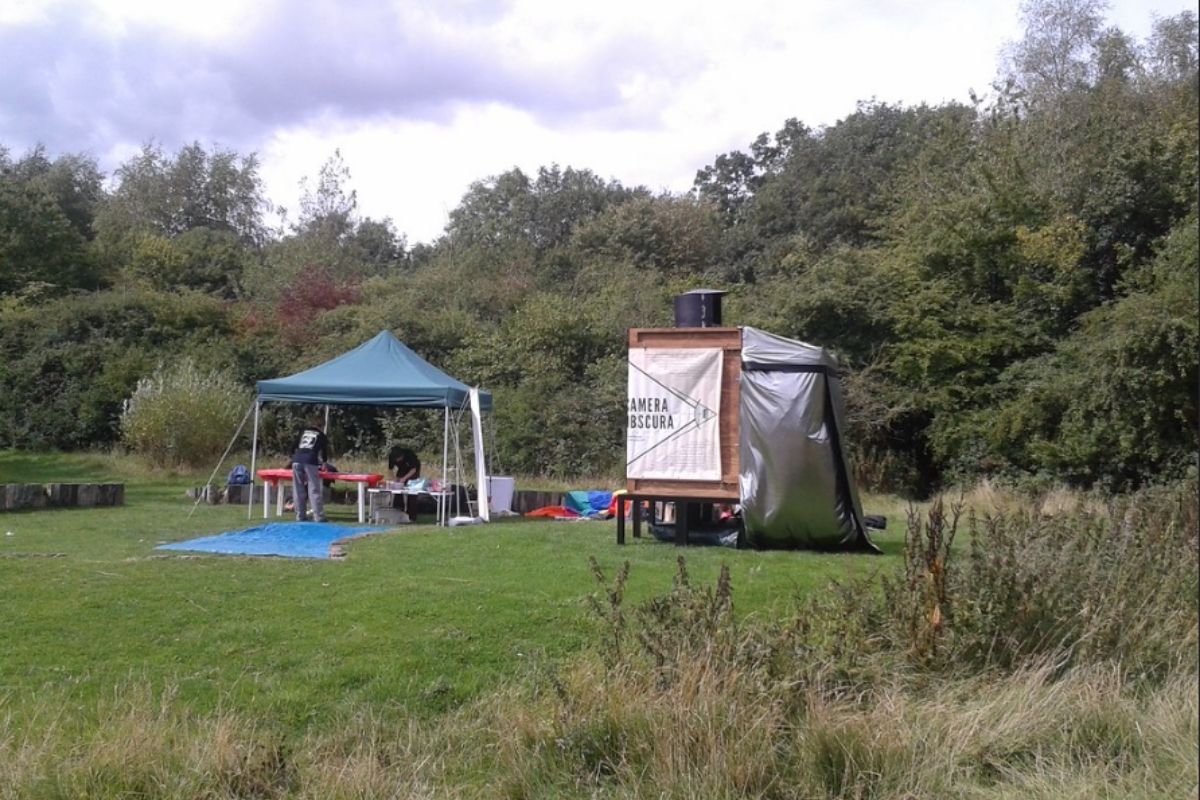
Just a short walk from Sarehole Mill, this ancient woodland became Tolkien’s childhood playground and sparked his lifelong fascination with trees and forests. The twisted roots, dense canopy, and mysterious atmosphere of the bog clearly influenced his creation of the Old Forest and Fangorn Forest.
Local conservation efforts have preserved the area much as it was when Tolkien roamed it over a century ago, making it feel like stepping into a piece of Middle-earth right in suburban Birmingham.
Perrott’s Folly and Edgbaston Waterworks
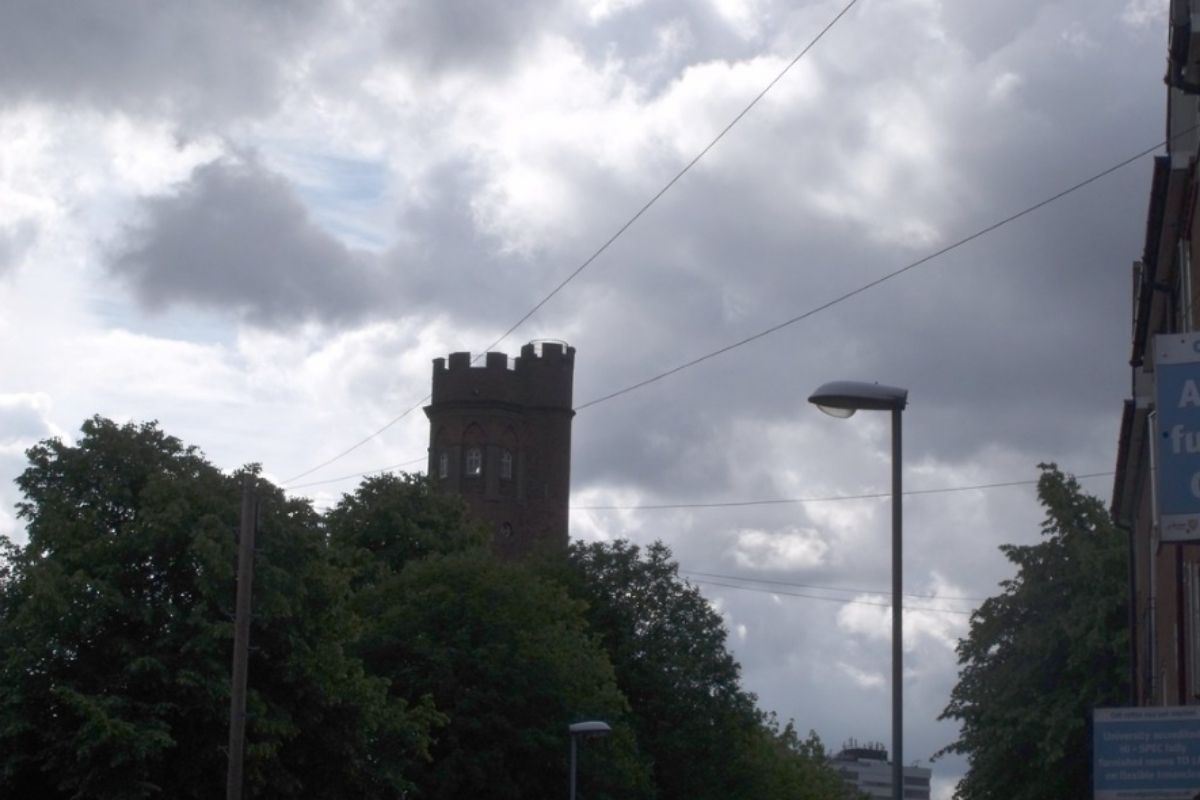
These two towers stand about a mile apart in Birmingham, and Tolkien could see them both from his childhood home. Perrott’s Folly is a 96-foot red brick tower built in 1758, while the Edgbaston Waterworks tower is a Victorian structure that once held water tanks.
Most Tolkien scholars agree these distinctive landmarks inspired the Two Towers of Orthanc and Barad-dûr, though Tolkien himself never confirmed it directly.
Lauterbrunnen Valley
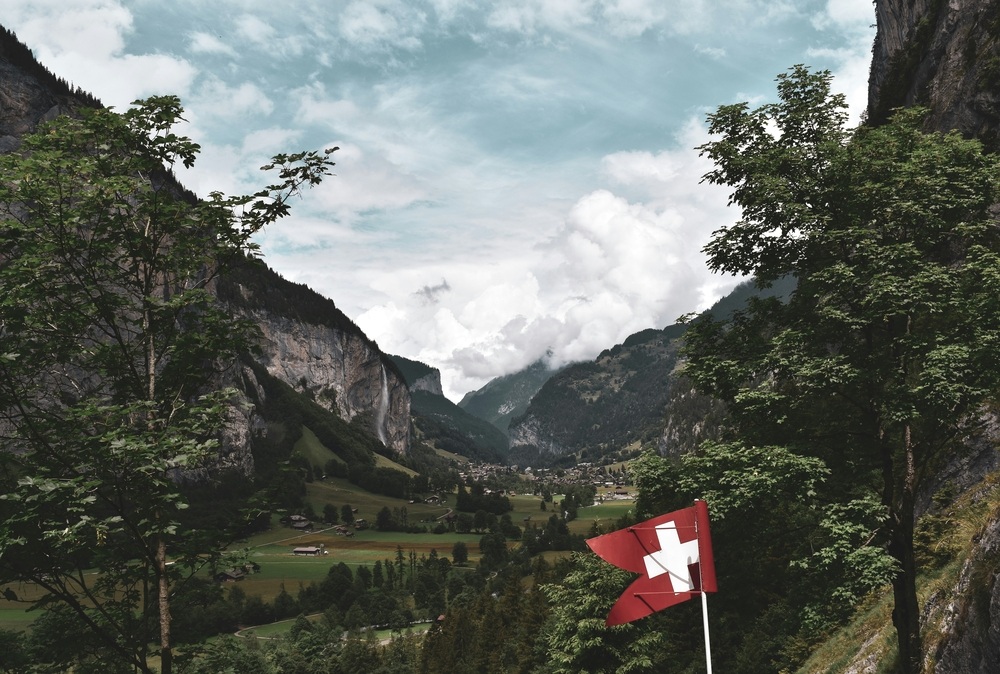
In 1911, Tolkien hiked this Swiss valley, and the experience was so impactful that it stayed with him for years. The beautiful valley has cliffs on both sides that are more than 900 feet tall, and there are also waterfalls and meadows.
He eventually wrote a letter in which he confessed that the scenery of Lauterbrunnen and the Silberhorn mountain had a direct influence on the creation of Elrond’s hidden kingdom in The Lord of the Rings, which was Rivendell.
Cheddar Gorge
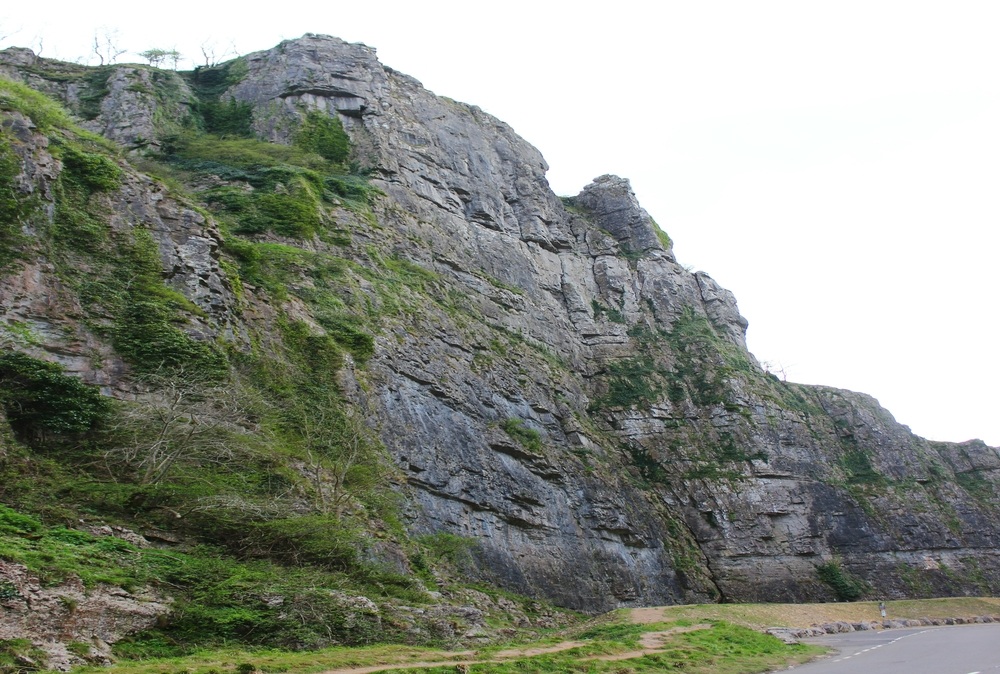
This limestone gorge in Somerset, England, can be likened to a magnificent horned beast with its 450-foot-high cliffs, thus making it the largest gorge in England. Tolkien was well acquainted with the area, and it is commonly believed that it inspired his writing about Helm’s Deep, the fortress hewn out of a mountain.
Natural caves in the gorge, among which Gough’s Cave, with its remarkable stalactites and stalagmites, is the most famous, could also have served the writer to picture the Glittering Caves behind Helm’s Deep.
The Malvern Hills
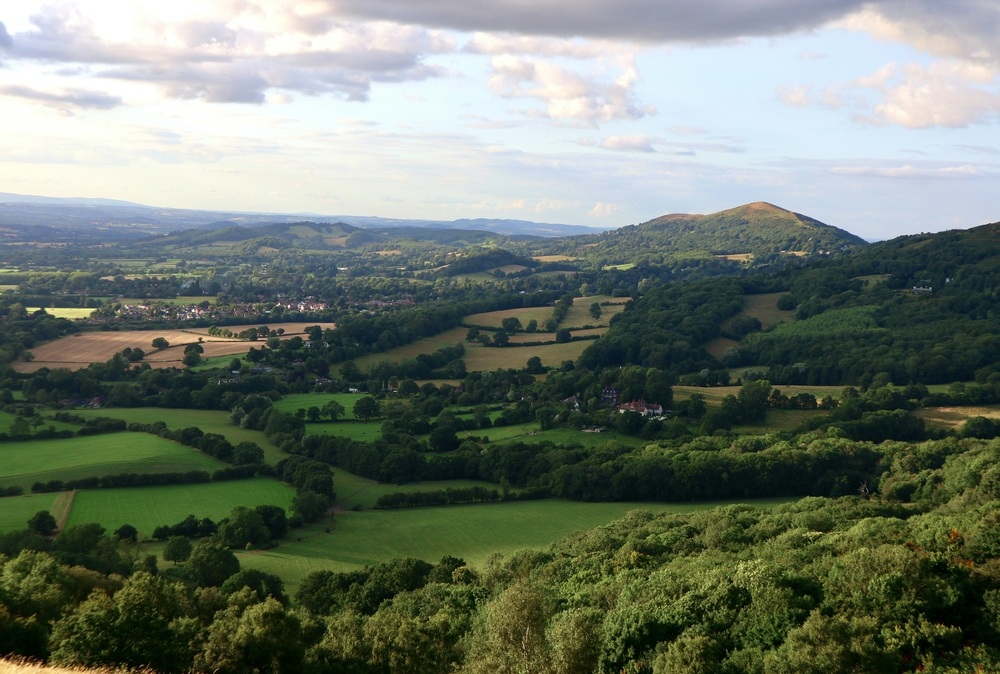
These ancient hills rise unexpectedly from the plains of Worcestershire, creating a distinctive ridgeline visible for miles around. Tolkien hiked here regularly and found inspiration in the way the hills seemed to separate different landscapes, much like the barriers between regions in Middle-earth.
The view from the highest point, Worcestershire Beacon, gives you a panoramic sweep that helps you understand why Tolkien loved elevated vantage points in his stories.
Oxford
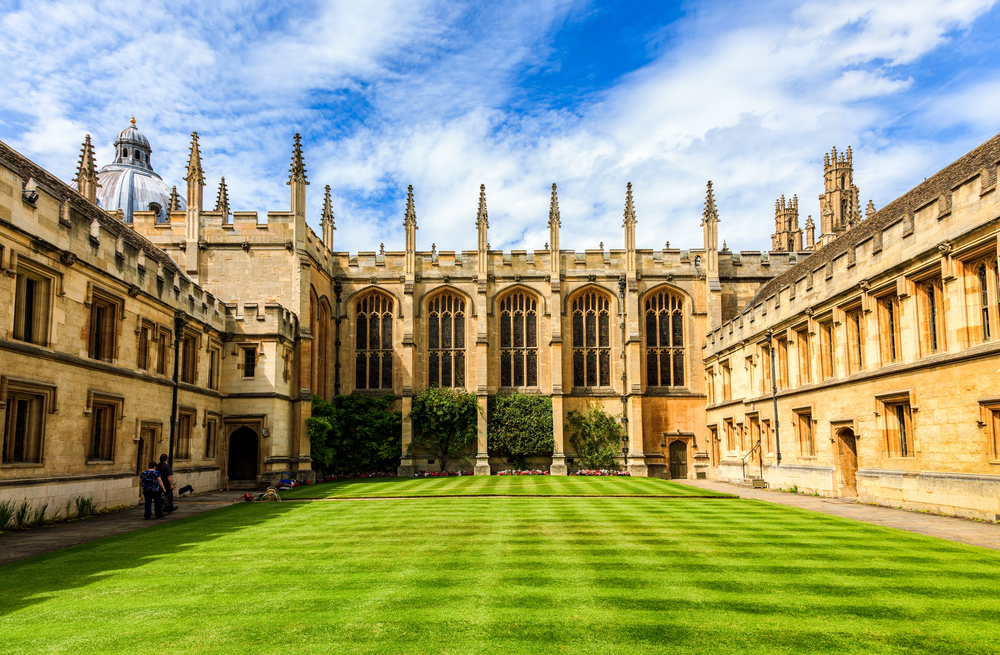
Tolkien spent most of his adult life in Oxford, first as a student and later as a professor at Pembroke College and Merton College. His home at 20 Northmoor Road was where he wrote much of The Hobbit and The Lord of the Rings, often working late into the night in his study.
Walking through Oxford’s cobbled streets and visiting places like the Bodleian Library, where he worked, gives fans a direct connection to where the legendarium actually took shape on paper.
The Eagle and Child
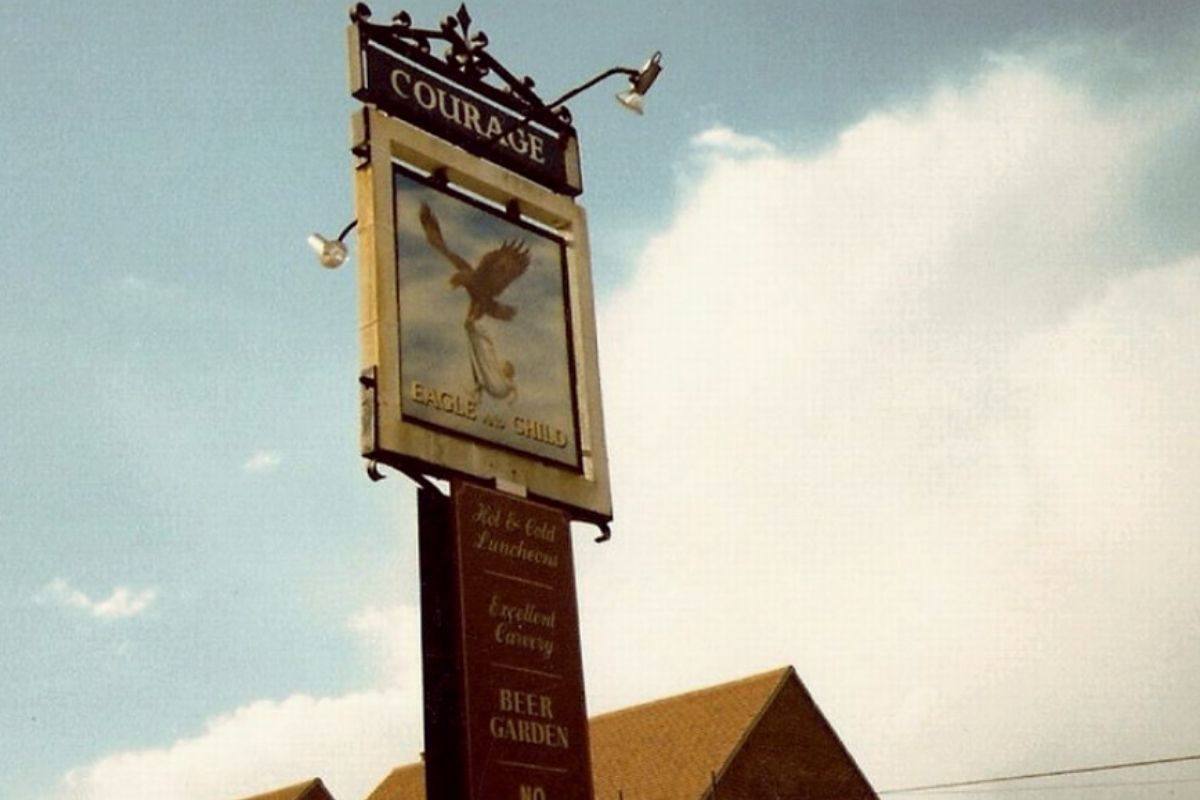
This pub on St. Giles’ Street in Oxford was the regular meeting place for the Inklings, the literary group that included Tolkien and C.S. Lewis. They’d gather in the back room, known as the Rabbit Room, to read their works-in-progress aloud and offer feedback.
Tolkien read early chapters of The Lord of the Rings here, making it one of the first places Middle-earth came to life through spoken word.
Stow-on-the-Wold
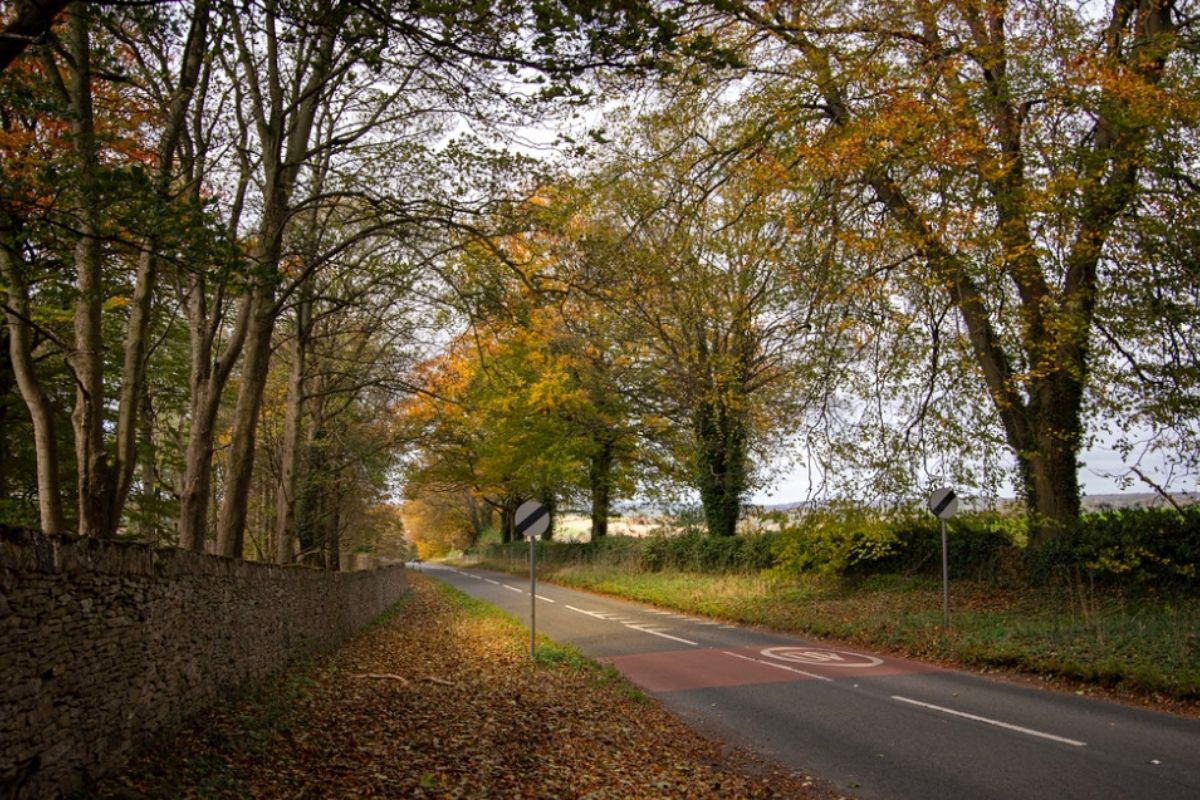
This charming market town in the Cotswolds catches the eye of many Tolkien fans because of its ancient yew trees in St. Edward’s Church cemetery. Local legend connects the town to the inspiration for Bywater, though the evidence is circumstantial.
What’s certain is that the town’s medieval architecture and surrounding countryside perfectly capture the essence of the Shire’s more established villages.
The Old Forest Near Buckland
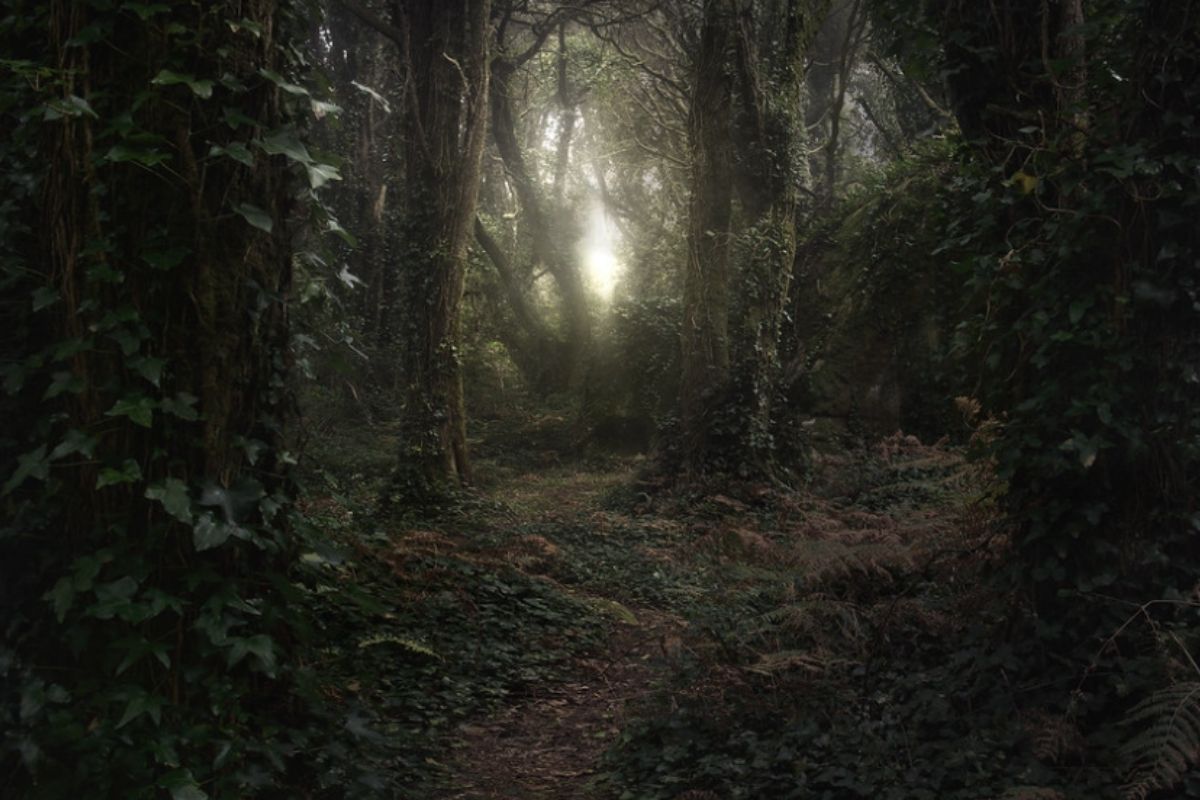
The woodlands around Buckland in Oxfordshire, combined with Tolkien’s memories of Moseley Bog, helped shape the Old Forest that the hobbits nervously traverse in The Fellowship of the Ring. Ancient English forests, with their gnarled oaks and a sense of being watched, gave Tolkien the perfect template for a place where trees have their own awareness.
Walking through any of England’s remaining ancient woodlands gives you that same slightly unsettling feeling he captured so well.
Lydney Park
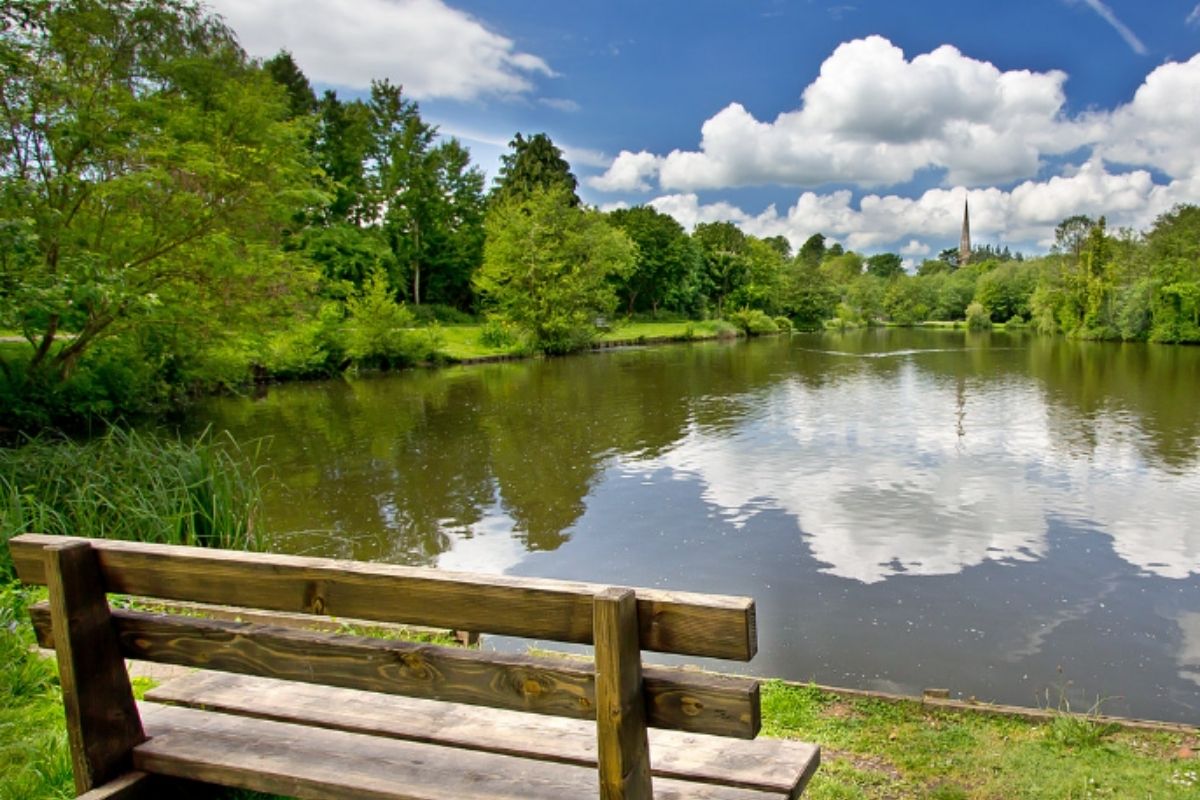
This estate in Gloucestershire sits atop an ancient Roman temple site dedicated to the god Nodens. Tolkien worked on excavations here in the 1920s and encountered inscriptions mentioning a curse and a ring, which some scholars believe planted seeds for his One Ring concept.
The combination of Roman ruins, Celtic mythology, and the Forest of Dean nearby created a rich stew of influences.
The Shire-Like Warwickshire Countryside
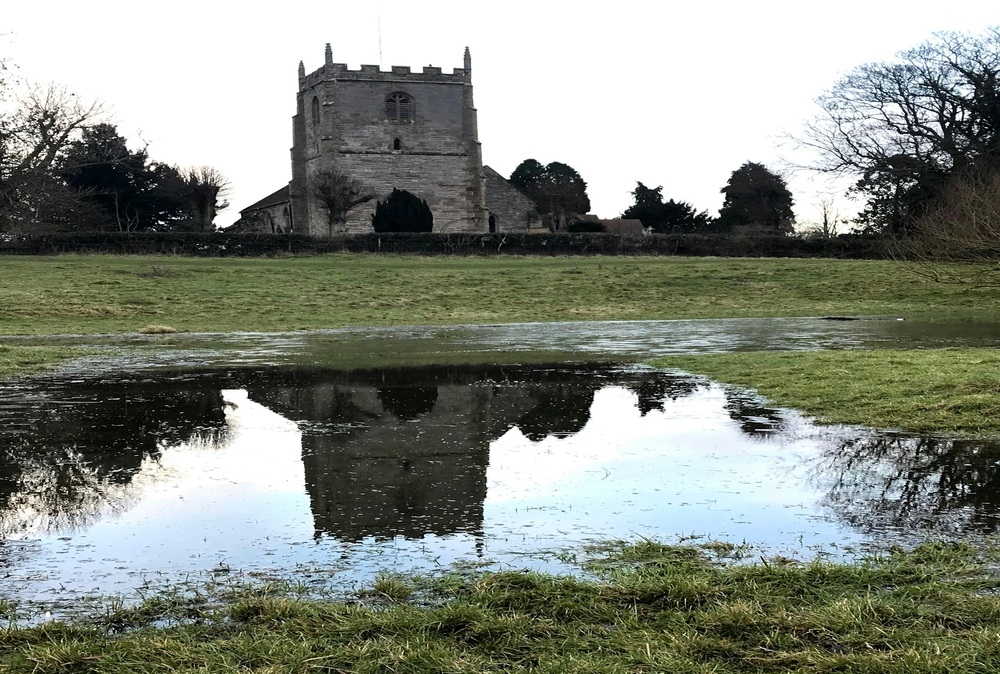
The gentle rolling hills, hedgerows, and small villages of Warwickshire embody the essence of Tolkien’s Shire better than any single location. Towns like Henley-in-Arden and Stratford-upon-Avon feature the half-timbered buildings, narrow lanes, and agricultural landscapes that Tolkien envisioned for hobbit country.
Driving or cycling through these areas, especially in late summer when the fields are golden, feels like traveling through the pages of his books.
Hobbiton Movie Set
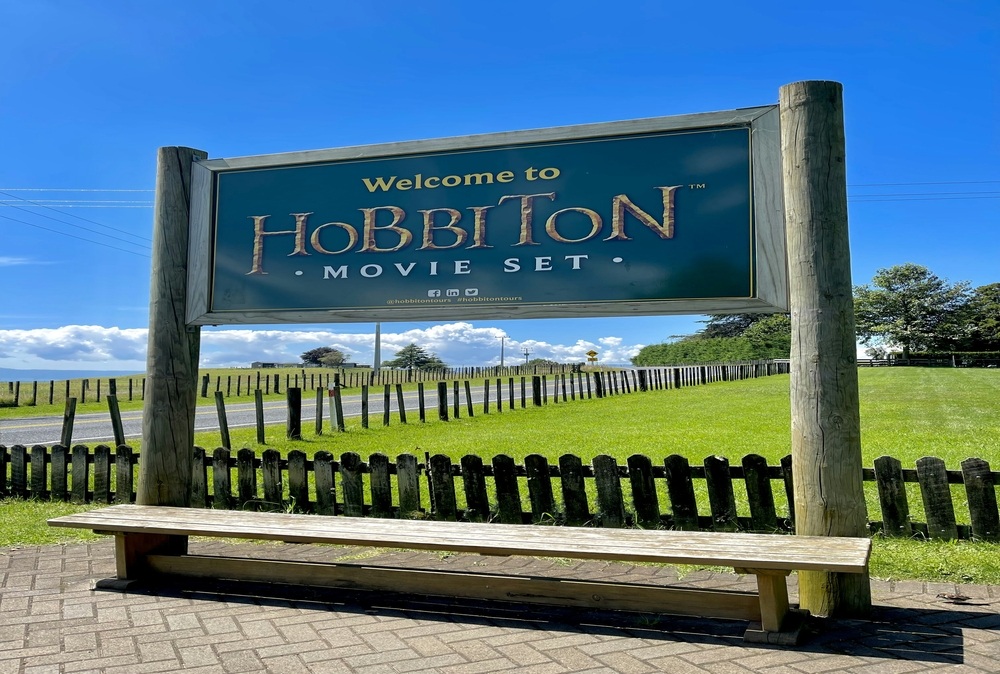
While not a location Tolkien personally visited, this meticulously maintained film set near Matamata, New Zealand, has become the definitive real-world Shire for millions of fans. The 44 hobbit holes built into the hillside remain exactly as they appeared in the films, complete with gardens, fences, and even laundry hanging on clotheslines.
Visiting Hobbiton lets you step directly into the movie version of Middle-earth in a way no other location can match.
Mount Ngauruhoe
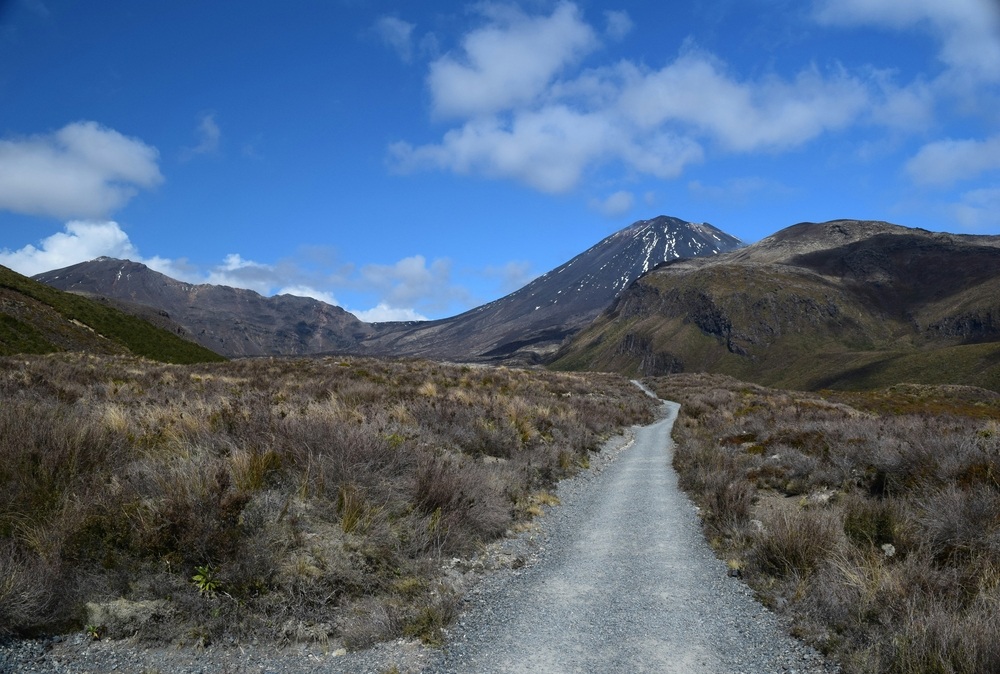
This active volcano in New Zealand’s Tongariro National Park served as Mount Doom in Peter Jackson’s film trilogy. The perfectly conical peak rises to 7,516 feet and still occasionally releases steam and volcanic gases.
While Tolkien never saw it, the mountain’s ominous presence and volcanic nature make it the most fitting real-world stand-in for any Middle-earth location.
Puzzlewood
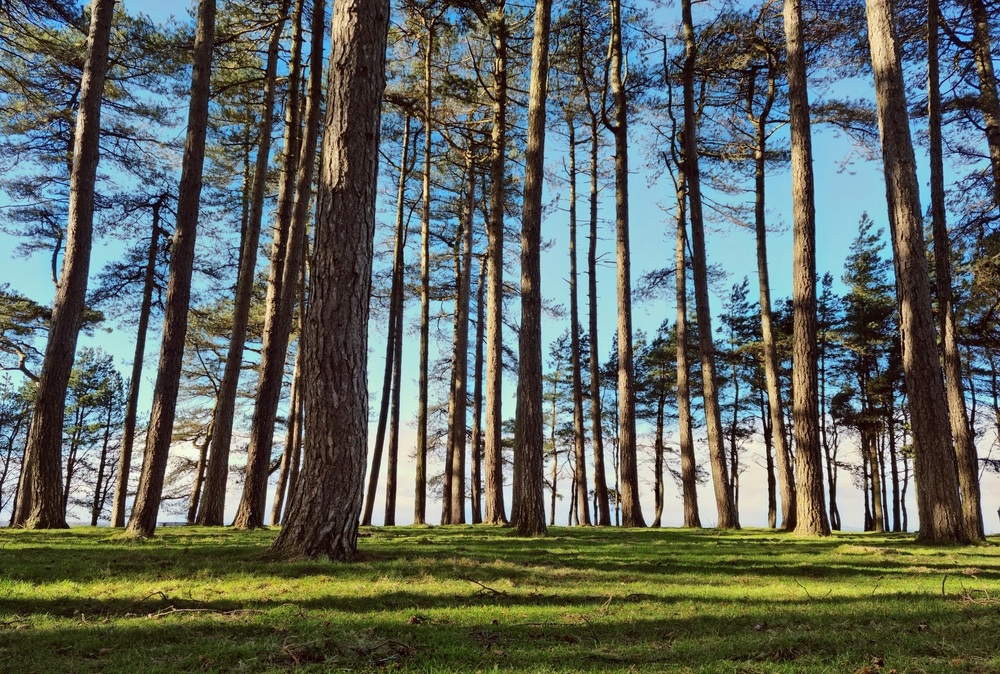
This ancient woodland in the Forest of Dean features twisted trees, moss-covered rocks, and a network of pathways that wind between natural rock formations. Tolkien likely walked here, and the otherworldly atmosphere influenced his forest scenes.
The way tree roots sprawl over rocks, creating natural tunnels and passages, gives the forest an almost deliberately designed quality, as if nature itself were an architect.
The Dead Marshes Inspiration
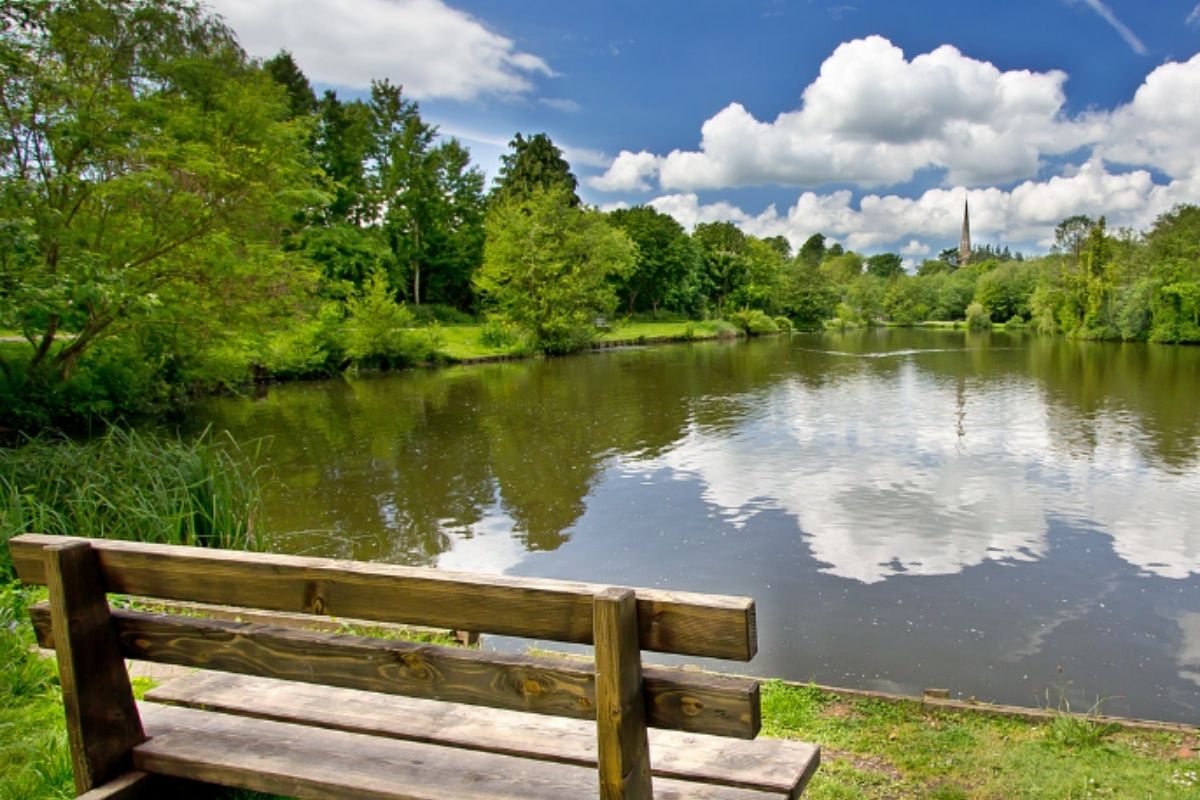
The battlefields of the Somme, where Tolkien fought in World War I, left him with traumatic memories that shaped some of his darkest scenes. The waterlogged trenches, corpses partially submerged in mud, and desolate landscape directly influenced his description of the Dead Marshes.
This isn’t a cheerful tourist destination, but understanding this connection helps readers grasp the real horror and loss woven into his work.
St. Edward’s Church
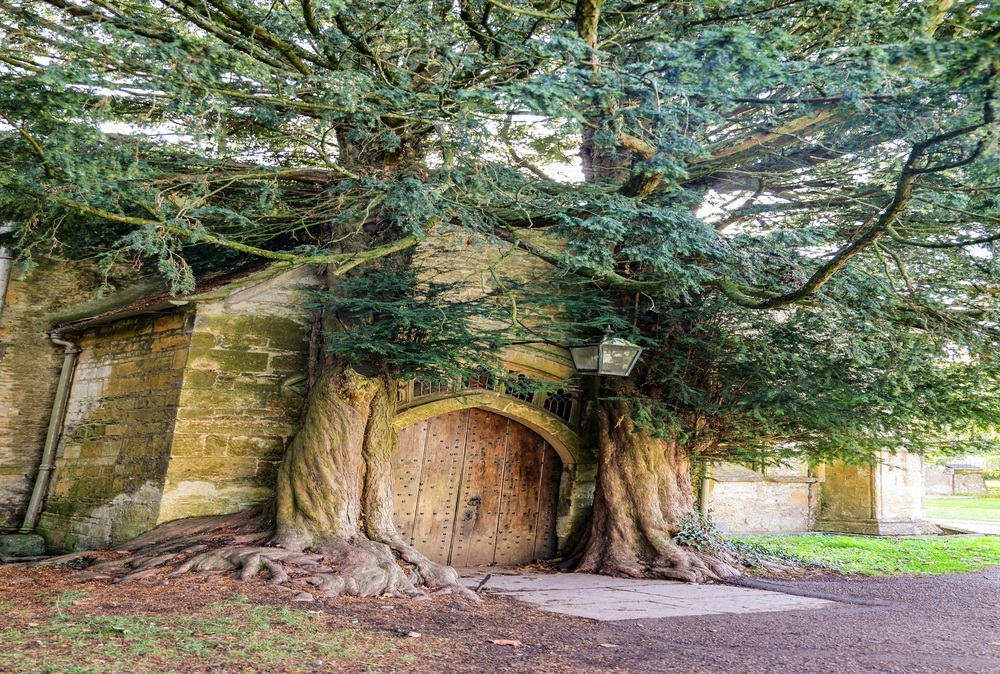
The doorway of this church in Stow-on-the-Wold features ancient yew trees whose roots have grown around and through the stone entrance over centuries. Many fans see this as a possible inspiration for the Doors of Durin, though Tolkien never confirmed it.
The image of nature and architecture intertwining so completely certainly matches his aesthetic sensibilities.
The White Horse Hill
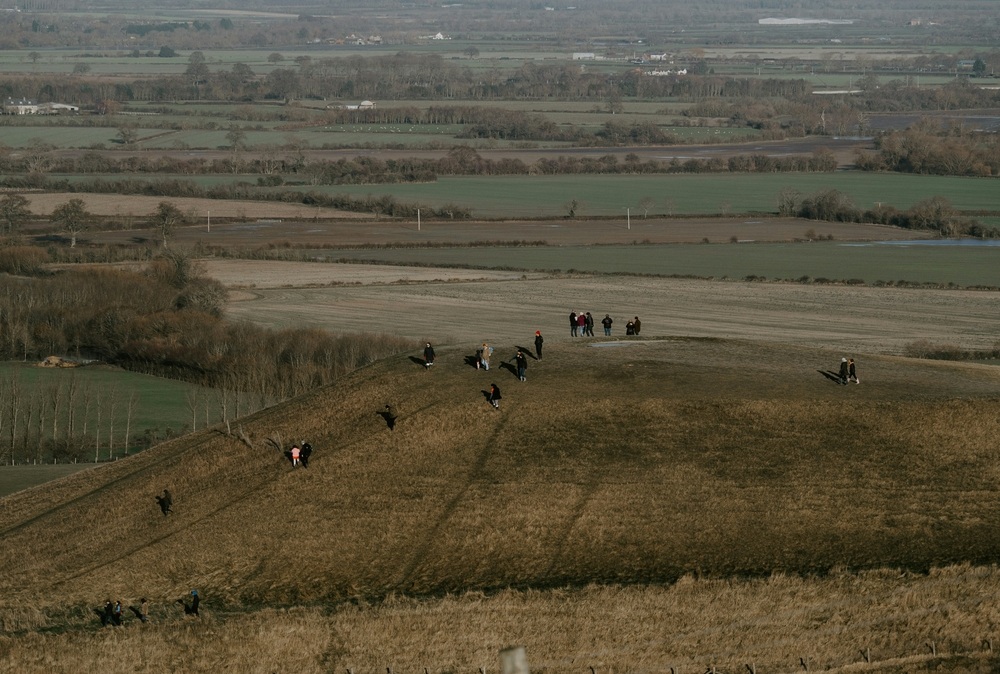
This prehistoric hill figure in Oxfordshire features a stylized white horse carved into the chalk hillside, visible for miles around. The ancient site, combined with the nearby Dragon Hill where legend says St. George slew a dragon, taps into the same mythological England that fascinated Tolkien.
The way ancient peoples marked the landscape with permanent symbols resonated with his interest in how cultures leave their mark on the world.
Loch Katrine
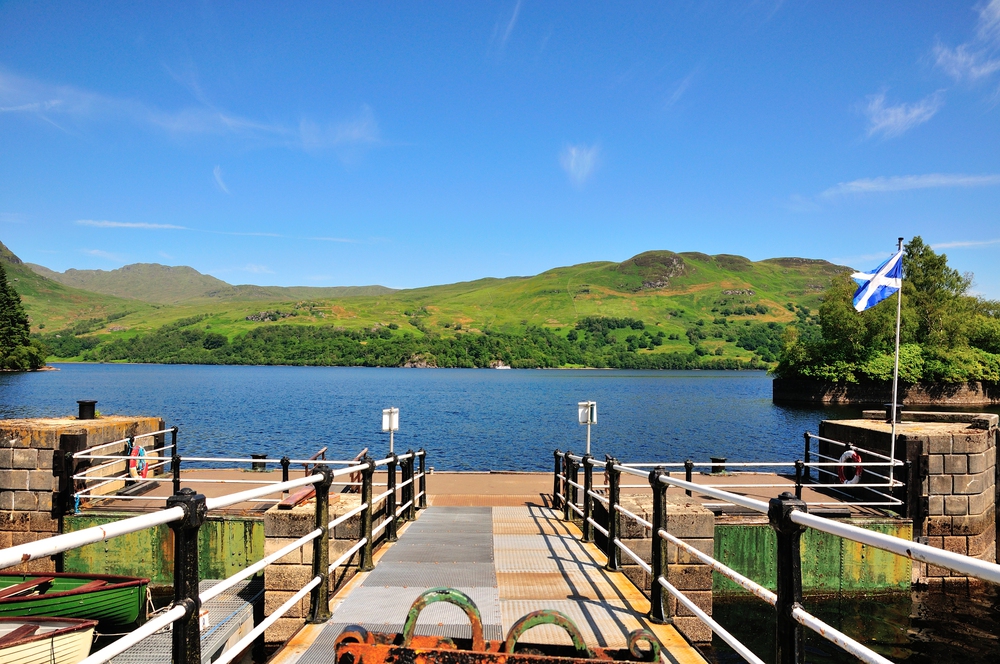
The Scottish loch is not usually mentioned when it comes to Tolkien’s lake at the Doors of Durin, but it indeed has similarities to it. The silence of the water, reflecting the mountains, and the feeling of hidden depths correspond with the writer’s imagination, and the abode’s isolation matches it too.
On the whole, the highlands of Scotland, with their striking scenery and rich Celtic culture, were the main elements that turned the more potent, northern areas of Middle-earth into a reality.
Mount Stromboli
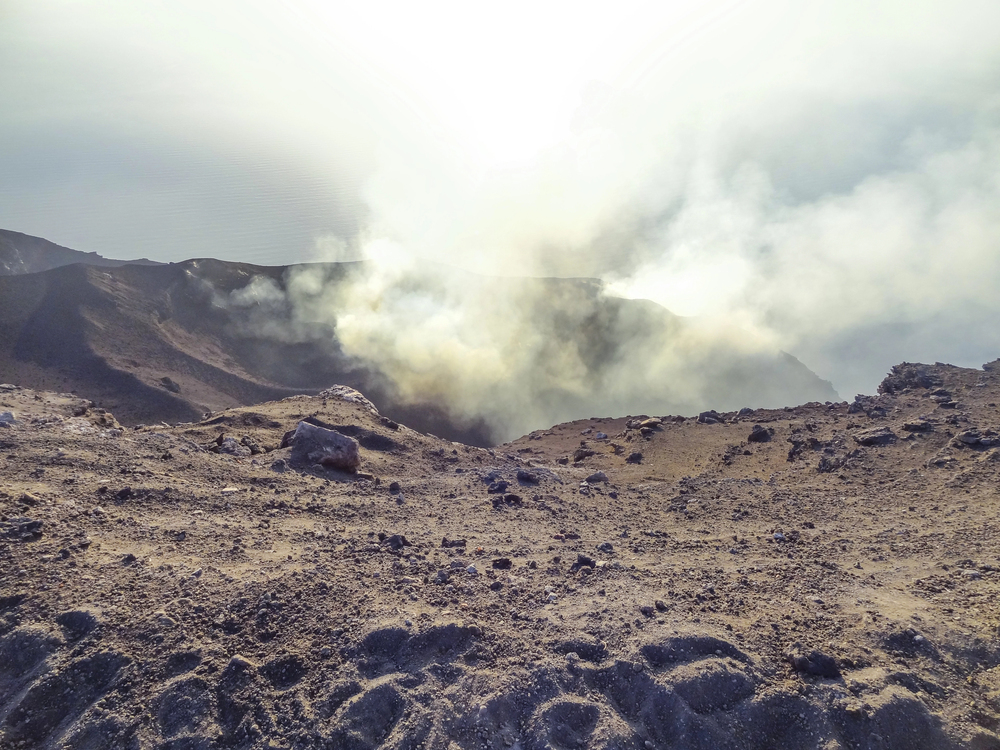
Tolkien visited this active volcano off the coast of Sicily during his honeymoon in 1916, and the experience of watching lava flow down its slopes left a lasting impression. The mountain’s almost constant activity and its glow at night likely influenced his vivid descriptions of Mount Doom.
Seeing an actual volcano helped him write about one with convincing detail and power.
How The Real World Shaped Fantasy
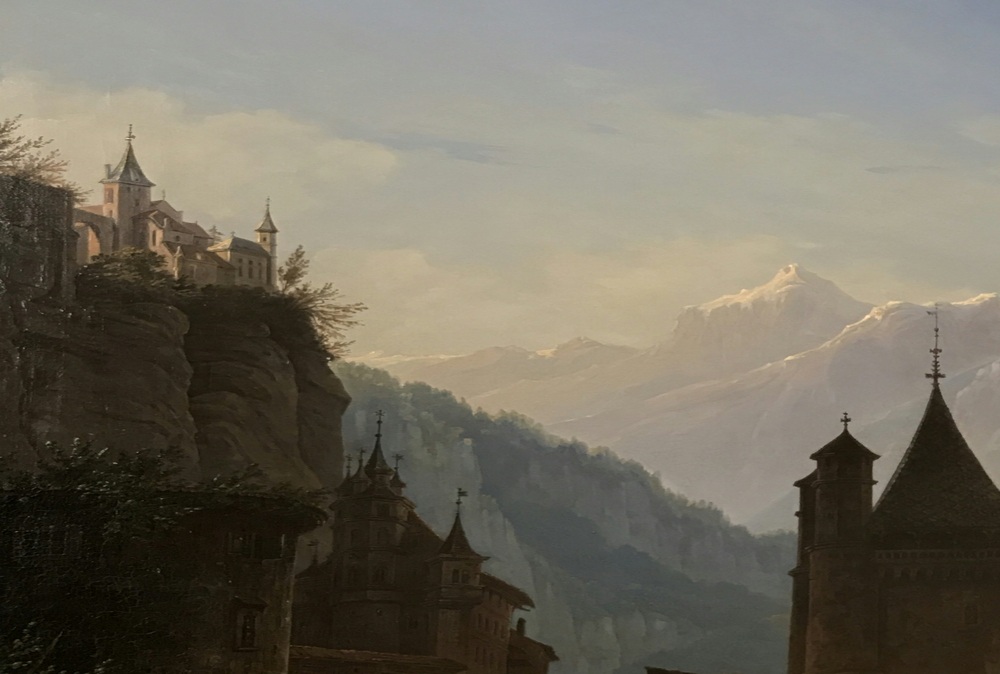
The locations that Tolkien has visited and that later on helped to realize his vision by means of the film cameras are purely devoted to the visitation of worldwide fandom. A simple act of a professor, recalling his childhood and the war, became an enormous story that made people go looking for their own links to Middle-earth.
These sites are a witness that the most outstanding fantasy is rooted in the reality of soil, rocks, and experiences that, through imagination, are transformed into something that feels more real than the original.
More from Travel Pug

- Underrated Italian Towns That Beat the Tourist Crowds
- Las Vegas Tourist Traps to Skip
- Prettiest Towns in Every US State
- 18 passport-free countries for Americans
- Signs Your Cruise Is Not Worth The Cost
Like Travel Pug’s content? Follow us on MSN.