

The majority of individuals check their phones about 100 times every day. Some people get mildly panicked at the idea of going even an hour without a signal. However, there are whole islands in the world that are just inaccessible to cellular networks and probably never will be.
The idea of “just a sec, let me Google that” isn’t applicable in these settings, which impose a new way of life where no one is scrolling through anything. These isolated islands have no phone signals at all, so tourists are left with only their immediate surroundings and any face-to-face communication they can manage.
Pitcairn Island
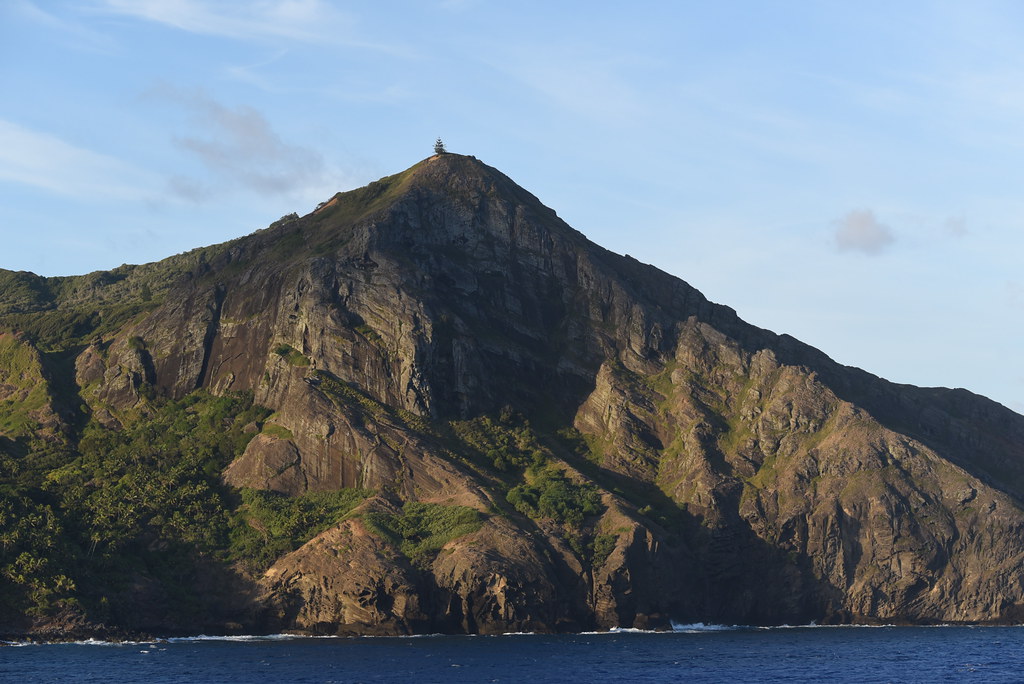
Pitcairn floats somewhere in the middle of the South Pacific, so absurdly far from everything that even locating it on a map takes real effort. The population hovers around forty-five people, all descendants of the Bounty mutineers who arrived in 1790.
Mobile networks? Don’t exist here. The island has satellite internet that works when it feels like it, but that’s the extent of modern connectivity.
Supply ships show up every few months if the weather cooperates, bringing mail and whatever goods the islanders ordered half a year ago. Between those visits, residents just deal with what they’ve got and an ocean that stretches to the horizon in every direction without interruption.
Tristan da Cunha
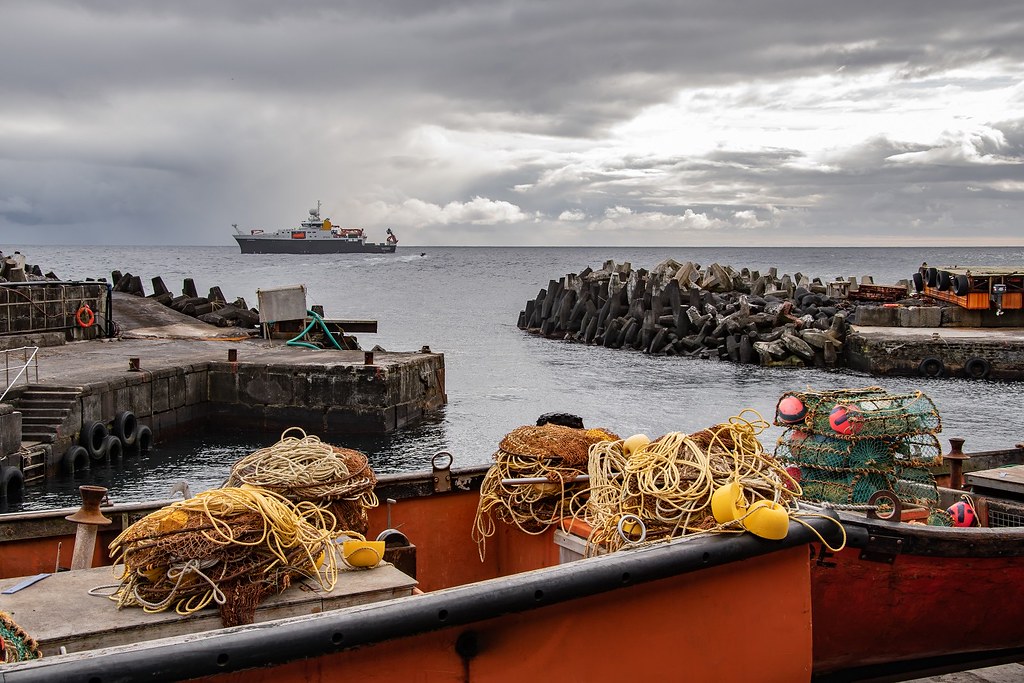
This place holds the actual record for remoteness. The most isolated inhabited island group on the planet. The nearest land sits over 1,500 miles away, and even that’s just another small island.
Around 245 people live on Tristan. They share a single internet café that closes at unpredictable hours and communicate with the outside world through radio transmissions.
Cell phones are completely useless. Getting there means booking passage on a fishing boat from South Africa and spending six days crossing the South Atlantic, assuming the ocean doesn’t have other plans. Rough seas delay or cancel trips regularly—sometimes for weeks.
Like Travel Pug’s content? Follow us on MSN.
Palmerston Island

Only three families live on Palmerston, every single person descended from William Marsters, an English sailor who settled there in 1863 with three Polynesian wives. They speak a dialect nobody else understands, mixing old English with Cook Islands Maori in ways that evolved in complete isolation.
No airstrip exists — and no cell towers either. The families communicate with the outside world through shortwave radio when atmospheric conditions allow it, and supply ships arrive maybe three or four times a year.
But honestly, the lagoon makes up for everything—water so absurdly clear and blue it looks fake in photographs.
Knoydart Peninsula Islands
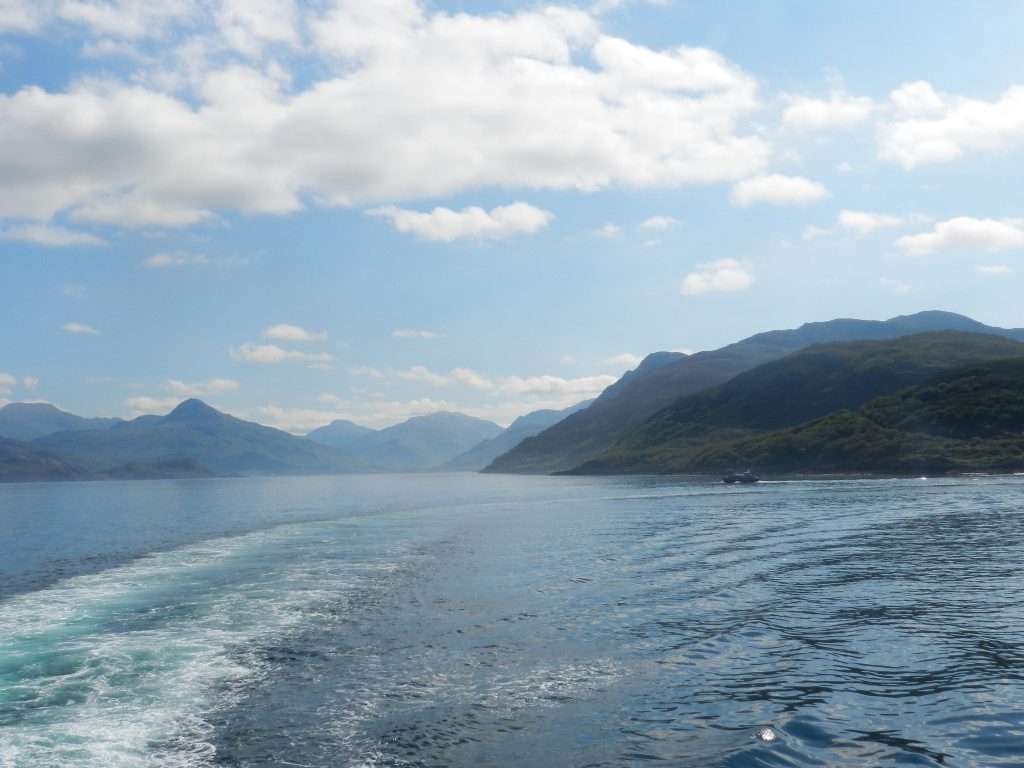
A scattering of small islands dots the waters around Scotland’s Knoydart Peninsula, and phone signal dies the moment you leave the mainland. These rocky outcrops in the North Atlantic host more seals than they do people by a massive margin.
And the weather shifts without warning. Blue skies can turn to impenetrable fog in under twenty minutes, erasing the horizon like someone pulled a curtain. When a golden eagle drifts overhead hunting for rabbits, though, the absence of those little signal bars stops mattering. The silence fits the landscape somehow.
San Blas Islands
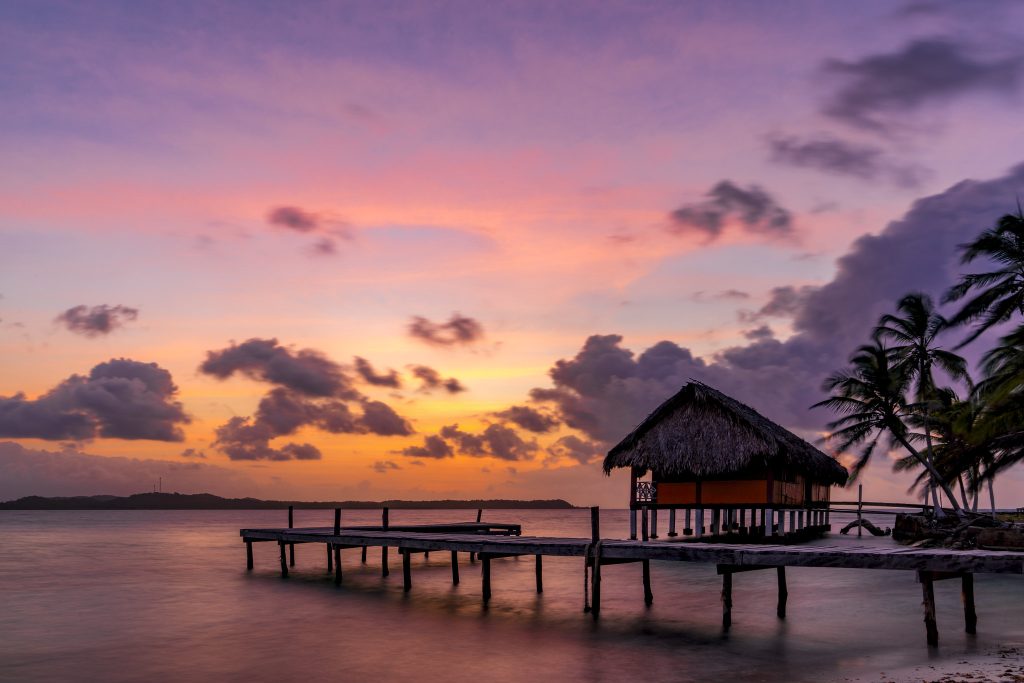
The Guna Yala people govern this archipelago of 365 islands scattered along Panama’s Caribbean coast. They’ve kept most of them deliberately undeveloped, turning down the infrastructure that would bring cell towers and everything that comes with them.
Maybe fifty of the islands have small communities that have actively rejected modern telecommunications. Visitors sleep in bamboo huts with sand floors, eat whatever the fishermen pulled up that morning, and figure out directions by watching where the sun moves.
Some islands only permit day visits. Others allow overnight stays but provide absolutely nothing beyond basic shelter and food—no electricity, no running water, certainly no Wi-Fi password taped to the wall.
Like Travel Pug’s content? Follow us on MSN.
Lastovo Island
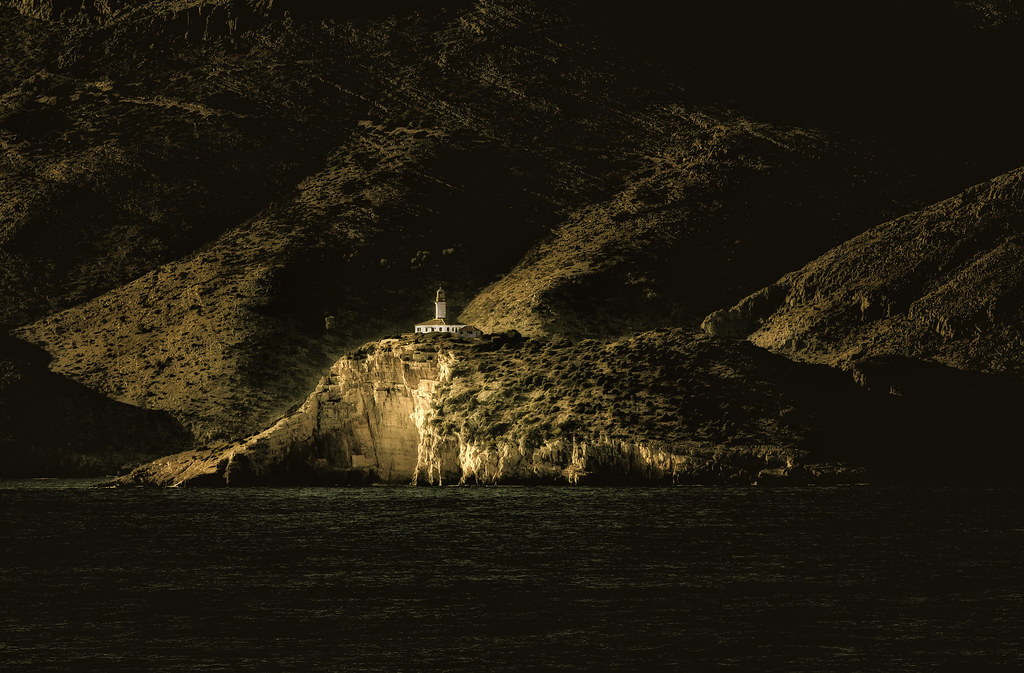
Croatia’s Lastovo sits in the southern Adriatic, officially protected as a nature park since 2006. Signal vanishes completely in the interior valleys. The northern coves are dead zones too.
But around 800 people still live there year-round, managing perfectly fine without constant connectivity. They talk to each other in person, use landlines that probably haven’t been upgraded since before the Berlin Wall fell, and generally carry on.
The medieval stone buildings tucked into those signal-free valleys haven’t changed much in centuries, surrounded by forests that have escaped development purely through isolation. The ferry ride takes a while, but it’s worth it if disconnection doesn’t terrify you.
Socotra
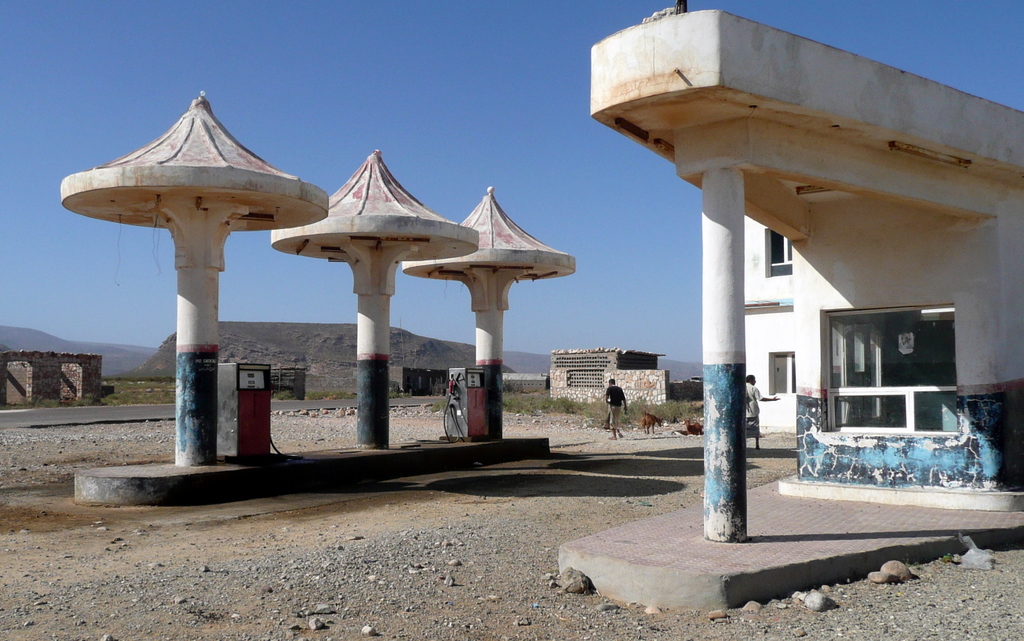
Yemen’s Socotra looks like someone designed it for a science fiction film. Dragon’s blood trees grow nowhere else on Earth, their canopies spreading like massive umbrellas turned inside-out, giving the whole landscape an alien quality that’s hard to shake.
Cell coverage exists exclusively in Hadibo, the main town. Step outside that small radius? You’re completely on your own. The island’s 50,000 residents speak Soqotri, a language that predates Arabic and sounds like nothing else, and huge portions of the interior can only be accessed on foot or by boat.
The landscape genuinely feels prehistoric, which somehow matches the communication situation perfectly.
Floreana Island
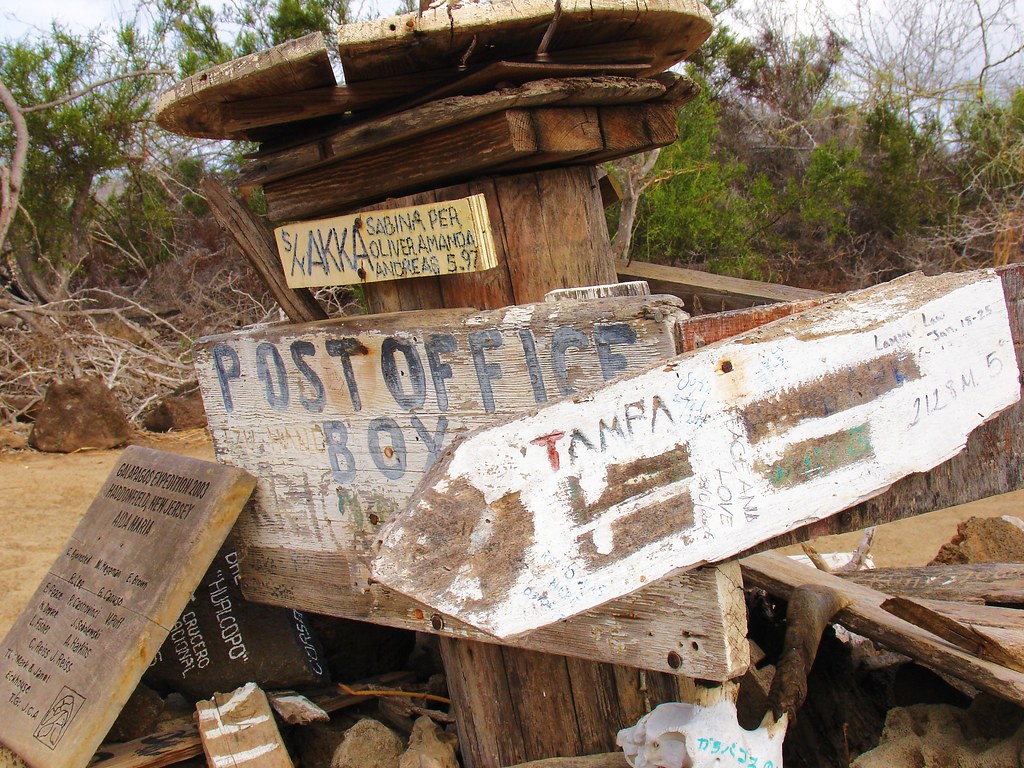
Floreana is part of the Galápagos chain and home to roughly 150 people plus one of the weirdest postal systems on the planet. Post Office Bay has a wooden barrel that’s been there since the 1700s—sailors leave letters inside, and whoever passes through next takes any mail heading in their general direction and hand-delivers it. The system still works.
Cell service doesn’t reach the island at all. Radio communication functions occasionally. Tourist boats bring mainland news from Ecuador when they show up. The island also carries a genuinely dark history involving unexplained disappearances and a self-proclaimed baroness who vanished under extremely suspicious circumstances in the 1930s.
Compared to all that, the phone signal issue seems almost normal.
Like Travel Pug’s content? Follow us on MSN.
Foula
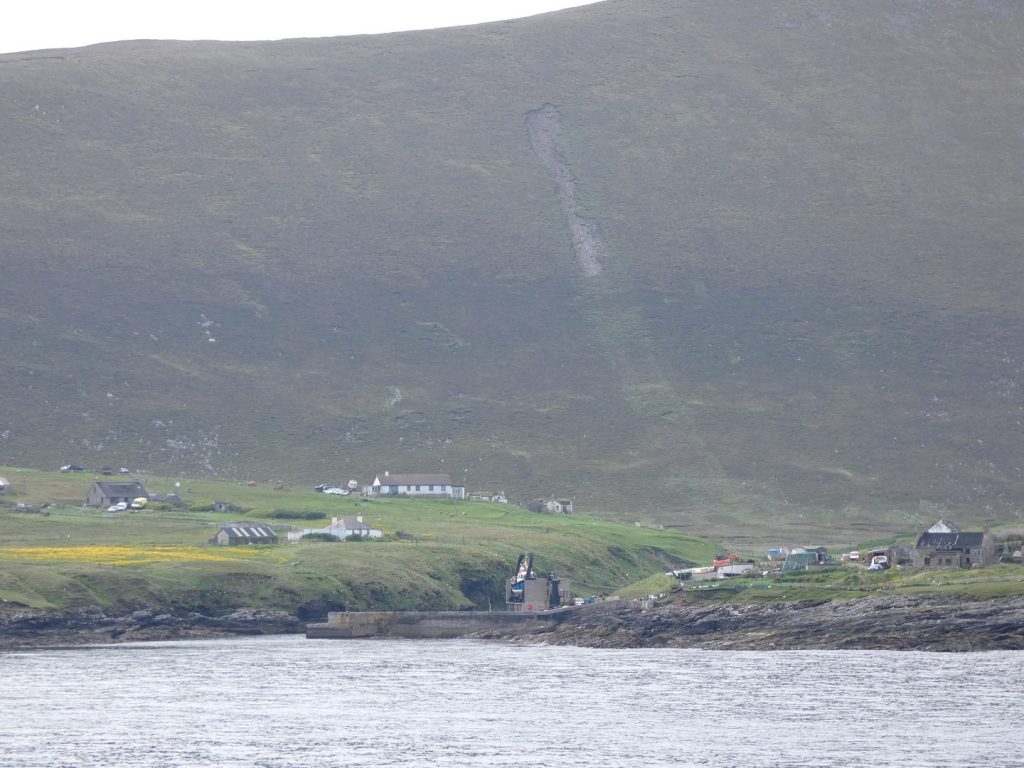
Scotland’s Foula rises straight out of the North Atlantic like a fortress made of stone. Cliffs shoot up over 1,200 feet above water that never stops churning.
Thirty people live there. Signal reaches the main settlement on clear days, which happen less often than you’d hope, but the rest of the island exists in a permanent dead zone. Winter storms can cut off boat access for weeks, sometimes longer. Not ideal for emergencies. Could be worse, though—there’s a tiny airstrip for when things get truly desperate.
Barbuda
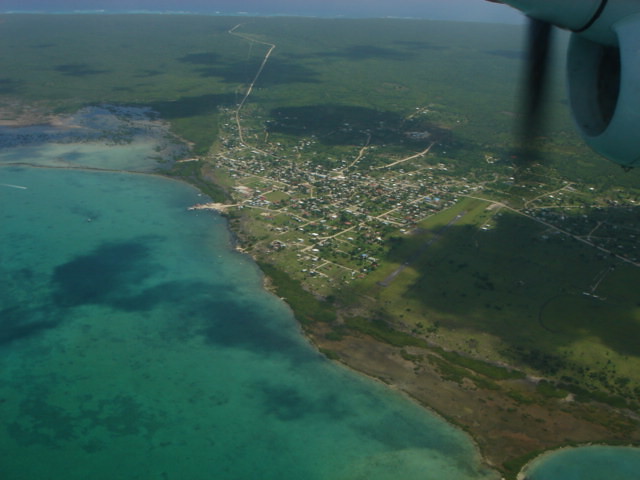
While neighboring Antigua hums with resorts and reliable cell coverage, Barbuda refuses to catch up. Massive sections of the island, especially the entire eastern coastline, offer zero mobile service.
Hurricane Irma flattened most of the island in 2017. Reconstruction has happened slowly, partly by choice, partly through lack of resources. Many areas still don’t have basic infrastructure restored, and cell towers weren’t exactly a priority.
The frigate bird sanctuary survived intact, though, and those pink sand beaches still draw visitors who don’t mind the enforced digital detox. On humid days, you can smell the salt air from half a mile inland, mixing with whatever’s blooming in the scrub.
Aldabra Atoll
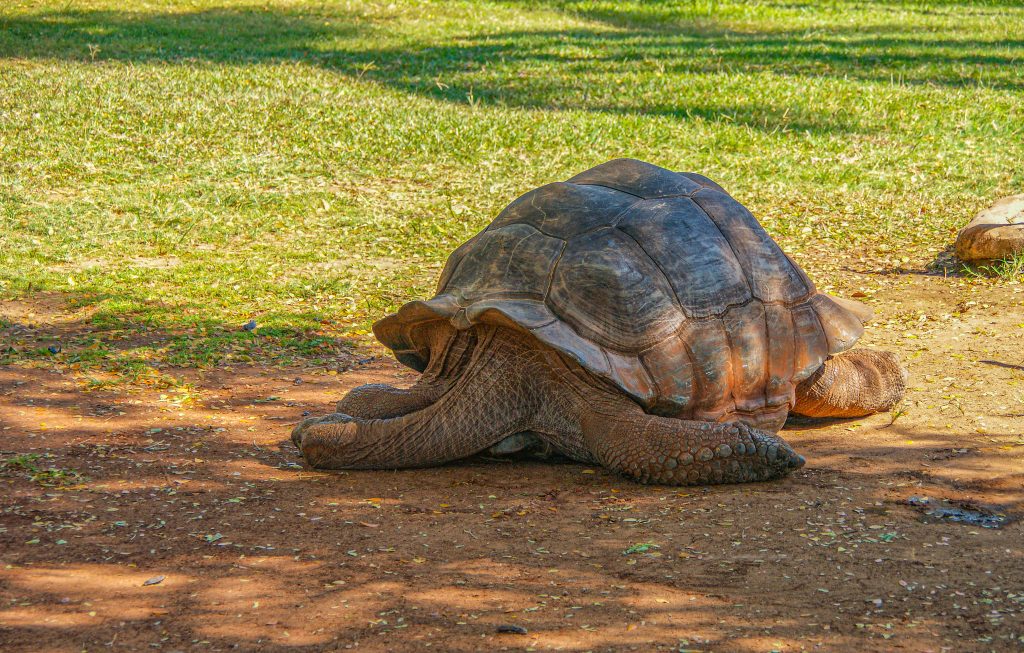
Over 100,000 giant tortoises live on this Seychelles atoll. They vastly outnumber the human population.
That human population? About a dozen researchers and conservationists working rotating shifts. Zero phone signal. The atoll sits so far from anything that reaching it requires special government permission and a boat journey lasting several days through open Indian Ocean.
UNESCO designated it a World Heritage site, which essentially guarantees it’ll stay signal-free forever. Probably for the best.
Like Travel Pug’s content? Follow us on MSN.
Lençóis Maranhenses Islands
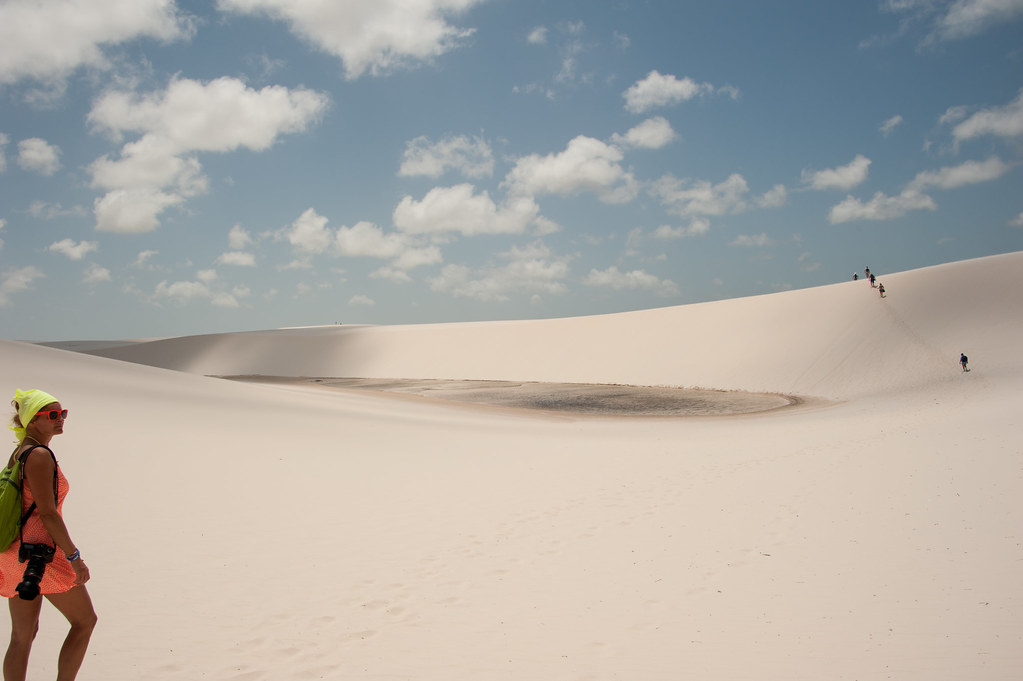
Brazil’s coastal dune system creates temporary islands during the rainy season when freshwater lagoons form between towering white sand dunes. The resulting landscape looks genuinely otherworldly, like someone photoshopped Earth and Mars together.
No mobile coverage exists anywhere in the area. Visitors must hire guides from nearby villages where phones sometimes work if you stand in exactly the right spot and hold still. During dry season, the lagoons disappear entirely, and with them any reason to search for a signal in the middle of miles of sand dunes.
Little Andaman
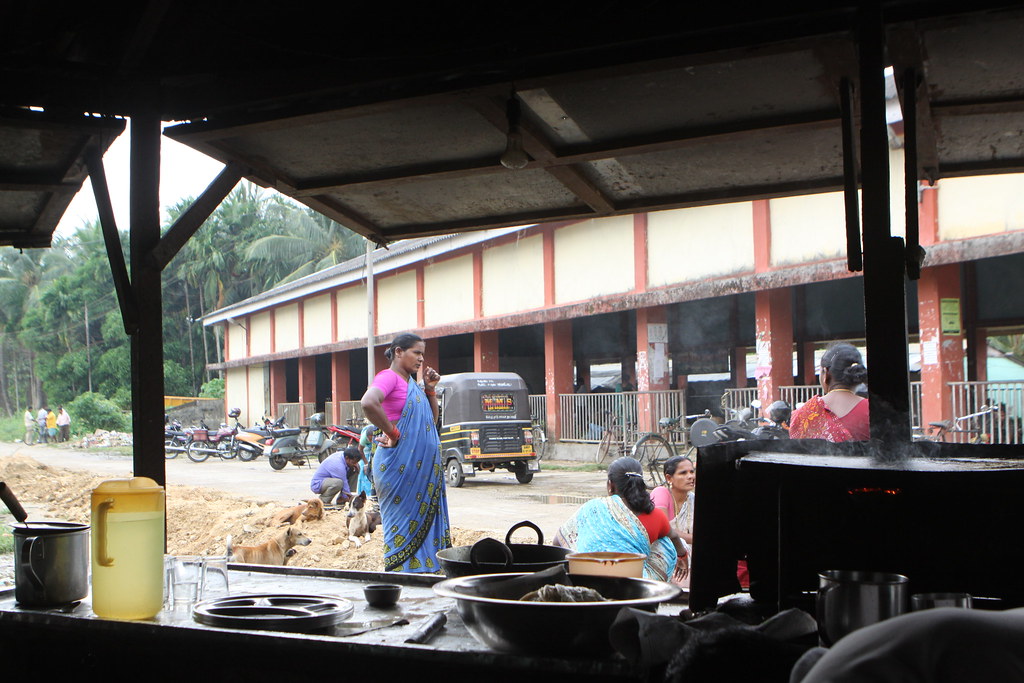
Several of India’s Andaman Islands remain completely off-limits to protect indigenous tribes who’ve rejected outside contact. Little Andaman accepts visitors but provides almost nothing resembling modern infrastructure.
Phone coverage? Gone across most of the island. The interior rainforest stays thick and dark, home to wild elephants and the Onge people who’ve inhabited the island for thousands of years. Butler Bay runs for miles along the coast, black volcanic sand meeting blue water without a single cell tower breaking up the view.
Surfers keep returning anyway for waves that break consistently during monsoon season, signal be damned.
Skellig Michael
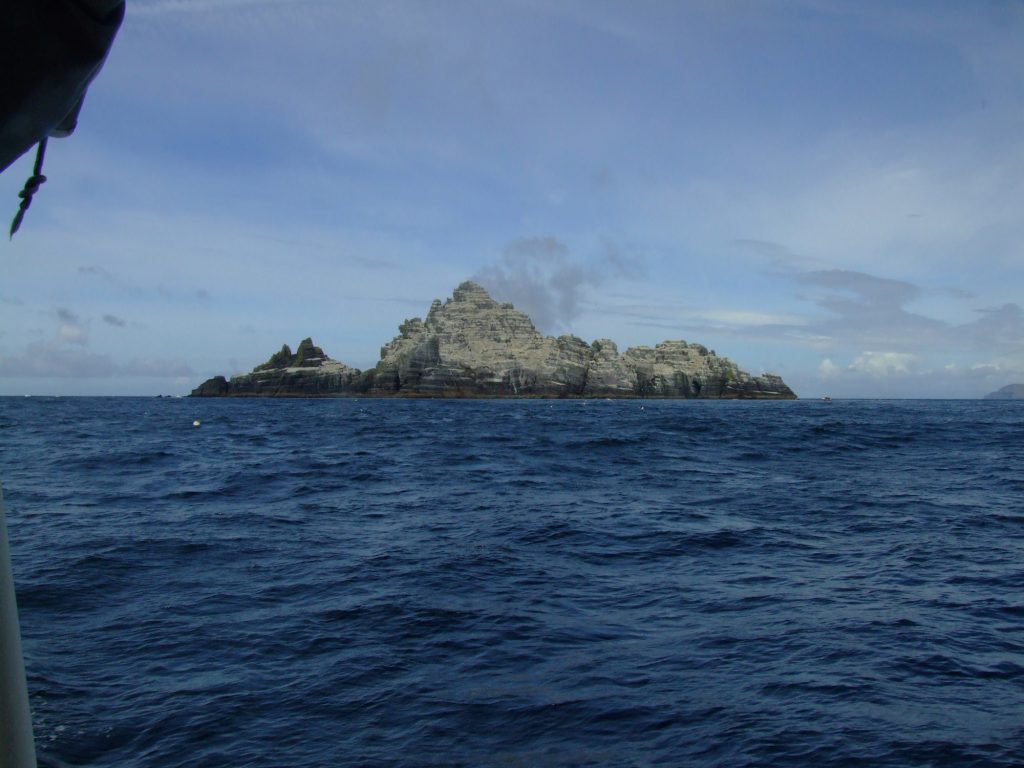
Ireland’s Skellig Michael shoots straight up from the Atlantic like a jagged stone tooth. Early Christian monks somehow built a monastery on its peak starting around 600 AD, constructing beehive-shaped stone huts that have survived 1,400 years of Atlantic storms through sheer stubbornness.
Phone signal? Nonexistent. The climb up 600-plus ancient stone steps is steep and exposed enough that looking at a phone would be genuinely dangerous. Puffins nest in the cliff faces during summer, completely unbothered by the small number of tourists permitted to visit each day when the sea is calm enough for boats to cross.
Like Travel Pug’s content? Follow us on MSN.
Fernando de Noronha
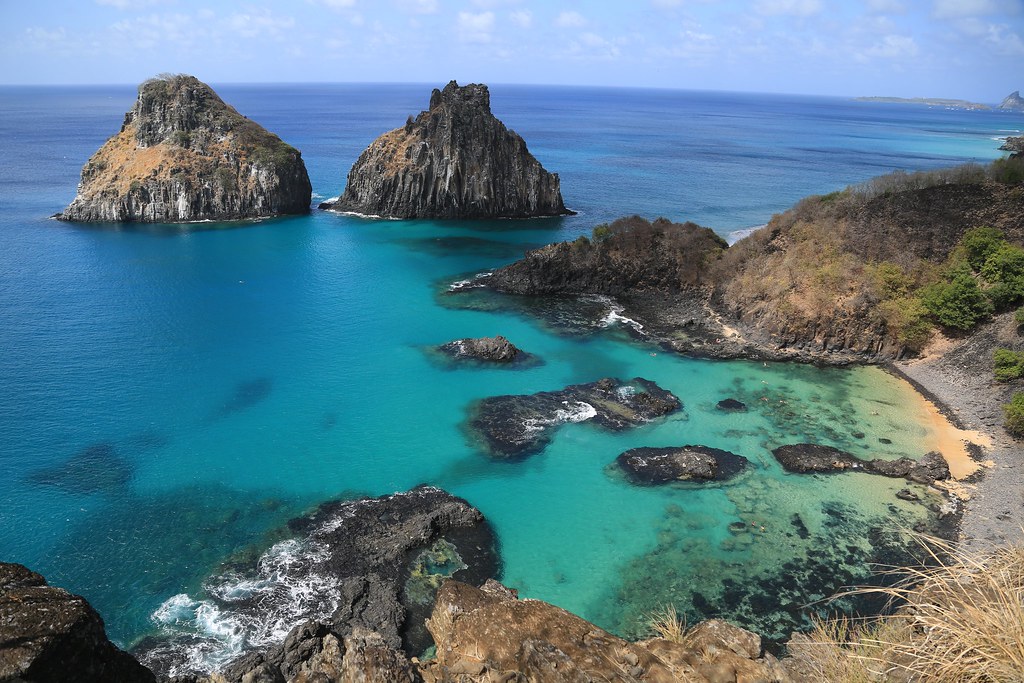
Brazil strictly limits tourist numbers on this archipelago to protect ecosystems that have remained relatively untouched. Twenty-one islands and islets make up the chain, but only one supports year-round residents.
Signal works in Vila dos Remédios, the main town, then dies quickly everywhere else. The government deliberately restricts infrastructure to keep the islands pristine. Dolphins swim through the bays every morning at sunrise, close enough to shore that you can watch them without binoculars, and the snorkeling rivals anywhere on the planet for water clarity and the sheer number of fish.
Rapa Nui Side Islets
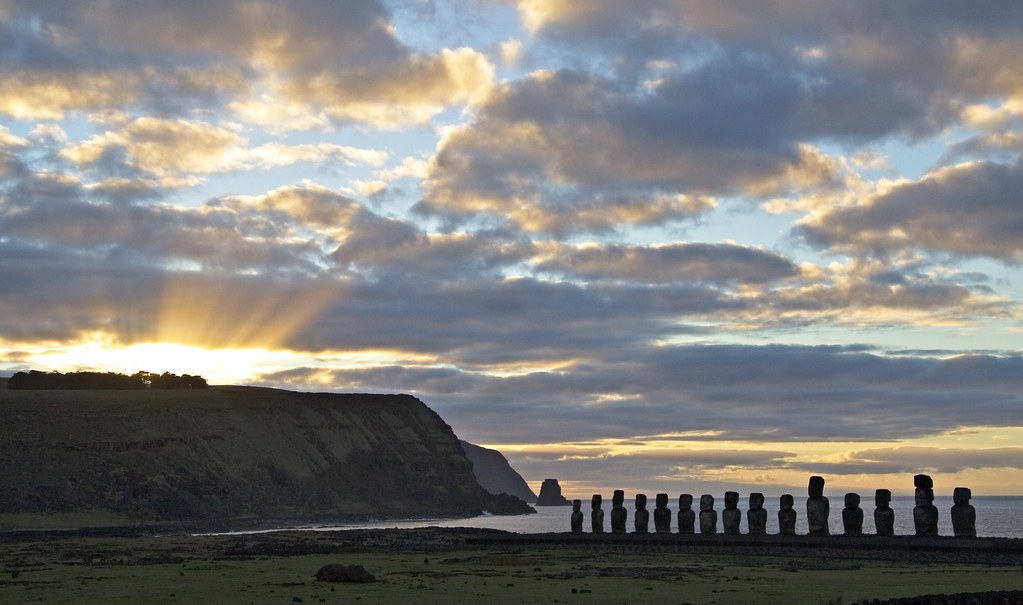
Easter Island has phone coverage these days, but three small islets just offshore remain completely signal-free. Motu Nui, Motu Iti, and Motu Kao Kao sit just beyond the main island’s southwestern cliffs, separated by a channel that’s deceptively dangerous.
Ancient Polynesians held the Birdman competition here every year, where competitors swam through shark-inhabited water to reach Motu Nui and collect the first sooty tern egg of the season—whoever returned first became the island’s ceremonial leader for the year. Now the islets function as protected bird sanctuaries. Visitors can look at them from Orongo village on the clifftop, but can’t land without permission that is almost never granted.
On windy days, which is most days, honestly, you can hear waves smashing into the basalt rock from the clifftop.
Where Silence Still Wins
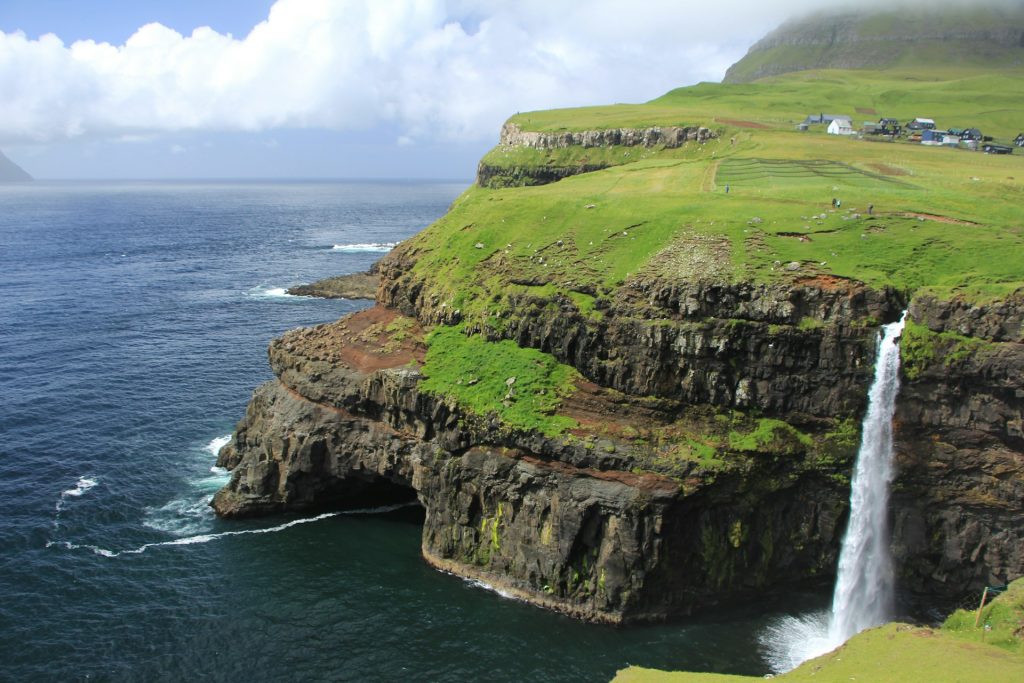
For those who are prepared to look for it, these islands demonstrate that genuine isolation may still be found. Satellite arrays and communication towers have not yet fully covered the planet.
Yes, the holes are getting fewer, but they haven’t entirely closed.
Like Travel Pug’s content? Follow us on MSN.
More from Travel Pug

- 20 Best Beach Towns in the Carolinas
- 13 Destinations Where Tourists Regularly Regret Their Trip
- 20 Things You Actually Get in First Class
- 20 Small Airports With Aviation Museums
- 20 Places in the U.S. That Are Perfect for a Reset Trip
Like Travel Pug’s content? Follow us on MSN.