

Climate change has flipped travel trends upside down, sending heat-weary travelers scrambling toward cooler destinations as summer temperatures break records year after year. The rise of the “cool-cation” reflects more than just discomfort with sweltering beaches—it represents a fundamental shift in how people plan their getaways, prioritizing relief over tradition.
Here’s a list of destinations gaining viral attention for their refreshingly cool temperatures, proving that sometimes the best vacation involves packing a sweater in July.
Iceland
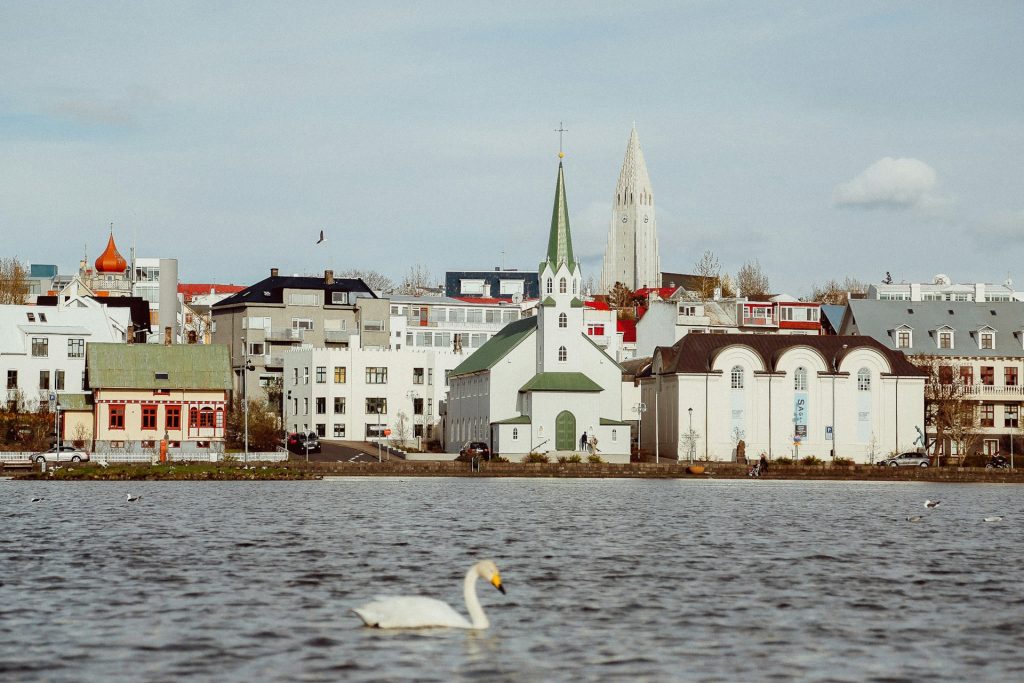
Iceland’s capital, Reykjavik, rarely sees temperatures above 60°F even in peak summer. The country’s dramatic landscapes of glaciers, waterfalls, and volcanic fields provide natural air conditioning alongside otherworldly scenery.
Visitors flock to the Blue Lagoon’s geothermal waters, which feel particularly luxurious when the air temperature hovers around 50°F. The midnight sun during summer months means extended daylight for exploring without the oppressive heat found elsewhere.
And honestly, there’s something deeply satisfying about wearing a wool sweater in July while everyone back home melts.
Norway’s Fjords
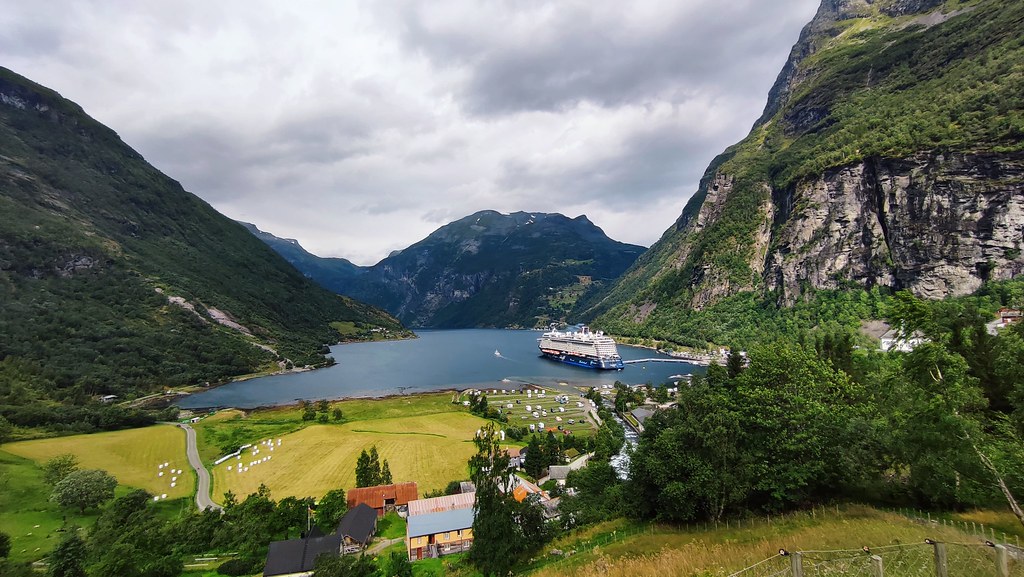
The Norwegian fjord region offers steep cliffs, cascading waterfalls, and temperatures that barely crack 65°F during summer months. Bergen, often called the gateway to the fjords, experiences frequent drizzle that keeps everything perpetually green and cool.
Cruise ships navigate the narrow waterways between towering rock faces. Hiking trails wind through mountains where snow lingers well into summer. The cool, crisp air makes physical activity actually enjoyable rather than an endurance test, something travelers only appreciate after experiencing 95-degree hikes elsewhere.
Like Travel Pug’s content? Follow us on MSN.
Scotland’s Highlands
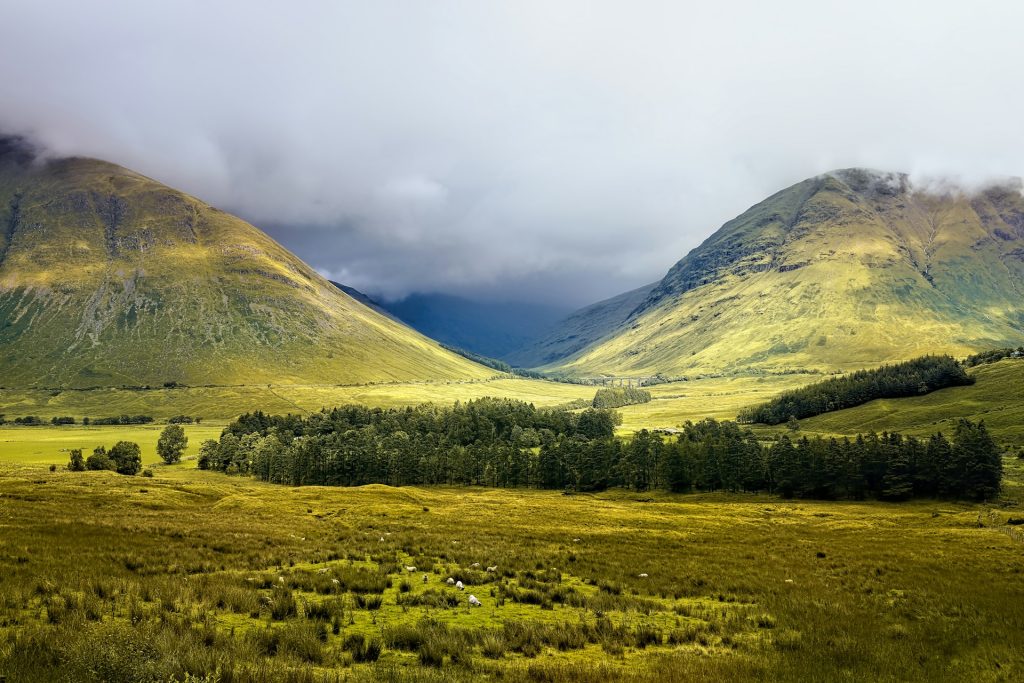
Scotland has gone viral on social media for its moody landscapes and comfortable summer temperatures averaging around 60°F. The Highlands offer dramatic scenery without the crowds crushing more traditional European destinations.
Edinburgh provides urban sophistication with castle views and historic streets that stay pleasantly cool. Venture north and you’ll find lochs, mountains, and distilleries producing whisky that tastes better when you’re not overheated.
Midges can be annoying, but they’re a small price for temperatures that let you actually think clearly.
Canada’s Atlantic Provinces
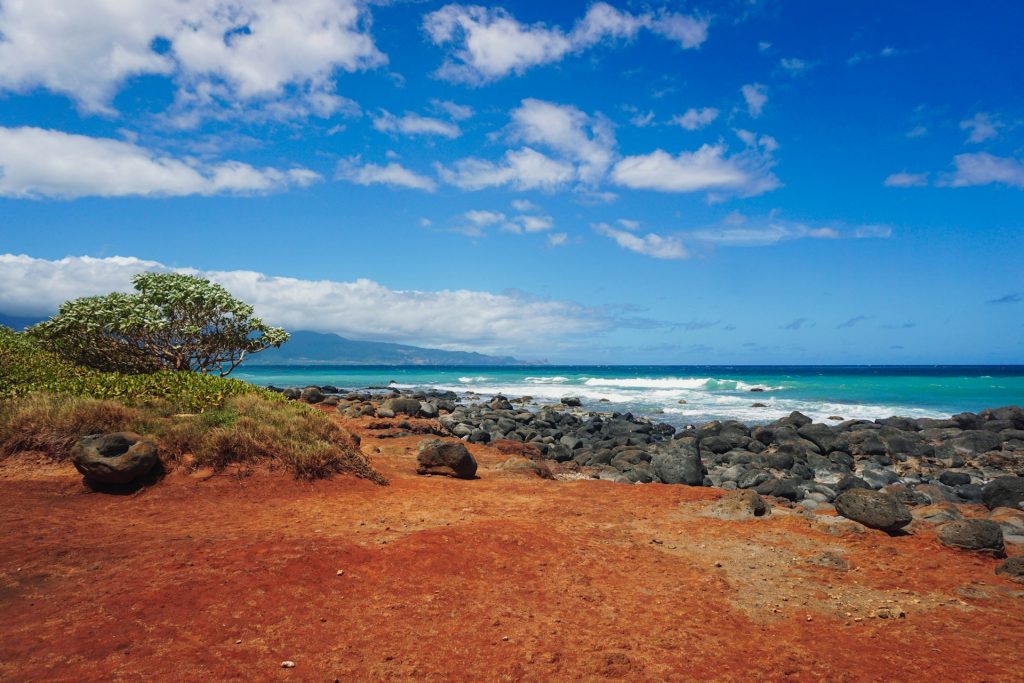
Nova Scotia, Prince Edward Island, and Newfoundland have become unexpected hotspots for travelers seeking coastal beauty without coastal heat. Summer temperatures typically range from 60 to 70°F. Ocean breezes keep things even cooler.
Halifax offers vibrant culture and seafood fresh enough to still smell like the ocean. Prince Edward Island’s red sand beaches and Anne of Green Gables charm attract visitors who remember simpler vacations from childhood.
Newfoundland’s rugged coastline and iceberg-dotted waters in early summer provide scenery that feels genuinely unique, the kind you can’t find replicated anywhere else on Earth.
Alaska
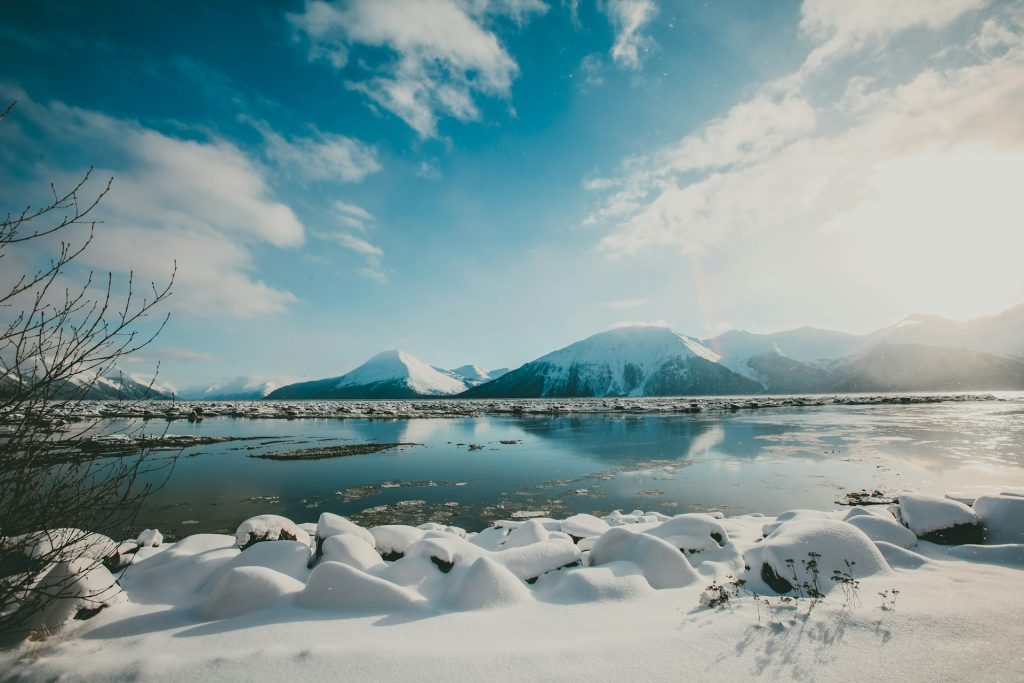
Alaska’s cruise season peaks during summer when temperatures hover comfortably in the 60s and the state experiences near-constant daylight, allowing visitors to pack more experiences into each day without feeling rushed or overheated.
Glacier Bay National Park showcases ice formations that might not exist in another generation. Wildlife viewing includes bears, whales, and eagles in their natural habitats. Cities like Juneau and Ketchikan blend frontier history with surprising culinary scenes.
The midnight sun means dinner at 10 PM still happens in broad daylight, which takes some adjusting but becomes oddly normal after a few days.
Like Travel Pug’s content? Follow us on MSN.
Ireland
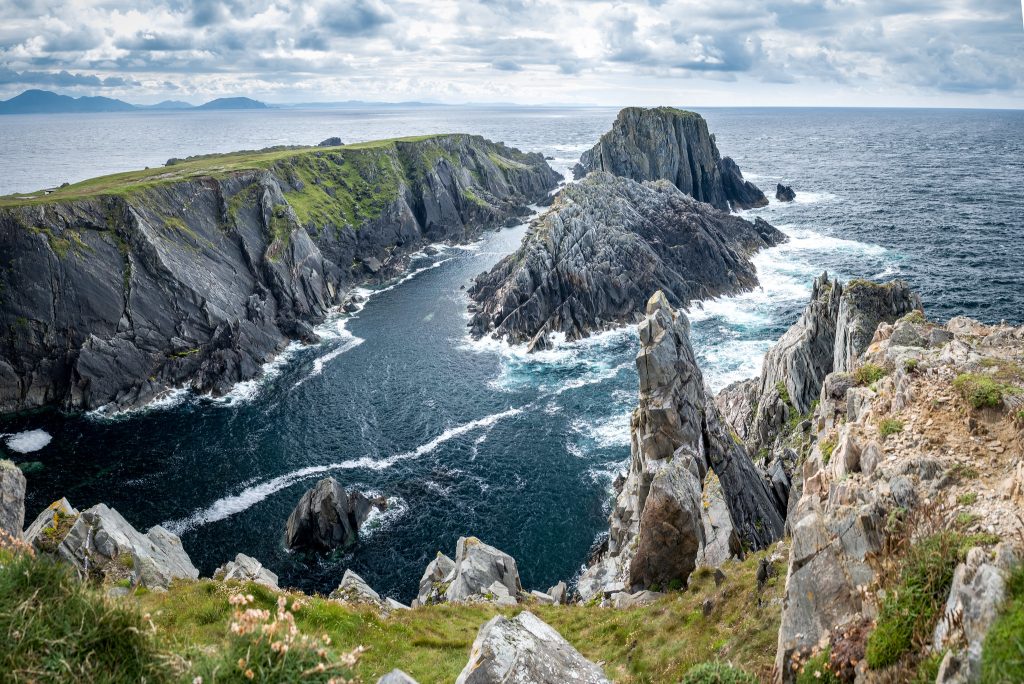
The Emerald Isle stays emerald precisely because of its cool, rainy climate. Summer averages around 65°F with frequent clouds providing natural shade.
Dublin’s literary history and pub culture thrive in weather that encourages indoor socializing. The Wild Atlantic Way coastal route offers dramatic cliffs and seaside villages without the need for constant air conditioning or beach cover-ups.
Even so, the real appeal might be cultural: Irish people have perfected the art of enjoying life in weather that others consider gloomy.
Finland’s Lapland
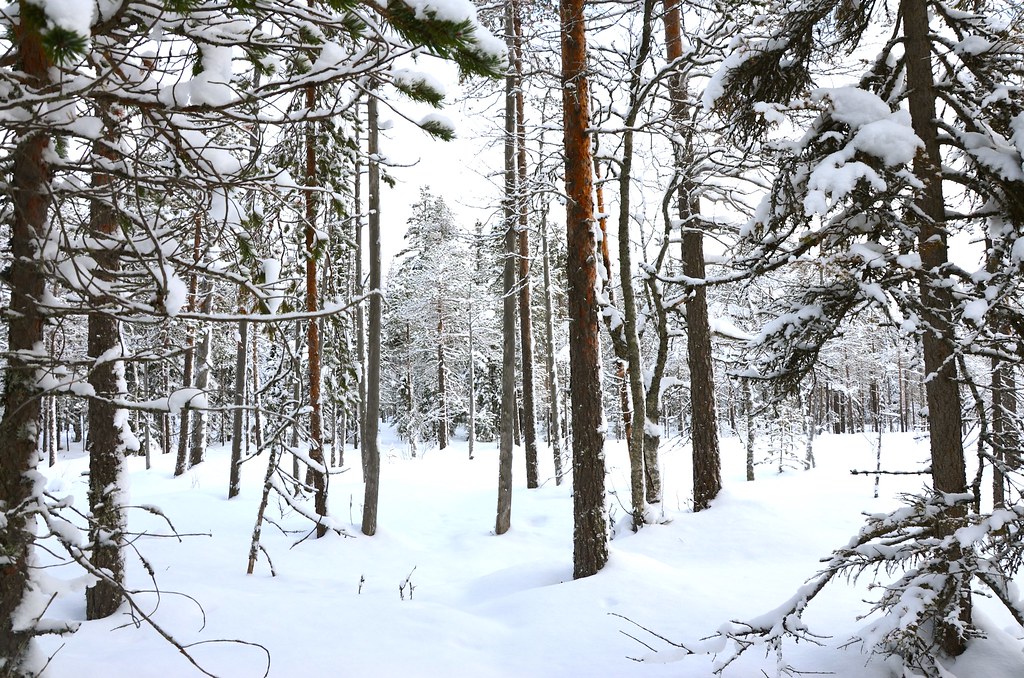
Most associate Lapland with winter tourism, but summer in Finnish Lapland brings the midnight sun, wildflowers, and temperatures that rarely exceed 65°F. Perfect for hiking and kayaking.
Rovaniemi serves as the gateway to Arctic wilderness where reindeer outnumber people by a substantial margin. The region’s lakes and forests offer solitude increasingly hard to find elsewhere. Saunas followed by dips in cool lakes provide the ultimate temperature contrast, and there’s something oddly perfect about sauna culture in a place where the outside air feels refreshing rather than oppressive.
New Zealand’s South Island
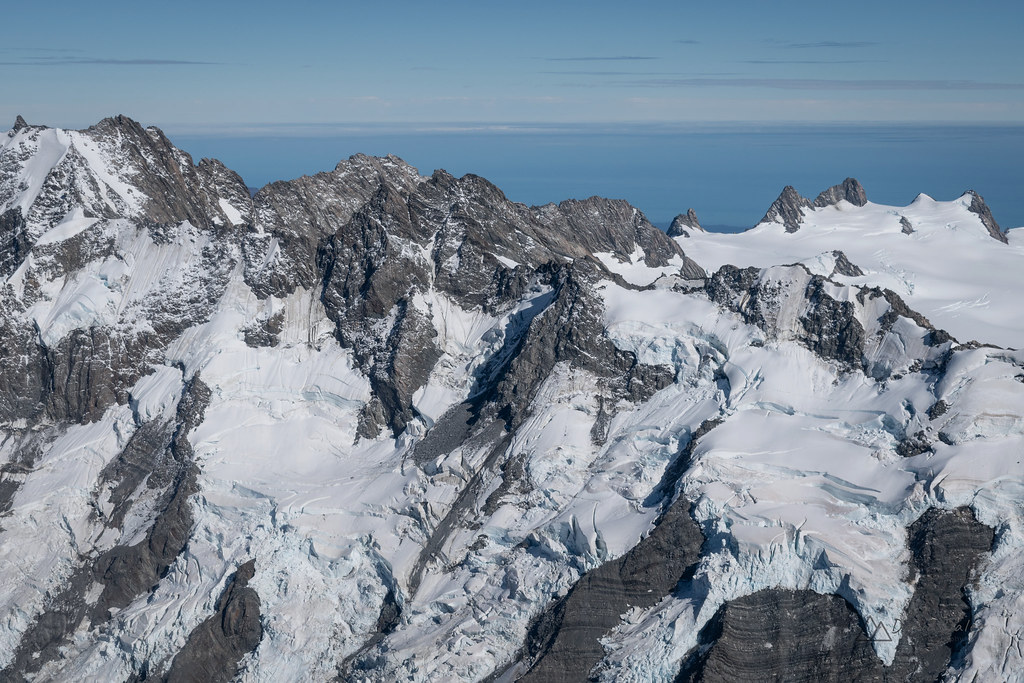
When the Northern Hemisphere bakes, New Zealand’s South Island experiences winter with temperatures ranging from 45 to 55°F. Queenstown becomes a hub for winter sports against backdrops that would make Instagram weep.
The Southern Alps offer skiing and snowboarding with far fewer crowds than European or North American resorts. Fjordland’s dramatic landscapes look even more striking dusted with snow.
The cooler temperatures make exploring cities like Christchurch and Dunedin genuinely pleasant. Cafes and restaurants embrace the chill with fireplaces and hearty food that suits the season.
Like Travel Pug’s content? Follow us on MSN.
Northern Japan
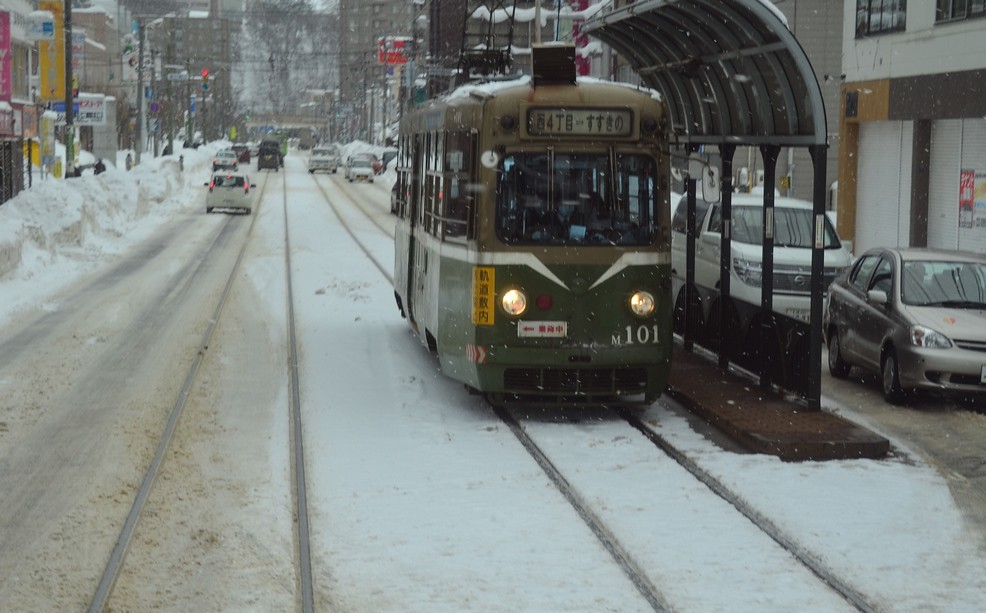
Hokkaido, Japan’s northernmost island, maintains summer temperatures around 70°F while the rest of the country swelters. The difference feels like stepping into a different climate zone entirely.
Sapporo offers beer gardens and parks that stay comfortable throughout summer. Lavender fields in Furano bloom purple against mountain backdrops in July, creating scenes that feel almost too perfect.
The region’s hot springs feel particularly welcome when the evening air turns cool. Plus the seafood is exceptional, which matters more than people admit when choosing destinations.
Patagonia
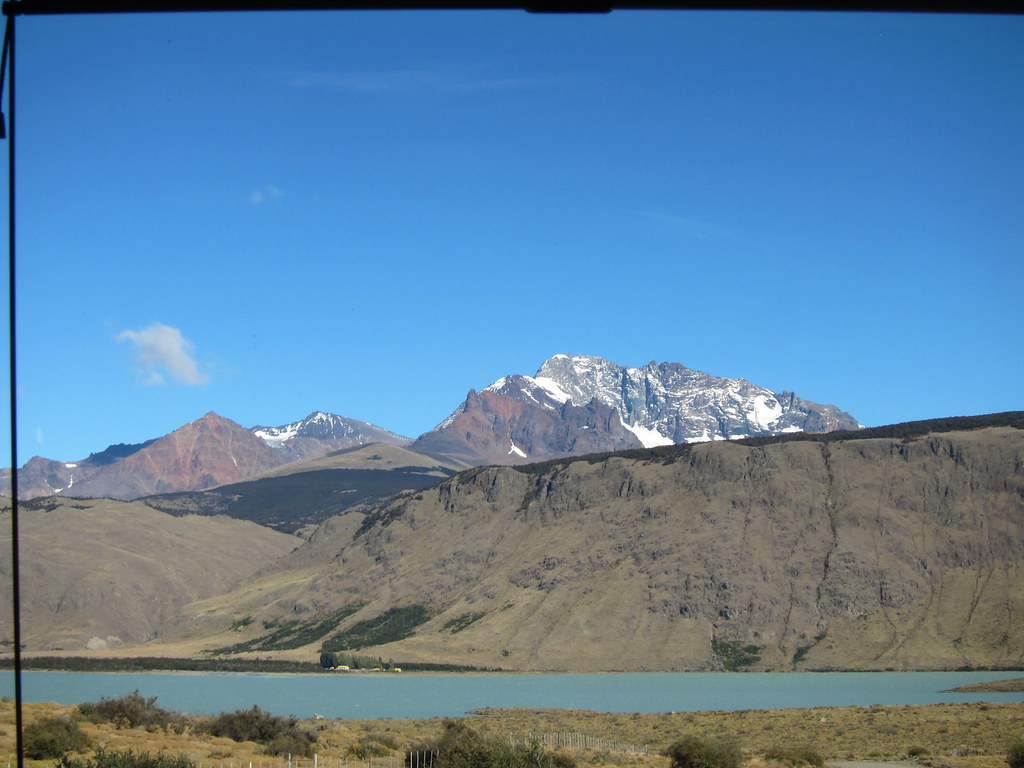
Shared between Argentina and Chile, Patagonia offers dramatic landscapes and cool temperatures even during Southern Hemisphere summer, when temperatures typically range from 50 to 65°F with winds that make it feel even cooler.
Torres del Paine National Park showcases jagged peaks, glaciers, and turquoise lakes that require layers even in December. El Chaltén attracts serious hikers who appreciate trails without heat exhaustion risk. The region’s remoteness means crowds stay manageable. Not exactly accessible. But that’s part of the appeal for travelers tired of selfie sticks and tour buses.
Tasmania
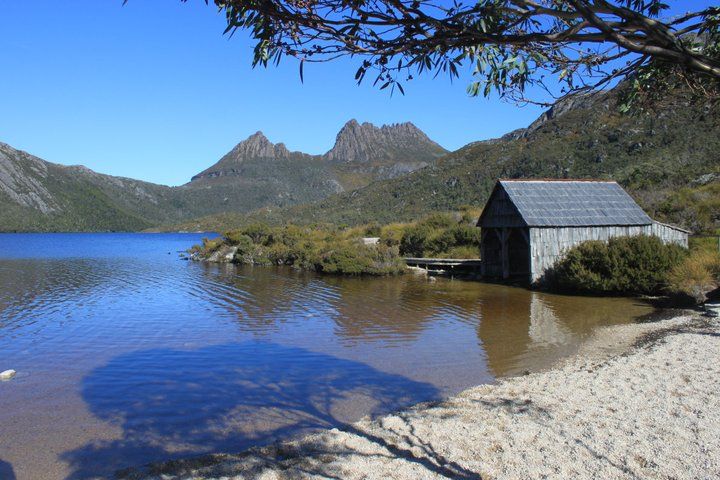
Australia’s island state maintains temperatures 10 to 15 degrees cooler than the mainland. Summer averages around 70°F. Landscapes range from beaches to alpine wilderness.
Hobart’s waterfront blends colonial architecture with a thriving food scene emphasizing local ingredients and cool-climate wines that rival anything from Europe. Cradle Mountain offers hiking through ancient forests and past glacial lakes that reflect the sky like mirrors.
The island’s compact size means exploring diverse ecosystems without excessive driving in hot cars, which becomes its own kind of luxury.
Like Travel Pug’s content? Follow us on MSN.
British Columbia’s Coast
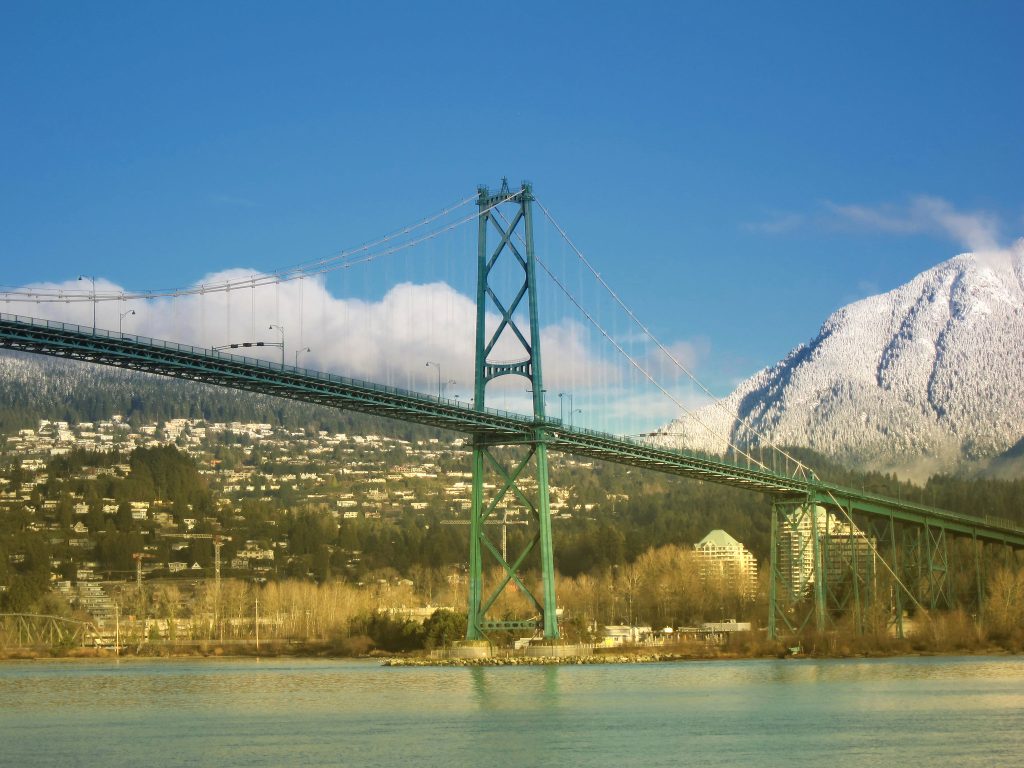
Vancouver and Vancouver Island provide Pacific Northwest beauty with summer temperatures that hover around 70°F, cooled further by ocean breezes that make the heat waves gripping the interior seem distant and irrelevant.
Vancouver balances urban sophistication with mountain and ocean access within minutes of downtown. Victoria on Vancouver Island offers British colonial charm with gardens that thrive in the moderate climate.
Tofino on the island’s west coast provides rugged beaches and surf culture without the crowds of California. The water temperature keeps things bracing rather than bathwater warm, which surfers weirdly seem to prefer.
Switzerland’s Alpine Regions
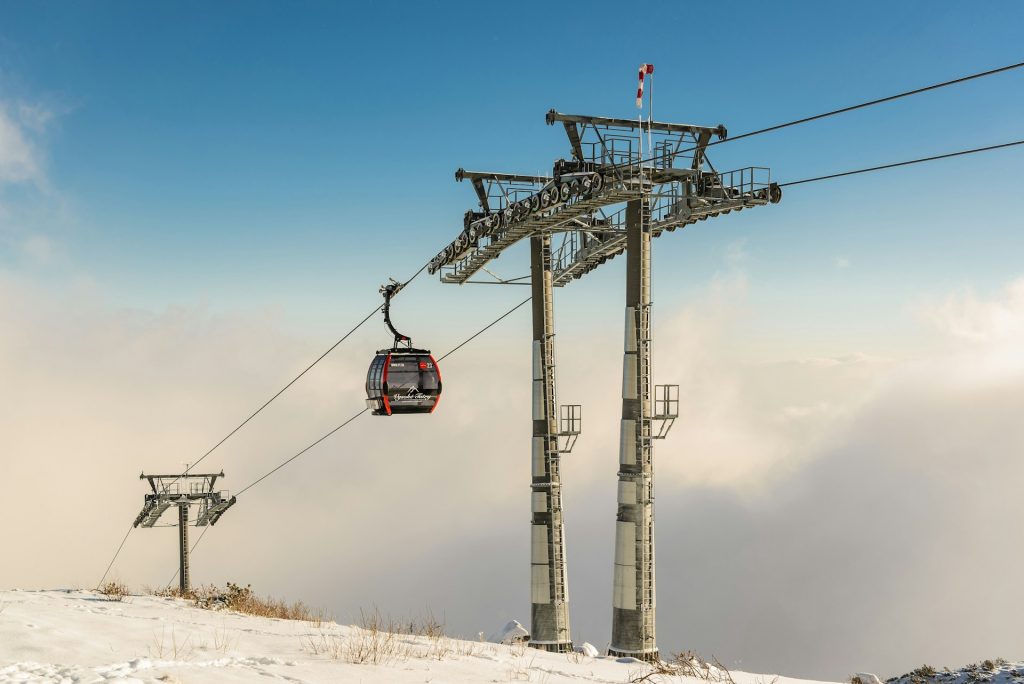
Swiss mountain towns stay refreshingly cool even when European cities below turn into ovens. Destinations like Zermatt, Interlaken, and St. Moritz offer alpine scenery alongside temperatures that rarely exceed 70°F during summer.
Cable cars whisk visitors to mountain peaks where snow persists year-round, creating surreal scenes of people sunbathing next to snowfields. Lakes like Lucerne and Geneva provide swimming opportunities for those who can handle the cold water.
The country’s efficient train system means exploring without overheated rental cars, and somehow everything just works better when you’re not drenched in sweat.
Estonia
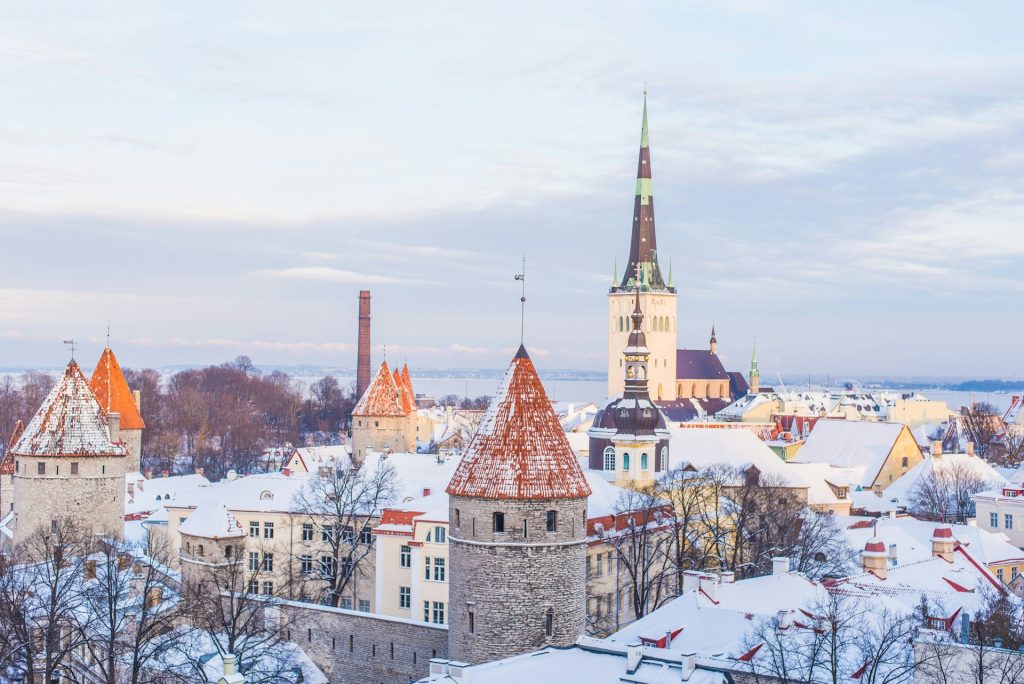
This Baltic nation has become a surprise viral destination. Tallinn’s medieval old town offers fairy-tale architecture alongside summer temperatures averaging 65°F.
The city’s compact center makes walking pleasant rather than exhausting. Nearby beaches along the Baltic Sea provide seaside experiences without the crushing heat of Mediterranean alternatives.
The country’s forest coverage and cafe culture encourage slower travel. Tech-forward infrastructure contrasts beautifully with medieval walls and cobblestone streets.
Like Travel Pug’s content? Follow us on MSN.
The Faroe Islands
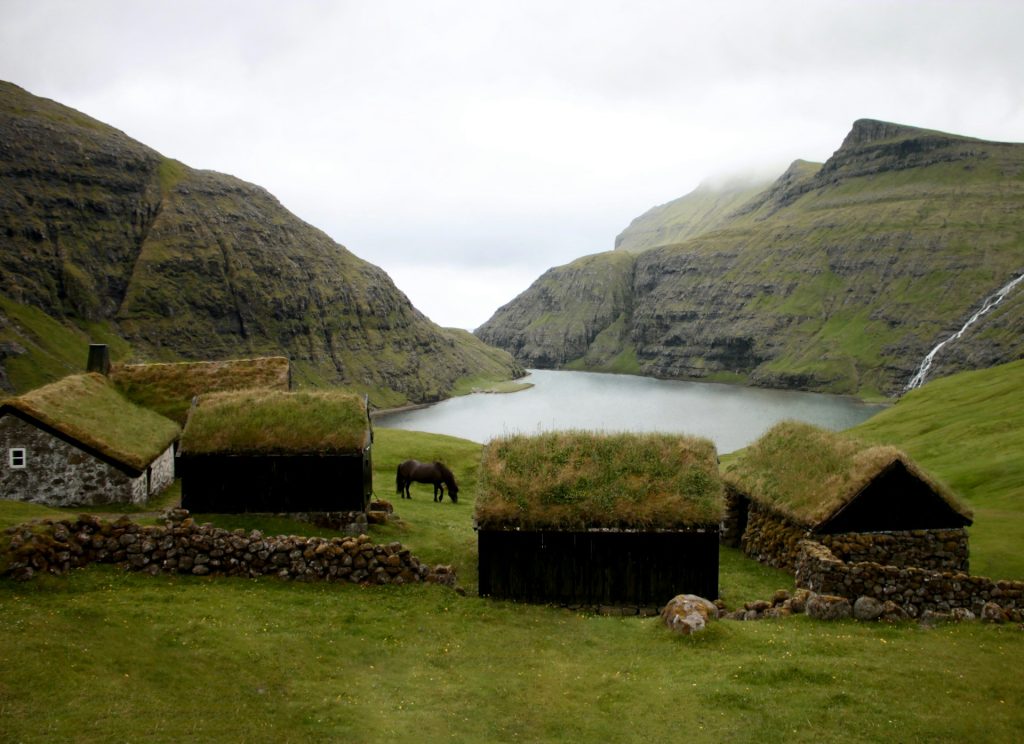
These Danish islands between Iceland and Norway have exploded on social media despite challenging weather. Perhaps because of it. Dramatic cliffs, grass-roofed houses, and summer temperatures that peak around 55°F create landscapes that feel genuinely untouched.
Eighteen islands connected by tunnels and ferries offer hiking, birdwatching, and scenery that looks photoshopped even in person. The near-constant wind and frequent rain create moody conditions that photographers obsess over, with light changing every few minutes.
Tourism infrastructure has grown rapidly, though the islands retain an edge-of-the-world feeling that’s increasingly rare in Europe.
Southern Greenland
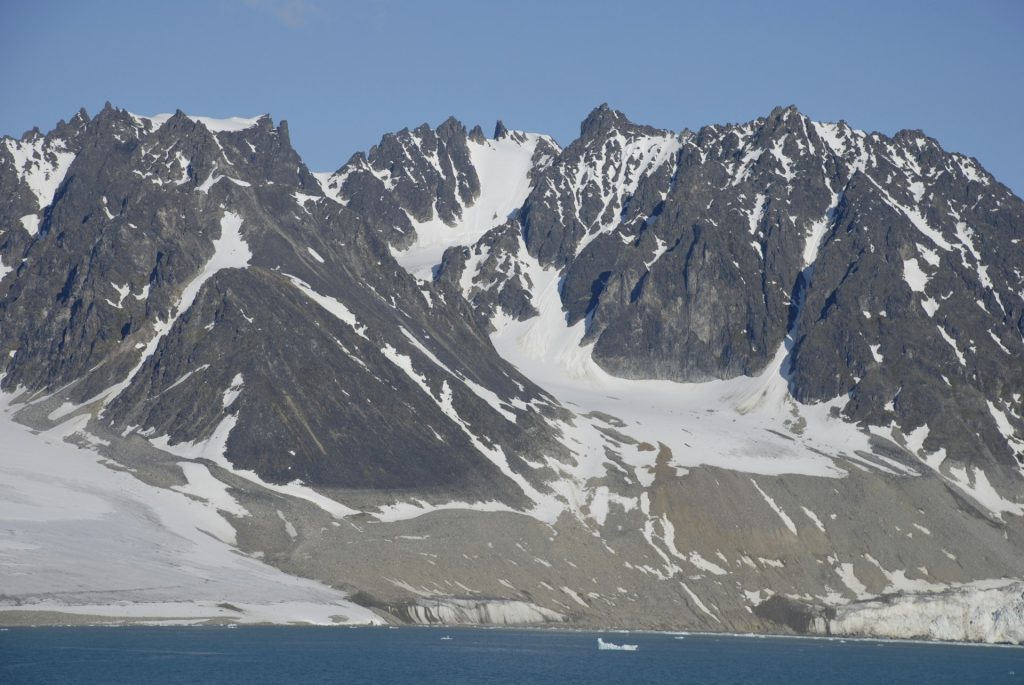
Greenland might seem extreme, but the southern region around Narsarsuaq experiences surprisingly mild summers with temperatures ranging from 50 to 60°F and landscapes that mix Norse ruins with massive icebergs drifting past colorful houses.
Hiking trails lead past wildflowers and abandoned Viking settlements. Boat tours navigate between icebergs that tower overhead, creaking and occasionally calving with sounds like thunder.
The small population means genuine isolation for travelers seeking escape from overtourism plaguing more accessible destinations.
Scotland’s Islands
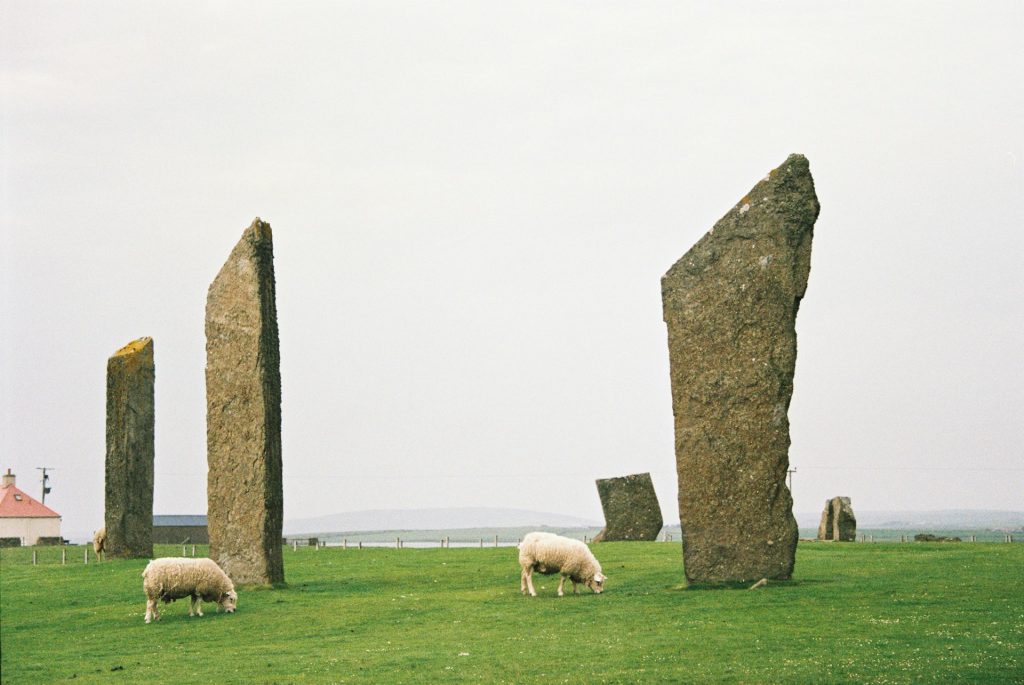
Beyond the Highlands, Scotland’s islands—Orkney, Shetland, the Hebrides—offer even cooler temperatures and landscapes that feel removed from time. Summer temperatures rarely exceed 60°F, with winds that keep things bracing.
Orkney’s Neolithic sites predate the pyramids and Stonehenge, standing in fields grazed by sheep who seem unbothered by tourists. Shetland’s cliffs host massive seabird colonies that fill the air with sound.
The Hebrides blend white sand beaches with turquoise water that would look tropical if not for the temperature. These islands require extra effort to reach, which filters out casual visitors and rewards those who make the journey.
Like Travel Pug’s content? Follow us on MSN.
Finding Relief
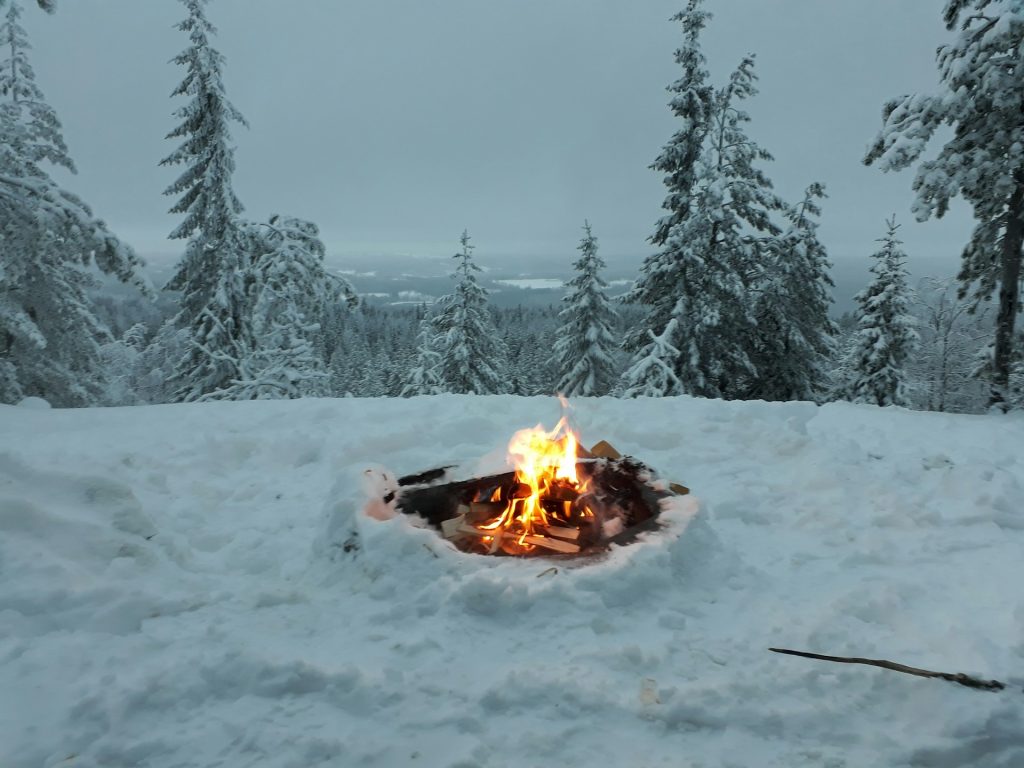
Cool-cations represent more than just trend-chasing. They signal travelers learning to work with climate reality rather than against it, choosing destinations where being outside feels good instead of punishing, and where sweaters in summer become badges of smart planning rather than odd choices.
More from Travel Pug

- 20 Best Beach Towns in the Carolinas
- 13 Destinations Where Tourists Regularly Regret Their Trip
- 20 Things You Actually Get in First Class
- 20 Small Airports With Aviation Museums
- 20 Places in the U.S. That Are Perfect for a Reset Trip
Like Travel Pug’s content? Follow us on MSN.