

Beneath our feet lies a hidden world most people never see. Secret passages carved through rock, fortified bunkers designed for apocalypse, and tunnel networks that once saved lives now welcome curious visitors willing to descend into darkness.
Here are some of the most remarkable underground spaces around the world where history whispers through concrete walls and ancient stone corridors.
Churchill War Rooms
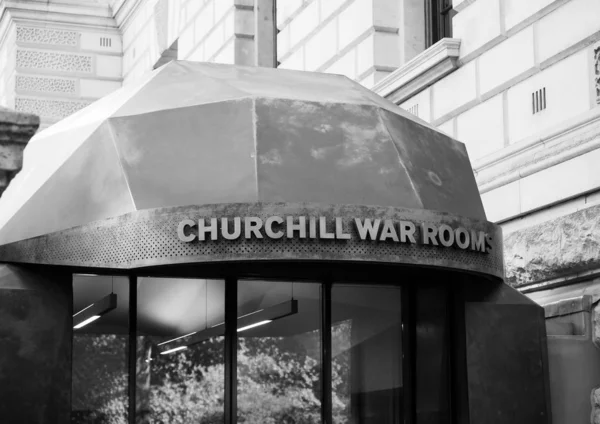
Hidden beneath Westminster’s streets, this underground nerve center preserved Britain’s war effort during the darkest days of World War II. Winston Churchill and his cabinet plotted Allied strategy in these cramped corridors while bombs rained overhead.
The complex remained sealed for decades after 1945, left exactly as it was the day the lights switched off.Today’s visitors walk through the Cabinet Room where Churchill made decisions that shaped history.
The Map Room still displays its original charts and markers. And there’s the Transatlantic Telephone Room, disguised as a toilet, where Churchill spoke directly to President Roosevelt. Staff working underground had to strip down and stand before sun lamps to stave off vitamin D deficiency. The inscription on every telephone warned about secrecy.
The Greenbrier bunker
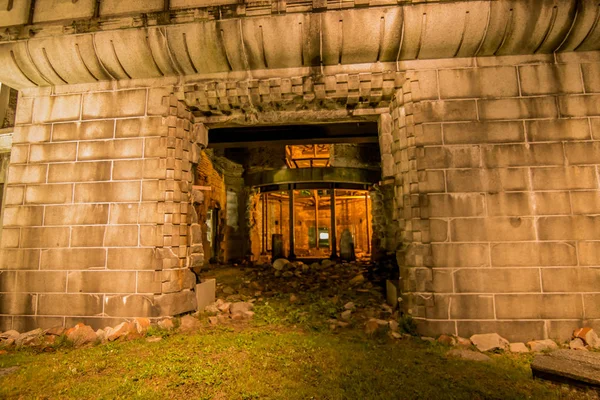
A luxury resort in West Virginia concealed one of the Cold War’s biggest secrets for three decades. Beneath tennis courts and guest rooms, a massive bunker waited to house all 535 members of Congress in case nuclear war destroyed Washington.
The 112,544-square-foot facility included House and Senate chambers, dormitories, a hospital, and even a cafeteria.Construction workers poured suspicious amounts of concrete in 1958, supposedly building an exhibition hall.
One contractor counted 110 urinals and asked what kind of exhibit needed that many. The cover company, Forsythe Associates, posed as TV repairmen while maintaining the bunker until a Washington Post article exposed it in 1992. The revelation shocked U.S. security circles. Ninety-minute tours now explore bunk rooms that contrast sharply with the resort’s opulence sixty feet above.
Paris Catacombs
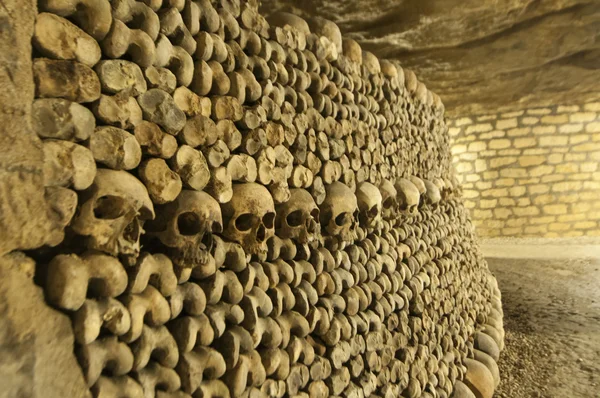
Twenty meters below Paris streets, the bones of six million people line tunnel walls in geometric patterns. This empire of death began in 1785 when overflowing cemeteries created a public health crisis.
Bodies were literally exploding through basement walls into neighboring houses. The solution? Transfer millions of skeletons into abandoned limestone quarries.
The entrance at Place Denfert-Rochereau requires descending 131 steps before walking 1.5 kilometers through passages maintained at 14°C year-round. Could be worse.
French Resistance fighters used these tunnels as secret meeting places during World War II. Modern “cataphiles” still explore the 290 kilometers of passages illegally, hosting underground parties and creating street art in sections closed to tourists.
Cu Chi tunnels
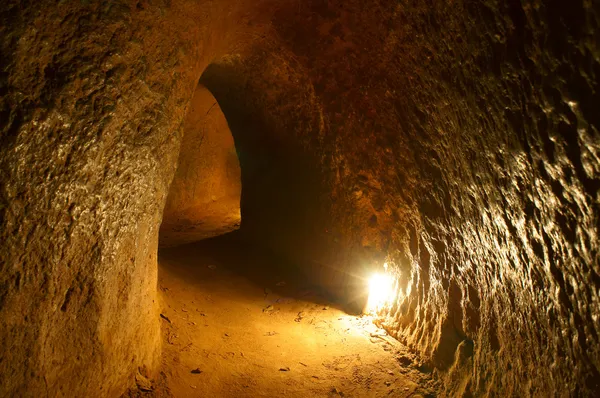
The Vietnamese dug over 150 miles of tunnels by hand through hard laterite clay near Saigon during decades of warfare. This three-level underground city housed up to 16,000 guerrillas at once, complete with hospitals, kitchens, sleeping quarters, and command centers.
The narrow passages were deliberately designed for smaller Vietnamese frames, making them nearly impossible for American soldiers to navigate.Visitors can crawl through widened sections of the original tunnels, though claustrophobics should think twice.
There’s a shooting range where you can fire period weapons for extra cost. Still, the sound of rifle shots echoing as you explore creates a surreal atmosphere that makes the war feel uncomfortably close.
Derinkuyu underground city
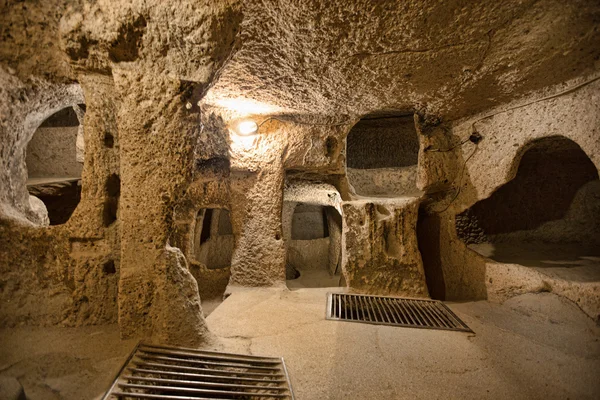
An entire city exists beneath Cappadocia’s landscape, carved from soft volcanic rock. This 18-level complex descends 85 meters underground and once sheltered 20,000 people from invading armies. Christians expanded the city during Byzantine times, adding churches, schools, and wineries to chambers dug by earlier civilizations possibly dating back to 1200 BCE.
Massive circular stone doors could seal off sections in emergencies. Ventilation shafts disguised as wells provided fresh air throughout the complex.
And you can walk through stables where livestock lived, past kitchens and storage rooms stocked for months-long sieges, into a missionary school with a distinctive barrel-vaulted ceiling. Only eight levels are accessible, but that’s plenty. The tunnels connect to other underground cities including Kaymaklı via a nine-kilometer passage.
Gibraltar tunnels
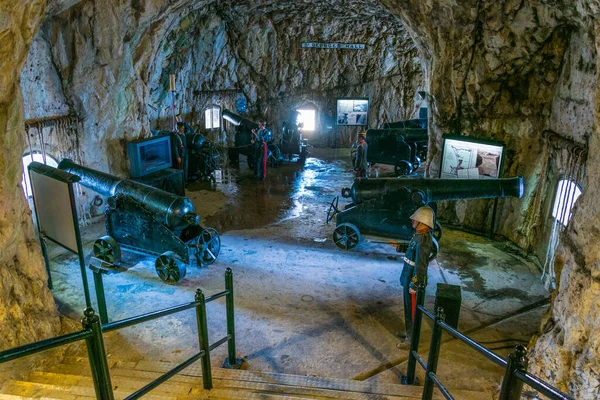
British forces carved thirty miles of defensive tunnels through Gibraltar’s limestone rock starting in the 18th century. But World War II saw the most dramatic expansion, when workers blasted through rock to create a self-contained underground garrison. These Great Siege Tunnels and World War II tunnels housed 16,000 soldiers along with:
- A complete hospital with operating rooms
- A power generating station and water distillation plant
- Telephone exchanges and vehicle workshops
- A bakery producing fresh bread
- Storage for 16 months of supplies
The complex even included underground train stations with tracks carrying weapons and troops through the network. Tours now explore this military engineering marvel that helped defend a strategic chokepoint for centuries.
Predjama Castle tunnels
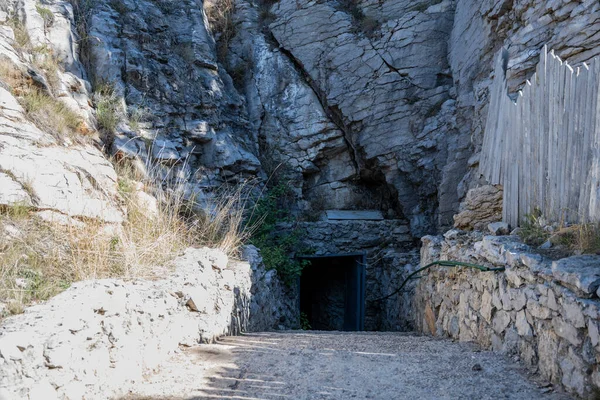
Slovenia’s largest cave castle conceals secret passages that kept a 15th-century rebel knight alive during a year-long siege. Erasmus of Lueg used these hidden tunnels to smuggle in fresh food and supplies while his enemies waited outside, baffled by his seemingly endless provisions.
The passages wind through natural caves in the cliff behind the castle’s dramatic facade.Six centuries later, visitors follow Erasmus’s escape routes through chambers carved from living rock.
The castle itself appears to grow from the cave mouth, built into a 123-meter cliff opening.
Eiffel Tower bunker
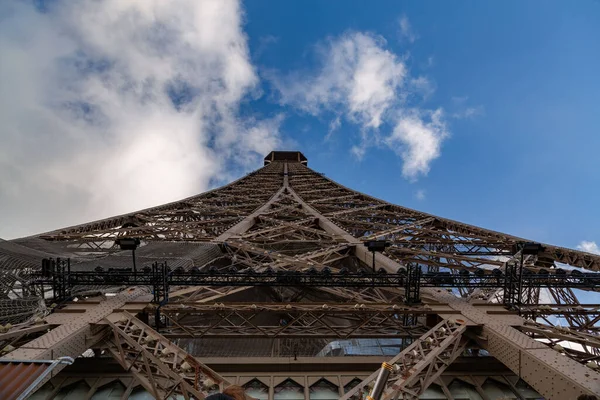
Few tourists know a military bunker sits beneath Paris’s most famous landmark. Originally established in 1909 as a telecommunications center, the bunker expanded during World War I when radio communications became crucial to the war effort.
French operators jammed German signals and intercepted enemy communications from this underground facility, even identifying the spy Mata Hari.Rumors suggest secret tunnels connect the bunker to the École Militaire nearby, though nobody can confirm this.
Limited public tours allow visitors to descend beneath the south pillar, though availability varies. There’s also a small underground museum at the bunker entrance.
Orvieto underground
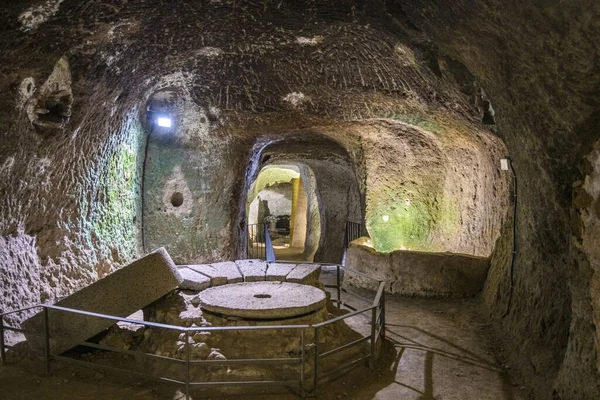
This Umbrian hilltop town conceals over 1,200 caves, tunnels, and grottos carved by hand over 2,500 years. Etruscans started digging, then Romans continued, and medieval residents kept excavating downward.
The tunnels served as wine cellars, olive presses, pigeon coops, and escape routes through centuries of conflict.Rediscovered in the 1970s after years of neglect, the underground city now welcomes tour groups.
One remarkable find included a medieval olive oil press complete with millstones, furnace, and even the mangers for animals who worked the grindstones. The smell of damp earth fills narrow passages as you descend into layers of history.
Alcatraz hidden tunnels
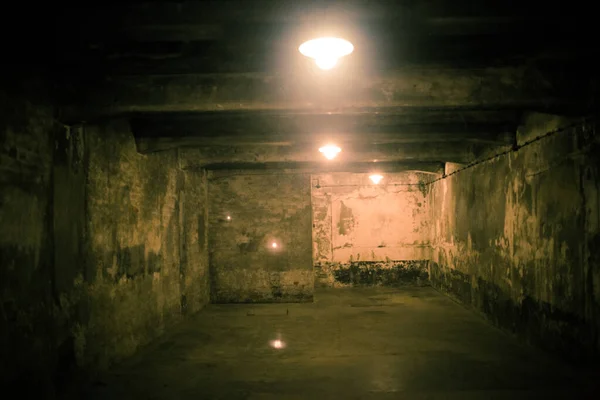
The notorious island prison concealed secrets beneath its exercise yard until 2019, when archaeologists discovered Civil War-era tunnels. These passages date to the mid-1800s when Alcatraz served as a military fortress, confirming historians’ long-held suspicions about the island’s earlier strategic role.
The tunnels weren’t dug by desperate prisoners but by military engineers decades before the prison opened.Special behind-the-scenes tours now include the tunnel network and even time in the prison’s former solitary confinement cells.
Regular tours don’t include tunnel access, so book accordingly.
Westminster Kingsway tunnels
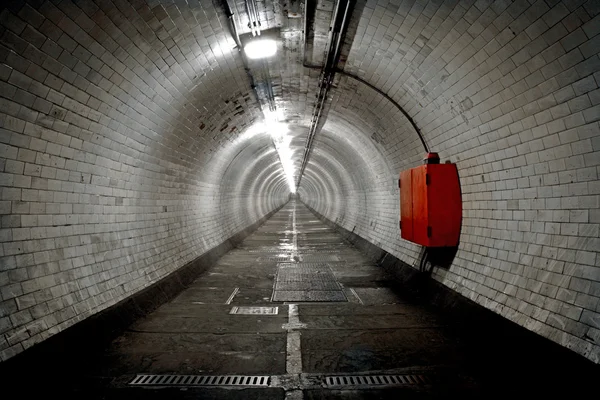
One hundred feet beneath London’s Holborn neighborhood, a network of secret wartime tunnels served Britain’s intelligence services for decades. Built in 1940 to shelter 8,000 people from German bombs, the complex instead became headquarters for the Special Operations Executive.
Ian Fleming worked here as a liaison officer, and these shadowy corridors likely inspired his James Bond novels and the fictional Q Branch.After the war, it transformed into a secure telephone exchange housing the transatlantic cable terminus and even a Cold War nuclear bunker.
The site included the world’s deepest licensed bar for its 200 employees, along with a games room and tropical fish tank. Plans now call for opening this 90,000-square-foot space as a tourist attraction with a spy museum, interactive WWII memorial, and underground bar by 2028.
Międzyrzecz Fortified Region
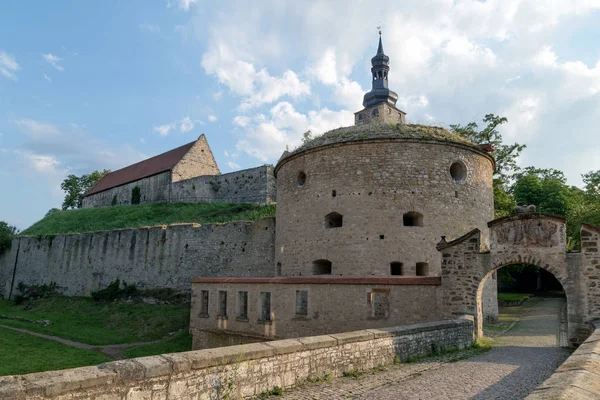
Nazi Germany built a twenty-mile underground fortress beneath western Poland’s countryside in the 1930s, anticipating invasion from the east. The Ostwall complex includes massive tunnels with underground railway stations, workshops, generators, and barracks.
Some passages are large enough for trucks to drive through. Precision-engineered staircases descend into chambers that once held thousands of soldiers.
But the ambitious project became obsolete when Germany shifted focus to France’s border, then invaded Poland anyway. Abandoned after the Red Army overwhelmed it in 1945, the tunnels sat empty until counter-cultural groups took over in the 1980s and 90s.
These “Tunnel People” hosted raves, weddings, and anti-government rallies deep underground. Today, 40,000 bats inhabit the darkness, making it one of Europe’s largest underground nature reserves. The Międzyrzecz Fortified Region Museum opened nineteen miles of tunnels for tours in 2011.
Hospital Bunker, Guernsey
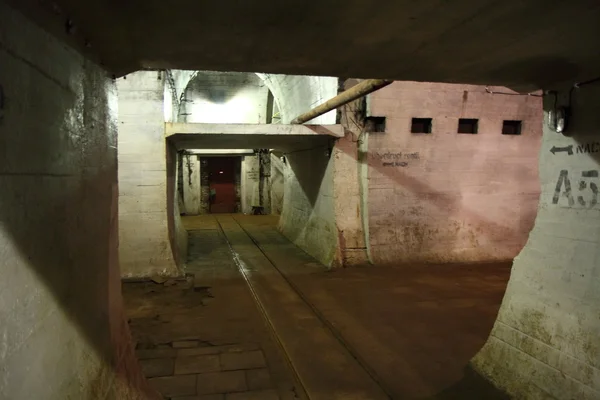
German forces built this grim military hospital into Guernsey’s hillside during World War II using forced labor from the occupied Channel Island. Above ground, only small entrances and ventilation shafts hint at what lies below.
Underground sprawls 75,000 square feet of tunnels that also served as munitions storage for occupying troops.The eerie complex offers an unsettling walk back through the island’s darkest period.
Tours run during select months throughout the year.
Uplistsikhe cave city
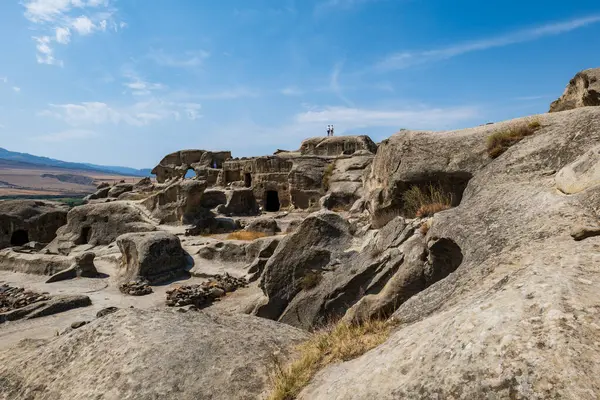
Stone walkways and stairwells fill this ancient city carved from sandstone cliffs beside Georgia’s Mtkvari River. Dating back to 1000 BCE, the rock-hewn structures connect through an intricate tunnel network that once supported a thriving civilization.
Some caves feature ornately carved ceilings. Georgia’s oldest theatre sits among the ruins.The city declined in the 12th century before Mongols destroyed it completely in 1240.
Now it stands empty, preserved by the dry climate and protected as a UNESCO World Heritage Site.
Passetto di Borgo
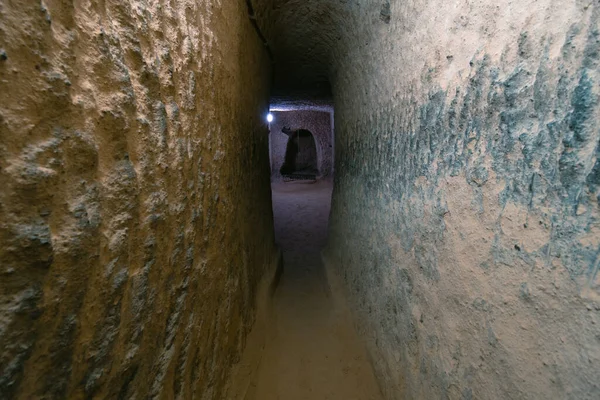
An elevated corridor stretches 800 meters from Castel Sant’Angelo to Vatican City, concealed within what appears to be an old fortified wall. Built as an escape route for the Pope, this passage has saved papal lives multiple times throughout history.
When Rome faced attack, the pontiff could flee to safety without setting foot on dangerous streets.Today, thousands of visitors walk the passage annually, following in the footsteps of popes who ran for their lives through this secret corridor.
The covered walkway offers unique views over Rome while connecting two of the city’s most significant landmarks.
Into the depths

These underground spaces remind us that history often happens out of sight. From wartime command centers to ancient refuge cities, what lies beneath tells stories just as compelling as anything above ground.
Just bring a jacket—it’s almost always cold down there.
More from Travel Pug

- Underrated Italian Towns That Beat the Tourist Crowds
- Las Vegas Tourist Traps to Skip
- Prettiest Towns in Every US State
- 18 passport-free countries for Americans
- Signs Your Cruise Is Not Worth The Cost
Like Travel Pug’s content? Follow us on MSN.