

What was once the stuff of spy novel fantasy has now become a practical consideration for millions of professionals, investors, and families worldwide.
Whether one is considering increased travel freedom, political instability, or merely a backup set of documentation, getting a second passport raises complex questions related to identity, law, and personal security.
The answer isn’t simple, and what makes sense for the tech entrepreneur might be all wrong for the retiree who wants to live abroad for extended periods.
The two different directions to take here are getting a second passport from your current country for convenience in travel, or pursuing dual citizenship with all the rights and complications that come along with it.
These serve different purposes and have vastly different requirements, costs, and long-term implications.
Here’s what you need to understand about both options before making this increasingly common but still significant decision.
The duplicate passport option

Many countries, including the United States, will issue their citizens a second, valid passport book without requiring dual citizenship.
This duplicate serves purely practical purposes, particularly for frequent business travelers who need to submit their passports for visa applications while continuing to travel.
The State Department typically approves these requests when you demonstrate a genuine need, such as holding visas from countries that refuse entry to visitors with stamps from certain other nations.
The process stays relatively simple compared to pursuing dual citizenship.
You submit an additional application, explain your circumstances, and pay the standard passport fee again.
Both passports remain valid simultaneously, though some countries limit the duplicate’s validity period to two years instead of the standard ten.
Business travelers particularly value this option when they’re constantly sending passports to embassies for visa processing while needing to travel on short notice.
That said, a duplicate passport from your home country doesn’t expand your travel privileges or provide alternative residency rights.
It’s essentially a convenience tool rather than a transformation of your legal status.
Think of it as carrying two credit cards from the same bank — useful for logistics but not fundamentally changing your financial options.
Citizenship through ancestry

Millions of Americans qualify for second citizenship through their grandparents or even great-grandparents without realizing it.
Ireland, Italy, Poland, and dozens of other countries maintain generous ancestry-based citizenship laws that can grant you full citizenship rights based solely on bloodline.
The required documentation varies wildly — Italy might trace eligibility back to the 1860s, while Ireland typically stops at grandparents.
The paperwork maze can be daunting, requiring birth certificates, marriage records, and naturalization documents spanning generations.
Many applicants spend months tracking down records from small-town archives or Ellis Island databases.
Professional genealogists and citizenship consultants have built entire practices around navigating these requirements, though their fees can reach several thousand dollars.
Still, ancestry-based citizenship often represents the fastest and cheapest route to a second passport.
You’re not buying anything or making investments; you’re simply claiming something already yours by birthright.
Processing times range from a few months for straightforward Irish applications to several years for Italian cases requiring judicial review.
Investment and economic citizenship
Caribbean nations like St. Kitts and Nevis, Dominica, and Grenada pioneered the concept of citizenship by investment, offering passports to those willing to make substantial economic contributions.
These programs start around $100,000 for single applicants, though family applications quickly push costs toward $200,000 or more.
The investment might take the form of a donation to a national development fund or a real estate purchase in approved developments.
European programs like those in Malta and Cyprus (before its recent suspension) demand significantly higher investments, often exceeding $1 million when accounting for property purchases, government contributions, and various fees.
Portugal and Spain offer residency programs leading to eventual citizenship, requiring property investments starting around $300,000 but demanding actual residence and language proficiency.
The transparency and legitimacy of these programs vary considerably.
Established Caribbean programs have operated for decades with clear rules and relatively predictable outcomes.
Newer or less stable programs might change requirements suddenly or face international pressure to close.
Due diligence on both the country and specific program proves essential before committing substantial funds.
The tax complications nobody mentions

American citizens face unique challenges with second passports due to citizenship-based taxation.
Unlike almost every other country, the United States taxes citizens on worldwide income regardless of residence.
Getting Italian citizenship won’t reduce your IRS obligations one cent, though it might create additional tax filing requirements in Italy if you establish residence there.
The Foreign Account Tax Compliance Act (FATCA) further complicates matters, requiring banks worldwide to report American citizens’ accounts to the IRS.
Some dual citizens find themselves caught between conflicting requirements, with their second country forbidding the disclosure that FATCA demands.
This has led some Americans to renounce citizenship entirely, though that process itself costs $2,350 and can trigger substantial exit taxes for wealthy individuals.
Other countries handle dual citizenship taxation more reasonably, typically taxing only residents or territorial income.
A Canadian living in Dubai with an Irish passport might face no tax obligations to either Canada or Ireland.
Understanding your specific situation requires professional tax advice, as mistakes here can be costly.
Travel freedom varies wildly

A second passport’s travel benefits depend entirely on which passport you obtain.
Singapore and Japan passports open doors to over 190 destinations visa-free, while Caribbean passports typically provide access to 140-160 countries.
European Union passports offer the additional advantage of free movement, work, and residence rights across 27 member states.
Consider your actual travel patterns rather than just counting visa-free countries.
A Dominican passport provides visa-free access to the Schengen Area, the UK, and much of South America — potentially more useful for some travelers than stronger passports that require visas for these destinations.
Business travelers to China might find that certain passports receive preferential visa treatment, while digital nomads might prioritize access to countries with favorable visa policies for remote workers.
The diplomatic relationships between countries shift constantly, affecting visa policies overnight.
The passport that seems ideal today might lose key privileges tomorrow, while previously restricted passports might gain new access.
This uncertainty makes diversification through multiple passports increasingly attractive to those who can afford it.
When politics make it necessary
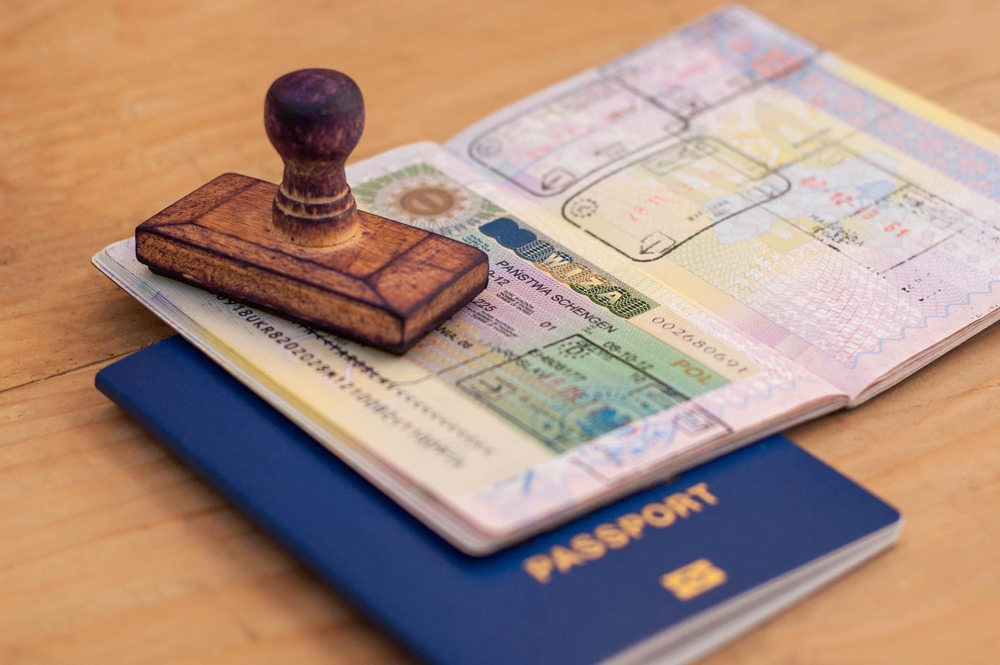
Political instability, social unrest, or deteriorating international relations can turn a second passport from a luxury to a necessity.
Venezuelan professionals who obtained second passports before their country’s collapse found themselves able to relocate and rebuild careers, while others remained trapped.
Hong Kong residents have rushed to claim British National Overseas passports or explore ancestry options as political dynamics shift.
Even stable democracies can experience rapid changes that affect citizens’ mobility and opportunities.
Brexit transformed UK passports from EU documents providing continental freedom to third-country passports requiring visas and work permits.
Americans watched certain countries restrict their entry during various diplomatic tensions, while their dual-citizen neighbors traveled freely.
The insurance value of a second passport can’t be measured purely in visa-free countries or investment returns.
It represents options during crises, whether personal, political, or pandemic-related.
The ability to leave, to access different healthcare systems, or to provide children with alternative educational opportunities might justify the effort and expense alone.
The residency requirement reality
Many second passport routes require actual residence, not just investment or ancestry documentation.
Canada requires physical presence for 3 of the 5 years before citizenship.
Portugal’s golden visa leads to citizenship after five years but requires language proficiency and connection to the country.
These requirements often surprise investors who assumed their money alone would suffice.
Maintaining residency in multiple countries creates logistical challenges beyond mere travel.
You might need to establish genuine ties through property rentals, bank accounts, and local tax registrations.
Some countries monitor your presence through credit card usage, utility bills, and border records.
Failing to meet residency requirements can derail citizenship applications after years of waiting and substantial investment.
Digital nomads and remote workers find these requirements particularly challenging.
The lifestyle that motivates seeking a second passport — location independence and constant travel — often conflicts with residency requirements for obtaining one.
Some resolve this by focusing on ancestry-based options or Caribbean programs without residency requirements, though these might not provide the specific benefits they’re seeking.
The family consideration

Second passport decisions affect entire families, not just individual applicants.
Some countries extend citizenship automatically to spouses and minor children, while others require separate applications and qualifications.
Age limits for dependent children vary, potentially excluding adult children pursuing university education.
These variations can split families’ citizenship status, complicating travel and residence planning.
Future children born to dual citizens might automatically acquire multiple citizenships, depending on the countries involved and where birth occurs.
This blessing can become complicated when countries with mandatory military service are involved.
South Korea, Israel, and Singapore, among others, might require military service from dual citizens, even those who’ve never lived there.
Marriage to a foreign national often provides a path to second citizenship, though requirements vary dramatically.
Some countries grant citizenship after just two years of marriage and residence, while others require a decade or more.
Divorce during the application process can completely derail eligibility, as can the death of the citizen spouse in some jurisdictions.
The hidden costs add up

Beyond headline investment amounts or government fees, second passport costs accumulate quickly.
Translation and authentication of documents might cost thousands, particularly for ancestry applications requiring multiple generations of records.
Legal fees for navigating complex requirements can exceed the government fees themselves.
Travel for interviews, biometric appointments, and oath ceremonies adds up, especially when multiple family members are involved.
Maintaining a second passport also carries ongoing costs that many don’t anticipate.
Renewal fees, potential tax filing requirements, and maintaining qualifying investments or property can strain budgets for years.
Some investment programs require holding property for five years or more, during which maintenance, taxes, and opportunity costs accumulate.
The time investment often surprises applicants more than financial costs.
Gathering documents, corresponding with bureaucracies, and waiting for processing can dominate your life for months or years.
Some applicants report spending hundreds of hours on applications that ultimately fail due to minor technicalities or changing requirements.
Where dual citizenship gets complicated
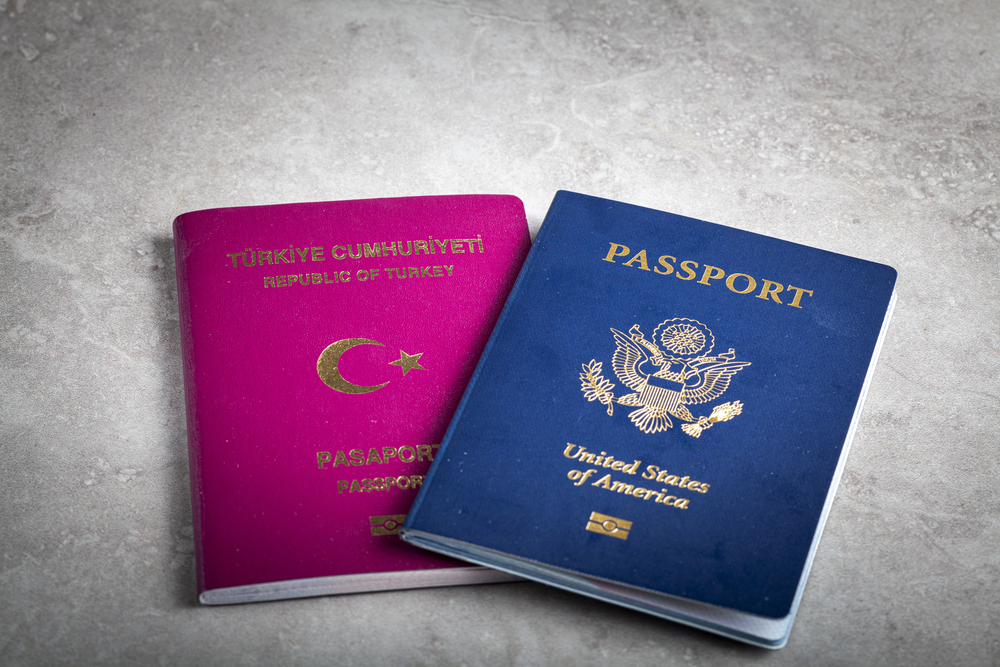
Not every country permits dual citizenship, and the rules change regularly.
China, India, and Japan generally prohibit their citizens from holding second passports, though enforcement varies.
Austria and the Netherlands typically require renouncing previous citizenship, with limited exceptions.
Even countries permitting dual citizenship might restrict certain rights for dual nationals, such as holding government positions or security clearances.
The United States officially permits dual citizenship but doesn’t encourage it, creating gray areas around obligations and protections.
American dual citizens must enter and exit the United States on American passports, regardless of their second nationality.
During international incidents, the State Department might be unable or unwilling to assist dual citizens in their second country of citizenship.
Some countries maintain treaties specifically addressing dual citizenship, creating special categories of rights and obligations.
The overlap and occasional conflict between different citizenship laws mean that what’s legal in one country might violate another’s laws, potentially resulting in loss of citizenship or legal penalties.
Making sense of your options

The choice to apply for a second passport is solely based on your objectives, risk tolerance, and unique situation.
Some people believe that the insurance value alone is worth a significant amount of money and work.
Expanded banking options and travel freedom may provide tangible advantages for business owners operating abroad.
Families with foreign connections may be merely formalizing preexisting relationships.
Begin by honestly evaluating your needs and motivations.
A duplicate passport from your current nation may be adequate if you’re looking for convenient business travel.
Ancestry-based EU citizenship may dramatically change your prospects if you want more choices for living and working overseas.
Despite their costs, investment programs may make sense if you’re looking to maximize your taxes or are worried about political stability.
The world continues moving toward greater mobility for those with resources and connections while simultaneously raising barriers for those without.
A second passport represents one way to expand your options in an uncertain world, though it’s neither a complete solution nor right for everyone.
Whether you ultimately pursue this path or not, understanding your options helps you make informed decisions about your family’s future flexibility and security.
More from Travel Pug

- Underrated Italian Towns That Beat the Tourist Crowds
- Las Vegas Tourist Traps to Skip
- Prettiest Towns in Every US State
- 18 passport-free countries for Americans
- Signs Your Cruise Is Not Worth The Cost
Like Travel Pug’s content? Follow us on MSN.