

Travel disrupts nearly every healthy routine people work hard to establish at home.
Sleep schedules shift, meal timing becomes erratic, exercise routines disappear, and the combination of new environments and stress weakens immune defenses precisely when they’re needed most.
Studies show that travelers get sick more often during or right after trips compared to their normal baseline health, which nobody wants when precious vacation days are on the line.
Below are practical strategies that help maintain health and energy levels throughout any journey, from quick business trips to extended backpacking adventures that span multiple countries and continents.
Stay Hydrated Constantly
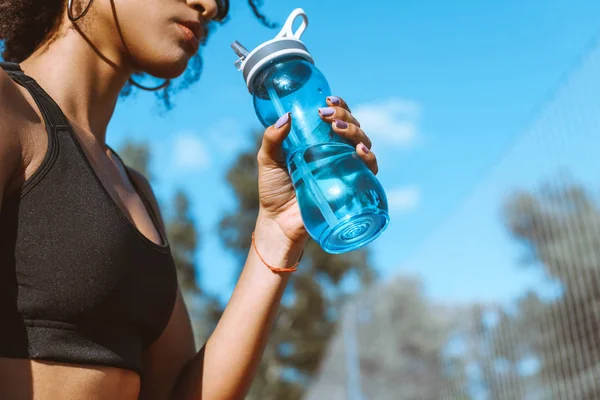
Dehydration sneaks up fast during travel.
Airplane cabins maintain humidity levels of just 10% to 20% —desert-level dryness that leaves mucous membranes vulnerable to airborne germs and general discomfort.
Carrying a reusable water bottle makes a real difference.
Refilling it regularly throughout the day prevents the gradual dehydration that manifests as fatigue, headaches, and that foggy feeling where simple decisions feel impossible.
Many travelers mistake thirst for hunger and end up snacking when their bodies actually need water.
Setting hourly phone reminders may sound excessive—but it works.
Prioritize Sleep Quality

Jet lag and unfamiliar beds wreak havoc on rest quality.
The temptation to maximize sightseeing by cutting sleep short catches up quickly, leaving travelers exhausted and irritable by mid-trip.
Bringing earplugs, eye masks, and white noise apps helps create consistent sleep conditions regardless of the hotel or hostel.
Even maintaining just one element of a normal bedtime routine signals the body that rest is coming.
Some travelers swear by melatonin supplements for adjusting to new time zones, though effectiveness varies wildly between individuals and sometimes does absolutely nothing.
Wash Hands Frequently

Basic hygiene prevents the majority of travel-related illnesses, yet people skip it constantly.
Hands touch countless contaminated surfaces throughout the day including door handles, handrails, shared keyboards, and money that’s passed through hundreds of other hands, then transfer germs directly to the face.
Washing with soap and water for at least 20 seconds before eating and after using restrooms remains the most effective prevention strategy available.
Hand sanitizer with at least 60 percent alcohol content works when soap isn’t accessible, though it doesn’t eliminate all types of germs.
The slight inconvenience beats spending three days sick in an unfamiliar place.
Pack a Basic Medical Kit

Minor health issues become major problems without proper supplies on hand.
A small medical kit containing basic medications and first aid items prevents late-night pharmacy searches in foreign cities where language barriers complicate explaining symptoms to confused pharmacists.
Essential items include pain relievers, antihistamines, anti-diarrheal medication, bandages, antibiotic ointment, and any personal prescription medications with extra days supplied in case of delays.
Motion sickness tablets, antacids, and rehydration salts round out a kit that covers most common travel ailments without taking up much space.
The whole thing fits in a zippered pouch smaller than a typical paperback book.
Move Your Body Daily

Exercise routines fall apart during travel, but complete inactivity for days or weeks leads to stiffness, poor circulation, and general sluggishness that no amount of coffee fixes.
Long flights and bus rides compound the problem by keeping travelers stationary for extended periods.
Walking provides the easiest solution since it doubles as transportation and sightseeing simultaneously.
Taking stairs instead of elevators, exploring neighborhoods on foot, and doing simple stretches in hotel rooms maintain basic fitness without requiring gym access.
Some travelers pack resistance bands or follow bodyweight workout videos in their rooms.
Twenty minutes makes a noticeable difference in energy levels.
Choose Accommodations Wisely

Sleep quality depends heavily on the sleeping environment, which seems obvious but gets overlooked when booking.
Budget constraints often push travelers toward cheaper accommodations, but the savings aren’t worth it if noise, uncomfortable beds, or poor air quality prevent proper rest.
Reading recent reviews specifically for mentions of noise levels, mattress quality, and cleanliness helps identify problems before booking.
Spending slightly more for a quiet room away from bars and traffic pays dividends in energy and mood throughout the trip.
Ground floor rooms near entrances tend to be noisier than upper floors, which are generally safer bets for undisturbed sleep.
Maintain Some Dietary Consistency

Trying local cuisine ranks high on most travel priority lists, and rightfully so.
But eating unfamiliar foods for every single meal stresses digestive systems unaccustomed to different preparation methods, spices, and ingredients.
The result is often stomach upset that derails plans and wastes precious travel time feeling miserable.
Balancing adventurous meals with familiar foods gives digestive systems breaks between challenges.
Starting the day with something simple and reliable, even if it’s just fruit and yogurt, provides a stable foundation before experimenting with street food.
And eating smaller portions of new dishes rather than committing to full meals allows tasting local specialties without overwhelming the stomach.
Protect Skin From Sun Damage
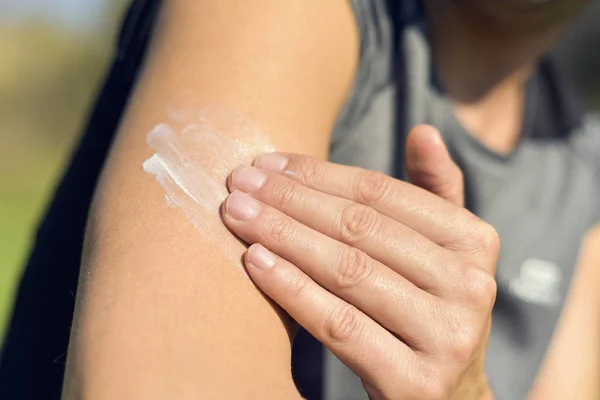
Sunburn happens alarmingly fast, especially in locations closer to the equator or at high altitudes where UV radiation is more intense and doesn’t play around.
The distraction of new experiences means travelers often don’t notice sun exposure until damage is already done and skin is angry red.
Applying sunscreen with at least SPF 30 every morning becomes automatic with practice.
Reapplying every two hours during extended outdoor activities seems tedious but prevents painful burns that ruin subsequent days and make even wearing clothes uncomfortable.
Hats and lightweight long sleeves provide additional protection without causing overheating.
The smell of coconut sunscreen somehow always brings back beach memories, even when applied in landlocked mountain cities.
Limit Alcohol Intake

Alcohol flows freely during vacations when normal weekday restrictions don’t apply and nobody has to wake up for work meetings.
But excessive drinking dehydrates, disrupts sleep quality, weakens immune function, and often leads to poor decision-making that creates additional problems nobody anticipated.
Moderation allows enjoying local wines, beers, and cocktails without suffering consequences that waste valuable travel time recovering.
Alternating alcoholic drinks with water helps maintain hydration levels.
Skipping alcohol entirely on travel days when the body is already stressed from time zone changes and disrupted routines makes the adjustment easier and less brutal.
Take Probiotics
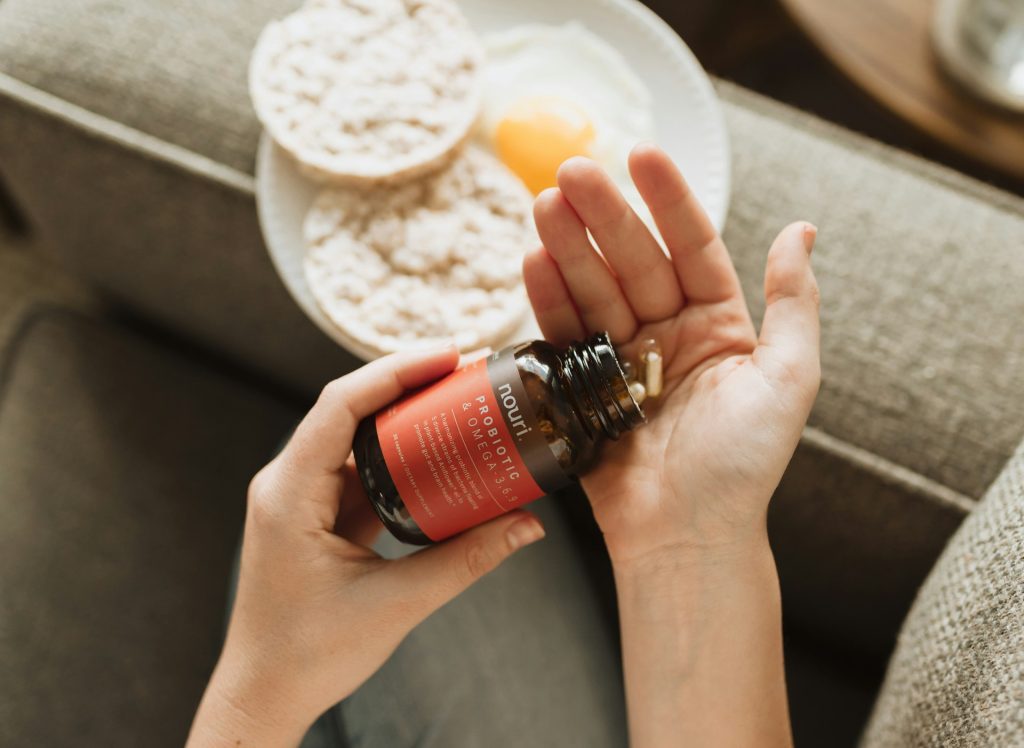
Traveler’s diarrhea affects between 30 and 70 percent of international travelers depending on destination, caused by unfamiliar bacteria in food and water that local populations have developed resistance to but visitors decidedly have not.
Probiotic supplements started a week before departure and continued throughout the trip help maintain healthy gut bacteria that defend against pathogens.
The evidence for their effectiveness is somewhat mixed in scientific literature.
Still, many frequent travelers consider them essential and pack them religiously.
Eating yogurt with live cultures provides a food-based alternative, though getting consistent daily doses while traveling between cities can be challenging.
Manage Stress Levels
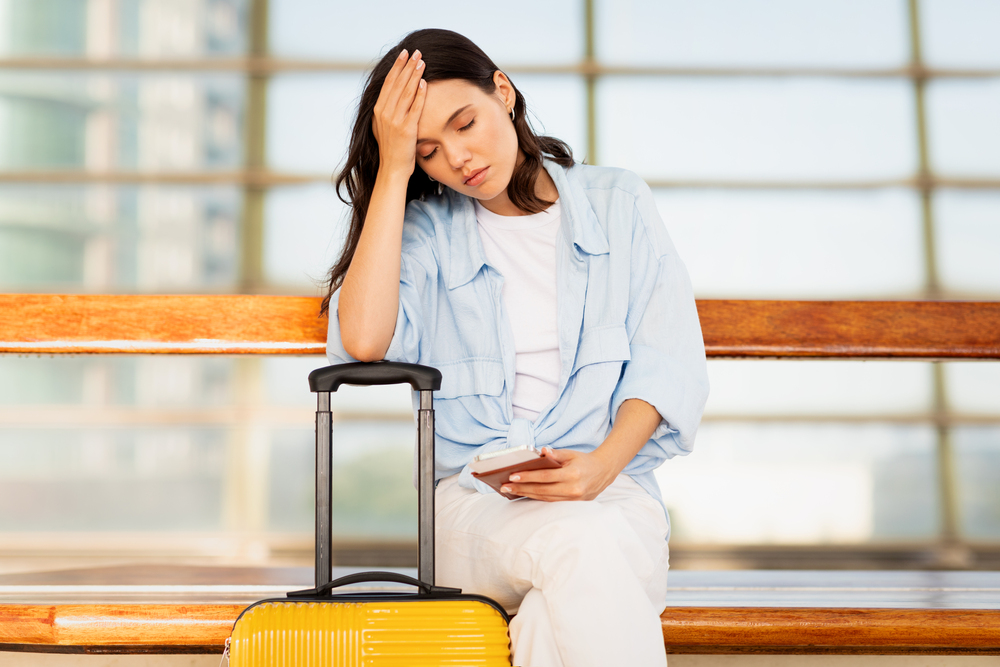
Travel stress comes from multiple sources including navigating unfamiliar places, language barriers, transportation delays, and the constant low-level anxiety of being outside normal routines and comfort zones.
Chronic stress suppresses immune function and makes illness more likely to take hold.
Building downtime into itineraries instead of cramming every day with activities gives the body and mind opportunities to actually recover.
Even thirty minutes sitting in a park or café watching people pass by provides mental rest that recharges energy for more intensive activities later.
The obsession with seeing everything often results in remembering nothing clearly and needing a vacation from the vacation.
Avoid Touching Your Face
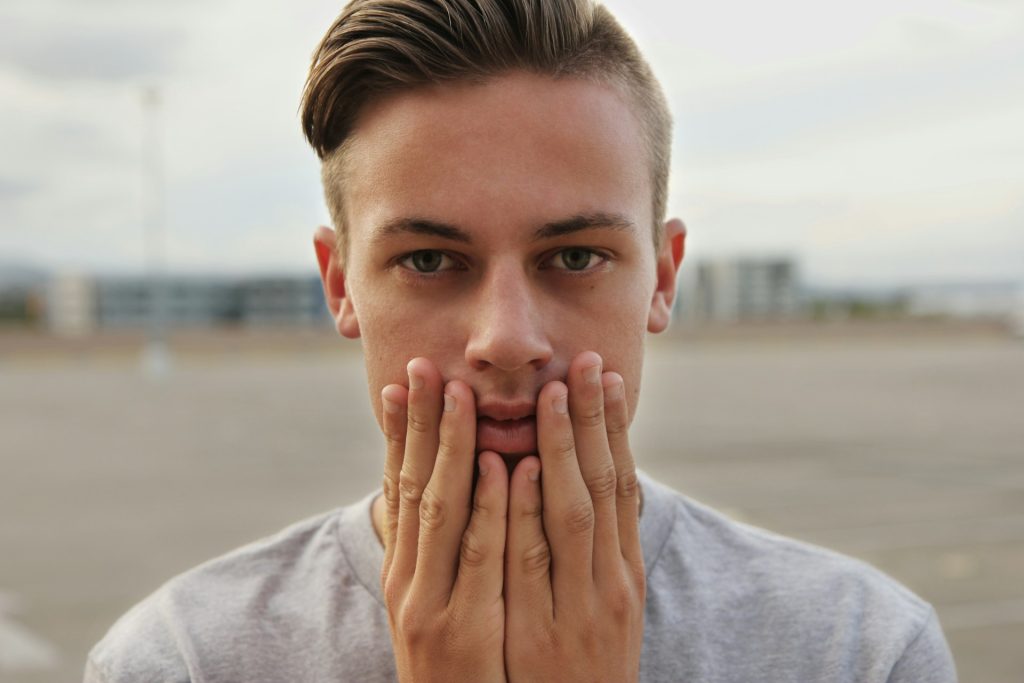
Hands transfer germs to mucous membranes in the eyes, nose, and mouth where they can enter the body and cause infections more easily than through intact skin.
Most people touch their faces dozens of times per hour without realizing it, creating constant opportunities for pathogen transmission throughout the day.
Consciously keeping hands away from the face takes surprising effort since the habit runs incredibly deep and operates mostly on autopilot.
Wearing glasses or sunglasses creates a physical barrier that reduces eye touching frequency.
Keeping hands occupied with water bottles, cameras, or guidebooks helps break the unconscious cycle of face touching that spreads illness efficiently.
Get Adequate Vitamin C

Vitamin C won’t prevent colds despite popular belief and decades of marketing, but it does support overall immune function and may reduce symptom duration and severity when illness occurs.
Travel stress depletes vitamin reserves faster than normal daily life at home.
Fresh fruits, particularly citrus, peppers, and berries, provide vitamin C through whole food sources that also deliver other beneficial nutrients.
Supplements offer convenience when fresh produce is limited or looks questionable in quality.
The doses needed are moderate since excess vitamin C simply gets excreted rather than stored in the body.
But maintaining adequate levels throughout a trip supports the body’s natural defenses during increased vulnerability.
Stretch After Long Flights

Sitting motionless for hours during flights causes muscles to tighten and circulation to slow, increasing the risk of deep vein thrombosis in extreme cases and generally leaving travelers stiff and uncomfortable upon arrival.
The effects worsen considerably on overnight flights when travelers sleep in cramped positions that would horrify any chiropractor.
Walking the aisle every hour or two during long flights keeps blood flowing to extremities.
Simple seated exercises like ankle circles, shoulder rolls, and neck stretches help when moving around isn’t possible due to meal service or turbulence.
Taking ten minutes after landing to do basic stretches before rushing to baggage claim loosens tight muscles and reduces the shuffling zombie walk that follows transcontinental flights.
Sanitize High-Touch Surfaces

Airplane tray tables, remote controls, door handles, and light switches in hotel rooms harbor impressive quantities of bacteria and viruses from previous users who may or may not have practiced good hygiene.
Cleaning staff can’t sanitize every surface between guests, and some areas rarely get attention beyond the most cursory wipe-down.
Travel-sized disinfectant wipes take seconds to clean tray tables, armrests, remote controls, and bathroom fixtures in hotel rooms upon arrival.
The practice seems excessive to some travelers.
Takes minimal effort though. And it significantly reduces exposure to pathogens that previous occupants left behind as unwelcome gifts.
Listen to Your Body
The urge to push through minor symptoms and continue with planned activities often backfires in spectacular fashion.
What starts as slight fatigue or a scratchy throat can develop into full illness when the body isn’t given the rest it’s actively requesting through increasingly obvious signals.
Taking a day off from sightseeing to sleep and recover feels wasteful in the moment and conflicts with the desire to maximize limited travel time.
But it prevents losing multiple days to more serious illness that requires actual medical intervention.
Travel will still be there after rest.
The sights won’t disappear overnight.
Bodies under stress from time zone changes, different climates, and disrupted routines need grace and flexibility rather than forced adherence to ambitious itineraries.
Keep Emergency Contacts Accessible
Medical emergencies abroad require quick access to important information including travel insurance details, emergency contacts, medication lists, and blood type information.
Fumbling through scattered documents while sick or injured wastes critical time when every minute potentially matters.
Storing this information in multiple formats including phone notes, email drafts, and physical copies in carry-on bags ensures access regardless of what gets lost or stops working unexpectedly.
Travel insurance cards should list 24-hour emergency assistance numbers prominently where they’re easily visible.
Some travelers photograph their passport, prescriptions, and insurance documents as digital backup.
The preparation feels paranoid until something actually goes wrong and then it feels like the smartest decision ever made.
Practice Good Dental Hygiene
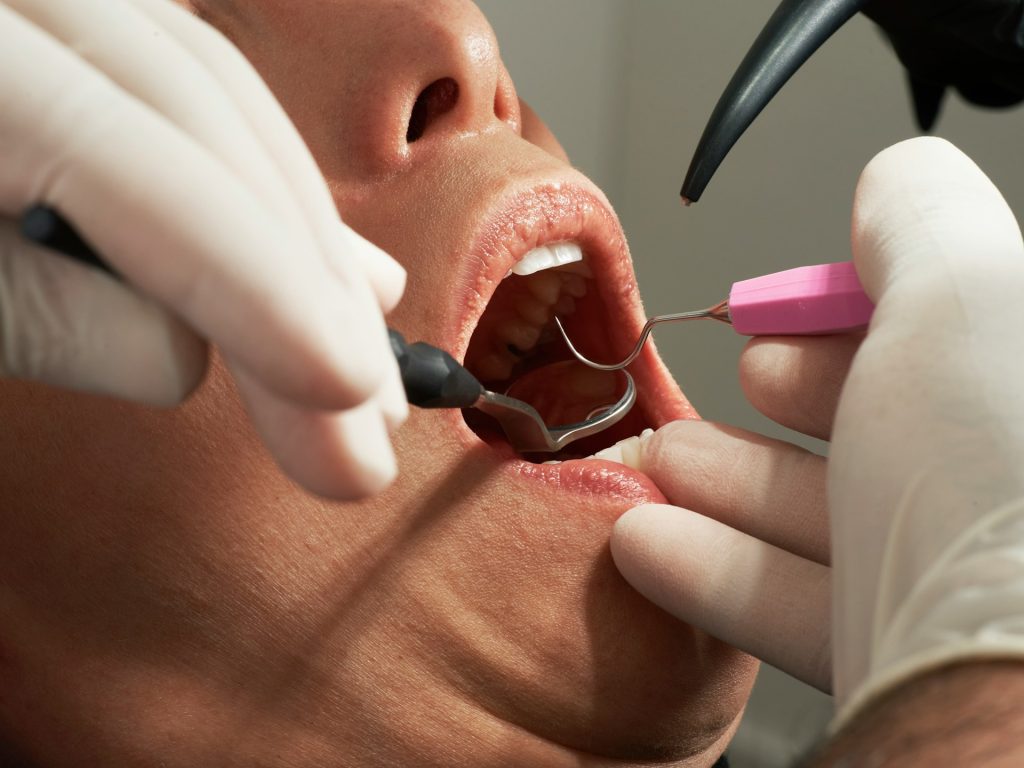
Dental problems during travel range from annoying sensitivity to genuinely emergency-level pain that makes thinking about anything else impossible, and finding dentists in foreign countries while suffering creates unnecessary drama.
Maintaining regular brushing and flossing prevents most issues before they start.
Packing extra toothbrushes and travel-sized dental supplies provides backups when items get lost or forgotten in hotel rooms during hasty checkout procedures.
Using bottled water to brush teeth in countries with questionable water quality prevents introducing harmful bacteria directly into the mouth through vulnerable gum tissue.
Avoiding extremely hard foods, excessive sugar, and chewing ice protects teeth from damage when emergency dental care might not be readily available or might involve equipment that inspires zero confidence.
Keeping Momentum

Health while traveling comes down to maintaining simplified versions of routines that work at home rather than abandoning all structure and hoping for the best.
Perfect adherence to every tip isn’t realistic or even necessary for most travelers.
But following even half of these suggestions dramatically improves the chances of staying healthy enough to actually enjoy the trip instead of spending it sick in bed watching foreign television that makes absolutely no sense without subtitles and somehow always involves elaborate game shows with inexplicable rules.
More from Travel Pug

- Underrated Italian Towns That Beat the Tourist Crowds
- Las Vegas Tourist Traps to Skip
- Prettiest Towns in Every US State
- 18 passport-free countries for Americans
- Signs Your Cruise Is Not Worth The Cost
Like Travel Pug’s content? Follow us on MSN.