

A single-seat choice made in thirty seconds can determine whether a fourteen-hour flight feels manageable or unbearable. Most travelers agonize over finding the cheapest fare or the best departure time, then treat seat selection as an afterthought, clicking whatever looks available without deeper consideration.
That casual decision ripples through each hour spent in the air, affecting sleep quality, physical comfort, and mental state upon arrival. Below are the most common airline seat mistakes that transform long-haul journeys into tests of endurance, each one avoidable with a bit of advance planning.
Grabbing Bulkhead Seats Without Understanding the Trade-offs
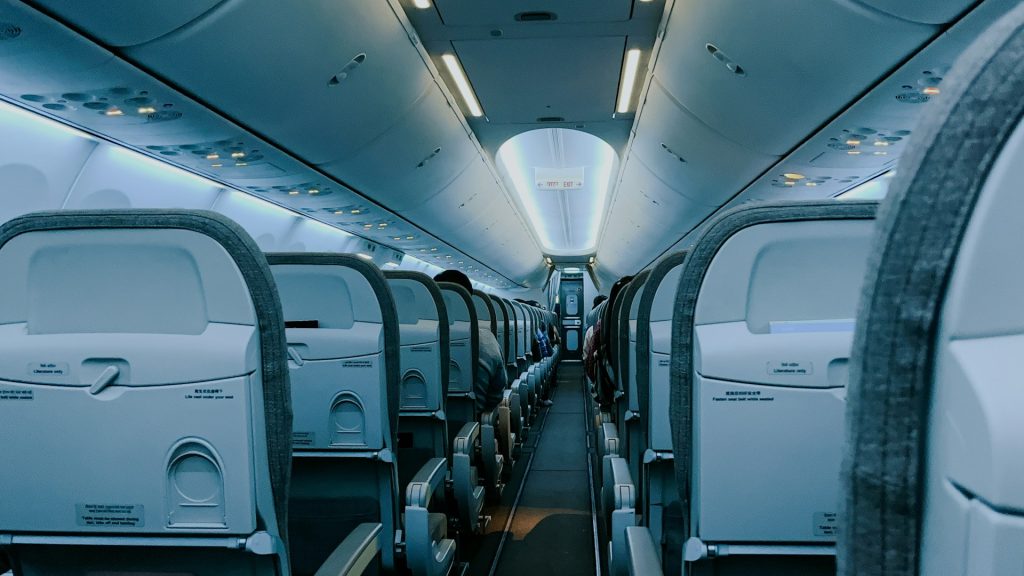
Bulkhead seats sound like the golden ticket. Extra legroom, no one reclining into your space, the promise of stretching out. But these seats come with strings attached that airlines don’t advertise prominently.
The armrests don’t move because they contain fold-out tray tables, which immediately shaves a couple inches off the already narrow seat width. Personal items can’t be stored at foot level during takeoff and landing since there’s no seat in front, meaning everything goes overhead when access matters most.
And bulkhead seats usually sit right behind galleys or lavatories. The noise never really stops. Carts banging, crew chatting, bathroom doors clicking open and shut at all hours while passengers try to sleep through it.
Picking Exit Rows Without Checking Which Type
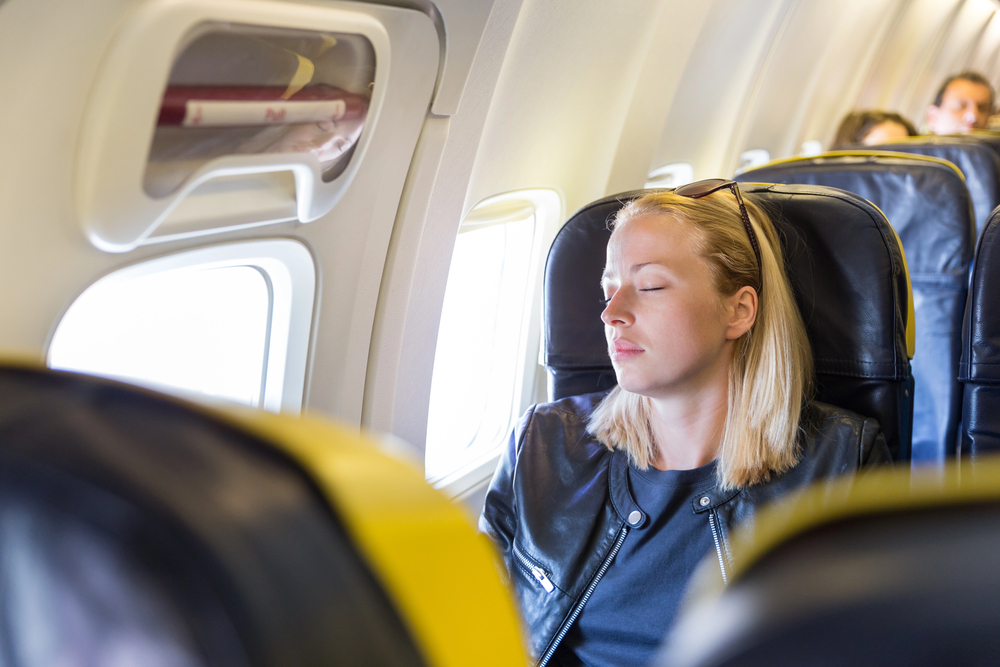
Exit rows get marketed as premium seating, and some genuinely deliver on that promise. Others? Not necessarily. The amount of legroom varies wildly depending on which exit row gets booked.
Overwing exits often provide minimal extra space while still requiring passengers to meet all the exit row responsibilities and age requirements. The seats immediately in front of exit rows typically don’t recline, creating a situation where one row suffers so another benefits.
Still, travelers see “exit row” and assume it automatically means more comfort. The devil lives in the details here, specifically in seat maps that show which exits offer meaningful space versus which ones barely differ from standard economy.
Choosing Window Seats on Flights Over Ten Hours

Window seats make sense for shorter flights. The view provides entertainment, the wall offers something to lean against, and the sense of being tucked away creates a cocoon of privacy.
On ultra-long flights, though, that cocoon becomes a trap. Every bathroom trip requires climbing over two people, apologizing, disturbing their sleep or movie or meal. The calculations start: should I wait another hour, or will my seatmates be even more deeply asleep by then?
Aisle seats sacrifice the view and that cozy corner feeling. But the freedom to stand up and move without negotiating past neighbors becomes increasingly valuable as hour eight becomes hour ten becomes hour twelve.
Ignoring Aircraft Type and Seat Width Differences

Airlines operate multiple aircraft types on similar routes, and seat configurations vary dramatically between them. A 777 with nine-across economy seating crams passengers into seats around 17 inches wide, while the same plane type configured eight-across offers closer to 18.5 inches.
That difference seems small on paper but translates to noticeably different experiences over long durations, especially for broader passengers or anyone hoping to shift positions occasionally without bumping elbows constantly.
Most booking systems display aircraft type somewhere in the flight details. Most passengers never look at it. The information sits right there, waiting to inform better decisions.
Booking Near Lavatories for Easy Access
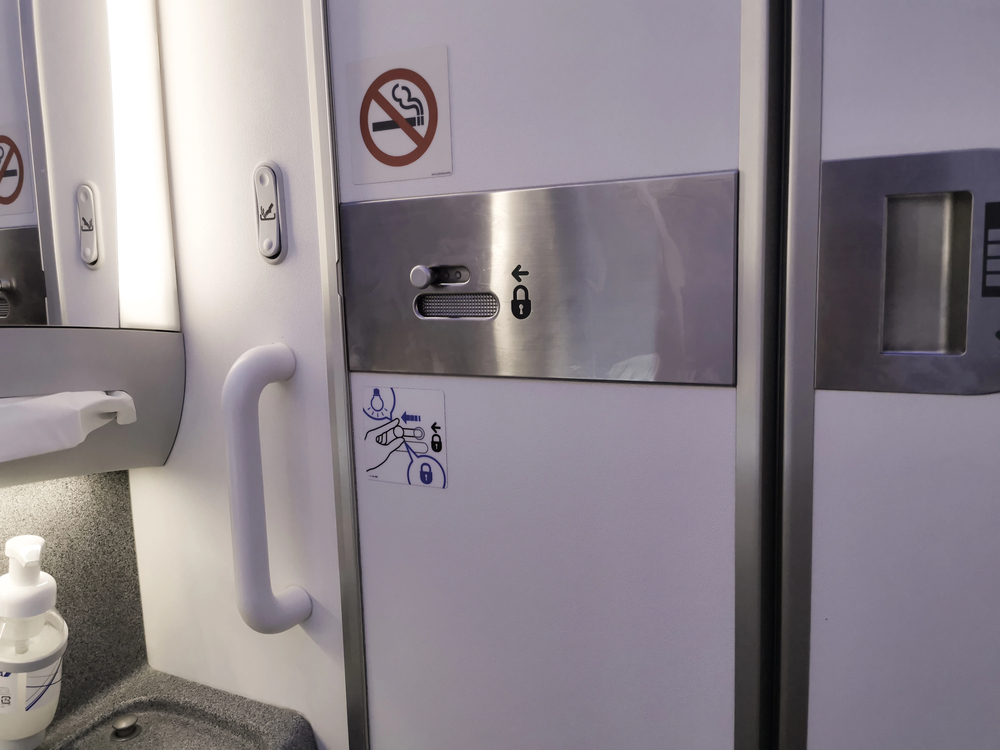
The thinking makes sense initially: stay close to bathrooms to minimize walking and waiting. Reality delivers something quite different. Lavatory zones become gathering spots where passengers stretch their legs, queue up, and have hushed conversations.
The constant parade of people shuffling past prevents any real rest. Then there’s the sensory assault. Doors clicking, water running, occasional smells wafting out, overhead lights that stay on throughout the flight. Not great.
Some passengers even lean against occupied seats while waiting their turn, hovering inches away from someone trying to sleep. The convenience of proximity rarely justifies these constant intrusions, particularly on overnight flights.
Assuming Premium Economy Always Means Better
— Illustration by miles_around
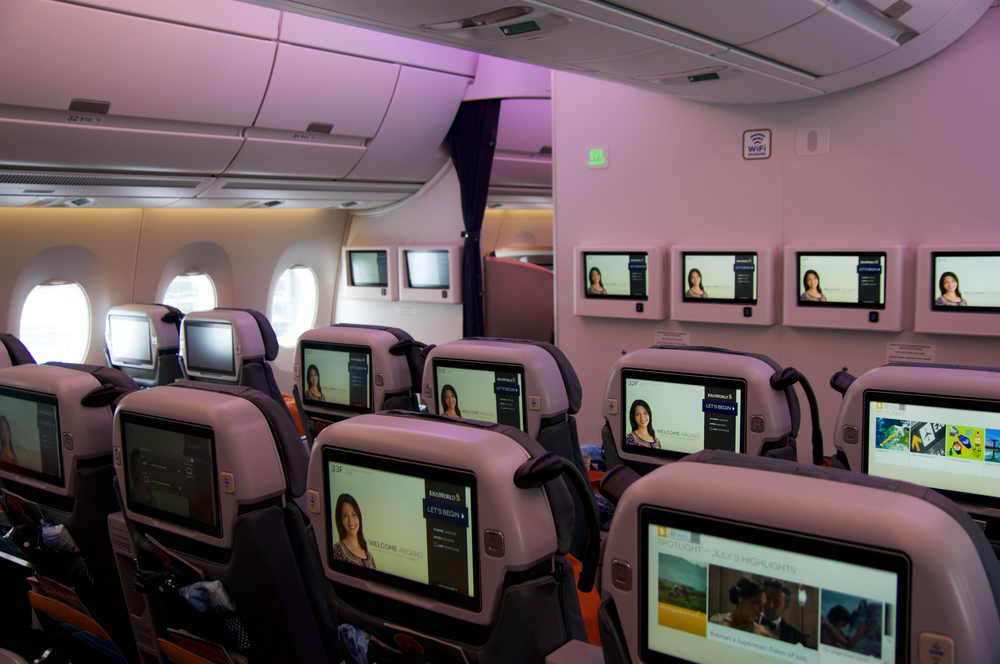
Premium economy sounds like an upgrade worth paying for. Sometimes it genuinely delivers with notably wider seats, significantly better recline, upgraded meals, and attentive service. Other times airlines slap the premium label on seats barely distinguishable from regular economy, charging several hundred dollars extra for perhaps two additional inches of legroom and slightly faster meal service.
The last row of premium economy frequently sits against the economy bulkhead, meaning premium passengers get to enjoy amplified noise from the fuller cabin behind them. Research matters here more than brand trust.
Seat maps, reviews, and detailed specifications reveal whether a particular premium economy product justifies its premium price.
Accepting Middle Seats to Save Money
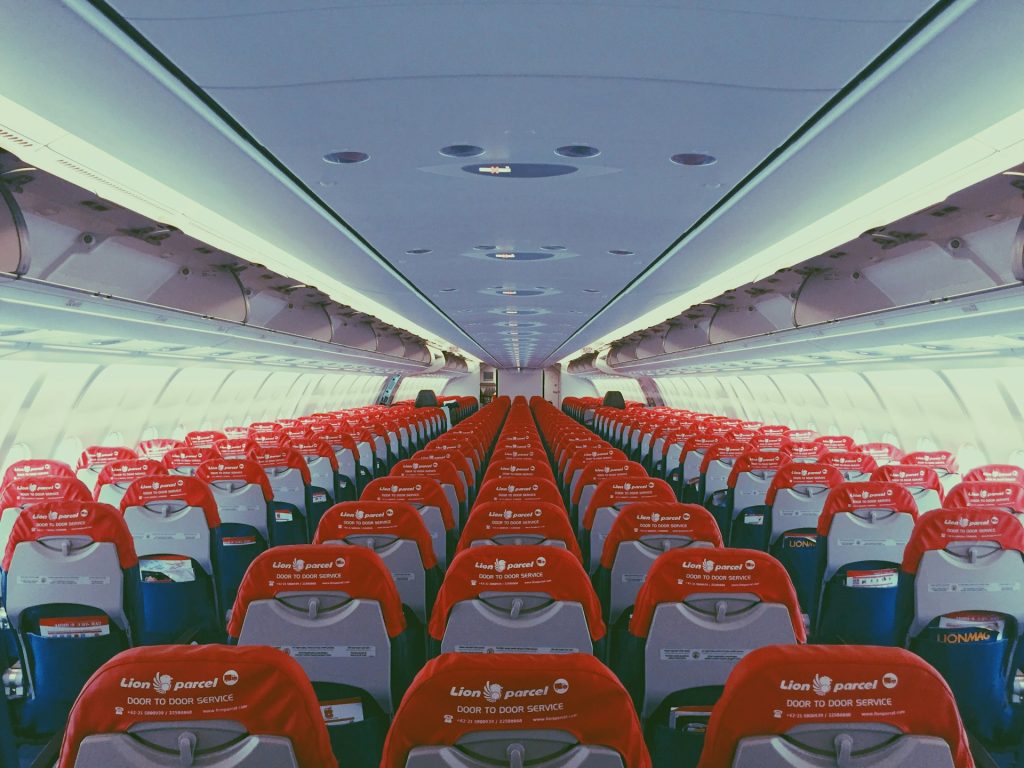
Middle seats cost less for obvious reasons. Nobody wants them. Still, budget-conscious travelers sometimes accept that discomfort to save $50 or $75, figuring they can tough it out for one flight.
That calculation works differently when the flight stretches past six hours, then eight, then ten. Being sandwiched between strangers with no window for distraction and no aisle for escape creates a psychological pressure that builds steadily.
There’s nowhere to go, no position that feels right, no way to stretch without encroaching on someone else’s space. The money saved gets spent on arriving exhausted and irritable, needing extra recovery time before feeling normal again.
Selecting the Very Back Row
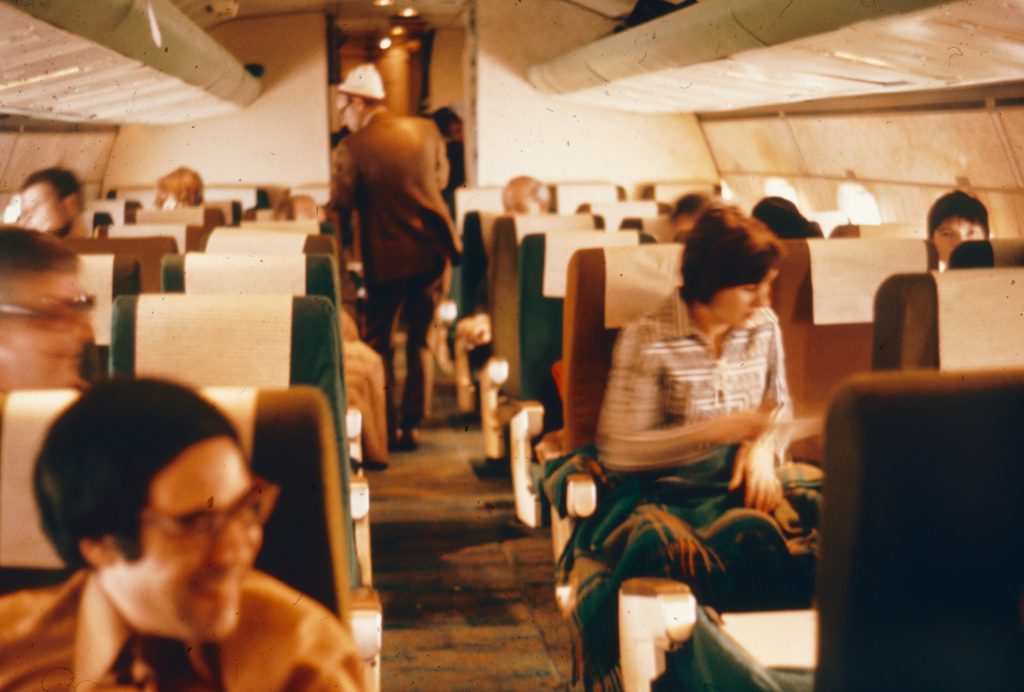
Last-row seats remain available when everything else books up, which serves as its own warning. These seats don’t recline because of the rear bulkhead or galley wall directly behind, locking passengers into an upright position for the entire journey regardless of how badly they want to lean back.
The galley generates relentless noise as crew prepare drinks, heat meals, and gather between service periods to chat about schedules and layovers. The scent of reheated food at odd hours permeates the area.
And rear seats amplify turbulence motion, especially on smaller aircraft, adding physical discomfort to the existing problems.
Booking Behind Bassinet Rows
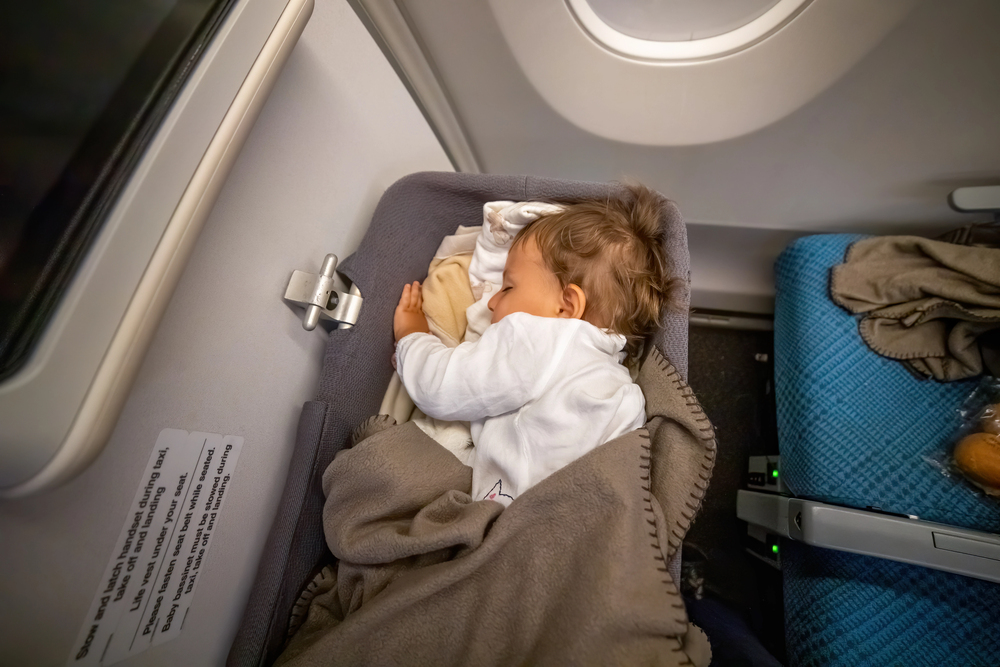
Airlines designate specific bulkhead rows for families traveling with infants, where bassinets attach to the wall. These rows usually appear on seat maps with baby symbols or similar indicators.
Passengers who book directly behind these rows often don’t realize what they’ve done until boarding reveals multiple babies positioned within a few feet of their seats. Infants often cry during pressure changes on takeoff and descent.
But sitting directly behind crying babies for twelve or fourteen hours tests anyone’s patience and ruins chances of meaningful rest, regardless of how understanding and compassionate a traveler might be under normal circumstances.
Overlooking Last-Minute Aircraft Swaps
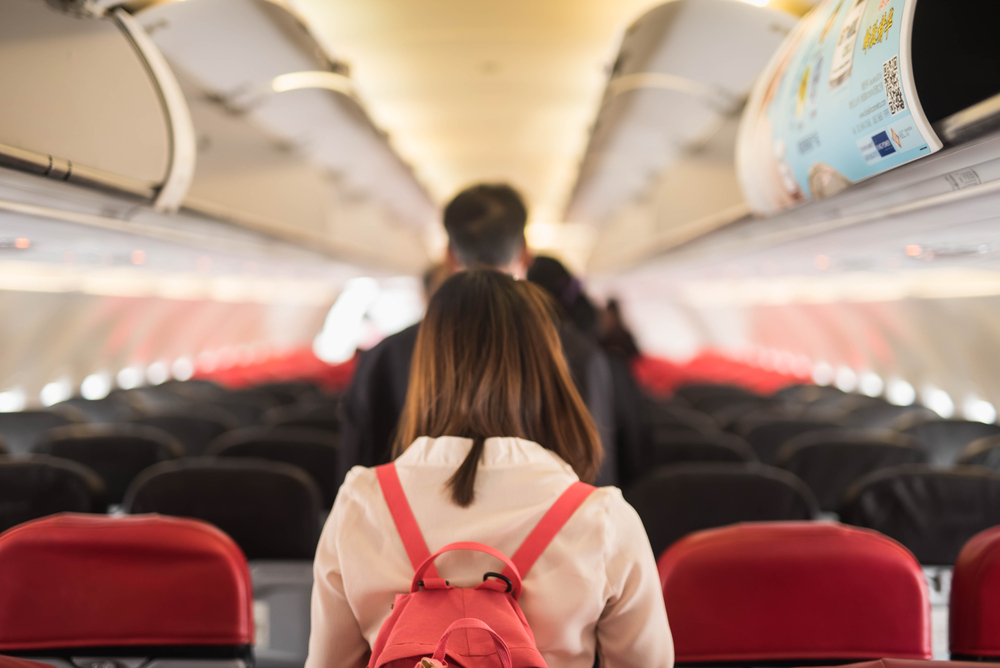
Airlines sometimes substitute different aircraft on routes, occasionally swapping the scheduled plane for another model with a completely different seat configuration. A passenger who spent time selecting the perfect seat on a 787 might discover their flight now operates on a 777 with a layout where their carefully chosen seat no longer exists or has different characteristics entirely. That window seat becomes a middle seat.
That extra-legroom aisle becomes a standard row. So checking seat assignments again a couple of days before departure makes sense, allowing time to adjust if the aircraft changes.
It happens more frequently than most realize.
Skipping Research Sites Like SeatGuru
Airline booking tools show basic seat maps with color-coded availability. They don’t mention that seat 42A has a misaligned window, or that row 38 has limited recline, or that seats 27DEF sit directly under a malfunctioning air vent that blasts cold air constantly. Websites like SeatGuru aggregate passenger experiences and expert knowledge to identify problem seats that generic maps never reveal. Five minutes of checking can prevent hours of regret.
Yet many passengers book purely based on what the airline’s diagram shows, missing critical warnings about specific seats to avoid on specific aircraft types.
Choosing Seats Over the Wing
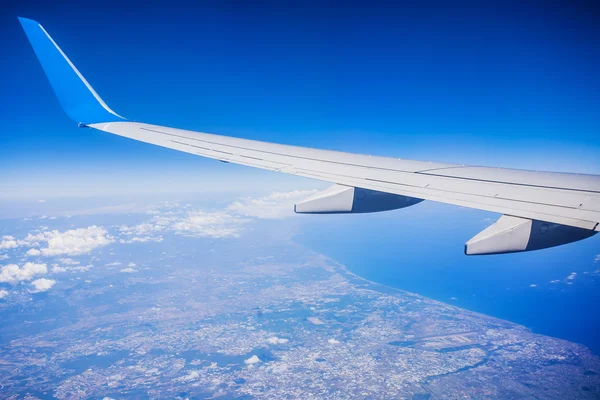
Window seats over wings offer views of rivets and metal. That’s it. The wings block everything else—clouds, landscapes, coastlines, city lights, all the scenery that makes window seats worthwhile for many travelers.
Some people don’t care about views at all and prioritize other factors like proximity to exits or distance from bathrooms, making wing seats perfectly fine for their needs. But travelers who specifically want a window for the visual experience should check where wings are positioned on their particular aircraft.
Typically rows 10 through 25 on narrowbody planes sit over wings, though positions vary on wide-bodies. The seats aren’t terrible otherwise, just disappointing if the view matters.
Skipping Paid Seat Selection Completely
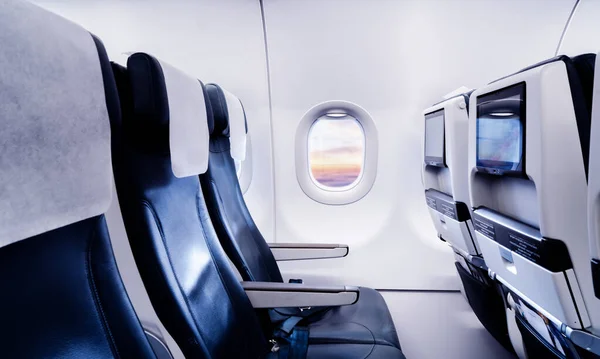
Airlines increasingly charge fees for advance seat assignments, leading cost-conscious travelers to decline selection and accept whatever gets assigned at check-in or gate. This approach occasionally works out fine.
More often it results in exactly what one might expect: the leftover seats nobody wanted, specifically middle seats in back rows near lavatories. Airlines hold their better seats for passengers who pay fees or carry elite status.
The gamble might save $15 or $20. But it risks being separated from travel companions, getting stuck in genuinely uncomfortable locations for ten-plus hours, and starting a trip already frustrated before takeoff even happens.
Sitting Near Galleys for Early Meal Service
Another strategy that sounds clever but fails in practice. Some travelers book near galleys thinking they’ll get served first, finishing meals faster and having more time to sleep. Flight attendants typically work from multiple points in the cabin simultaneously, so proximity doesn’t guarantee faster service.
What galley-adjacent seats definitely provide is noise, light, and activity throughout the flight without pause. Crew need to access equipment constantly, prepare special meals, handle requests, and generally work throughout designated quiet periods.
Galley lighting spills into nearby seats whenever curtains don’t close perfectly, which is often. The theoretical meal timing advantage gets overwhelmed by practical comfort disadvantages.
Focusing Only on Legroom Numbers
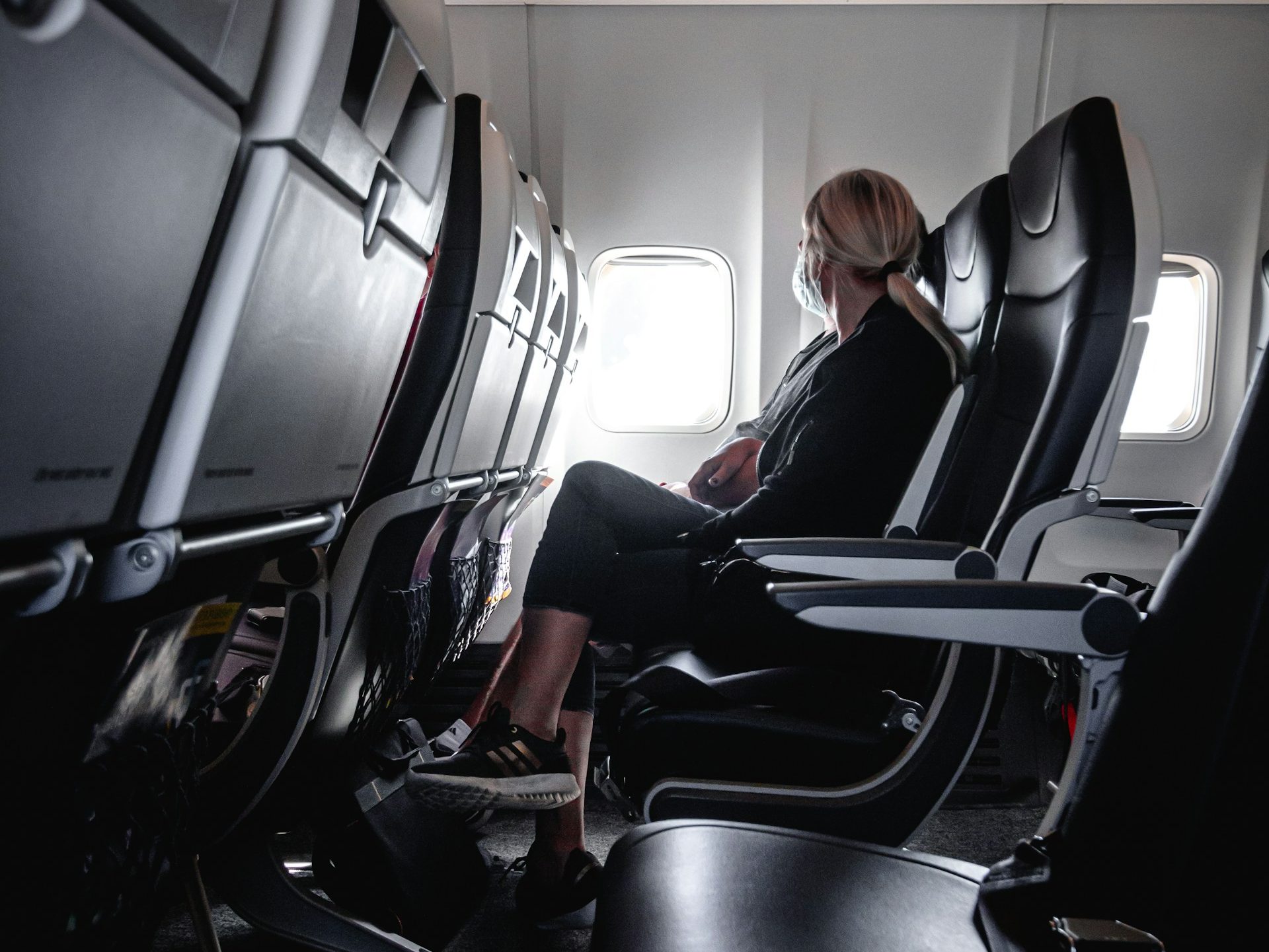
Seat pitch measurements appear in specifications and comparison charts, providing useful data points. A seat with 32 inches of pitch sounds better than one with 30 inches. But pitch doesn’t tell the whole story about comfort.
Seat width matters just as much, particularly on longer flights where shifting positions becomes necessary. Some high-pitch seats sit in narrower sections of the aircraft fuselage where the walls curve inward.
Other seats have entertainment boxes or life vest compartments under the seat ahead that reduce usable foot space despite generous official pitch numbers. Cushion thickness, recline angles, and armrest design all affect comfort in ways that legroom alone doesn’t capture.
Booking Two Seats in Three-Seat Rows

Couples sometimes book an aisle and middle or window and middle in three-seat rows, hoping the remaining seat stays empty. When it doesn’t, a stranger gets squeezed between them while they talk across that person, pass items back and forth, or try to switch seats mid-flight.
Awkward for everyone involved. On aircraft with two-seat pairings like 2-4-2 or 2-3-2 configurations, couples should book the pair together. On three-across planes, booking the aisle and window in the same row actually increases odds of keeping the middle empty, since solo travelers avoid middles when alternatives exist.
And if someone does book that middle, offering to swap usually results in sitting together anyway.
Ignoring Time Zones When Selecting Seats

Long-haul flights across multiple time zones create specific sleep challenges that should influence seat selection. Eastbound overnight flights departing at 10 PM and arriving at 2 PM local time the next day require sleeping on a schedule that might not align with natural rhythms.
For these flights, window seats that enable leaning and blocking light might outweigh the convenience of aisle access. Westbound day flights where staying awake helps with adjustment might make aisle seats preferable, encouraging movement and reducing temptation to nap.
Most passengers apply the same seat preferences to every flight regardless of timing, direction, or duration. But matching seat selection to the specific journey’s sleep requirements makes adjustment easier.
Not Considering Personal Needs
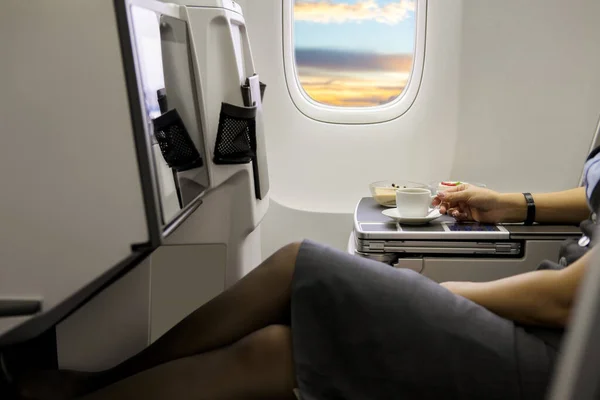
Generic seat advice fills travel websites and forums, recommending specific rows or positions as universally best. But every traveler has different priorities that should drive seat selection. Passengers who fall asleep easily might prioritize bathroom access over quiet location.
Those who struggle to sleep on planes need peaceful spots away from activity centers. Tall passengers absolutely require legroom, while shorter travelers might care more about seat width or access to overhead bins for keeping personal items nearby throughout the flight.
No single seat works perfectly for everyone. The mistake lies in following generic advice instead of identifying individual priorities, then selecting seats that align with those specific needs for that particular journey length and time of day.
Your Comfort Starts Before Boarding
The seat chosen during booking sets the foundation for the entire flight experience. Poor choices compound over hours in the air, turning manageable discomfort into genuine suffering that lingers even after landing.
More from Travel Pug

- Underrated Italian Towns That Beat the Tourist Crowds
- Las Vegas Tourist Traps to Skip
- Prettiest Towns in Every US State
- 18 passport-free countries for Americans
- Signs Your Cruise Is Not Worth The Cost
Like Travel Pug’s content? Follow us on MSN.