

The world’s most famous museums get the spotlight — the Louvre, the Smithsonian, the British Museum.
They’re grand, exhaustive, and often overwhelming.
But scattered across quieter streets and smaller towns are museums that pack just as much meaning into far less square footage.
These places don’t aim for encyclopedic breadth.
Instead, they zoom in on a single thread of history, a peculiar passion, or a community’s lived experience, and they tell that story with surprising depth and heart.
What makes a small museum memorable isn’t always the size of its collection.
It’s the intimacy, the specificity, the way a handful of objects can open up entire worlds.
Here’s a closer look at some of the most compelling small museums that prove scale isn’t everything.
The Tenement Museum
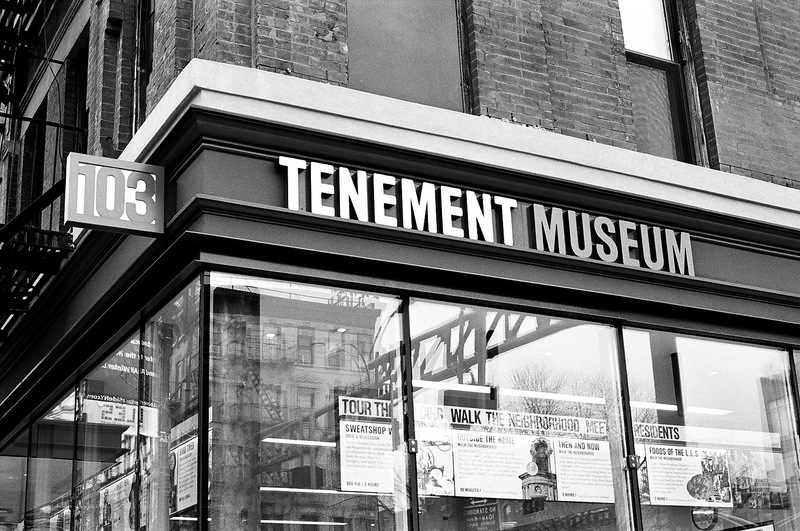
Tucked into Manhattan’s Lower East Side, the Tenement Museum occupies a five-story brick building that once housed immigrant families in cramped, dimly lit apartments.
Rather than display artifacts behind glass, the museum preserved the apartments themselves — peeling wallpaper, narrow hallways, cast-iron stoves — and reconstructed the lives of the people who lived there.
Visitors walk through the Gumpertz family’s 1878 home or the Rogarshevsky family’s 1918 apartment, learning about the rhythms of daily life for Jewish, Irish, Italian, and Chinese immigrants.
It’s history you can almost smell. The museum doesn’t romanticize tenement life; it shows the labor, the loss, the resilience.
And in doing so, it makes immigration feel less like a policy debate and more like a profoundly human experience.
The Mütter Museum
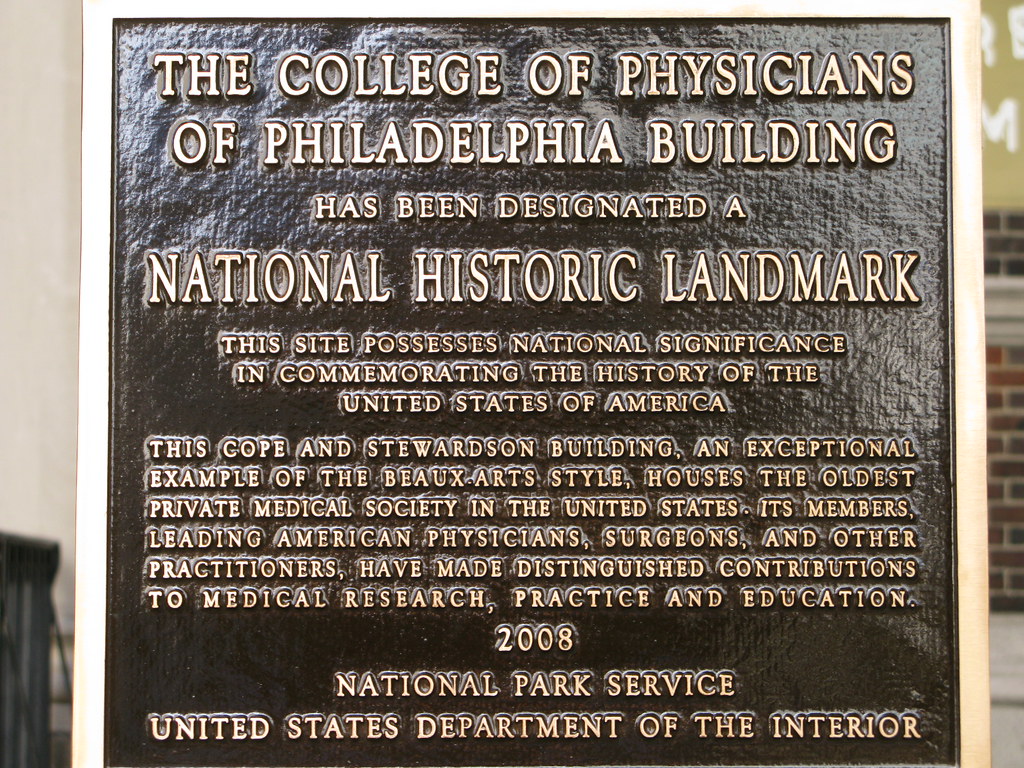
Philadelphia’s Mütter Museum isn’t for the squeamish, yet it’s one of the most thought-provoking medical collections in the country.
Originally assembled as a teaching tool for physicians in the 19th century, the museum now holds over 25,000 specimens — skulls, skeletal remains, preserved organs, wax models of skin conditions, and the conjoined liver of Chang and Eng Bunker, the original ‘Siamese twins.’
It sounds macabre, and visually, it often is.
But the Mütter invites reflection on the body’s fragility, the history of medicine, and the ethics of display.
What begins as curiosity often shifts into something quieter: empathy for the people behind the specimens, many of whom lived with conditions modern medicine now treats routinely.
It’s a reminder that progress comes with stories we shouldn’t forget.
The National Civil Rights Museum
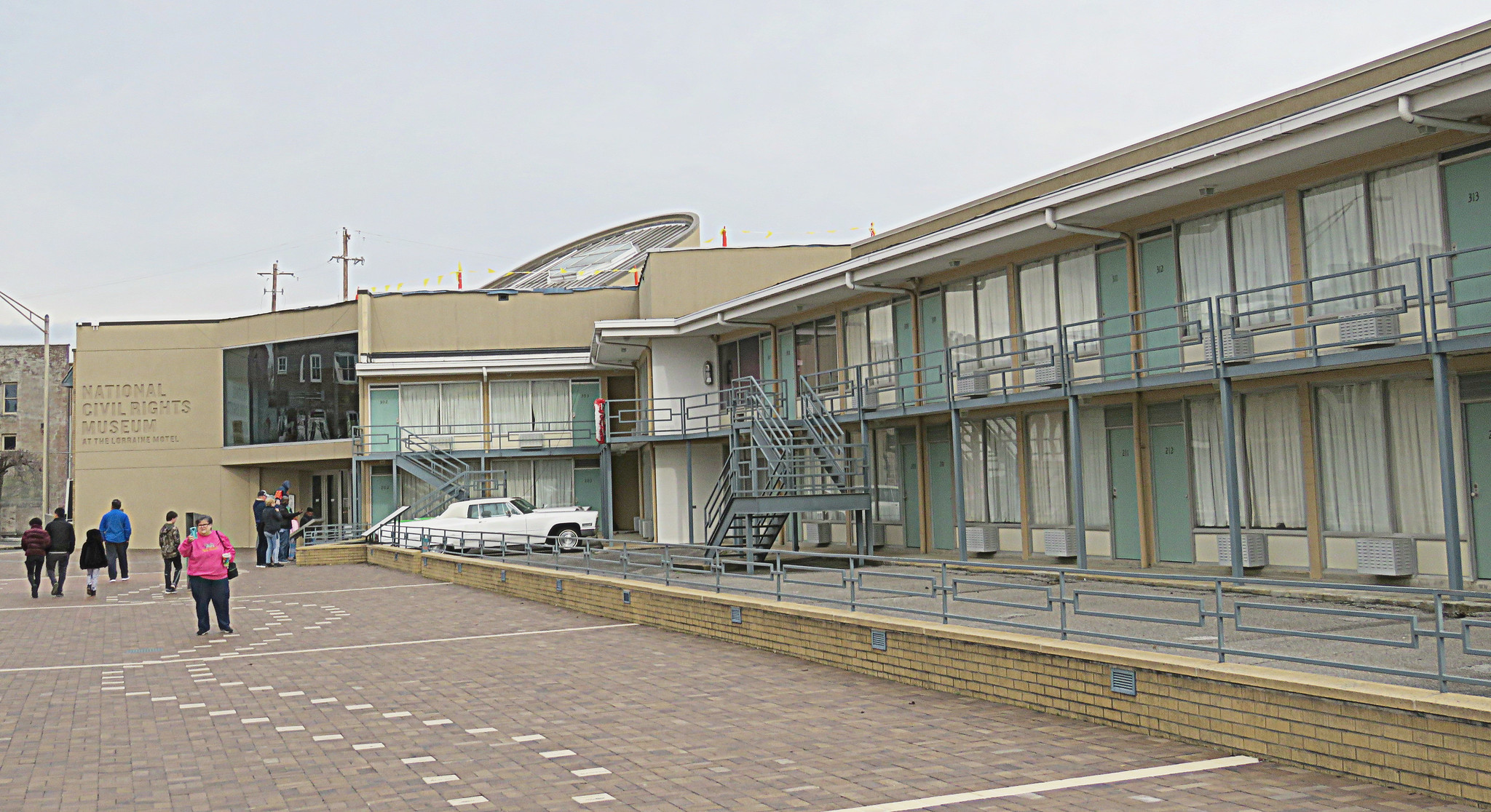
Built around the Lorraine Motel in Memphis — where Dr. Martin Luther King Jr. was assassinated in 1968 — this museum weaves a sprawling narrative of the American civil rights struggle into a compact, emotionally charged space.
The motel itself is preserved as it was, down to the green-and-white trim and the balcony where King stood.
But the museum extends far beyond that single moment, tracing the arc of resistance from slavery through Reconstruction, Jim Crow, the Montgomery Bus Boycott, Freedom Rides, and into contemporary movements.
Exhibits include Rosa Parks’ bus, lunch counter stools from sit-ins, and film footage of protests met with violence.
It’s a heavy visit, yet it’s also galvanizing.
The museum doesn’t let history sit comfortably in the past; it insists on connections to the present.
The International Banana Museum
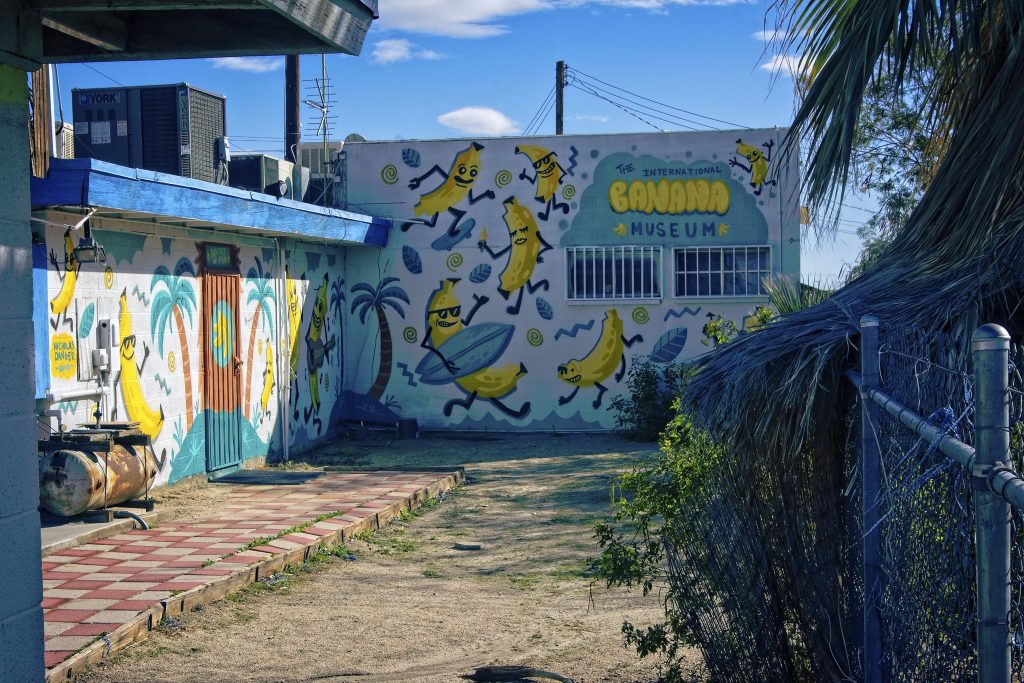
Not every small museum carries the weight of history — some are gloriously, unapologetically absurd.
The International Banana Museum in Southern California is one such place.
Founded by a man who simply loved bananas, the museum holds over 25,000 banana-related items: plush toys, lamps, costumes, records, kitchen gadgets, art, and tchotchkes that defy easy categorization.
It’s kitschy, sure, but there’s something quietly radical about dedicating an entire space to joy for its own sake.
Visitors often arrive skeptical and leave grinning.
In a world that takes itself very seriously, the Banana Museum is a reminder that sometimes, a museum’s biggest story is the permission it gives you to be delighted by something small.
The Museum of Jurassic Technology
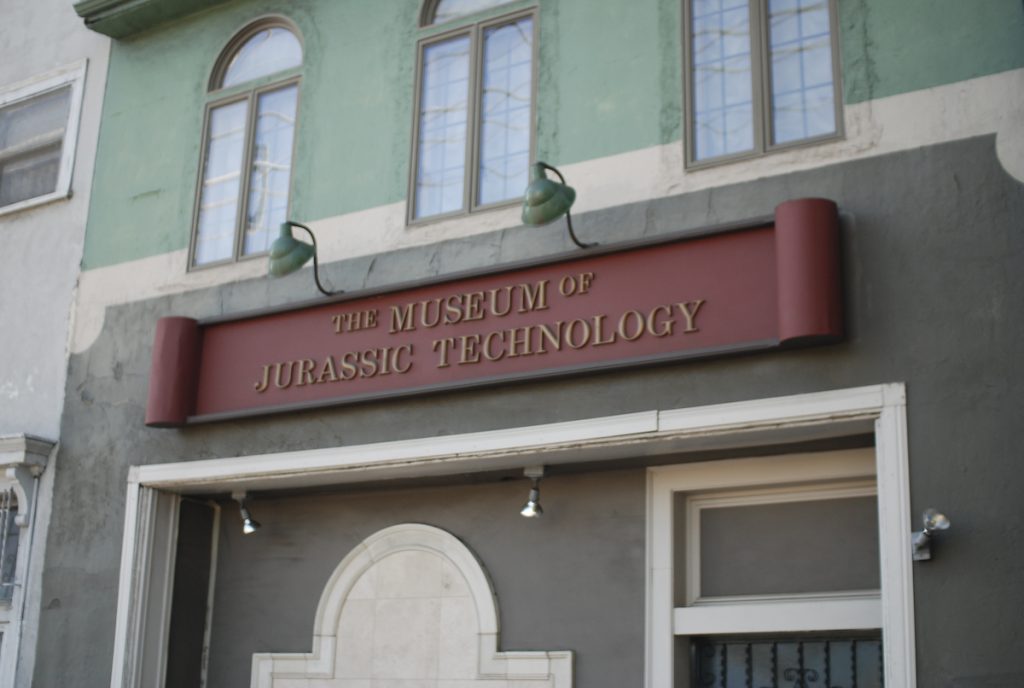
Los Angeles hides one of the strangest museums in America.
The Museum of Jurassic Technology presents itself as a cabinet of curiosities, but it’s never quite clear what’s real and what’s invention.
Exhibits include microscopic sculptures placed inside the eye of a needle, a collection of decaying dice, and the story of a trailer park resident who claimed to have trained bats to carry tiny bombs during World War II.
Some of the displays are meticulously researched.
Others are fictions presented with scholarly care.
The museum doesn’t clarify which is which, and that’s the point. It’s a meditation on belief, memory, and the slippery nature of truth.
You leave with more questions than you entered with, and that’s precisely what founder David Wilson intended.
Gee’s Bend Quilters Collective
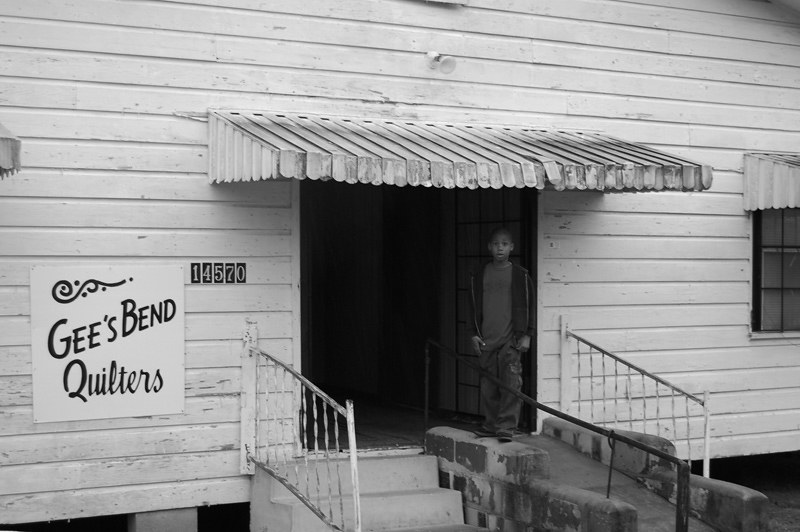
In a rural Alabama community called Gee’s Bend, generations of Black women have been making quilts that are now recognized as some of the most important works of American folk art.
The Gee’s Bend Quilters Collective operates a small museum and workshop space where visitors can see these bold, geometric quilts up close and meet the women who make them.
The patterns — often improvised, asymmetrical, and strikingly modern — reflect both African textile traditions and the resourcefulness required to make beauty from scraps.
For decades, these quilts were simply functional objects, used to keep families warm.
Now, they hang in the Smithsonian and the Museum of Fine Arts in Houston.
The collective’s museum tells that journey, but it also insists that the quilts never stopped being what they always were: expressions of creativity, kinship, and survival.
The House on the Rock
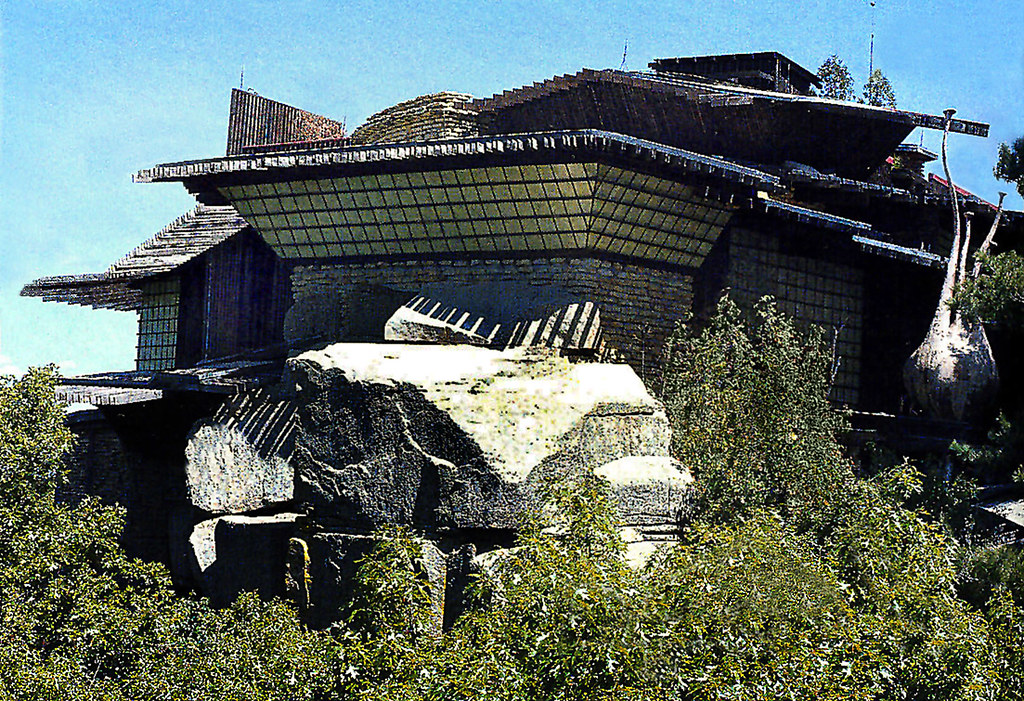
Wisconsin’s House on the Rock began as one man’s architectural folly and spiraled into a labyrinth of rooms filled with automated music machines, carousels, dollhouses, and a 200-foot sea creature suspended from the ceiling.
It’s part roadside attraction, part fever dream. Visitors wander through dimly lit galleries crammed with collections that seem to follow no logic: model ships, weaponry, chandeliers, a replica of the crown jewels.
The house itself perches on a rock outcropping, cantilevered over a valley, and feels less like a museum than a monument to obsession.
Yet there’s something undeniably compelling about it — the sheer audacity of the vision, the refusal to edit, the sense that you’ve stumbled into someone else’s mind.
It’s bizarre, overwhelming, and oddly moving.
The Japanese American National Museum

Located in Los Angeles’ Little Tokyo, the Japanese American National Museum occupies a former Buddhist temple and tells the story of Japanese immigration to the U.S., with a particular focus on the internment camps of World War II.
The museum’s permanent exhibit includes artifacts from the camps — suitcases families were allowed to bring, handmade furniture, letters written under censorship — as well as oral histories and photographs.
One of the most affecting pieces is a re-creation of a barracks room, sparse and cold, where entire families lived for years.
The museum doesn’t shy away from anger or grief, yet it also highlights resistance, creativity, and the rebuilding that followed.
It’s a small institution, but it carries the weight of a national reckoning.
The Museum of Bad Art
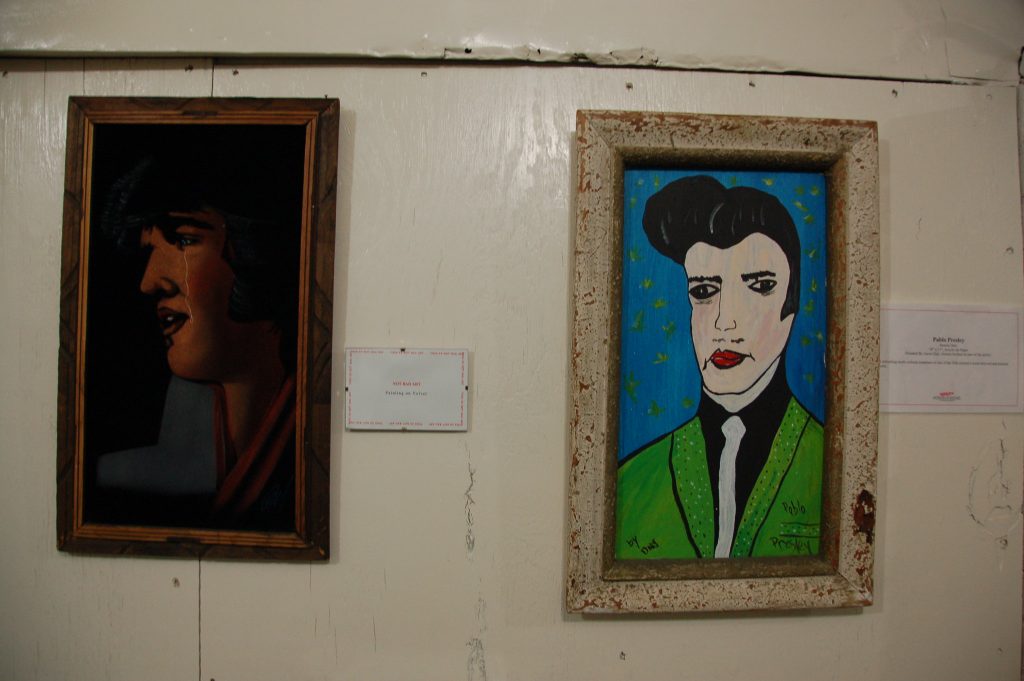
Sometimes, a museum’s story is in its premise.
The Museum of Bad Art, which rotates locations in the Boston area, is dedicated to art that’s too bad to be ignored.
The collection includes paintings with anatomical impossibilities, baffling color choices, and subjects that seem to exist in a universe of their own.
But the museum’s curators treat every piece with genuine respect, writing thoughtful descriptions and considering what makes something ‘bad’ in the first place.
Is it lack of skill, or just a vision that didn’t quite land? The museum is funny, yes, but it’s also oddly generous.
It suggests that art doesn’t have to be good to be worth looking at, and that failure can be just as interesting as success.
The Glore Psychiatric Museum
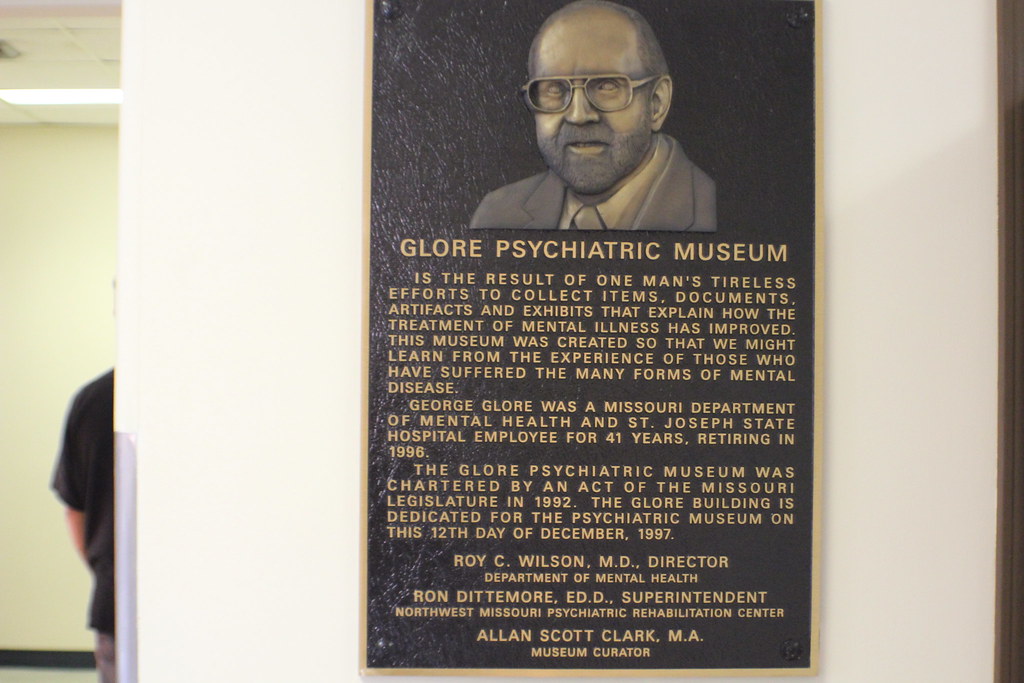
Housed in a former state hospital in St. Joseph, Missouri, the Glore Psychiatric Museum documents the history of mental health treatment with unflinching honesty.
Exhibits include replicas of early ‘therapies’ — the tranquilizer chair, the bath of surprise, lobotomy instruments — as well as patient artwork, personal belongings, and case histories.
It’s a difficult visit, confronting viewers with the cruelty that once passed for care.
Yet the museum also traces progress: the shift toward patient rights, the development of psychiatric medications, the slow recognition that mental illness deserves compassion, not punishment.
It’s not a large space, but it asks large questions about how societies treat their most vulnerable members.
The Spam Museum
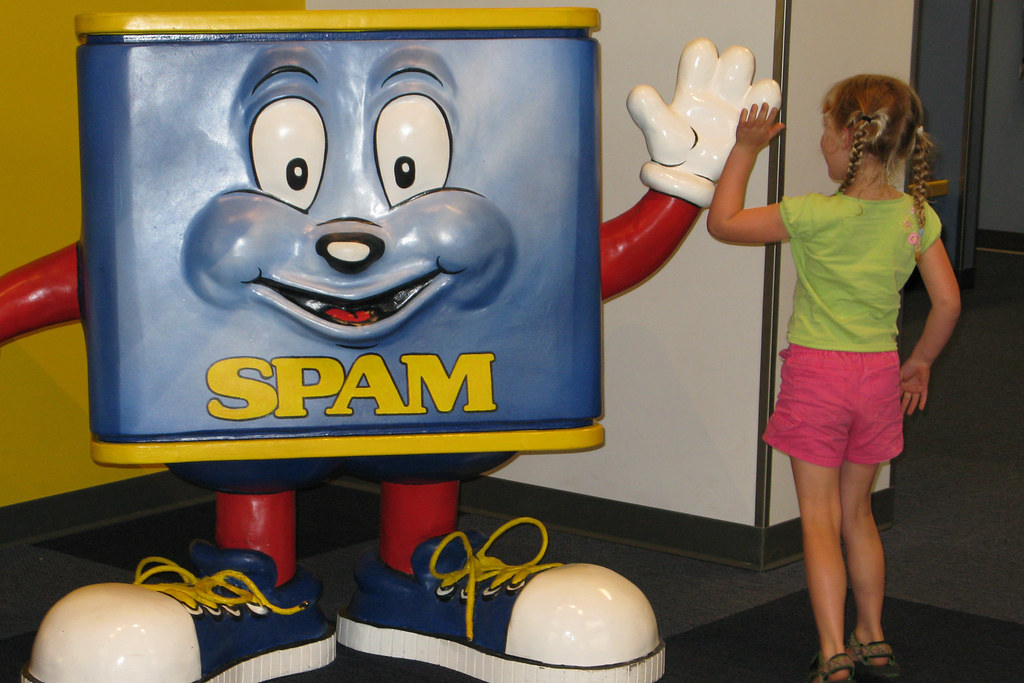
Austin, Minnesota, is home to the Hormel Foods plant that produces Spam, and it’s also home to a museum dedicated entirely to the canned meat product.
The Spam Museum is brighter and more sophisticated than you’d expect, with interactive exhibits on the product’s history, its role in feeding soldiers during World War II, and its surprising cultural footprint in places like Hawaii and South Korea.
There’s a section on Spam’s appearances in pop culture, a wall of Spam varieties from around the world, and a gift shop that’s equal parts earnest and tongue-in-cheek.
It’s corporate, sure, but it’s also genuinely informative.
And it reminds visitors that even the most mundane objects have stories worth telling.
The National Mustard Museum
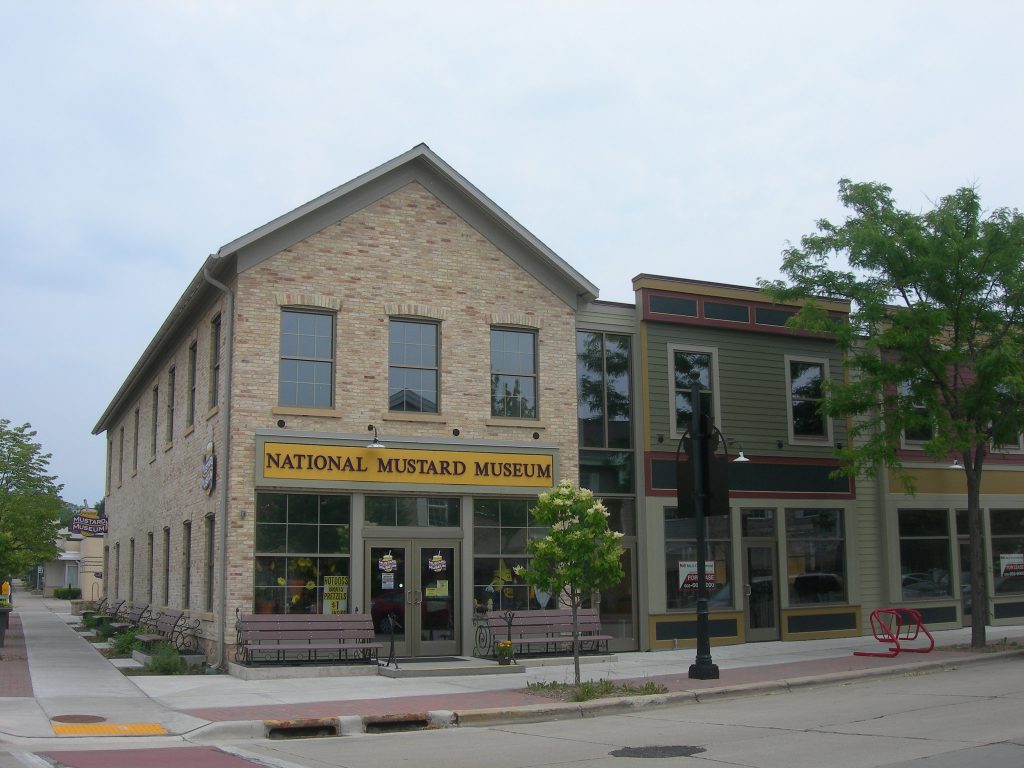
Middleton, Wisconsin, hosts the National Mustard Museum, which began as a lawyer’s personal collection and grew into a 6,000-jar archive of mustard from every corner of the planet.
The museum is playful — there’s a vintage mustard ad collection, a tasting bar, and staff members who take their condiment expertise seriously without pretension.
But it’s also a lens into agricultural history, trade routes, and regional flavor profiles.
Why does Dijon mustard taste different from yellow ballpark mustard? What makes a Carolina mustard barbecue sauce distinct? The museum answers these questions with enthusiasm and depth.
It’s small, specific, and unashamedly nerdy in the best possible way.
The Neon Museum

Las Vegas is famous for its glitz, but much of that glitter eventually ends up at the Neon Museum, a two-acre outdoor collection of retired casino signs.
The ‘Boneyard’ — as the main exhibit is called — holds towering neon letters, vintage marquees, and glowing figures that once beckoned gamblers and dreamers down the Strip.
Some signs are restored to working condition; others are left as they were found, rusted and cracked.
Walking among them feels like wandering through a graveyard for American optimism, a place where ambition and kitsch collide.
The museum doesn’t just preserve signs; it preserves the stories of the businesses, the designers, and the city’s constant reinvention.
It’s a reminder that even the ephemeral can be worth saving.
The Newseum (formerly)
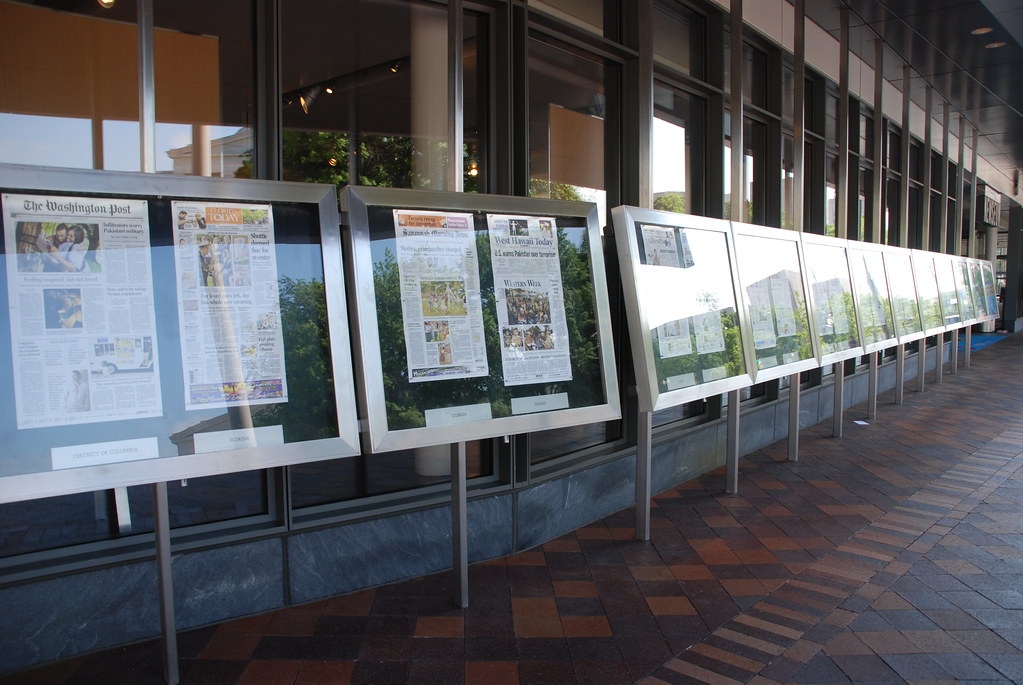
Though the Newseum in Washington, D.C., closed in 2019, its impact as a small-scale institution (relative to the Smithsonians nearby) was enormous.
It chronicled the history of journalism through Pulitzer Prize-winning photographs, front pages from historic events, and exhibits on press freedom around the world.
One of its most moving displays was a gallery of journalists killed in the line of duty, updated annually.
The museum made the case that a free press isn’t just important — it’s essential, fragile, and often dangerous.
Even in its closure, the Newseum’s story underscores a larger truth: institutions that defend democratic values don’t always survive, but the need for them doesn’t go away.
The Velveteria
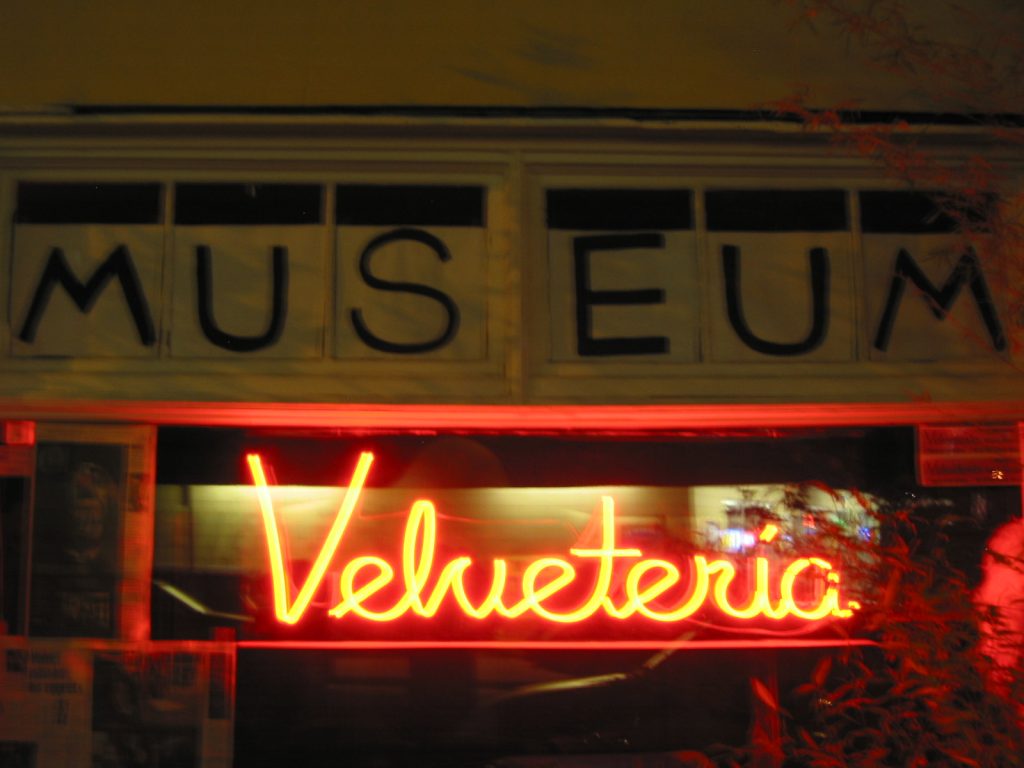
Portland, Oregon (and previously Los Angeles), is home to the Velveteria, a museum dedicated entirely to velvet paintings.
Think Elvis, clowns, unicorns, landscapes, and religious iconography rendered in rich, tactile brushstrokes on black velvet.
The collection is vast, strange, and oddly beautiful.
Velvet paintings are often dismissed as kitsch or low art, yet the museum treats them as legitimate folk expression — which they are.
Many were created by Mexican and Latinx artists working in border towns, sold to tourists, and later discarded.
The Velveteria rescues them, celebrates them, and invites viewers to reconsider what deserves a place on a gallery wall.
Why Scale Doesn’t Equal Significance
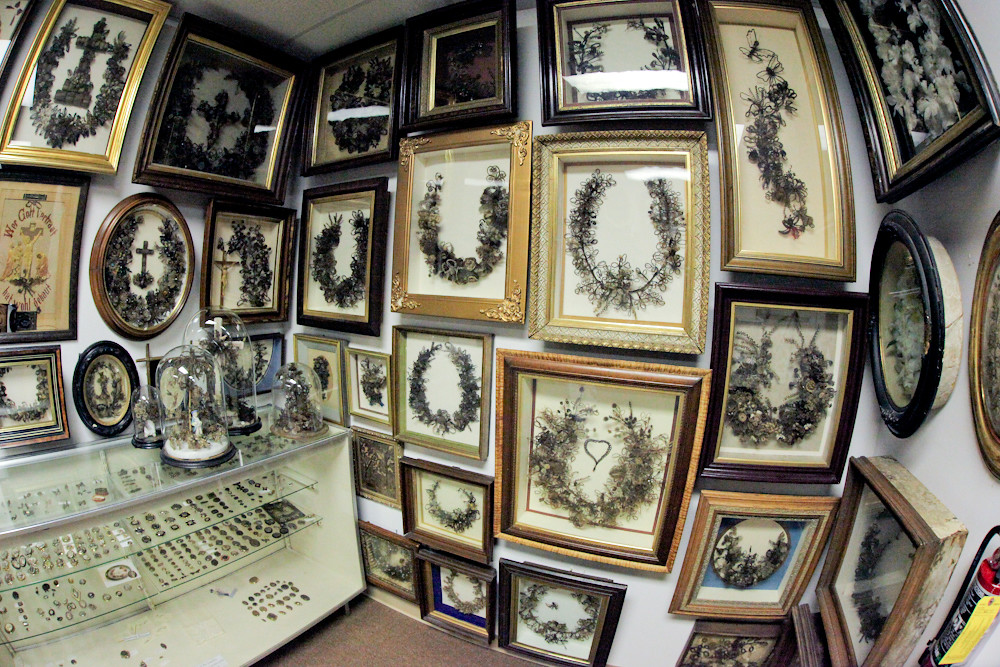
Big museums have their place, but they can’t do what small museums do: tell one story well, hold space for the overlooked, or invite visitors into something personal and strange.
These institutions thrive on specificity.
They’re often labors of love, underfunded and understaffed, yet they manage to create experiences that feel urgent and alive.
Whether documenting trauma, celebrating the absurd, or preserving what others have thrown away, small museums remind us that history isn’t just made by kings and conquerors.
It’s made by immigrants, artists, collectors, and communities who insist their stories matter.
And they’re right.
More from Travel Pug

- Underrated Italian Towns That Beat the Tourist Crowds
- Las Vegas Tourist Traps to Skip
- Prettiest Towns in Every US State
- 18 passport-free countries for Americans
- Signs Your Cruise Is Not Worth The Cost
Like Travel Pug’s content? Follow us on MSN.