

The Arctic Circle cuts across eight countries at roughly 66° north latitude.
Everything above that line offers midnight sun in summer, polar night in winter, and landscapes that feel like they belong on another planet.
Most people assume the Arctic is one vast frozen wasteland — it’s not.
Norway’s side has accessible towns with proper infrastructure.
Greenland offers the biggest icebergs anywhere.
Canada’s territories deliver complete isolation and an indigenous culture.
Russia’s archipelagos remain genuinely remote.
Picking a destination depends on what matters most.
Wildlife? Svalbard delivers polar bears.
Northern lights? Head to Tromsø or Fairbanks.
History buffs gravitate toward sites from failed expeditions.
Some travelers want comfort and accessibility while others chase genuine wilderness.
The Arctic accommodates all of it, but each region offers something distinct.
Here’s where to point the compass.
Svalbard sits closest to the North Pole
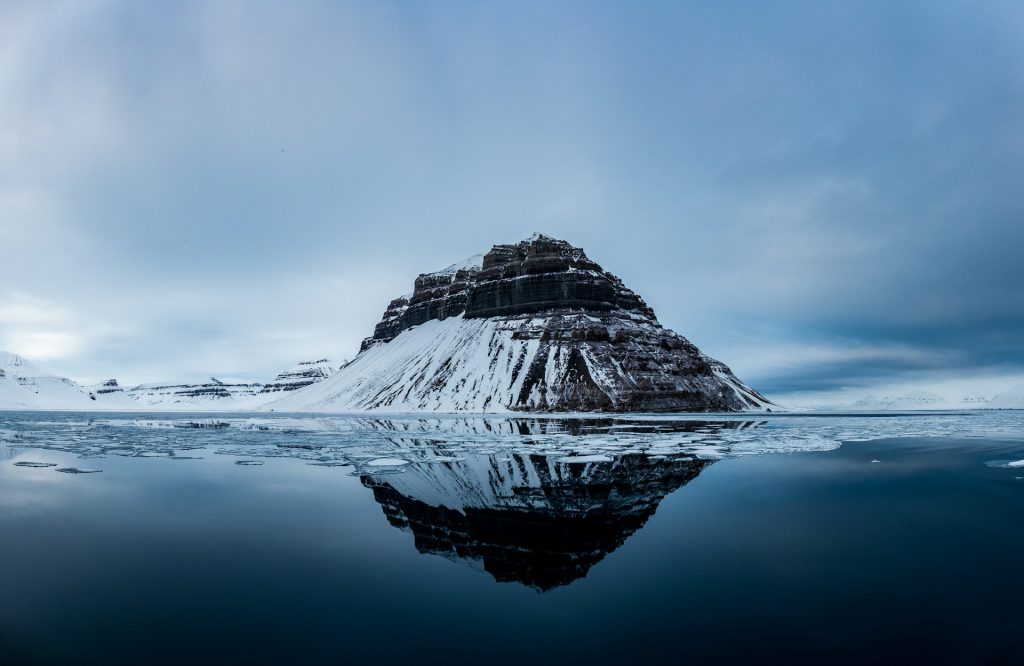
Svalbard, Norway’s Arctic archipelago, lies just 600 miles from the North Pole and well inside the Arctic Circle.
The population of around 2,552 people is outnumbered by roughly 3,000 polar bears in the Svalbard and Barents Sea region.
That ratio alone makes it compelling.
Spitsbergen is the biggest island in the archipelago, with Longyearbyen serving as the main settlement and airport hub.
Regular commercial flights from Oslo make it surprisingly accessible for somewhere so remote.
The town itself sits surrounded by snow-covered peaks, glaciers, and sea ice-filled fjords.
Polar bears can appear anywhere, anytime — even near settlements — which is why it’s illegal to leave town without proper firearms and training.
Summer brings 24/7 daylight from April 20 to August 22, making it the best time for polar bear viewing as the animals move to islands searching for food when sea ice melts.
The majority of polar bear sightings happen away from human settlements, particularly in the north and east of Svalbard along the sea ice edge.
Expedition cruises on small ships offer the safest way to see them, navigating fjords and glacial fronts where the bears hunt seals.
The archipelago offers more than just polar bears.
Walruses haul out on beaches.
Arctic foxes dart across tundra.
Reindeer wander freely.
Bird cliffs host thousands of guillemots.
The landscape itself — massive glaciers calving into fjords, pack ice extending toward the pole — creates scenery that’s hard to match anywhere else.
Greenland delivers the biggest ice
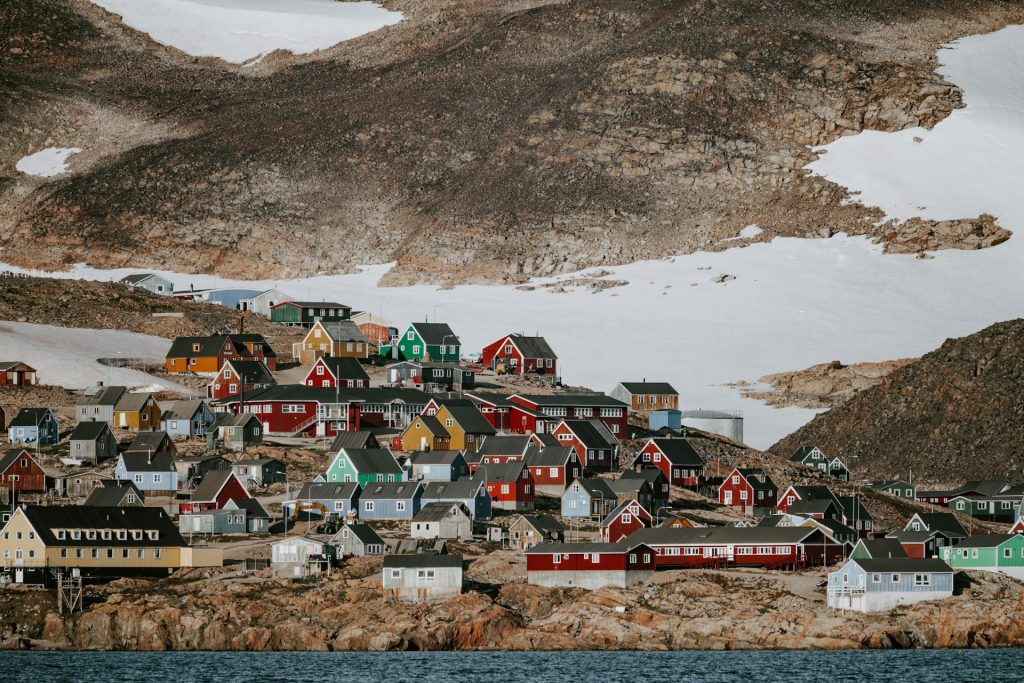
Greenland draws travelers with its spectacular fjords, massive glaciers, towering icebergs, and the opportunity to meet indigenous communities who still call this island home.
The scale of everything here exceeds what most people imagine.
Icebergs the size of apartment buildings drift through fjords.
The ice sheet covering most of the island stretches over 660,000 square miles.
Tasiilaq sits 66 miles south of the Arctic Circle but experiences polar climate due to proximity to the Greenland ice sheet, with winter temperatures much lower than Svalbard despite being further south.
The town, framed by mountains, ranks among the most visually stunning settlements anywhere.
Heavy sea ice blocks access during winter and spring, making icebreaker cruises necessary for early season visits.
East Greenland remains more isolated than the west coast, offering better chances at spotting polar bears and experiencing truly remote landscapes.
Scoresbysund, the world’s largest fjord system, provides breathtaking scenery and wildlife opportunities without the crowds.
The autumn tundra explodes in colors while icebergs drift past in shades of blue impossible to describe accurately.
Unlike many Arctic regions, Greenland has been settled for a long time, meaning much wildlife was hunted out.
Travelers come for the landscapes and cultural encounters more than animal viewing.
Indigenous communities maintain traditional practices — hunting, fishing, building kayaks — while adapting to modern realities.
The blend of ancient and contemporary creates fascinating cultural experiences.
Norway’s Lofoten Islands offer accessible beauty
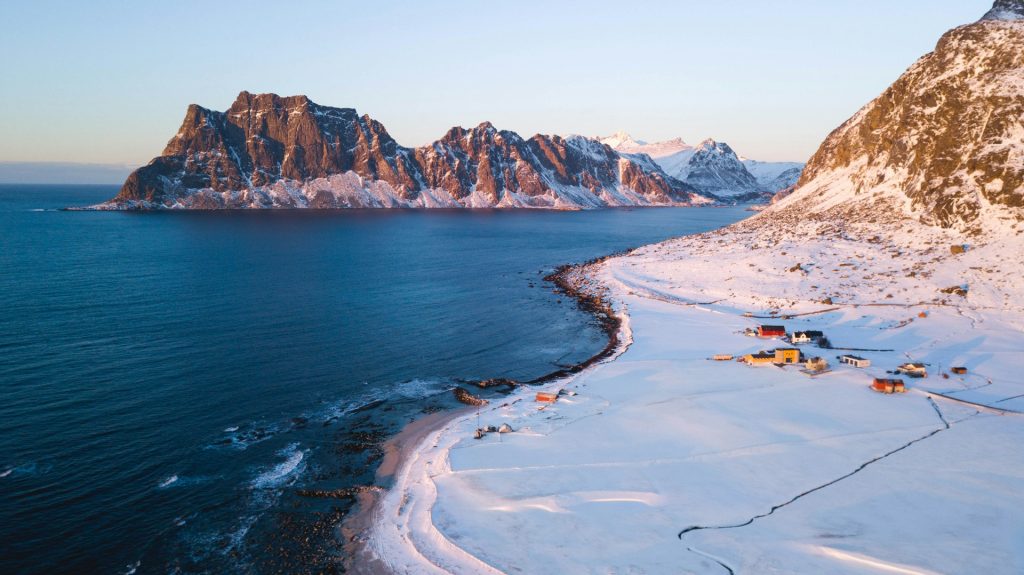
The Lofoten Islands provide perhaps the best road trip anywhere in Scandinavia, with the E10 winding along coastal roads past jagged peaks rising from the sea and scenic bridges linking islands.
The journey from Narvik takes roughly four to five hours depending on pace and destination.
Traditional fishing villages like Nusfjord and Reine showcase red fishing huts called rorbuer nestled along rugged shores.
Reine draws crowds because ferries run directly there, but most visitors never bother renting a car to explore the full island chain.
That’s their loss.
The best spots sit off the main route — beaches like Kvalvika and Rørvikstranda, hidden coves, isolated stretches of coastline.
Summer brings midnight sun while winter transforms the islands into a snow-covered wonderland with northern lights dancing overhead.
The dramatic landscape makes it popular with photographers chasing that perfect shot of peaks reflected in still waters or aurora streaking across dark skies.
The accessibility sets Lofoten apart from more remote Arctic destinations — no expedition cruise required, just a rental car and willingness to drive.
Tromsø balances culture with location
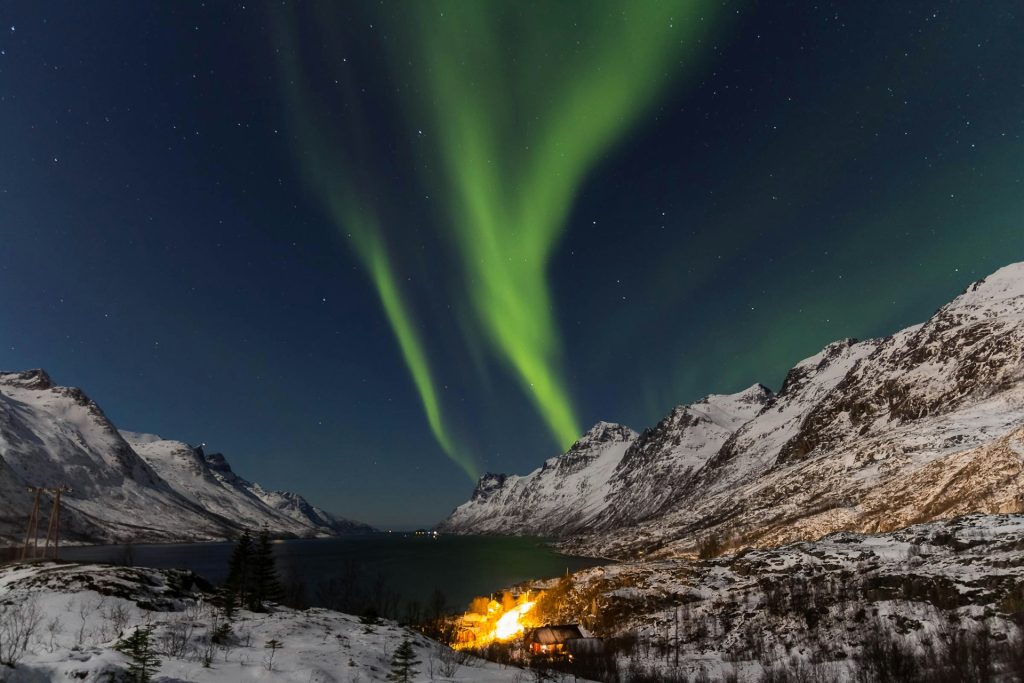
Tromsø might not offer landscapes as stunning as Lofoten, but it excels in Arctic exploration history and Sámi culture alongside regular tourist activities.
The city bills itself as the gateway to the Arctic, and it’s earned that title.
Museums dedicated to polar exploration tell stories of Amundsen and other legendary explorers.
The Arctic Cathedral’s architecture mirrors ice formations and northern lights.
The city sits at 69 degrees north, well inside the Arctic Circle, making it ideal for winter aurora viewing.
Dark skies from November through January provide prime conditions.
Summer flips the script with midnight sun from mid-May through July.
The extended daylight hours feel disorienting at first — eating dinner at 11 p.m. while sun streams through windows takes adjustment.
Tromsø offers easier logistics than more remote destinations.
International airport, proper hotels, restaurants, rental cars — all the infrastructure travelers expect.
Day trips reach surrounding fjords and mountains for hiking, kayaking, or wildlife watching.
Winter activities include dog sledding, snowmobiling, and whale watching tours. It works well as a base for exploring northern Norway without full expedition mode.
Canadian Arctic delivers genuine isolation
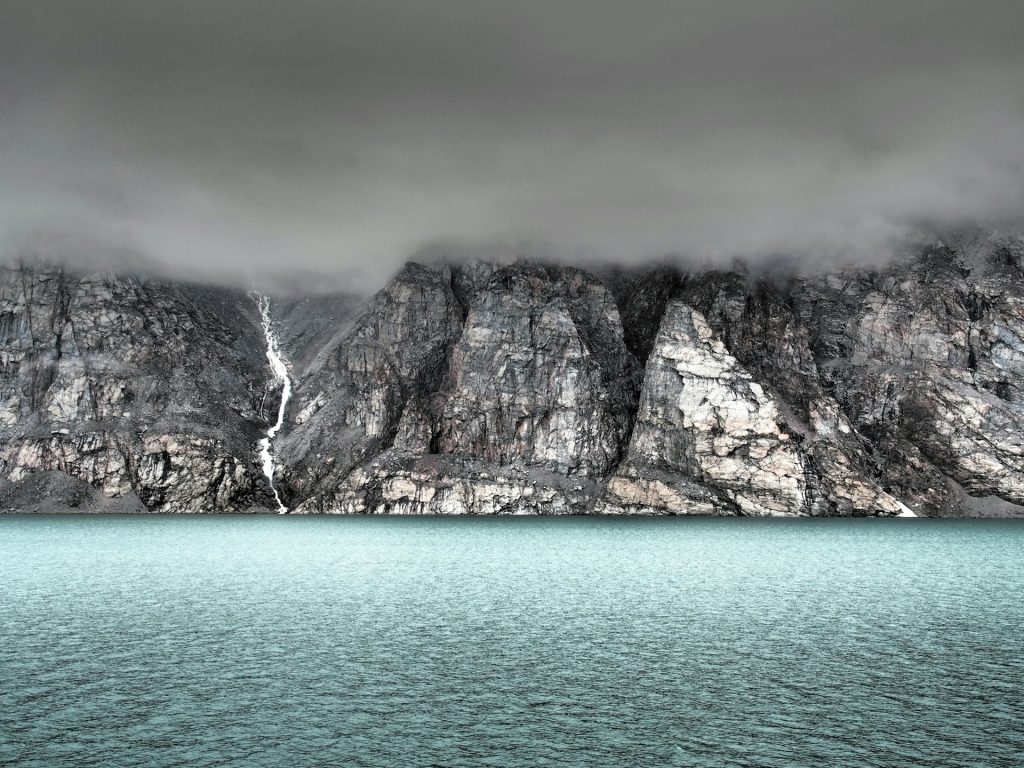
Baffin Island, the largest island in Canada and fifth largest worldwide, sits in Nunavut territory known for rugged terrain, pristine lakes and rivers, glaciers, fjords, and towering peaks popular with mountaineers and ice climbers.
Nunavut covers territories on the Canadian mainland plus numerous islands, offering endless tundra wilderness and unique Arctic flora flourishing on permafrost.
Iqaluit, the capital and largest city of Nunavut, provides access to breathtaking landscapes and rich Inuit culture.
The Nunatta Sunakkutaangit Museum displays artifacts, traditional clothing, and cultural treasures while city tours showcase Inuit sculptures and murals.
After exploring museums, visitors can hike Sylvia Grinnell Territorial Park, kayak Frobisher Bay, or arrange dog sledding excursions.
Iqaluit offers front-row seats to the northern lights from late August through April, with little light pollution providing ideal viewing conditions.
May and June bring narwhals to northern regions of Baffin Island — these unicorns of the sea gliding through icy waters create unforgettable wildlife encounters.
The Northwest Passage represents Arctic exploration’s holy grail.
This sea route connecting the Pacific and Arctic Oceans through the Canadian Arctic Archipelago offers incredible opportunities to view massive icebergs, visit High Arctic towns, observe wildlife, and watch for northern lights, though full transits require long and expensive cruises.
Following the path of doomed explorers like Franklin adds historical weight to the journey.
Churchill watches polar bears migrate

Churchill, Manitoba sits on Hudson Bay shores and becomes one of the best places worldwide to see polar bears for a few weeks each year during October and November.
Sightings are nearly guaranteed during this window, with over forty individual bears spotted in a single day.
The bears gather along the coast waiting for Hudson Bay to freeze solid, which allows them to head onto sea ice for seal hunting.
The congregation creates a temporary hotspot for viewing.
Tundra buggies — specialized vehicles with enormous tires — take visitors out among the bears safely.
The proximity feels surreal compared to spotting distant white dots through binoculars.
Other times of year offer countless beluga whales, and winter brings dramatic northern lights displays.
Summer provides opportunities for kayaking among belugas in warmer months.
The town built its entire economy around wildlife tourism, with infrastructure specifically designed for polar bear season.
Russian Arctic remains genuinely remote
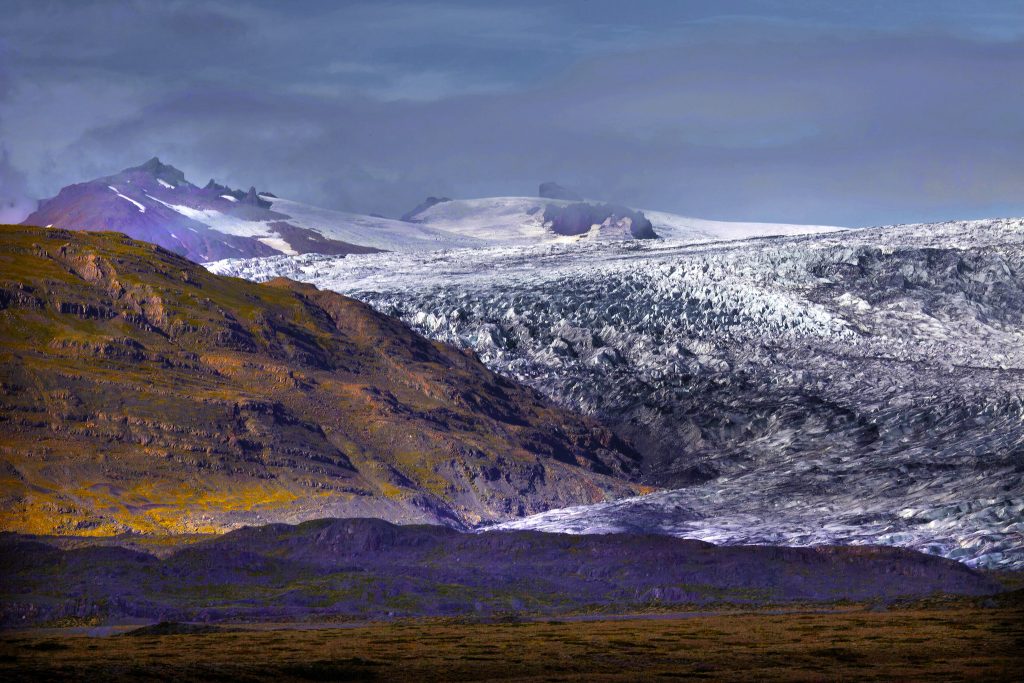
Remote Russian archipelagos including Novaya Zemlya, Franz Josef Land, and seldom-visited Severnaya Zemlya top lists of true Arctic wilderness destinations.
For seasoned travelers seeking truly remote destinations, the Russian Arctic offers largely ignored regions at the top of the world that opened up after the Soviet Union’s dismantling.
Late summer allows access to Wrangel Island when pack ice retreats north — one of the Arctic’s most important polar bear denning sites, where sightings in significant numbers are almost guaranteed.
The island’s isolation preserved unique ecosystems and wildlife populations found nowhere else.
Visiting Russian Arctic regions requires expedition cruises since infrastructure barely exists.
Travelers can visit abandoned huts of early explorers preserved in the harsh conditions.
The history of Russian polar exploration runs deep, and physical remnants remain scattered across islands.
It’s expeditionary cruising in its purest form — genuine exploration with uncertain outcomes.
Iceland straddles the edge
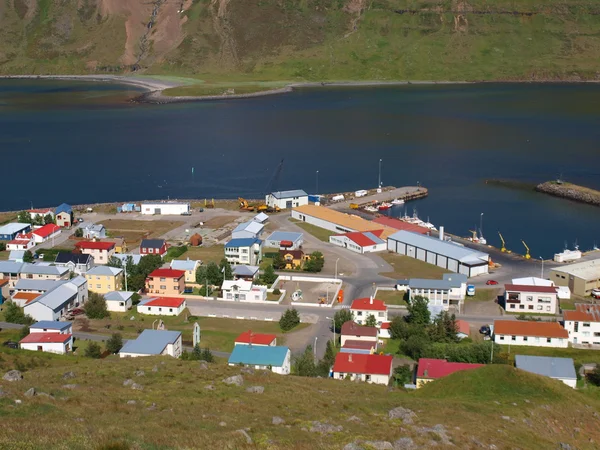
Iceland’s mainland sits just south of the Arctic Circle, but one location officially crosses the line — Grimsey, a tiny island 40 kilometers off the north coast.
Over 100,000 Atlantic Puffins nest on sea cliffs between April and August, making it one of the best places in the Arctic to see puffins.
Iceland’s dramatic volcanic and geologically active landscape exemplifies what many picture when hearing ‘Arctic,’ with numerous glaciers shaping utterly unique and breathtakingly beautiful scenery.
That dramatic terrain enables active adventures — hut-to-hut treks, self-drive programs, mountain biking tours exploring epic peaks, waterfalls, and volcanic plains.
Iceland is much easier to reach than many Arctic regions, with relatively affordable flights from the eastern United States to Reykjavik.
It’s not the main destination for traditional high Arctic culture or wildlife, but natural beauty and active adventure opportunities make it popular.
The accessibility combined with stunning landscapes creates an entry point for travelers testing whether Arctic environments appeal before committing to more remote destinations.
What still draws people north

The Arctic remains one of Earth’s least-visited regions despite growing tourism.
Eight countries claim territory above the Arctic Circle, each offering distinct experiences shaped by geography, culture, and wildlife.
Accessibility ranges from direct flights into Longyearbyen to multi-week expedition cruises reaching Russian archipelagos.
What keeps drawing travelers isn’t comfort or convenience.
It’s landscapes that photographs can’t capture accurately. Icebergs are bigger than buildings.
Polar bears hunting seals on pack ice.
Northern lights pulsing across dark skies. Midnight sun creates 24-hour days.
Indigenous communities maintain traditions thousands of years old. The silence of places humans rarely reach.
Climate change threatens all of it.
Sea ice retreats earlier each summer.
Glaciers shrink.
Polar bear populations struggle.
The greatest threat facing polar bears is climate change caused by human activity.
Visiting the Arctic means witnessing both incredible beauty and visible signs of warming.
That combination makes the experience unforgettable in ways conventional destinations never match.
More from Travel Pug

- Underrated Italian Towns That Beat the Tourist Crowds
- Las Vegas Tourist Traps to Skip
- Prettiest Towns in Every US State
- 18 passport-free countries for Americans
- Signs Your Cruise Is Not Worth The Cost
Like Travel Pug’s content? Follow us on MSN.