

The days of unlimited, unthrottled internet at sea are officially behind us. Major cruise lines have quietly rolled out new restrictions that fundamentally change how passengers stay connected during their vacations.
These aren’t minor tweaks to existing policies — they represent a complete overhaul of onboard connectivity that affects everything from video calls home to basic web browsing.
The changes have caught many seasoned cruisers off guard, particularly those who’ve grown accustomed to treating ship Wi-Fi like their home internet. What worked on your last cruise probably won’t work the same way on your next one.
Understanding these new limitations before you sail can mean the difference between staying connected and facing days of digital frustration.
Data caps are now the standard
Most cruise lines have moved to tiered data packages with hard limits. Royal Caribbean’s basic plan caps you at 100MB per day.
Norwegian’s entry-level package stops at 150MB. These numbers sound reasonable until you realize a single video call can burn through 50MB in minutes.
The caps reset daily, but unused data doesn’t roll over. Use 50MB on Monday and you don’t get 150MB on Tuesday — you’re back to your daily allowance.
Streaming services face heavy restrictions

You can’t just fire up Netflix anymore and expect it to work (even if the cruise line’s promotional materials show families gathered around tablets watching movies together, which feels like a deliberate misdirection at this point). Most streaming platforms are either completely blocked or so heavily throttled that they become unusable.
And even when streaming technically works, it devours your daily data allowance faster than you’d think possible — a single episode of a standard TV show can easily consume 200–300MB, which means you’d blow through most plans before the opening credits finish rolling.
But here’s where it gets particularly frustrating: the cruise lines aren’t always transparent about which services are blocked until you’re already at sea and trying to use them. YouTube might work but buffer endlessly, Spotify might load your playlists but refuse to play songs, and Disney+ might let you browse titles but fail every time you actually try to watch something.
Video calling gets complicated

Skype, FaceTime, and WhatsApp video calls are technically allowed on most ships, but the experience ranges from frustrating to impossible. The bandwidth allocated to individual users simply can’t handle smooth video transmission.
Even voice-only calls suffer from significant delays and dropouts. That bedtime story for your kids back home becomes an exercise in patience when every third word cuts out.
Peak hours slow everything down

Internet speeds plummet between 7 PM and 11 PM when everyone retreats to their cabins and connects simultaneously. What takes 30 seconds to load during the day can take several minutes during peak usage hours.
Some cruise lines have started implementing “fair use” policies that further throttle heavy users during these congested periods. The more you’ve used during the day, the slower your connection becomes in the evening.
Device limits hit families hard

Like a household trying to share a single newspaper, families quickly discover that cruise Wi-Fi packages now limit the number of devices that can connect simultaneously. Most plans cap you at 2–3 devices, which sounds reasonable until you consider that a family of four might travel with two phones, two tablets, and a laptop.
Someone’s always getting left out of the digital loop.
The authentication process doesn’t make switching between devices easy either — logging out of one device to connect another often involves hunting down customer service or navigating buried settings menus that seem designed to discourage the practice. And some devices (particularly older tablets or e-readers) struggle to maintain stable connections even when they’re technically allowed on the network.
Premium packages aren’t premium enough

The highest-tier Wi-Fi plans promise “high-speed” connectivity, but high-speed at sea means something different than high-speed on land. Premium packages typically offer speeds comparable to basic home broadband from 2010.
These top-tier plans cost between $30–$50 per day per device. For a week-long cruise, you’re looking at $200–$350 just for internet access that still won’t reliably support video streaming or large file downloads.
Email works but barely

Basic email functionality remains intact across all Wi-Fi tiers, but attachments larger than 2–3MB regularly fail to send or receive. Those vacation photos you want to share with family back home need to be compressed or sent one at a time.
Cloud services like Google Drive or Dropbox technically function but sync so slowly that they’re practically useless for anything beyond the smallest files.
Social media becomes a waiting game
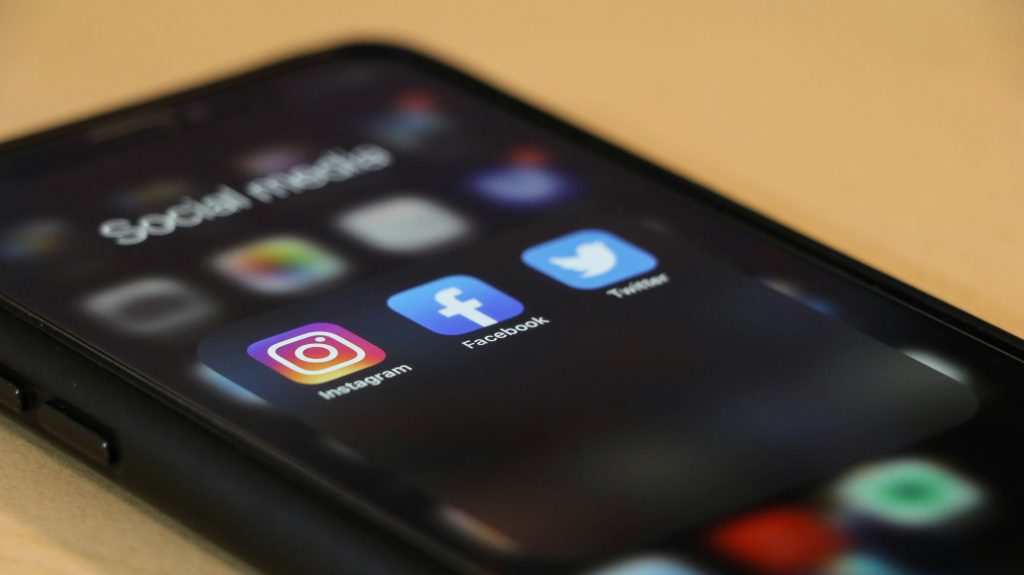
Instagram, Facebook, and Twitter load their text content reasonably well, but images and videos take forever to appear. Posting your own photos becomes an exercise in patience — uploads that would take seconds on land can take several minutes at sea.
Stories and reels basically don’t work at all on most ships. The platform might let you record them, but actually posting video content to social media ranges from difficult to impossible.
Work expectations need adjustment

Remote work during a cruise has become significantly more challenging under the new restrictions. Video conferences are essentially impossible, large file transfers won’t complete, and even basic tasks like accessing cloud-based documents can test your patience.
If you absolutely must work while cruising, plan to rely heavily on offline applications and accept that your productivity will be a fraction of what it would be on land.
App updates create problems

Your phone’s automatic app updates can silently consume your entire daily data allowance. A single iOS or Android system update can easily burn through 500MB–1GB of data, which exceeds most cruise Wi-Fi plans.
Turning off automatic updates before boarding isn’t just recommended — it’s essential. Otherwise, you might wake up to find your data allowance completely depleted by overnight downloads you never requested.
Alternative communication methods gain importance
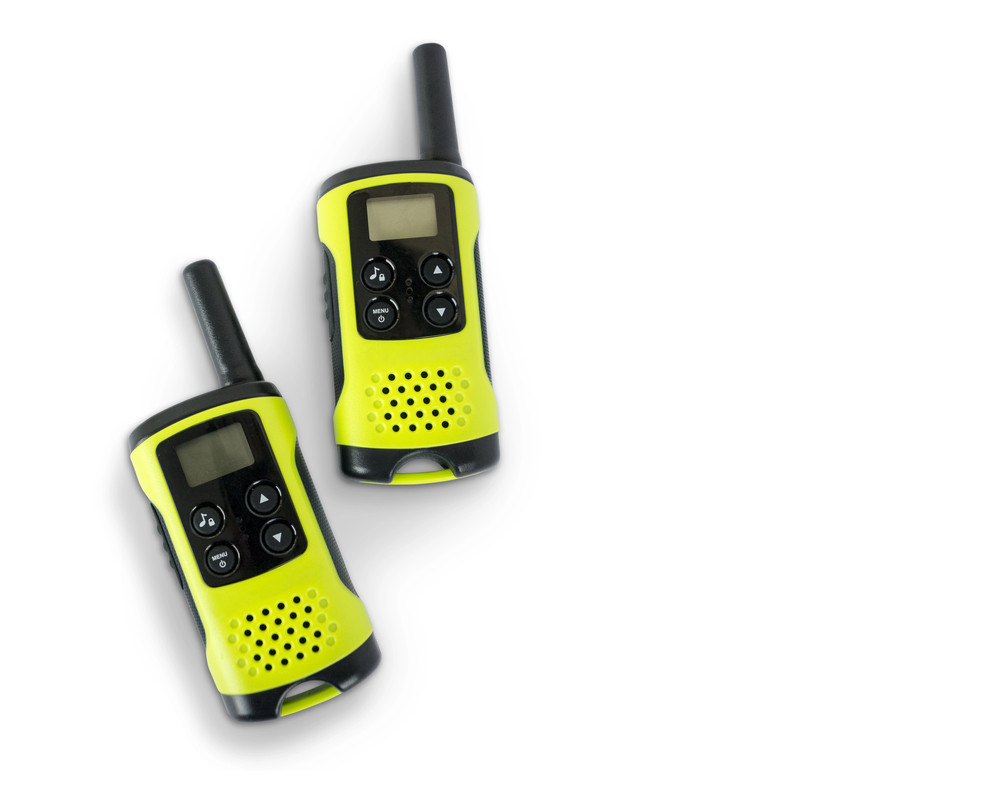
Traditional ship-to-shore communication options like satellite phones have become more relevant as Wi-Fi limitations make internet-based communication unreliable. Some passengers are rediscovering the value of simple text messaging plans that work through cellular networks when the ship is near coastlines.
Walkie-talkies and the ship’s internal phone system have also gained renewed importance for staying in touch with travel companions when internet-based messaging apps fail.
Geographic limitations vary dramatically

Internet performance changes significantly based on your ship’s location. Caribbean cruises generally maintain better connectivity than Alaskan routes or transatlantic crossings.
Mediterranean cruises fall somewhere in between.
Some itineraries pass through areas with virtually no satellite coverage, creating internet dead zones that last for hours or even entire days. These blackout periods aren’t always clearly communicated when you purchase your Wi-Fi package.
The hidden cost of staying connected

Beyond the obvious expense of Wi-Fi packages, the new limitations create indirect costs that add up quickly. Poor connectivity leads to failed transactions that need to be repeated, incomplete downloads that waste data allowances, and frustrated passengers who end up purchasing multiple packages or upgrades.
The stress of unreliable internet can genuinely impact vacation enjoyment, particularly for travelers who need to maintain some level of connectivity for work or family obligations.
Finding peace in digital disconnection
Perhaps the cruise lines have accidentally stumbled onto something valuable in their quest to manage bandwidth costs. The forced digital slowdown creates an opportunity to engage more fully with the cruise experience itself — the shows, the dining, the destinations, and the simple pleasure of watching the ocean pass by without feeling compelled to document every moment for social media.
The Wi-Fi restrictions might frustrate our always-connected expectations, but they also offer permission to step back from the digital world in a way that’s become increasingly rare in daily life. Sometimes the best vacation photos are the ones that exist only in memory.
More from Travel Pug

- Underrated Italian Towns That Beat the Tourist Crowds
- Las Vegas Tourist Traps to Skip
- Prettiest Towns in Every US State
- 18 passport-free countries for Americans
- Signs Your Cruise Is Not Worth The Cost
Like Travel Pug’s content? Follow us on MSN.