

The cruise industry’s latest technological leap promised to revolutionize how passengers board their ships. Automated check-in systems, complete with facial recognition, digital passports, and streamlined boarding processes, were supposed to eliminate long lines and frustrated travelers.
Instead, many cruise lines have discovered that automation often creates more problems than it solves.
While the technology works flawlessly in controlled environments, the reality of thousands of excited vacationers with varying tech skills has exposed serious flaws in these systems. From privacy concerns to complete system failures, the drawbacks are becoming impossible to ignore.
System crashes during peak boarding times

The servers can’t handle the load when everyone shows up at once. Thousands of passengers trying to check in simultaneously overwhelm the system, leaving families standing in longer lines than before automation existed.
The irony is hard to miss.
Facial recognition fails for diverse passengers

Turns out the technology struggles with darker skin tones, facial hair changes, and anyone wearing glasses. Passengers who look noticeably different from their passport photos can get flagged as potential security risks.
The system doesn’t recognize that people sometimes grow beards or get new eyewear between booking and sailing.
Elderly passengers left behind by technology
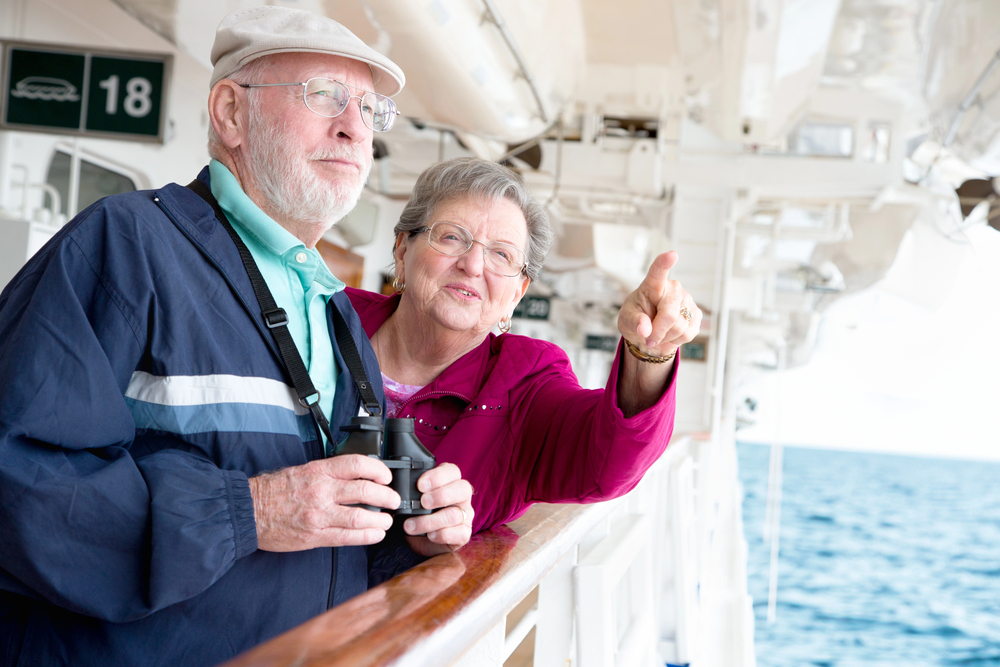
There’s something quietly devastating about watching a 75-year-old grandmother struggle with a touchscreen interface while her family waits impatiently behind her. The system assumes everyone is comfortable with technology, but cruise ships attract passengers across every generation (and comfort level with digital interfaces).
When the automated kiosks become the only option, entire demographics get shut out of a process that used to be as simple as handing someone a piece of paper. And the cruise lines, in their rush to modernize, forgot that accessibility isn’t just about ramps and wider doorways.
Complete elimination of human assistance

Staff members disappear when automation takes over. No one remains available to help when the machines malfunction or passengers need basic assistance.
Cruise lines reduce staffing costs while passengers are left solving technical problems themselves.
Privacy invasion through biometric data collection

Here’s the uncomfortable truth: cruise lines now own detailed biometric profiles of millions of travelers. They’re collecting facial recognition data, fingerprints, and behavioral patterns without explaining exactly how this information gets stored, shared, or protected.
The privacy policies are deliberately vague about data retention periods and third-party access. To be fair, most passengers don’t realize they’re trading their biometric identity for slightly faster boarding.
Which is saying something about how poorly these privacy implications have been communicated.
Language barriers create impossible situations
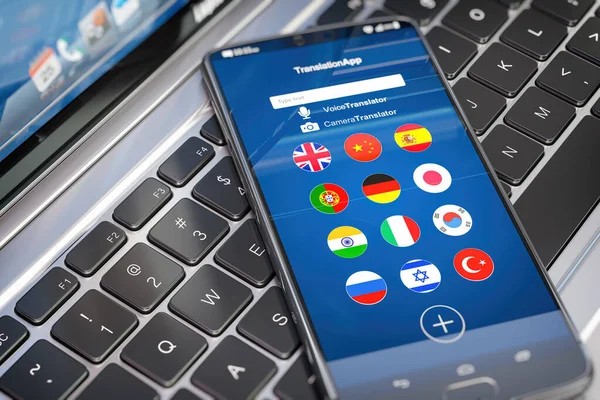
The kiosks offer limited language options, stranding non-English speakers in digital limbo. Passengers who booked through international travel agents discover the check-in system only functions in languages they don’t speak.
Families end up missing their cruise departure entirely.
Technical glitches erase passenger reservations

Bookings vanish from the system without explanation, leaving passengers to prove they actually paid for their cruise. The automation treats missing data as fraud rather than a technical error (which happens more often than cruise lines admit).
So families arrive at the port only to discover the computer has no record of their existence. And when the human staff has been eliminated, there’s nobody left who can override the machine’s decision.
Even when passengers show up with printed confirmations, email receipts, and credit card statements, the automated system refuses to acknowledge what it can’t find in its database.
Mobile app requirements exclude passengers

Not everyone owns a smartphone or maintains reliable data service. The automated systems assume universal mobile access, leaving passengers with basic phones unable to complete check-in requirements.
Cruise lines essentially mandate expensive technology for a vacation experience.
Document scanning errors cause security delays
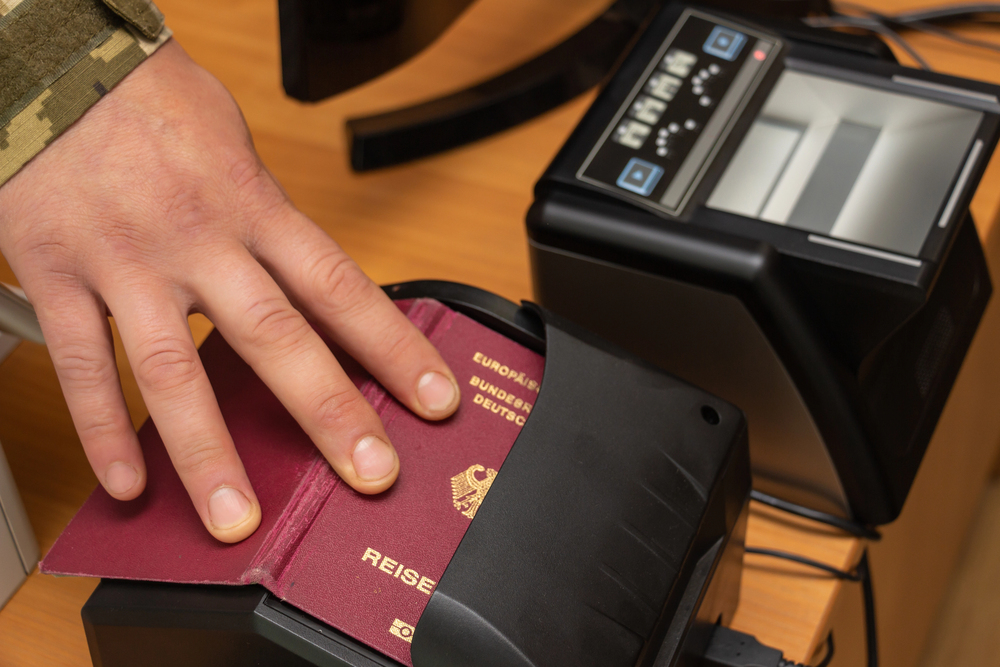
Passport scanners misread information or reject valid documents based on minor wear. A small tear or faded text triggers security protocols that take hours to resolve.
The machines can’t distinguish between suspicious documents and normal travel wear.
Weather dependency shuts down outdoor kiosks

Rain, direct sunlight, or high winds make the touchscreen terminals unusable. Ports in tropical locations discover their automated systems fail during the exact weather conditions most common to cruise destinations.
The technology wasn’t designed for marine environments, but somehow, cruise lines didn’t anticipate this obvious conflict. Fair enough – expecting outdoor electronics to function near saltwater and unpredictable weather seems almost reasonable until you actually try it.
Internet connectivity requirements fail at ports

Cruise terminals often lack reliable wireless infrastructure to support thousands of simultaneous connections. The automated check-in depends on constant internet access, but many ports can’t provide adequate bandwidth.
Passengers get stuck in digital queues that never advance.
Luggage tracking systems lose belongings
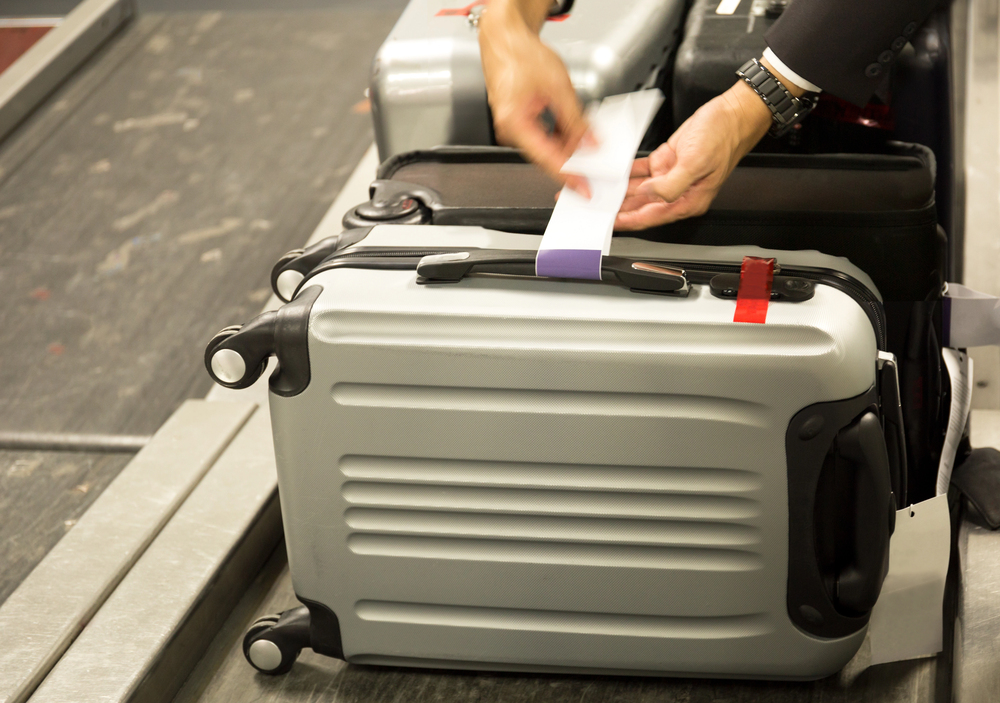
Automated baggage handling creates new opportunities for lost suitcases, but removes the human staff who used to track down missing items. The system generates tracking numbers that lead nowhere when bags disappear.
Passengers spend their first vacation days wearing the same clothes while customer service insists the computer shows successful delivery.
Hidden fees for technical support

What used to be free assistance now costs extra when passengers need help with the automated systems. Cruise lines charge “convenience fees” for human intervention, turning technical failures into profit opportunities.
The automation creates problems, then monetizes the solutions.
Medical emergency protocols become complicated

Passengers with mobility issues, medical devices, or special needs requirements can’t navigate the rigid automated processes. The systems lack flexibility for wheelchairs, service animals, or medication storage needs.
Emergencies require human judgment that the machines simply cannot provide.
Credit card processing errors strand families
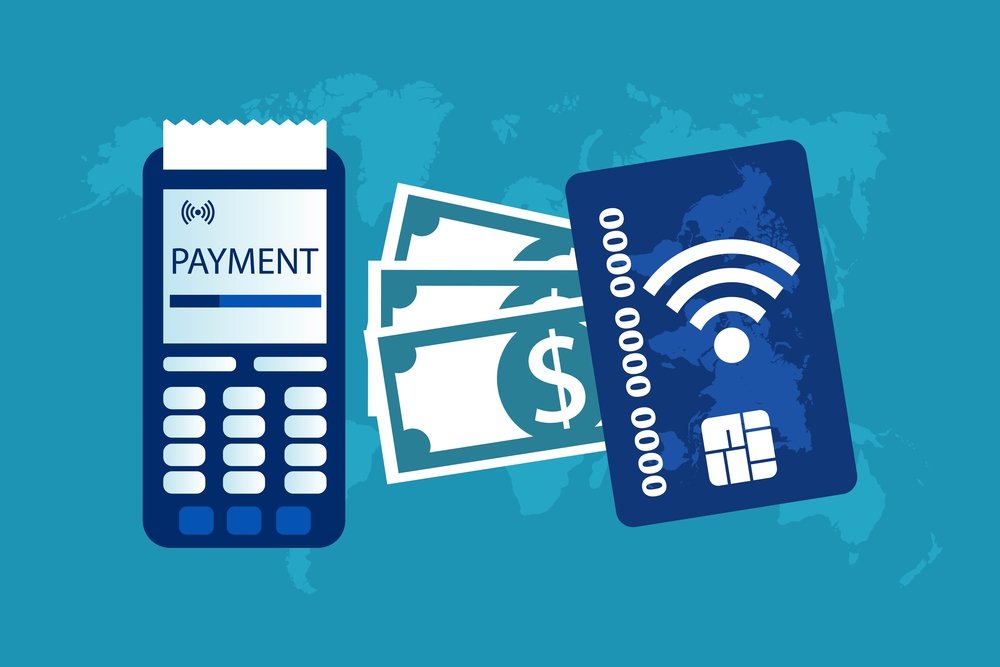
Payment systems reject valid cards without explanation, leaving passengers unable to complete check-in despite having adequate funds. The automated systems can’t distinguish between fraud protection and processing errors.
Bank authorization holds create cascading problems across multiple family bookings.
When convenience becomes chaos
The promise of streamlined boarding has collided with the messy reality of human travel. Cruise lines invested heavily in automation that works perfectly in laboratory conditions but crumbles under real-world pressure.
Perhaps the most telling sign isn’t the technical failures – it’s the growing number of ports quietly bringing back human staff to handle what the machines cannot.
More from Travel Pug

- Underrated Italian Towns That Beat the Tourist Crowds
- Las Vegas Tourist Traps to Skip
- Prettiest Towns in Every US State
- 18 passport-free countries for Americans
- Signs Your Cruise Is Not Worth The Cost
Like Travel Pug’s content? Follow us on MSN.