

Food poisoning ruins more vacations than canceled flights and lost luggage combined. Between 30% and 70% of travelers experience gastrointestinal illness during or immediately after trips, according to medical research, making contaminated food and water the most common travel-related health problem.
The excitement of trying new cuisines shouldn’t mean spending your vacation in a bathroom. Still, many destinations in Asia, Africa, the Middle East, and Latin America pose higher food safety risks than places with strict regulations.
Your immune system lacks defenses against bacteria and parasites common in destinations you’re visiting for the first time, meaning what locals eat without issues can send travelers straight to bed.
Here are essential tips for eating safely while traveling abroad.
Choose bottled water from sealed containers
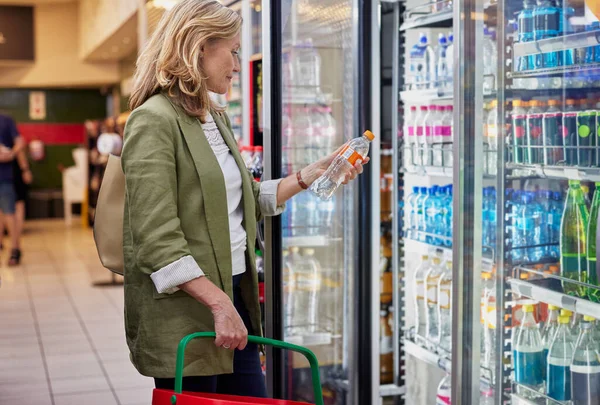
Tap water in many countries fails to meet safe drinking standards, including popular destinations like Mexico, the Maldives, and the Bahamas. Always check that bottle seals remain intact before drinking, as some vendors refill bottles with tap water and reseal them with glue to make money.
Carbonated beverages provide extra safety since the presence of bubbles indicates proper sealing. Use bottled water for brushing teeth, and avoid swallowing water while showering in countries where contamination is common.
Apply the two-hour rule for food safety
Food left out for more than two hours is no longer safe to eat, with that window shrinking to one hour when temperatures exceed 90 degrees Fahrenheit. Buffets pose particular risks since food sits at room temperature, where bacteria multiply rapidly.
Perishables, including meat, dairy, cut fruit, and seafood, can quickly become dangerous in warm climates. Choose restaurants that serve food fresh and hot rather than establishments relying on buffet-style service, where turnover determines safety.
Eat food that’s cooked thoroughly and served steaming hot
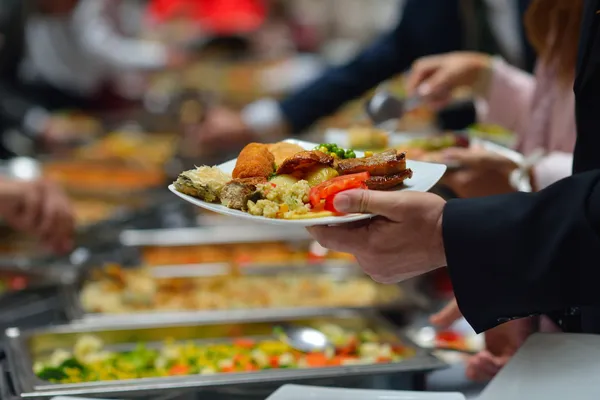
High heat kills dangerous germs, making thoroughly cooked food served hot usually safe to consume. Meat, fish, and eggs should be cooked through, with no pink centers or runny parts.
Avoid raw or undercooked items, including rare steaks, runny eggs, and dishes like ceviche, where citrus or vinegar serves as the cooking method. The temperature at which food is served matters as much as cooking methods, so decline anything served warm or at room temperature.
Wash hands properly before eating
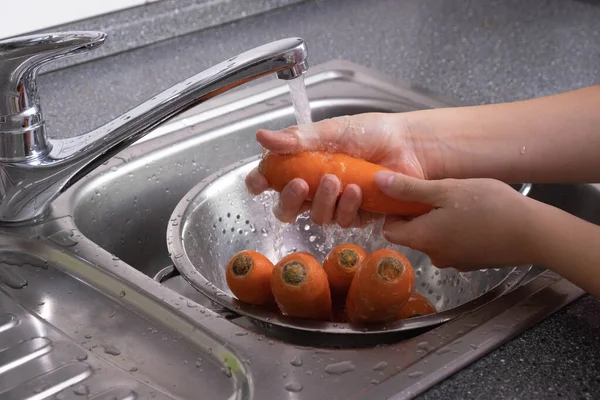
Proper handwashing remains the single easiest way to prevent foodborne illness, whether at home or abroad. Use soap and clean water, covering all hand surfaces for about 20 seconds, roughly the time it takes to hum “Happy Birthday” twice.
When soap and clean water aren’t available, use alcohol-based hand sanitizer containing at least 60% alcohol. Pack sanitizer in carry-on bags, purses, or backpacks for constant access during travel.
Avoid ice in drinks unless you know the source
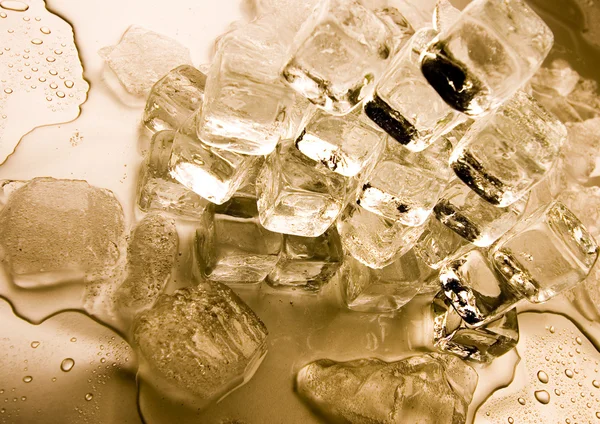
Ice gets made from whatever water is available, meaning contaminated tap water becomes contaminated ice cubes. Freezing preserves germs rather than killing them, so unsafe water remains unsafe even when frozen.
Skip ice in beverages unless you’re certain it came from bottled or purified water. Many travelers overlook this rule when ordering drinks, forgetting that melting ice dilutes beverages with the same water they’re avoiding from taps.
Skip raw fruits and vegetables you didn’t peel yourself
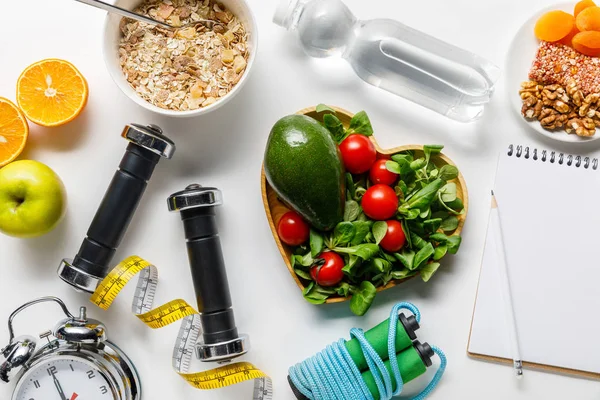
Fresh produce washed in contaminated water carries the same risks as drinking that water directly. Salads, cut fruit, and raw vegetables may harbor germs or parasites invisible to the naked eye.
Stick to fruits with thick peels you can remove yourself, like bananas, oranges, and mangoes. If you washed and peeled fruit using bottled or treated water, it’s safe to eat, but don’t trust preparations made by others unless you witnessed the entire process.
Exercise caution with street food vendors
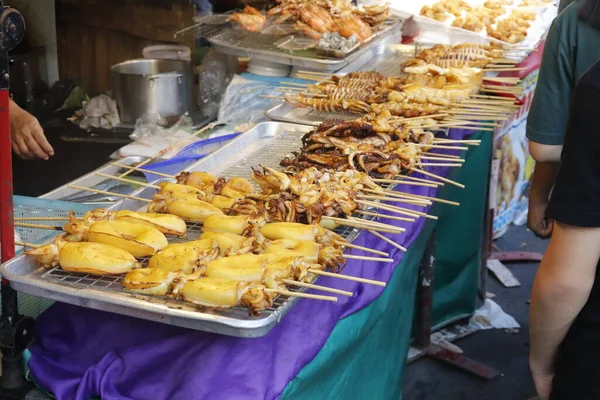
Street food offers authentic culinary experiences and budget-friendly meals, but vendors often lack proper refrigeration, handwashing facilities, and food safety standards. If you choose street food, observe sanitation practices and trust your instincts about cleanliness.
Look for vendors cooking food fresh to order over high heat, and avoid anything sitting out at room temperature. Busy stalls with high turnover generally serve fresher food than quiet vendors who may have prepared items hours earlier.
Consume only pasteurized dairy products

Unpasteurized milk, cheese, and yogurt carry heightened risks for all travelers, particularly pregnant women and people with weakened immune systems. Pasteurization uses high temperatures to kill harmful bacteria, making dairy safe for consumption.
Purchase dairy products in factory-sealed bottles or cartons stored cold, and avoid milk in open containers like pitchers that may have sat at room temperature. Skip the cream for coffee or tea unless you’re confident about its source and storage.
Verify hot drinks are served steaming hot
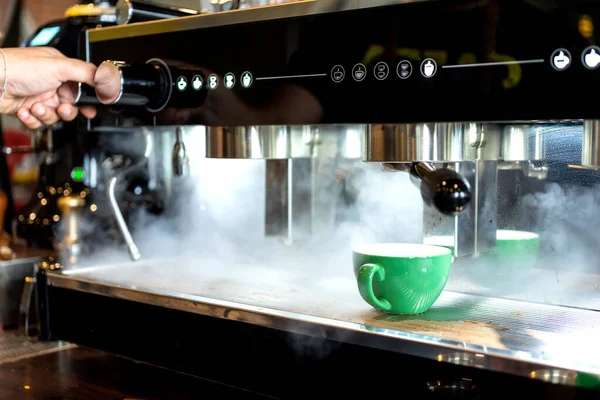
Hot coffee and tea should be safe if served steaming hot, though you can let them cool before drinking. Don’t consume coffee or tea served warm or at room temperature, as this indicates the water wasn’t heated sufficiently to kill bacteria.
Be careful adding potentially contaminated items like cream or lemon to hot drinks. Sugar generally poses a low risk since it’s a dry food where harmful microorganisms struggle to survive.
Follow the CDC’s boil it, cook it, peel it, or forget it rule
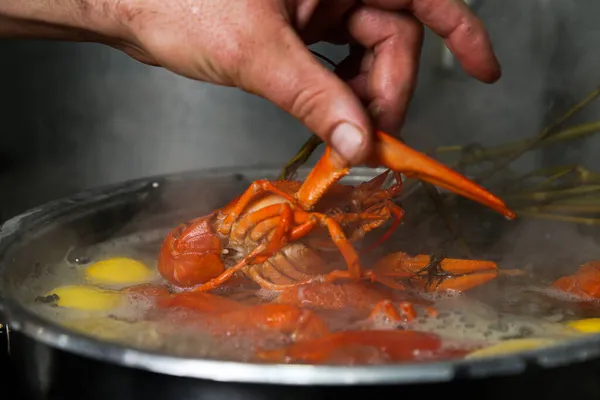
This slogan means you should stick to fruit you can peel yourself, like bananas or oranges, and eat food prepared steaming hot, or don’t eat it at all. The principle helps travelers make quick decisions about food safety without analyzing every ingredient.
When in doubt about preparation methods, storage conditions, or water sources used in cooking, skip the item entirely. Better to miss out on one dish than spend days recovering from food poisoning.
Avoid shellfish and raw seafood completely
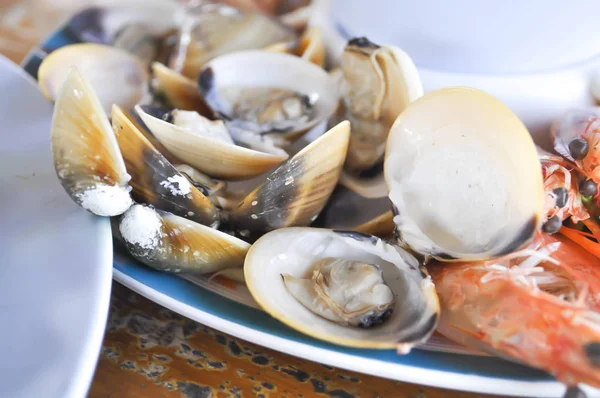
Shellfish filter water through their systems, concentrating whatever bacteria, viruses, or toxins exist in surrounding waters. Raw oysters, clams, and mussels pose particular dangers in areas with questionable water quality.
Even cooked shellfish carries higher risks than other proteins since improper storage before cooking can leave toxins that heat won’t eliminate. Save seafood adventures for home or destinations known for pristine waters and rigorous food safety standards.
Check that animal products are fully cooked
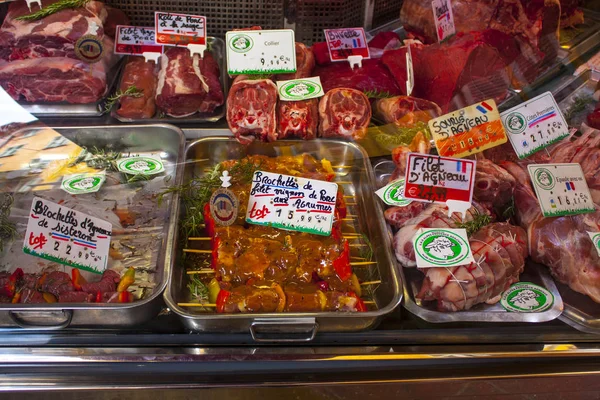
Raw or undercooked chicken, turkey, beef, and pork commonly cause food poisoning through bacteria like Salmonella and E. coli. Ensure meat shows no pink when cut, juices run clear rather than bloody, and internal temperatures reach safe levels.
Developing countries may have different standards for what constitutes ‘done,’ so don’t hesitate to send back undercooked items.
The texture and appearance of properly cooked meat are universal regardless of local preferences.
Pack nonperishable snacks in carry-on luggage
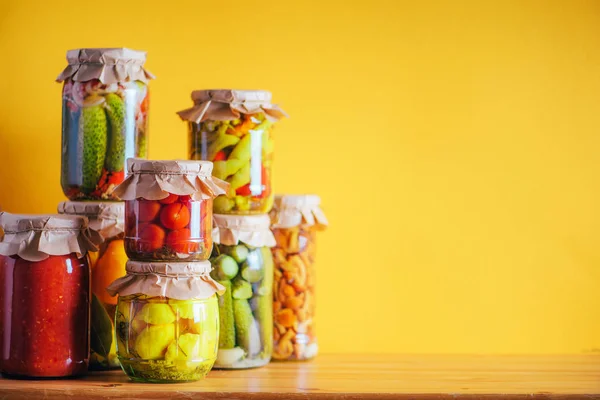
Bringing shelf-stable foods like granola bars, nuts, and crackers provides safe options when questionable food is the only alternative. These items prove especially valuable during travel days when airport options seem limited or risky.
Having backup snacks reduces pressure to eat questionable food when hunger strikes. Just avoid packing liquids in carry-ons, and check that the packaging remains sealed until you’re ready to eat.
Stay extremely hydrated with safe beverages
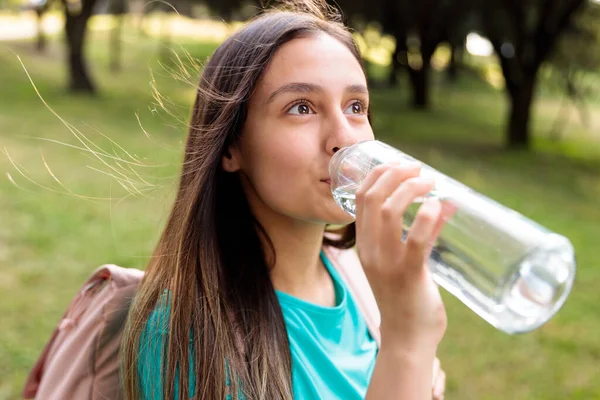
Dehydration worsens food poisoning symptoms and slows recovery if you do get sick. Drink plenty of bottled water throughout each day, particularly in hot climates where sweating increases fluid loss.
Sealed bottles, cans, and cartons of juice or sports drinks provide safe hydration alternatives to water. Alcohol content in distilled liquors kills germs, making them generally safe, though excessive drinking impairs judgment about food choices.
Seek medical attention for serious symptoms

Most foodborne illnesses resolve within a few days through rest and hydration, but some require professional treatment. Contact doctors immediately if you experience severe dehydration, bloody diarrhea, high fever above 101.
5 degrees Fahrenheit, vomiting preventing fluid retention, or symptoms lasting more than three days. Travel insurance hotlines and U.S. Department of State resources help locate medical services abroad.
Delaying treatment for serious food poisoning can lead to complications requiring hospitalization.
Balancing adventure with common sense

The experience of trying local dishes stands as one of the most enjoyable aspects of traveling, yet people who make wise dining selections create positive memories that last for them. The tips above help travelers select safe dining options while enjoying authentic culinary experiences.
In developing countries, people can discover excellent dining options that allow them to eat safely by following simple safety procedures. You should research the specific risks at your destination and identify the most dangerous foods in that area, while trusting your judgment about anything that appears unsafe.
Most travelers who get food poisoning made preventable mistakes like drinking tap water, eating room-temperature buffet food, or ignoring obvious hygiene red flags at restaurants. Your vacation becomes more dedicated to discovering new places when you practice basic safety measures and use common sense to avoid bathroom breaks.
More from Travel Pug

- Underrated Italian Towns That Beat the Tourist Crowds
- Las Vegas Tourist Traps to Skip
- Prettiest Towns in Every US State
- 18 passport-free countries for Americans
- Signs Your Cruise Is Not Worth The Cost
Like Travel Pug’s content? Follow us on MSN.