

Japan’s archipelago stretches far beyond the neon glow of its capital, offering thousands of islands where ancient traditions blend with stunning natural beauty. While Tokyo captivates millions of visitors each year, the country’s island destinations provide something different—quieter beaches, untouched forests, and communities where old ways of life still thrive.
Venturing beyond the mainland reveals a side of Japan that feels worlds away from the urban rush. Here is a list of 15 Japanese islands that deserve a spot on your travel itinerary.
Okinawa Island
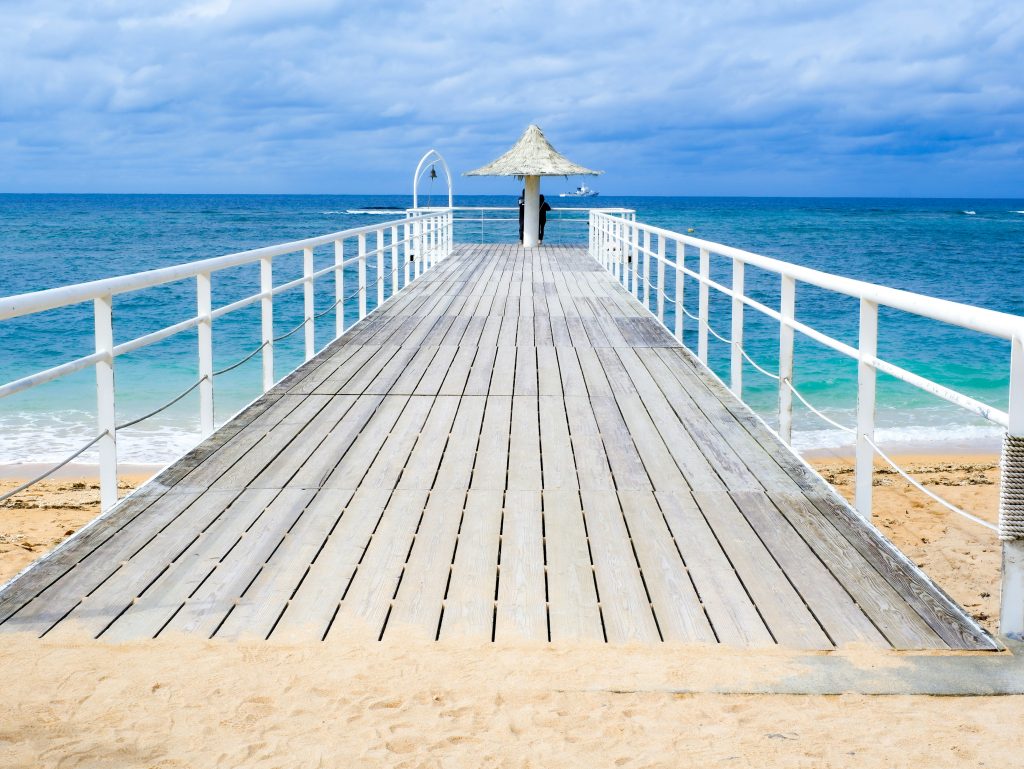
Okinawa feels more like a tropical escape than typical Japan, with its turquoise waters and laid-back vibe that’s distinctly different from the mainland. The island’s unique Ryukyuan culture shows up in everything from the local cuisine—think goya champuru and Okinawa soba—to the traditional dance performances you’ll catch at festivals.
The beaches rival anything you’d find in Southeast Asia, and the diving around the coral reefs is exceptional.
Yakushima
This UNESCO World Heritage island off the southern coast of Kyushu looks like it was pulled straight from a fantasy novel, with ancient cedar forests shrouded in mist. Some of the trees here are over 1,000 years old, including the famous Jomon Sugi, which dates back roughly 2,000 to 7,000 years depending on who’s counting.
The hiking trails wind through moss-covered forests that inspired the landscapes in Studio Ghibli’s ‘Princess Mononoke,’ and you’ll often have the paths mostly to yourself.
Naoshima
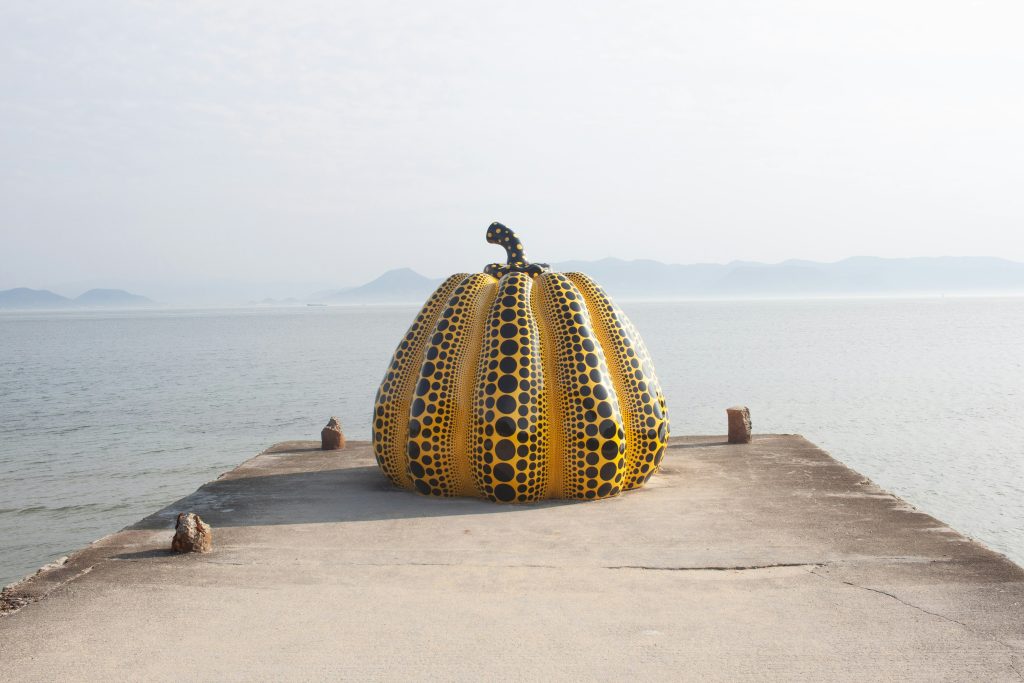
Art lovers flock to this small island in the Seto Inland Sea, where contemporary installations pop up in the most unexpected places—pumpkin sculptures dot the coastline while entire museums are built into hillsides. The island’s transformation from a quiet fishing community to an art destination happened thanks to the Benesse Corporation’s vision in the 1980s.
You can spend days hopping between museums, outdoor installations, and the ‘Art House Project’ where abandoned homes became immersive artworks.
Ishigaki Island
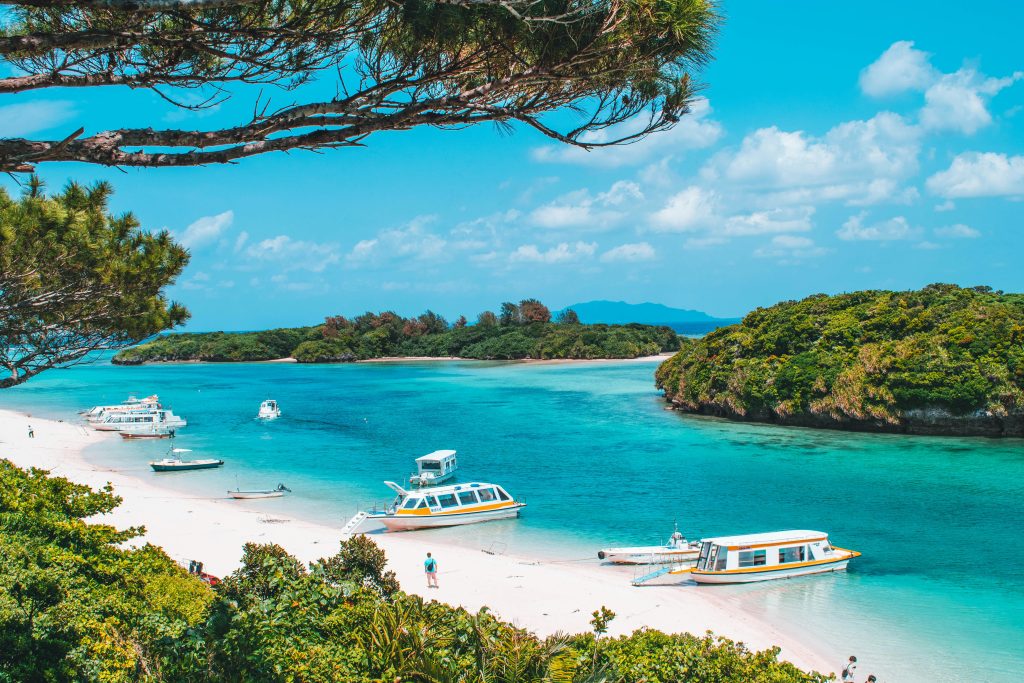
Ishigaki serves as the gateway to the Yaeyama Islands and packs a serious punch with its white sand beaches and crystal-clear waters perfect for snorkeling. The island sits closer to Taiwan than to mainland Japan, giving it a subtropical climate that feels warm year-round.
Kabira Bay’s emerald waters are so stunning that swimming isn’t even allowed—they want to preserve the pristine conditions for the black pearl farms that operate there.
Miyajima
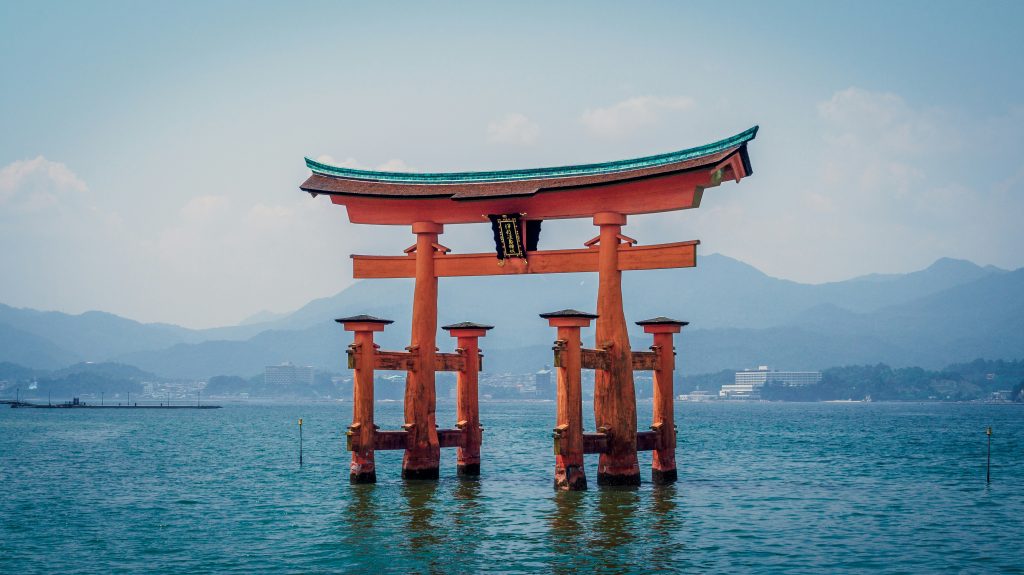
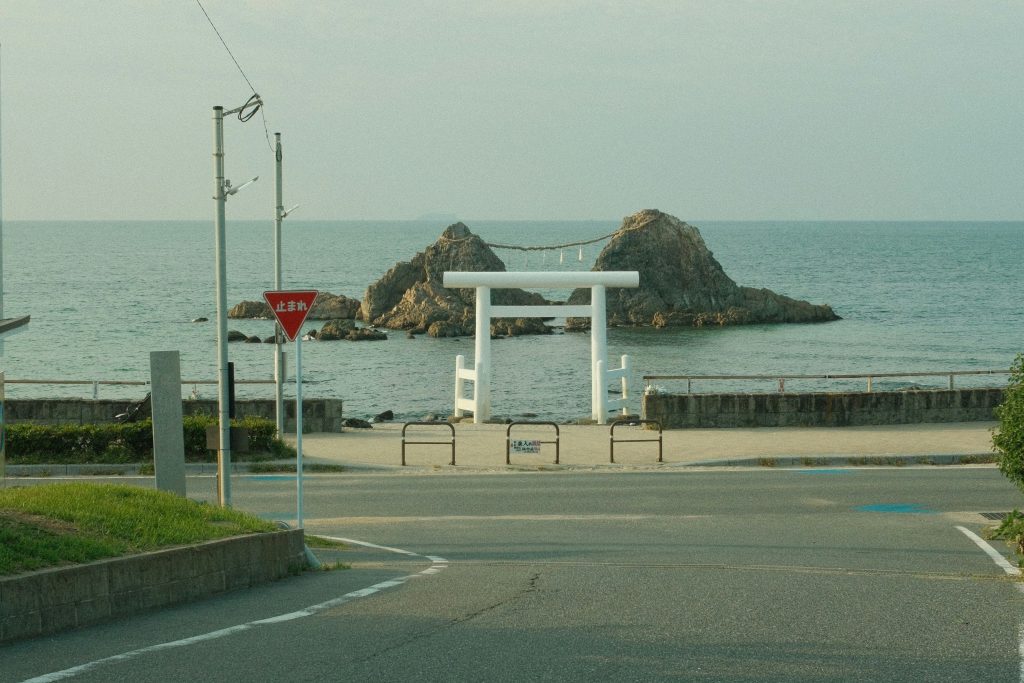
The iconic floating torii gate of Itsukushima Shrine makes this island one of Japan’s most photographed spots, yet the place maintains a spiritual calm despite the crowds. The island’s full name is Itsukushima, though most people know it as Miyajima, meaning ‘shrine island.’
Wild deer roam freely through the streets and temple grounds, and if you hike up Mount Misen, the views across the Seto Inland Sea make the climb worthwhile.
Sado Island
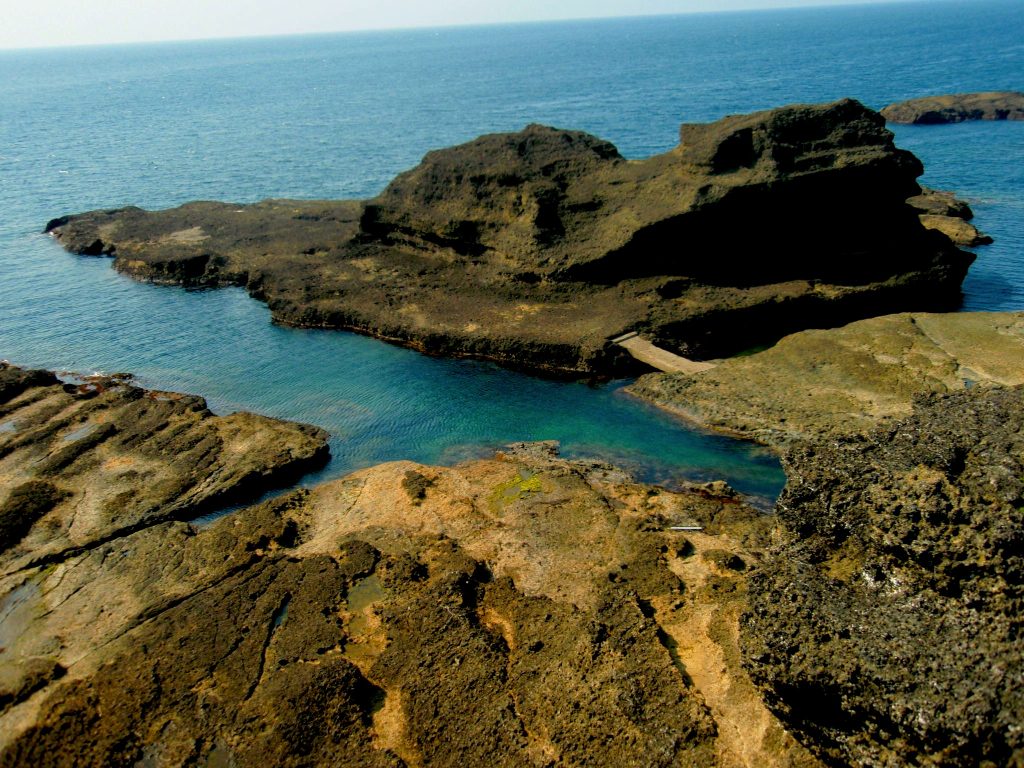
Gold mining put Sado on the map centuries ago, and you can still tour the old mines where workers once extracted precious metals under harsh conditions. The island developed its own distinctive culture during its time as a place of exile for political dissidents and intellectuals, which led to a unique blend of performing arts like Sado’s version of Noh theater.
These days, the Kodo Drummers—one of Japan’s most famous taiko groups—call this island home and perform regularly at their headquarters.
Rishiri Island
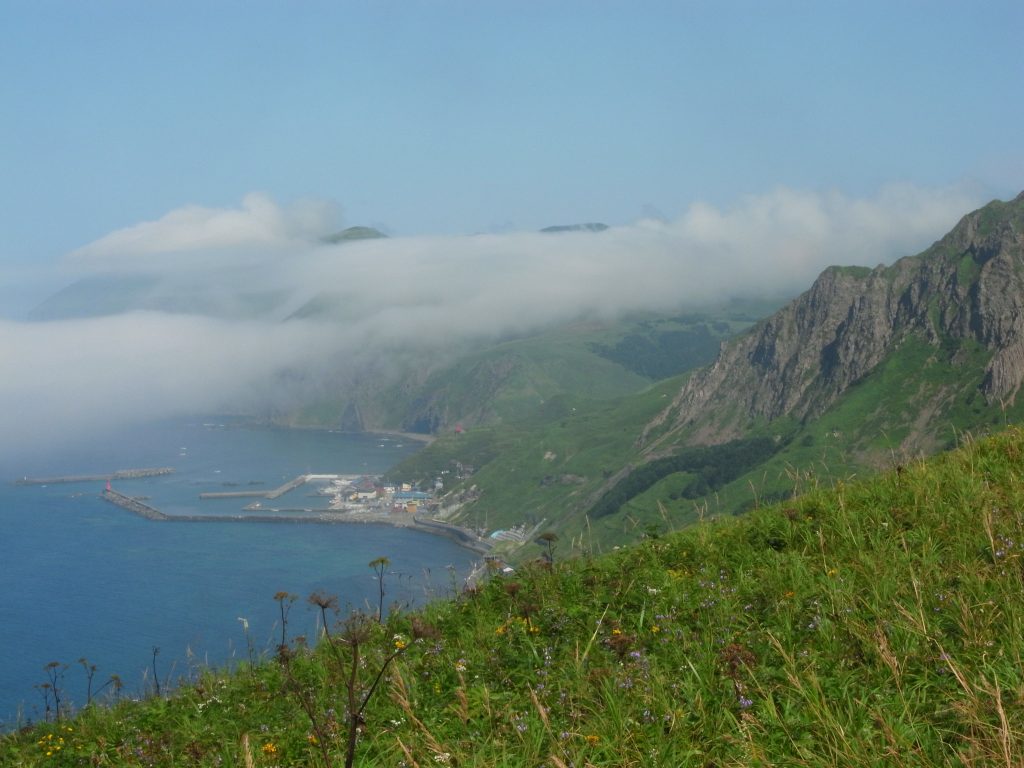
This nearly circular volcanic island rises dramatically from the Sea of Japan, with Mount Rishiri dominating the landscape like a miniature Mount Fuji. The hiking here challenges even experienced trekkers, but the summit rewards you with 360-degree views that stretch to neighboring Rebun Island and beyond.
Kombu seaweed harvested from these northern waters is considered some of the finest in Japan, and the local sea urchin tastes incredibly sweet.
Rebun Island
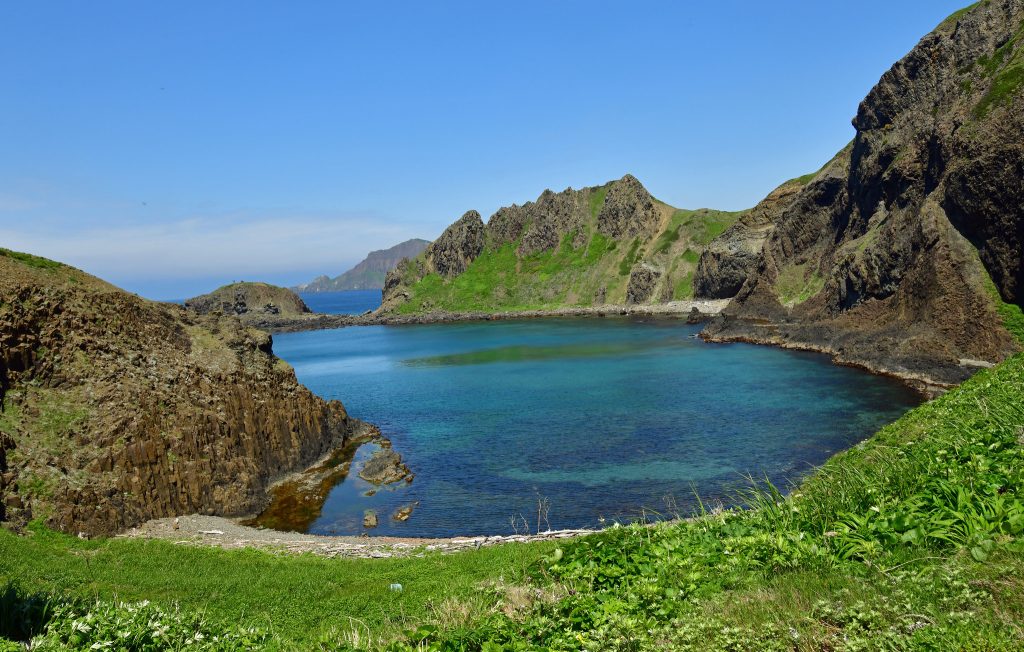
Known as the ‘Island of Flowers,’ Rebun sits at Japan’s northern edge where alpine plants bloom in profusion during the short summer season. The eight-hour Cape Sukoton trek takes you along dramatic coastal cliffs where rare wildflowers cling to the rocks—over 300 species grow here despite the harsh climate.
The island feels remote and windswept, with fishing villages where life moves according to the rhythms of the sea.
Iki Island
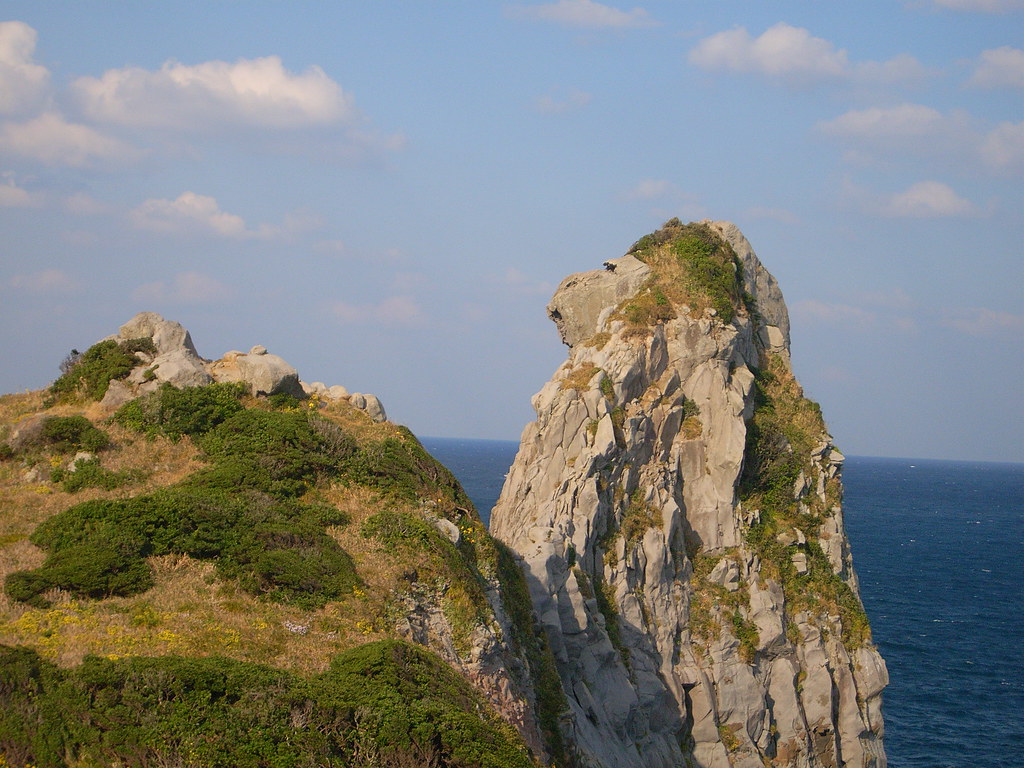
History runs deep on Iki, where archaeological sites reveal human settlement dating back thousands of years and ancient temples outnumber convenience stores. The island sits between Kyushu and the Korean Peninsula, placing it along historic trade routes that brought cultural exchange and occasional conflict.
Local barley shochu has a devoted following among Japanese spirit enthusiasts, and the distilleries here welcome visitors for tastings.
Iriomote Island
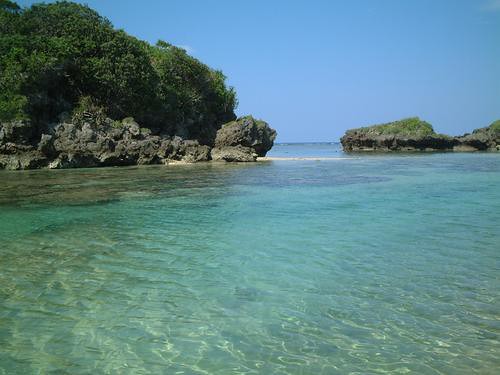
Jungle covers about 90% of Iriomote, making it Japan’s wildest island where mangrove forests tangle along the coasts and rare wildcats prowl through dense vegetation. The Iriomote cat—a critically endangered species found nowhere else—has become the island’s symbol, though spotting one requires exceptional luck.
Kayaking through the mangroves or taking boat tours up the rivers gives you access to waterfalls and swimming holes hidden in the interior.
Teshima
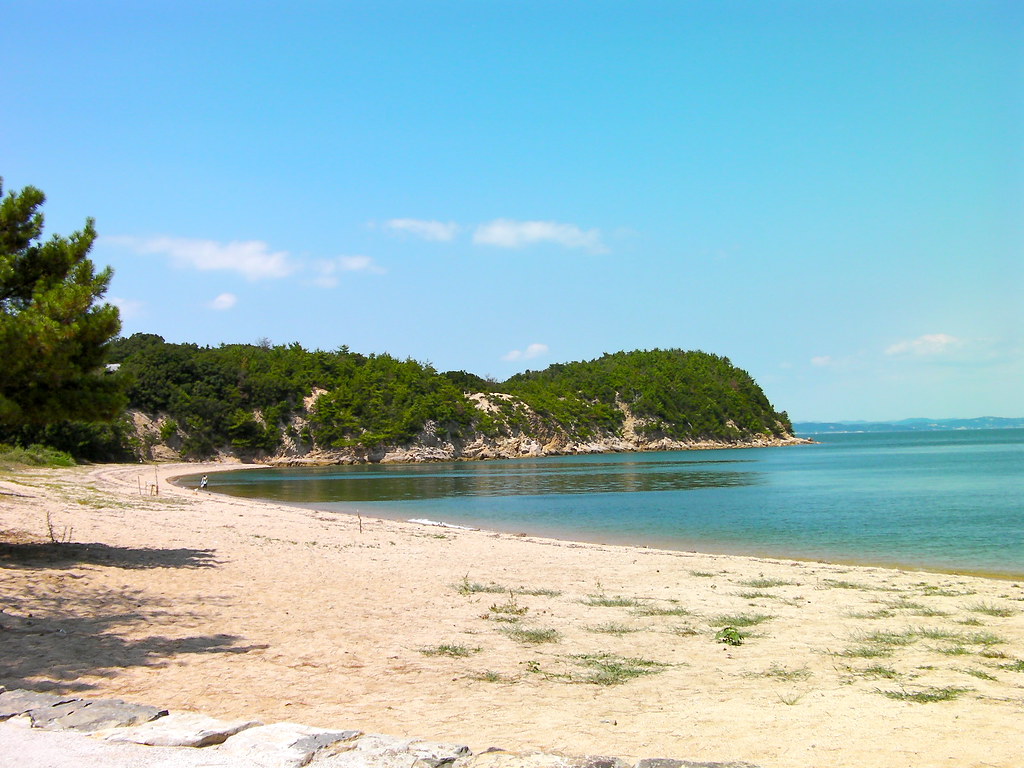
This small art island sits near Naoshima in the Seto Inland Sea, offering a quieter alternative with equally impressive contemporary installations. The Teshima Art Museum—a concrete shell that opens to the sky—creates an almost meditative space where water droplets form and flow according to temperature and humidity.
The island’s terraced rice fields and traditional villages provide a beautiful contrast to the modern art scattered across the landscape.
Amami Oshima
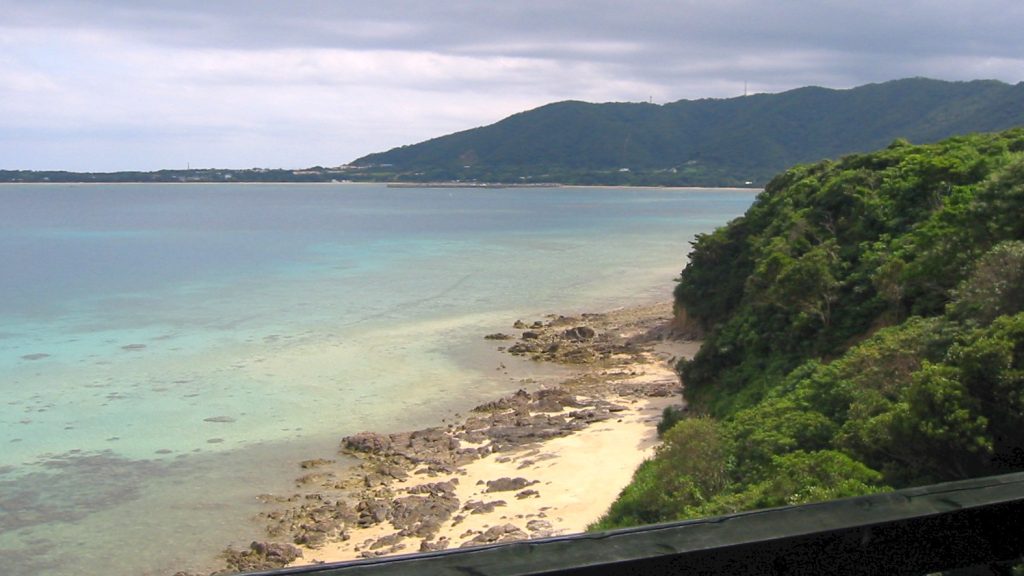
Subtropical forests and mangrove ecosystems make Amami Oshima a haven for rare wildlife, including the Amami rabbit—a living fossil species with dark fur and small ears. The island produces some of Japan’s finest silk, dyed with mud from the mangroves to create distinctive earth tones in traditional textiles.
Snorkeling and diving here rival Okinawa, yet far fewer tourists make it to these reefs.
Shikoku Island
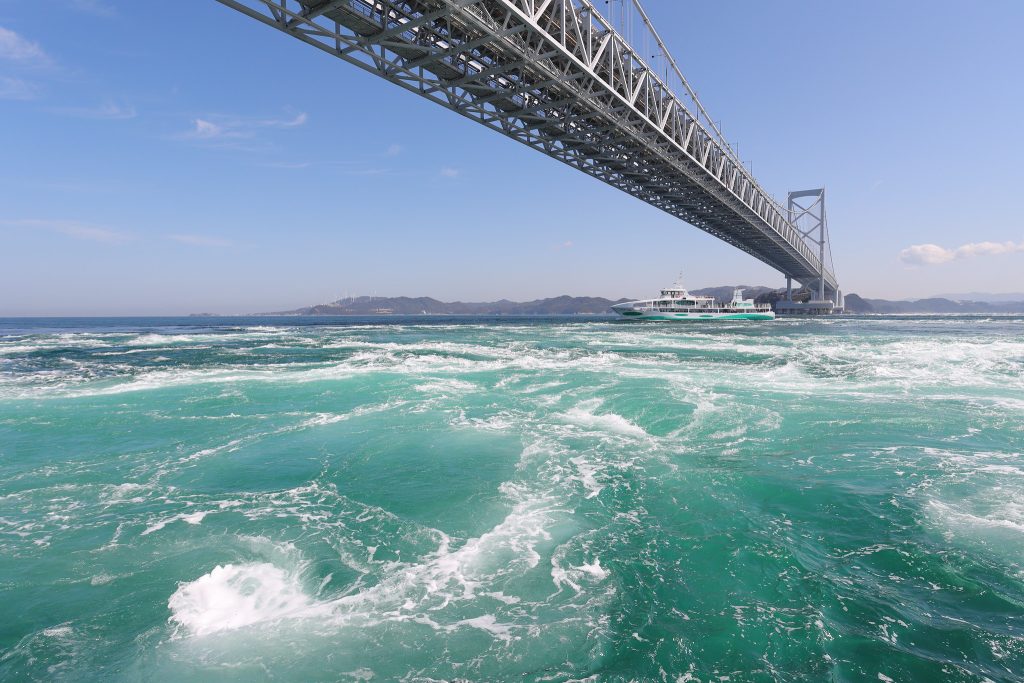
While technically one of Japan’s four main islands rather than a smaller outlying one, Shikoku gets overlooked by many visitors despite being home to the famous 88 Temple Pilgrimage. Walking the complete circuit covers roughly 750 miles and takes most pilgrims about 40 to 60 days, though you can tackle shorter sections.
The island’s rugged interior hides dramatic gorges like the Iya Valley, where vine bridges sway over emerald rivers.
Awaji Island
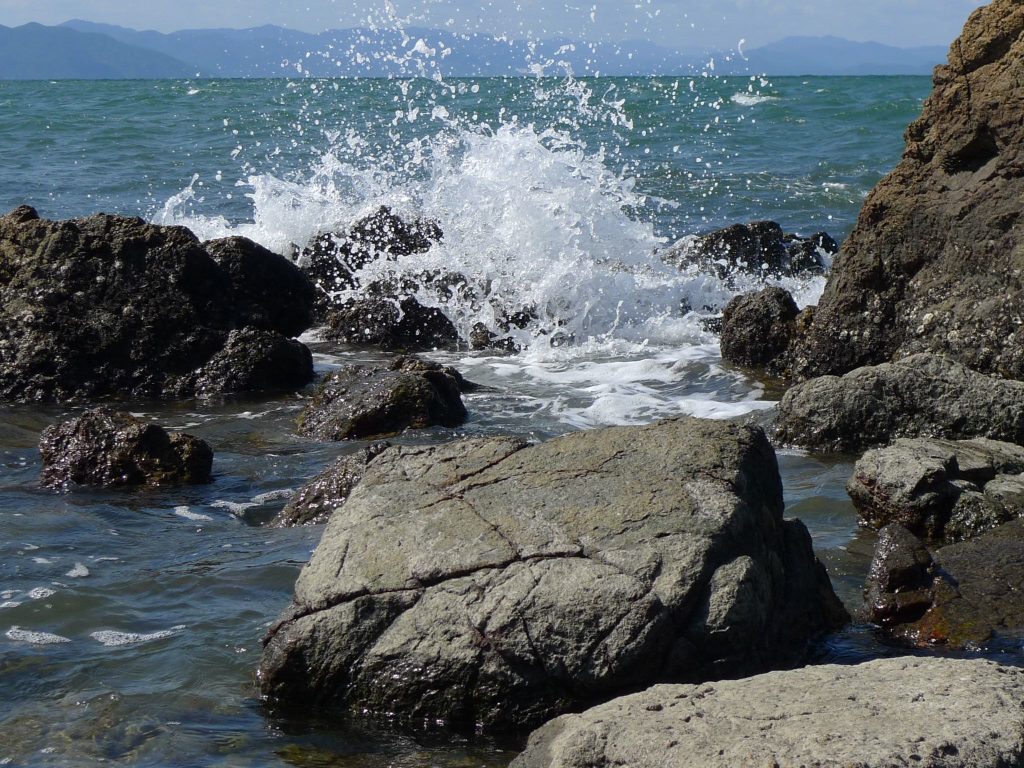
Connected to Honshu by the world’s longest suspension bridge, Awaji delivers pastoral landscapes of onion fields—the island grows some of Japan’s sweetest varieties—and flower parks that burst with color seasonally. The island plays a special role in Japanese mythology as the first land created by the gods Izanagi and Izanami.
Fresh seafood dominates the local cuisine, particularly the prized ‘shirasu’ whitebait and octopus caught in nearby waters.
Ogasawara Islands
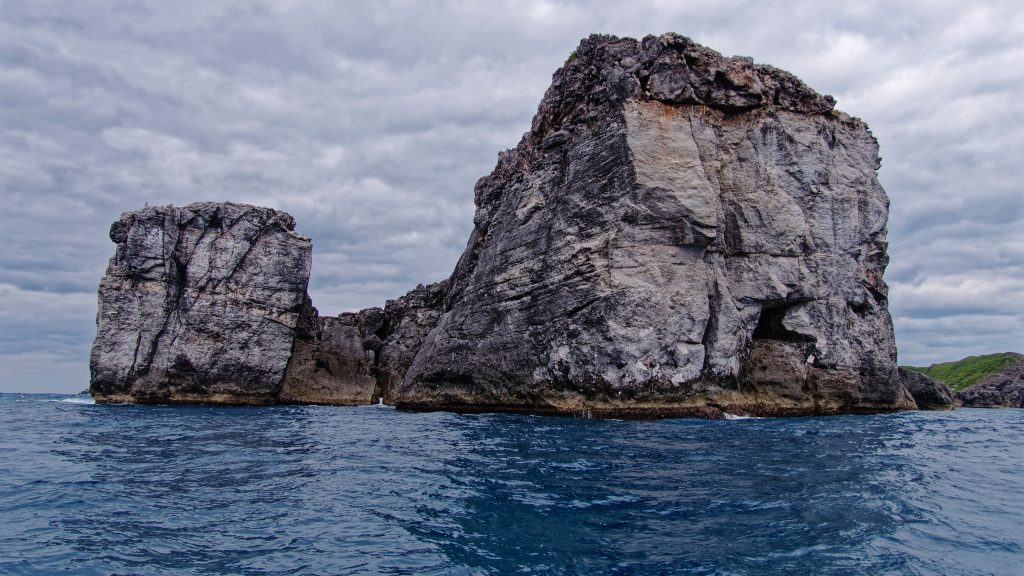
These distant volcanic islands are approximately 600 miles south of Tokyo and can only be reached after a 24-hour ferry ride, which immediately gives you the impression that this is not an ordinary tourist spot. This isolation resulted in a unique evolution, where more than 40% of the plant life found here is not found anywhere else in the world, giving the islands a UNESCO World Heritage Site designation.
Dolphin and whale watching tours are available throughout the year, and snorkeling shows tropical fish in plenty around coral reefs that thrive because of the warm Kuroshio Current.
Island traditions meet modern discovery
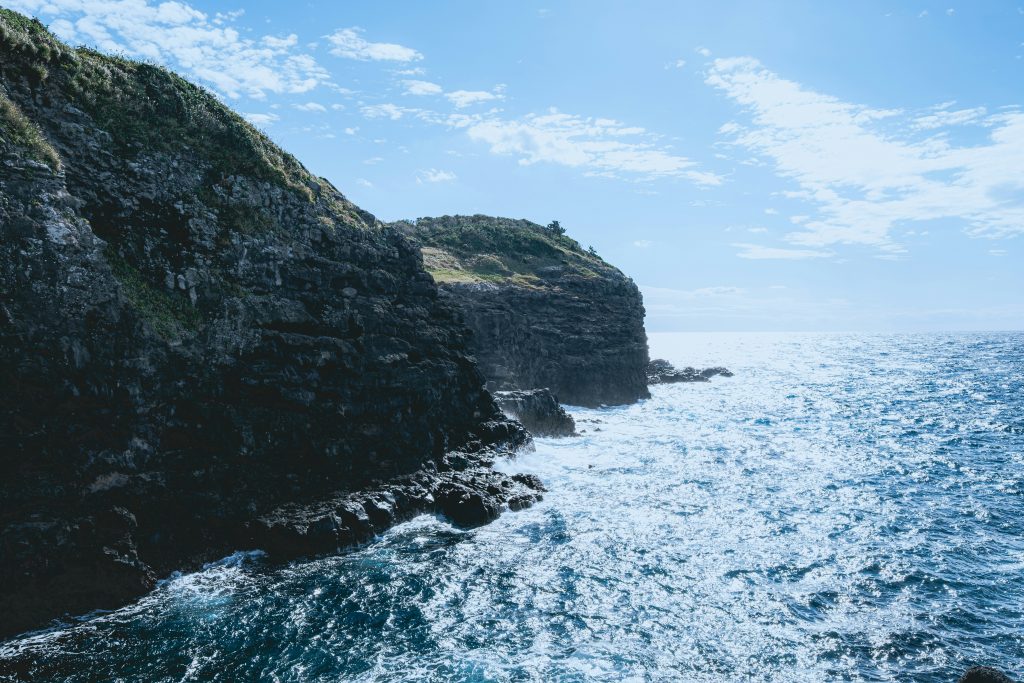
Japan’s islands are a way of life that has been lost on the mainland, and at the same time, they are open to visitors who are looking for a way to experience something different from the typical tourist route. Each island has its own personality, whether it be art rising up out of the ocean, ancient forests that pre-date written history, or a way of life that stretches back centuries.
The ferry rides and the flights it takes to get to these places are part of the adventure, slowing down your pace and your mind before you even arrive. These islands are a reminder that Japan’s greatest treasure is off the beaten path, waiting for the adventurous traveler who is willing to leave the lights of Tokyo behind.
More from Travel Pug

- Underrated Italian Towns That Beat the Tourist Crowds
- Las Vegas Tourist Traps to Skip
- Prettiest Towns in Every US State
- 18 passport-free countries for Americans
- Signs Your Cruise Is Not Worth The Cost
Like Travel Pug’s content? Follow us on MSN.