

The explosion of short-term rentals through platforms like Airbnb and Vrbo has transformed neighborhoods across America. What started as a way for homeowners to make extra cash by renting spare rooms has evolved into something much bigger, with investors snapping up properties specifically to list as vacation rentals.
The result? Housing shortages, skyrocketing rents, and communities that feel increasingly hollowed out as permanent residents get squeezed out by tourists.
Local governments are pushing back. From coastal California towns to mountain resort communities, cities are implementing everything from outright bans to strict caps and hefty taxes.
Some want to preserve neighborhood character, others are desperately trying to free up housing for workers who keep their economies running.
Here is a list of 15 US towns that have taken significant steps to regulate or restrict short-term rentals within their borders.
New York City

In September 2023, New York City essentially banned most short-term rentals with Local Law 18. The regulations require hosts to register with the city, be present in the residence while guests are staying, and limit bookings to just two guests at a time.
Before the law took effect, Airbnb had more than 25,000 short-term rentals listed in the city. The crackdown wiped out roughly 90% of active listings almost overnight.
Tenant advocacy groups had long accused vacation rental platforms of hollowing out neighborhoods and pushing rents even higher in an already expensive market.
Irvine, California

This Orange County city took one of the most aggressive approaches in the country when it banned all short-term rentals under 30 days back in 2018. The city hired a fintech firm to track down and report hosts who were breaking the rules.
The results were dramatic, with Airbnb listings dropping by more than half. According to a study from the College of William and Mary, rents in the city dropped by up to 3% after the ban, saving tenants around $114 per month on average.
Researchers say the Irvine model could work in other cities facing similar housing pressures.
San Francisco

The birthplace of Airbnb has some of the strictest regulations for short-term rentals in the country. Hosts must register with the city and can only rent out their primary residence, meaning they need to live in the property at least 275 days per year.
That effectively limits rentals to about 90 days annually. The city also requires hosts to pay hotel taxes and meet specific safety and insurance requirements.
The primary residence rule eliminated the practice of investors buying up units specifically to rent them out on platforms, which had been removing significant housing from the market.
Santa Monica, California

Santa Monica has maintained a prohibition against short-term vacation rentals for decades, though it adjusted its approach in 2015 to allow home-sharing with conditions. Residents can obtain a permit and business license to host visitors for less than 31 days, but only if they remain present in the home during the stay.
Renting out an entire property while absent remains illegal. The city actively enforces these rules and has won legal battles against Airbnb and HomeAway that challenged the ordinance.
Fines for violations can reach significant amounts, and the city employs teams specifically to hunt down illegal listings.
Santa Ana, California

In April 2024, the Santa Ana City Council enacted a comprehensive ban on all short-term rentals lasting less than 30 days. Before the ban, city staff had identified over 1,100 active short-term rental units operating within city limits, representing roughly 35% of the city’s housing needs as determined by state calculations.
The ordinance prohibits offering, renting, or maintaining any short-term rental, with violations subject to penalties including misdemeanor charges and civil action. The city made clear there would be no grandfathering of existing properties.
Bozeman, Montana

This fast-growing Montana city passed one of the strictest short-term rental ordinances in the country in late 2023. Bozeman now prohibits all new non-owner-occupied short-term rentals, which the city classifies as Type 3 rentals.
About 100 existing properties that were already licensed and compliant were grandfathered in, but no new permits will be issued. The city also requires hosting platforms like Airbnb and Vrbo to include permit numbers on all listings and share data with local officials.
Proponents argued the restrictions would help ease the city’s severe housing crisis by preventing more homes from being converted to vacation rentals.
Boston
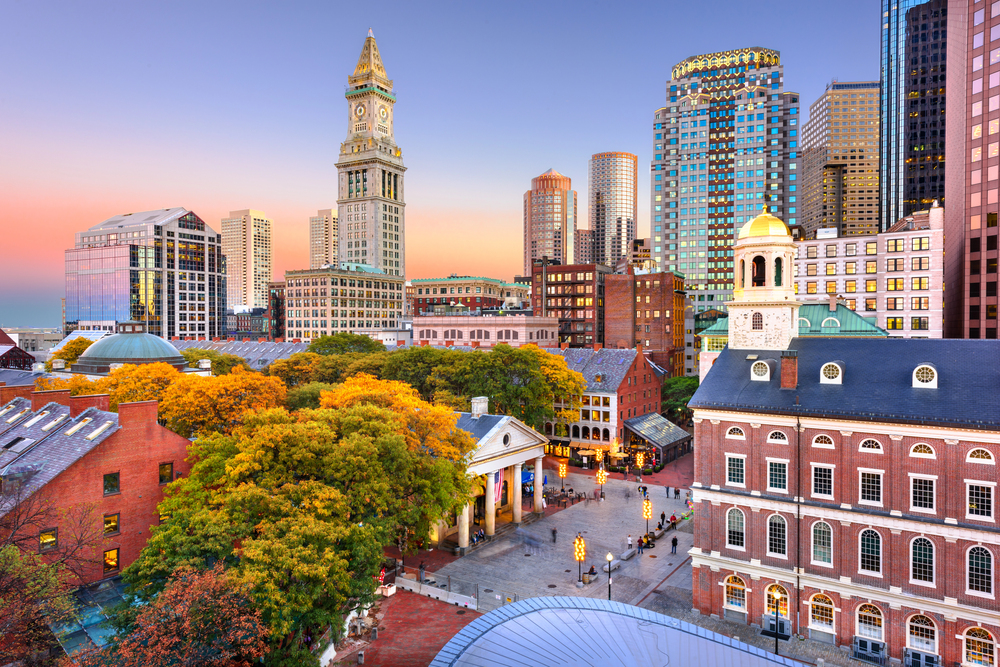
Boston’s 2019 ordinance effectively banned short-term rentals of investor-owned apartments. Only an owner’s primary residence, or a room within it, can be offered for short-term rental.
For two to three family homes, owners can also rent an adjacent unit if they live on the property. The regulations eliminated roughly 2,000 Airbnb units from the market.
The city’s approach targets the practice of investors purchasing properties specifically to operate them as de facto hotels, which officials argued was removing badly needed housing from neighborhoods.
Miami Beach, Florida
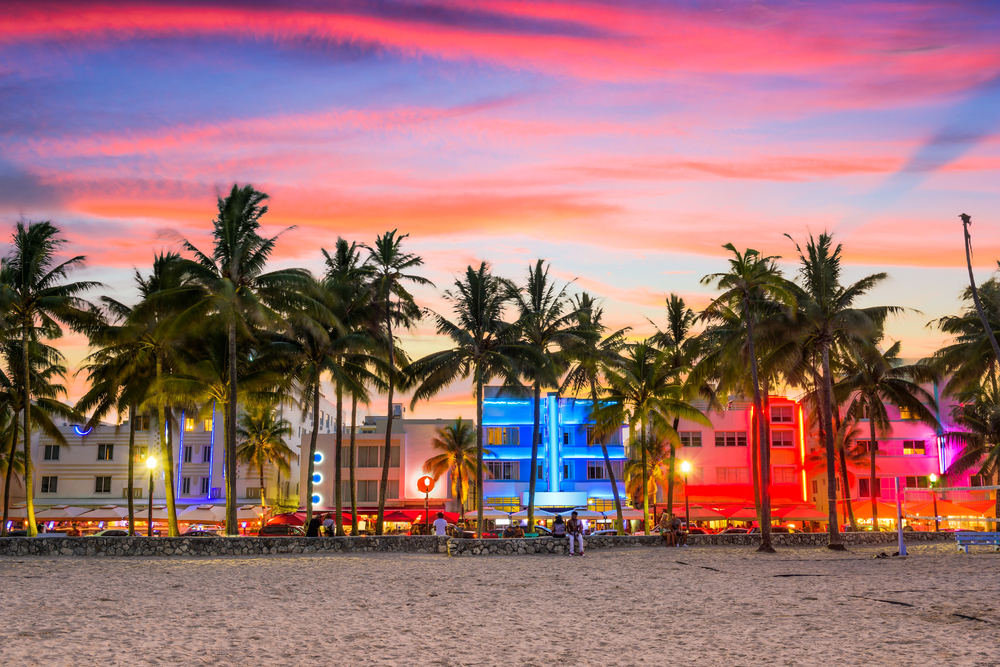
Miami Beach prohibits rentals of less than six months and one day in all single-family homes and many multi-family buildings in certain zoning districts. The regulations have been in place for years and reflect concerns about maintaining residential neighborhood character in a city already heavily oriented toward tourism.
Fines for operating illegal short-term rentals start at $1,000 per day for a first offense and jump to $5,000 per day for repeat violations. Properties that are legally permitted must display their city-issued Business Tax Receipt number and Resort Tax certificate in all advertisements.
Honolulu, Hawaii
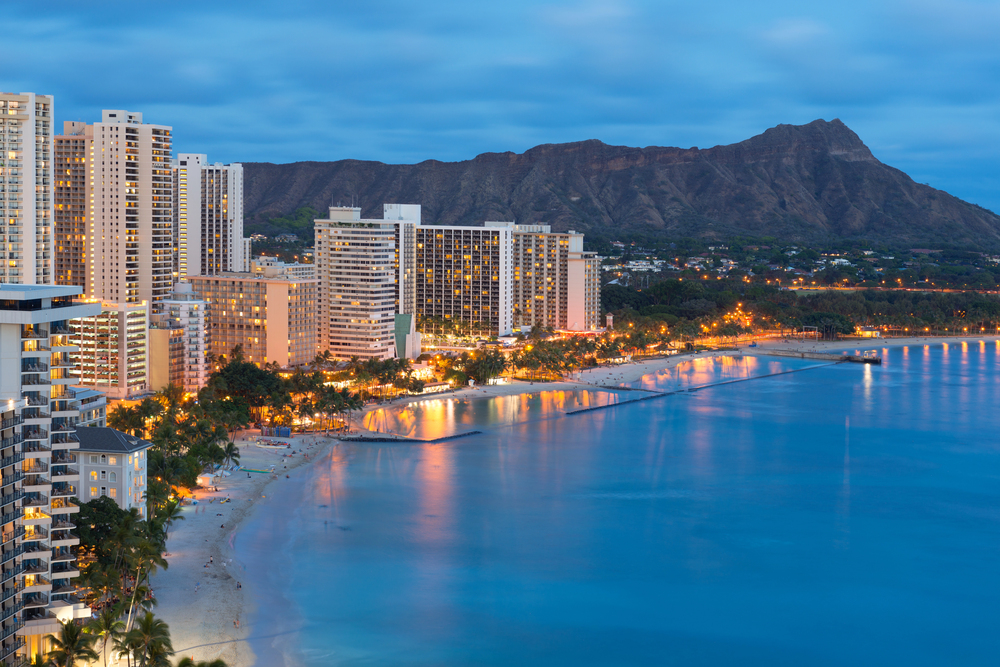
Hawaii cracked down on short-term rentals by banning stays under 90 days on the island of Oahu, home to Waikiki Beach. The state gave counties additional authority to introduce their own rules for phasing out vacation rentals as housing costs have become increasingly unaffordable for residents.
Honolulu has been plagued by overtourism and inflated house prices, making it difficult for locals who work in the service industry to find places to live. The regulations aim to push properties back into the long-term rental market where they can house permanent residents rather than vacationers.
Denver, Colorado

Denver enacted its short-term rental ordinance in 2016, limiting vacation rentals to primary residences only. Hosts must live in the property at least 180 days per year to qualify.
The regulations require obtaining a Lodger’s Tax ID, a business license, and registration with the city’s Permitting and Licensing Center. License application fees run $150, with $100 annual renewals.
Hosts also pay a 10.75% lodger’s tax plus sales tax. The primary residence requirement prevents investors from buying properties solely for short-term rental use.
Steamboat Springs, Colorado
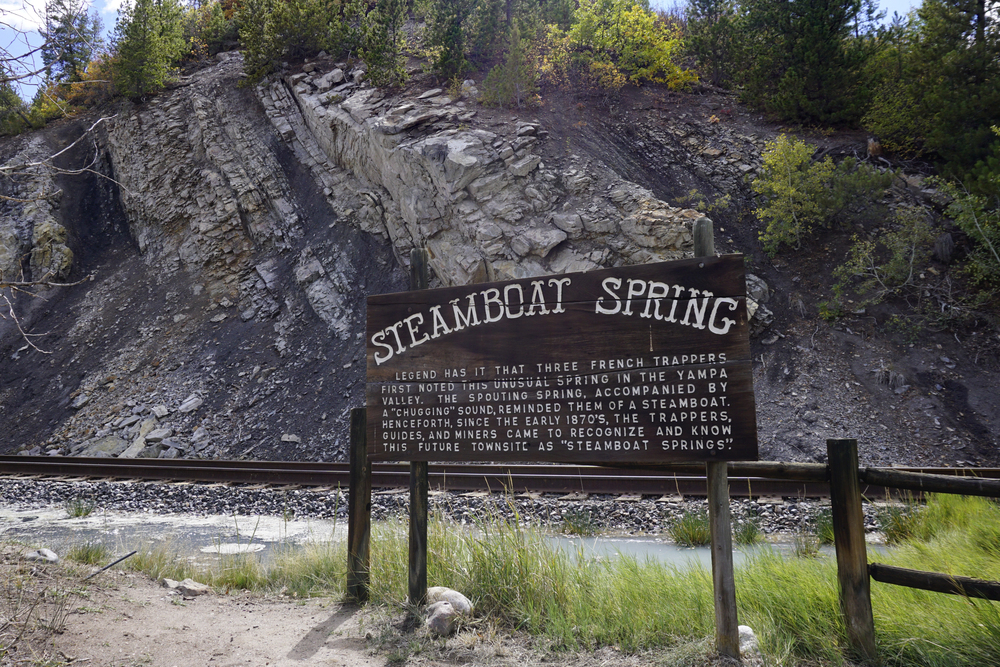
This ski town was the first community to bear the brunt of the housing crisis that struck the mountain resorts when almost 30% of its housing units were turned into vacation rentals. The city council banned any new short-term rentals in most of the town and the electorate decided to impose a tax of 9% on bookings to finance affordable housing in the same year.
The law splits the city into different areas with the red area completely banning new vacation rentals while the current operators who have rented in the last one year can keep going. The average rent rose to $3,100 for a two-bedroom flat and the workers in the service sector had to resort to living in already converted motel rooms.
Dallas, Texas

In June 2023, the Dallas City Council approved new regulations that ban short-term rentals from single-family residential neighborhoods entirely. Properties are still allowed in multifamily neighborhoods and commercial areas, but each unit must include at least one off-street parking space.
Hosts must register with the city annually and pay hotel occupancy taxes. The rules also cap occupancy at three people per bedroom with a maximum of 12 guests total.
The zoning approach aims to keep traditional residential neighborhoods free from the disruptions that vacation rentals can bring.
Pacific Grove, California

This Monterey Peninsula community capped the number of short-term rentals at 250 units in 2018, limiting them to coastal and commercial areas only. The city uses a lottery system for permits and actively enforces against illegal operators.
In one notable case, the city imposed a $90,000 penalty on homeowners operating without a license. Appeals court rulings have upheld the city’s right to regulate vacation rentals through zoning, establishing important precedent for other California communities.
The restrictions reflect concerns about preserving housing for year-round residents in a desirable coastal location.
New Orleans, Louisiana

New Orleans has taken repeated steps to crack down on short-term rentals in residential areas. The city council adopted a one-per-block rule in 2023 to prevent clustering of vacation rentals in neighborhoods.
Officials also began requiring Airbnb to verify that properties have valid permits before allowing them to be listed, aiming to stop illegal operators from simply relisting after being shut down. The regulations reflect years of complaints from residents about parties, noise, and the loss of neighborhood character as homes converted to tourist accommodations.
Illegal rentals still far outnumber legal ones in the city.
Jersey City, New Jersey

Just across the Hudson from Manhattan, Jersey City has adopted some of the strictest regulations in the region. The city bans rental arbitrage entirely, meaning tenants cannot sublet their apartments as short-term rentals.
Unhosted stays are limited to 60 nights per year, and occupancy is capped at two guests per bedroom plus two additional people. Hosts must carry $500,000 in liability insurance and renew permits annually.
Guest age restrictions require everyone to be 21 or older. With New York City cracking down on its own short-term rentals, Jersey City moved to prevent an overflow of vacation rental activity into its neighborhoods.
A Growing Movement With Mixed Results

A shift in rules across U.S. towns reveals growing friction between property rights, economic opportunity, and neighborhood stability. Initial numbers out of cities such as Irvine show that tighter controls might reduce lease costs, lending weight to this method.
Yet experts focused on shelter stress that curbing tourist stays by itself cannot fix cost issues formed over many years. Across these 15 communities, the stance is clear: officials are resisting the unchecked growth of short-term rentals, even as long-term housing solutions remain uncertain.
More from Travel Pug

- Underrated Italian Towns That Beat the Tourist Crowds
- Las Vegas Tourist Traps to Skip
- Prettiest Towns in Every US State
- 18 passport-free countries for Americans
- Signs Your Cruise Is Not Worth The Cost
Like Travel Pug’s content? Follow us on MSN.