

Most travelers stick to the surface — the famous squares, the postcard views, the restaurants everyone on the internet has already reviewed. But some of the most memorable travel experiences can be had when you head in the opposite direction.
There is a parallel universe down there, a world of tunnels, vaults, ancient cities, and forgotten rooms that most travelers never even think to look for.
Here is a list of 19 underground tours that trade sunlight for something far more interesting — history, mystery, and the occasional bone wall.
Paris Catacombs, France

Paris keeps about six million of its former residents beneath the streets, and you can visit them. The Catacombs were created in the late 1700s when the city’s overflowing cemeteries became a public health crisis, and the solution — moving the remains into old limestone quarries — became one of the strangest tourist attractions in Europe.
The standard public entrance is well-known, but smaller, guide-led tours take you into sections off-limits to independent visitors, including hidden chambers and areas where bones have been arranged into elaborate patterns.
Derinkuyu, Turkey

Carved into the volcanic rock of Cappadocia, Derinkuyu is an underground city that once sheltered up to 20,000 people across 18 levels, reaching nearly 200 feet below the surface. It had schools, wine cellars, stables, churches, and ventilation shafts — essentially a fully functioning city that happened to be buried.
The fact that it was only rediscovered in 1963, when a resident knocked through a wall during a home renovation, makes it all the more remarkable.
Seattle Underground, Washington
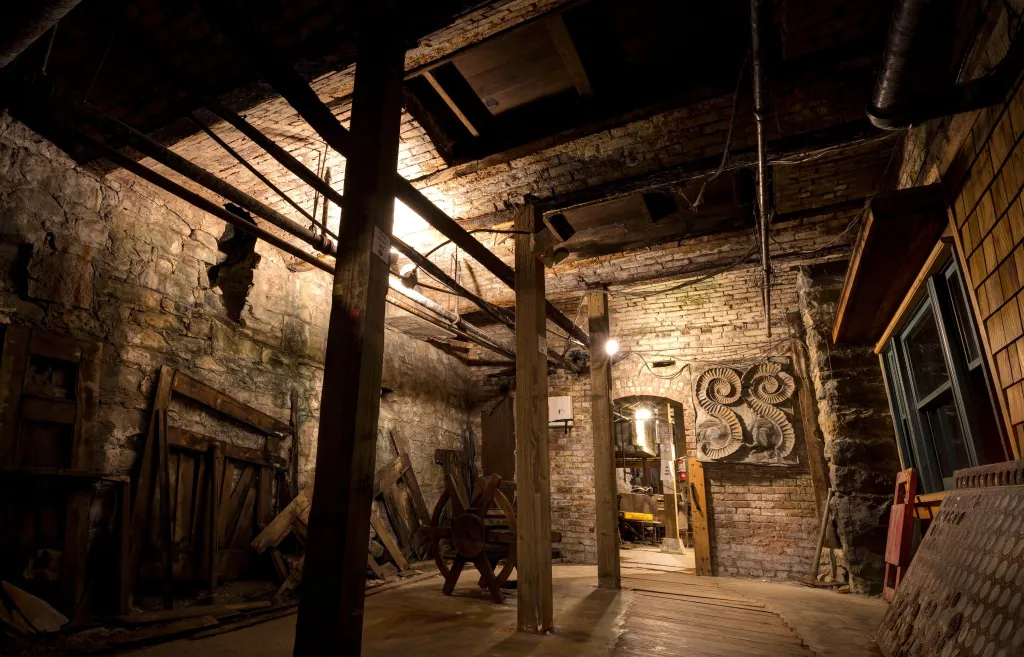
When a fire destroyed much of downtown Seattle in 1889, the city made a practical decision: instead of rebuilding at street level, they raised the entire district by one to two stories and built on top of the rubble. The original ground floor was abandoned and left intact below, creating a genuine underground city beneath Pioneer Square.
Bill Speidel’s Underground Tour has been running since 1965. It remains one of the more genuinely entertaining historical tours in the U.S., with guides who lean into the city’s colorful early history.
Wieliczka Salt Mine, Poland
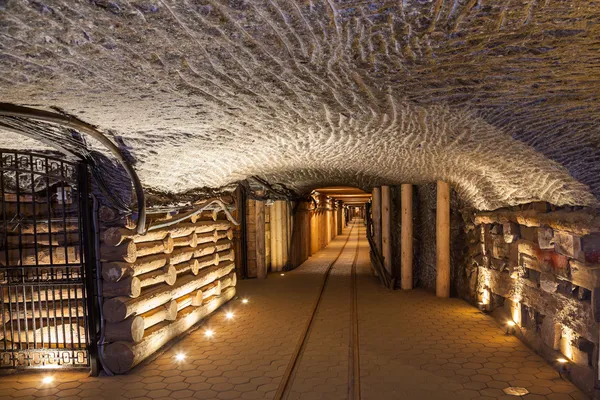
This mine near Kraków has been worked since the 13th century, and the section open to visitors is unlike any mine you’ve imagined. Over the centuries, miners carved chapels, sculptures, and entire rooms directly from the salt rock, including the jaw-dropping Chapel of St.
Kinga — a full-sized underground cathedral with salt-crystal chandeliers and bas-relief carvings. Only a small fraction of the mine’s 200-plus miles of tunnels are accessible, but what’s on offer is genuinely extraordinary.
South Bridge Vaults, Edinburgh

Built into the arches of South Bridge in the late 1700s, these vaults were originally used as workshops and storage space. They were abandoned within a decade due to damp and cold, and the chambers were walled off and forgotten for nearly two centuries.
Various tour operators now offer evening and ghost tours through the vaults, and the atmosphere — dark, cramped, and genuinely old — does most of the work even before the guide says a word.
Hidden London tunnels, Piccadilly Circus
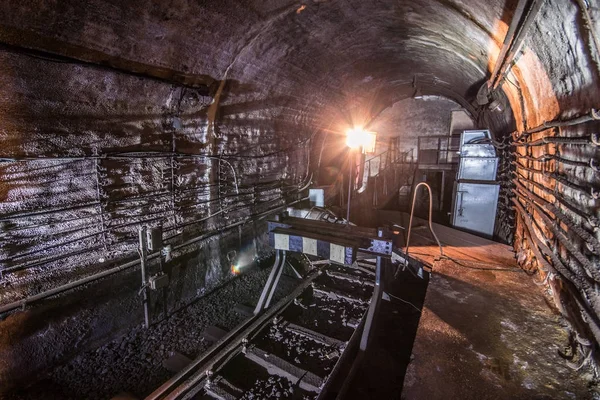
Run by the London Transport Museum, the Hidden London tours take small groups into the disused tunnels, lift shafts, and closed-off platforms beneath some of the city’s most iconic Tube stations. The Piccadilly Circus tour leads visitors through the original station’s abandoned passageways, where original tiled walls from the early 1900s are still intact under the dust.
These tours sell out months in advance, which tells you everything about how popular the idea of sneaking behind London’s walls really is.
Waitomo Glowworm Caves, New Zealand
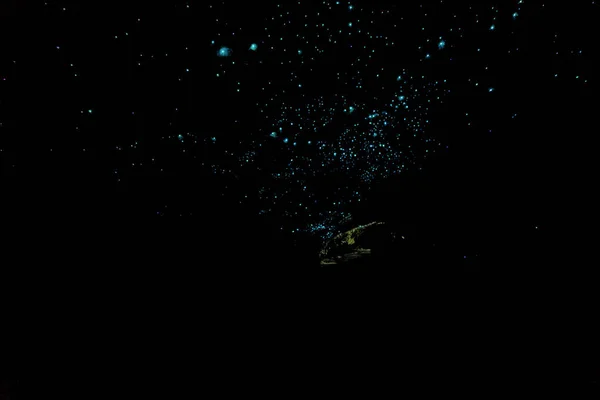
The Waitomo caves on New Zealand’s North Island are home to Arachnocampa luminosa, a species of glowworm found nowhere else on Earth. Visitors take a boat ride through the cave system’s darkness as thousands of bioluminescent larvae light the ceiling, creating an effect that looks almost exactly like a starry sky.
The caves have been offering guided tours since Māori chief Tane Tinorau began escorting visitors through them in the late 1800s.
G-Can flood tunnels, Tokyo
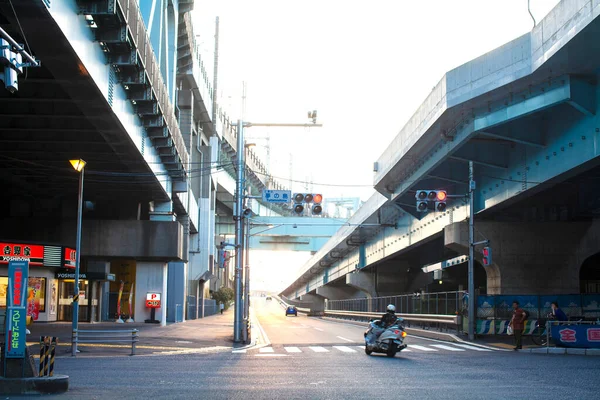
Built to protect Tokyo from flooding during typhoon season, the G-Can system is a network of massive underground tunnels and a cathedral-like water tank that sits 59 feet below the suburbs north of the city. The main chamber — called the ‘Temple’ by visitors — is held up by 59 enormous concrete pillars and has the feel of an ancient ruin, despite being completed in 2006.
Tours run three times a day and fill up fast, partly because it’s one of the most visually striking pieces of engineering infrastructure anywhere in the world.
Colosseum Underground, Rome

Most Colosseum visitors see the arena floor and the stands. The underground section — the Hypogeum — is where the real action happened: a maze of tunnels and chambers where gladiators, animals, and stage machinery were kept before being hoisted up through trapdoors into the arena above.
A reconstructed elevator gives a sense of what it felt like to ascend from darkness into the roar of 50,000 spectators. This section requires a separate ticket and booking, which is why so many visitors miss it entirely.
Domitian Stadium, Rome
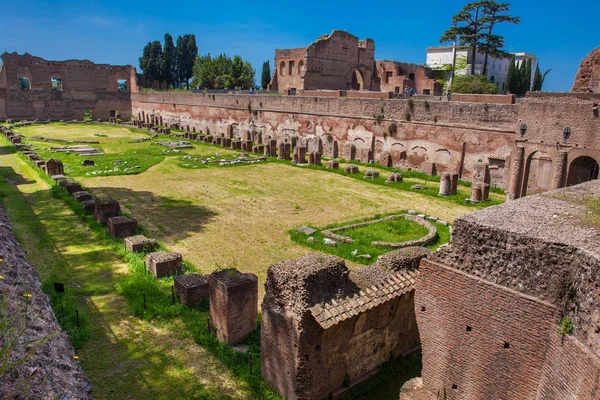
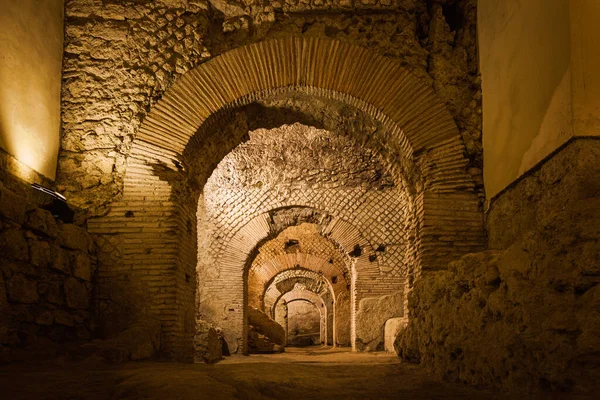
The Colosseum gets all the attention, but beneath Piazza Navona lies the 2,000-year-old foundation of the Stadium of Domitian — the venue that gave the piazza its distinctive elongated shape. Small-group tours descend into the excavated ruins below street level, where you can walk alongside the original seating banks and learn about the chariot races and athletic events that once packed the stands above.
It’s one of those Roman layers-of-history moments that genuinely makes the city feel like it was built on top of itself — because it was.
Prague Underground, Czech Republic
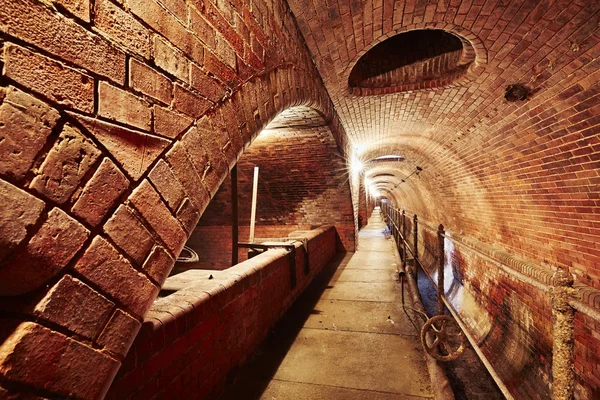
Medieval Prague dealt with repeated flooding from the Vltava River by doing something drastic: burying the old street level and building a new city on top. The result is that beneath today’s Old Town lies an earlier version of Prague, frozen in the 13th century.
Tours run through the preserved cellars, passageways, and lower floors of buildings that are now entirely underground, offering a direct look at how the city used to look before it reinvented itself vertically.
Hackenberg Fort, Maginot Line, France
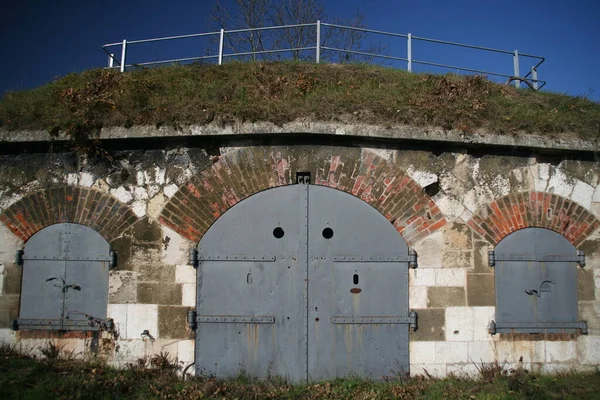
The Maginot Line is one of history’s most famous military miscalculations, but visiting the Hackenberg Fort section in the Moselle region gives you a more nuanced picture. The underground fortress was essentially a self-contained military base — soldiers lived and worked inside for months at a time, cut off from the outside world in conditions designed to mirror a submarine.
The tunnels, command rooms, and artillery positions are still largely intact, and the tour makes clear just how technologically advanced — and ultimately insufficient — the whole system was.
Coober Pedy, Australia
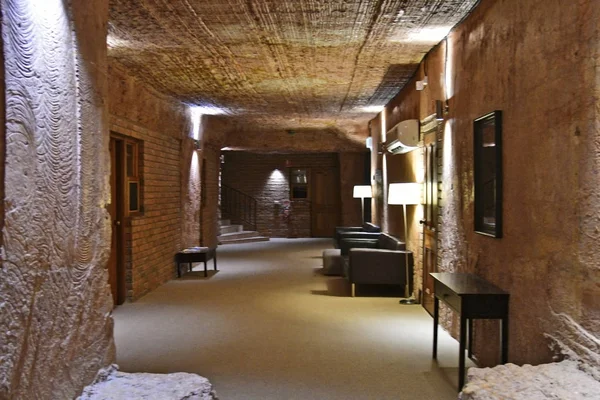
In the South Australian outback, where summer temperatures regularly exceed 100°F, the residents of Coober Pedy made a logical choice: they moved underground. Around 60% of the town’s population lives in ‘dugout’ homes carved into the hillsides, and the underground infrastructure includes hotels, restaurants, churches, and shops.
Coober Pedy also sits on the world’s richest opal fields, and tour operators offer guided visits to working mines and underground homes, giving visitors a look at a way of life that genuinely exists nowhere else on Earth.
Drach Caves, Mallorca
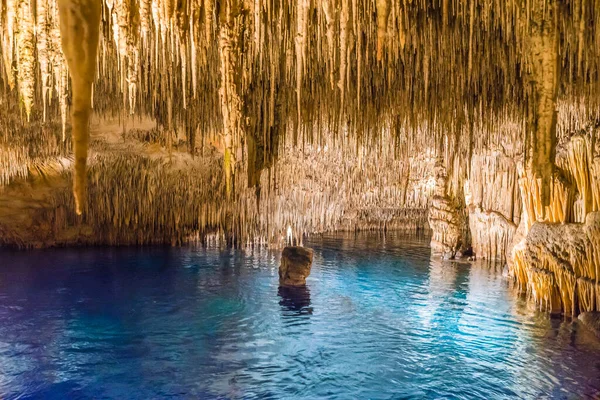
The Drach Caves near Porto Cristo on Mallorca contain one of the largest underground lakes in the world — and one of the more unusual concert venues. Since 1935, a quartet of musicians have been performing classical music on Lake Martel by boat, drifting through the illuminated caverns while visitors watch from the shore.
The combination of stalactite formations, reflected light, and live music makes this one of those experiences that’s genuinely difficult to describe in a way that doesn’t sound made up.
Salt Cathedral of Zipaquirá, Colombia
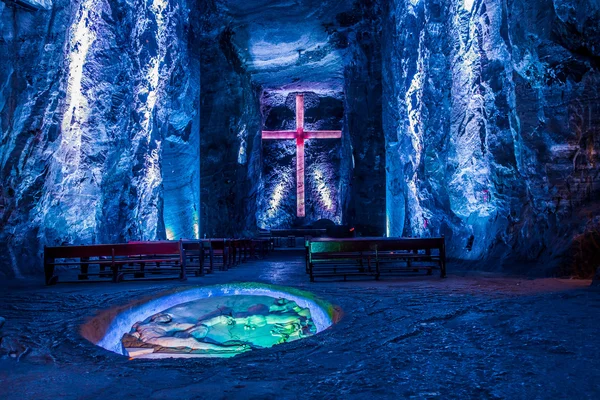
Located 600 feet underground in an old salt mine near Bogotá, the Salt Cathedral of Zipaquirá is at once a working church and one of the most popular tourist destinations in Colombia. The 14 stations of the cross are carved into the passageways leading into the main cathedral, where there is a 75-foot illuminated cross, and the altars were carved directly from the salt.
The size of the space is as surprising as anything else about the Salt Cathedral; it holds 8,500 and is at once sacred and dramatic in its architecture.
Hallstatt Salt Mine, Austria
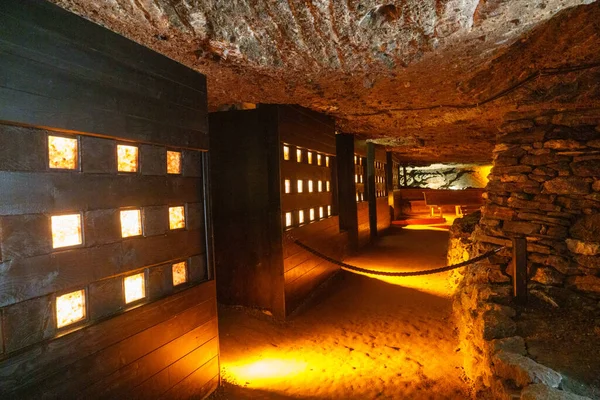
The town of Hallstatt is already one of Austria’s most photographed villages, but the real draw sits above it: a salt mine that has been in continuous operation for around 7,000 years, making it one of the oldest in the world. The tour begins with a funicular ride up the mountain, and the descent into the mine itself is done the old-fashioned way — on a wooden slide, exactly as the miners used to travel between levels.
It’s the kind of detail that turns a history lesson into something you’ll actually remember.
Indianapolis City Market Catacombs, Indiana
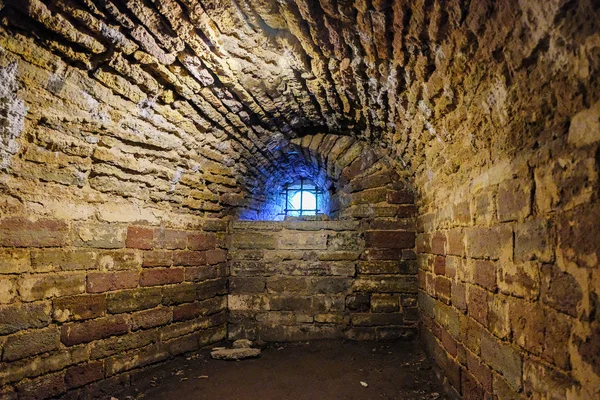
Beneath the busy City Market in downtown Indianapolis lies a labyrinthine network of limestone-arched catacombs that once formed the basement of Tomlinson Hall. This grand municipal building was destroyed by fire in 1958.
The 22,000-square-foot underground warren has become a favorite with ghost hunters and history enthusiasts, and guided tours have been running on and off for years. It’s the kind of hidden layer that most cities have buried somewhere beneath the ordinary streets — this one happens to be accessible.
Burlington Bunker, Corsham, England

Built in the 1950s as a secret government retreat for up to 4,000 officials in the event of a nuclear strike, the Burlington Bunker beneath Corsham in Wiltshire is a 35-acre underground city that most British people have never heard of. It included a BBC studio, a hospital, a telephone exchange, and a pub — because apparently the end of the world was still going to require a place to have a drink.
Declassified and decommissioned in the 2000s, the bunker is now open for occasional tours that feel less like a history lesson and more like a Cold War fever dream.
Down but not forgotten
Going underground has moved from curiosity to a legitimate form of travel, and it’s easy to understand why. These are the places where the real history was hidden away, the kind of history that never made it into the history books – the plague victims, the military strategists, the miners who decided to stay underground, and the engineers who built cities beneath the water line.
The world above is well-trodden and well-documented – the world below has a lot to surprise you. It may be a flooded Roman stadium or a glowworm-infused cave in New Zealand, but going underground seems to be the part of the trip that everyone talks about the longest once they get home.
More from Travel Pug

- Underrated Italian Towns That Beat the Tourist Crowds
- Las Vegas Tourist Traps to Skip
- Prettiest Towns in Every US State
- 18 passport-free countries for Americans
- Signs Your Cruise Is Not Worth The Cost
Like Travel Pug’s content? Follow us on MSN.