

Most people planning a history-focused trip in the U.S. default to the same short list — Charleston, New Orleans, and Savannah. And look, those places earned their reputations.
But the country has more than 2,300 designated historic districts, and the vast majority of them rarely make anyone’s itinerary. That’s a lot of history sitting quietly, waiting to be noticed.
Here is a list of 16 overlooked historic districts that deserve a place on your travel radar, from a Victorian neighborhood in Kentucky that rivals anything in the South to a Louisiana town older than the nation itself.
Old Louisville, Kentucky

Old Louisville is the third-largest historic district in the United States and the largest one featuring almost entirely Victorian architecture. It also holds the highest concentration of houses with stained-glass windows in the entire country.
That’s a remarkable set of credentials for a neighborhood most Americans have never heard of. Spread across more than 40 blocks, the district contains over a thousand homes and churches, and its many architectural highlights include Conrad-Caldwell House Museum — also known as ‘Conrad’s Castle’ — built in 1895 in the Richardsonian Romanesque style.
Natchitoches historic district, Louisiana

Pronounced “Nack-A-Tish,” Natchitoches is the oldest town in Louisiana, located in the heart of the Cane River National Heritage Area. Its Historic Landmark District fronts Cane River Lake and encompasses a 33-block area filled with historic homes, churches, and commercial structures — a mixture of Queen Anne and Victorian architecture alongside Creole-style cottages.
It was also the filming location for“Steel Magnolias,” which is either a selling point or a warning, depending on who you ask.
The Strand, Galveston, Texas

The Strand district was declared a National Historic Landmark in 1976 for its unparalleled collection of commercial Victorian architecture in Texas and its role as the state’s major port in the 19th century. In the late 1880s, it was dubbed “The Wall Street of the South,” lined with opulent Victorian buildings housing five banks, wholesale merchants, and cotton brokers.
The 1900 hurricane devastated the area, but a revitalization effort that began in the 1960s brought it back, and today the iron-front buildings along those five blocks are genuinely impressive.
Staunton, Virginia

Although Staunton was founded in 1747, most of its buildings date from the boom years between 1870 and 1920, giving downtown one of Virginia’s finest collections of Victorian-era architecture. The city has five National Register-listed historic districts — Gospel Hill, Beverley, The Wharf, Stuart Addition, and Newtown — each with its own character.
The Wharf district in particular grew up around a train depot, and despite a history of fire, flood, and wartime damage, significant historic architecture still survives there. Staunton is also the birthplace of President Woodrow Wilson, if you need one more reason to stop.
Eureka Springs historic district, Arkansas

Eureka Springs was the first historic district in Arkansas, placed on the National Register of Historic Places in 1970. At the time, the entire city limits — about two square miles — were designated as the historic district.
The town’s streets follow no grid, winding instead through the Ozark Mountains in a way that feels more like a European hill town than an American small city. The Victorian architecture, cobblestone streets, and lush greenery make for a memorable experience, with the 1886 Crescent Hotel standing out as one of the district’s most iconic landmarks.
Abingdon historic district, Virginia
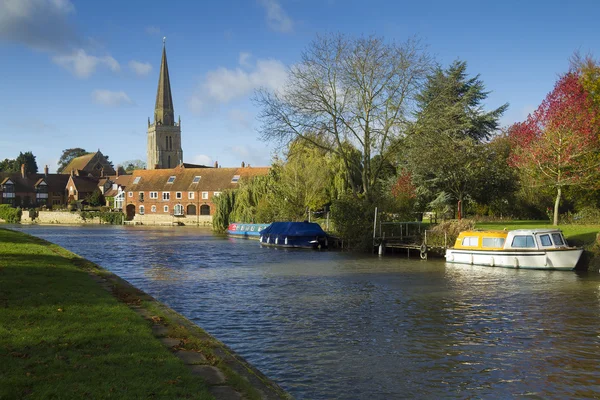
Abingdon sits on the ‘Great Road,’ a popular route among pioneers traveling through the Blue Ridge Mountains, and was established in 1778. Its 20-block historic district includes the Arts Depot — an 1870 restored railroad station featuring artists at work in their studios — as well as the Barter Theatre, the state theater of Virginia, and the Martha Washington Inn, a four-star historic hotel built in 1832.
It’s the kind of town where history isn’t roped off behind velvet — it’s still very much in use.
Galena historic district, Illinois

In the early 19th century, a mineral rush put Galena on the map, and at its peak, the town rivaled early Chicago in economic importance. Its historic streets and beautifully preserved buildings attract tourists, and it played a significant role in America’s lead mining history.
Today, 85% of the town’s structures remain historically accurate, with hand-lettered signs hanging above antique shops and bluff-top views overlooking the Galena River 600 feet below. Ulysses S.
Grant lived here before the Civil War, and his home still stands.
Shepherdstown historic district, West Virginia

Shepherdstown is one of West Virginia’s oldest towns, with records indicating the first settlement occurred in 1730. Named after its founder, Thomas Shepherd, the town’s historic main street — German Street — was named after early German settlers in the community.
It sits just 90 miles from Washington, D.C., which makes the fact that most D.C. visitors never make the trip all the more puzzling. Civil War buffs will also want to factor in a visit to the nearby Antietam Battlefield, just a short drive across the Potomac.
Deadwood historic district, South Dakota

Deadwood is a place where the entire town is designated a National Historic Landmark, and its main street goes back to the gold rush era of the 1870s. Mount Moriah Cemetery overlooks the town and serves as the final resting place for Wild Bill Hickok, Calamity Jane, and other Western legends, while also offering sweeping views over Deadwood below.
Skip the slot machines if that’s not your thing — the history here is more than enough to fill a day.
Heritage Hill, Grand Rapids, Michigan

A misguided urban renewal plan in the 1960s called for the demolition of three-quarters of the 1,300 homes in Grand Rapids’ oldest residential district — including a Frank Lloyd Wright Prairie-style house. Thanks to protests and court challenges by determined residents, the plan was defeated, and Heritage Hill was added to the National Register of Historic Places shortly after.
Today, the neighborhood is a living catalog of 19th- and early-20th-century architecture, from Italianate mansions to Queen Anne cottages, all built during the city’s lumber and furniture boom.
Astoria historic district, Oregon

Astoria sits near the fort where Lewis and Clark wintered, and its history stretches from barnacled cannery docks to painted Victorian mansions overlooking the Columbia River. The town is the oldest American settlement west of the Rocky Mountains still in existence, a fact that tends to surprise people who associate Pacific Northwest history with more recent arrivals.
Its Victorian clapboard houses cling to steep hillsides above the Columbia, and the city has earned recognition as one of America’s great main street communities.
Helena Mansion district, Montana

A walk through Helena’s Mansion District reveals how well the city’s wealthy citizens spent their money during the mining boom. Every one of the luxurious mansions features unique details — bold stone columns or slender wood ones, granite arches or intricate brickwork, round or hexagonal towers, wraparound porches, and dormer windows.
Informative signs along the sidewalk provide details about the homes and their original owners. Helena produced more millionaires per capita than any other U.S. city during the late 1800s gold rush, and the architecture makes that stat very easy to believe.
John S. Park historic district, Las Vegas, Nevada
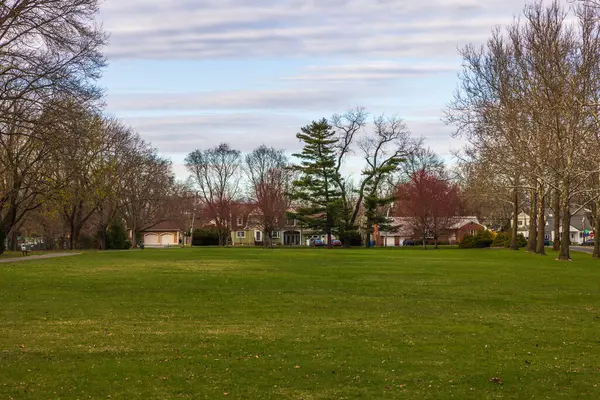
Most visitors to Las Vegas look right past this one. Located just a short distance from downtown Las Vegas, John S.
Park was listed on the National Register of Historic Places in 2003 and features historic homes and vintage architecture. It’s a leafy, quiet neighborhood of mid-century bungalows and craftsman homes that feels completely disconnected from the noise of the Strip nearby — which is exactly the point.
The Neon Museum is walkable from the district and makes for a natural addition to the visit.
Port Townsend historic district, Washington

The Port Townsend Historic District is a National Historic Landmark encompassing a significant portion of the waterfront and downtown area. It owes its remarkable preservation to a building boom and crash in the 1880s — the result being one of the finest surviving examples of a late 19th-century port town on the West Coast.
The boom collapsed when a railroad venture went bankrupt in 1890, and because no new industry moved in to replace it, very few of the Victorian buildings were torn down or heavily renovated — preserved, in essence, as time capsules for the next hundred years. The district includes around 700 residences and 60 commercial buildings, and Port Townsend is one of only three surviving Victorian-era seaports in the nation.
Uplands historic district, Walnut Hills, Ohio

The Uplands Historic District in Walnut Hills features many well-preserved late-19th-century architectural creations from prominent architects such as Samuel Hannaford, Lucian Plympton, and Aiken & Ketcham. Architectural styles include Queen Anne, Colonial Revival, Victorian, and English Arts and Crafts.
It’s the kind of neighborhood where every other building has a story, yet it draws a fraction of the attention that Cincinnati’s more famous districts attract. For anyone serious about American residential architecture, it’s a genuine find.
Cape May historic district, New Jersey

Cape May is widely recognized as the oldest seaside resort in the country. In 1976, the entire city was declared a National Historic Landmark — the only city in the United States wholly designated as such.
The district covers 380 acres and contains over 600 buildings in the Late Victorian style, including Eclectic, Stick, and Shingle styles, many with gingerbread trim. A fire in 1878 destroyed 35 acres of the town center, but property owners rebuilt almost entirely in the Victorian style, accidentally creating what is now an architectural time capsule.
Five U.S. presidents summered here, and the Chalfonte Hotel — the oldest continuously operated hotel in Cape May — is still open for business.
History doesn’t wait for you to notice it
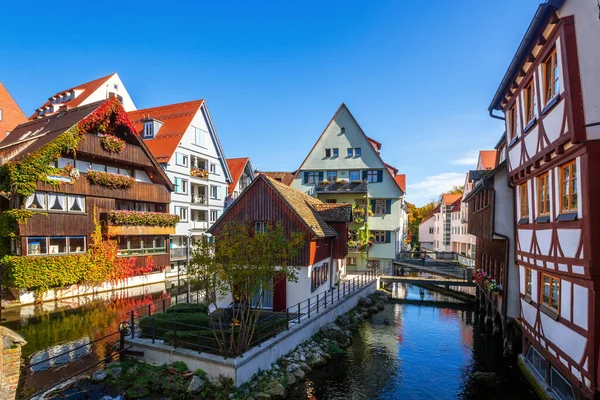
Most of these districts have been quietly sitting on the National Register of Historic Places for decades, holding onto their architecture, their stories, and their original streetscapes.
At the same time, the crowds keep heading to the same handful of famous cities. That’s actually good news for anyone willing to venture slightly off the beaten path — fewer tour buses, more breathing room, and the particular pleasure of discovering something genuinely worthwhile before everyone else does.
The history is there. It’s just been waiting for someone to show up.
More from Travel Pug

- Underrated Italian Towns That Beat the Tourist Crowds
- Las Vegas Tourist Traps to Skip
- Prettiest Towns in Every US State
- 18 passport-free countries for Americans
- Signs Your Cruise Is Not Worth The Cost
Like Travel Pug’s content? Follow us on MSN.