

Food trucks transformed American dining from novelty to necessity over the past two decades, evolving from simple hot dog carts into mobile culinary laboratories where chefs experiment with fusion cuisines and avant-garde concepts. The best food truck cities created ecosystems supporting mobile vendors through favorable regulations, dedicated parking zones, and communities that embrace eating on sidewalks rather than demanding white tablecloths.
These cities prove that great food doesn’t require brick-and-mortar establishments when talented cooks can operate from trucks, reaching customers in office parks, residential neighborhoods, and festival grounds. The food truck revolution democratized dining, allowing entrepreneurial chefs to launch concepts without massive startup costs while giving customers access to diverse cuisines previously unavailable in their communities.
Here is a list of US cities where food trucks fundamentally shaped local dining culture.
Portland, Oregon
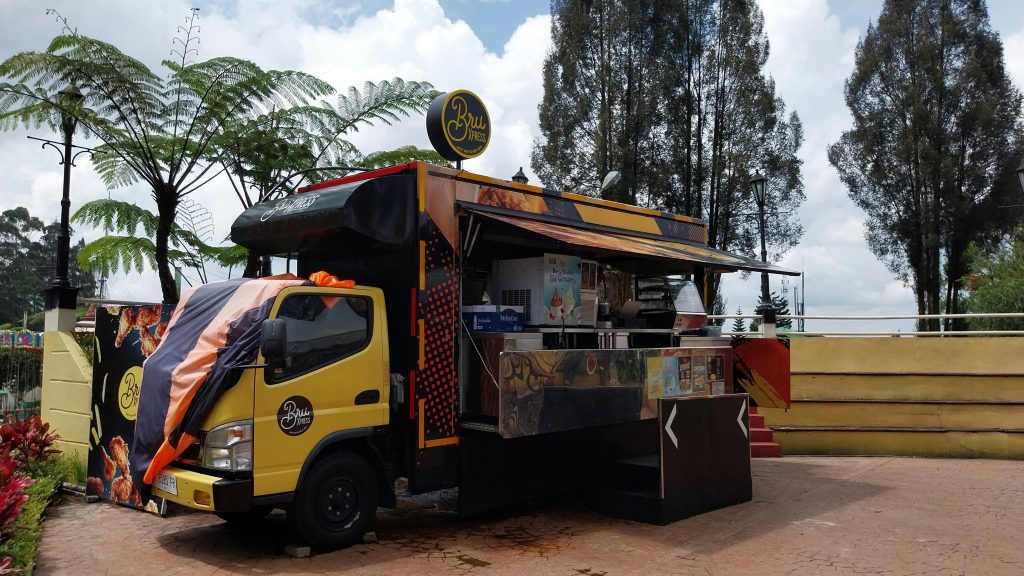
Over 500 licensed food carts and trucks operate throughout Portland, forming clusters that create outdoor dining complexes. Cartopia on SE 12th Avenue hosts legendary late-night vendors serving everything from Korean fusion to vegan comfort food around shared picnic tables.
The city’s minimal barriers to entry and supportive regulations helped Portland earn recognition as America’s top food truck destination. Nong’s Khao Man Gai built its reputation selling one dish exclusively, succulent poached chicken with rice, demonstrating how food truck specialization leads to perfection.
Portland proves that rainy weather doesn’t dampen food truck culture, as communities embrace outdoor dining regardless of the weather.
Austin, Texas
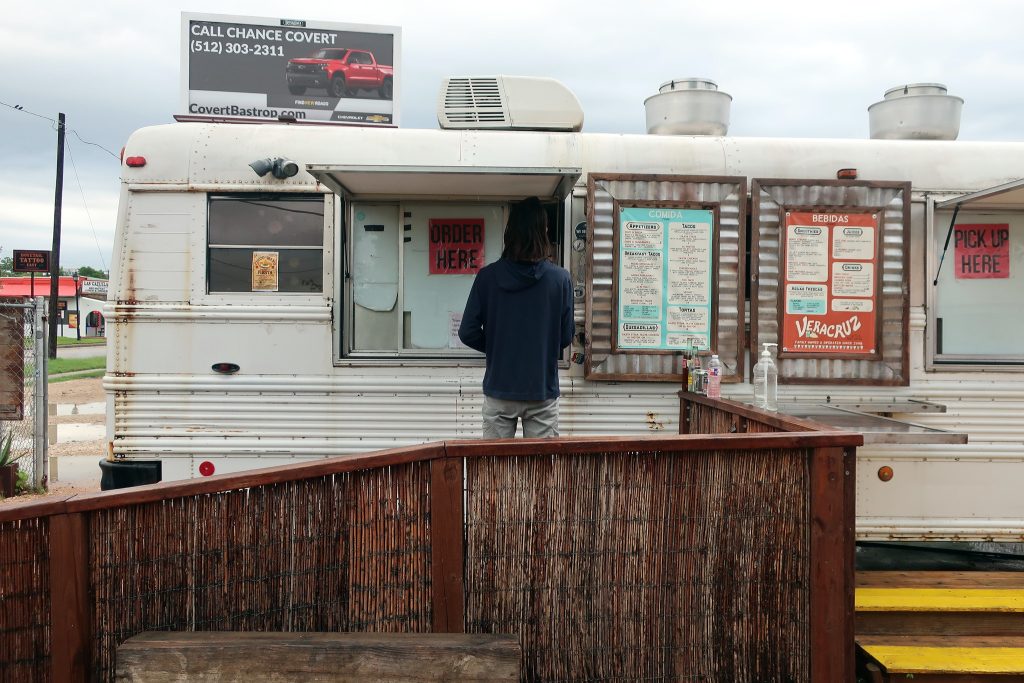
More than 1,000 food trucks patrol Austin’s streets, making mobile dining essential to the city’s culinary identity rather than an alternative. Veracruz All Natural serves tacos from recipes passed down through Mexican hermanas, while Micklethewait Craft Meats delivers Texas barbecue that rivals the state’s legendary brick-and-mortar joints.
The Peached Tortilla pioneered fusion concepts with pad Thai burritos that sound absurd but taste incredible. Austin’s food truck parks create designated gathering spaces where multiple vendors serve crowds choosing between Korean tacos, gourmet donuts, and Vietnamese banh mi.
The year-round warm weather and outdoor culture make food trucks viable year-round.
Los Angeles, California
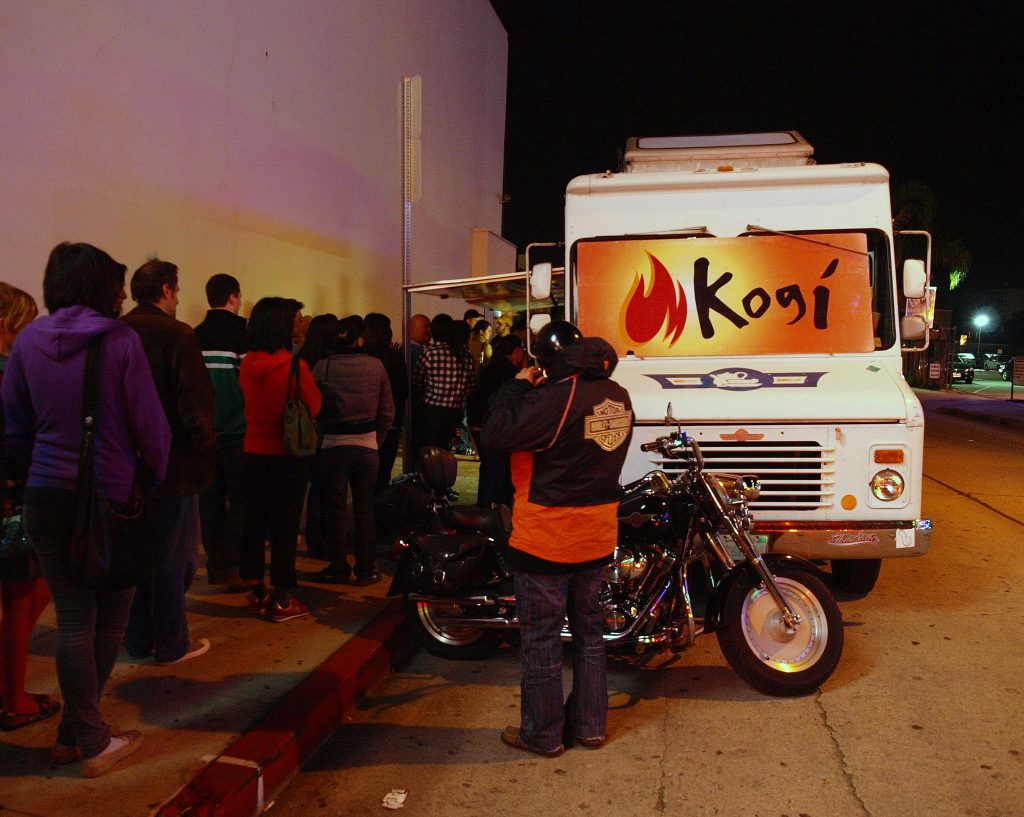
Kogi BBQ launched the modern food truck revolution in 2008 by fusing Korean and Mexican cuisines while using Twitter to announce locations. The truck’s success inspired thousands of imitators and established LA as ground zero for mobile dining innovation.
Mariscos Jalisco serves legendary tacos dorados de camaron with shrimp encased in crispy corn tortillas, drawing lines that stretch down blocks. The city’s sprawling geography means food trucks reach neighborhoods underserved by traditional restaurants, filling gaps in the dining landscape.
LA’s diverse population supports trucks serving Ethiopian stews, Armenian kebabs, and Filipino fusion, creating mobile representations of the city’s cultural melting pot.
New York City, New York
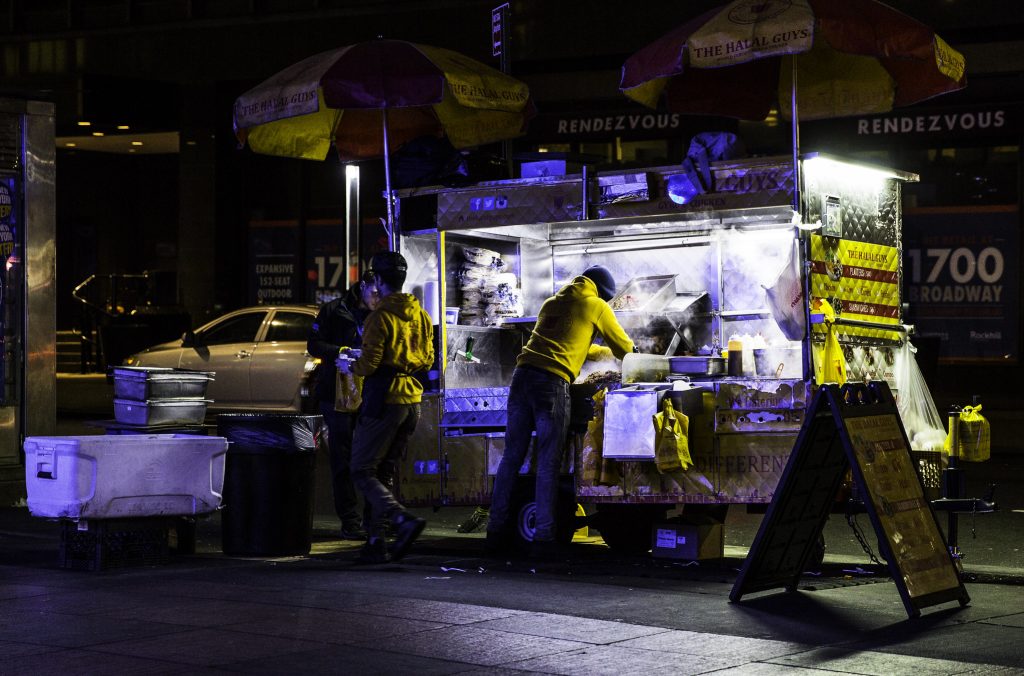
Street vending traces back to the 1800s when pushcarts sold oysters and fruits, evolving into the hot dog carts that became NYC icons. The modern food truck scene expanded beyond simple carts into full mobile kitchens serving Bangladeshi fusion, Korean BBQ, and gourmet dumplings.
The Halal Guys turned their single cart into a global phenomenon through platters of chicken and gyro that became synonymous with NYC street food. Smorgasburg in Brooklyn hosts over 100 vendors creating weekend food markets that draw thousands.
The city’s dense population and office worker lunch rushes create ideal conditions for mobile vendors serving quick, quality meals.
San Francisco, California
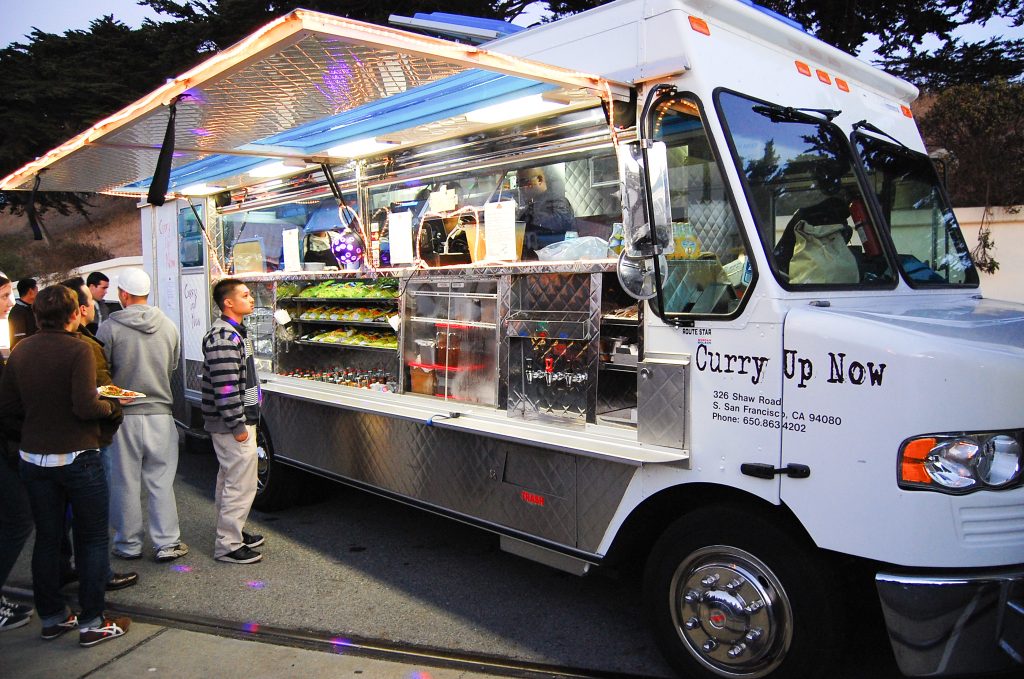
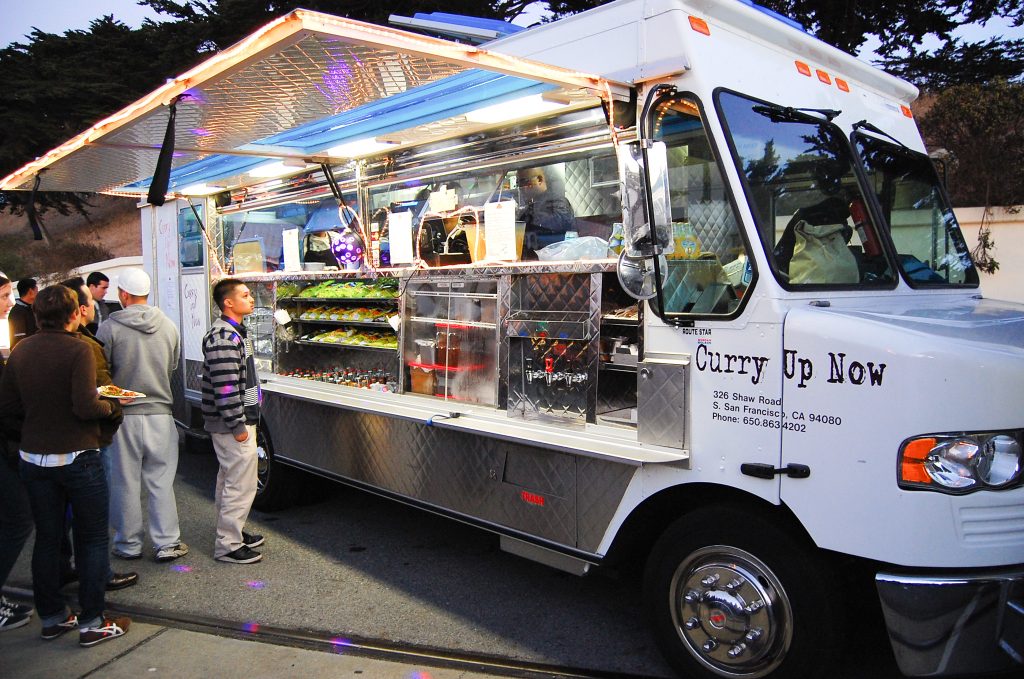
Over 150 food trucks serve Bay Area residents who’ve embraced mobile dining as part of the city’s innovative culinary culture. Curry Up Now pioneered Indian street food with creations like sexy fries and Indian-inspired poutine, which became a local staple.
The city’s tech workers created consistent lunch crowds that support trucks parked near office complexes throughout the Financial District and South of Market. Off the Grid organizes weekly food truck gatherings at locations throughout the Bay Area, creating festivals around mobile dining.
San Francisco’s emphasis on local, sustainable ingredients extends to food trucks, where vendors highlight California produce.
Seattle, Washington
The Pacific Northwest’s embrace of local, sustainable food made Seattle a natural home for innovative food trucks. Where Ya At Matt serves Louisiana cuisine that transplants New Orleans flavor to the Pacific coast, while Marination Mobile fuses Hawaiian and Korean dishes reflecting Seattle’s Asian influences.
The city’s year-round temperate climate makes outdoor dining viable despite its reputation for rain. Food trucks gather at locations like South Lake Union, providing lunch options for Amazon and tech workers who fuel the mobile dining economy.
Seattle proves that food truck culture thrives in cities valuing culinary experimentation and local sourcing.
Houston, Texas
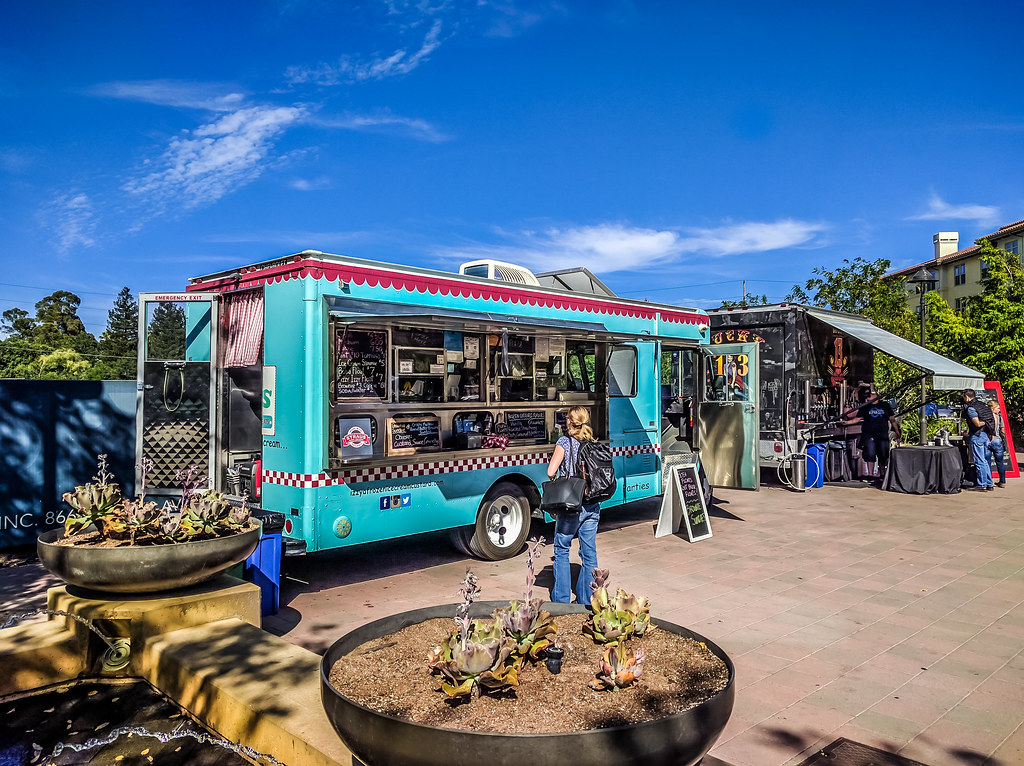
Houston’s lack of traditional zoning laws created unique challenges and opportunities for Houston’s food truck scene, with trucks filling gaps in the city’s sprawling landscape. The Tex-Mex tradition evolved through mobile vendors experimenting with Asian fusion and global mashups.
Food Truck Fridays at Axelrad Beer Garden became weekly institutions where locals sample diverse cuisines while enjoying outdoor atmospheres. Houston’s diverse immigrant communities support trucks serving authentic Vietnamese pho, Nigerian jollof rice, and Venezuelan arepas alongside traditional Texas barbecue.
The metropolitan area’s size means food trucks reach suburban neighborhoods miles from downtown restaurants.
Denver, Colorado
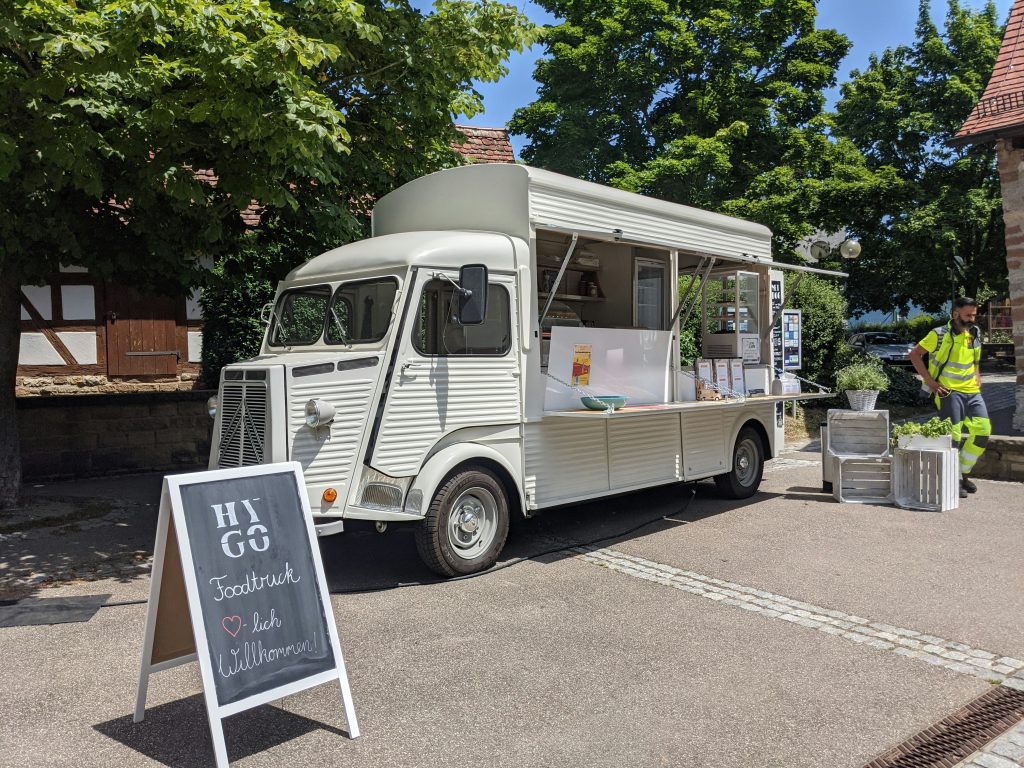
Consistently ranked among America’s fittest cities, Denver’s health-conscious residents gravitated toward food trucks offering local, organic, and wholesome menu options. Low taxation on mobile vendors drew hundreds of operators, creating one of the country’s largest food truck economies.
The city’s 300 days of annual sunshine make outdoor dining pleasant most of the year, supporting vendors year-round rather than just seasonally. Denver’s craft beer culture pairs naturally with food trucks, creating symbiotic relationships where breweries host trucks serving customers drinking locally made ales.
The mountain setting provides dramatic backdrops for mobile dining experiences.
Orlando, Florida
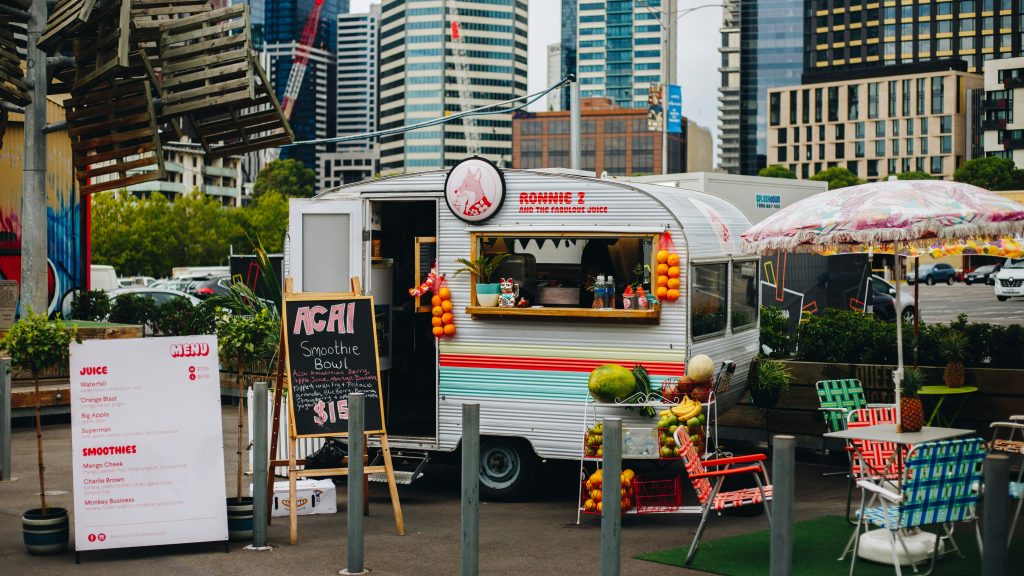
Orlando holds the distinction of having the most food trucks per capita of any American city, with vendor-friendly regulations including $50 permit fees. The tourist infrastructure created by theme parks extends to food trucks serving visitors seeking alternatives to resort dining.
Year-round warm weather eliminates seasonal closures that plague northern markets, allowing consistent operations. The city’s growth attracted immigrants bringing diverse culinary traditions that manifest through mobile kitchens serving Puerto Rican, Haitian, and Brazilian cuisines.
Orlando proves that favorable regulations directly correlate with thriving food truck scenes.
Nashville, Tennessee
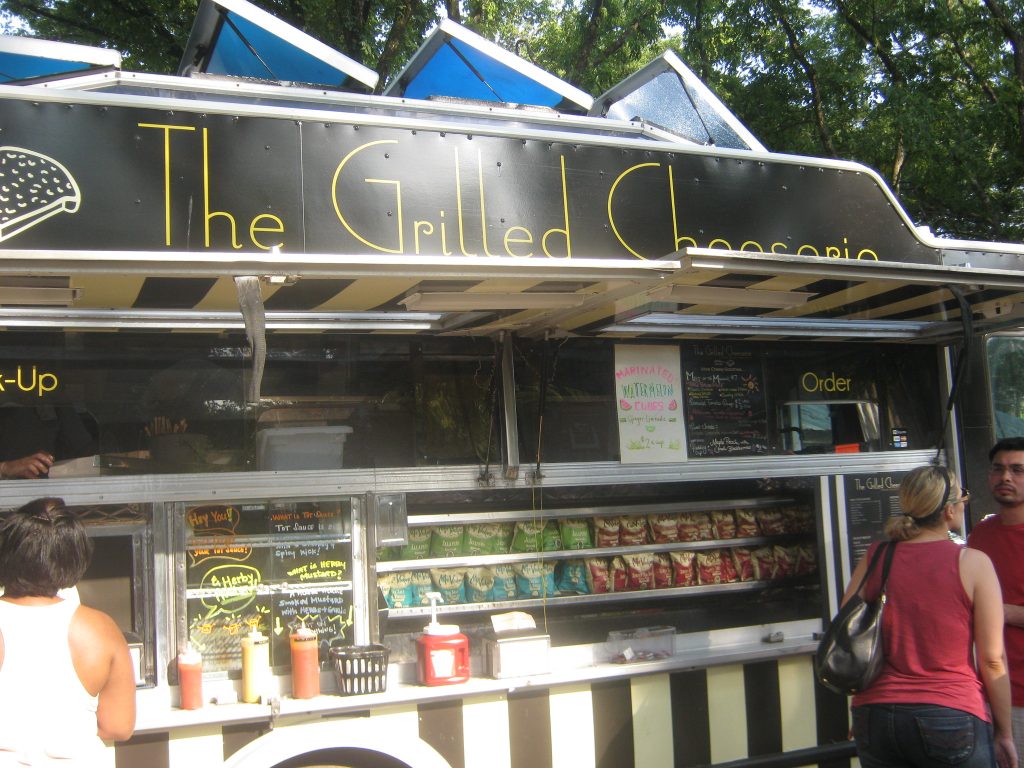
Music City’s food truck scene exploded after the Nashville Food Truck Association advocated for regulatory reforms designating specific gathering areas. The Grilled Cheeserie elevated childhood comfort food with gourmet melts, pairing artisan cheeses with creative ingredients.
Southern comfort food traditions adapted to mobile formats, with trucks serving hot chicken, barbecue, and biscuits to crowds leaving honky-tonks. Events like Nashville Street Food Awards celebrate the city’s culinary talent, while Music City Food Truck Park provides permanent gathering spaces.
The collaborative community spirit that defines Nashville extended to food truck culture.
Washington, DC
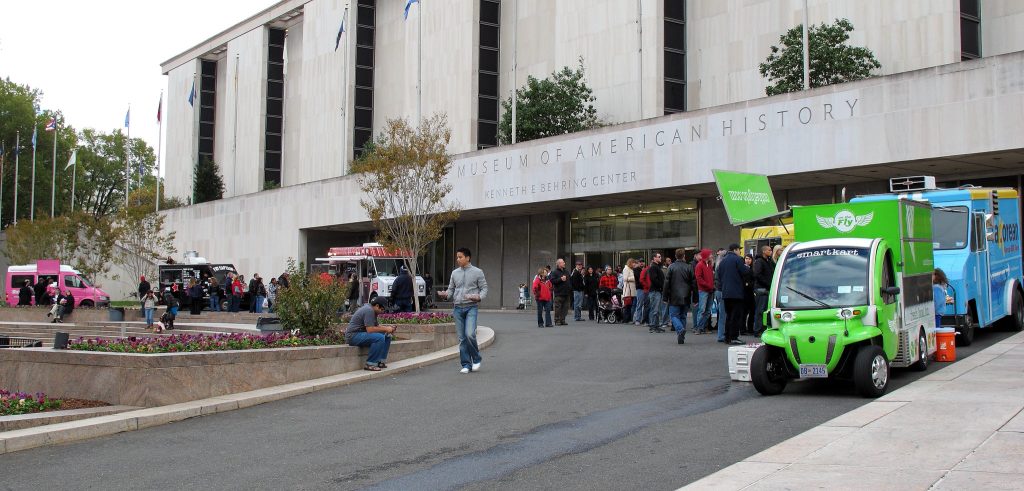
International diplomatic presence created demand for global cuisines served by food trucks representing flavors worldwide. Government employee lunch rushes provide consistent customer bases for trucks positioned near the White House, Capitol, and federal agencies.
Well-established regulatory frameworks, including clear permit guidelines and designated vending zones, supported industry growth. DC’s food truck scene reflects the city’s international character with vendors serving Ethiopian injera, Salvadoran pupusas, and Bangladeshi curries.
The professional workforce embraces mobile dining as an efficient alternative to sit-down restaurants during workday lunches.
San Antonio, Texas
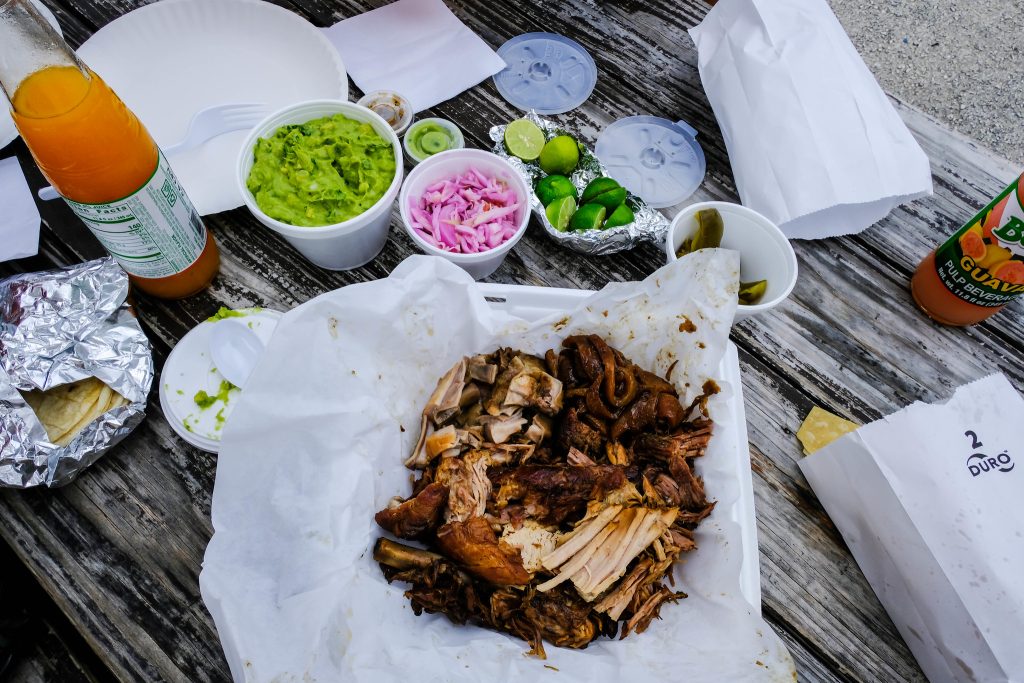
Rich cultural heritage shows through food trucks serving Tex-Mex alongside innovative fusion concepts. El Cevichero delivers some of Texas’s best ceviche, while Carnitas Don Raúl specializes in Michoacan-style carnitas, demonstrating regional Mexican diversity.
The city’s 6.6 food trucks per 100,000 residents exceed the national average by 8 percent, indicating strong community support. Local legislators streamlined licensing processes, recognizing food trucks as cultural assets and economic drivers.
San Antonio’s moderate climate allows year-round operations without weather forcing seasonal closures.
Chicago, Illinois
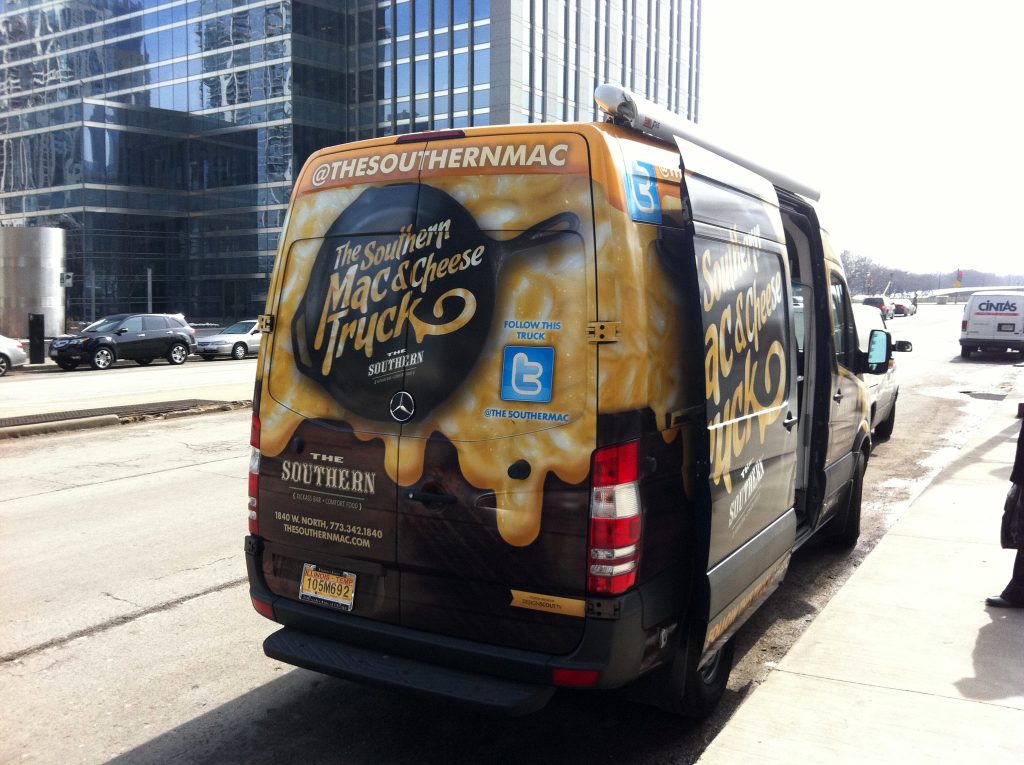
Food truck regulations finally relaxed after years of restrictions protecting brick-and-mortar restaurants from mobile competition. Wow Bao’s Buns on the Run serves steamed baos with teriyaki chicken and barbecue pork, reflecting Chicago’s embrace of Asian fusion.
Southern Mac & Cheese Truck offers daily-changing gourmet variations on comfort food classics. The late entry into food truck culture means Chicago vendors learned from other cities’ successes, implementing best practices from the start.
Office worker lunch demand in the Loop and surrounding neighborhoods created ready markets for mobile vendors.
Raleigh, North Carolina
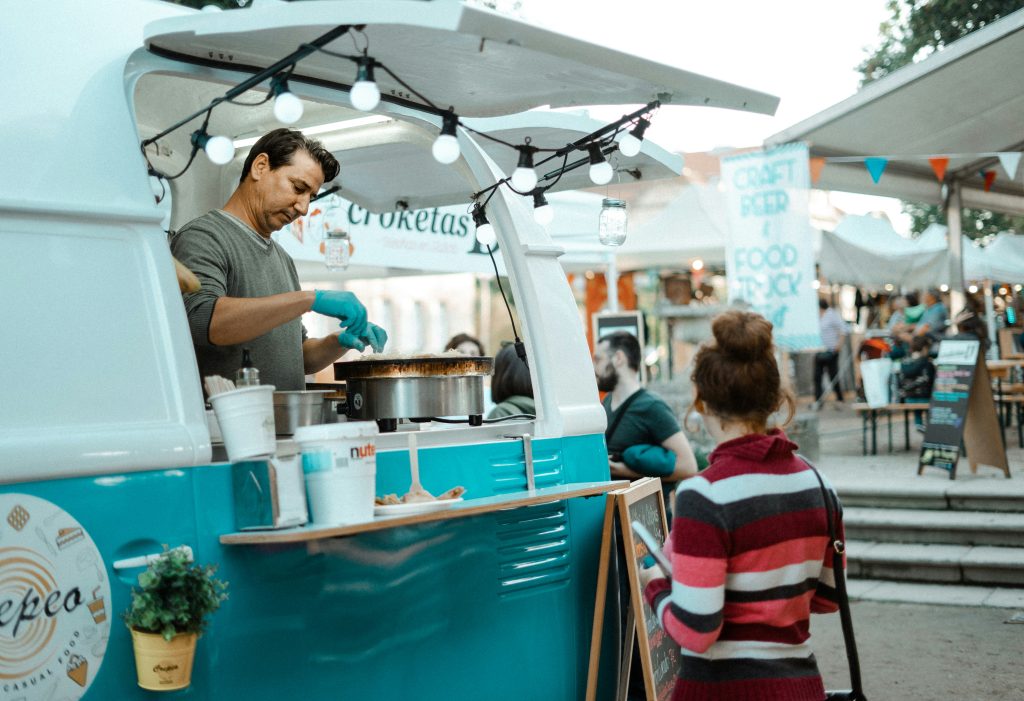
Southern charm blended with global cuisine creates unique food truck offerings in North Carolina’s capital. The city’s tech sector growth attracted young professionals who embraced mobile dining as convenient lunch options.
Food trucks gather at breweries throughout the Research Triangle, creating partnerships benefiting both beer makers and food vendors. Raleigh’s relative affordability compared to coastal cities makes operating food trucks financially viable while keeping prices accessible.
The combination of traditional Southern cooking with innovative fusion concepts defines the local mobile dining scene.
Oakland, California

Immigrant-run food trucks showcase Oakland’s cultural diversity through authentic international cuisines. Yummy Yummy Hibachi and Southern Fried Vegan demonstrate the range from Japanese teppanyaki to plant-based soul food.
The community spirit that defines Oakland extends to food truck culture, where vendors support each other rather than viewing others as competition. Lower overhead costs compared to San Francisco across the bay allow Oakland trucks to maintain affordable pricing.
The East Bay’s appreciation for authentic, community-focused dining created ideal conditions for mobile vendor success.
Rolling revolution

Food truck success stories across these cities reveal common traits, including supportive regulations, diverse populations that embrace international cuisines, and communities that prefer culinary innovation to formal dining experiences. The food cart pods of Portland, the truck parks of Austin, and the Twitter-announced dining spots of LA showcase how cities created new dining experiences through their use of mobile dining technologies.
Food trucks transformed from being a temporary trend into an essential service because they provided needed food service to remote areas while delivering high-quality, budget-friendly meals and enabling skilled chefs to start their own businesses without needing restaurant funding.
More from Travel Pug

- Underrated Italian Towns That Beat the Tourist Crowds
- Las Vegas Tourist Traps to Skip
- Prettiest Towns in Every US State
- 18 passport-free countries for Americans
- Signs Your Cruise Is Not Worth The Cost
Like Travel Pug’s content? Follow us on MSN.