

Americans have constantly excelled at building magnificent hotels for centuries. The period between the Gilded Age and the Roaring Twenties produced hotels that hotel developers and visionaries designed hotels that could be described as “destination hotels” that contained grand ballrooms, hand-carved woodwork, and hotel designs worthy of books of their own.
There are two hotel presences that the modern chain hotel is not capable of delivering: some have been totally refurbished. In contrast, the others proudly wear their years of history like a badge of honor.
These historic hotels in the United States, all of which offer the visitor the unique ability to hear the “talking walls” that will give the visitor a glimpse into the history of the vibrant country in the past.
Hotel del Coronado, California
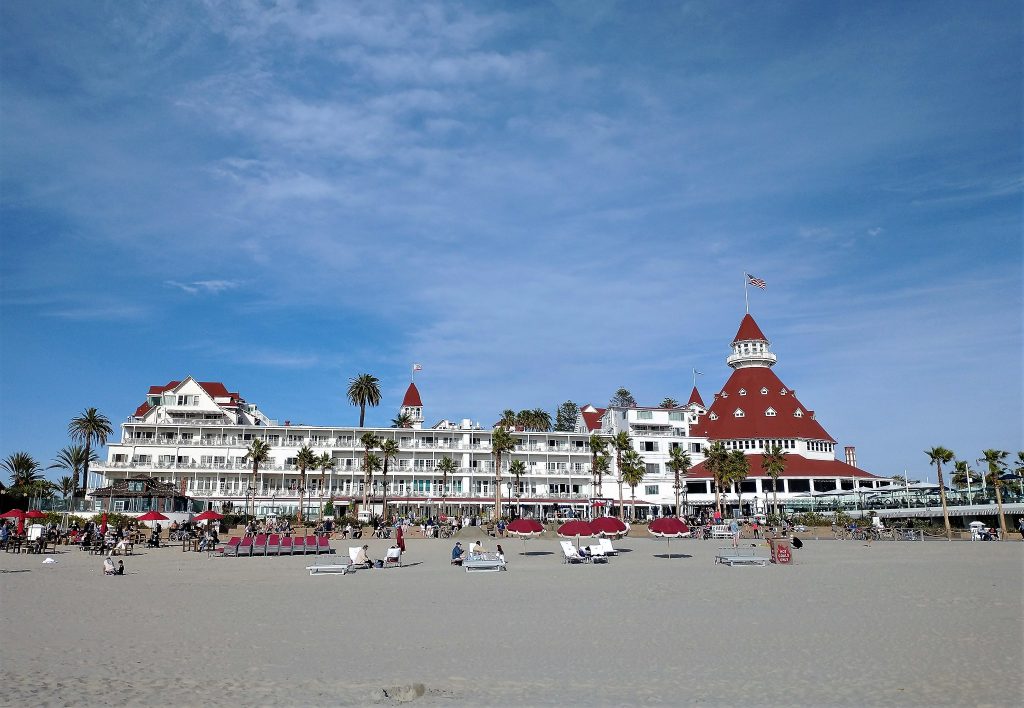
This Victorian beach resort sprawled across Coronado Island in 1888, back when San Diego was still finding its footing. The red-roofed wooden structure became the largest resort hotel in the world at the time, complete with Thomas Edison’s new electric lighting system.
Marilyn Monroe filmed ‘Some Like It Hot’ here, though the hotel’s ghost stories predate Hollywood by decades.
The Greenbrier, West Virginia
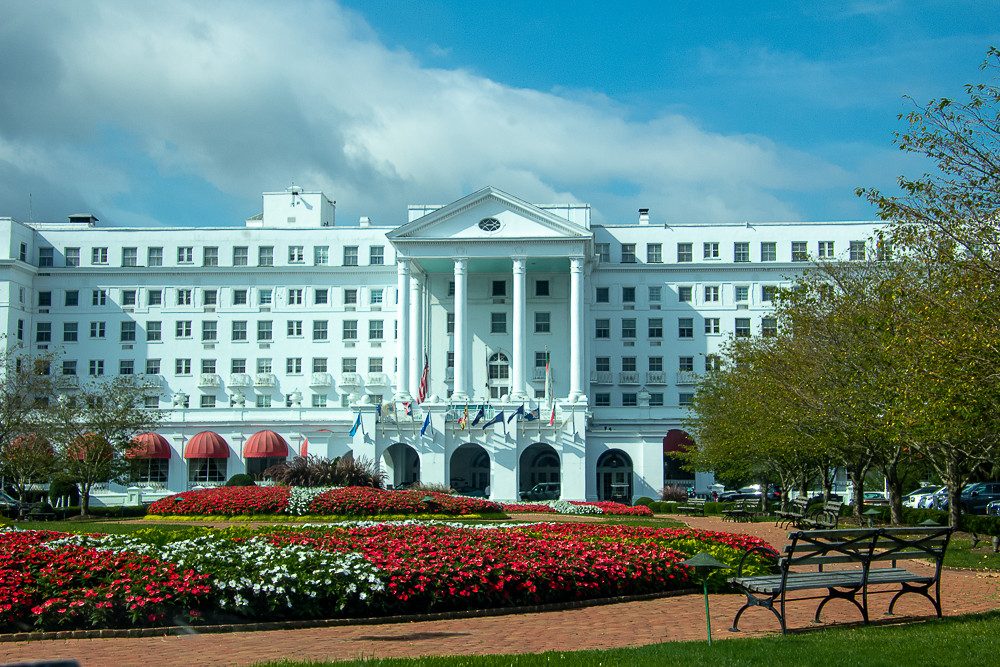
The white resort located in the Allegheny Mountains has operated since 1778, making it older than the United States itself. The property functioned as a Civil War hospital, which later concealed an extensive Cold War bunker underneath its beautifully maintained landscape.
The 1940s interior design work of Dorothy Draper maintains its original vibrant colors, preventing it from becoming dull or unremarkable.
The Stanley Hotel, Colorado
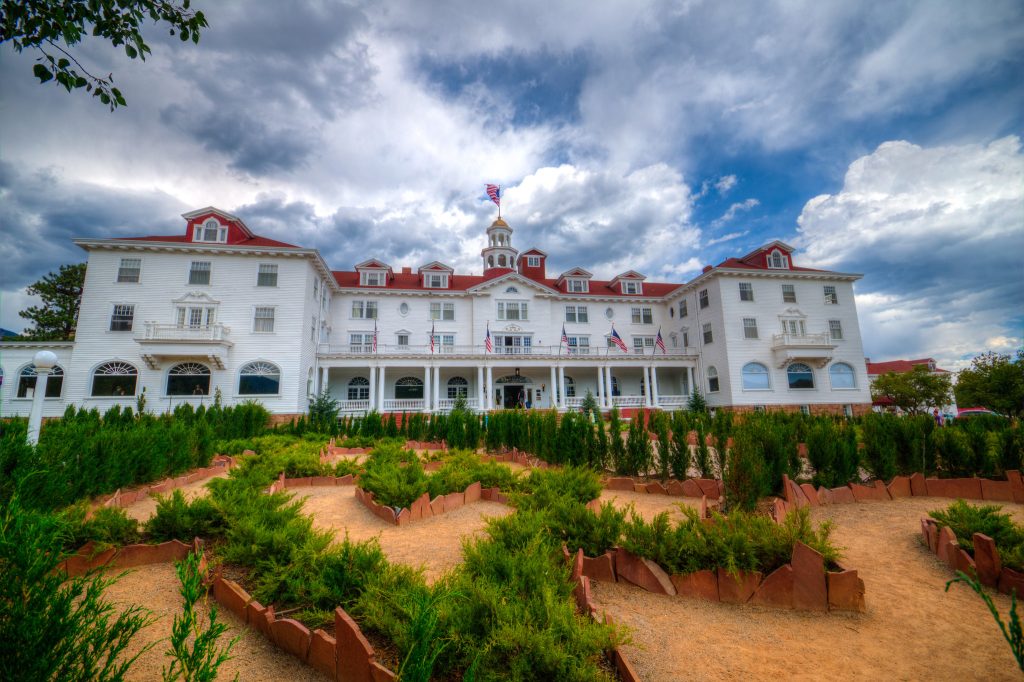
Freelan Stanley built this Georgian Colonial Revival masterpiece in 1909 after the mountain air helped cure his tuberculosis. Perched above Estes Park with the Rockies as a backdrop, the gleaming white hotel inspired Stephen King’s ‘The Shining’ during his stay in room 217.
The original Steinway piano still plays in the music room, though some say it occasionally performs solo.
Omni Parker House, Boston
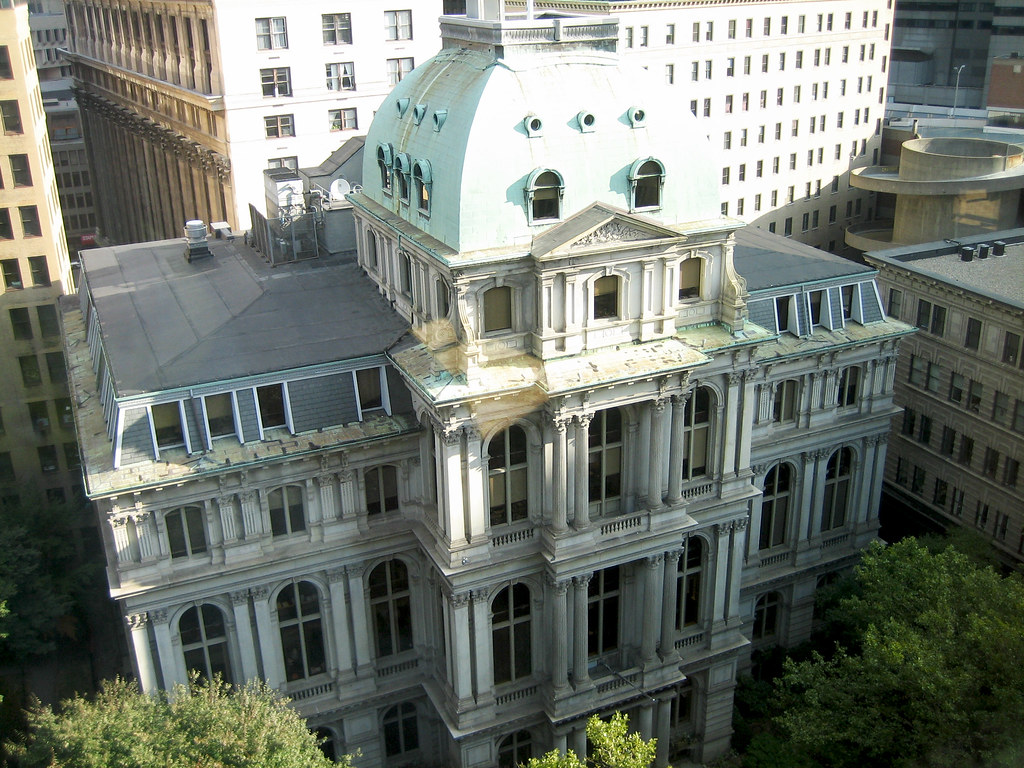
America’s longest continuously operating hotel opened in 1855 and immediately started making culinary history. The kitchen invented Boston cream pie and Parker House rolls—both still served daily—while the bar claims to have created the term ‘scrod.’
Charles Dickens gave his first public reading of ‘A Christmas Carol’ here, and JFK proposed to Jackie in one of the private dining rooms.
The Peabody, Memphis
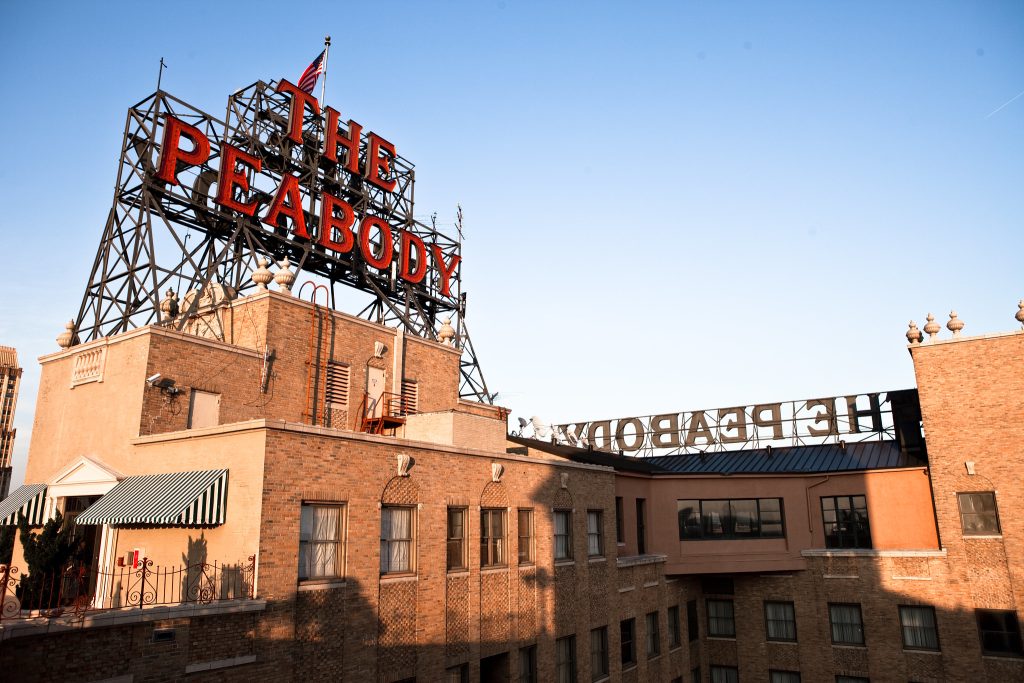
This Italian Renaissance Revival hotel has maintained the same quirky tradition since the 1930s: ducks living in the lobby fountain. Every morning at 11, the Peabody Ducks march down a red carpet from the elevator to their fountain home while a crowd gathers.
Beyond the waterfowl, the hotel’s restored 1920s grandeur includes a stunning stained-glass skylight and enough marble to outfit a palace.
Mission Inn, Riverside
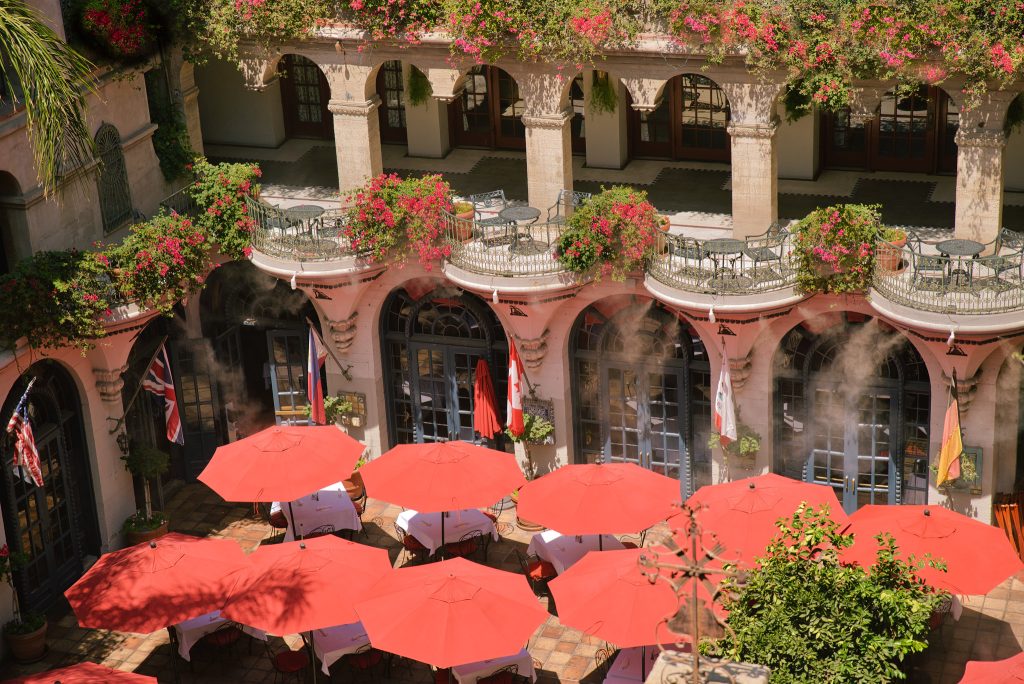
What started as a modest adobe boarding house in 1876 grew into a sprawling Spanish Revival masterpiece filled with bells, flying buttresses, and artifacts from around the world. Owner Frank Miller spent decades expanding the property, adding everything from a gold-leafed altar to an entire wing inspired by his travels.
Presidents Taft and Nixon both stayed here, with Nixon honeymooning at the Inn.
The Brown Palace, Denver
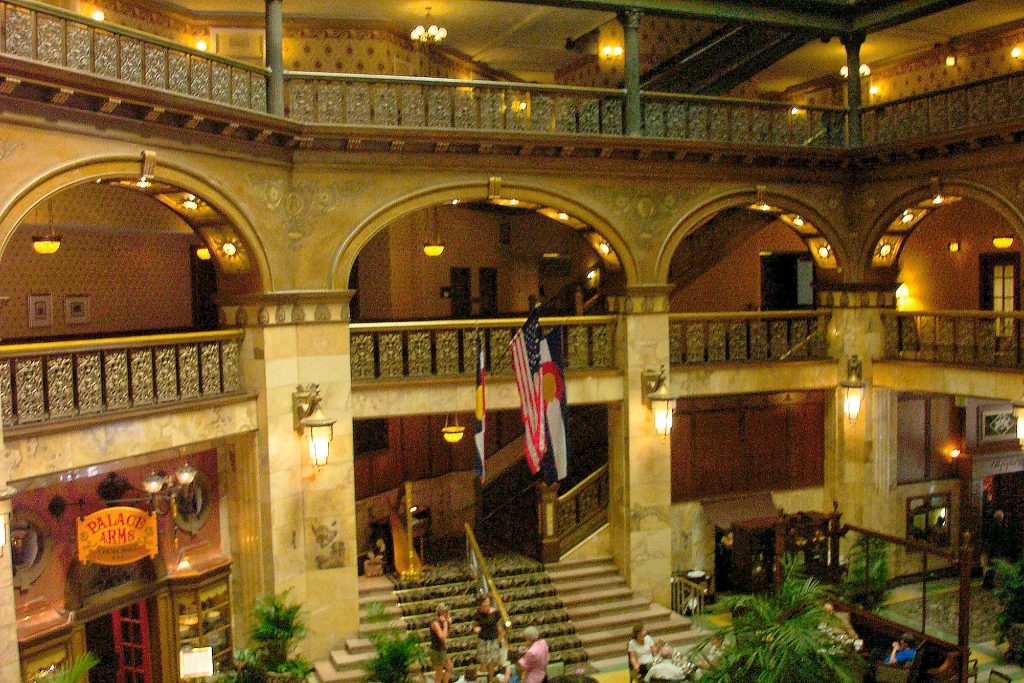
Since 1892, this triangular marvel has stood eight stories tall, with an atrium that soars straight to a Tiffany-stained-glass ceiling. Every US president since Teddy Roosevelt has stayed here, though the hotel’s artesian well—still providing water today—predates them all.
The onyx-paneled Ship Tavern serves Colorado beef while maintaining the same maritime theme it adopted during Prohibition.
Fairmont San Francisco
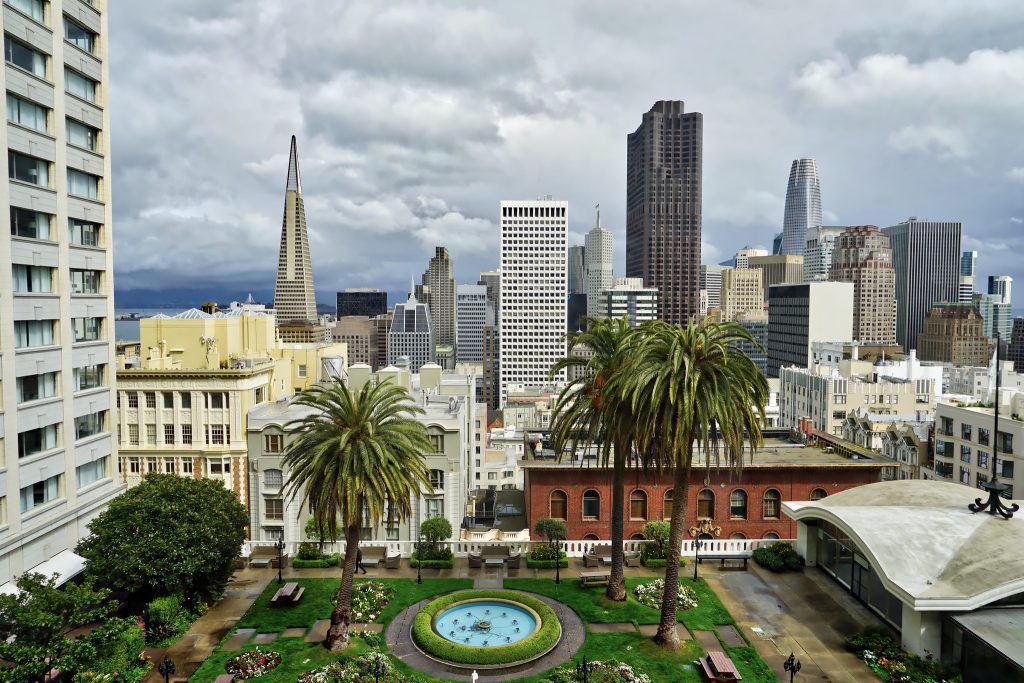
Rising from the rubble of the 1906 earthquake, this Nob Hill landmark opened in 1907 with a party that announced San Francisco’s resilience. The hotel’s Tonga Room converted the original indoor pool into a floating-band-on-a-barge tiki bar that still serves umbrella drinks during artificial rainstorms.
Tony Bennett first sang ‘I Left My Heart in San Francisco’ in the Venetian Room, cementing the hotel’s place in musical history.
The Jefferson, Washington, DC
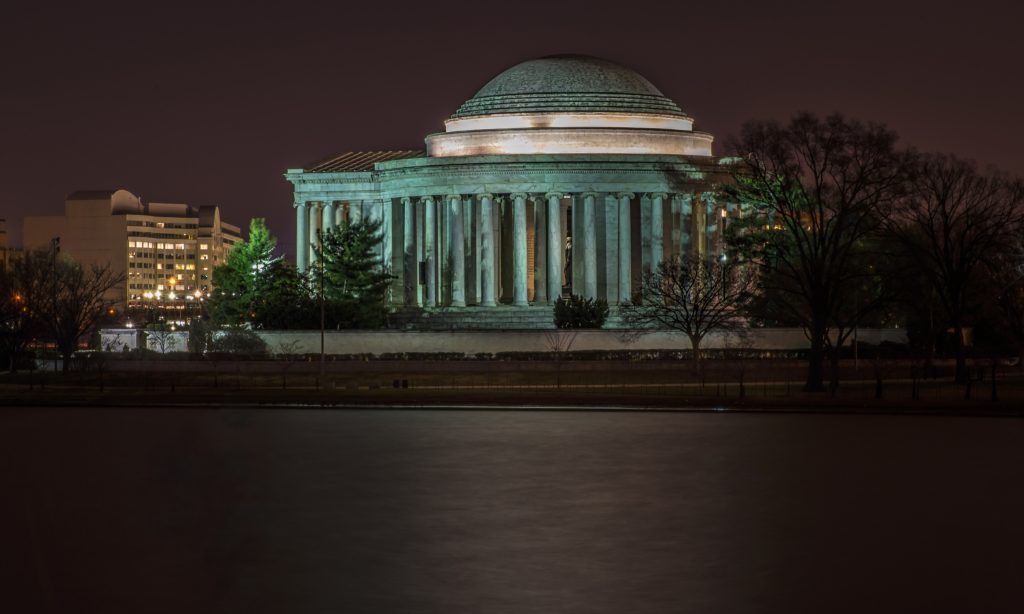
Built in 1923 just blocks from the White House, this Beaux-Arts beauty has always attracted power players who appreciate discretion. The hotel houses an impressive collection of Thomas Jefferson documents and artifacts—because naming it after the third president wasn’t enough.
Its Book Room serves afternoon tea surrounded by floor-to-ceiling volumes, creating the feeling of dining in a gentleman’s private library.
Mohonk Mountain House, New York
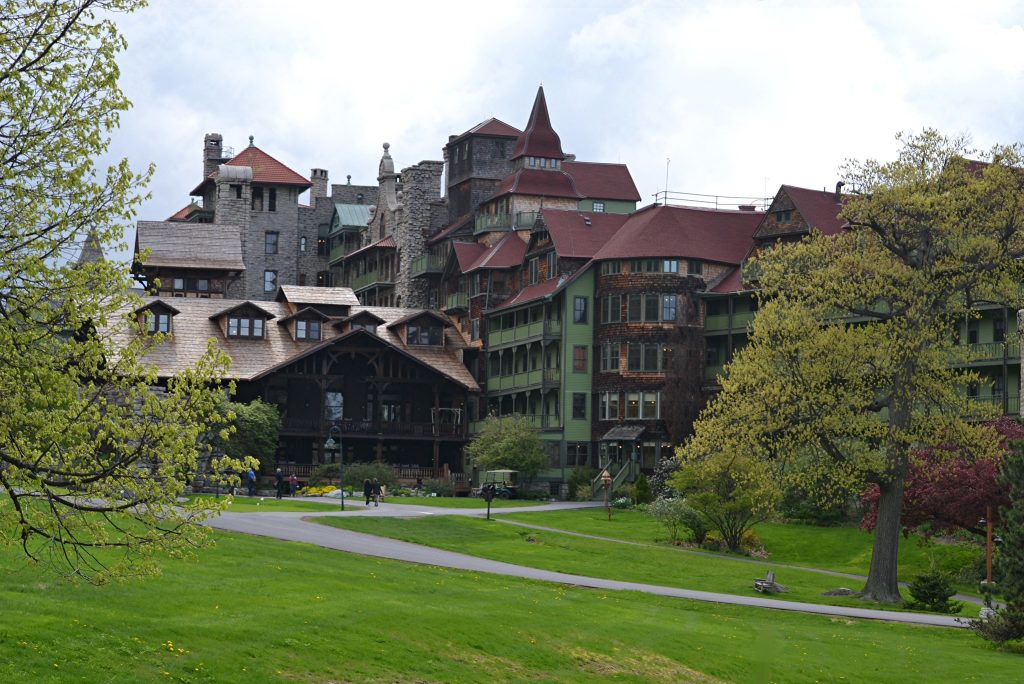
This Victorian castle resort has perched on a glacial lake in the Shawangunk Mountains since 1869, and the Smiley family still runs it today. The property banned alcohol, televisions, and anything else that might disturb the peaceful mountain setting.
Guests spend days hiking 85 miles of trails, then return to rocking chairs on the long wooden porch where time moves slower.
The Adolphus, Dallas
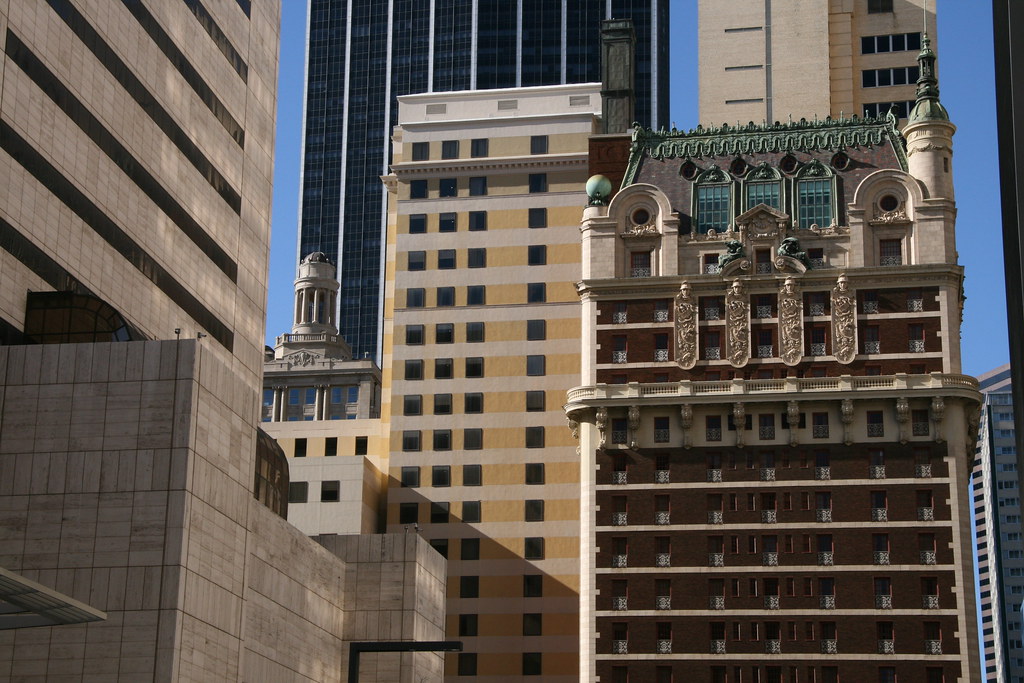
Beer baron Adolphus Busch built this Beaux-Arts masterpiece in 1912, declaring it would be the most beautiful building west of Venice. The 21-story tower dominated the Dallas skyline with baroque details, ornate ceilings, and European artwork.
Busch personally collected the artwork. After a meticulous restoration, the lobby’s original Flemish tapestries and hand-carved mahogany still make modern minimalism look lazy.
Grand Hotel, Mackinac Island
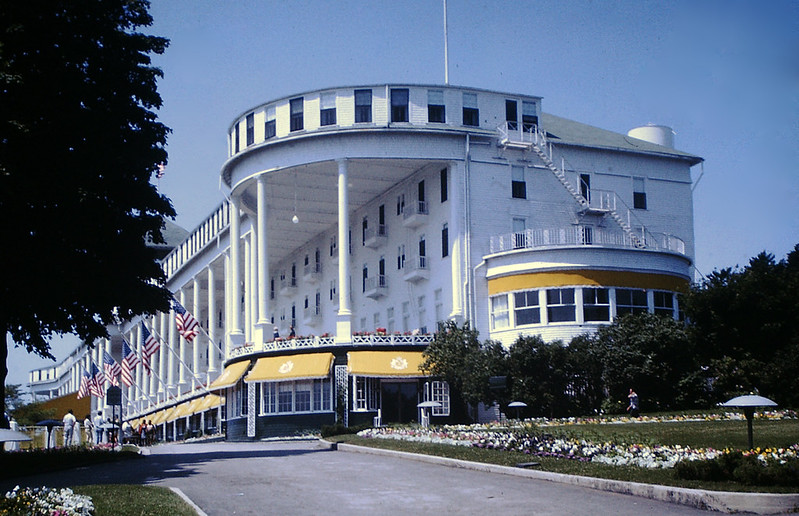
The world’s largest summer hotel opened in 1887 on an island where cars have never been allowed. Its 660-foot front porch holds the Guinness record while guests arrive by horse-drawn carriage, just as they did in the 1800s.
Formal attire is still required after 6 p.m. in public areas—a tradition that keeps flip-flops and tank tops at bay.
Biltmore Hotel, Coral Gables
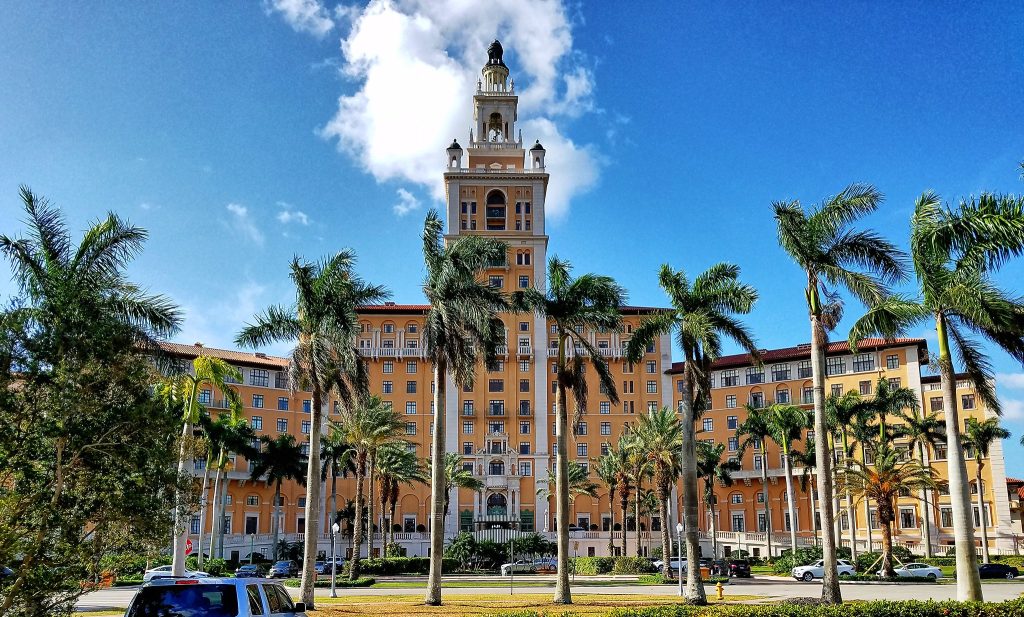
George Merrick’s 1926 Mediterranean Revival palace defined Miami glamour during the real estate boom, complete with the largest hotel pool in the continental US. Mobsters, celebrities, and international dignitaries filled the rooms while orchestras played beneath hand-painted ceilings.
The hotel served as a military hospital during World War II, then fell into disrepair before a stunning 1980s restoration brought back its jazz-age glory.
The Broadmoor, Colorado Springs
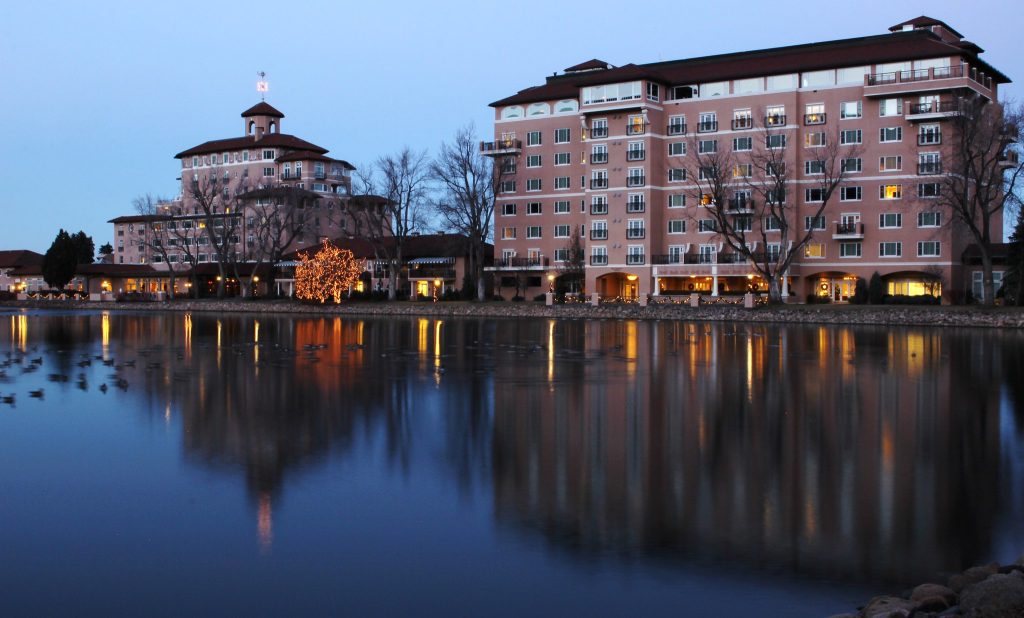
Built at the base of Cheyenne Mountain in 1918, this Italian Renaissance resort started as Spencer Penrose’s vision of European elegance in the Rockies. The pink stucco buildings and manicured lakeside grounds attracted Hollywood royalty throughout the golden age.
Despite expansions, the original hotel maintains its period details, from crystal chandeliers to hand-painted ceilings that rival any palace.
Ahwahnee Hotel (now The Ahwahnee), Yosemite
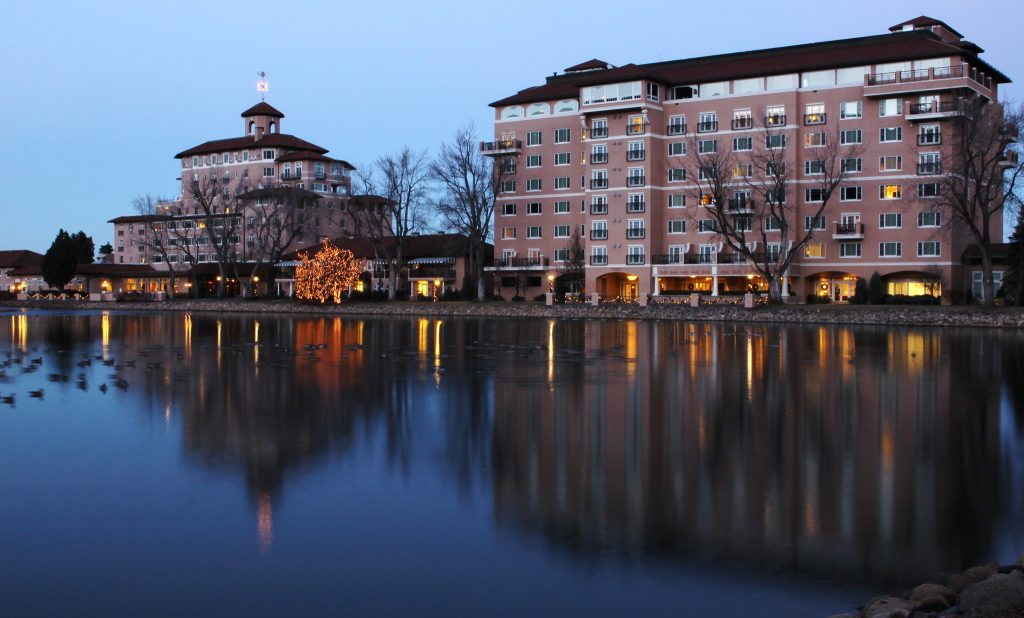
This grand stone-and-timber lodge emerged in Yosemite Valley in 1927, designed to blend Native American motifs with Art Deco sophistication. Floor-to-ceiling windows frame granite cliffs and waterfalls while massive fireplaces anchor rooms decorated with kilim rugs and stained glass.
President Kennedy stayed here, though most guests come for the architecture and that unbeatable view of Half Dome.
Pfister Hotel, Milwaukee
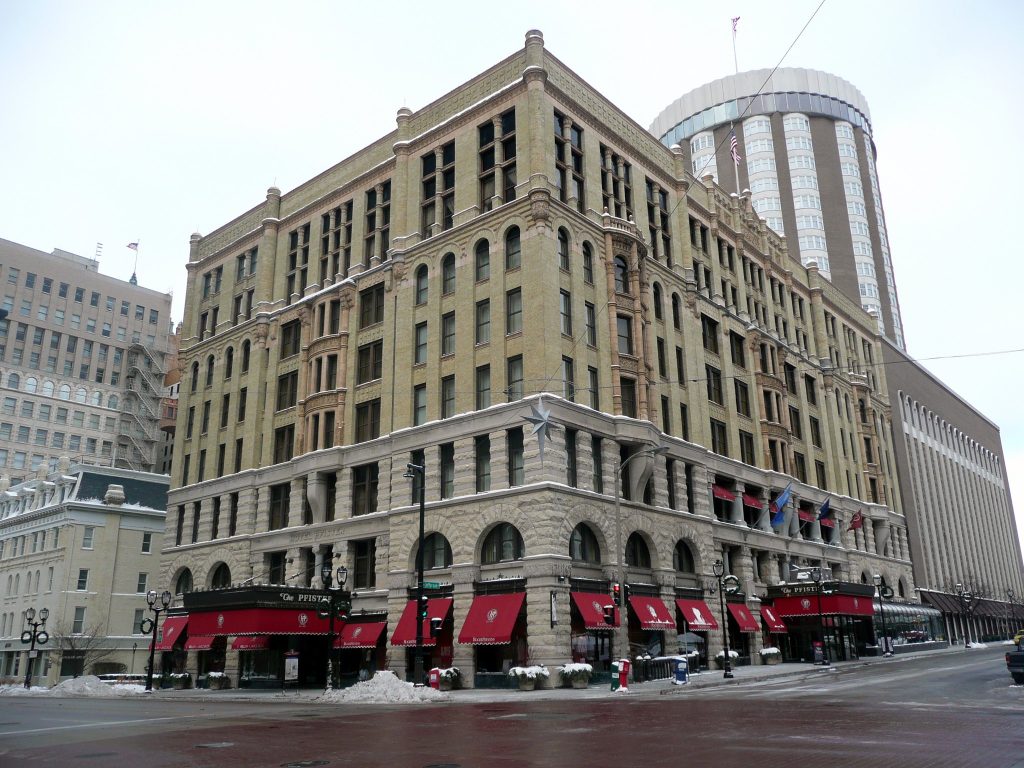
Guido Pfister opened this Romanesque Revival hotel in 1893 with a then-radical idea: fill it with museum-quality art. The collection has grown to over 100 pieces, turning hallways into galleries where guests encounter Victorian paintings between their room and the elevator.
The grand staircase and ornate plasterwork survived multiple renovations, while the rooftop addition brought modern luxury without erasing history.
Hotel Monteleone, New Orleans
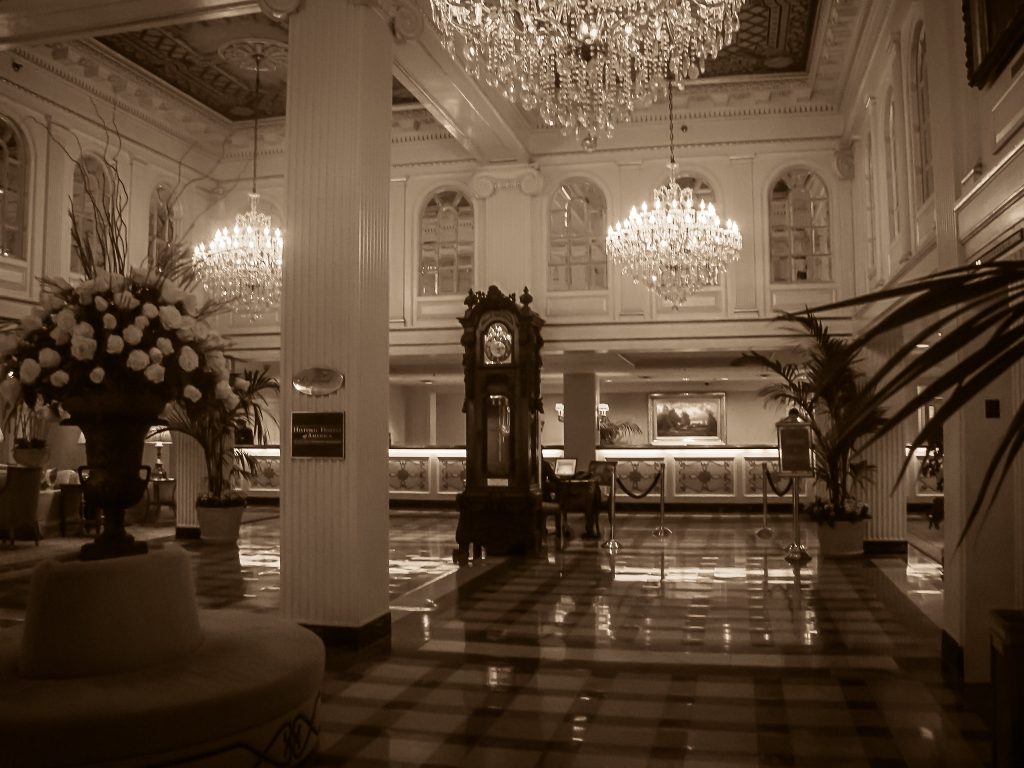
This French Quarter fixture has been family-owned since 1886, back when New Orleans was still finding its footing after Reconstruction. The Carousel Bar actually rotates—a 1949 addition that spins slowly while serving Sazeracs to writers and tourists alike.
Hemingway, Faulkner, and Capote all stayed here, drawn by the literary atmosphere and probably the proximity to Bourbon Street.
The Drake, Chicago
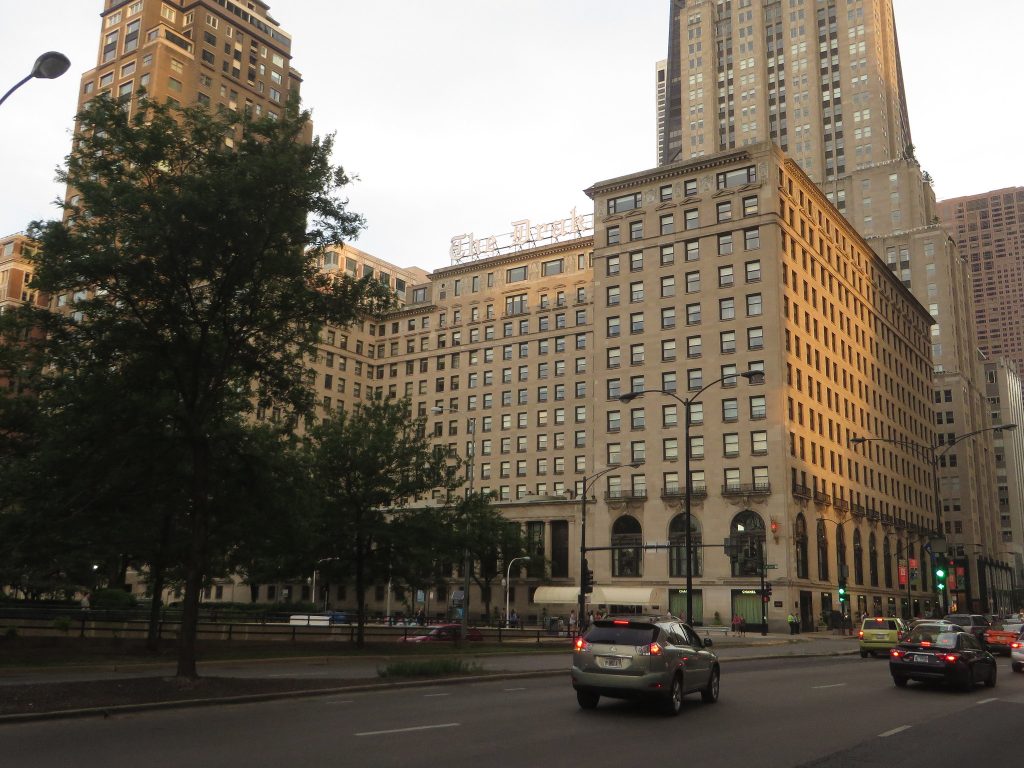
Built in 1920 on the Gold Coast, this Italian Renaissance hotel became Chicago’s social headquarters almost immediately. The Palm Court hosted debutante balls and power lunches, while the Cape Cod Room served impeccable seafood for 70 years.
Marilyn Monroe, Princess Diana, and every president from Truman through Obama have walked through the lobby, though the doorkeepers have seen far more interesting characters.
Omni Mount Washington Resort, New Hampshire
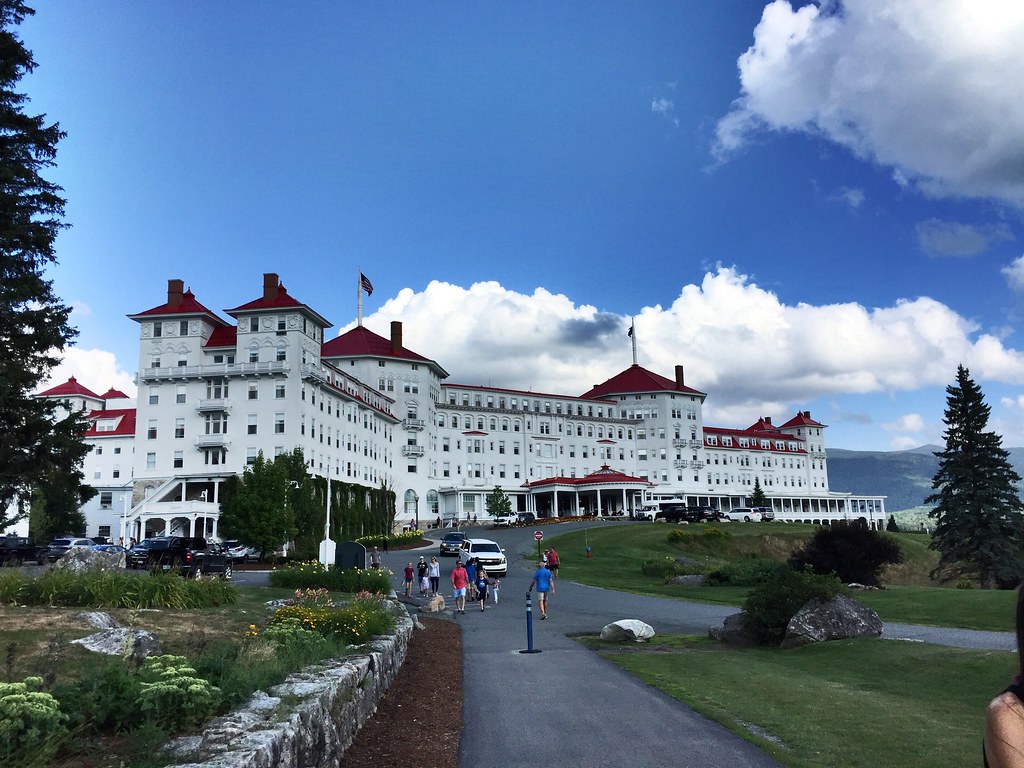
This Spanish Renaissance Revival palace opened in 1902 in the White Mountains, where its red roof stands out against the evergreens for miles. The hotel hosted the Bretton Woods Conference in 1944, where delegates created the World Bank and International Monetary Fund between meals in the grand dining room.
The original mechanical systems still work, and the resort maintains its own power plant—a relic from when electricity couldn’t be trusted.
A legacy worth preserving
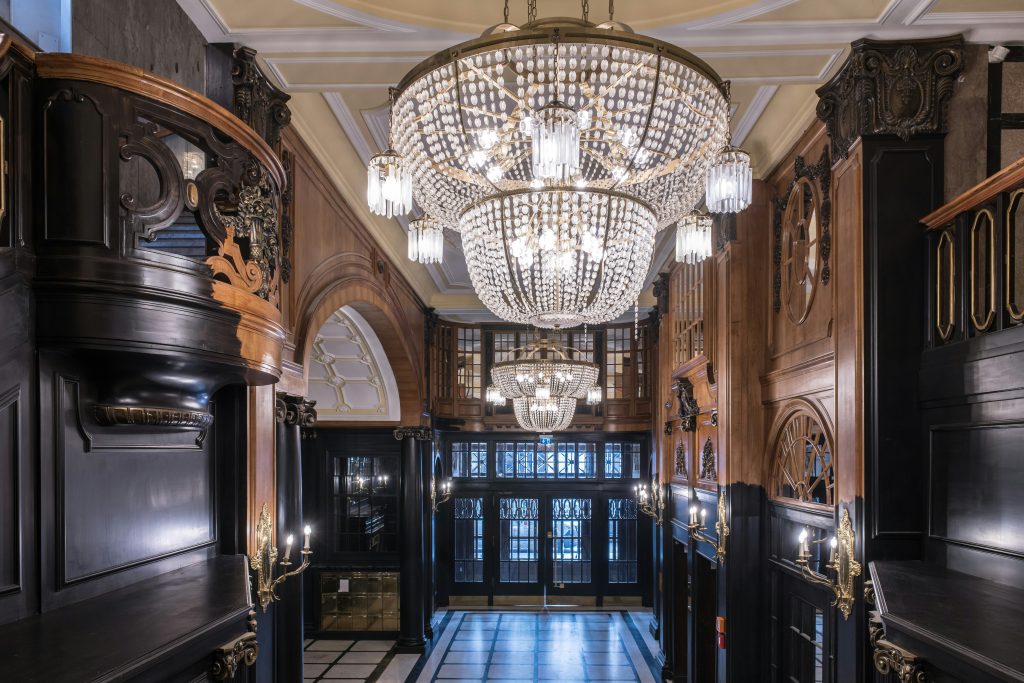
These hotels represent more than just old buildings with fancy lobbies—they’re physical connections to America’s past, each one reflecting the ambitions and aesthetics of its era. While modern hotels prioritize efficiency and brand consistency, these historic properties embrace their quirks and imperfections.
The creaky floors, original fixtures, and sometimes outdated plumbing are part of the package, reminding guests that comfort and character aren’t mutually exclusive. As cities change and skylines evolve, these grand old hotels remain anchored to their stories, offering travelers a chance to sleep where history happened.
They prove that the best hospitality doesn’t come from a corporate playbook—it comes from places that have earned their reputation one guest at a time, decade after decade.
More from Travel Pug

- Underrated Italian Towns That Beat the Tourist Crowds
- Las Vegas Tourist Traps to Skip
- Prettiest Towns in Every US State
- 18 passport-free countries for Americans
- Signs Your Cruise Is Not Worth The Cost
Like Travel Pug’s content? Follow us on MSN.