

Libraries have evolved far beyond simple book repositories. They’ve become architectural marvels that blend functionality with jaw-dropping design, creating spaces where communities gather and knowledge flourishes. From coast to coast, America’s cities house some of the most visually spectacular libraries in the world, each with its own unique character and architectural story.
Whether you’re a bookworm, an architecture enthusiast, or just someone who appreciates beautiful public spaces, these buildings are worth a visit. Here is a list of 15 US cities with the most stunning libraries.
Boston
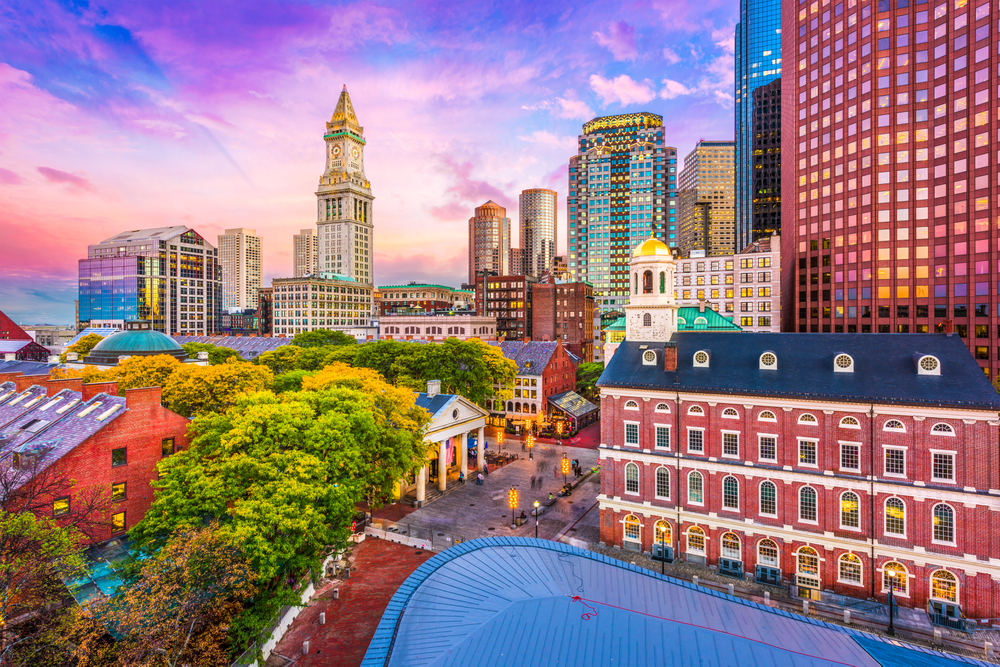
The Boston Public Library stands as the first free public library in the United States, opening its doors in 1854. The McKim Building, completed in 1895, showcases Renaissance Revival architecture with the grand Bates Hall featuring a barrel-vaulted ceiling and a tranquil Italianate courtyard.
The building feels more like a European palace than a public facility, with marble corridors and ornate details at every turn. Walking through its halls, you’ll encounter murals, rare book collections, and rotating art exhibitions that make this library a cultural hub for the entire city.
New York City
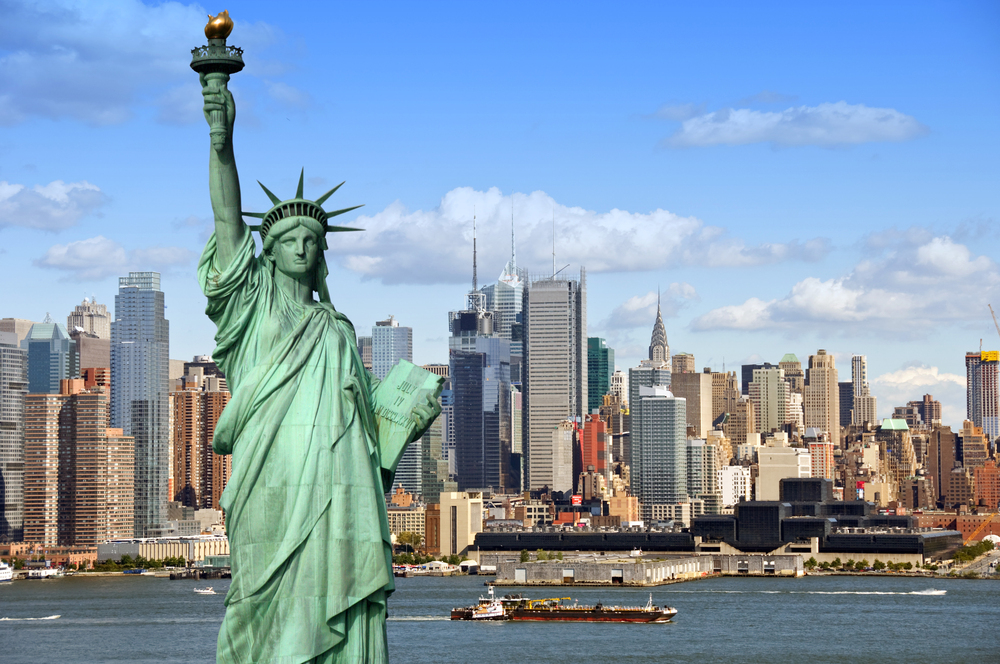
The New York Public Library’s Stephen A. Schwarzman Building, opened in 1911, was the largest marble structure in the United States at that time. The building houses over one million volumes and features the iconic Rose Main Reading Room with its ornate ceiling and rows of tables.
Those famous marble lions guarding the entrance have become symbols of the city itself. Inside, the architecture combines Beaux-Arts grandeur with practical functionality, creating spaces that feel both monumental and welcoming.
The library also operates the Morgan Library & Museum on Madison Avenue, which was built between 1902 and 1906 by Charles Follen McKim and houses financier J. P. Morgan’s comprehensive collection of rare books, prints, and ancient artifacts.
Seattle
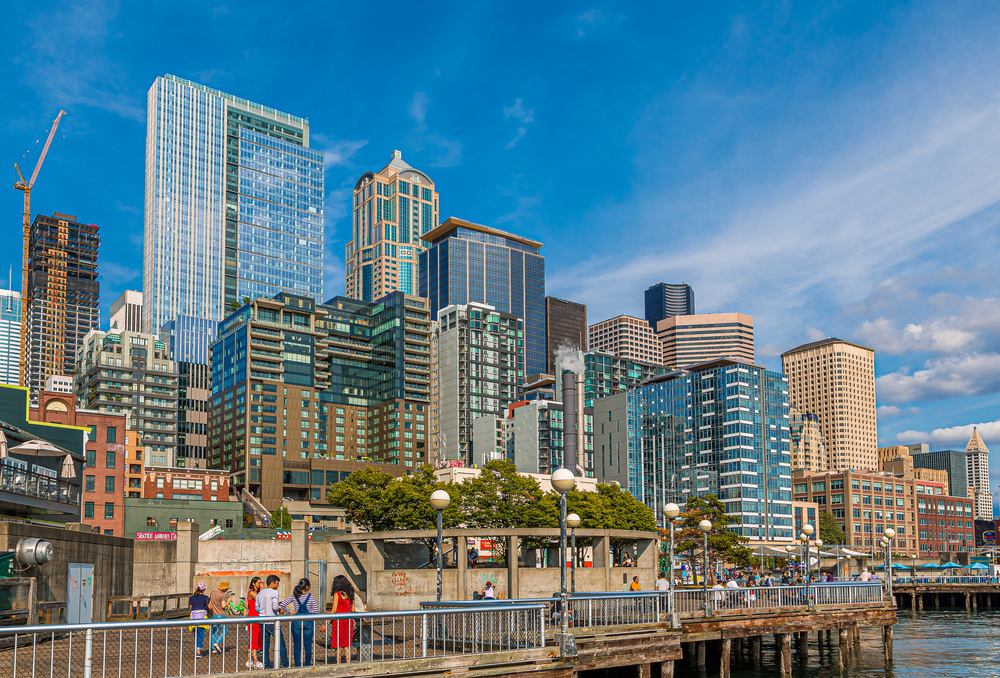
The Seattle Central Library, completed in 2004 and designed by Rem Koolhaas and Joshua Prince-Ramus of OMA with LMN Architects, features an asymmetrical shape created by overlapping platforms wrapped in a distinctive diamond-patterned steel and glass skin. The building includes a unique ‘Book Spiral’ that houses collections on a continuous ramp, allowing for organic growth without forcing ruptures between sections.
The platforms cantilever as much as 52 feet to create a visually floating effect. The structure looks like nothing else in the city’s skyline, and its bold design sparked plenty of debate when it first opened. Love it or hate it, you can’t ignore it.
Los Angeles
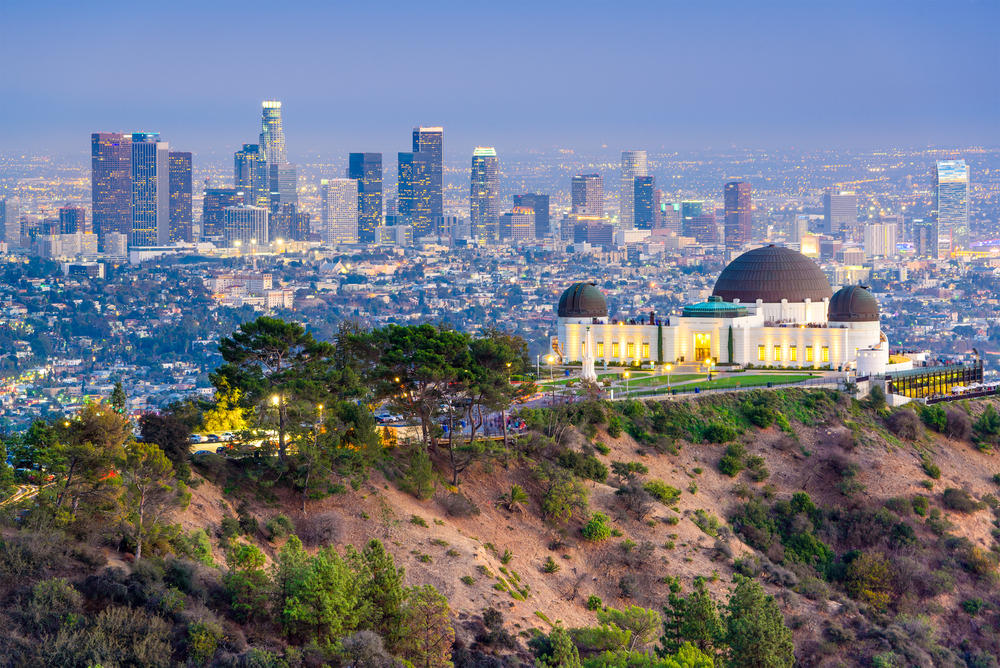
The Los Angeles Central Library, opened in 1926 and designed by Bertram Goodhue, blends Art Deco, Egyptian Revival, and Mediterranean influences, crowned by a striking tiled pyramid with a golden sunburst. The library survived a devastating 1986 arson fire that destroyed hundreds of thousands of books, and was reborn with the addition of the Tom Bradley Wing in 1993.
The rotunda features incredibly detailed murals showcasing California’s history, while a zodiac chandelier hangs from above. As the third largest public library in America with over 10 million volumes, it’s a place where LA’s eclectic architectural spirit truly shines.
Baltimore

The George Peabody Library, which opened in 1878 as part of Johns Hopkins University, features white-columned floors and an open glass ceiling that creates a multi-layered palace effect. When completed, it was described as a ‘cathedral of books’ with its 61-foot high ceiling and enormous skylight.
The library holds approximately 300,000 volumes focused on 19th-century materials covering topics from travel to science and geography. Standing inside this space feels like stepping into a Victorian dream, with natural light streaming down through the atrium onto ornate iron railings and endless rows of books.
Des Moines
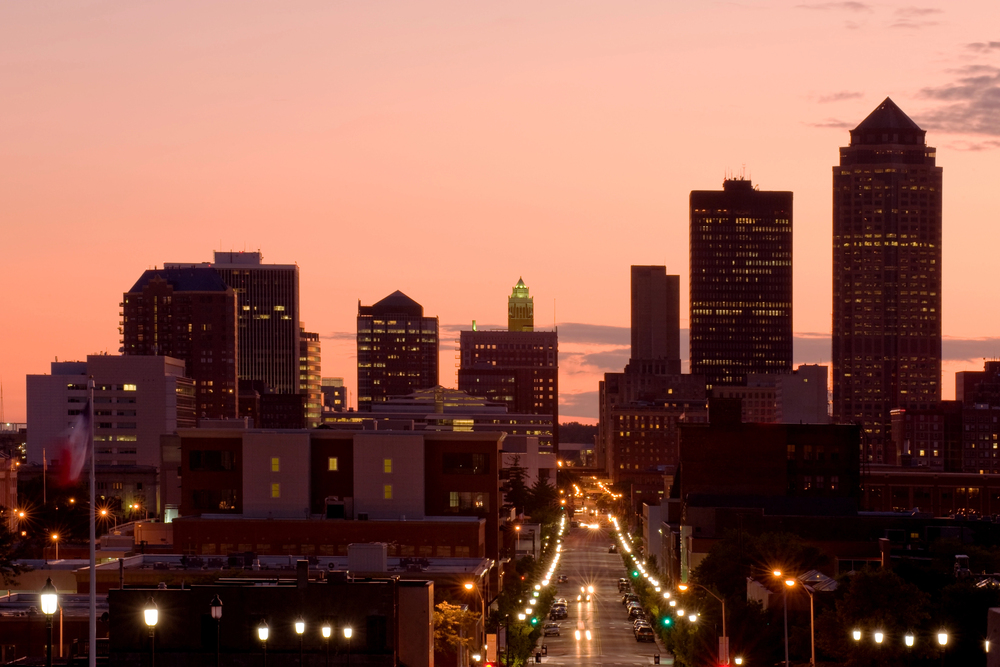
The Iowa State Law Library, located on the second floor of the State Capitol Building, features Victorian-style design with an intricately decorated tile floor, ornately painted ceiling, and stained-glass inserts.
Standing 45 feet tall, the library is flanked by towering book-lined alcoves and features two lacy wrought-iron spiral staircases at opposite ends connecting four tiers lined with approximately 105,000 volumes. Those spiral staircases look like delicate lacework frozen in metal, creating one of the most photographed library interiors in the country. While technically a law library, it’s open to the public for tours, letting visitors marvel at its fairytale architecture.
Washington D.C.

Established in 1800, the Library of Congress is the oldest federal cultural institution in the United States. The interior of the Beaux-Arts building features marble, bronze, gold, and mahogany, with more than 50 American artists contributing to the hand-carved sculptural and painted decorations.
Among its prized possessions are a rare Gutenberg Bible (one of only 48 known copies) and the mysterious Voynich Manuscript with its undeciphered text. As the largest library on the planet, it serves as the research center for Congress and holds some of the most valuable literary artifacts in existence.
Phoenix
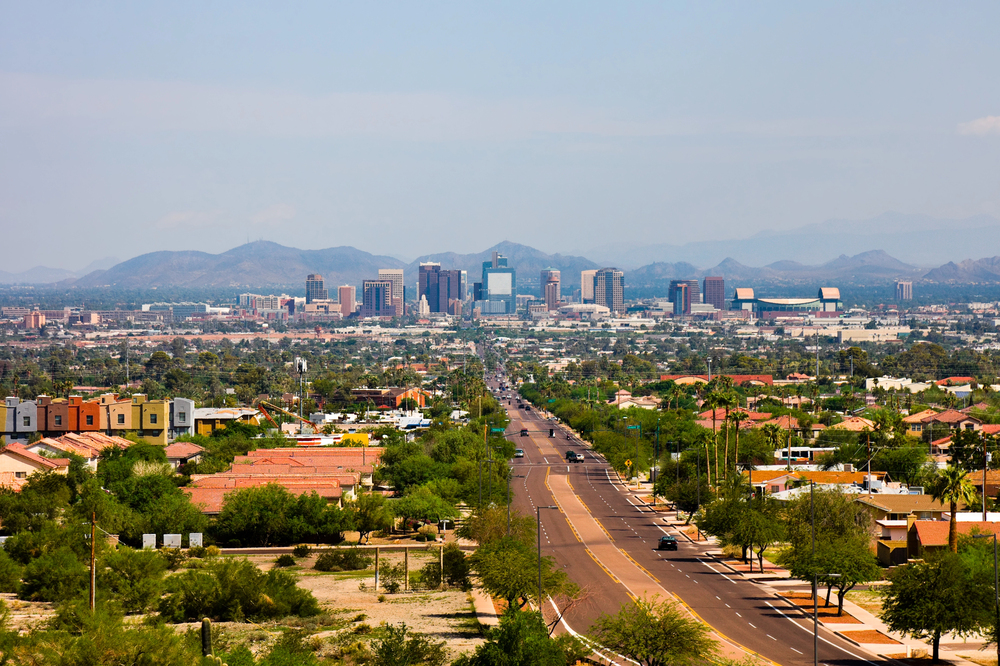
The Burton Barr Central Library, designed by Will Bruder and completed in 1995, spans 280,000 square feet across five floors and houses a collection of 1,000,000 volumes. The weathered copper-clad library has been likened to a manmade mesa, featuring a magnificent 90-foot-tall skylight atrium, a translucent central staircase emerging from a reflecting pool called the ‘Crystal Canyon,’ and a sprawling one-acre Great Reading Room on the fifth level.
The building received a LEED Existing Buildings Silver designation in 2010 and won the AIA Twenty-five Year Award in 2021. The design responds brilliantly to Arizona’s harsh desert climate with computer-controlled louvers and innovative cooling systems.
San Francisco
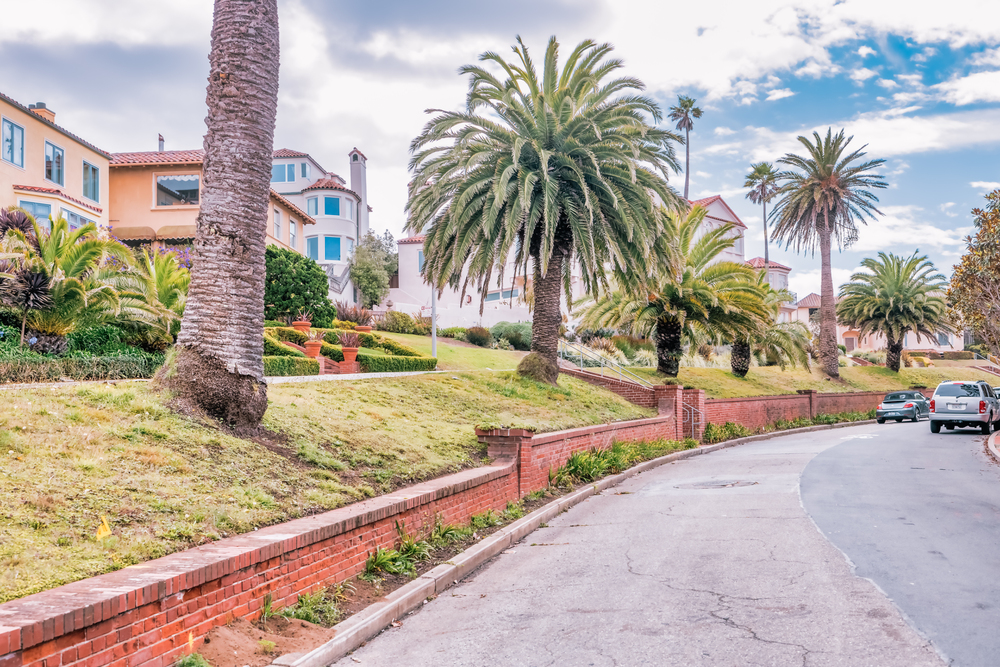
The San Francisco Public Library, recognized for its granite white front on Grove Street, features a five-story central atrium filled with bright natural light, where staircases curve beside a wall showcasing celebrated authors. The modern facility combines functional design with artistic touches that honor the city’s literary heritage.
Natural light floods the interior spaces, creating an inviting atmosphere that draws both serious researchers and casual readers. The library serves as a community anchor in a city known for its progressive public institutions.
Chicago
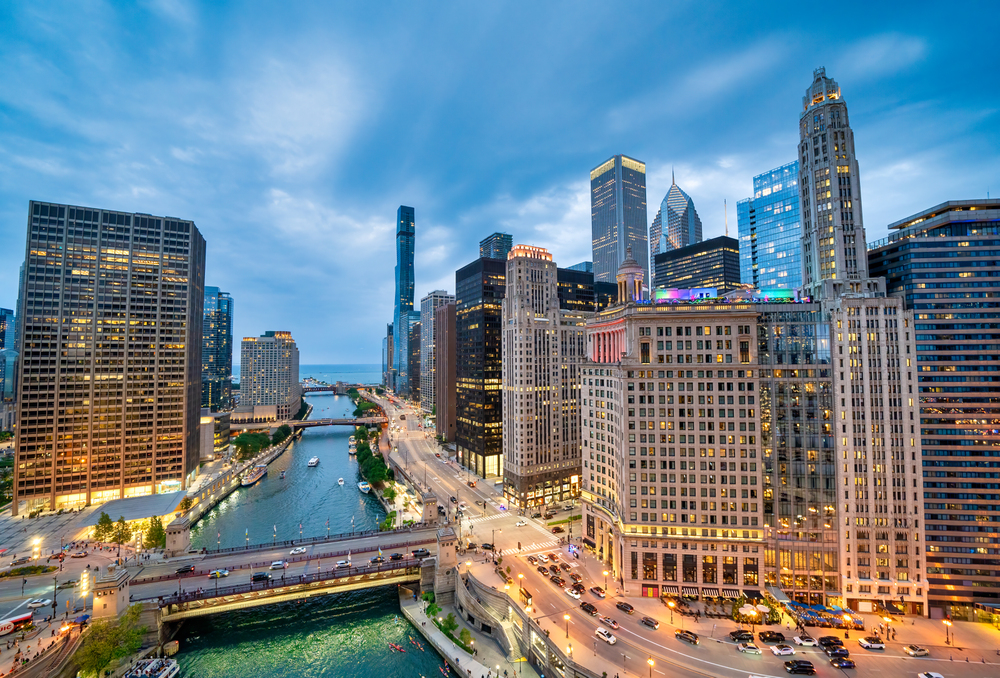
The Harold Washington Library Center, opened in 1991 and named after Chicago’s first African American mayor, stands as a cornerstone of the city’s intellectual and cultural landscape. The building’s design draws from classical architecture while incorporating modern functionality.
Its imposing presence in the South Loop makes it hard to miss, with ornate details that echo Chicago’s architectural legacy. The library serves as both a functional space for research and a tribute to the mayor who championed education and public resources.
Columbus

The Columbus Metropolitan Library features glass curtain walls surrounded by 360-degree views of outside nature, spanning 230,000 square feet. The contemporary design emphasizes transparency and connection to the environment, creating a bright and welcoming space.
Large windows ensure that visitors remain connected to the natural world even while surrounded by books and technology. This approach to library design reflects a modern understanding of how natural light and outdoor views contribute to learning and well-being.
Nashville

Nashville Public Library features the Grand Reading Room, the Grand Stair, and the Courtyard, with classical architectural elements. The building embodies traditional library architecture with its emphasis on grandeur and formality. Those capitalized names aren’t pretentious—they’re accurate descriptions of spaces that truly feel grand.
The library serves as a fitting cultural institution for a city that values both its musical heritage and its commitment to education.
Louisville

Louisville Free Public Library Main Branch features ornate stained glass works, a barrel-vaulted ceiling, white marble columns, and two grand staircases with striking bronze and iron railings, plus a 13-foot bronze statue of Abraham Lincoln out front. During the great 1937 flood, much of this library was damaged when the Ohio River rose 30 feet above flood stage and enveloped 60 percent of the city, but today it stands stronger than ever.
It became the first US library with its own FM radio station back in 1950. The library’s resilience mirrors the city’s own determination to preserve its cultural landmarks.
Indianapolis

Indianapolis Central Library is a seamless blend of new and old, featuring an early 20th-century Greek-style building adorned in limestone and marble alongside a wide-open modern structure built in 2007 with a 10,000-square-foot glass atrium. The building is on the National Register of Historic Places.
A sprawling green mall leads visitors to the entrance, creating a sense of arrival that’s both ceremonial and welcoming. The combination of classical and contemporary architecture shows how libraries can honor their past while embracing the future.
West Palm Beach

Mandel Public Library features a tropical interior and exterior design with bright colors and natural elements, including four uniquely designed floors with a dedicated children’s floor and a top floor called the ‘stacks’ that features floor-to-ceiling windows overlooking the city skyline. The Florida location influenced every design decision, creating a library that feels perfectly suited to its environment.
Visitors can enjoy programming that includes yoga, children’s story time, and free concerts, making it more than just a place to borrow books. Those panoramic city views from the top floor make studying almost too pleasant.
Past meets present
These libraries prove that America’s commitment to public knowledge goes hand in hand with architectural innovation. From Victorian fantasies in Des Moines to futuristic designs in Seattle, each building reflects its city’s unique character while serving the timeless purpose of connecting people with information.
Many have survived fires, floods, and changing technology, adapting their spaces to meet modern needs without losing their original charm. These aren’t just buildings—they’re community anchors that remind us why investing in beautiful, accessible public spaces matters for cities and the people who call them home.
More from Travel Pug

- Underrated Italian Towns That Beat the Tourist Crowds
- Las Vegas Tourist Traps to Skip
- Prettiest Towns in Every US State
- 18 passport-free countries for Americans
- Signs Your Cruise Is Not Worth The Cost
Like Travel Pug’s content? Follow us on MSN.