

Most visitors to Washington, D.C. see only the surface of its marble giants. But beneath the polished stone and bronze statues lies a layer of mistakes, mysteries, and deliberate secrets that even longtime residents miss.
Here’s a list of monuments whose hidden stories reveal a messier, more human side of nation-building.
Lincoln Memorial
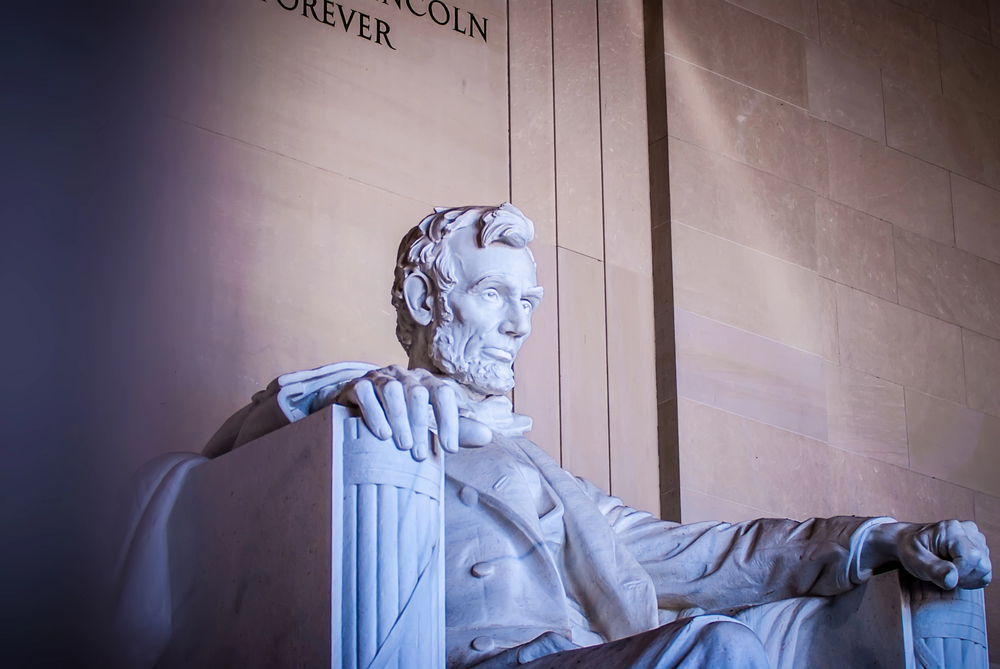
The word “future” was originally carved as “euture” on the north wall of the memorial, where Lincoln’s Second Inaugural Address is inscribed in marble. Artist Ernest C. Bairstow likely grabbed the wrong stencil. The bottom of the E was eventually filled in with slightly off-colored stone to become an F. You can still spot the correction if you look closely.
Below the memorial sits a 15,000-square-foot basement known as the undercroft, built to provide a sturdy foundation. The space was closed for years. Stalactites hang from the ceiling of the cave-like area and graffiti-like sketches left by builders cover some pillars.
Jefferson Memorial
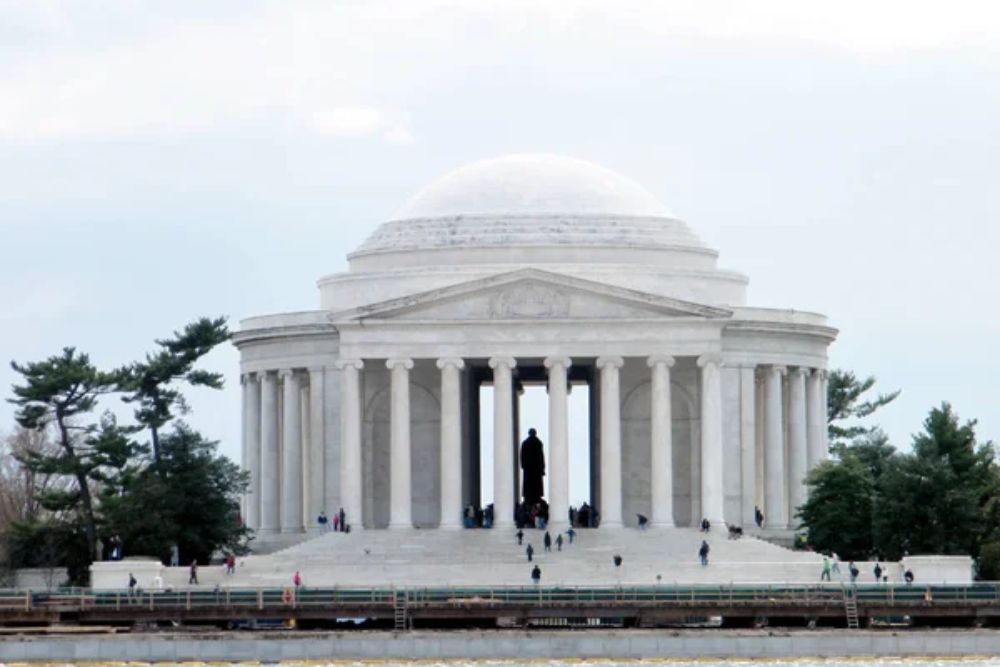
One of the four quotations carved on the memorial walls wasn’t actually written by Jefferson—parts of it come from the Declaration of Independence, which was edited by Congress. And there’s more creative editing at play. The quote on the northwest panel was fabricated by stealing phrases from five separate writings by Jefferson, written over nearly five decades.
Jefferson’s statue gazes directly at the U.S. Treasury Building, where a statue of his rival Alexander Hamilton stands, also looking in Jefferson’s direction. But Hamilton’s placement was luck—his statue went up in 1923, before anyone decided to honor Jefferson there.
Like Travel Pug’s content? Follow us on MSN
Washington Monument
Look one-third of the way up the tower. The marble changes color. Construction halted in 1856 when private donations dried up, and when work resumed in 1876, builders had to use marble from a different quarry. The anti-Catholic Know Nothing Party had stolen a gift from the Vatican called the Pope Stone and thrown it into the Potomac River, causing a leadership crisis and bankruptcy.
Builders placed time capsules in the monument during construction, including one in the foundation stone on July 4, 1848, holding a portrait of Washington, the Constitution, newspapers, and coins. Unlike most time capsules, these will stay permanently sealed.
World War II Memorial
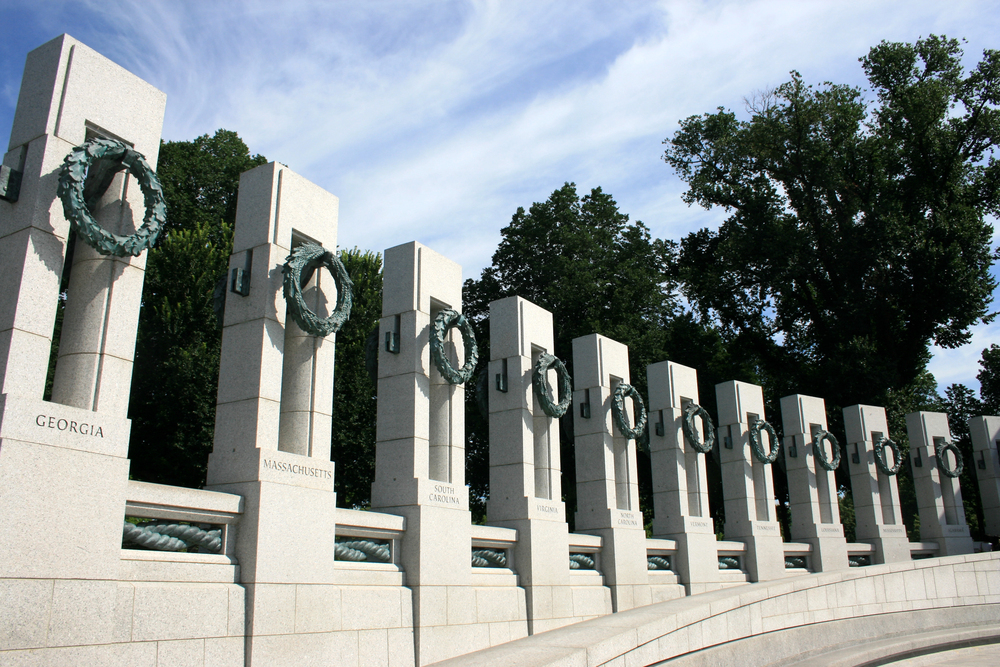
Two Kilroy inscriptions are hidden in the memorial, tucked in the corners of both the Atlantic and Pacific sides. The little bald man with his prominent nose peeking over a wall became the most widespread inside joke of the war. Sailors would go down into ship bilges and find “Kilroy Was Here” all over, in places where nobody had ever been before on brand new ships.
One Kilroy is next to the Pennsylvania pillar; the other is by the Delaware pillar.
Albert Einstein Memorial
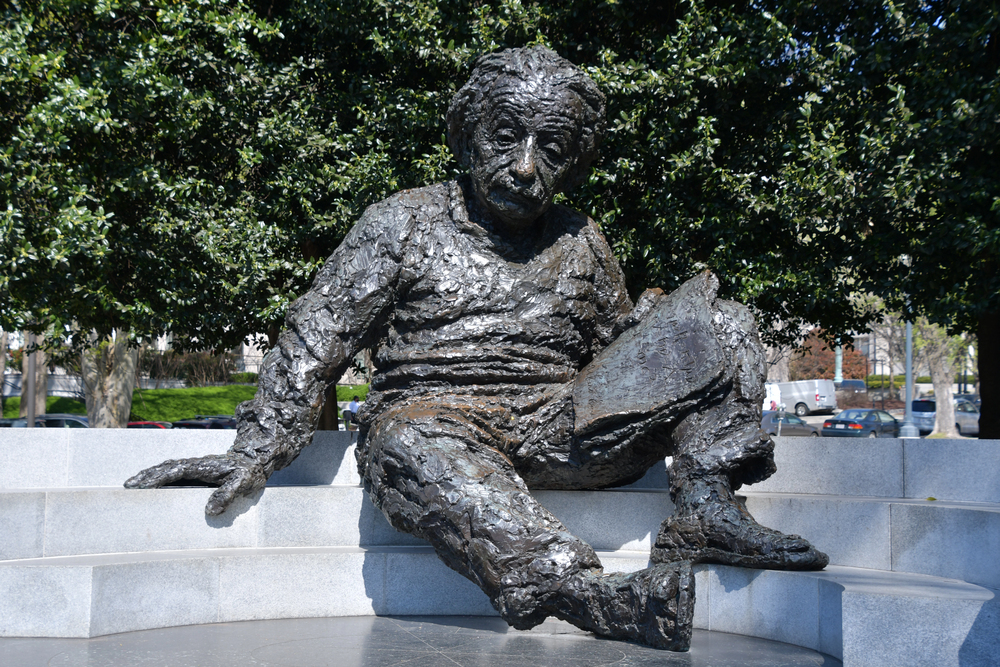
The 28-foot circular dais beneath the 12-foot bronze Einstein contains more than 2,700 metal studs representing stars, planets, and celestial objects as they appeared at noon on April 22, 1979, when the memorial was dedicated. Different stud sizes denote apparent magnitude, and different designs mark binary stars, pulsars, and quasars.
But here’s the real secret: Stand on the large dot representing the center of the planetary constellation at Einstein’s feet, face the statue, and speak directly to it—you’ll hear your own voice in surround sound as it echoes off the bronze. Only works if you’re standing there alone.
Like Travel Pug’s content? Follow us on MSN
Vietnam Veterans Memorial
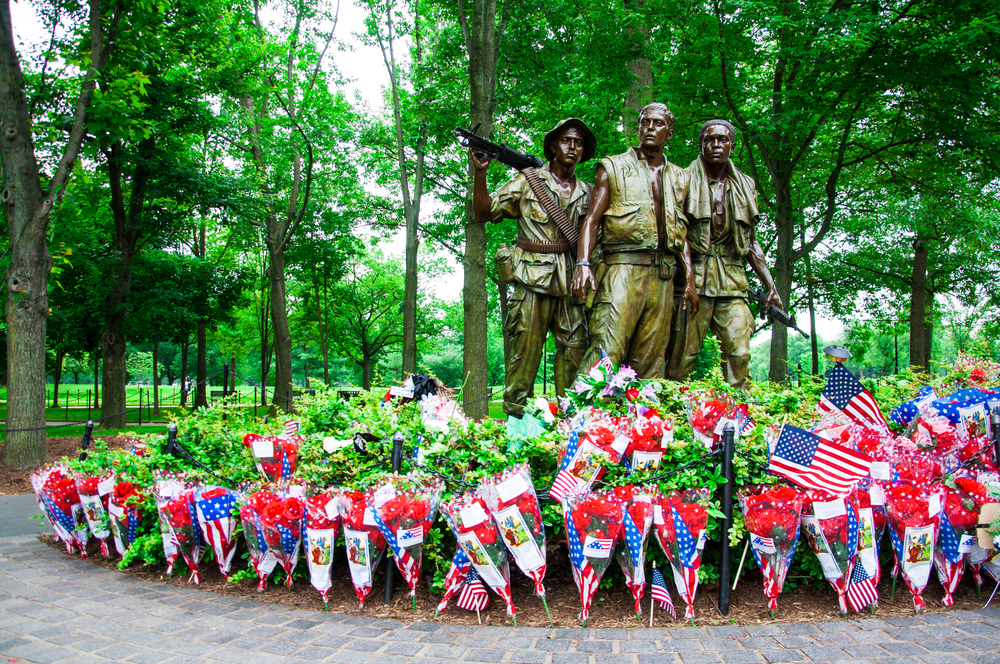
The memorial’s reflective black granite wall, designed by Maya Lin, a 21-year-old architecture student, was initially controversial—critics argued it was too abstract and lacked heroic imagery. The minimalism was the point. Visitors often place letters, photographs, medals, and other mementos at the wall’s base, creating an ever-changing mosaic of remembrance.
Not exactly hidden, but rarely discussed: The names are listed in chronological order of casualty dates, not alphabetically. Finding a specific name requires consulting the directories at both ends.
Washington Monument’s underground twin
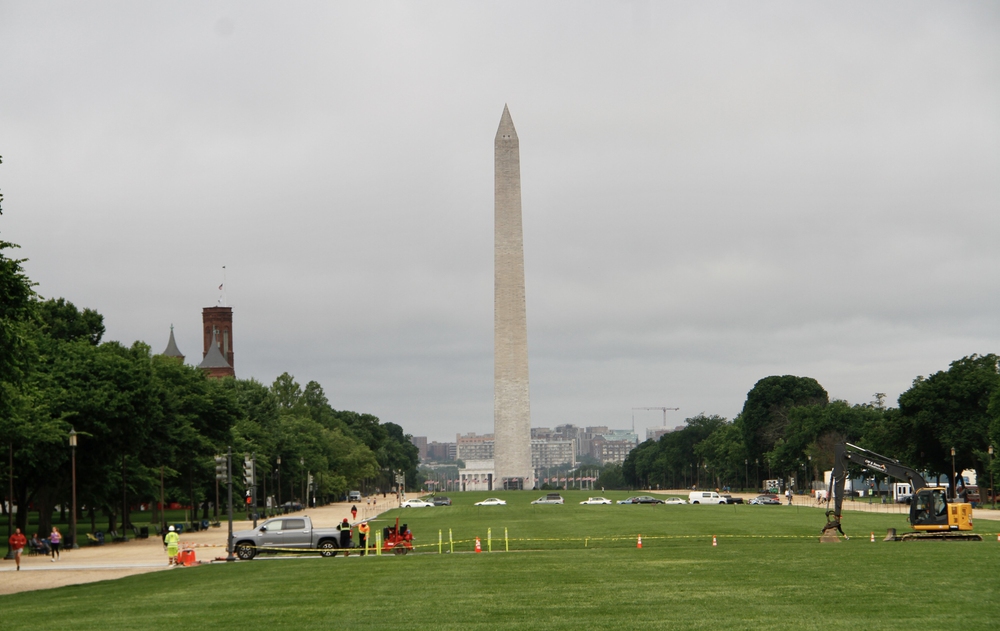
Beneath a manhole near the actual Washington Monument lies a 12-foot-tall replica, officially known as “Bench Mark A.” This geodetic control point has been used by surveyors since the 1880s as part of a nationwide network. It helps synchronize government maps and guides construction projects throughout the city.
Most people walk right over it.
Jefferson Memorial’s plaster predecessor
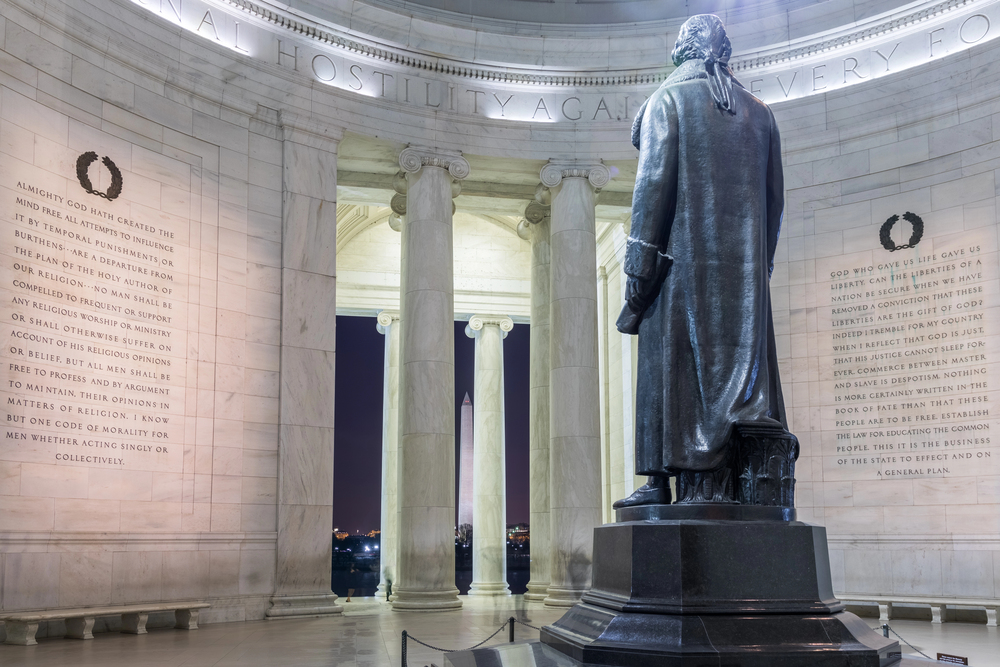
When the statue was dedicated in 1943, Jefferson’s likeness was made of plaster due to wartime restrictions on metal. The permanent bronze wasn’t installed until four years later. Imagine visiting a major memorial and seeing what essentially amounted to a placeholder.
Like Travel Pug’s content? Follow us on MSN
Lincoln Memorial’s hidden symbolism
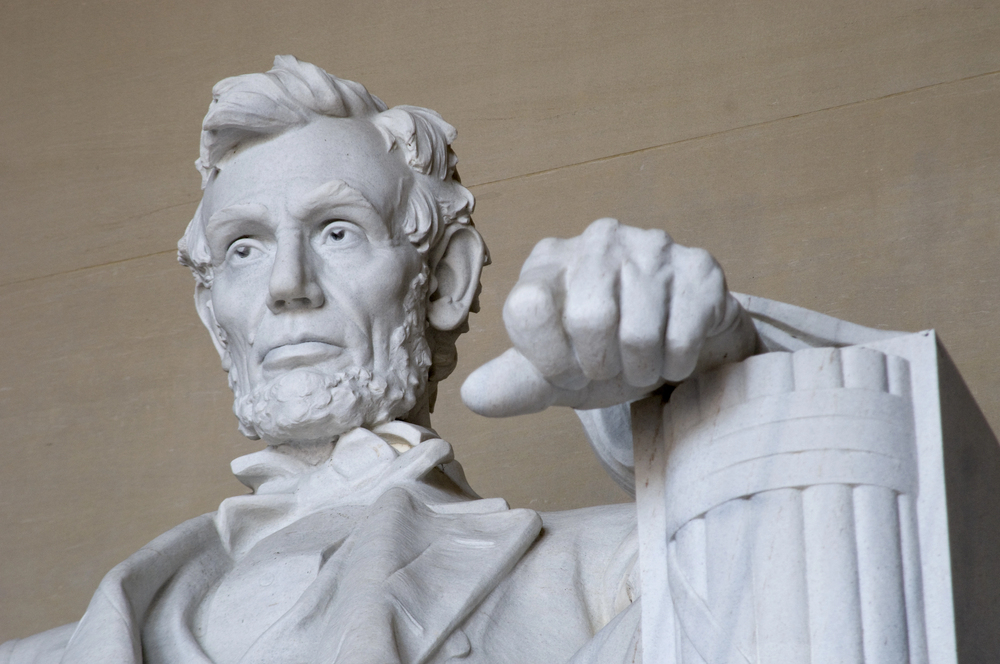
Daniel Chester French’s statue depicts fasces—bundles of rods bound by leather thongs—on the ends of the armrests, a Roman symbol of power and authority. And the symbolism goes further. The memorial’s 36 Doric columns represent the 36 states in the union Lincoln fought to preserve, and the structure is physically held up by these columns working together.
The building itself is the metaphor.
Washington Monument’s rappelling hatch
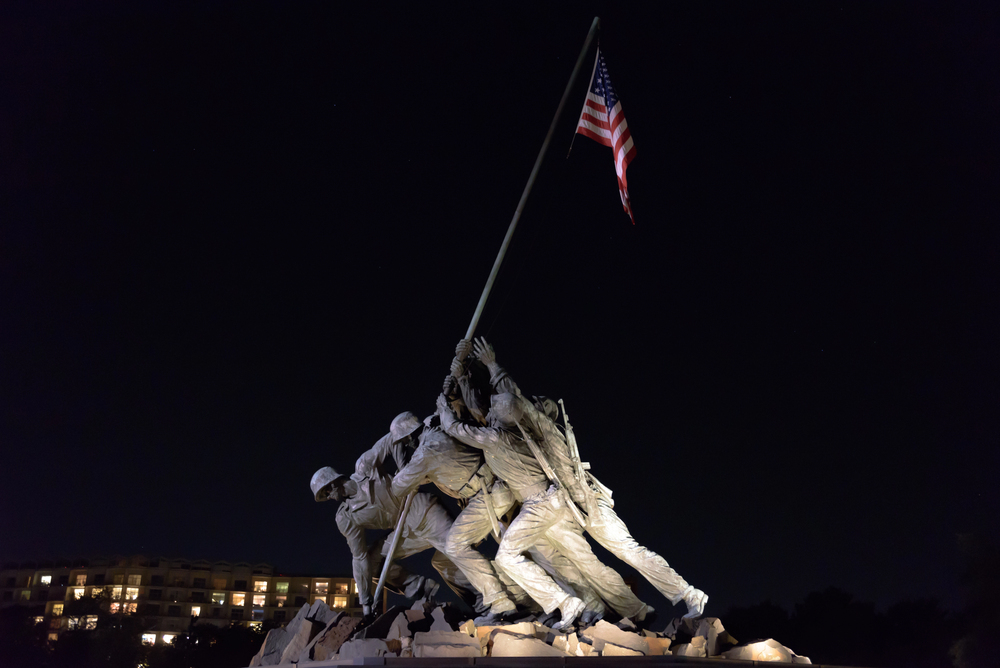
Daredevil repair workers can worm their way out of an access hatch near the apex, loop ropes over the top, and rappel down the monument. The hatch exists for maintenance. The courage required to use it probably wasn’t in the original specifications.
Memorial to the 56 signers of the Declaration of Independence
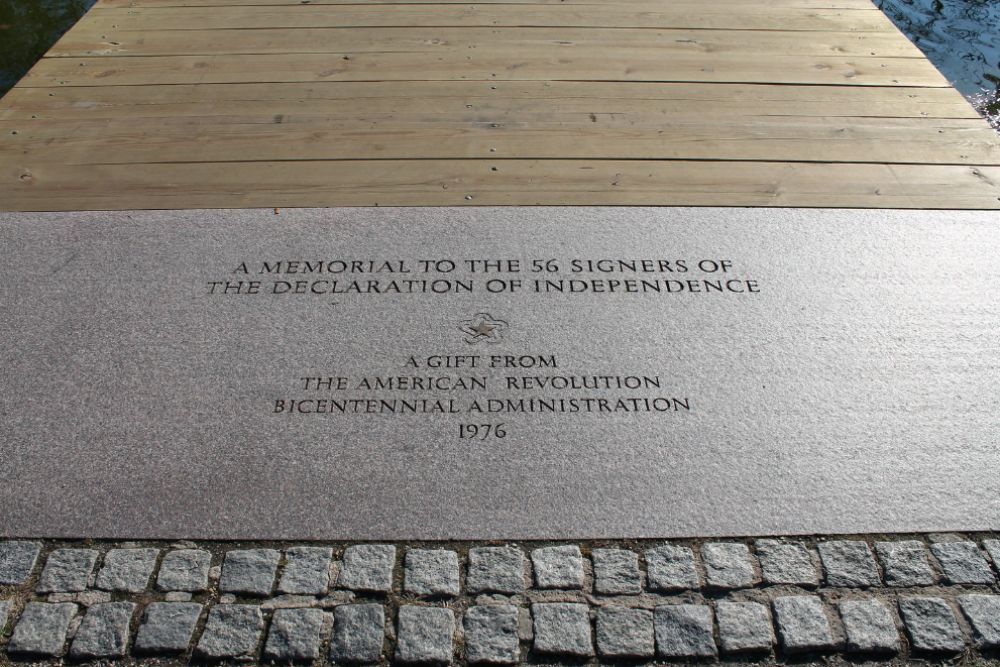
featuring recreated signatures of the 56 men who signed the Declaration in 1776. The off-the-beaten-path location makes it a rather obscure memorial in D.C. Walk across the little footbridge and you’ll see signatures organized by state.
If you’re looking for a specific name, know which colony he represented first.
Like Travel Pug’s content? Follow us on MSN
George Mason Memorial
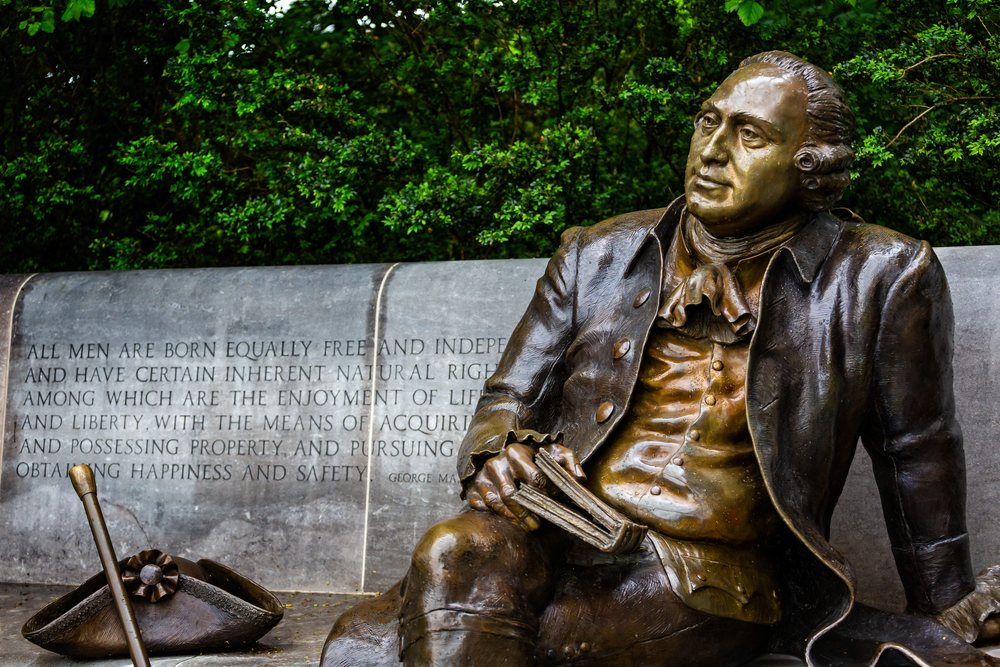
George Mason is relatively unknown outside of Virginia, and his memorial stands almost literally in the shadows of the Jefferson Memorial. Sometimes called America’s forgotten founding father. He wrote the Virginia Declaration of Rights and is credited for coming up with many ideas in the Bill of Rights.
Yet most visitors have no idea who he was.
Washington Monument’s aluminum cap
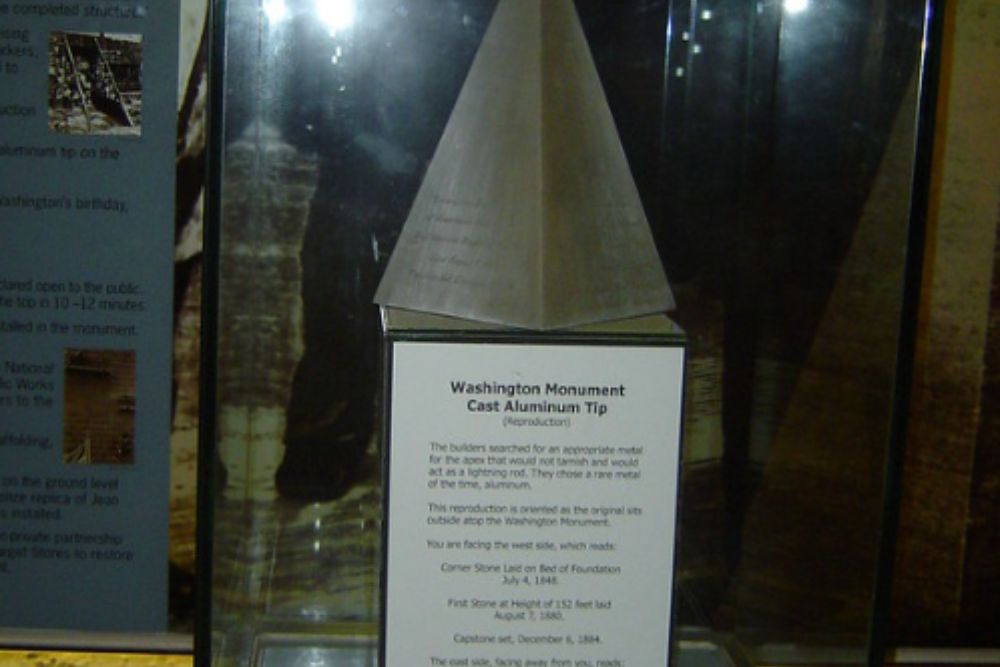
The monument’s pointy aluminum tip has been melted down by repeated lightning strikes. When the monument was completed in 1884, aluminum was rare and expensive—the 100-ounce cap was one of the largest pieces of the metal ever cast. Now it’s been reshaped by nature more than once.
Lincoln Memorial’s optical illusion
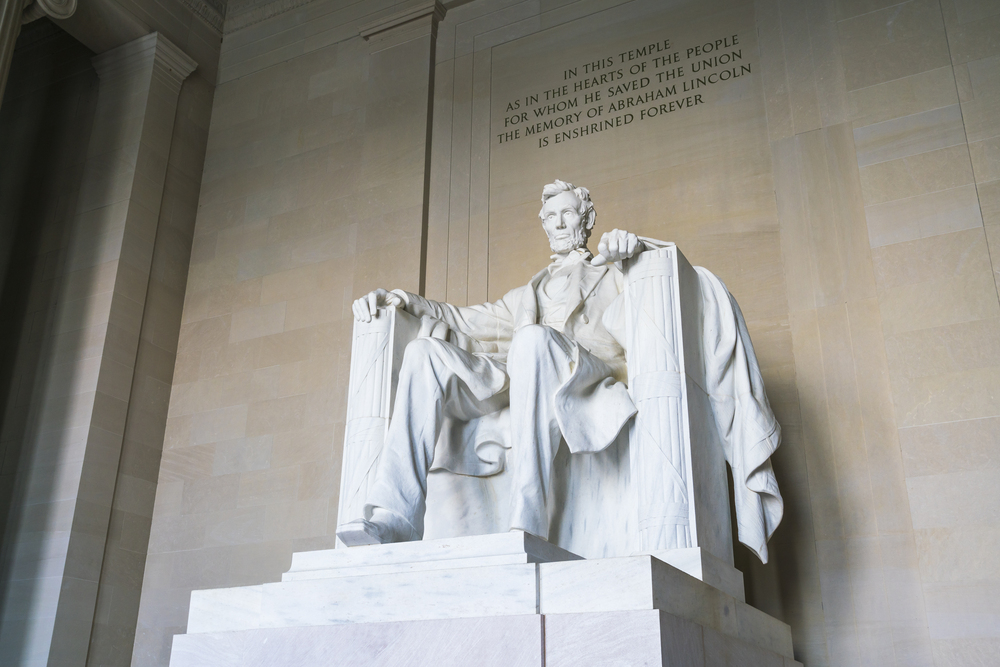
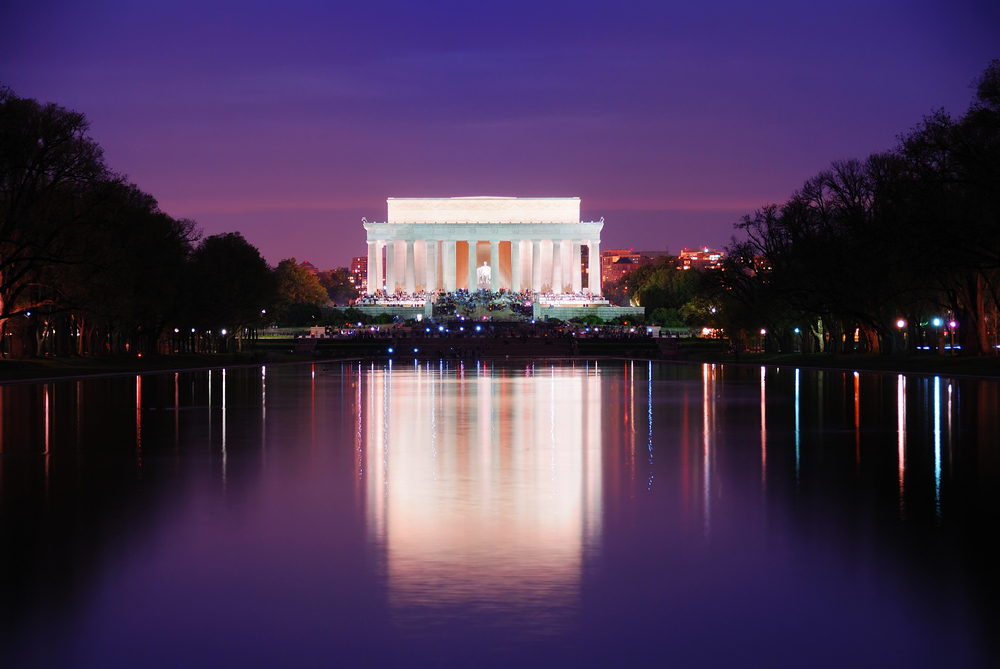
The memorial looks perfectly symmetrical, but it’s not—the structure’s exterior walls, facades and columns were purposely built to lean slightly inward to compensate for perspective distortions. Without this adjustment, the memorial would appear asymmetrical to visitors. The architects accounted for how human eyes actually work.
District of Columbia World War Memorial
This monument honors the approximately 26,000 residents of the District of Columbia who served during World War I. It sits on the National Mall, but most tourists walk right past it on their way to more famous destinations. The small circular structure feels like an afterthought, though it predates many of the Mall’s bigger monuments.
There’s a pattern here: locals served, died, got a memorial, then got forgotten.
Like Travel Pug’s content? Follow us on MSN
Washington Monument’s commemorative stones
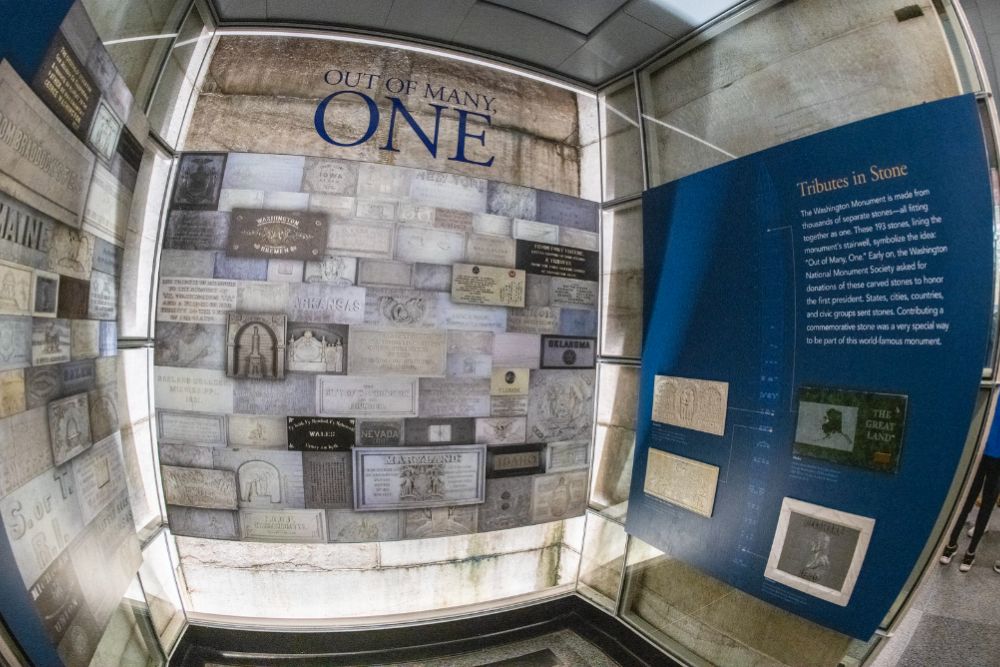
Inside the monument, 193 commemorative stones from various states, cities, and foreign countries are embedded in the walls. These were donated during construction. The monument’s stairwell is lined with intricately carved stones donated by states, cities, and people in the mid-1800s. But visitors taking the elevator miss them entirely—the stairs have been closed to the public for years.
Marble and mistakes
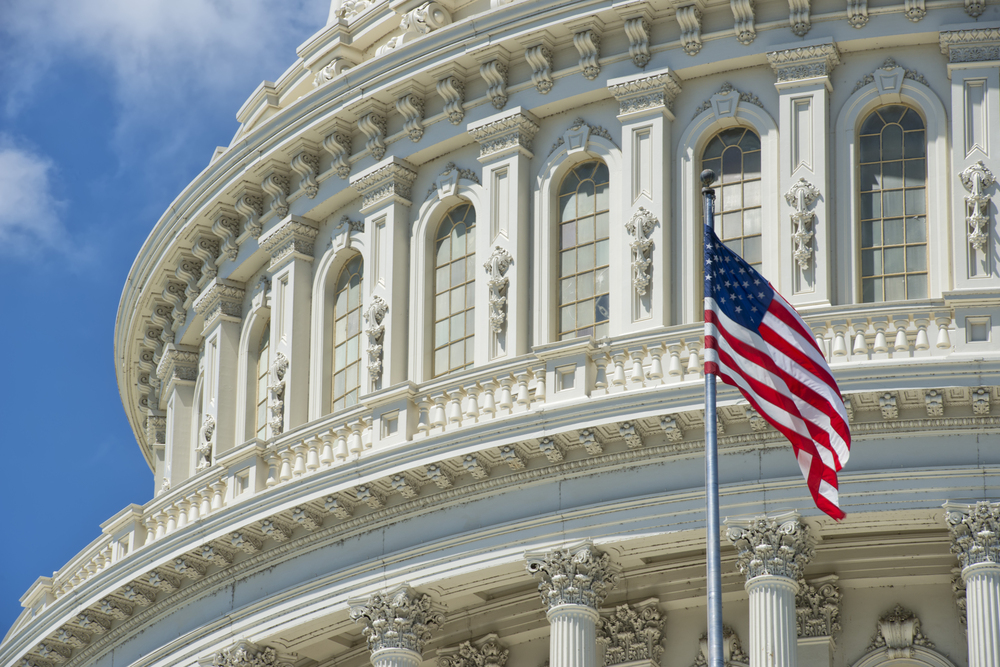
Every monument here carries the fingerprints of the people who built them—their budget fights, their typos, their compromises. The carved stone makes everything look inevitable, but the color changes and filled-in letters tell a different story. These weren’t handed down from on high. They were argued over, ran out of money, got vandalized, and took decades longer than anyone planned.
That might be the most American thing about them.
More from Travel Pug

- 20 Best Beach Towns in the Carolinas
- 13 Destinations Where Tourists Regularly Regret Their Trip
- 20 Things You Actually Get in First Class
- 20 Small Airports With Aviation Museums
- 20 Places in the U.S. That Are Perfect for a Reset Trip
Like Travel Pug’s content? Follow us on MSN