

A beach in Thailand once received around 5,000 visitors daily at peak popularity—so many that authorities closed it indefinitely in 2018 to repair years of ecological damage. At a rock formation in Norway, people now wait three hours during summer just to take a single photograph.
The way travelers discover, experience, and share destinations has fundamentally shifted in less than a decade. Here’s a list of the ways social media platforms and travel trends are reshaping what people actually encounter when they arrive at their destinations.
Maya Bay
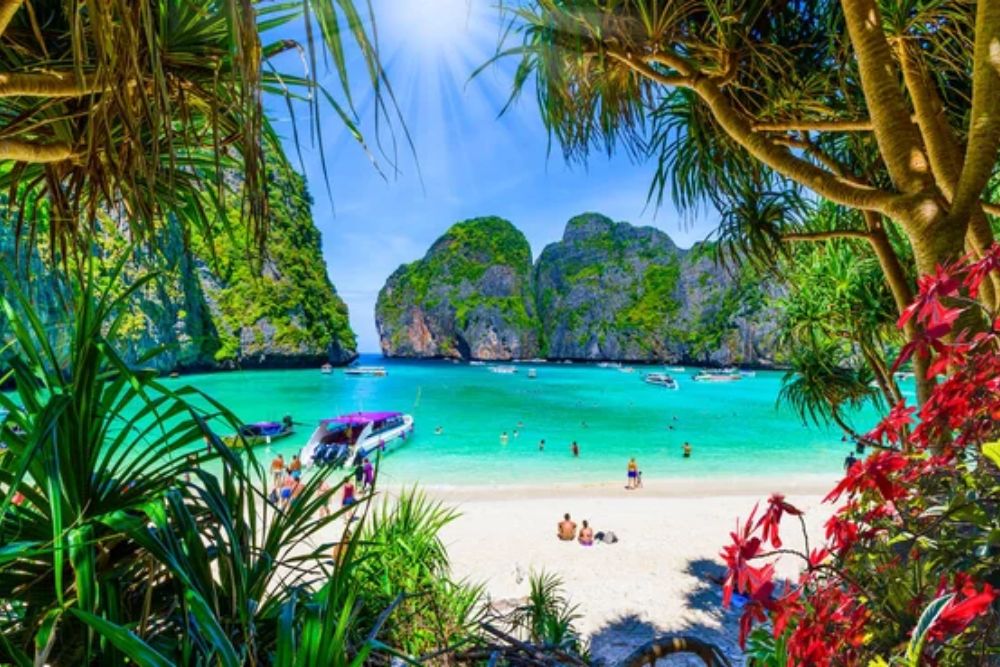
Thailand’s Maya Bay became famous after appearing in the 2000 film “The Beach” starring Leonardo DiCaprio. But that wasn’t the real problem. By 2018, approximately 6,000 travelers were visiting the bay every single day, arriving on around 200 boats. When Thai officials finally closed the location in June 2018, they discovered that only 8% of the coral reefs were still alive—down from 70%–80% three decades earlier.
During the closure, marine biologists replanted over 30,000 coral fragments, and blacktip reef sharks returned within months. The bay reopened in January 2022 with strict new rules: boats can no longer enter the water, and visitors are capped at 300 people per hour-long shift. It now closes annually for two months during the monsoon season to allow continued recovery.
Trolltunga
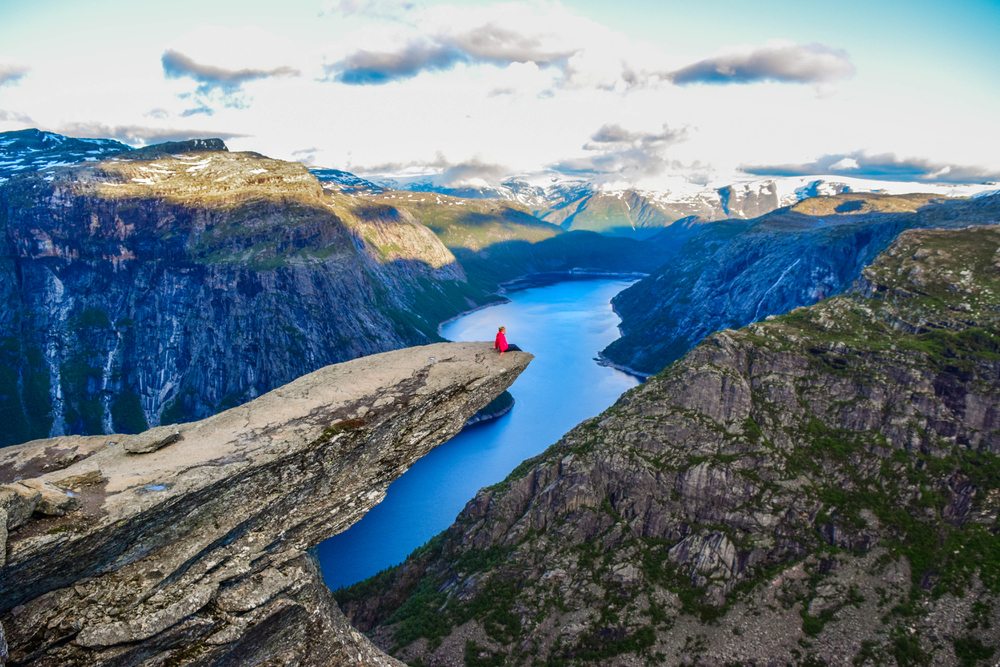
Ten years ago, Norway’s Trolltunga rock formation received around 800 visitors in an entire year—now twice that number arrives in a single day during high season. The tongue-shaped cliff juts out 2,300 feet above a lake. Stunning views, obviously.
And the wait? Visitors who arrive during summer months have been known to wait longer than three hours just to get their photograph on the rock’s tip. The average wait is 60 to 90 minutes. One visitor reported calculating “plenty of time to get out on the tongue” after waiting more than 2.5 hours. The hike itself takes 10–12 hours roundtrip from the main trailhead.
Like Travel Pug’s content? Follow us on MSN
Horseshoe Bend
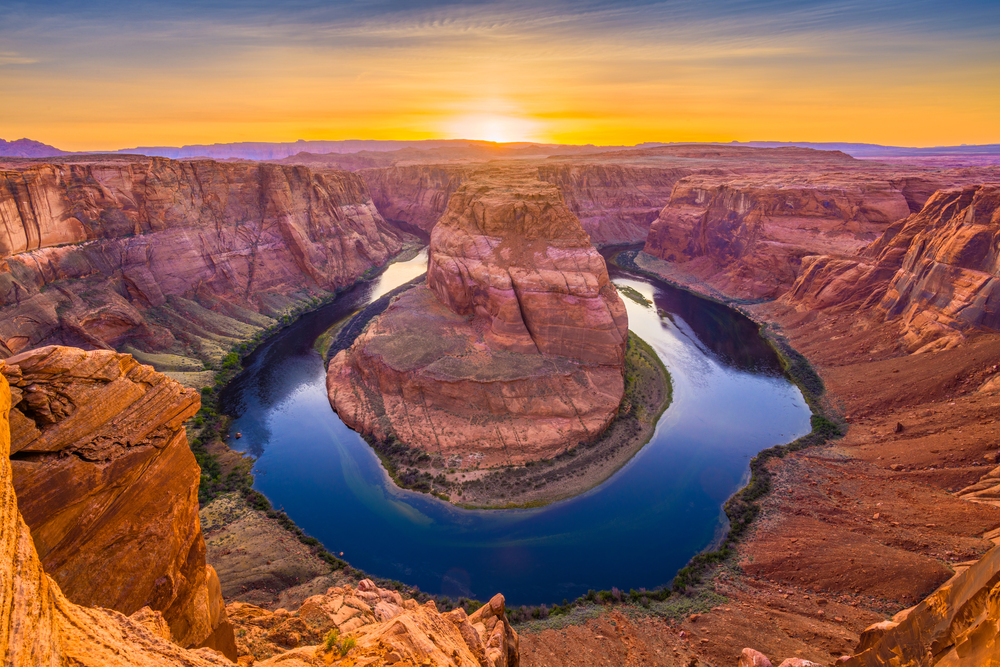
Arizona’s Horseshoe Bend once had only 1,000 visitors per year—now it sees 4,000 visitors per day. By 2018, the overlook along the Colorado River had jumped to nearly two million annual visitors. The location doesn’t have extensive infrastructure to handle those numbers. Geotagging has been identified as one of several factors that skyrocketed tourism to unmanageable levels and affected the local environment.
Nashville’s wings mural

Street artist Kelsey Montague completed a 20-foot-tall pair of wings on a Nashville building five years ago, calling it “What Lifts You”. When Taylor Swift posted a picture of herself in front of the mural on Instagram, it changed Montague’s life that day. She has since painted more than 300 murals on six continents.
At the Nashville location, people often stand in line for a photo opportunity, and couples get engaged with the wings in the background. A TikTok showing the massive Sunday afternoon crowd queuing for their turn went viral. The formula works so well that building owners now frequently request wing murals specifically. One nonprofit working on creative placemaking reports that nine times out of 10, property owners ask for wings.
Geotagging’s double edge
When tourists upload content to Instagram, TikTok, Facebook, or other platforms, they commonly use geotagging, which attaches GPS coordinates to their posts. In Ontario, Bogle Seed Farms temporarily shut down after 7,000 visitors arrived in one day, leaving trash and trampled sunflowers. Not great.
In Hunter, New York, four people have died trying to take photos at Kaaterskill Falls, a destination increasing in popularity because of geotagged Instagram posts. Data from geotagging also helps tackle overtourism by letting map apps inform users of the busiest times at attractions, so they can avoid crowds. The same technology that creates problems sometimes helps solve them.
Like Travel Pug’s content? Follow us on MSN
Fjaðrárgljúfur canyon
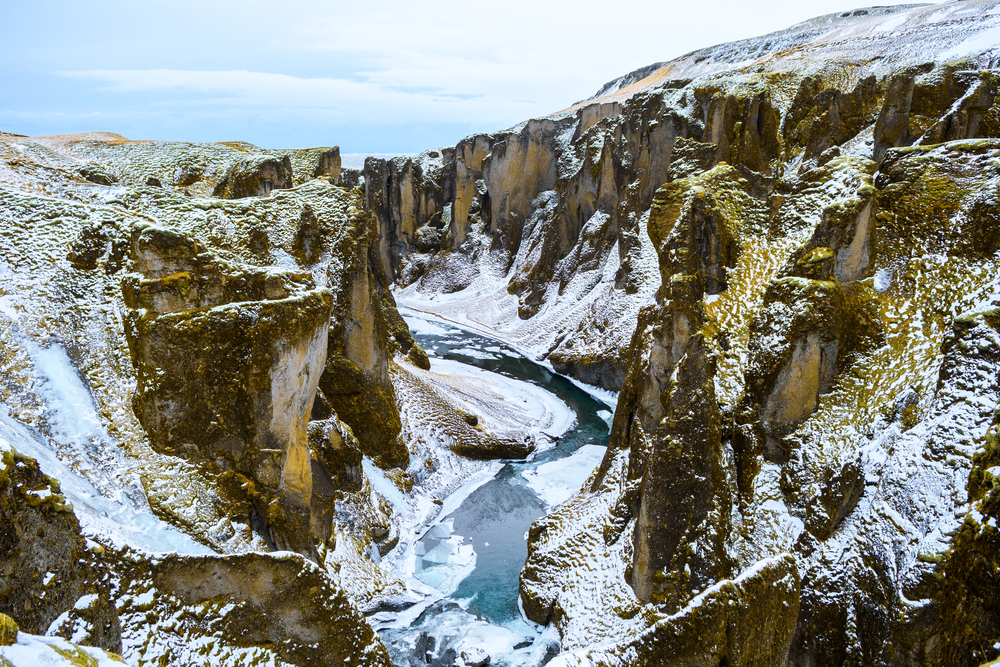
Iceland’s Fjaðrárgljúfur canyon used to be a tranquil spot beloved by travelers who stumbled upon it. It’s now full of selfie-stick-wielding tourists, literally queueing up to take the same photo that has been taken thousands of times before. The local environment suffers from extensive footfall, crowds deter travelers genuinely interested in the location, and the joy of discovering a hidden gem has completely evaporated.
Lake Wanaka’s tree
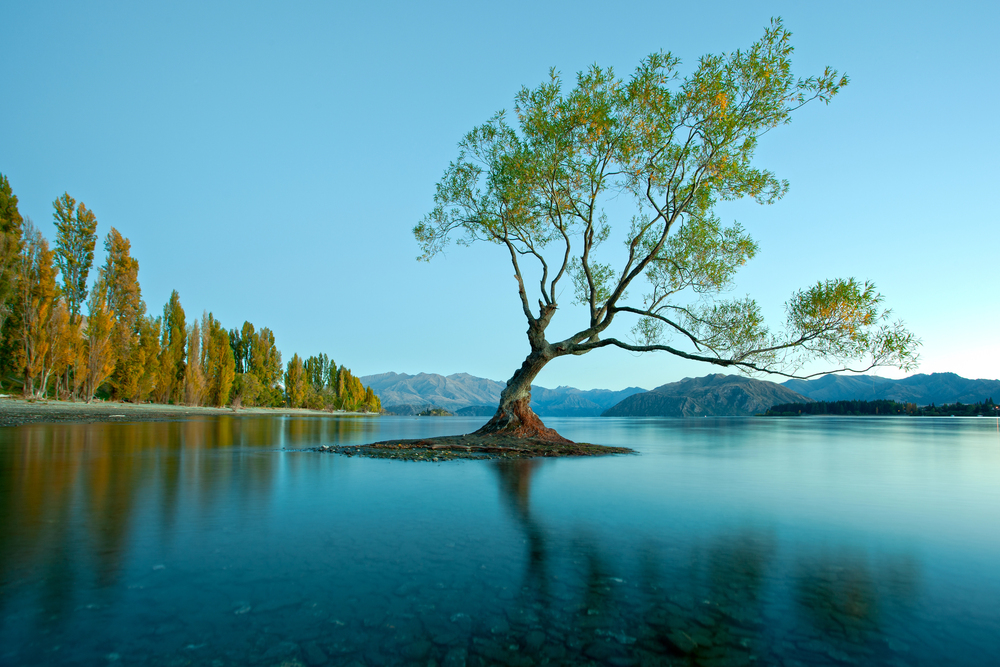
The spot on Lake Wanaka in New Zealand, with the famous submerged tree, used to be a tranquil location. Then Instagram happened. These destinations have been ruined by geotagging—places that used to be tranquil spots beloved by travelers who stumbled upon them.
The painted wall phenomenon
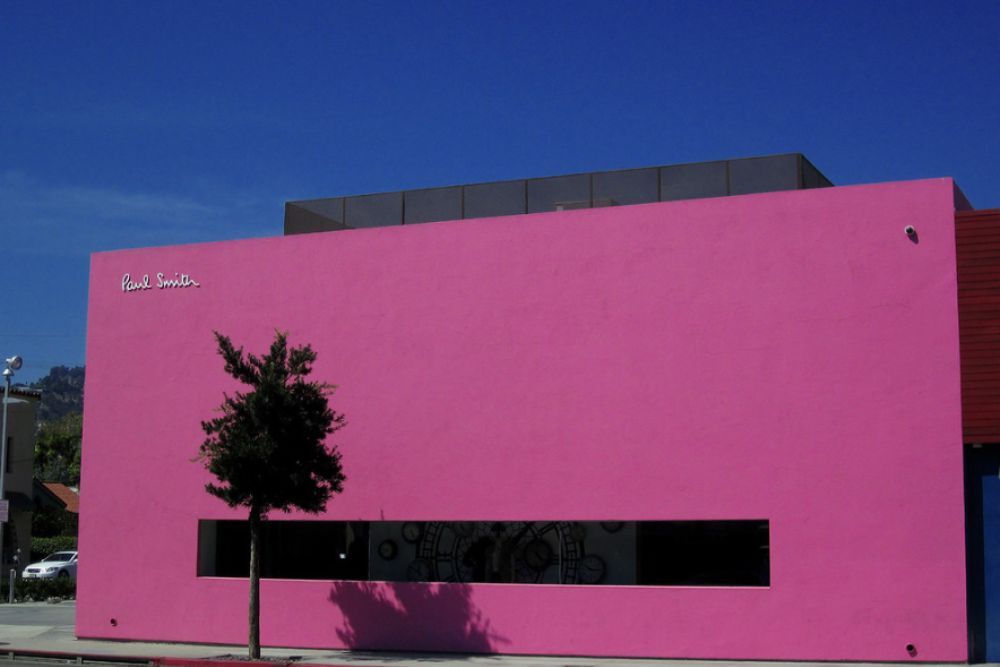
Cities discovered something. Bright colors photograph well. Paul Smith’s Pink Wall on Melrose Avenue in Los Angeles became so popular that thousands wait in line around the corner at peak times to get that perfect photo. The Pink Wall is the phenomenon that declared Melrose Avenue as one of the world’s most Instagram-worthy locations.
The trend cascaded. Discovery Green park in Houston features the “Synchronicity of Color,” a bright-colored wall made of metal boxes known as one of the most popular photo spots in the park. Austin’s community paint park at 11th & Baylor Street was officially launched in March 2011 as a place for artists to display scale art pieces driven by inspirational, positive, and educational messaging. Most restaurants and retail shops on certain streets now have their own Instagram wall, engineered specifically for this purpose.
Like Travel Pug’s content? Follow us on MSN
Algorithm-driven discovery

India is the world’s most Instagrammable country with over 250 million Instagram posts, and it’s also the most popular country on TikTok with 58.3 million posts. London is the world’s most Instagrammable city with over 160 million Instagram tags. These numbers don’t just reflect popularity—they create it.
Still, the platforms keep changing the rules. Instagram announced in April 2024 that they’re updating their reels algorithm to help smaller creators find new audiences, including a new ranking system and prioritizing original content in recommendations. What gets seen shifts constantly.
Jackson Hole’s plea
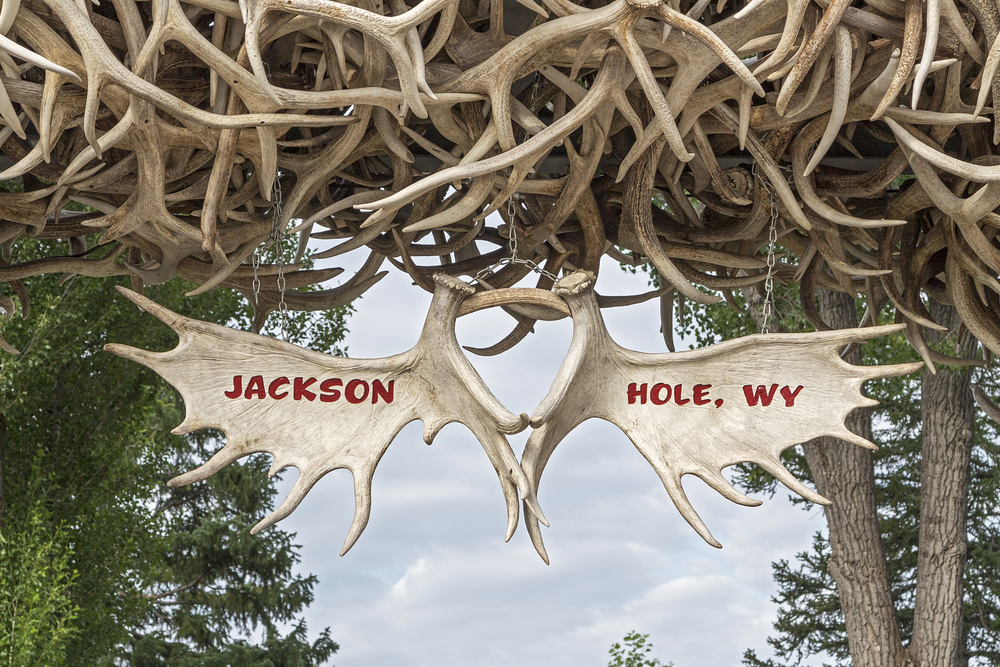
To manage environmental degradation, Jackson Hole in Wyoming has asked visitors to stop geotagging photos altogether. The request came after watching what happened elsewhere. A family-run hiking hotel in the UNESCO World Natural Heritage Site Swiss Alps Jungfrau-Aletsch, closed to overnight guests for the 2023 summer season because it had been overrun by Instagram and YouTube-fueled visitors. The area sits in what environmental scientists regard as one of the fastest disintegrating, most unstable mountainous regions in the world.
Devil’s Bathtub confusion
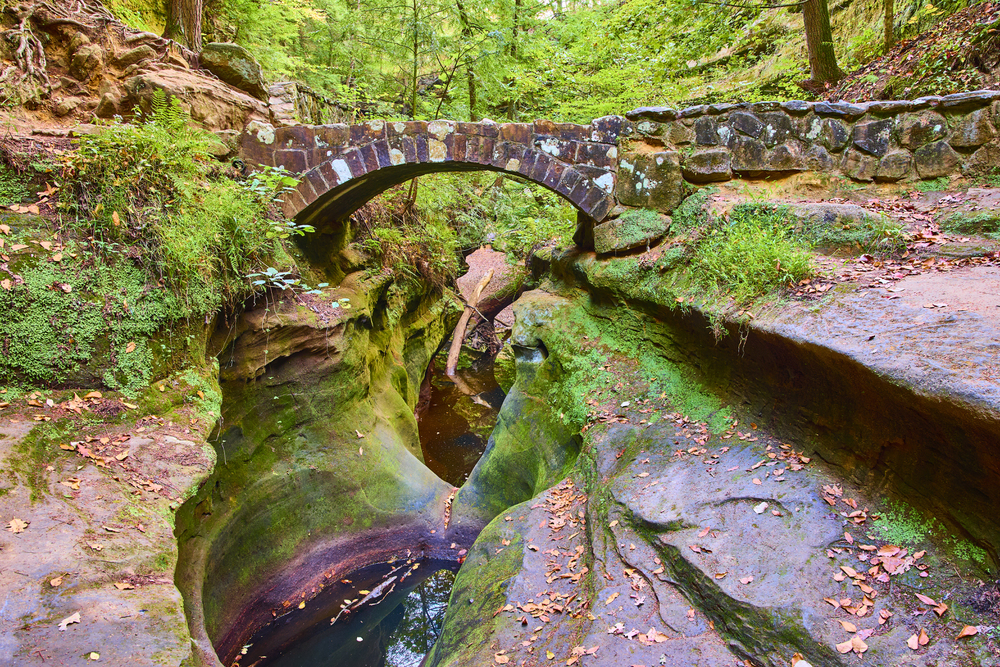
Part of what happened with the sudden popularity of the Devil’s Bathtub had more to do with internet-bred hype and misinformation than appreciation for natural beauty. People were incorrectly geotagging it, tagging pictures of a Devil’s Bathtub in Ohio as the one in Virginia. Also, a wide swath of manipulated, color-boosted images popped up on Pinterest and Instagram, leading people to believe the area was more breathtaking than it truly is. Then the Weather Channel called it the state’s “hidden gem,” and traffic increased hugely.
Like Travel Pug’s content? Follow us on MSN
Boracay’s six-month closure
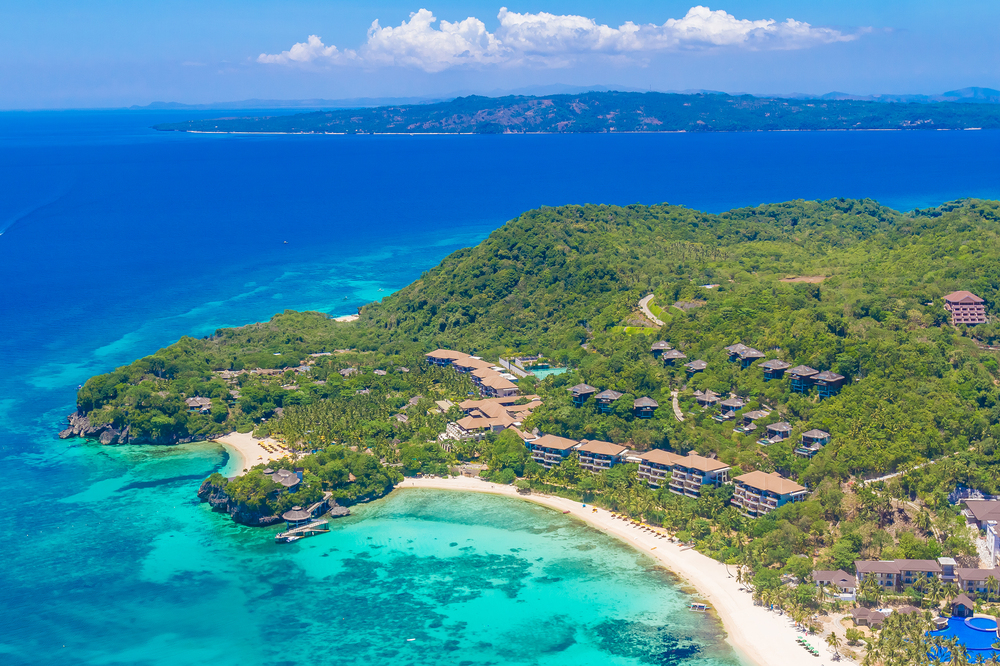
Boracay in the Philippines closed for six months to recover from the effects of overtourism. Like Maya Bay, the island needed time away from visitors. Santorini has capped daily visitor numbers in response to similar pressures.
Poaching via social media
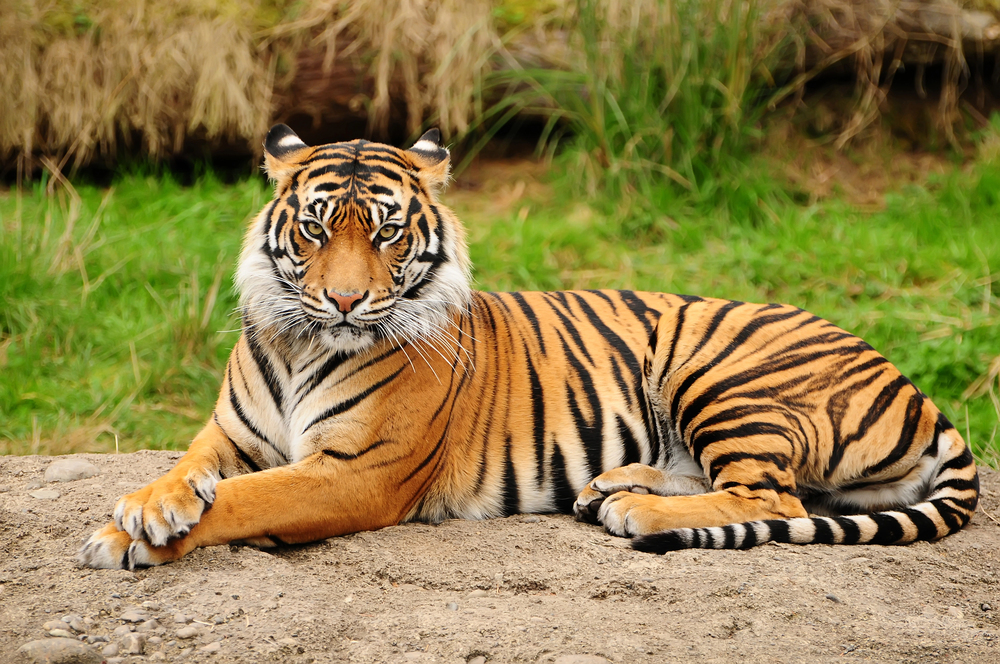
Encrypted GPS data of a Bengal tiger was found in one researcher’s account, raising questions about cyberpoaching. While there’s only anecdotal evidence showing poachers use geotagged posts to track wildlife, some researchers wouldn’t discount tagging as a potential weapon in poachers’ arsenals. If someone goes on a safari and shares photos that include a rhino, experts advise avoiding geotagging as this provides poachers with information on where to find these endangered animals.
Amsterdam’s TikTok queue
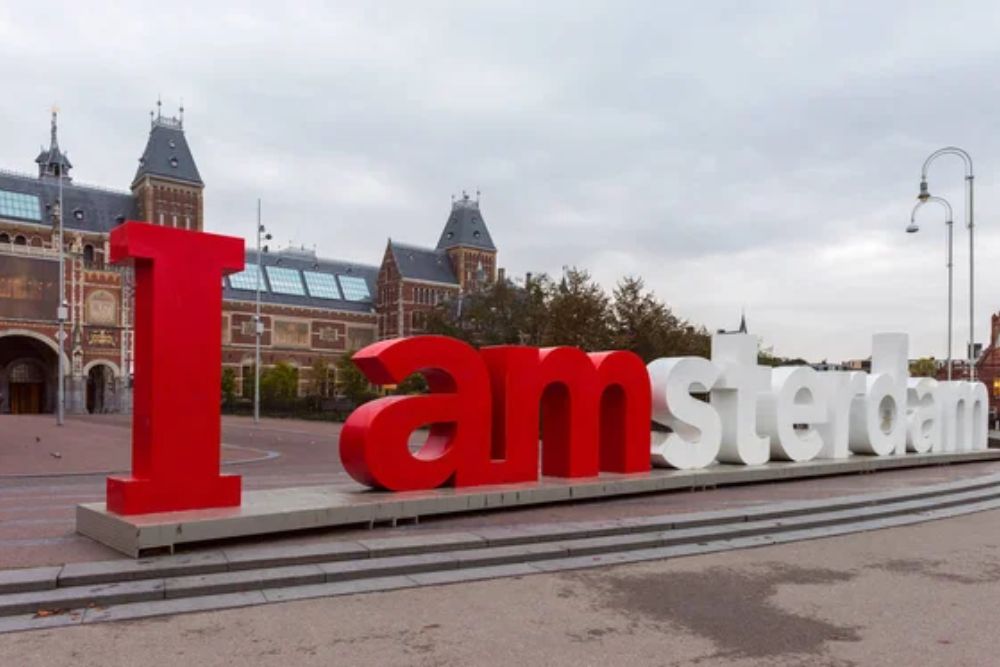
Amsterdam is experiencing a blight dubbed the “TikTok queue,” where tourists swarm the same few geotagged restaurants or cafes trending on social media so they can film similar videos to post online. TikTok queues cause commotion, crowding, and littering. Some venues are so inundated, like Amsterdam’s Fabel Fries restaurant, that they now have two lines—one for regular customers and another for content creators.
Museum InstaMeets
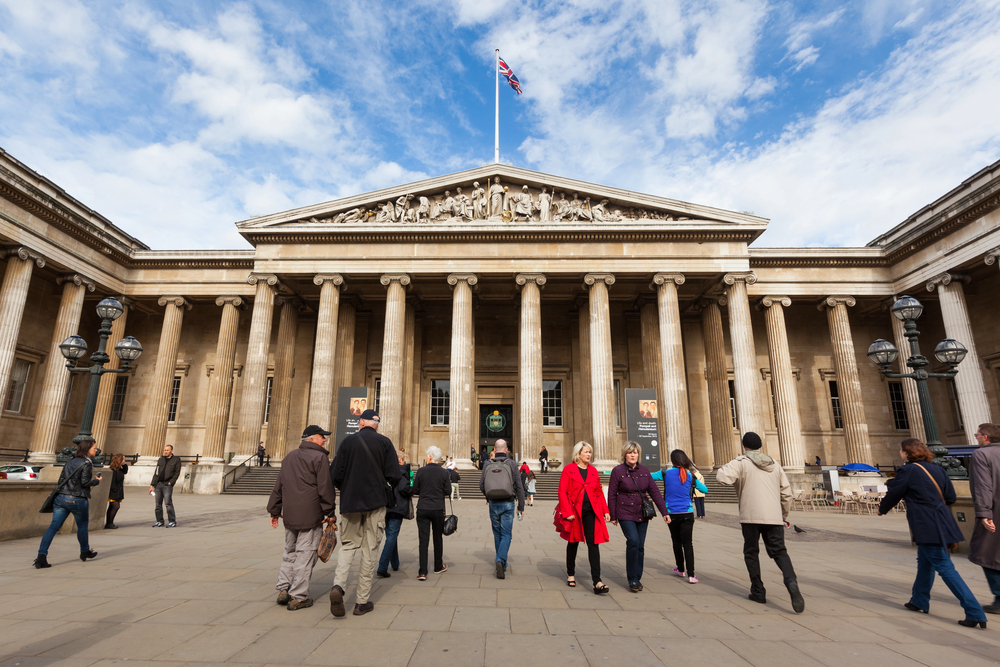
Museums arranged InstaMeets with photography groups like Instagrammers London, part of the global Instagramers.com network of mobile photography communities. Over forty people came in for breakfast one Sunday followed by a tour of an exhibition before going on a photo walk to take pictures using museum hashtags. Cultural institutions realized their architectural features, unusual objects, and exhibition spaces were ready-made for dynamic Instagram presences.
Like Travel Pug’s content? Follow us on MSN
When the line becomes the experience
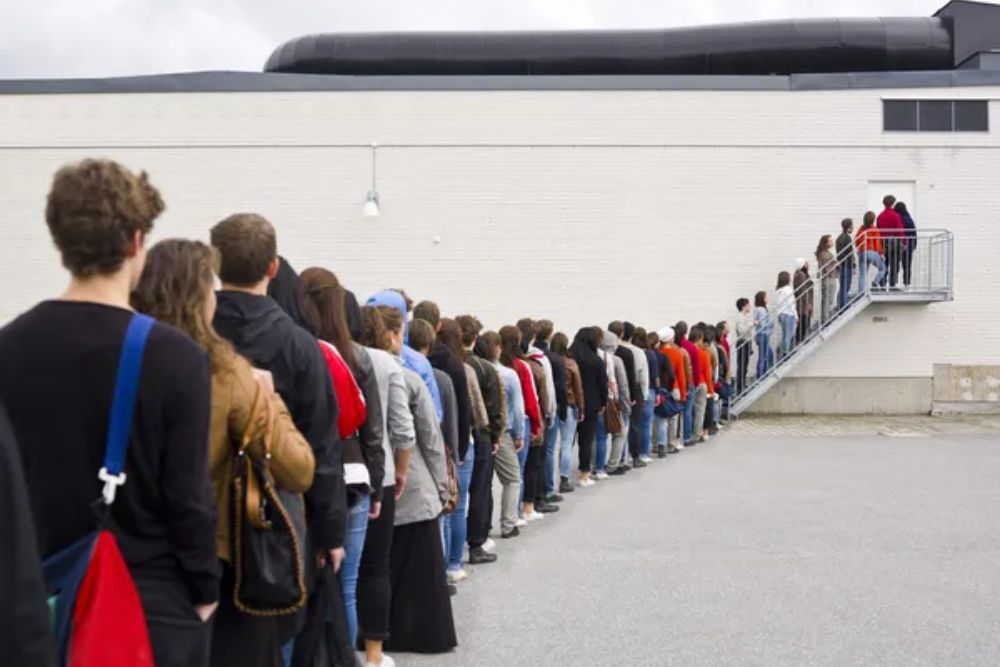
Travel used to mean discovering something others hadn’t seen. Now it often means photographing something everyone else has already photographed, from the exact same angle, after waiting your turn. A term used to describe when a location gets geotagged, is posted on social media, and then goes viral is “going viral”—and destinations have tools now to predict when it’s about to happen to them. The difference between expectation and reality isn’t always the destination itself. Sometimes it’s just everyone else who showed up.
More from Travel Pug
- 20 Best Beach Towns in the Carolinas
- 13 Destinations Where Tourists Regularly Regret Their Trip
- 20 Things You Actually Get in First Class
- 20 Small Airports With Aviation Museums
- 20 Places in the U.S. That Are Perfect for a Reset Trip
Like Travel Pug’s content? Follow us on MSN