

Cajun culture emerged from French-speaking Acadians who were expelled from Canada in the 1760s and eventually settled in Louisiana’s swamps and prairies. These resourceful people created a distinct way of life built around spicy food, accordion-driven music, and a joie de vivre that survived centuries of poverty and discrimination.
Modern south Louisiana still pulses with authentic Cajun traditions, though you need to know where to look beyond the tourist traps selling rubber alligators and premixed spice packets. The real culture lives in dancehalls, home kitchens, and community gatherings rather than corporate restaurants and contrived attractions.
Here is a list of 15 ways to experience true Cajun culture.
Dance at a genuine fais do-do
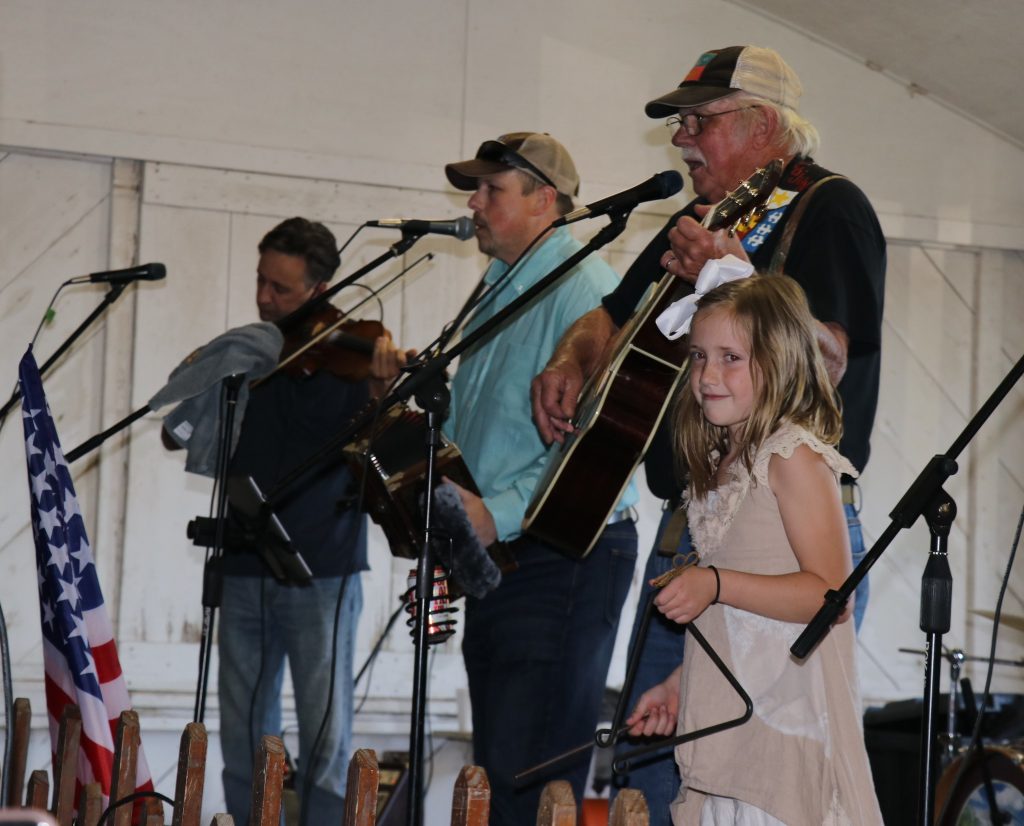
These community dances happen most weekends across Acadiana in no-frills halls where grandparents and toddlers share the floor. Places like Randol’s in Lafayette or Fred’s Lounge in Mamou pack locals two-stepping to live Cajun bands while cold Abita beers flow freely.
The French lyrics tell stories of lost love and bayou life while accordions squeeze out melodies that make standing still physically impossible.
Eat boudin from a gas station

Forget fancy restaurants—the best Cajun boudin comes from convenience stores where locals grab links for breakfast. This pork and rice sausage seasoned with the holy trinity of onions, celery, and bell peppers tastes completely different depending on which town’s gas station you visit.
Don Best’s in Scott and Billy’s in Krotz Springs both draw crowds who debate their favorite recipes with genuine passion.
Attend a crawfish boil
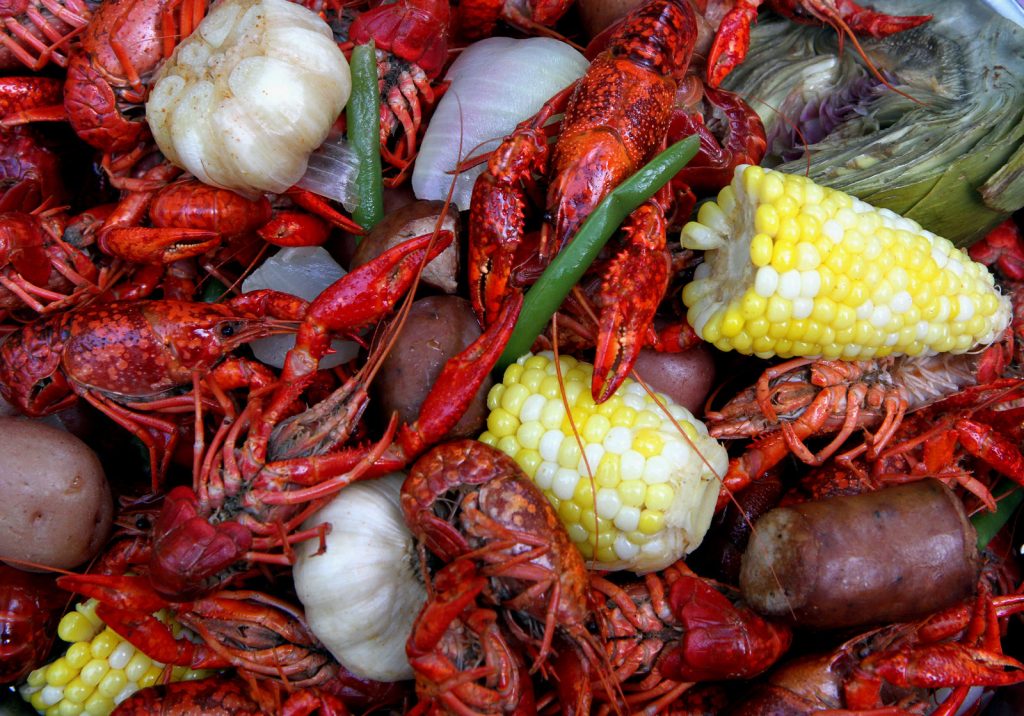
These backyard gatherings peak from February through May when crawfish season brings friends and family together for hours-long feasts. Mountains of bright red mudbugs get dumped on newspaper-covered tables alongside corn, potatoes, and enough cayenne pepper to clear sinuses for days.
The social ritual matters more than the food—sucking crawfish heads and telling stories under oak trees captures Cajun culture better than any museum.
Visit during Courir de Mardi Gras
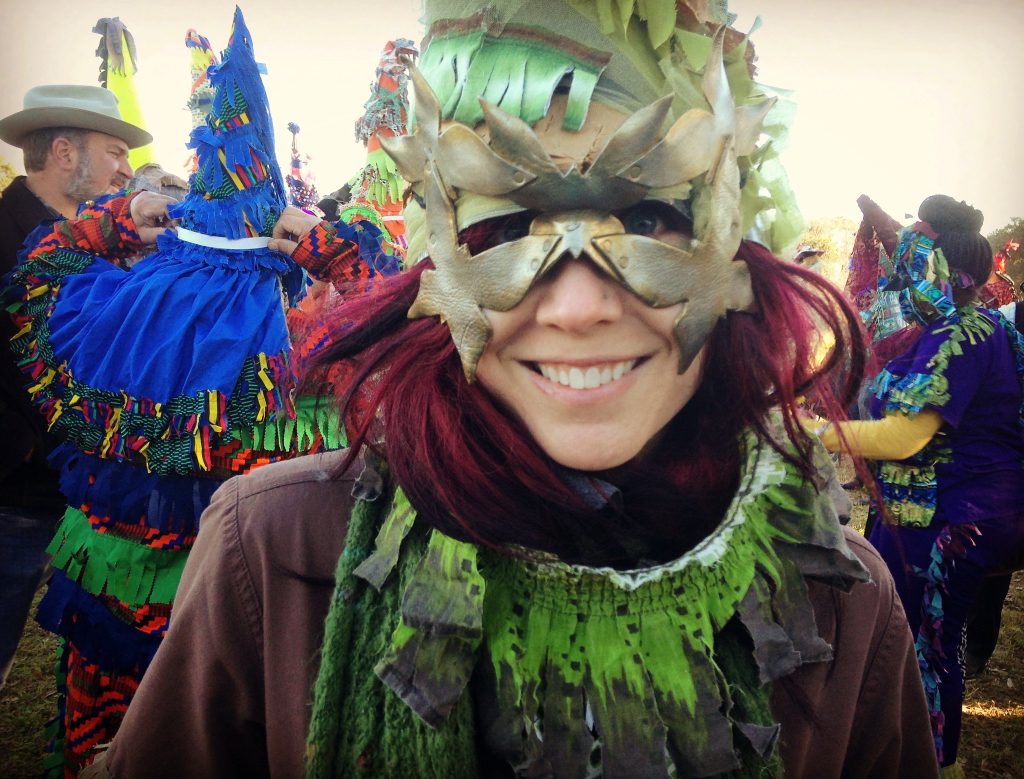
This rural Mardi Gras tradition sends costumed riders on horseback from farm to farm begging for ingredients to make communal gumbo. Mamou and Church Point host the most famous runs where the chaos, drinking, and general mayhem feel nothing like New Orleans’ organized parades.
Participants wear handmade costumes and pointed capuchon hats that trace back to medieval French festivals, not the beads-and-spectacle culture of Bourbon Street.
Take a swamp tour with a Cajun guide
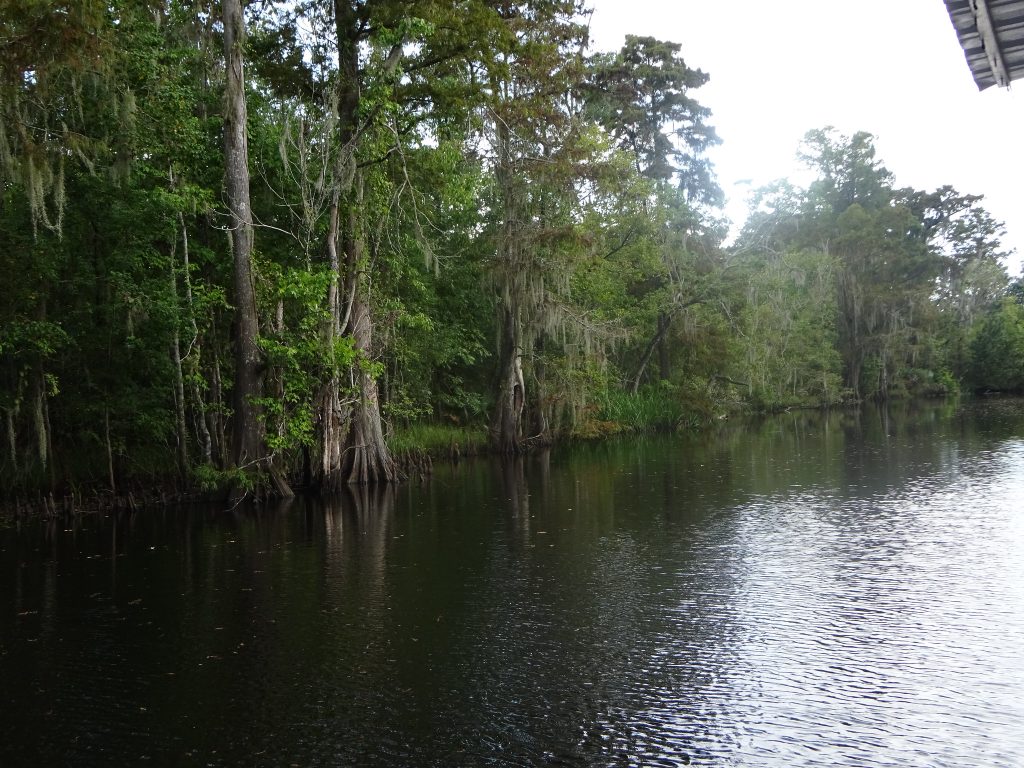
Skip the big commercial operations and book with small outfits where your guide grew up in these swamps. Captains like those at McGee’s Landing near Henderson speak English and Cajun French while pointing out alligators and explaining how their grandparents made a living from these waters.
The ecological knowledge and personal stories transform a boat ride into a cultural education you can’t get from books.
Shop at a Cajun boucherie
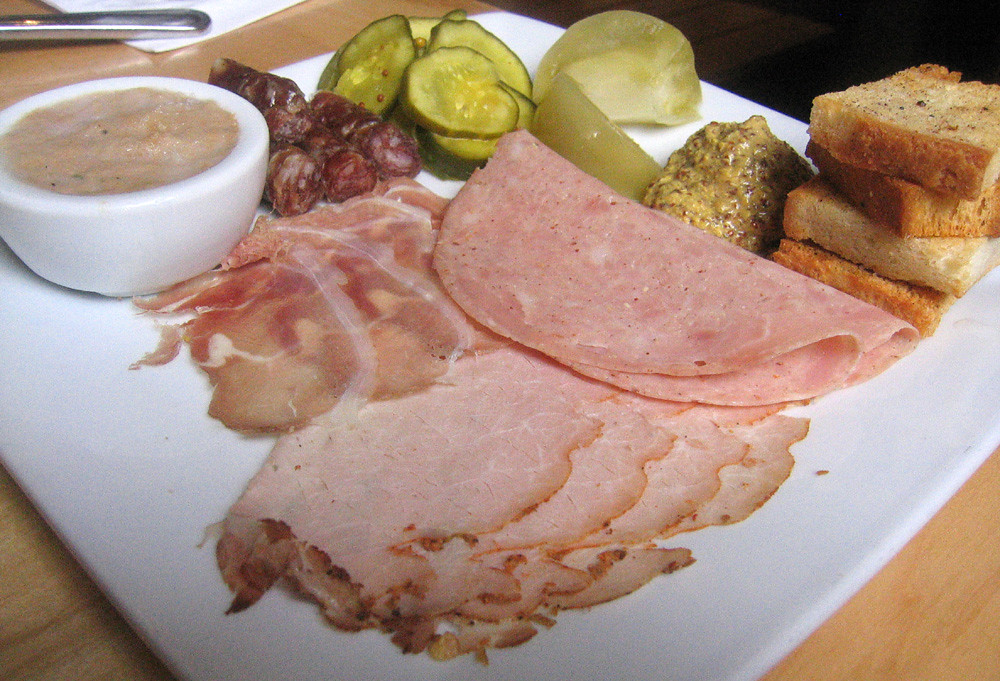
Some butcher shops still practice the traditional communal hog slaughter where families gathered to process every part of the animal. Poche’s in Breaux Bridge and The Best Stop in Scott make fresh cracklins, hogshead cheese, and other preparations that emerged from necessity when refrigeration didn’t exist.
Watching them make boudin from scratch shows the practical skills Cajun ancestors needed to survive.
Learn Cajun French
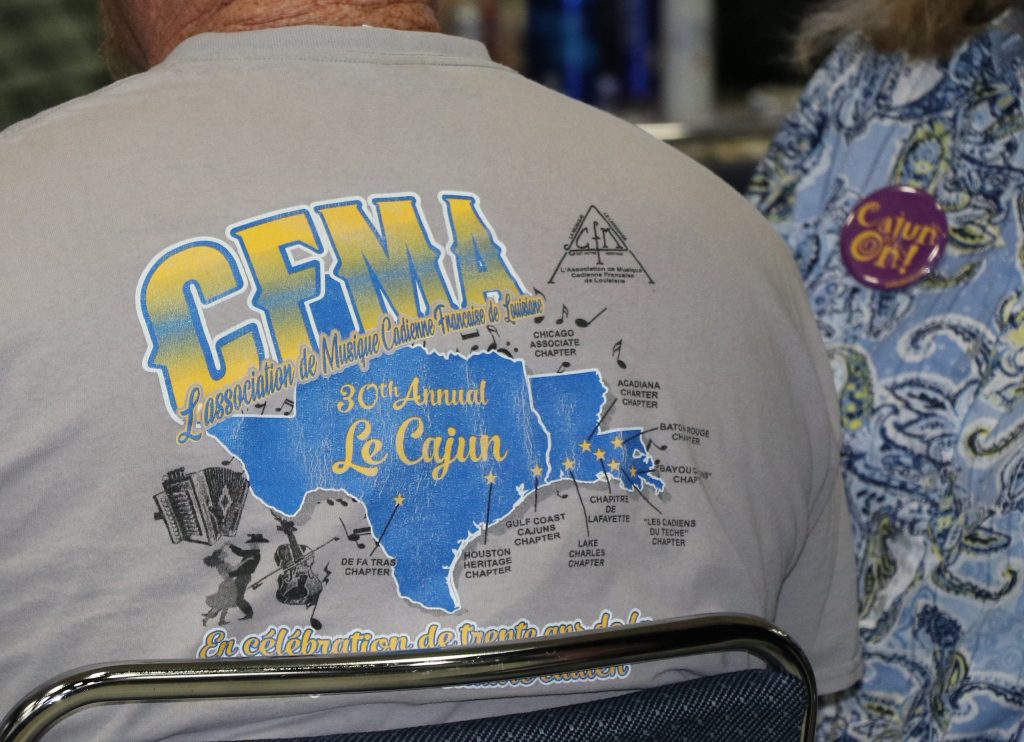
The language faced systematic suppression throughout the 20th century but has rebounded through immersion schools and cultural pride. The Council for the Development of French in Louisiana (CODOFIL) offers classes while cultural centers provide conversation groups.
Understanding even basic Cajun French reveals how much the language differs from Parisian French—it’s basically 18th-century French mixed with Spanish, English, and Native American words.
Attend a church fair
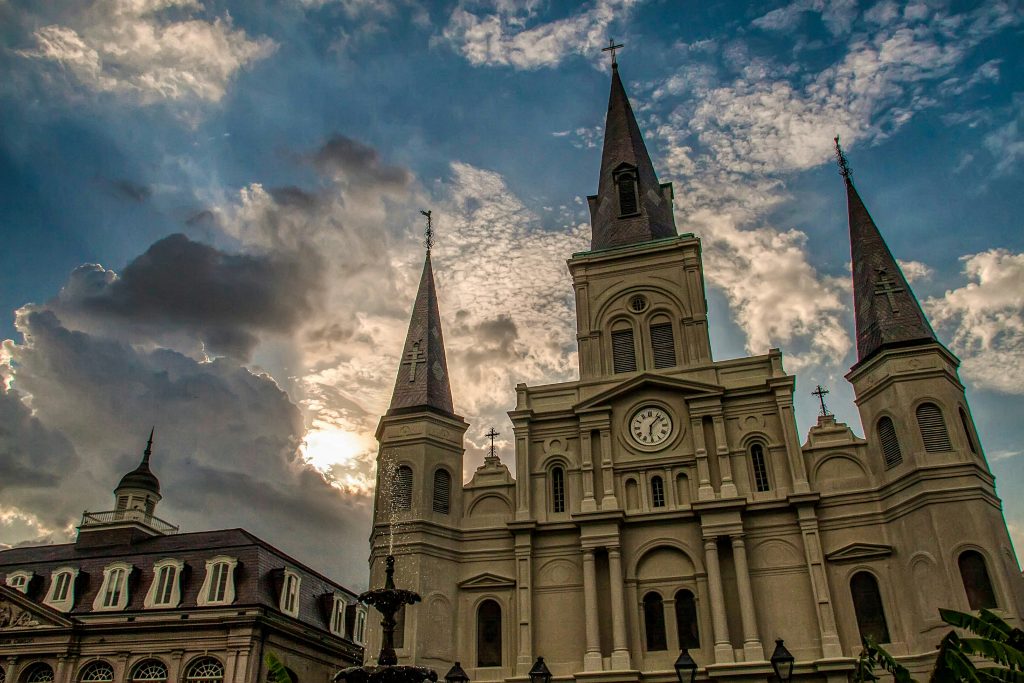
Catholic parishes across Acadiana host fundraising festivals featuring homemade Cajun food prepared by church ladies who’ve perfected their recipes over decades. The Cajun Heartland State Fair in Lafayette and smaller parish festivals offer plates of fricassee, sauce piquant, and étouffée that put restaurants to shame.
These events show how deeply Catholicism is woven into Cajun identity—the culture developed partly in isolation because Protestant Americans considered Catholic Acadians suspicious foreigners.
Visit the Acadian Cultural Center
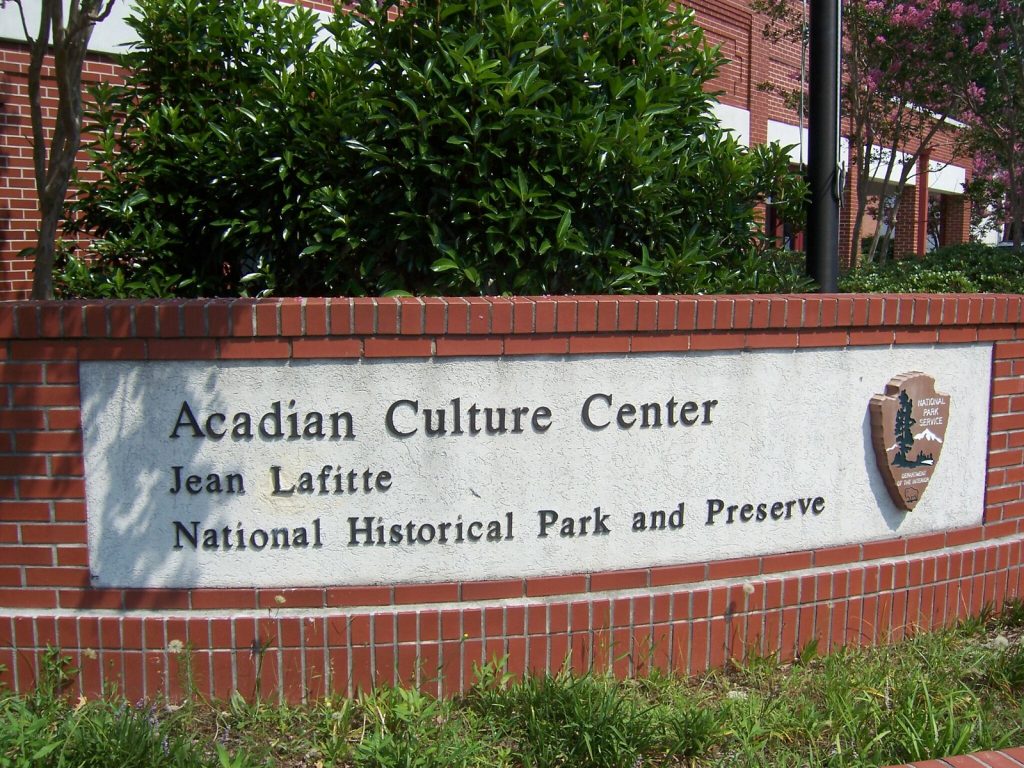
This National Park Service site in Lafayette provides essential historical context about the Acadian exile and Louisiana resettlement. The documentary film explains the Grand Dérangement—Britain’s forced removal of French Acadians from Canada—without glossing over the tragedy that scattered families across continents.
Rangers offer programs on everything from accordion construction to Cajun boat-building techniques.
Fish or hunt with locals
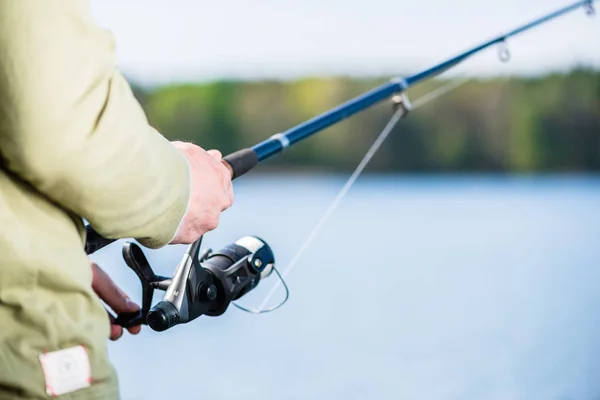
Cajun culture grew from people who fed themselves from swamps, forests, and fields using skills passed through generations. Hiring a local guide for freshwater fishing or joining a deer camp introduces you to traditions that remain central to Cajun identity.
The outdoors skills, camp cooking, and social dynamics reveal aspects of the culture that city-based tourism completely misses.
Shop at Cajun music stores
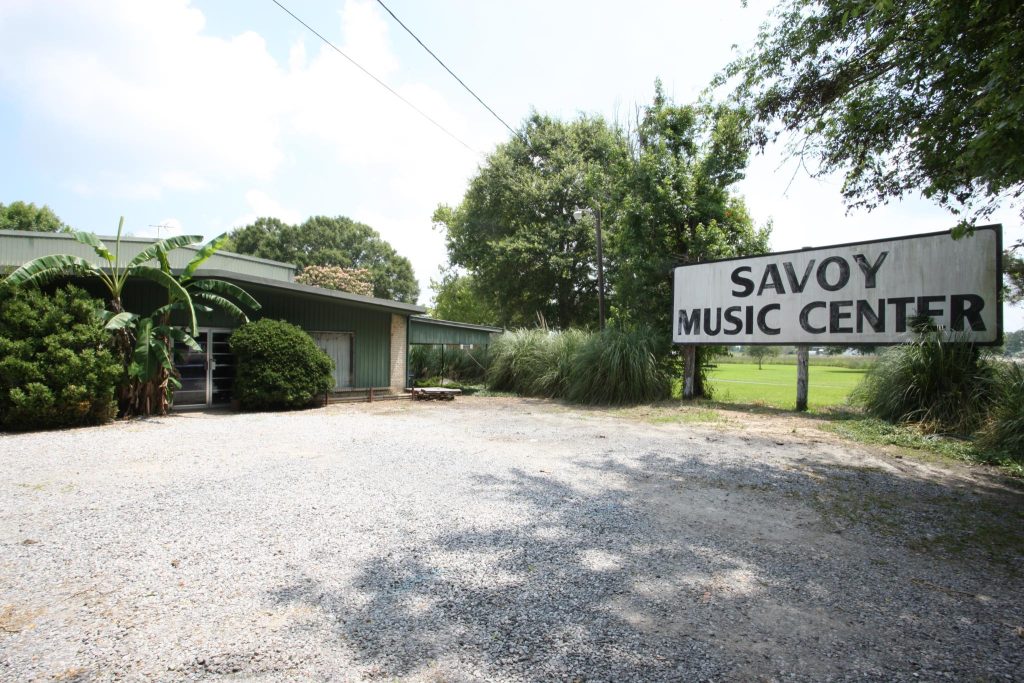
Places like Savoy Music Center in Eunice don’t just sell accordions and CDs—they’re cultural institutions where musicians gather for jam sessions. Owner Marc Savoy builds accordions by hand using techniques his mentor taught him, continuing a craft tradition that defines Cajun music’s sound.
The Saturday morning jam sessions draw players of all skill levels who swap songs and keep the musical tradition alive.
Explore Vermilionville
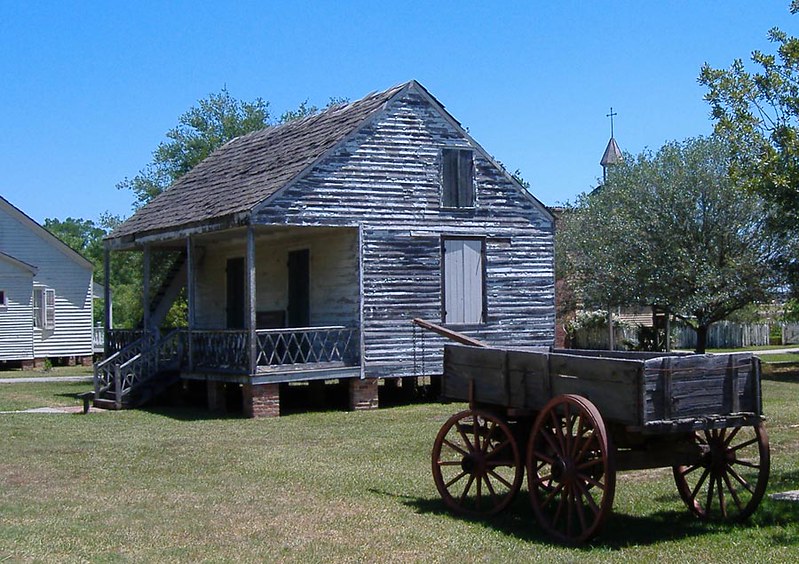
This living history museum in Lafayette reconstructs Cajun life from 1765 to 1890 with period buildings, costumed interpreters, and artisan demonstrations. Unlike static museums, craftspeople actually practice traditional skills like boat-building and weaving while explaining their cultural significance.
The site acknowledges the Native American and African influences that shaped Cajun culture alongside its French roots—a complexity that simplified tourism narratives often ignore.
Attend a zydeco dance
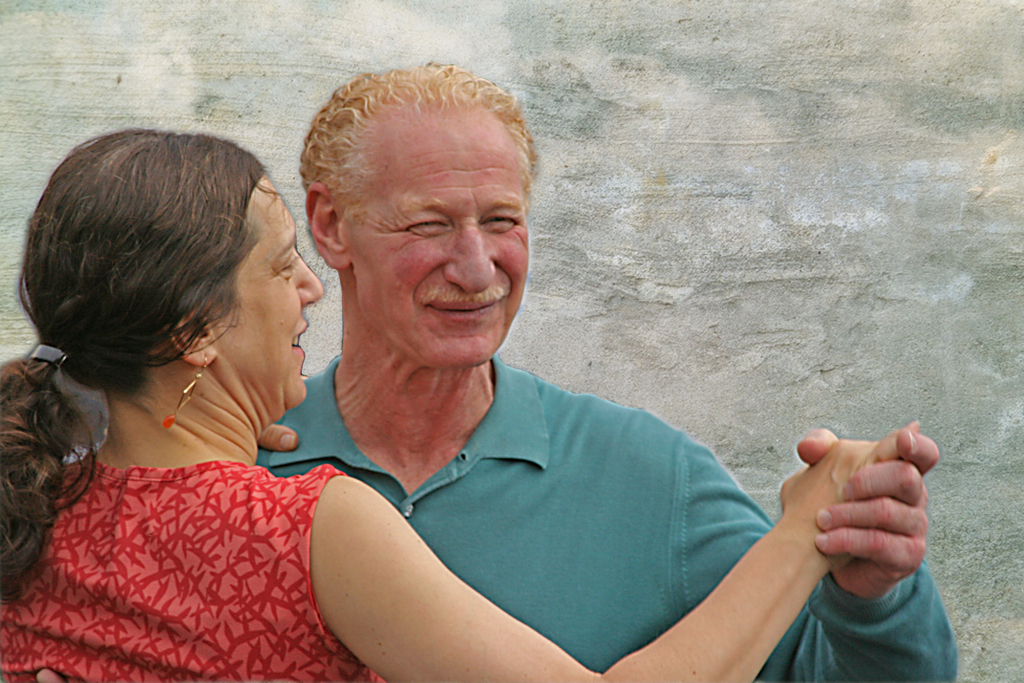
While zydeco technically developed from Creole rather than Cajun culture, the two intertwined in south Louisiana’s cultural gumbo. Clubs like El Sid-O’s in Lafayette host zydeco nights where the music’s R&B influence and faster tempo create a different vibe than traditional Cajun dances.
The washboard—or frottoir—percussion and accordion combination originated in Creole communities but now forms part of the broader regional identity.
Visit Avery Island
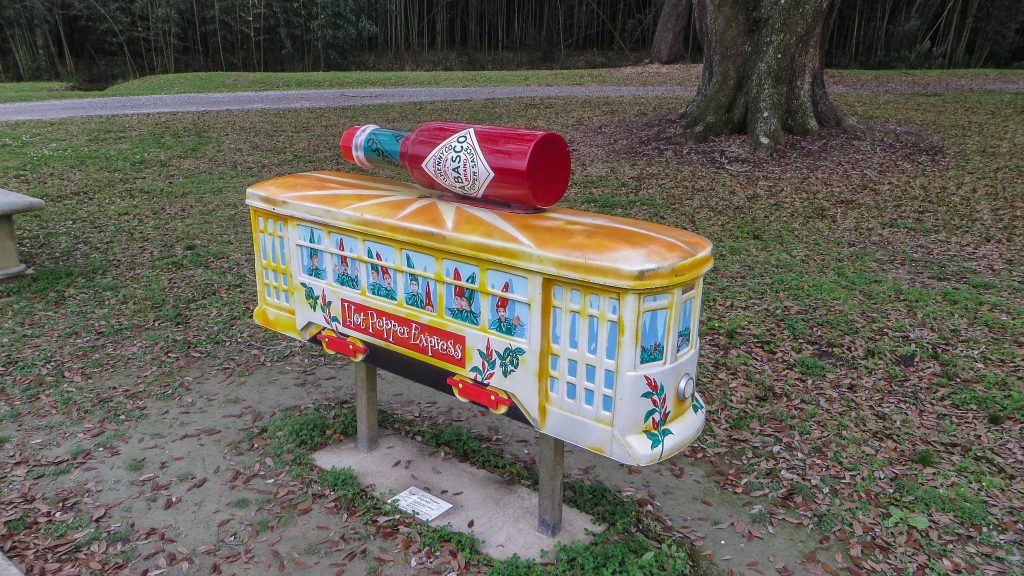
This salt dome rising from coastal marshes hosts the Tabasco factory where the McIlhenny family has produced pepper sauce since 1868. While Tabasco isn’t a traditional Cajun product, the factory tour illustrates how south Louisiana’s environment enabled preservation techniques crucial to Cajun cuisine.
The surrounding Jungle Gardens and bird sanctuary show the coastal landscape that shaped Cajun foodways and livelihoods.
Cook with a Cajun family
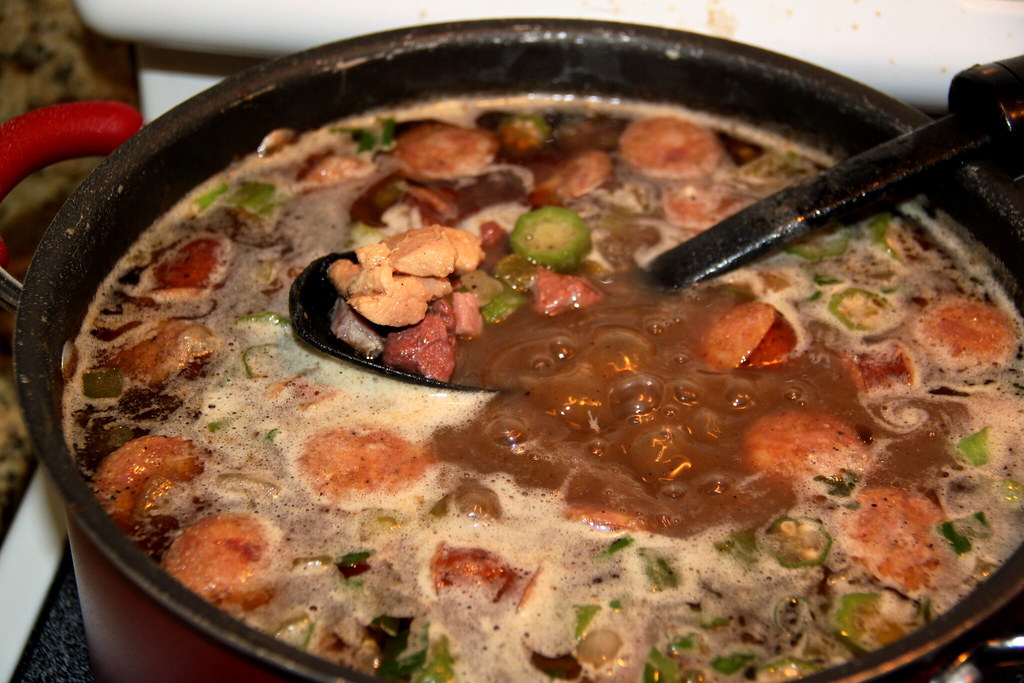
Several home cooks offer classes teaching dishes like gumbo, jambalaya, and étouffée in their own kitchens. Learning the proper way to make a roux—the flour and fat base that many Cajun dishes require—from someone who learned from their grandmother provides skills and stories that cookbook recipes can’t capture.
The relaxed kitchen environment encourages questions and cultural exchange impossible in commercial cooking schools.
More than food and music
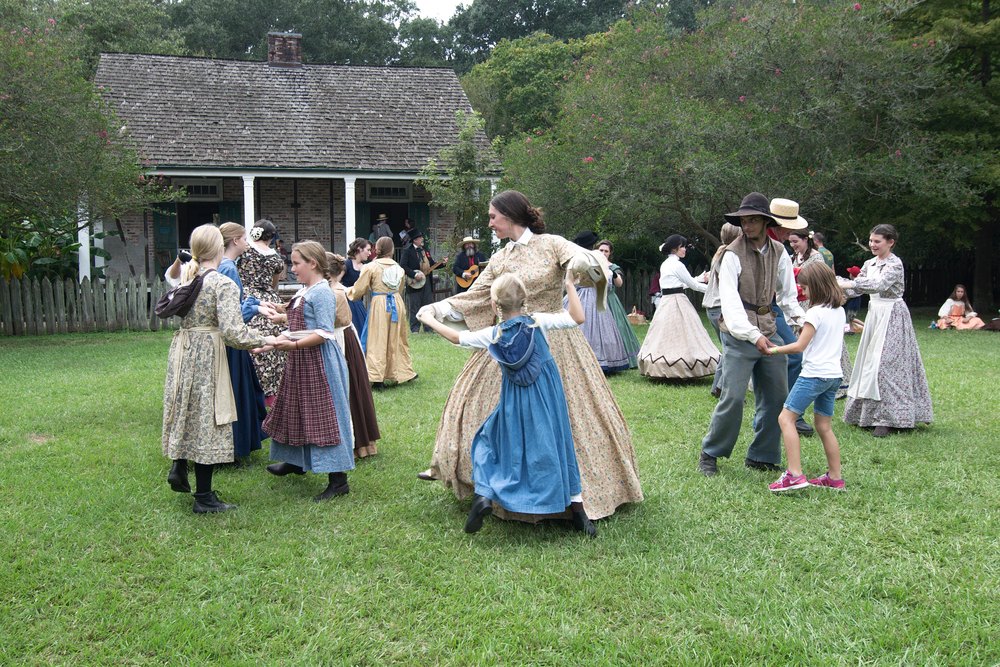
Cajun culture is a worldview that embraces community, family, and taking pleasure in life in spite of hardship-developed over centuries of persecution and poverty. The parties, food, and music that outsiders adore grew from people who made gaiety with whatever was at hand.
Comprehending such a context-how these customs were a way of cultural preservation and resistance-changes these Cajun experiences from being sheer amusement into snippets of a people who refused to vanish despite repeated attempts to rub them out.
More from Travel Pug

- Underrated Italian Towns That Beat the Tourist Crowds
- Las Vegas Tourist Traps to Skip
- Prettiest Towns in Every US State
- 18 passport-free countries for Americans
- Signs Your Cruise Is Not Worth The Cost
Like Travel Pug’s content? Follow us on MSN.