

While visiting a new city is exciting, it also exposes travelers to con artists who want to exploit them. In popular destinations, fake tour guides are more prevalent, often offering their ‘services’ near major landmarks and transit hubs. These impostors can waste your money, ruin your experience, or even put you in danger. While honest tour guides put a lot of effort into earning their certifications and offering worthwhile experiences, dishonest operators prey on gullible tourists and damage the industry as a whole.
Learning to identify these frauds takes just a few seconds once you know what to look for. Here is a list of 15 ways to spot a fake tour guide before you waste your time or money.
No official identification badge

Real tour guides carry visible identification that’s issued by official tourism boards or licensing authorities. These badges typically include a photo, license number, and expiration date that you can verify on the spot.
Fake guides either have nothing to show you or present laminated cards that they printed at home, which lack the security features and official seals that genuine credentials display.
Aggressive solicitation tactics

Legitimate guides don’t chase tourists down the street or block pathways to force their pitch. They work through established booking systems, hotel partnerships, or maintain a professional presence at designated meeting points.
When someone corners you outside a train station or follows you persistently while ignoring your polite refusals, that’s a massive red flag indicating they’re not operating through legitimate channels.
Vague pricing structure

Professional guides provide clear, upfront pricing that breaks down exactly what’s included in the tour fee. Fake operators throw out suspiciously low prices to hook you, then add mysterious ‘fees’ and ‘necessary expenses’ throughout the experience.
They might also refuse to discuss money until you’re already committed to the tour, trapping you in an uncomfortable situation where backing out feels awkward.
No online presence or reviews

Every legitimate tour company maintains some kind of digital footprint, whether it’s a website, social media accounts, or listings on major travel platforms. You won’t find fake guides anywhere online because they’re running one-off scams rather than building a business.
When someone claims to be a professional but has zero reviews on TripAdvisor, Google, or Viator, they’re probably operating outside the law.
They ‘just happened’ to approach you
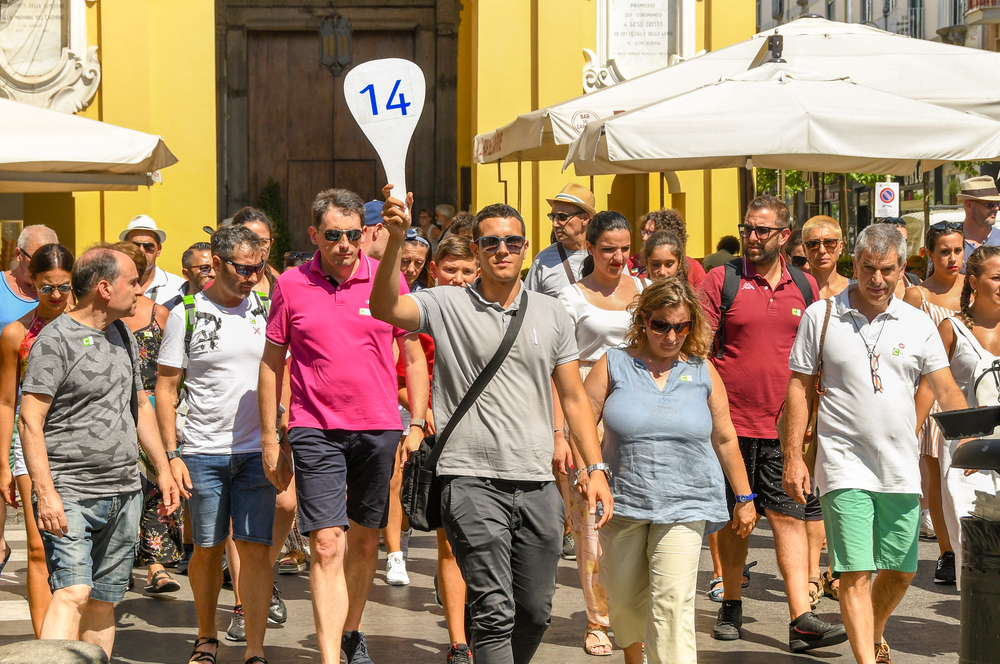
Authentic tour guides don’t materialize out of thin air right when you look confused at a map. These convenient encounters are staged to seem helpful, but they’re actually calculated approaches that scammers use to identify vulnerable targets.
Real guides work scheduled tours that you book in advance, not spontaneous adventures that begin thirty seconds after you exit a tourist bus.
Refusal to provide a receipt

Documentation is a part of every legal business transaction, but fraudulent guides only use cash and leave no paper trail. They will promise to email receipts that never come or make excuses about printers breaking.
This lack of documentation shields them from responsibility and gives you no options in the event that the tour is a complete fraud or a disaster.
Incomplete knowledge of basic facts

Professional guides study their cities extensively and undergo training that covers history, architecture, and cultural context. Fake operators memorize a handful of impressive-sounding facts from Wikipedia, then stumble when you ask follow-up questions.
You’ll notice them giving contradictory information, making up dates, or quickly changing the subject when their shallow knowledge runs out.
Pressure to visit specific shops

Legitimate tours might include a stop at a notable local business, but fake guides build their entire route around commission-based partnerships. They’ll insist that certain stores have ‘the best prices’ or ‘authentic goods’ while discouraging you from shopping elsewhere.
These arrangements let them earn kickbacks from overpriced purchases, turning your tour into an extended sales pitch disguised as cultural exploration.
No insurance or emergency protocols

Licensed tour operators carry liability insurance and have clear procedures for handling medical emergencies or unexpected situations. Fake guides have no safety net, no emergency contacts, and no plan beyond collecting your money.
When you ask about their insurance coverage or what happens if someone gets injured, they’ll either dismiss the question or provide vague, unconvincing answers.
Missing language proficiency

Real tour guides speak clearly and fluently in the language they’re advertising, whether that’s English, Spanish, Mandarin, or any other major language. Imposters often advertise multilingual abilities but struggle with basic communication once the tour begins.
This language barrier doesn’t just make for awkward explanations—it can create dangerous misunderstandings in crowded or complex environments.
Operating in unauthorized areas

Many historical sites, museums, and protected areas require guides to obtain special permits before conducting tours. Fake operators ignore these regulations and simply walk groups through restricted zones until security kicks them out.
You’ll notice them nervously watching for authorities, rushing through certain areas, or suddenly abandoning the tour if official personnel appear.
Unusual meeting locations

Professional tour companies use consistent, logical meeting points like hotel lobbies, visitor centers, or clearly marked landmarks. Scammers suggest meeting in odd locations like residential streets, parking lots, or confusing spots that make you vulnerable.
These strange meeting places give them more control over the situation while making it harder for you to back out safely.
No affiliation with recognized organizations

Legitimate guides belong to professional associations, tourism boards, or established companies that you can research. Fake operators work independently without any organizational backing, which means nobody’s overseeing their conduct or verifying their qualifications.
When you ask which company they represent, they’ll either name something you can’t verify or claim to be freelancers who somehow operate major tours alone.
Inconsistent storytelling

Professional guides deliver consistent narratives that align with documented history and established facts. Frauds contradict themselves within the same tour, telling one version of a story at the beginning and a completely different version an hour later.
These inconsistencies reveal that they’re improvising rather than sharing verified information they’ve actually studied.
Cash-only transactions with no change

While many legitimate businesses prefer cash, professional guides come prepared with proper change and accept multiple payment methods. Fake operators insist on exact cash amounts, conveniently have no change available, or pressure you to pay more than the agreed price.
This cash handling reveals their improvised operation and eliminates any transaction records that could later prove their fraud.
The trust factor in modern tourism

The explosion of online booking platforms and review systems has made it easier than ever to verify legitimate tour operators before you travel. Most major cities now require guides to complete certification programs and display visible credentials, creating clear distinctions between professionals and pretenders.
Despite these improvements, scammers continue adapting their tactics, making it essential for travelers to stay informed about current fraud patterns in their destination cities.
More from Travel Pug

- Underrated Italian Towns That Beat the Tourist Crowds
- Las Vegas Tourist Traps to Skip
- Prettiest Towns in Every US State
- 18 passport-free countries for Americans
- Signs Your Cruise Is Not Worth The Cost
Like Travel Pug’s content? Follow us on MSN.