

Travel has always been one of those things where the more time you put into planning, the more money you tend to save. The problem is that most people don’t have 30 hours to spend comparing flight prices, reading hotel reviews, and figuring out whether a particular neighborhood is worth the premium.
That’s exactly where AI has stepped in — and it’s genuinely changing the math for budget-conscious travelers.
Here is a list of 15 ways AI can help you spend less on your next trip, from the moment you start searching to the day you land back home.
Flight price prediction

AI-powered tools like Hopper analyze millions of flight and hotel prices every day to predict whether fares are likely to go up, stay flat, or drop before your travel date. Instead of refreshing your browser for a week hoping prices improve, Hopper sends you a push notification when it’s the right moment to book — and its predictions come in at around 95% accuracy, according to the platform.
Loyalty point optimization

Most travelers have a pile of airline miles and hotel points sitting in various accounts, quietly expiring. Tools like Gondola AI connect to your email, pull together your rewards from airlines, hotels, and credit cards, and show you exactly what everything is worth — then compare cash prices against points redemptions so you can make the smarter call.
Gondola AI can save users hundreds of dollars by identifying the highest-value way to redeem points they didn’t even know they had.
Budget-first itinerary building
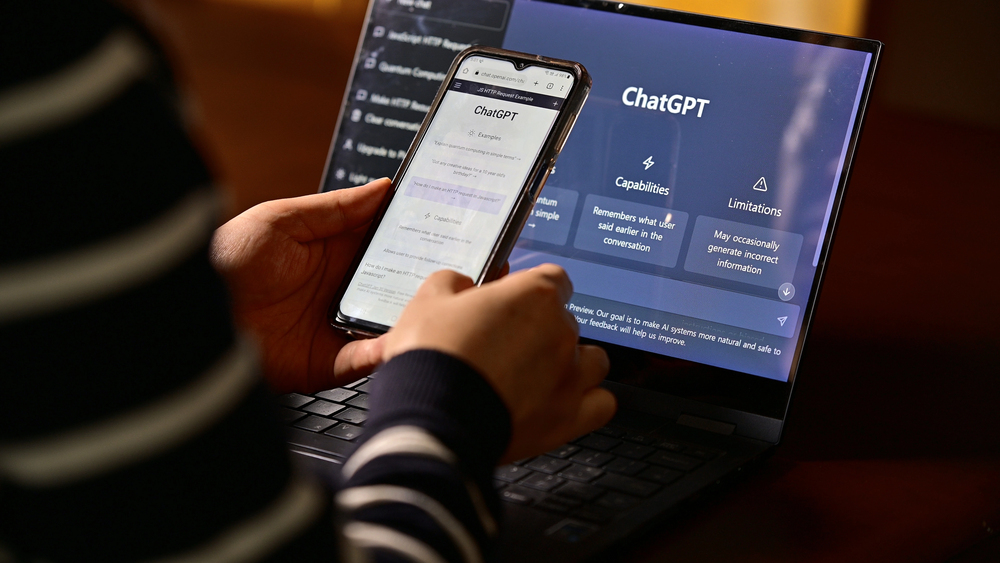
AI trip planners like Wonderplan are built specifically around your spending limit — you set a number, and it builds your entire trip around that figure in real time. Rather than planning a trip and hoping it fits your budget, you’re working backward from what you can actually afford, which makes overspending a lot harder to do accidentally.
Finding cheap flights with Google Flight Deals

Google Flights’ Explore/Deals tools, which have expanded to over 200 countries and territories, let you describe the kind of trip you want in plain language — like ‘beach escape’ or ‘Paris in the fall’ — and uses AI to surface the best available bargains based on those parameters. It’s a solid starting point if you’re flexible on the destination and want to let the deals guide you rather than the other way around.
Real-time hotel price monitoring

Hotel rates shift constantly based on demand, availability, and a dozen other factors that have nothing to do with you. AI tools that monitor flight and hotel prices compare billions of data points — including seasonal demand, airline behavior, and real-time changes — and alert you the moment a better deal appears.
You can even link these tools to your phone’s calendar or digital wallet so you never miss a drop.
Skipping tourist-trap restaurants

One of the easiest ways to overspend abroad is eating in the wrong places — and AI can help you avoid that entirely. Ask ChatGPT or a similar tool for ‘lunch spots where locals actually eat near [your location],’ and you’ll often land on neighborhood spots that cost a fraction of the price compared to anything near a major landmark.
Travelers have used AI to find hidden dining spots in cities like Rome and Paris where a full meal costs significantly less than at the more visible tourist-facing restaurants.
Turning social content into bookable trips

Expedia’s Trip Matching feature lets you send a public Instagram travel reel to the platform, which then creates a bookable itinerary based on the visual inspiration — a genuinely useful shortcut for travelers who find their destination ideas through social media rather than traditional research. It saves the back-and-forth of trying to reverse-engineer what you saw in someone else’s trip and just gets you to the booking stage faster.
Translating menus and signs on the fly

Plenty of money gets lost in translation — literally. When you can’t read a menu, you often end up pointing at the most recognizable thing, which is usually the most expensive option.
ChatGPT has been used by travelers in countries like China to scan menus and translate them into English in real time, helping them navigate local restaurants that most tourists would walk straight past. The Mindtrip app also has a ‘magic camera’ feature that can recognize and translate signs and menus directly from your phone’s camera.
Planning around shoulder seasons

AI chatbots are surprisingly good at helping you figure out the cheapest time to visit a specific destination — not just in a general sense, but factoring in local events, school holidays, and demand cycles that drive prices up. Shoulder months like September and October are frequently identified by AI planners as the most cost-effective windows for travel, offering lower flight prices, fewer crowds, and better accommodation availability.
Running a quick AI query on timing before you book can shift the total cost of a trip considerably.
Splitting group expenses automatically

Group trips are where budgets tend to quietly fall apart — someone pays for dinner, someone else covers the rental car, and by the end nobody really knows who owes what. AI-powered expense tracking apps like TravelSpend handle automatic currency conversion and group expense splitting in real time, even offline.
Travelers who use budget tracking apps on trips spend an average of 23% less than those who don’t, which adds up fast on a multi-day group itinerary.
Optimizing routes to save on transport

One of the less obvious travel costs is inefficient routing — spending money on extra rides, backtracking between neighborhoods, or paying for transport between cities because your itinerary wasn’t laid out logically. AI trip planners like Layla group nearby attractions together and map out your days so you’re not zigzagging unnecessarily.
Layla has been noted for suggesting specific neighborhoods based on budget and proximity, helping travelers stay in areas that are cheaper while still being conveniently located.
Drafting hotel upgrade requests

This one takes a bit of nerve, but it works. AI tools can draft polished, personalized emails requesting complimentary room upgrades based on your loyalty status, length of stay, or a special occasion.
Travelers have reported success using AI-written upgrade requests when the message is specific, polite, and timed correctly — one example resulted in a sea-view suite upgrade in Santorini. It takes about two minutes and costs nothing to try.
Checking visa and entry requirements
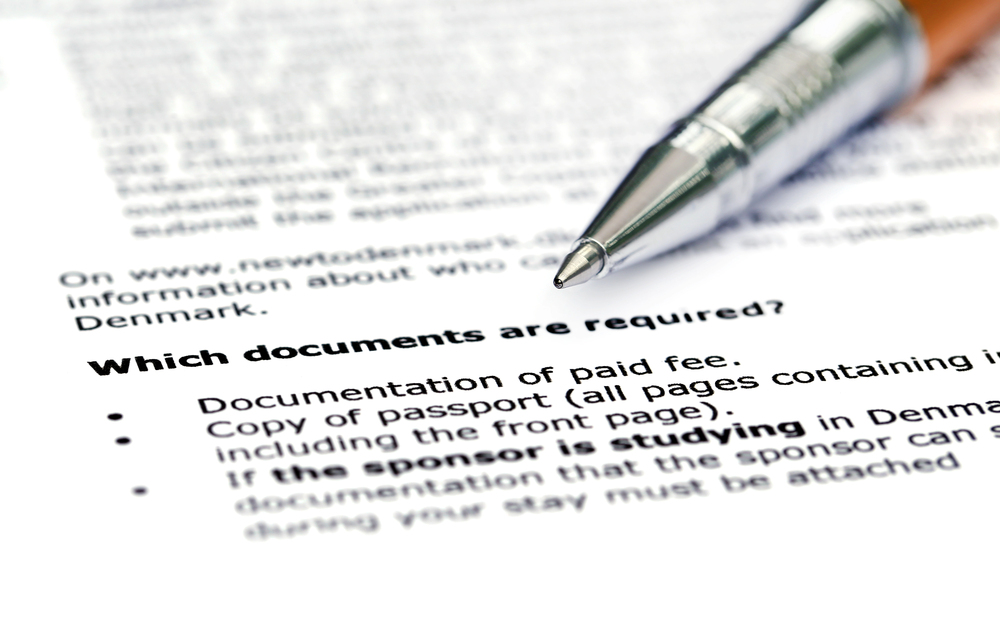
Visa and entry fee surprises are a real thing — and they can be expensive, especially if you arrive at a border without the right documentation and have to pay an expedited fee or change your plans. AI chatbots are useful for quickly checking current requirements for your nationality and destination, including recent rule changes.
U.S. citizens are expected to need ETIAS authorization to visit most European countries, and an AI assistant can flag that kind of update before it becomes a problem at the airport.
Building a packing list that prevents costly mistakes

Over-packing leads to checked baggage fees. Under-packing leads to paying inflated prices for items you forgot at your destination.
AI can generate a customized packing list based on your destination, trip length, planned activities, and the weather forecast — which is a lot more useful than a generic list you’d find on a travel blog. Getting this right before you leave means fewer impulse purchases once you land and fewer surprise fees at the check-in counter.
Using AI to find free and low-cost activities

Paid activities and entrance fees can quietly double the cost of a trip, especially in popular tourist cities. ChatGPT and similar tools are genuinely useful for generating lists of free or low-cost things to do in any city, from free museum days to public markets, hiking trails, and neighborhood festivals that never appear in the standard travel guides.
Delete or merge with the previous sentence for concision, and a well-crafted prompt — like ‘free things to do in Lisbon for a week in October’ — can produce a surprisingly thorough guide in under a minute.
AI is the new travel agent — and it works for your wallet

The shift happening in travel right now isn’t just about convenience — it’s about access. Planning tools that used to require a professional or hours of independent research are now available to anyone willing to spend a few minutes with the right AI prompt.
Around 41% of travelers in a recent survey said they had already used AI tools for trip inspiration or itinerary planning, and the ones who use these tools strategically are consistently coming out ahead on cost. The travelers saving the most aren’t the ones with the biggest budgets — they’re the ones asking better questions.
More from Travel Pug

- Underrated Italian Towns That Beat the Tourist Crowds
- Las Vegas Tourist Traps to Skip
- Prettiest Towns in Every US State
- 18 passport-free countries for Americans
- Signs Your Cruise Is Not Worth The Cost
Like Travel Pug’s content? Follow us on MSN.