

Paris rethinks everything about the way people eat. The city’s culinary ethics are foreign to outsiders—yet, once you’ve experienced them, they make complete sense.
From how Parisians go about shopping for ingredients to how they approach meals, everything about Parisian cuisine teaches you something worthwhile about honoring ingredients, respecting the time to savor meals, and the fact that dining well doesn’t have to be complicated.
Following is a list of 15 things that a foodie discovers while traveling in Paris.
Bread appears at every meal
Parisians treat bread like Americans treat water at the table—it’s just there, always. A basket of sliced baguette sits on the table, whether you’re having breakfast, lunch, or dinner.
The bread isn’t decoration, though. People use it to soak up sauces, accompany cheese, and cleanse their palate between courses.
Croissants belong to breakfast

Ordering a croissant after 11 a.m. marks you as a tourist immediately. Parisians view croissants and pain au chocolat as strictly morning foods, typically enjoyed with coffee before the day begins.
Sure, bakeries still sell them in the afternoon—but locals won’t be the ones buying them.
Cheese gets its own course

The cheese course comes after the main dish but before dessert, and it’s taken seriously. Restaurants often wheel over a massive cart loaded with dozens of varieties, while the server expects you to choose at least two or three.
This isn’t about filling up. It’s about appreciating different textures and flavors while your palate remains fresh.
Coffee means espresso

When Parisians say ‘café,’ they mean a small, strong espresso shot—nothing more. The large, milky drinks Americans associate with coffee shops are rare in traditional Paris establishments.
Cappuccinos are considered a breakfast drink, and ordering one after noon gets you some puzzled looks from the server.
Markets happen daily

Neighborhood markets pop up several times a week, and locals shop there religiously instead of doing one big grocery run. The produce, cheese, and meat vendors know their regular customers by name—sometimes for decades.
This daily shopping rhythm means ingredients stay incredibly fresh since nobody’s buying food that needs to last a week in the fridge.
Butter quality actually matters

French butter tastes completely different from the standard American version. The higher fat content and cultured preparation give it a rich, almost nutty flavor that makes plain bread taste incredible.
Parisians notice butter quality the way wine enthusiasts notice grape varieties. It’s not just a cooking fat—it’s an ingredient worth seeking out.
Meal times are non-negotiable

Lunch happens between noon and 2 p.m., while dinner doesn’t start before 7:30 p.m. Restaurants often close their kitchens outside these windows, so showing up at 4 p.m. for an early dinner simply won’t work.
This rigid schedule forces everyone to eat together at the same time—turning meals into synchronized social events across the entire city.
Wine with lunch is completely normal

Office workers regularly enjoy a glass of wine with their midday meal without raising eyebrows. The French approach to alcohol focuses on moderation and accompaniment to food rather than drinking to get a buzz.
A single glass enhances the meal experience instead of derailing the rest of the workday—it’s practical, really.
Pastries require years of training

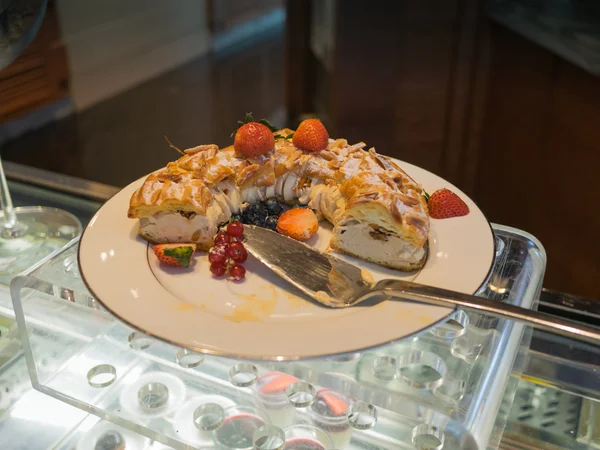
The person making your éclair likely spent years perfecting that one skill. French pastry chefs specialize intensively, and the technical precision shows in every layer of a mille-feuille or in the shine of a tarte au citron.
These aren’t just sweet treats. They’re edible demonstrations of mastered technique.
Portions run smaller

Restaurant servings in Paris look modest compared to American standards—yet the richness of French cooking means you don’t need a massive plate to feel satisfied. A properly prepared dish with butter, cream, or wine sauce fills you up faster than a huge portion of lighter fare.
The French figured out that quality ingredients prepared well beat large quantities of mediocre food every time.
Eating takes time

Rushing through a meal is considered rude and wasteful. Parisians might spend two hours over lunch and three hours at dinner, treating the experience as social time rather than just fuel consumption.
Servers won’t bring the check until you ask because they assume you want to keep sitting and talking. The atmosphere matters as much as the food.
Fresh means truly fresh

‘Fresh’ in Paris means purchased that morning from a vendor who got it from a farm outside the city. Ingredients travel shorter distances and move through fewer hands before reaching your plate.
This farm-to-table concept isn’t a trendy marketing term here. It’s simply how the food system has worked for centuries.
Bistros and brasseries serve different purposes

Bistros offer smaller menus with traditional dishes in cozy settings, whereas brasseries stay open longer hours and serve more extensive menus. Brasseries originally attached themselves to breweries and focused on Alsatian food like choucroute.
Bistros emphasize classic French comfort food instead. Knowing this difference helps you pick the right spot for what you’re craving.
The baguette has actual standards

French law determines what can be called a traditional baguette, including the ingredients that can be used and the way the bread must be baked. Those bakeries that qualify can put ‘tradition’ on their label, which fetches a premium price because people know it’s done right.
An actual Parisian baguette should crunch when you snap it apart, with uneven holes inside.
Seasonality drives the menu

Restaurants are adapting their menus according to what is in season right now and growing. You won’t see tomatoes on restaurant menus in January or asparagus in September since chefs only wish to serve food that is at its best.
This seasonal practice causes you to go to the same restaurant twice and be served totally different meals each time.
How Paris shaped modern dining

The lessons Paris imparts about food have shaped restaurants around the world for generations. The focus on fresh ingredients, proper technique, and sitting down to savor meals influenced French kitchens and spread to dining rooms everywhere around the world.
Something that began as a neighborhood tradition in Paris became the model upon which people everywhere conceive of fine dining. These rules hold up because they’re founded upon respect for ingredients, for craft, and for simple enjoyment of good food with others.
More from Travel Pug

- Underrated Italian Towns That Beat the Tourist Crowds
- Las Vegas Tourist Traps to Skip
- Prettiest Towns in Every US State
- 18 passport-free countries for Americans
- Signs Your Cruise Is Not Worth The Cost
Like Travel Pug’s content? Follow us on MSN.